


Confused about how Financial Planning in India works? This beginner-friendly guide explains everything from budgeting and setting Financial goals to managing investments, insurance, and retirement. Whether you’re a student, professional, or retiree, we break down essential strategies to help you secure your future in India’s fast-changing economy. Plus, discover expert tools, tax-saving tips, and insights into choosing the right Financial planning course in India so you can start building long-term financial stability with confidence.

A financial plan is a personalized roadmap that outlines your current financial status, future goals both short-term and long-term and the actions needed to reach them. It helps you prioritize expenses, manage obligations, save consistently, and build long-term wealth for a financially secure future.
While a financial plan is designed to guide you for years, it should be reviewed and updated regularly to reflect changes in your income, goals, or family situation.
| Component | Purpose | Tools |
|---|---|---|
| Budgeting and forecasting | Estimate future income and expenses to plan growth | Excel, Tally, Zoho Books |
| Cash flow management | Ensure smooth day-to-day operations and liquidity | QuickBooks, RazorpayX, Wave |
| Risk assessment | Identify and prepare for financial uncertainties | Riskturn, Resolver, ClearRisk |
| Funding strategy | Decide how to raise and allocate capital effectively | KredX, ClearTax, Venture Capital CRM |
| Profitability analysis | Measure financial health and optimize for higher profit | FreshBooks, ProfitWell, Xero |
Define clear goals such as buying a house, children’s education, or building a retirement corpus. Goals can be:
Evaluate your current financial position by:
A budget helps you manage your money effectively. Divide your income into essential and non-essential expenses using the 50/30/20 rule:
| Category | Percentage |
|---|---|
| Needs (Essentials) | 50% |
| Wants (Lifestyle) | 30% |
| Savings & Investments | 20% |
An emergency fund acts as a safety net during unforeseen situations like job loss or medical emergencies. Experts recommend saving at least 3-6 months of expenses in a liquid account.
Investing helps your money grow over time. Popular investment options in India include:
Insurance is essential for financial security. Types of insurance to consider:
Tax planning helps you legally reduce tax burdens through deductions and exemptions under various sections, like:
Start planning for retirement early to build a sufficient corpus. Some retirement savings options in India:
Creating a business plan is a critical step for every small business owner, and a key part of this process is conducting financial planning and analysis. This stage helps entrepreneurs understand the true importance of managing business finances. Through proper financial planning and analysis, small businesses can gain clarity on budgeting, forecasting, and setting realistic financial goals. It also supports better decision-making, long-term growth, and financial stability. The financial plan is important for small businesses from several points, such as:
Entrepreneurship is full of uncertainties, and small business owners need to be prepared for any unfortunate events. A business financial plan helps them to cover and manage risks like a hike in prices of raw materials, natural calamities, low turnover, etc. And when a small business owner has done the right budget planning, they can solve such issues easily.
Having financial plans helps small business owner set apart their personal and business expenses. Otherwise, the line between personal and business spending can get blurred and owners may make unnecessary expenses from the business budget.
Daily operations and short-term goals keep the business running, but it’s the long-term goals that make a small business venture successful. If small business owners have done the right financial planning, then they can achieve their long-term goals, with enough funds, and earn regular revenue.
Small businesses have limited amounts of funds, and they must use those funds wisely. Here arises the need for financial planning, as it helps them control their expenses and maintain necessary cash funds for emergencies.
Small business owners need to keep measuring their progress rate from the initial stage of the venture. Amidst so much decision-making, keeping track of progress becomes difficult; however, if there is a proper financial plan for the business, it becomes easier to measure the progress of your small business.
Some popular financial planning tools that can help you track and manage finances efficiently:
| Tool | Features |
|---|---|
| MoneyControl | Budget tracking, investment news |
| ET Money | Investment planning, tax saving |
| Groww | Mutual fund investments |
| Zerodha Coin | Direct mutual fund investments |
| MyCAMS | Portfolio tracking |
Financial risk management is a systematic process that involves identifying, assessing, prioritizing, and mitigating various types of risks that could impact an organization’s financial stability and objectives.
Financial risk management typically consists of 7 steps:
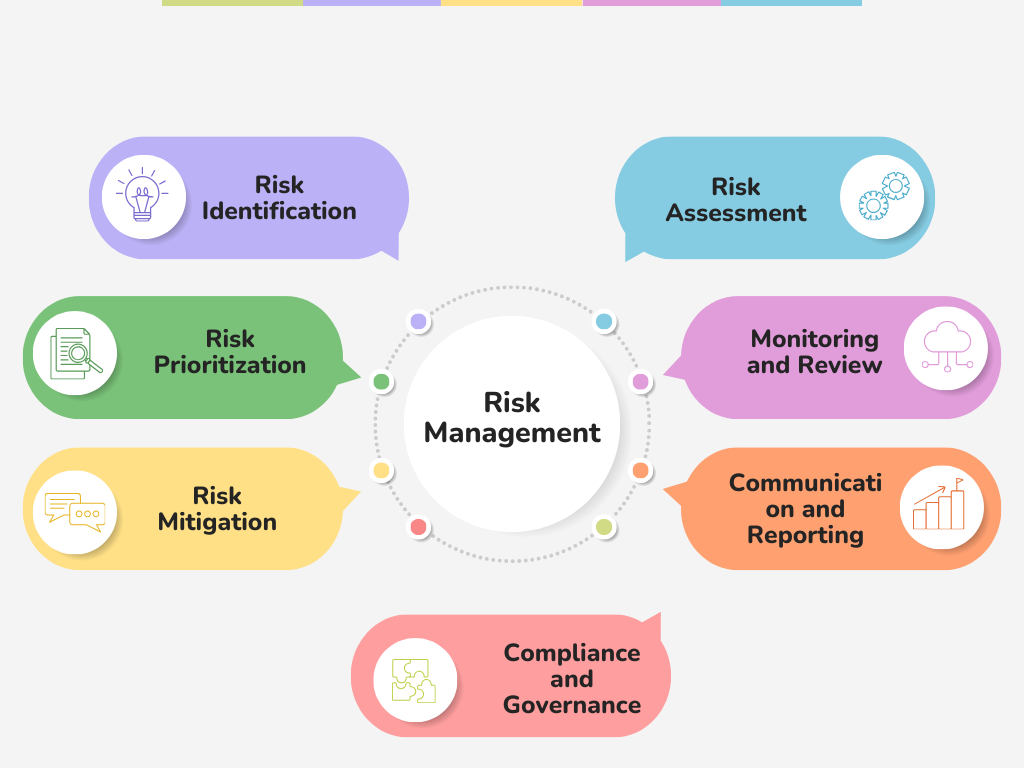
By following these steps, small businesses can effectively identify, assess, prioritize, and mitigate financial risks, thereby enhancing financial stability and ability to achieve their objectives.
A financial planning course is designed to equip individuals with the knowledge and skills needed to manage their finances effectively. Whether you’re looking to enhance your personal financial literacy or pursue a career as a financial planner, these courses offer valuable insights into various aspects of financial management.
A typical financial planning course includes the following modules:
Financial planning courses are offered by various institutions, including universities, online platforms, and professional organizations. Some popular platforms include:
When selecting a financial planning course, consider the following factors:
By enrolling in a financial planning course, you can gain valuable knowledge and skills to manage your finances effectively and achieve your financial goals. Whether for personal growth or professional development, understanding financial planning is a crucial step toward financial success.
Here are some highly recommended books on financial planning that can help you gain valuable insights and improve your financial literacy, including personal financial planning:
These books cover a wide range of topics related to financial planning and can help you develop a solid foundation for managing your finances effectively.
Every business requires business planning, and so does a small business. Here are some of the financial planning tips for small businesses to run successful businesses.
Starting a small business can be risky and challenging. Before you execute any plans, do your research. Talk to fellow small business entrepreneurs, know the risks involved, profit percentage, capital fund needed, operating expenses, and demand for the product or service you intend to sell. After you have done your research and learned how to do risk management, you can go ahead with your plan.
Relining on one funding option is a big mistake that many small business owners make, and you should avoid this mistake. Don’t use all your savings; look out for other funding options. Some of the good funding options for small businesses are crowdfunding, venture capital, pitch competitions, or friends & family. This way, you will be able to generate large amounts of funds to start.
Recommended Read: Capital Budgeting Strategies That Drive Business Growth
Documentation and maintaining financial records are an important part of any business, and they become more crucial for small businesses. So, before you start working on any deal, draw the right paperwork and mention all your terms & conditions. It is a must-follow rule while doing finance planning.
Maintaining consistent cash flow to the business is crucial, as healthy cash flow enables small business owners to fulfil their duties like paying daily wages and monthly salaries to employees, reserves for emergencies, and making investments.
Risks are part of entrepreneurship, but being aware of those risks helps a lot. There are five types of risks that every small business owner should be aware of these risks are credit risk, market risk, liquidity risk, legal risk, and operational risk. Once you understand these risks and develop a risk management plan, you can safeguard your business venture to a much greater extent.
Recommended Read: Top 10 Free & Paid Online Entrepreneurship Courses for 2025
Hiring for small businesses can be tricky with the limited budget, but whoever you hire should be qualified for their job, especially finance planning experts. Financial experts should have good knowledge of finance and risk management.
Managing a personal budget might have been a do-it-yourself task for you, but small business finances can be complicated. To manage your business taxes, to need to help of experts like a CA or CPA who can guide you to save taxes and audit your financial reports.
Reviewing financial records can be time-consuming, but it’s a necessary task. Other than your quarterly and annual reviews, you need to do a monthly review of your cash flow, monthly income and expenses, debts, etc. So that you can know whether you are on the right path and whether your business financial plan is working or not.
You can start financial planning with as little as ₹500 to ₹1,000 per month. It’s not about how much you save it’s about starting early, staying consistent, and setting clear goals. As your income grows, so should your savings.
Tip: Aim to save at least 20% of your income monthly for effective long-term planning.

Financial Planning in India is essential for small businesses to meet their goals and operate smoothly. A solid financial plan defines capital requirements, finance policies, and investment strategies. It covers key components like profit or loss statements, net income, cash flow, and risk management. Factors such as taxes, emergencies, spending habits, and investor expectations also impact planning. With proper financial planning, small businesses can ensure long-term success and make informed financial decisions.
Recommended Read:-
The main objectives of financial planning include:
1. Ensuring financial security and independence
2. Building wealth for future needs
3. Managing risks through proper insurance
4. Minimizing tax liability
5. Planning for retirement
6. Creating an estate plan for wealth transfer
7. Maintaining adequate emergency funds
Financial Planning is important for every business, as it helps business owners stay focused on their financial goals and be prepared for any unforeseen events. If a business has a good financial plan, it can keep its operations running and pay its employees on time. Thus, businesses need to understand the importance of business finance and make plans accordingly.
Business Financial Planning is a task to determine how a business will achieve its goals and objectives with strategic financial planning. Financial plans each activity that a business needs to do, along with the funds required to complete that task. Creating financial plans also helps the business to reserve enough cash funds to make investments, save for emergencies, and pay debts (if any).
There are several factors that can affect the financial planning of a small business. While creating financial plans for businesses, owners must keep these factors in mind to make their plans successful. Some of the major factors that affect financial planning are:
1. Spending Behavior
2. Savings & Investments
3. Financial Potential
4. Financial Goals
5. Risk Tolerance
6. Financial Advisor
The 5 key steps in financial planning are: First, assess your current financial situation by reviewing income, expenses, and assets. Second, set clear financial goals, both short-term and long-term. Third, create a detailed action plan to achieve these goals. Fourth, implement your strategy through budgeting, investing, and insurance. Finally, monitor and adjust your plan regularly based on changing circumstances and progress.
A financial planner is a professional who helps individuals and organizations create comprehensive strategies to meet their financial goals. They provide advice on investments, savings, insurance, taxes, retirement planning, and estate planning. Financial planners analyze your current situation, understand your objectives, and develop customized financial solutions.
Financial planning helps small businesses forecast cash flow, set targets, and allocate resources strategically to ensure long-term stability.
Those will become part of your budget. The 50-30-20 rule recommends putting 50% of your money toward needs, 30% toward wants, and 20% toward savings. The savings category also includes money you will need to realize your future goals.
The 7 steps of financial planning are: 1) Establish financial goals, 2) Assess your current financial situation, 3) Identify and analyze financial gaps, 4) Develop a comprehensive financial plan, 5) Implement the plan, 6) Monitor progress, and 7) Review and revise the plan.
Tax planning helps reduce liabilities legally through exemptions and deductions under sections like 80C, 80D, and 24. It allows you to save more and invest efficiently.
Read More:


