

A professional reference letter (alternatively called “letter of recommendation“) is written by a previous manager or colleague to highlight a candidate’s professional abilities to support a candidate’s application for a new job or opportunity.
A high-quality reference letter should contain the reader’s job title, employment dates and length of time the referent knew them, the responsibilities that were held while working together, specific examples of accomplishments, description of relevant skills, and the writer’s contact information.
A professional reference letter is a document written by someone who knows your qualifications, skills, character and work ethic in a professional setting. Usually written by a former employer, colleague, mentor or supervisor who has seen you in action. This type of letter is used when applying for a job, promotion, college or graduate school or when you need a reference for a professional association or certification. It gives insight into your abilities, your impact in the workplace and your personal qualities so the recipient can get a sense of you.
Candidates often request a professional reference letter when they look for new jobs or move to new cities. Any individual can proceed with their job application process with the help of this letter. It may also assist those moving to a position in a different branch of the same company. Employees may ask for such recommendations if you are a supervisor or manager. You can write the reference letter on their behalf which proves to be good evidence of their professional abilities.
There are various reasons behind writing a recommendation letter for employees. These include job applications, employee recommendations, promotions, internal transfers, etc.
A professional reference letter format is similar to other letter formats. It includes
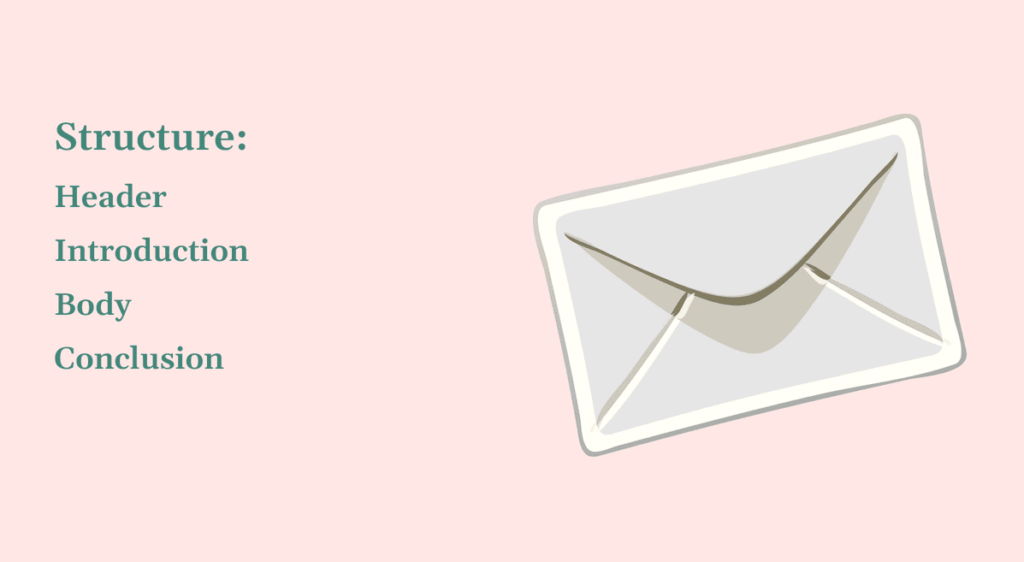
The header includes your contact information, the date, and the recipient’s contact information. This makes your letter more formal because that provides the reason behind sending it to the employer.
Explain your relationship with the candidate in the introduction. You can also add how long you have known each other and the context of your professional interactions. This provides the employer with a strong reason to look up the candidate’s details.
The best way to showcase the candidate’s skills and achievements is by using examples. Use paragraphs to talk about the candidate’s abilities at the office. Showcase what makes them suitable for the job or position.
The conclusion should summarize the key points made in the body. It must also restate your strong recommendation for the candidate. Do not forget to add your contact information so that you can answer questions from the new employers or recruiters.
Before asking for a reference letter, it is essential to understand the type of reference letter you need, as there are many types of references for different situations. Here are some of the most common, and how they can be helpful to you:
It would help if you kept several things in mind when writing a professional reference letter. This involves analyzing the following points. A professional reference letter is a vital document that provides insight into an individual’s skills, character, and qualifications from the perspective of someone who has worked closely with them. Whether you are writing a reference letter for a colleague, employee, or student, it’s important to follow a structured approach to ensure that the letter is effective and professional.
When writing a professional reference letter or a professional business letter of reference, it is essential to gather relevant information about the candidate to ensure that your letter is both accurate and impactful. A well-informed reference letter can significantly enhance the candidate’s chances of securing a job or opportunity. Here are some steps to help you collect the necessary information:
Start by asking the candidate for a copy of their resume or a list of key achievements. Discuss their career goals and the specific position they are applying for. Collect examples of their work and any notable accomplishments.
A professional reference letter is a crucial document that provides insight into an individual’s skills, character, and qualifications from the perspective of someone who has worked closely with them. Whether you are writing a reference letter for a colleague, employee, or student, it’s important to follow a structured approach to ensure that the letter is effective and professional. Here’s a guide to help you write a compelling professional reference letter:
Use formal language and a respectful tone throughout the letter. Be honest when you talk about the candidate’s strengths and potential. Avoid overly personal or informal language.

Avoid using general or unclear statements. Provide specific examples of the candidate’s skills and achievements. Focus on their character and strengths to make the letter meaningful.
Stick to relevant details about the job or program the candidate is applying for. Adding unrelated information can weaken the reference. Customize your examples to match the job requirements.
A reference letter that doesn’t address the key qualities or skills required for the job is less effective. Make sure you align the content with the job description.
Spelling and grammatical errors can make the letter look unprofessional. Proofread thoroughly to ensure your recommendation reflects well on both you and the candidate.
Always include your phone number or email so the recipient can contact you for further details if needed. A reference letter without contact information lacks credibility.
If there are specific instructions or templates for the reference letter, make sure to follow them. Ignoring these can result in the letter being overlooked.
Professional reference letter samples can be of different types. You must learn about these samples to ensure you write the correct letter. Take a look at the essential samples below.
Dear Mr. Xin,
It is my pleasure to recommend Lucia for a senior management director position with your company. As Creative Director at XYZ Content Services, Lucia has reported to me directly since she has started as a team lead with our company in 2022.
During her time at XYZ, Lucia introduced several project management programs. She has single-handedly worked on the company’s workflow and project management profiles. Thanks to her efforts, we were able to increase our bandwidth for new client projects from September 2022 to May 2024. That is why Lucia is always willing to take calculated risks on new software and systems.
The cultural transformation in our office could not have happened without Lucia’s leadership abilities. She held meetings with the team whenever a new project came and explained the benefits. This established her as our in-office SaaS Subject Matter Expert. These amazing specialties will make her an excellent leader at your company.
Lucia is the best problem solver who thinks on her feet. She finds solutions for any challenge her team faces. I recommend her because she will be an excellent addition to your company. Please call me if you would like to discuss Lucia’s work further and I will happily assist you.
Sincerely,
Ejaaz A. Chief Operations Officer, XYZ Content Services, email id, Mobile Number
A reference letter from an employer is necessary because it proves the candidate’s worth. If you are the employer, you will know the candidate’s skills and specialties, proving their abilities to the future employer.
Here is an employment reference letter sample for your reference.
| Dear Ms. Chen, It is my pleasure to recommend Karen S. for employment with your organization. I have known Karen for over two years, during which she worked as a communications assistant in my office. Karen’s attitude and productivity have always impressed me. She is very bright and highly motivated. I am confident she will devote herself diligently to a position with your organization. She is a quick learner and has shown the ability to digest large volumes of information. Karen has shown the ability to use information and ideas effectively in both verbal and written forms. I recommend Ms. Karen without reservation. I am confident she will establish productive relationships with your staff. Please let me know if you need more information about this outstanding young woman. Sincerely, Signature (hard copy letter) Raymond |
A job reference letter from an employer is important because it enables the candidate to get employed easily. Most of the time, these references are sent to a known office of the employer, increasing the candidate’s chances of getting selected. Here is a sample professional reference letter for your understanding.
| Dear Vicky P, I highly recommend Jeremy Krueger for the position of payroll manager at Winston Company. As a payroll specialist at Johnson Storage from 2012 to 2024, he displayed exceptional skills. Jeremy processed payroll for over 100 employees, calculated payroll taxes, and updated records. He successfully digitized our payroll system. Jeremy’s ability to prioritize tasks and take initiative would be a valuable asset. I am confident he would excel in this role. Best, Allison S. |
An employment reference letter provides employers with an assessment of the candidate’s skills and experience. It offers insight into the candidate’s suitability for the role from someone who has supervised their work. Here is an employment reference letter sample for your reference.
| To Whom It May Concern, Michelle S. has been my executive assistant for four years. She ensures smooth operations in a high-stress office. Michelle is organised, outgoing, and an excellent communicator. She redesigned our scheduling system for greater efficiency. She has earned a B.Com degree and seeks a challenging position. We regret not having a suitable role for her at ABC Logistics Systems. I highly recommend Michelle S. Please contact me if you have any questions. Yours truly, Anna Miller President and CEO |
When using a reference letter format for a job, be specific and professional. Include all details that make the candidate’s eligibility stronger. Follow these tips to ensure effectiveness:
Understand the reason behind writing a professional reference letter and who will be reading it. Whether for a job application or an internal promotion, knowing the audience will help you address specific concerns and highlight essential skills. For example, a hiring manager may want to see the candidate’s leadership skills. Showcase your candidate’s contributions in the body of the content.
A reference letter should not contain general praise. Instead, provide specific examples that showcase the candidate’s skills and achievements. For example, here is a job reference letter sample, “Jane exceeded her targets by 20%”. You will write this instead of “Jane is a hard worker.” The former provides measurable proof of the candidate’s efforts and dedication, making the recommendation more trustworthy and reliable.
Be truthful and accurate in your descriptions. People can detect false information easily, which can harm the candidate’s chances and credibility. Focus on the candidate’s genuine strengths and contributions while drafting a professional business letter of reference. Emphasize only those areas where the candidate excels and provide honest assessments when necessary.
A professional reference letter reflects on both the candidate and you as the writer. Errors in grammar, spelling, or punctuation can affect the letter’s professionalism. Take the time to proofread and edit the letter properly. Use tools like spell check and grammar check, or ask a colleague to review it. An error-free letter ensures a professional message and reflects well on both you and the candidate.
A positive and professional tone throughout your recommendation letter or professional reference letter can leave a lasting impression on the recipient, increasing the candidate’s chances of success. By following this guide, you can provide an excellent reference that supports the candidate’s career aspirations.
A professional reference letter must include several elements. The major ones include an introduction, a statement of recommendation, reasons for recommending the candidate, a personal story with evidence (if applicable), and a closing statement. Add your signature at the end.
A job reference letter should be around a single page in length. It must consist of three essential parts: the opening, the body, and the closing. You must talk about the relationship between yourself and the candidate in the reference letter. This also involves explaining why you wrote the letter.
Here is a sample of a recommendation letter for an employee:
“Dear Ms. [name],
I am writing to recommend [name] for the position of [department] associate at [name] Company. I have worked with [name] for the past [years] at [company name] in [city]. I was always impressed with his ability to handle customers and work well with all colleagues.”
The best format to write a job reference letter is to start with an introduction, followed by a statement of recommendation that highlights the candidate’s skills. Add additional elements, like a personal story, to make the letter more impactful. Conclude with a closing statement.
You can follow some essential tips to ensure your reference letter is effective and professional: focus on the candidate’s achievements and unique abilities, give examples of their tasks and activities that benefited the previous organization, keep the information factual, and make your praise specific.
A reference certificate for job is referred to as a reference letter (or a letter of recommendation) and is a formal document from a former employer, manager, or professional supervisor that:
Verifies your work history.
Describe your abilities, performance, and work ethic.
Highlights your potential employment or academic opportunities.
A reference from a professional source like a boss or team lead would provide detail about your actions and performance at work. You can choose personal references, too, from any area of your life, such as, your volunteering, your education, personal relationships, and lifelong friendships.
Employers want to make sure they find candidates that match their company’s work ethic and culture. Instead of reading bluff, the hiring manager would rather talk to your past or current employers to get to know the real you. A professional job reference list can help them sort this out.