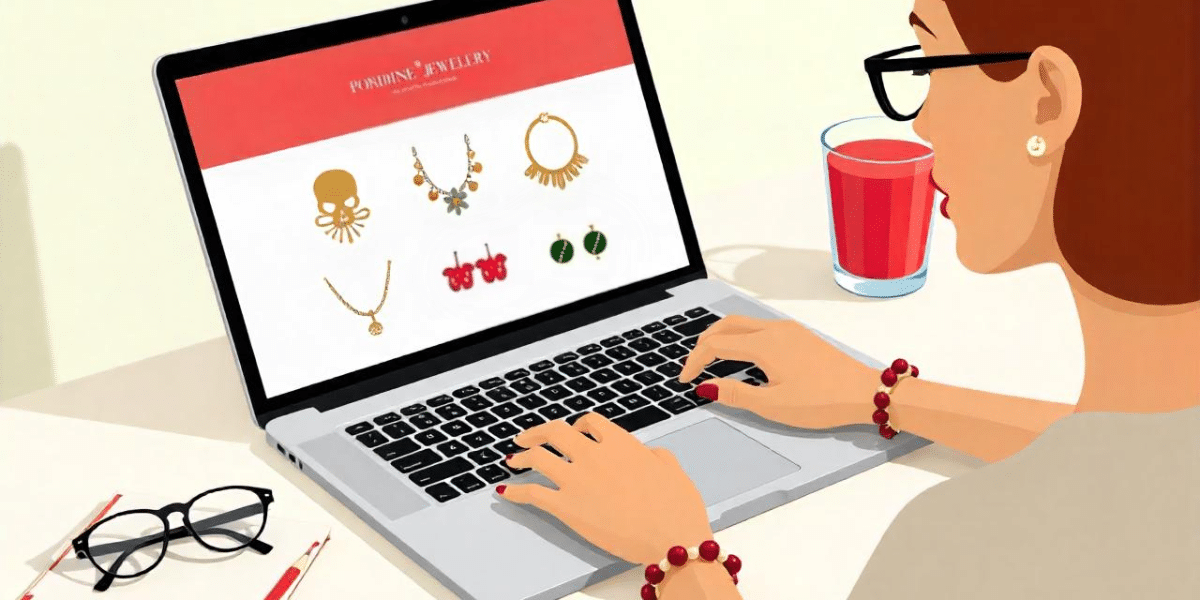
The India jewellery business market is valued at USD 90.40 billion in 2024, and is projected to reach USD 150.10 billion by 2033 (CAGR ~5.2%).
Focus on profitable long‑tail niches like “lab‑grown diamond earrings for millennials”, “affordable bridal jewellery with hallmark guarantee”, or “lightweight everyday gold pendants”. These help attract high‑intent commercial buyers.
Prioritize organised retail & e‑commerce, digital marketing, influencer tie‑ups & ethical sourcing to scale fast many brands hit ₹50,000-₹1,00,000+ monthly sales within 2‑3 months with the right mix.
Table of Contents
The jewellery industry is evolving fast and AI is at the heart of this transformation. From personalized shopping experiences to data-driven trend forecasts, technology is reshaping how jewellery is designed, marketed, and sold.
Jewellery holds deep emotional and cultural value. Each jewelry collection, whether bridal, minimalist, or heritage,, tells a personal story. AI helps amplify that connection by curating designs tailored to individual tastes, browsing history, and style preferences.
With the rise of D2C brands and digital storefronts, even solo entrepreneurs can now compete with legacy names. AI tools make managing inventory, running targeted ads, and forecasting demand easier while keeping customer experience at the forefront.
Finding Your Niche in the Jewellery Market
Identifying the right niche helps you stand out in a crowded market and build a strong brand identity. Here’s how to explore and define your space in the jewellery industry:
1. Popular Jewellery Niches
Bridal Jewellery – Ideal for high-value, emotion-driven purchases.
Minimalist Designs – Clean, simple styles for daily wear.
Spiritual & Symbolic – Includes chakra, religious, and astrological pieces.
Custom/Personalized – Name pendants, birthstones, initials.
Vintage & Antique-Inspired – Unique pieces with old-world charm.
Children’s Jewellery – Safe, lightweight, and colorful.
Artificial Jewellery Business – Great for entrepreneurs starting, the artificial jewellery business offers affordability, trendy designs, and fast production cycles. It’s a low-investment, high-margin opportunity, making it ideal for building a scalable and profitable model.
2. Understand Your Target Audience
Gen Z & Millennials – Trend-conscious and prefer affordable, expressive styles.
Working Professionals – Seek versatile, elegant pieces for everyday wear.
NRIs – Look for modern takes on traditional Indian jewellery with global shipping options.
Eco-conscious Shoppers – Value sustainable materials and ethical sourcing.
Instagram Insights – Track niche hashtags and influencer content.
Google Trends – Monitor long-term keyword interest and seasonal spikes.
Online Marketplaces – Analyze bestsellers on Amazon, Etsy, and Nykaa Fashion to spot gaps in the market.
4. AI-Powered Niche Discovery
AI tools can help identify rising trends, customer preferences, and underserved categories by analyzing search data, social engagement, and competitor activity.
This makes it easier to create targeted offerings whether you focus on luxury, sustainability, or scaling through the artificial jewellery business model.
How to Make Jewellery: From Hobby to Craftsmanship
Whether you’re a creative hobbyist or an aspiring entrepreneur, learning how to make jewellery can be both fulfilling and profitable. This section covers the basics, techniques, tools, and how to scale from handmade to professional production.
1. Tools & Materials to Get Started
Starter Kits – Include pliers, wire cutters, beads, jump rings, and clasps.
Raw Materials – Beads, semi-precious stones, polymer clay, resin, wire, and chains.
Workstation Setup – Invest in a clean, well-lit space with basic safety gear.
2. Popular Jewellery Making Techniques
Wire Wrapping – Ideal for rings, pendants, and earrings.
Beading & Stringing – Great for bracelets, anklets, and layered necklaces.
Resin Casting – Allows creative, colorful, and customizable designs.
Metal Stamping & Clay Molding – Used for personalized and artisanal looks.
These techniques form the foundation of beginner to advanced jewelry making.
3. Learning Resources
YouTube Channels – Free tutorials on beginner to advanced techniques (e.g., Beadaholique, JewelryTutorialHQ).
Online Courses – Skillshare, Udemy, and Domestika offer structured learning.
Certification – Consider certified courses from institutions like GIA or local design schools to boost credibility.
4. When & How to Scale
Outsource to Artisans – Hire local karigars or collaborate with jewellery clusters in Jaipur, Surat, or Kolkata.
Work with Jewelry Manufacturers – Ideal for replicating bestsellers at scale or white-label production.
3D Printing & CAD Tools – Modernize jewelry making with precision-based design and faster prototyping.
5. AI Tools for Design
AI-powered platforms can now help generate unique design ideas, analyze customer preferences, and even auto-generate 3D jewellery prototypes.
Crafting a Business Plan for Your Jewellery Venture
Define whether your jewellery business will be a side hustle or a full-time venture, as this shapes your time and investment commitment.
Set clear short-term and long-term goals, such as launching online, expanding into retail, or exploring franchising opportunities.
Budget all startup costs including raw materials, tools, packaging, website setup, branding, and legal expenses.
To ensure profitability, apply a cost-based pricing formula that factors in materials, labor, overheads, and the desired markup.
Explore funding options like self-funding, family loans, government startup grants, or MSME loan schemes to support your venture.
Choose the right business model handmade-to-order, white-label resale, dropshipping, or artisan collaboration based on your resources and goals.
Complete essential legal registrations: register your business structure (sole proprietorship, partnership, or private limited), obtain GST if turnover exceeds limits, and secure MSME/Udyam registration for benefits.
Protect your brand by trademarking your business name and logo to avoid infringement.
If selling internationally, apply for an Import Export Code (IEC) to comply with export-import regulations.
Leverage AI-powered financial tools like Zoho Books, QuickBooks, or Excel planners to automate budgeting, forecasting, and margin tracking.
Branding and Identity: Making Your Jewellery Stand Out
Choose a memorable and SEO-friendly brand name that reflects your style and values.
Craft a compelling brand story that connects emotionally with your audience highlight your passion, craftsmanship, or ethical values.
Design a clean and distinctive logo that works well on websites, social media, and packaging.
Create a packaging and unboxing experience that reflects your brand personality; consider eco-friendly materials and personalized touches to delight customers.
Incorporate sustainability by sourcing ethically and using eco-friendly packaging, appealing to conscious consumers.
Ensure all brand elements name, story, visuals, and sustainability work cohesively to build trust and recognition.
Strong branding helps your jewellery stand out, encourages customer loyalty, and boosts SEO and conversions.
Building an Online Presence: Selling Jewelry in the Digital Age
1. Choose the Right Platform: For anyone selling jewelry online, choosing the right e-commerce platform is essential. Shopify and Wix offer user-friendly interfaces with built-in marketing tools, making them great options for new jewelry sellers. WooCommerce is ideal for those already using WordPress and wanting deeper customization Fespecially useful for jewelry manufacturers looking to scale.
2. Design for User Experience: Create intuitive navigation with clearly defined categories and filters to help customers find what they need. Mobile optimization is critical, as a majority of shoppers browsing or buying jewelry do so on smartphones.
3. Product Photography: High-quality, well-lit images from multiple angles build trust when selling jewelry online. Enable zoom features so customers can appreciate intricate detailing especially important for handcrafted or custom-made items from jewelry manufacturers.
4. Product Descriptions & SEO: Write compelling product descriptions that emphasize material, size, craftsmanship, and design style. Incorporate long-tail keywords like “rose gold butterfly pendant” to increase visibility. This is particularly beneficial for jewelry manufacturers selling jewelry under white-label or private-label models.
5. Local SEO: Boost local visibility by setting up a Google Business Profile. Encourage satisfied customers to leave reviews, enhancing trust and discoverability for both independent sellers and jewelry manufacturers expanding locally.
6. Customer Trust & Checkout: Build credibility by showcasing customer reviews and ratings directly on product pages. Ensure your checkout process is secure, seamless, and optimized for mobile users to support a smooth buying experience when selling jewelry online.
7. Customer Support: Provide instant assistance using AI-powered chatbots or live chat, addressing questions about sizing, materials, or delivery critical for both small business owners and larger jewelry manufacturers handling bulk orders.
8. Social Selling: Connect your store to Instagram and Facebook Shops, allowing direct purchases through social media platforms. Social selling helps expand reach and drive sales for brands and jewelry manufacturers alike.
9. Ongoing Updates: Keep your store dynamic by regularly introducing new jewelry collections, seasonal styles, and special promotions. This keeps the experience fresh and reinforces your credibility in the competitive landscape of selling jewelry.
Technology Trends Impacting the Jewellery Business
Technology is transforming how jewellery businesses operate and how customers shop. One key innovation impacting selling jewelry is Augmented Reality (AR), which allows customers to virtually try on pieces. This makes online shopping more interactive and boosts buyer confidence, reducing returns.
Another major advancement is blockchain, which tracks the complete journey of a jewellery piece. It strengthens trust by verifying authenticity and ethical sourcing crucial factors in today’s conscious buying environment.
In addition, AI and e-commerce automation tools empower brands selling jewelry to analyze customer behavior, personalize marketing, and manage inventory efficiently, helping them stay competitive in a fast-evolving digital marketplace..
Jewellery Purchases Are Deeply Emotional Jewellery often marks essential life moments like engagements, anniversaries, or personal milestones. This emotional connection makes jewellery a meaningful purchase rather than a simple commodity.
People buy jewellery to express identity, celebrate relationships, or commemorate achievements.
Emotional stories behind jewellery add value and influence buying decisions.
Two Main Buyer Types: Gift Buyers and Self-Purchasers Different motivations drive these groups, impacting how they shop and what they look for.
Gift Buyers: Seek timeless, symbolic pieces that convey love, appreciation, or celebration. They often need guidance on selecting meaningful jewellery.
Self-Purchasers: Focus on trends, personal style, customization, or investment value. They look for unique or statement pieces reflecting their tastes.
Best practices for return policies tailored to jewellery’s unique needs (resizing, damage).
Managing repairs in-house vs. outsourcing.
Communicating policies clearly to reduce customer friction.
6. Elevating Customer Service:
Using CRM tools to track customer interactions and personalize service.
Training customer service reps on jewellery-specific queries.
Incorporating chatbots and AI for instant support without losing the human touch.
7. Authenticity and Certification:
How to create and manage certificates of authenticity and warranties.
Educating customers about product value and authenticity for trust-building.
Growing Your Jewellery Business: Effective Strategies for Expansion
Expanding your jewellery business starts with refreshing your jewelry collection regularly by introducing designs that resonate with current trends and customer preferences. This keeps your brand relevant and exciting.
Use customer insights to create personalized upsell offers and loyalty programs that encourage repeat purchases and strengthen brand loyalty.
Explore offline growth avenues such as pop-up shops, exhibitions, and partnerships with boutiques to connect with new customers and increase brand exposure beyond the digital space.
Collaborate with influencers, stylists, and celebrities to amplify your reach and build trust among broader audiences.
Consider licensing your brand or offering franchises to scale your business rapidly without heavy investment.
As demand grows, rely on experienced jewelry manufacturers to increase production capacity without compromising quality.
Keep an eye on market trends and be ready to adapt your product and marketing strategies to stay ahead of the competition.
Finally, ensure your backend operations from inventory to customer service are scalable and efficient, supporting sustainable growth.
By blending innovation, partnerships, and operational strength, you can successfully expand your jewellery business into a larger, profitable venture.
Starting and growing a jewellery business requires a balance of creativity, strategy, and execution. From selecting the right niche and honing your jewellery-making skills to developing a compelling brand and utilizing digital tools, each step plays a vital role. By understanding customer psychology and adopting emerging technologies, you can enhance both your marketing efforts and operational efficiency. Strategic scaling allows for long-term, sustainable growth. With dedication, a clear vision, and the right tools, your passion can evolve into a successful online jewellery store that resonates with customers and thrives in today’s competitive market. Be sure to explore our guide to Online Jobs for more entrepreneurial insights.
Is a business license required to sell jewelry online?
Yes, a business license is necessary to legally sell jewelry online. It ensures compliance with regulations, aids in tax registration, and builds credibility with customers.
Which basic tools are needed for jewelry making?
Key tools include pliers, wire cutters, tweezers, beads, wires, and clasps, usually found in beginner kits to create various jewelry styles.
Which jewelry business model is the most suitable?
Choosing the best jewelry business depends on your goals; handmade custom pieces suit artisans, while artificial jewelry is ideal for affordability and scaling.
What are the latest trends in the jewelry industry?
Current trends focus on minimalist styles, ethical sourcing, personalized designs, vintage influences, and tech like virtual try-ons and blockchain authentication.
Which platforms are best for selling jewelry online?
Top platforms include Shopify, Etsy, WooCommerce, and Amazon, chosen based on ease, customization, marketing features, and target customers.
How can I protect my jewelry designs from being copied?
Protect designs by registering trademarks, applying for copyrights or patents, using manufacturing agreements, and documenting your creative process carefully.
What types of insurance are necessary for a jewelry business?
Essential insurance includes general liability, product liability, property coverage, and protection against theft or damage to secure your business assets.
How much money to start a jewelry business?
Starting a jewellery business in India doesn’t always require a huge budget you can begin with as little as ₹10,000 if you’re going small or handmade. But if you’re aiming for a branded setup with proper packaging and marketing, the cost can go up to ₹2 lakhs or more, depending on how big you want to go.
Is it smart to invest in jewelry?
Yes, investing in jewellery especially gold or diamonds can be a smart move since they often hold or even grow in value. Just make sure to check things like purity, market trends, and how easily you can resell it later.
Authored by, Samiksha Samra Digital Content Writer
Samiksha is a writer with a passion for sharing ideas and a knack for detail. She loves turning concepts into meaningful, engaging content. With a strong background in research and content strategy, she crafts clear, easy-to-understand narratives that resonate with readers. Her curiosity drives her to explore new subjects, ensuring every piece she creates is both insightful and impactful.