


Women entrepreneurs in India are rapidly reshaping the nation’s economic and social landscape by launching innovative startups across fintech, e-commerce, healthtech, and more. With over 7,000 active women-led startups generating 22 million jobs and raising $930 million in funding in 2024, a 93.75% growth, these trailblazers are breaking barriers and inspiring a new generation. Supported by government schemes and a thriving ecosystem, the top women entrepreneurs in India 2025 are key drivers of sustainable, inclusive growth, making women-led ventures vital to the country’s economic future.

Chitra Gurnani Daga is a well-known entrepreneur in India who founded Thrillophilia, a company that helps people plan exciting trips by providing information about various activities. Originally from Rajasthan, Chitra studied chemical engineering at IIT Bombay. In 2009, she left her job at a major computer company to start Thrillophilia. Initially, it was a website where she shared her travel experiences, which quickly became popular among adventure seekers worldwide. Chitra faced many challenges, including skepticism and legal issues, but her hard work and dedication paid off. Today, Thrillophilia’s success is a testament to Chitra’s commitment to her dreams.

Kiran Mazumdar-Shaw is one of India’s most successful women entrepreneurs. She founded and leads Biocon Limited, a major biotechnology company. Born in Bangalore, Kiran studied beer and fermentation science at The University of Melbourne. She started Biocon in 1978, focusing on healthcare solutions. Under her leadership, Biocon has become a global player in the pharmaceutical industry. Kiran faced many challenges, like securing funding, building top-notch research facilities, and overcoming regulatory hurdles. She is a name among the most famous women entrepreneurs in India.
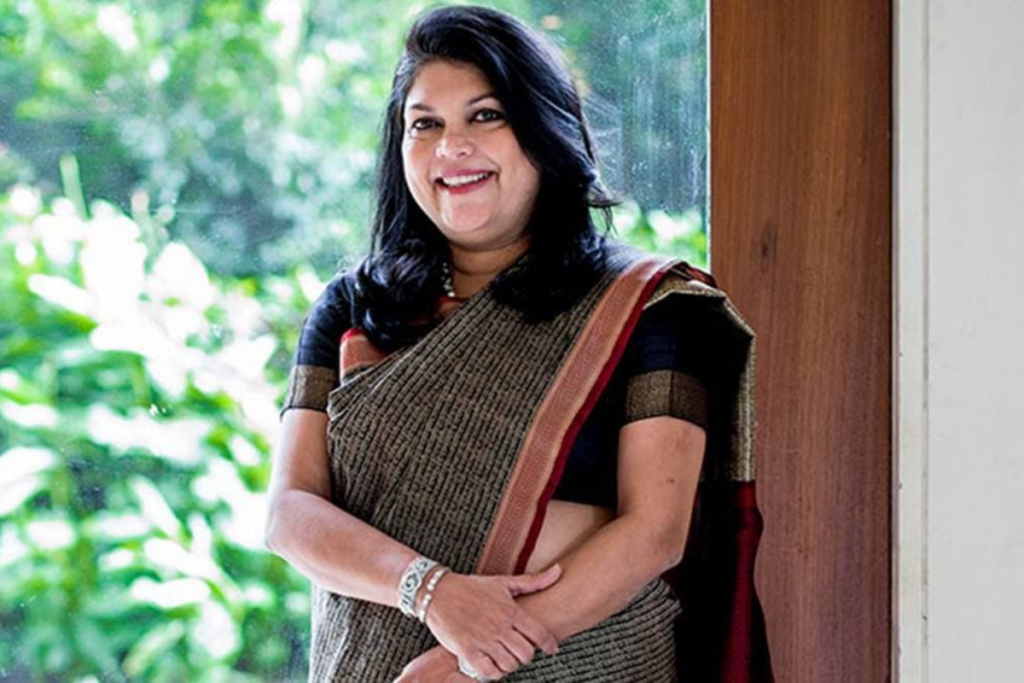
Falguni Nayar is a top woman entrepreneur in India who started Nykaa, a popular online store for beauty and health products. She worked at Kotak Mahindra Capital and ICICI Securities before starting her own business. In 2012, she launched Nykaa to offer a wide range of beauty and health products from both Indian and international brands. Despite the tough competition, Falguni’s clear vision, smart marketing, and focus on customer happiness helped Nykaa grow quickly. Her story shows how she found gaps in the market and built a successful business, changing how people in India shop for beauty products.

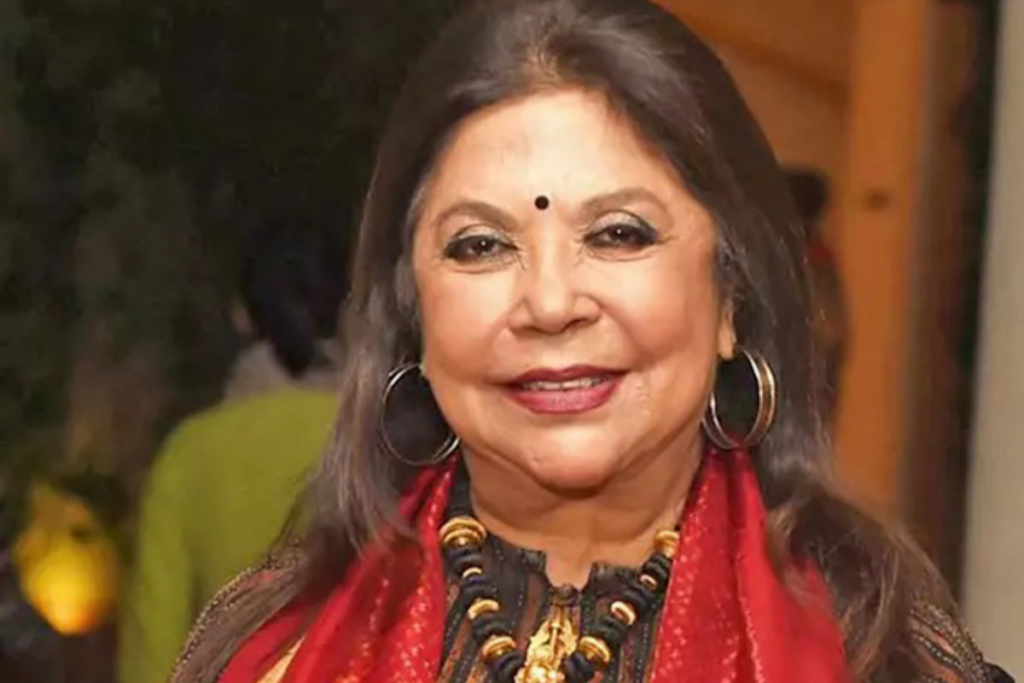
Ritu Kumar is one of India’s first women entrepreneurs. She started the fashion brand Ritu Kumar, known for its clothes and accessories. She studied art history at Lady Shri Ram College in Delhi and then went to New York. Her love for design and Indian crafts helped her start her own business. In 1969, Ritu launched her fashion line to revive traditional Indian crafts and showcase them globally. She focuses on handmade clothes that highlight the rich history of Indian textiles. Her commitment to promoting Indian craftsmanship and empowering local artisans has been key to her success. She is among the top 10 women entrepreneurs in India.

Richa Kar is a standout among women entrepreneurs in India, having transformed the innerwear industry with Zivame. As the CEO and founder, she created an online store offering a wide range of lingerie, workout clothes, and sleepwear. With a background in engineering and IT, Richa’s tech skills were crucial in her journey into entrepreneurship. In 2011, she launched Zivame to provide women with a personalized shopping experience, helping them find the right size and style. Richa Kar’s story highlights the power of shaking up traditional industries and meeting unmet customer needs, making her one of the top 10 women entrepreneurs in India.
Read More: Top 20 Proven Business Ideas for Women
Suchi Mukherjee is a key figure among women entrepreneurs in India. She founded Limeroad and serves as its CEO. Limeroad is a social-commerce website that sells fashion, beauty, and home decor items. Suchi has a background in business and finance, having worked with companies like eBay and Skype. In 2012, Suchi started Limeroad, a platform where people can find and buy various products. Its unique approach to social shopping and focus on user-generated content have made it popular. Her achievements make her one of the top famous women entrepreneurs in India and a shining example of successful woman entrepreneurship in India.
Naiyya Saggi is a young woman entrepreneur in India who has made a big impact in healthcare. She is the co-founder and CEO of BabyChakra, a platform that provides information and services about pregnancy and child health. Before starting her business, Naiyya studied business and worked in the corporate world. Her desire to use technology to solve healthcare problems led her to start BabyChakra in 2014. The platform offers expert advice, community support, and access to doctors, becoming a trusted resource for parents.
Upasana Taku is a leading woman entrepreneur in India, especially in the financial technology sector. She co-founded MobiKwik, a well-known digital payment platform. With a background in computer science and experience at PayPal and Intel, she had a strong tech foundation. In 2009, she started MobiKwik, which offers services like mobile top-ups, bill payments, and online shopping. Under her leadership, MobiKwik has become one of India’s top digital payment platforms. She is among the top 10 women entrepreneurs of India.
Aditi Gupta is a woman entrepreneur in India who has made significant strides in improving menstrual health for Indian women. She founded Menstrupedia, a website that educates women about menstrual health. With a background in design and animation, Aditi was inspired by her own experiences and the lack of menstrual education in India to start her own business. In 2012, Aditi and a friend launched Menstrupedia to break the taboo around menstrual health and provide valuable information. Menstrupedia uses comic books, online tools, and lessons to educate girls about menstrual health. Her work got her among the most successful women entrepreneurs of India.
Divya Gokulnath is a well-known woman entrepreneur in India who has changed the way students learn. She co-founded BYJU’S, one of India’s top education technology companies, with her husband, Byju Raveendran, in 2011. Divya studied computer science and worked as a teacher, which helped her understand the problems students face. BYJU’S offers fun and engaging online learning programs, making it easier for students to learn and prepare for exams.
Ghazal Alagh is a visionary entrepreneur and the co-founder of Mamaearth, a leading brand in the natural and toxin-free personal care segment. Mamaearth has rapidly grown in India and abroad, revolutionizing the beauty and wellness industry with its focus on sustainable, organic products. Ghazal, with her background in art and design, has created a brand that empowers people to make healthier, eco-friendly choices for themselves and the planet. Ghazal is one of the top famous women entrepreneurs in India.
Vineeta Singh, the dynamic CEO and co-founder of SUGAR Cosmetics, has reshaped the Indian beauty industry with her brand that combines high-quality products and bold marketing. A graduate from IIT Madras and IIM Ahmedabad, Vineeta turned down a high-paying job offer to follow her entrepreneurial dream. Under her leadership, SUGAR Cosmetics has emerged as a major player in the Indian beauty market, particularly resonating with younger, self-confident women. She is among the most successful women entrepreneurs in India.
Vani Kola is the managing director of Kalaari Capital, a top venture capital firm that invests in early-stage companies across India. As one of the few prominent women in the male-dominated venture capital space, Vani has been a trailblazer, helping scale up several successful startups. Her expertise in business strategy, along with her support for innovation-driven companies, has made her one of India’s most respected investors and mentors.
Radhika Ghai Aggarwal is the co-founder of ShopClues, one of India’s largest e-commerce marketplaces. Known for her perseverance and strategic insights, Radhika has led ShopClues through its journey from a startup to a major e-commerce player. Her commitment to empowering women entrepreneurs in e-commerce and her vision for creating opportunities in the digital space has made Radhika a celebrated name in the Indian startup ecosystem.
Shradha Sharma is the founder and CEO of YourStory, India’s leading platform for storytelling in the startup ecosystem. By highlighting entrepreneurial journeys, challenges, and successes, Shradha has created a platform that inspires millions. YourStory, under her leadership, has become the go-to place for startup stories, investment news, and insights into the Indian business world, empowering entrepreneurs to tell their stories. She is among the most famous women entrepreneurs in India.
Namita Thapar, the Executive Director of Emcure Pharmaceuticals, has built a remarkable career in the pharmaceutical industry. With a focus on creating high-quality, affordable medicines, Namita has been instrumental in expanding Emcure’s reach across global markets. She is also known for her commitment to empowering women in business and for her role as a mentor to many entrepreneurs.
Neha Singh is the co-founder of Trell, a lifestyle social commerce platform that helps people share and discover content across various lifestyle categories. Neha’s passion for tech and social media led her to build a platform that has become immensely popular among the youth. Trell has emerged as a platform where users can learn, explore, and shop for different aspects of their lives, and Neha’s leadership continues to drive the brand’s growth.
Manju Dhawan is the founder of Happily Unmarried, a unique brand known for its quirky and fun products that range from apparel to home décor. With her bold ideas and a keen sense of humor, Manju has successfully built a brand that resonates with young, independent women. Her innovative approach to marketing and product design has helped Happily Unmarried carve a niche in the Indian lifestyle market.
Smita Deorah is the co-founder of Blys, an on-demand wellness services startup that brings health and beauty treatments to people’s doorsteps. Smita’s vision is to make wellness accessible to everyone by leveraging technology. Blys offers a wide range of services, including massages, facials, and other wellness treatments, and under Smita’s leadership, it has grown to be a trusted brand in the wellness sector.
Hardika Shah is the founder and CEO of Kinara Capital, a social enterprise that provides capital to micro, small, and medium enterprises (MSMEs) in India. Hardika’s mission is to empower small business owners by providing them with financial resources to grow and it makes her among the most successful women entrepreneurs in India. With a strong background in finance, Hardika has been able to create a platform that focuses on financial inclusion and sustainability for underserved communities.
Among the top women entrepreneurs in India 2025, Namrata Patwari is revolutionizing the finance sector with her AI-driven Structured Franchise Finance Platform. As the co-founder of Quadric Capital, she leverages data analytics and modern financial structuring to empower businesses with accessible capital. Beyond finance, she also leads Project Ikshana, an NGO dedicated to providing nutritious meals to underprivileged schoolchildren.
Priya Gadhiya co-founded Raja Rani Coaching, an ed-tech company offering online fashion design courses. Recognized in Forbes 30 Under 30 Asia 2025, the platform has trained over 150,000 students, with 90% being women from non-metropolitan areas. The company also holds a Guinness World Record for hosting the largest online textile workshop.
Meher Sheikh founded Sotbella, an inclusive fashion brand offering western wear for women. Launched in 2023, the brand emphasizes size diversity and affordability, catering to a wide range of consumers through its e-commerce platform.
In 2024, women-led startups in India witnessed a remarkable surge in funding—over 90% growth compared to previous years. These ventures raised approximately $930 million across 136 deals, signaling a transformative shift in India’s entrepreneurial ecosystem. The rise of women entrepreneurs across diverse industries reflects growing investor confidence and the expanding impact of inclusive innovation.
Key Sectors with Notable Growth:
Innovative Initiatives:
Women entrepreneurs in India are making bold strides across industries. Here’s a snapshot of the inspiring data that reflects their resilience, ambition, and growing impact:
In a country where societal norms often discourage women especially in rural areas from dreaming big, these trailblazers are rewriting the script. Their stories of grit and innovation not only inspire the next generation but also position them as powerful role models for women entrepreneurs across the nation. With the support of various government schemes for women entrepreneurs, these leaders are contributing significantly to India’s expanding ecosystem of female-led startups.
The road ahead for women entrepreneurs in India shows promise. There are many government initiatives and policies aiming to support women. These include financial help and skill development programs. Such initiatives create a positive environment for growth and development. They enable women entrepreneurs in India to access the resources and networks necessary for success.
But it’s important to keep giving help and encouragement. By giving people access to funds, dealing with problems, and promoting equal rights. India can give more women more power, which will help the economy grow.
Innovative, low-investment ideas for the hidden entrepreneur in you! Explore our guide on Business Ideas.
In conclusion, entrepreneurship is important for India’s future. It brings about equality, creates jobs, inspires others, empowers women, and boosts the economy.
Women entrepreneurs in India are rapidly reshaping the economy by driving innovation and creating millions of jobs. Supported by government initiatives and a thriving startup ecosystem, women-led startups raised over $930 million in 2024, marking a 93.75% growth. With over 7,000 active women-led startups, these leaders break barriers across fintech, e-commerce, and healthtech. The top women entrepreneurs in India 2025 are inspiring a new generation and driving inclusive, sustainable economic growth, making women-led ventures a vital part of India’s future business landscape.
The most successful women entrepreneurs in India are Kiran Mazumdar-Shaw from Biocon, Upasana Taku from Mobikwik, Aditi Gupta, Ritu Kumar, etc. They have been instrumental in representing women in the entrepreneurial space in the country.
Women Entrepreneurs in India face many challenges like education, social barriers, lack of exposure, etc. Many of them have to face serious stereotypes and prove themselves at every step in order to take their business forward.
The government and the private sector increasingly support women entrepreneurs in India. In the coming years, women entrepreneurs will have huge potential for growth and development in multiple sectors.
Female entrepreneurs in India should receive funding and resources from the government of India and other social institutions. Women entrepreneurs need support networks, training, and increased access for success.
A girl can become a successful businesswoman by finding a problem to solve, coming up with a creative solution, making a good business plan, getting the money she needs, building a strong team, always learning and adapting, and staying determined through tough times.
While many women have made a mark, Falguni Nayar (Nykaa) and Kiran Mazumdar-Shaw (Biocon) are among the most prominent and influential female entrepreneurs in India.
The ten types of women entrepreneurs are Innovators, Social Entrepreneurs, Serial Entrepreneurs, Small Business Owners, Freelancers, E-commerce Entrepreneurs, Franchise Owners, Home-based Business Owners, Lifestyle Entrepreneurs, and Corporate Women Entrepreneurs (Intrapreneurs).
Kalpana Saroj is widely recognized as the first woman entrepreneur in India. She gained prominence by successfully reviving the distressed Kamani Tubes Company in 2001. Her journey from a Dalit family to a business leader is considered an inspiring example of resilience and determination.
Pradhan Mantri Mudra Yojana (PMMY) focuses on offering financial support to small and micro enterprises in the non-corporate and non-farm sectors by providing loans up to Rs. 10 lakh. The scheme specifically aims to empower women entrepreneurs through micro-financing.
NITI Aayog’s Women Entrepreneurship Program supports and nurtures female entrepreneurs by providing mentorship, funding opportunities, and skill development to help women-led startups grow and contribute to India’s economy.
Common challenges include securing funding, navigating regulatory hurdles, societal expectations, and limited access to networks and mentorship. Despite these, many women have built successful ventures.
Read More :


