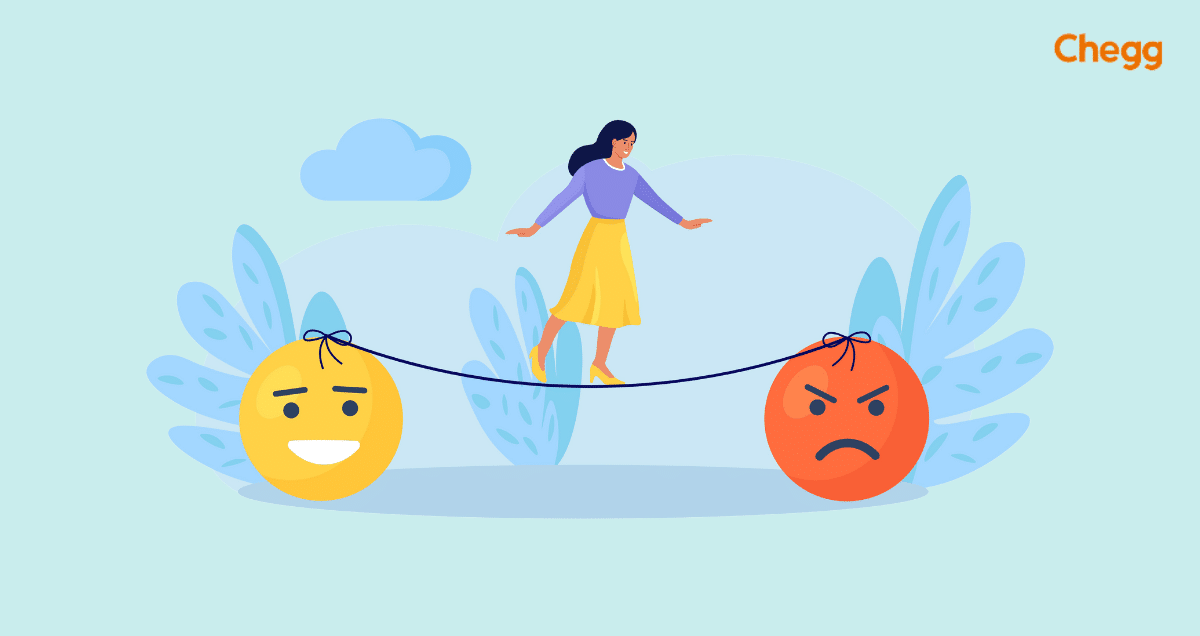

In 2025’s fast-paced world, emotion regulation is critical for personal and professional success. Emotions help you cope with unexpected situations, relationships, and decision-making. No matter what situation we face at work, in school, or in our personal lives, we can respond to something thoughtfully instead of reacting by regulating our emotions. Wild emotions are natural, and regulating emotions through strategies like mindfulness, deep breathing, and self-reflection will allow you to stay calm and composed in challenging situations.
Moreover, with these changes in emotional intelligence growth, multiple studies show that employers and educators prioritize emotional intelligence, as it improves teamwork, leadership, and resilience. When you master your emotions, you are filling your life with mental wellness and opening yourself to the four examples of presence in your life. Want to be in control of your emotions? Let’s examine the proven methods and strategies to manage your feelings, control yourself, and make a positive difference in your life.
Everyone faces intense emotions at some point in their lives. However, to ensure that these feelings don’t get the upper hand, it’s essential to learn how to control emotions effectively. Recognizing and managing your emotions is not just important for your mental well-being; it’s also an art that can lead to greater self-awareness and resilience.
When emotions run high, they can cloud your judgment and lead to reactions you might later regret. By mastering the ability to managing emotions, you can navigate life’s challenges with a clearer mind and a calmer heart. Below are some practical and easy ways you can try out the next time you feel overwhelmed. Incorporating these techniques into your daily routine can help you develop a more balanced emotional state, empowering you to respond thoughtfully rather than react impulsively.
How to control your emotions if you don’t recognize them? The first step to changing or managing your emotions is to understand what you are feeling. So, the next time you feel any intense emotions, ask yourself what you are feeling exactly. Are you anxious? Nervous? Angry? Or sad?
Remember that sometimes anger and sadness can mask other emotions like nervousness, jealousy, etc. Pay close attention to what you’re feeling and try to pinpoint the reason behind it.
You should also keep in mind that you might feel multiple emotions at the same time, so keep a tab on them all. This will help you figure out the most recurring emotion and the most intense one. You can keep a mood journal to document all of them and their severity
Breathing has a powerful effect on your body. It won’t take away your emotions, but it will help ground you. If you are worried about extreme reactions or outbursts, breathing exercises are worth a try to learn how to control your emotions! Just follow the steps below:
This is the 3*3 breathing technique that has a calming effect, develops a better sense of reality, and helps you be aware of your surroundings. It comes in handy when you have to manage your emotions at the workplace or in other public areas
Mindfulness practices will make you more self-aware and help on how to control emotions. There are several things you can take up depending on your time and ease.
Practicing techniques for how to control emotions allows you to handle life’s challenges with more clarity and resilience. “Reframing” is a cognitive technique to identify automatic negative thoughts and replace them with more balanced thoughts. It hopes to reduce the immediate reaction of blaming and aggressive or degrading emotions with more leveled ones, teaching you how to control emotions effectively.
Read more: How to Develop and Improve Your Interpersonal Skills
How to control emotions is a valuable skill that can improve your mental health and help you maintain balance in everyday life. Physical exercise like yoga, daily workout routine, cycling, running, etc. can help regulate your emotions and health. Being fit can have a huge impact on your thoughts and mental stability. Exercise also ensures a proper routine and dedication. It improves time management, and quality of sleep and reduce stress. All these benefits have an indirect impact on your emotions and can help control them.
There’s a right time and place to let your emotions flow. For example, crying after losing a loved one is natural, and venting into a pillow can help release anger after a breakup.
Mastering how to control emotions can help you navigate difficult conversations with grace and prevent impulsive reactions. [-However, some situations demand control — shouting at your boss over unfair feedback might do more harm than good.
Being aware of your environment helps you decide whether to express your feelings openly or pause and process them privately.
Stepping back from intense emotions can help you respond more thoughtfully, says Botnick. This could mean physically leaving a stressful situation or mentally distracting yourself for a while.
It’s important not to suppress your feelings entirely, but a brief distraction can be healthy until you’re ready to process them. Just remember to return to those emotions later.
Healthy ways to distract yourself include:
It’s important not to avoid negative emotions or fear them, but you also don’t need to repeatedly place yourself in situations that provoke these feelings. Begin by observing patterns or common factors that arise when intense emotions surface. This requires self-reflection and honesty. Did something make you feel diminished? Strong emotions often stem from our deep insecurities, particularly the ones we hide. Pay attention to what’s happening around you and any past experiences it might be bringing up.Once you identify these triggers, you can begin to understand why they hold such power and explore ways to lessen their impact.
Emotions are a natural and normal part of our responses to situations. Instead of criticizing yourself for feeling angry or afraid, acknowledge that your emotional reactions are valid. When faced with overwhelming stress, knowing how to control emotions can make all the difference in staying focused and composed. Practice self-compassion and be kind to yourself. Understand that experiencing emotions is a fundamental human response.
Developing a self-care plan can help you manage stress and prevent emotional overload. Start by identifying activities that nourish your mind, body, and soul. These could include regular exercise, a balanced diet, adequate sleep, and engaging in hobbies you enjoy. Set aside time for relaxation techniques such as meditation, deep breathing, or journaling to help process emotions. These breaks provide time for the mind to settle down and look at the problem from a distance helping you learn how to control emotions. This practice ensures fewer emotional overloads and provides a safe environment.
Managing our emotions can be challenging and demands a high level of self-awareness. When we’re struggling, our ability to regulate emotions often falters. At times, it can be helpful to work with a therapist (mental health professional) who can guide us in developing better emotional regulation skills. Thankfully, there are several therapeutic approaches available that can assist in learning how to manage our emotions more effectively.
There is much that can be said about the value of taking a deep breath, whether you are mad and cannot speak, or so ridiculously happy you cannot contain yourself.
Pausing to take notice of your breath might not extinguish the emotions (and you don’t want that anyway), however, breathing exercises can assist you in grounding yourself and allowing a moment to pass from the first intense emotion to a space that is safe just before taking an extreme action that you might regret later.
The next time you start to feel that your feelings are going to overwhelm you, take a moment and try the following steps:
Breathe in slowly: Deep breathing comes from your diaphragm, not from your chest. It may help you to visualize the air coming from deep within your lower belly.
Hold it: Hold the breath for a moment (a count of three is good) and let it out slowly.
Think of a mantra: Some people find it helpful to repeat a mantra such as “calm” or “I can relax.”
According to Botnick, gaining some distance from powerful feelings can help ensure that you are responding to them in reasonable ways.
This distance can be physical – for example, you may choose to leave the situation that’s upsetting you. But you can also create distance by distracting yourself mentally.
We are not suggesting you completely block or avoid feelings; it is okay to distract yourself until you can handle them more effectively. Just be sure to return to them eventually. Healthy distractions are always temporary.
Try:
When someone is under a lot of stress, it can be difficult to regulate emotions. Even individuals with good emotional regulation skills might struggle in situations with a lot of tension and stress.
If you can lower your levels of stress or find healthier ways to cope with stress, you will likely be able to regulate your emotions.
Mindfulness practices such as meditation can also help with stress management. They will not remove stress from your life; however, mindfulness practices can help you have a more tolerable existence with stress.
Meditation can help you be more aware of all feelings and experiences. When you meditate, you are practicing sitting with your feelings without judgments or manipulating feelings to change them, alleviate them, or make them go away.
Other healthy forms of coping with stress are:
You will work on developing emotional control for the rest of your life, but its value applies to all parts of life. By being mindful, receiving help, and building self-awareness, you will ultimately gain confidence and ease in dealing with frustrations and challenges. In 2025, emotional intelligence will be the difference in personal and professional spaces, resulting in positive relationships, better decision-making, and increased happiness and satisfaction. All emotions are natural and okay to feel; how you harness your emotions makes the difference.
Be patient with yourself, continue to practice and develop your emotional skills, and build reflective practice. As you improve in your emotional control, you may start to see changes in your bandwidth or patience, increased mental health, and improved connections with people. Start working on this now to give yourself the ability to lead a balanced, successful life regardless of any impending obstacle.
And for more career tips and valuable information, view our other blogs on Life Skills.
Controlling emotions begins with recognizing what you feel in the moment and briefly pausing before reacting. This allows you to respond thoughtfully instead of emotionally.
Example: When Aarav felt hurt by a friend’s comment, he paused, took a breath, and decided to talk about it later instead of reacting angrily right away.
Tip: Use the “Name it to tame it” technique. Simply labeling your emotion, such as “I’m feeling hurt” or “This is anxiety,” helps calm your brain and gives you control over your reaction.
To manage emotional crying, pay attention to your breathing and gently redirect your focus away from whatever makes you emotional. This can help your body relax and your mind regain control.
Example: During a tense conversation, Meera felt tears welling up. She started slow, deep breathing and counted backward from 10, which helped her hold back the tears and stay composed.
Tip: If you feel like crying, relax your facial muscles, especially around your eyes and jaw. Tensing these areas can trigger or worsen crying.
To stop emotional outbursts, practice pausing before you react. Take deep breaths to calm your nervous system. Try to express your feelings calmly instead of explosively.
Example: When Sameer felt anger rising during an argument, he took a 10-second pause, breathed deeply, and spoke calmly instead of loudly.
Tip: When overwhelmed, use the “count to 10” technique. This simple pause can prevent impulsive reactions.
Mastering your emotions is essential because it helps you respond wisely instead of impulsively. This leads to better decisions, healthier relationships, and greater self-confidence in all areas of life.
Example: When Vikram received critical feedback at work, he felt defensive. He stayed calm, asked questions, and turned the input into growth, which earned him respect from his manager.
Tip: Remember, emotions are signals, not commands. Acknowledge them, but don’t let them drive your actions without reflection.
The main types of emotions are usually grouped into six basic categories: happiness, sadness, fear, anger, surprise, and disgust. These emotions are universal and form the basis for more complex feelings.
Example: When Aisha received unexpected good news, she first felt surprise. This was soon followed by happiness, showing how emotions often mix.
Tip: Begin to build your emotional awareness by naming what you feel. Ask yourself, “Is this anger or frustration? Fear or stress?” The more specific you are, the easier it is to manage.
Emotional quotes can help with mental health. They provide comfort, validation, and fresh perspectives, making people feel understood and less alone in their emotions.
Example: When Rina felt overwhelmed, she read a quote about resilience that reminded her, “This too shall pass.” This gave her hope and a sense of calm.
Tip: Use quotes as brief emotional lifts. Pair them with deeper self-care or professional support when you need lasting mental health benefits.