Starting to read can be both an exhilarating and daunting experience, and with so many choices at book stores, it is easy to see why. Regarding your options for the best books to read for beginners, you want something that is engaging, easy to follow, and leaves you with a genuine love of reading. By the time you read this in 2025, you will have so many genres and authors to choose from, so choosing the book you decide on as your first can help you gain confidence, language ability, and perspective. If you prefer fiction, self-help, memoirs, or classic literature, there is a starting point for everyone.
Most books that are approachable for beginner readers include relatable characters, simple storytelling, and important morals or lessons that embody the joys of reading. Are you ready to turn the page and discover your next favorite book? Let’s examine a curated list of books to read that will motivate and inspire new readers, and hopefully you!
Before diving into our book recommendations, it’s crucial to understand how reading benefits an individual. Books, especially those in the category of books to read for beginners, have long been a vital source of knowledge and entertainment for humanity. Reading helps to relieve stress, uplift your mood, stimulate creativity, and improve your thought process, among other advantages. Let’s explore the many benefits of reading:
1. Mental Stimulation: Engaging with text activates the brain, enhancing critical thinking and analytical abilities.
2. Knowledge Gain: Books serve as valuable resources for information, broadening your understanding of various topics and cultures.
3. Vocabulary Growth: Frequent reading introduces new terminology, improving language skills and communication.
4. Enhanced Focus and Concentration: Diving into a book requires attention, which can help improve your ability to concentrate over time.
5. Stress Relief: Getting lost in a captivating story can greatly alleviate stress and promote relaxation.
6. Boosted Imagination and Creativity: Fiction, in particular, encourages creative thinking by allowing readers to visualize different worlds and scenarios.
7. Improved Writing Skills: Exposure to well-crafted narratives can influence your writing style and enhance grammar and structure.
8. Development of Empathy: Reading diverse characters and experiences helps cultivate empathy by allowing readers to understand various perspectives.
9. Entertainment Value: Books offer enjoyment and engagement through storytelling, serving as a great source of entertainment.
10. Commitment to Lifelong Learning: Reading nurtures curiosity and fosters a habit of continuous learning, keeping the mind active.
11. Memory Enhancement: Following complex plots and remembering characters can improve memory retention and recall.
12. Better Sleep Quality: Establishing a bedtime reading routine (with physical books) can improve sleep by reducing screen exposure.
13. Social Interaction: Participating in book clubs or discussing literature with friends can strengthen social connections and community ties.
14. Personal Growth: Self-help and motivational literature can inspire self-improvement and personal development.
15. Cultural Understanding: Reading works from various cultures expands your worldview and enhances cultural awareness. Incorporating reading into your daily life can significantly benefit your mental, emotional, and social well-being.
To support your decision-making, here is how to identify books that scrub your comfort zone:
Choosing your first book is a personal adventure that, if approached correctly, can ignite a lifelong love of reading. Here is a complete guide to help you make the proper decision:

To make your reading journey smoother, here are beginner-friendly book categories to explore:
Fiction for First-Time Readers:
Non-Fiction That Inspires:
Self-Help for Young Adults:
By following these tips and selecting the best books for beginners, you’ll develop a strong and enjoyable reading habit over time.
“Animal Farm” by George Orwell is an allegorical novella about a group of farm animals who rebel against their human farmer. They aim to create an equal society but end up under a new tyranny. The book is a powerful commentary on power and corruption.
“The Alchemist” by Paulo Coelho follows the journey of Santiago, a shepherd boy, as he pursues his dream of finding treasure. Along the way, he learns profound life lessons. This inspiring tale emphasizes the importance of following one’s dreams.
“Of Mice and Men” by John Steinbeck: This poignant story centers on two displaced ranch workers during the Great Depression. It explores themes of friendship, dreams, and the harsh realities of life. The bond between the characters is both heartwarming and tragic.
“The Little Prince” by Antoine de Saint-Exupéry: A young prince travels from planet to planet, meeting various inhabitants and learning valuable lessons. This charming novella is a children’s story and a profound philosophical work. It encourages readers to see the world through the eyes of a child.
“The Old Man and the Sea” by Ernest Hemingway: An ageing fisherman battles a giant marlin in the Gulf Stream. This short novel showcases themes of perseverance, dignity, and the struggle against nature. Hemingway’s simple yet powerful prose makes it a compelling read.
“Siddhartha” by Hermann Hesse: Set in ancient India, this novella follows Siddhartha’s spiritual journey to enlightenment. It explores themes of self-discovery, inner peace, and the quest for meaning. The story is deeply philosophical and reflective.
“The Metamorphosis” by Franz Kafka: Gregor Samsa wakes up one morning to be transformed into a giant insect. This surreal and thought-provoking novella delves into themes of alienation and identity. Kafka’s unique narrative style makes it a fascinating read.
“Breakfast at Tiffany’s” by Truman Capote: The novella tells the story of Holly Golightly, a charming and eccentric young woman in New York City. Her free-spirited lifestyle and complex personality make her an unforgettable character. Capote’s writing captures the essence of 1940s Manhattan.
“The Great Gatsby” by F. Scott Fitzgerald: This classic novel, though slightly longer, is a relatively quick read. It explores themes of the American Dream, love, and societal excess in the 1920s. Fitzgerald’s lyrical prose and vivid characters make it a timeless masterpiece.
“The Pearl” by John Steinbeck: A poor pearl diver named Kino finds a valuable pearl, hoping it will bring prosperity. Instead, he faces unforeseen consequences and moral dilemmas. This short novel is a powerful parable about greed and human nature.
We have listed down the Top 10 Books to Read for Beginners below:

This is one of the best books to read for beginners in english. It offers a perspective on dealing with social prejudice in older times. One of literature’s greatest moral heroes, Atticus Finch, narrates the story.
It is a famous book highlighting the depth and dangers of racism. It is one of the best books to read for beginners, and everyone should read this classic to understand what it’s all about.
Despite the tragedy and bleakness of the subject matter, the book still has moments of warmth and humour. Its writing style is regarded as very simple.

The Alchemist is an excellent novel for beginners. It tells the story of Santiago, a young man who dreams about discovering treasures in the Egyptian pyramids. He does so after being haunted by his dreams.
His life journey brings him into contact with a Gypsy woman. He falls in love with her and, most importantly, learns to value his identity and improve himself so that he can focus on the things in life that matter.
As Santiago embarks on his self-discovery journey, he discovers the true meaning of treasure through his experiences: the treasure of knowledge, spiritual growth, and true inner contentment. This makes it one of the best english books to read for beginners.

Henrietta Lacks is among the best authors whose name appears in almost every list of book recommendations for beginners. Rebecca Skloot’s The Immortal Life of a Woman has been described as one of the most relevant books on medical science.
Throughout the book, readers are challenged to consider the ethical implications of scientific advancement as they explore the intersection of race, poverty, and healthcare. It addresses topics such as Informed consent, medical experimentation on Black people, and human tissue commodification in biotech, making it one of the best books to read for beginners who love science.

Another good book for beginners is George Orwell’s Animal Farm. In this book, Orwell explores power, corruption, and totalitarianism through farm animals’ overthrowing their human owners.
Through its symbolic elements, this book warns about unchecked political influence.
Despite its age, this 1945 classic remains relevant today. It is the best fiction book for beginners that challenges readers to think critically about their society and power dynamics. It serves as a warning to the reader to be aware of the consequences of unchecked power and the importance of justice in any society.

The Power of Habit is the best book for beginners. It provides practical advice and insights for readers to use daily. Charles Duhigg’s book explains how habits form. It is best for beginners who want to understand patterns and create positive changes.
To make lasting changes in routines and understand the habit loop, it includes real-life examples and advice. Readers can also learn about the science behind habits and how to create, break, and stick to them.
It provides strategies for long-term behavioural changes. The book also explores how habits are formed in the workplace, relationships, and society.

Among the best novels for beginners, “The Great Gatsby” by F. Scott Fitzgerald is accessible and engaging, making it an ideal choice for new readers. Love, wealth, and the American Dream remain timeless themes of the novel and its lyrical prose style.
It is a great read for anyone interested in 20th-century literature.
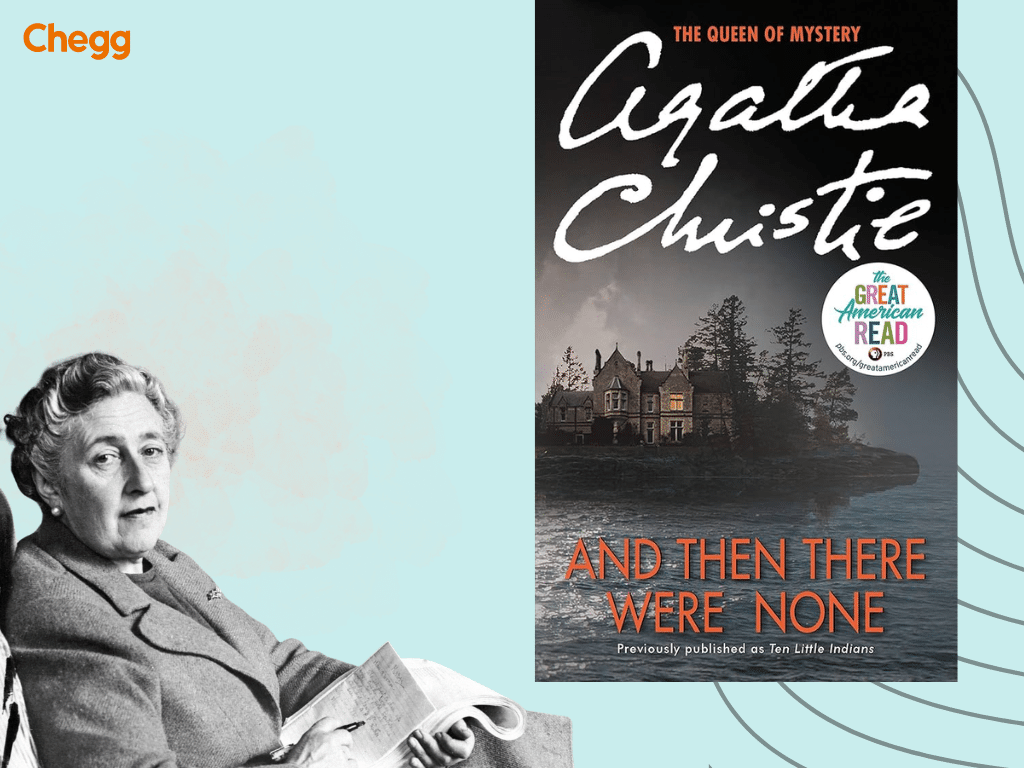
The suspenseful plot and intricate storyline of “And Then There Were None” by Agatha Christie will captivate readers who love classic mystery novels. Anyone who enjoys mystery novels will enjoy Christie’s best-known work. It is one of the best novels to read for beginners.
Readers will experience a rich and rewarding reading experience that includes a thrilling plot, family, education, and self-discovery themes. Because of its engaging characters and expertly crafted plot, “And Then There Were None” is considered the best book for beginners.
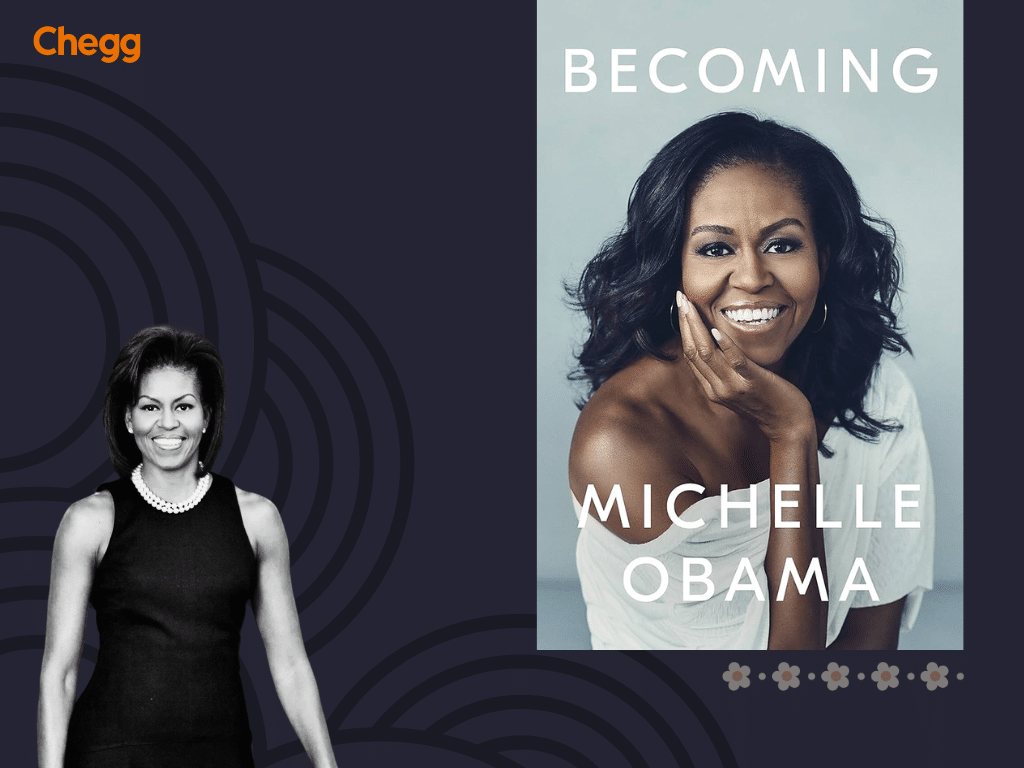
“Becoming” by Michelle Obama is an excellent book for beginners. It provides readers with an inside view of the author’s life and career through candid and inspiring stories. The book is easy to read and understand due to its engaging writing style.
Additionally, Obama offers political insight on racial, gender, and social issues through her personal story. She provides an invaluable perspective on the White House workings and public life challenges from her experience as First Lady.
Readers of all backgrounds will benefit from “Becoming.” It’s an engaging and thought-provoking book, making it one of the best books to read for beginners.

John Green’s The Fault in Our Stars is one of the best books for starting a reading habit for adults.
It is a contemporary realistic fiction novel about two teenagers with cancer. With its accessible language, relatable characters, and powerful themes, it is an excellent option for beginners.
Love, life, and mortality are central themes in Green’s book. Throughout it, he poignantly and realistically portrays young people dealing with severe illnesses.
The Fault in Our Stars offers a valuable perspective on the human condition through its touching and thought-provoking narrative, making it one of the best books to read for beginners.
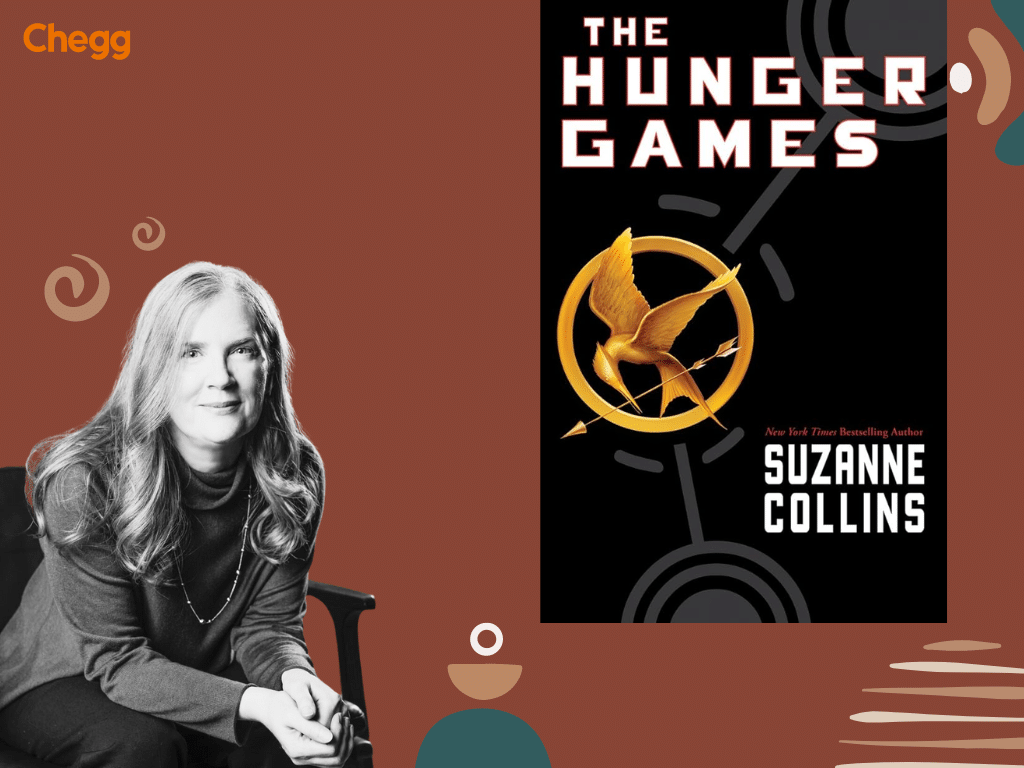
It is a dystopian young adult novel that depicts teenagers competing in televised fights to the death following the end of the world. As a science fiction novel, it offers a fast-paced plot, engaging characters, and thought-provoking themes apt for beginners.
It critiques authoritarian regimes and media manipulation. The book explores sacrifice, survival, and rebellion. Despite its bleakness, it paints a gripping picture of a society where government rules supreme.
A thrilling and compelling read, The Hunger Games is one of the best books for beginners and will leave readers with a lasting impression.
Beginner-Friendly Formats:
If the idea of reading feels a bit too much to manage, you can always try out audiobooks or graphic versions of popular books:
Each book’s genre determines how the author communicates with you through fiction, non-fiction, or a unique blend of the two, and what content you encounter—fantasy, historical, science fiction, horror, or even memoir. Topics build on prior reading knowledge and understanding while informing reading choices. Different genres are as follows:
Books are classified by not only genres (mystery, romance, etc.) but also audience (and ultimately age/maturity), i.e., audience-based categorization. Audience-based categorization is intended to help readers find content that is appropriate to their reading level, interest, and life stage.
Reading boosts creativity, builds knowledge, and facilitates escape to a different world; the initial hurdle is almost always the hardest. Therefore, here is a selected list of the best books for beginners that can gently draw readers into the habit while engaging them with interesting, relatable stories that are straightforward to comprehend.
If you’re diving into the world of books for the first time, we have a fantastic selection! From gripping fiction and heartfelt memoirs to enchanting fantasy and timeless classics, these carefully chosen titles are ideal for new readers. With straightforward language, engaging stories, and memorable characters, they will ignite your passion for reading and help you develop a lifelong love for books.
And for more tips and valuable information, read more blogs about Life Skills.
What to Read Next:
If you enjoyed The Alchemist, read:
If you enjoyed Atomic Habits, read:
Picking the best books as a beginner will set you up for a sustainable reading practice as a lifelong hobby. The best books for beginners are more than simple; they engage, resonate, and introduce you to new worlds and concepts. As you read through different authors and genres, you will find your own personal tastes and improve your reading stamina.
In 2025, there has never been a more accessible space to read. It is more important than ever to value enjoyment, not rush, and permit yourself to relish the book. If you read for fun, enlightenment, or knowledge, every book adds to the value of your experience. Keep discovering, stay curious, and let your reading odyssey grow into learning and inspiration!
Read More:
Select a straightforward, uncomplicated text with practical examples. Consider picking a more novice-friendly text like “Managerial Economics” – H. Craig Petersen.
Example – This book straightforwardly illustrates essential concepts.
Tip: Select books in simple language, with easy-to-understand examples.
According to the Online College Magazine, the 10 most read books in the world are:
The Bible.
The Quran.
Quotations from Chairman Mao Tse-tung (The Little Red Book).
The Harry Potter series by J.K. Rowling.
The Lord of the Rings by J.R.R. Tolkien.
The Alchemist by Paulo Coelho.
Don Quixote by Miguel de Cervantes.
The Diary of Anne Frank.
The Hobbit by J.R.R. Tolkien.
To Kill a Mockingbird by Harper Lee.
Example: Billions of people have most likely read the Bible and have translated it into thousands of languages.
Tip: Reading from various genres and cultures can help you understand the world’s perspectives.
Definitely, reading before sleeping can help calm your mind to fall asleep faster – While reading can increase sleep quality and decrease stress and anxiety, it also creates a positive and calming bedtime routine.
Example: many believe reading (not e-readers or screens!) for 15-30 minutes can help you sleep more quickly.
Tip: Do not read on electronic devices (with bright screens) as blue light can affect your sleep as well.
Without a doubt! Fiction will get you interested and engaged with characters and stories.
Example: Harry Potter is fantastic for new readers.
Tip: Choose genres you love to enjoy reading.
Yes, shorter books can build your confidence and reading stamina.
Example: The Little Prince is short but meaningful.
Tip: Finish a book to boost your motivation to read more.
Definitely! They’re great if you struggle to sit down with a book.
Example: Listening to Becoming by Michelle Obama can inspire and relax you.
Tip: Try audiobooks during commutes or workouts.
Even 10-15 minutes a day is excellent to build a habit.
Example: Reading before bed can help you unwind.
Tip: Make reading a daily routine, even if it’s just a little.
Picking your first book is all about what you love, so there’s no single “best” one for everyone. That said, a classic and highly recommended starting point is Harper Lee’s “To Kill a Mockingbird.” Ultimately, the best book is one that sparks your own curiosity and makes you excited to turn the page.