


Time management at workplace is the key to successful teams and individual careers. When you know how to organize your day and prioritize what matters most, you can handle even the busiest schedules with confidence. Instead of feeling overwhelmed by endless tasks, you’ll learn how to work efficiently and make real progress toward your goals.
Mastering time management at work isn’t just about checking off to-do lists; it’s about building a routine that lowers stress and improves your productivity. By setting clear goals, cutting down on distractions, and managing your time wisely, you’ll find more energy and satisfaction in your workday.
In this article, you’ll discover proven strategies and practical tips for effective time management at work. Whether you want to advance in your career, achieve a better work-life balance, or simply enjoy your job more, these skills will help you take charge of your time and reach your full potential.
Time management for work begins with giving time to update your resume, searching for job vacancies, taking the time to find the company that matches your work profile, and applying for it. And finally, taking the time to prepare for the interview each step involves time management. It is about prioritizing the task and reducing distractions to ensure that you are working smarter, not harder. Poor time management can lead to stress, missed deadlines, and, ultimately, burnout. Employees who struggle with managing their time often find themselves overwhelmed, which in turn causes a lack of motivation and productivity.
But once you have mastered time management, you can handle multiple tasks together more efficiently, meet deadlines quickly, and maintain a better work-life balance. It’s no surprise that time management at the workplace is one of the most important soft skills that hiring professionals seek in today’s job market.
Here are some of the tips and tools that you can follow for time management at the workplace:
Make a list of your tasks in order of importance and urgency. You can use the Eisenhower Matrix, a tool that helps you differentiate between urgent and non-urgent tasks, allowing you to focus on the work that needs more priority.
This simple tool helps employees categorize their tasks into four groups based on urgency and importance:

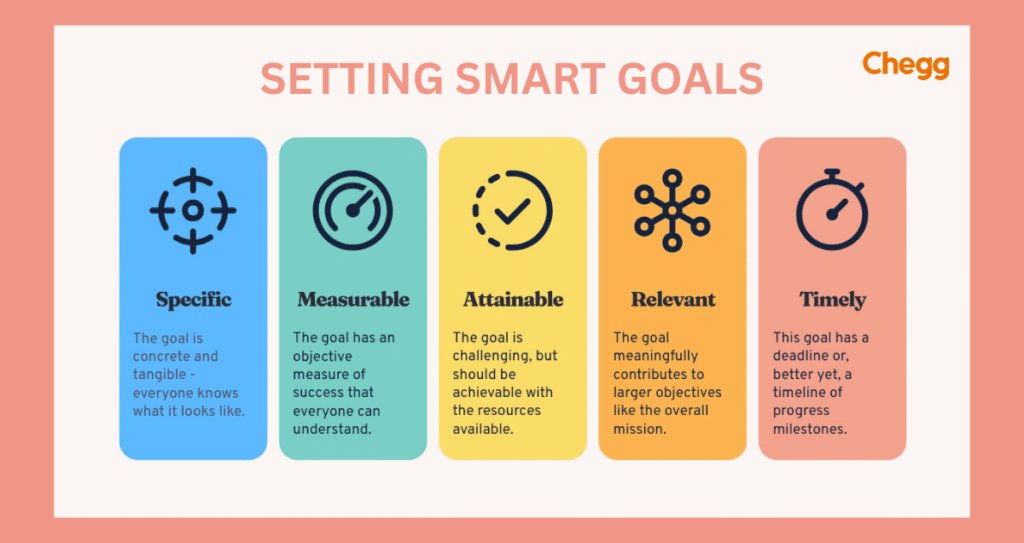
Break down larger goals into- Specific, Measurable, Achievable, Relevant, and Time-bound tasks. This structure helps track progress and prevents overwhelming workloads. Setting realistic goals also prevents you from overcommitting.
Using time management tools like Toggl or Clockify can help you monitor the amount of time you spend on each task. These tools give an insight into how much time you spend on each task for example you might be spending more time on emails, using these tools you can allocate fixed time to try and manage them.
Work for a short period, one every 25 minutes, and allow yourself to take a 5-minute break every 25-30 minutes. This method helps to keep your concentration. After completing four short intervals of work and a break, you can take a longer break. This will encourage you to finish your work so that you can relax in your break time without feeling burned out.

Focus on one task at a time to improve efficiency and the quality of your work. Multitasking can hamper productivity, so it’s better to finish one task before moving on to the next. By concentrating on one task at a time, you can complete it faster and error-free, leaving more time for other important activities.
Many feel that they should handle all tasks themselves, which can cause burnout and inefficiency. That is why recognizing tasks that can be delegated to others is very important. Effective delegation frees up time for higher-priority responsibilities and improves overall productivity.
Efficient time management in the workplace can be a difficult skill to hone, but with a disciplined approach and the right strategies, these obstacles can be overcome with ease. By creating a distraction-free environment, such as turning off unnecessary notifications or setting designated times for communication, employees can better focus on their tasks.
Fighting procrastination is another key factor in improving time management in the workplace. Breaking down large tasks into smaller, more manageable steps makes them feel less overwhelming. Setting mini-deadlines for these smaller tasks can provide a sense of accomplishment and maintain productivity throughout the day.
Additionally, maintaining a healthy work-life balance is crucial to effective time management. It’s not just about maximizing output at work but also ensuring that employees can enjoy their time without guilt. Overworking can lead to burnout, which ultimately diminishes productivity. By managing time wisely, employees can excel in their roles while also nurturing their well-being.
At the end of the day, time management at workplace is essential for both individual and company’s success. Employees who develop strong time management skills will meet deadlines be productive and maintain job satisfaction. With practice, time management at workplace can become second nature, leading to a more efficient, balanced, and fulfilling professional life.
Mastering time management at work isn’t just about getting more done. It’s about working smarter, reducing stress, and making room for what really matters. By prioritizing tasks, setting clear goals, and cutting down on distractions, you can change your daily routine into one that is both productive and fulfilling.
Even small changes in how you organize your day can lead to big improvements in your performance and job satisfaction. Start using these time management strategies today, and see how your efficiency, confidence, and work-life balance improve. Your future self and your career will thank you!

Show time management at work by meeting deadlines, prioritizing tasks, using productivity tools, minimizing distractions, and consistently delivering quality work.
Time management in 5 points:
1. Prioritize tasks by importance and deadlines.
2. Plan with schedules or to-do lists.
3. Set clear goals to stay focused.
4. Avoid distractions to maintain productivity.
5. Meet deadlines consistently with quality work.
Examples of time management include creating daily to-do lists, prioritizing urgent tasks, using calendars for scheduling, setting time limits for activities, and grouping similar tasks to improve efficiency.
My time management skills include prioritizing tasks effectively. I plan schedules in advance and meet deadlines consistently. I stay focused by minimizing distractions, which helps me produce high-quality work within set timeframes.
The 7 steps of time management are:
1. Set clear goals.
2. Prioritize tasks.
3. Plan and schedule.
4. Avoid distractions.
5. Set time limits.
6. Review progress.
7. Adjust as needed.
The five steps to time management are:
1. Set goals
2. Prioritize tasks
3. Plan your schedule
4. Avoid distractions
5. Review and adjust