
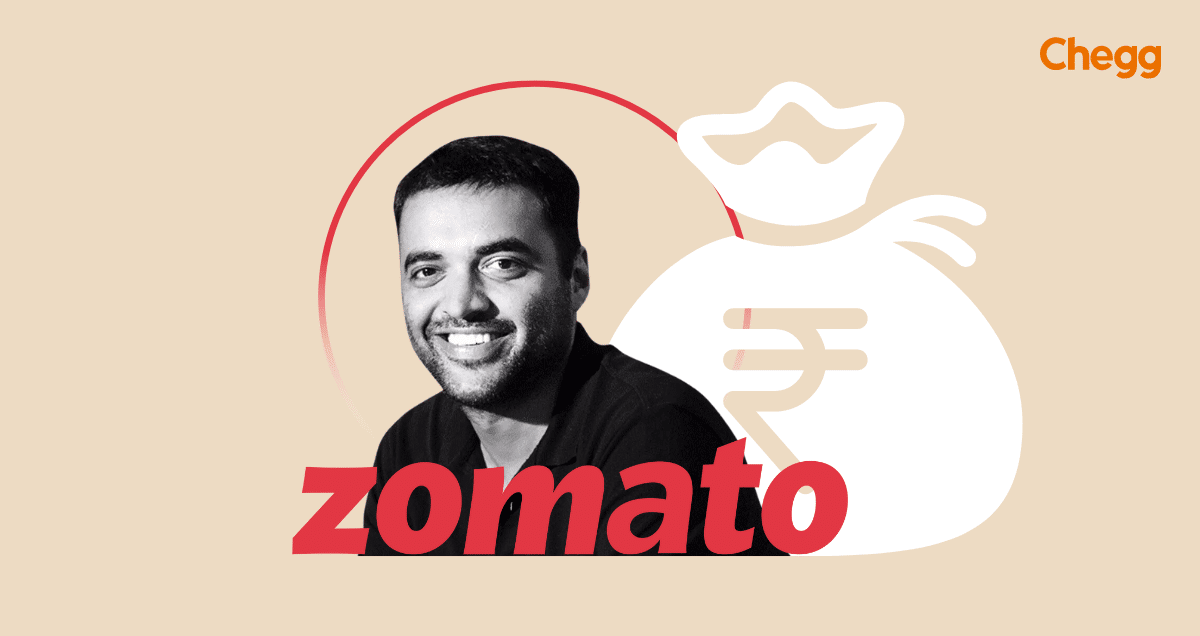

Deepinder Goyal, the visionary CEO and co-founder of Zomato, is among the most influential tech entrepreneurs in India 2025, known for revolutionizing the online food delivery and restaurant discovery industry. As the driving force behind India’s largest food delivery app, he transformed the way millions of users order food online and explore restaurants across cities. His innovative leadership, digital-first strategies, and startup mindset have propelled Zomato’s global expansion into 800+ cities and strengthened its position in the foodtech and quick commerce market.
Today, Deepinder Goyal’s net worth in 2025 not only reflects his resilience and sharp business acumen but also his role in shaping the Indian startup ecosystem, mentoring founders through Shark Tank India, and fueling growth in the digital economy and food technology sector.

Zomato’s exclusive discount offers and additional promo codes attract people to experience the delicious flavours of Indian food from the comfort of their homes. This idea not only set a benchmark in the tech world but has also inspired millions of young entrepreneurs to explore the various facets of the digital industry. Check out Deepinder Goyal’s net worth in USD and INR in this article.
According to Forbes, Deepinder Goyal net worth INR is approximately Rs. 140 crore as of 2025, or $1.4 billion. He co-founded the company Zomato in 2008. In 2021, Zomato was recognised as the startup of the year and quickly became a leading name. Today, the platform is preferred by many customers for instant food delivery and restaurant discovery.
| Platform | Valuation (2025) | Market Position | Key Strength |
|---|---|---|---|
| Zomato | $13 billion (₹1,08,000 crore) | Market leader | Strong global presence, tech innovation |
| Swiggy | $10.7 billion (₹89,000 crore) | #2 in India | Quick commerce, tier-2 city dominance |
| Blinkit (Zomato) | $1 billion (₹8,300 crore) | Fast-growing player | Instant grocery delivery |
| Uber Eats (India) | Merged with Zomato (2020) | Integrated | Expanded Zomato’s user base |

Zomato has observed enormous growth in terms of revenue and success under Deepinder Goyal’s leadership. Here are some of the key highlights of the organization that will help understand the numbers better:
| Year | Event / Milestone | Valuation (Approximate) |
|---|---|---|
| 2008 | Founded as Foodiebay | ₹0 (bootstrapped startup) |
| 2012 | Expanded to UAE, Sri Lanka, Qatar, and UK | ₹750 crore ($100 million) |
| 2015 | Rapid global expansion (acquired Urbanspoon) | ₹4,500 crore ($600 million) |
| 2021 | IPO on Indian stock exchanges | ₹95,000 crore ($13 billion) |
| 2025 | Continued growth with Blinkit, profitability in focus | ₹1,00,000+ crore ($13.5 billion+) |
The Indian food delivery market is largely dominated by two tech giants Zomato and Swiggy both of which have carved out a stronghold in their respective niches. As of 2025, their rivalry continues to shape the competitive landscape of online food delivery, grocery logistics, and consumer convenience.
| Platform | Valuation (2025) | Market Share (2025 est.) | Key Strengths |
|---|---|---|---|
| Zomato | ~$13.5 billion (₹1 lakh crore+) | ~54% | Strong brand, early IPO advantage, diversified (Blinkit, dining out, Hyperpure) |
| Swiggy | ~$10.7 billion (₹85,000 crore+) | ~43% | Hyperlocal delivery strength, Instamart growth, superior logistics in tier 2-3 cities |
Zomato (now operating under Eternal Limited) has leveraged its first-mover advantage as a publicly listed entity to attract investor trust and scale operations efficiently. The company has diversified significantly beyond food delivery. With Blinkit (quick commerce), Hyperpure (restaurant supply chain), and Zomato Dining/Live (events and restaurant discovery), it offers a full-stack experience to both consumers and partners. Zomato’s wide city presence (800+ cities) and investments in technology, customer personalization, and data analytics further solidify its leadership position.
Additionally, its listing on the Indian stock exchange in 2021 gave it a stronger financial foundation and helped raise significant capital for expansion and acquisitions—factors that Swiggy is still catching up on in public visibility.
On the other hand, Swiggy has focused heavily on creating a seamless last-mile delivery infrastructure, especially in smaller towns and cities. Its grocery platform, Instamart, has grown rapidly and is now a key revenue stream. Swiggy’s intuitive app, extensive delivery network, and strong presence in tier 2–3 markets give it an advantage in hyperlocal delivery, where logistics efficiency and faster turnaround times are crucial.
Swiggy also maintains a deep focus on cloud kitchens and private label brands, offering flexibility and operational control over food quality and delivery timelines.
While Zomato leads in overall market share and brand strength, Swiggy is closing in fast with operational excellence in grocery and logistics. The market remains highly competitive, and the future may well be influenced by further innovation in AI, drone delivery, and regional expansion by both players.
This dynamic competition continues to benefit Indian consumers, who now enjoy faster deliveries, more choices, and better discounts thanks to the Zomato vs Swiggy food tech battle.
Deepinder Goyal appeared on Shark Tank India in the 2024 season. His profound insights into detailing and logistics helped the founders address their shortcomings and better prepare for the future. With its detailed feedback and approach, Deepinder Goyal in Shark Tank season 3 has also sparked discussions among startup founders.

One of the show’s promos highlights Zomato’s founder’s emphasis on the importance of precision and how minor errors can impact decisions in a professional atmosphere. Deepinder’s approachable thinking resonated with many viewers of the show. He received praise on social media platforms for sharing his valuable insights and attention to detail.
He particularly invested in challenging businesses focused on positive change in people’s lives. Through his appearance in a prestigious show like Shark Tank India, many people got to know who Deepinder Goyal is, and the engagement proved to make the new season more exciting, fun, and informative.
The Zomato CEO made his first investment in a pitch for the Artisanal Feni Brand, which launched six months ago. The brand was presented by a brother-sister duo and featured an interesting story about their family’s authentic recipe for it. The entrepreneurs started with an ask of Rs. 1 crore for 5% equity at a total valuation of Rs. 20 crore. Deepinder took an interest in understanding the dynamics of the alcohol market in India and its revenue system.
Goyal’s participation in Shark Tank India Season 3 was not only limited to investments but also provided entrepreneurial vision to young leaders’ dreams. His presence impacted many aspirants, inspiring them to pursue their business ideas easily and confidently. Deepinder Goyal’s participation in Shark Tank was a testament to the country’s startup ecosystem.
As of 2025, Zomato CEO Deepinder Goyal’s net worth is estimated to be approximately ₹2,570 crore (around $310 million), based on publicly available data and his stake in the company. Goyal, an IIT Delhi graduate, is best known as the visionary behind Zomato, India’s largest food delivery app. He currently owns about 5.5% equity in Zomato, which is publicly traded and valued in the billions.
Beyond Zomato, Deepinder has made several smart investments in high-growth startups. His portfolio includes companies like Bira 91 (a premium Indian beer brand), HyperTrack, and Terra.do, which focus on sustainability and logistics technology showing his interest in backing future-ready businesses.
In addition to his equity holdings, Goyal has acquired multiple luxury assets. Among his most notable possessions is a 5-acre plot of land in Dera Mandi, Delhi, purchased for approximately ₹79 crore. His car collection includes high-end models like the Ferrari Roma (₹4.76 crore), Porsche 911 Turbo (₹3.35 crore), Lamborghini Urus (₹4.18 crore), and a Porsche Turbo (₹2.31 crore), reflecting his taste for performance and style.
Deepinder’s financial trajectory is also influenced by the stock market’s volatility and institutional investor interest in Zomato. As the Zomato owner, zomato net worth fluctuations are common due to valuation changes.
In 2024, Goyal gained further public attention through his role on Shark Tank India Season 3, where he evaluated early-stage startups and made impactful investments. His presence as a Shark not only expanded his reach as a mentor but also reinforced his reputation in India’s startup ecosystem.
Overall, Deepinder Goyal’s net worth stands as a testament to his strategic acumen, innovation in the food delivery app space, and his continued involvement in building India’s digital future.
In conclusion, Deepinder Goyal biography inspires many young entrepreneurs. His net worth of billions demonstrates Zomato’s founder’s dedication and keenness for success. Over the years, he has established himself as a renowned name in the tech industry.
Zomato food delivery app is the most trusted platform for food delivery in India today. The company eases many people’s lives and always focuses on improving customer service. Under Deepinder Goyal’s guidance, the company has received many awards, including user choices that showcase customer trust and satisfaction in the service provided by Zomato.
Its innovative approach to solving real-world problems has transformed how people discover and order food in India, making it one of the leading start-ups worldwide.
Zomato owner Deepinder Goyal, who has a net worth of over Rs 15,300 Crore, secures the second spot on India’s top 200 self-made entrepreneurs list.
Yes, Deepinder Goyal is a billionaire. The surge in Zomato’s stock price has pushed his net worth beyond Rs 8,000 crore. He is now one of the wealthiest individuals in India and, specifically, one of the wealthiest residents of Gurgaon.
Zomato is richer than Swiggy, with a market cap of around $13 billion post its IPO, while Swiggy was valued at about $10.7 billion.
Yes, Deepinder Goyal is from IIT. In 2005, he pursued his post-graduation from the prestigious Indian Institute of Technology, Delhi, in Mathematics and Computing.
Nirmal Kumar Minda shows us that long-term thinking, leadership, and quality work can lead to great success. It’s not just about money for him, but also about growing an industry and supporting thousands of jobs.
Zomato holds approximately 54% of India’s online food delivery market as of 2025, making it the leading platform ahead of Swiggy.
Zomato’s IPO in 2021 valued the company at around $13 billion, marking one of the largest IPOs in India’s tech sector.
Zomato earns from food delivery, restaurant advertising, Zomato Gold (loyalty program), Blinkit (quick commerce), and Hyperpure (restaurant supplies).
As of mid-2025, Zomato (now Eternal Limited) is valued at approximately ₹2.35 lakh crore (around $27 billion). This valuation reflects its strong market presence in food delivery, quick commerce (Blinkit), and diversified digital services.


