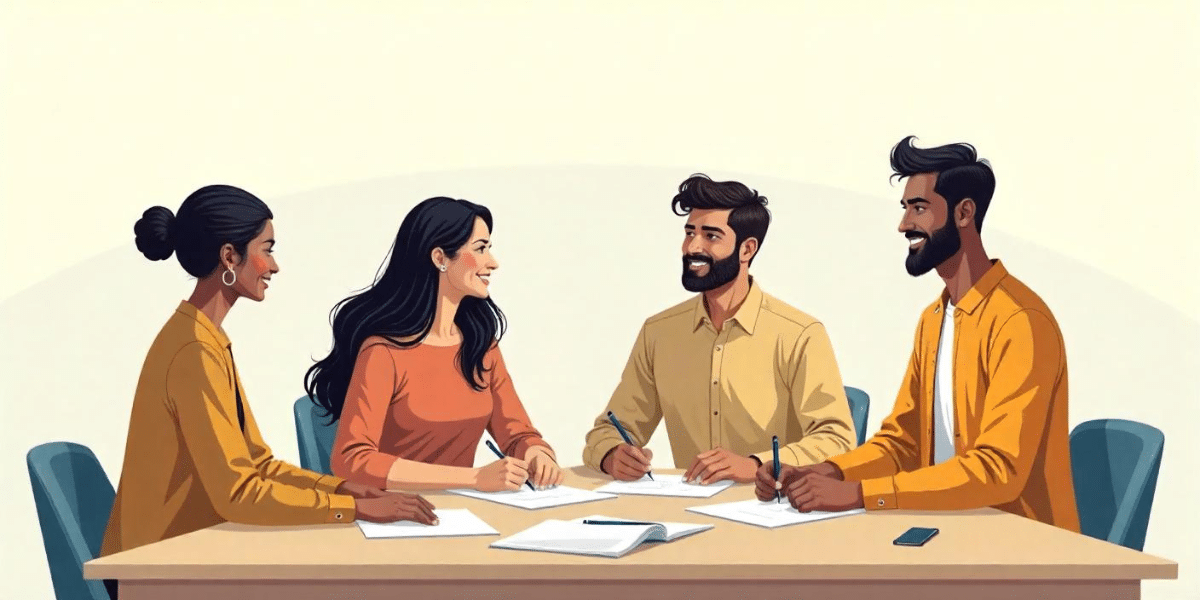

Have you ever noticed why some teams consistently achieve outstanding results while others face miscommunication and missed goals? The difference often comes down to strong teamwork skills a critical factor for success in today’s collaborative and fast-paced workplaces. In 2025, employers across industries will prioritize individuals who can communicate effectively, resolve conflicts, and adapt to diverse team dynamics. Whether you’re a student, job seeker, or experienced professional, understanding the importance of teamwork helps you build trust, boost productivity, and inspire innovation.
This comprehensive guide, supported by expert insights, explores the essential teamwork skills examples every professional should develop from active listening and empathy to leadership and accountability. You’ll also find actionable tips, real-life scenarios, and strategies to strengthen collaboration. By applying these skills and showcasing them on your teamwork skills resume, you can stand out as a reliable contributor and unlock new growth opportunities in the evolving world of work.
Teamwork skills are the abilities that help individuals work effectively and cooperatively with others toward a shared goal. These skills include communication, collaboration, adaptability, and problem-solving. They enable team members to support each other, share responsibilities, and resolve conflicts constructively.
Here are 10 essential examples of teamwork skills, each explained in its own paragraph:
Effective communication is at the heart of successful teamwork. It involves clearly conveying ideas, actively listening to others, and providing constructive feedback. Good communication ensures that team members stay aligned on goals, deadlines, and responsibilities, reducing misunderstandings and boosting productivity.
Collaboration is the ability to work jointly with others toward a common objective. It means combining individual strengths, sharing knowledge, and supporting one another to achieve better results together than would be possible alone. Strong collaborators prioritize the team’s success over personal recognition.
Team dynamics can shift quickly due to project changes or unexpected challenges. Adaptability allows team members to remain flexible and open-minded in new situations. Those who can adjust their roles, embrace new ideas, and respond to change with a positive attitude contribute greatly to a resilient and successful team.
Disagreements are inevitable in any team, but how they are handled can make all the difference. Conflict resolution skills involve managing and resolving disputes in a calm, respectful, and effective way. Team members with this skill help maintain a harmonious work environment and keep projects moving forward.
Being dependable and consistent builds trust within a team. Reliability means following through on commitments, meeting deadlines, and being someone others can count on. When every team member is reliable, the team functions more smoothly and confidently.
Empathy allows team members to understand and respect each other’s feelings, perspectives, and challenges. It fosters a culture of compassion and inclusion, encouraging open communication and stronger interpersonal relationships, which are key to effective teamwork.
Teamwork often involves overcoming obstacles and finding creative solutions. Strong problem-solving skills enable team members to analyze issues critically, brainstorm effectively, and implement workable solutions collaboratively. This keeps the team productive and solution-focused.
Leadership is not limited to managers any team member can demonstrate it. Good leaders guide the team, inspire others, delegate tasks wisely, and keep everyone motivated. A team with distributed leadership skills is often more dynamic and self-sufficient.
Managing time well is crucial when working with others on shared deadlines. Team members with good time management can prioritize tasks, avoid procrastination, and respect others’ schedules. This keeps the team on track and ensures timely project completion.
Accountability involves taking ownership of one’s actions and responsibilities. It means admitting mistakes, learning from them, and making sure they don’t impact the team negatively. A culture of accountability fosters transparency and drives the entire team toward excellence.

Here are 10 practical ways to improve teamwork skills in the workplace, each presented in a separate paragraph:
Creating an environment where team members feel safe to express ideas, concerns, and feedback openly helps build trust and strengthens collaboration. Regular team meetings, open-door policies, and active listening practices can significantly enhance communication and transparency.
When every team member knows their responsibilities and how their work contributes to the bigger picture, collaboration becomes more efficient. Clearly defining team objectives and individual roles helps reduce confusion and ensures everyone is aligned with the team’s mission.
Mutual respect among team members is essential for effective collaboration. Encouraging inclusivity, valuing diverse perspectives, and promoting respectful behavior can help create a positive work atmosphere where everyone feels valued and motivated to contribute.
Team-building exercises whether formal workshops or casual outings strengthen relationships and enhance trust. These activities help employees get to know each other beyond work tasks, making them more likely to cooperate and support one another in professional settings.
Regular, thoughtful feedback helps team members understand what they’re doing well and where they can improve. Constructive feedback should be specific, timely, and focused on growth, allowing individuals to improve their teamwork skills while feeling supported rather than criticized.
Involving team members in decision-making builds a sense of ownership and accountability. When everyone has a voice in shaping outcomes, it boosts engagement and encourages more active, thoughtful participation in team efforts.
Investing in training programs or workshops focused on communication, emotional intelligence, and leadership can greatly enhance teamwork skills. Providing resources for professional development shows employees that collaboration is a valued and supported part of the workplace culture.
Acknowledging both individual contributions and group achievements boosts morale and reinforces positive team behavior. Public recognition, performance bonuses, or even simple thank-yous can motivate employees to keep working well together.
Flexibility in roles, schedules, and work styles can make collaboration smoother, especially in diverse or remote teams. Coupled with empathy, this flexibility helps team members better understand and accommodate each other’s needs and working preferences.
Managers and team leaders should model the teamwork behaviors they want to see. Demonstrating active listening, accountability, collaboration, and respect sets a powerful standard for others to follow and creates a culture where strong teamwork is the norm.
Here are the 10 detailed points on how to improve teamwork skills in the workplace:
Effective teamwork starts with strong communication. Encourage team members to share ideas, updates, and concerns openly. Use various communication channels like meetings, emails, and messaging apps to ensure everyone stays informed. Active communication helps prevent misunderstandings, boosts collaboration, and ensures smooth workflow across departments.
When everyone knows what they are supposed to do, teams function more efficiently. Clearly define each team member’s roles, tasks, and responsibilities from the beginning. This clarity reduces duplication of effort, avoids confusion, and ensures accountability, allowing the team to focus on achieving common goals.
Active listening is more than just hearing words it involves understanding the speaker’s message and responding thoughtfully. Train team members to listen attentively, avoid interrupting, and ask clarifying questions. This improves empathy and trust, leading to better decisions and fewer conflicts.
Trust is the foundation of any strong team. Encourage transparency, dependability, and honesty in all team interactions. When team members trust each other, they feel safe to express ideas, admit mistakes, and take risks all of which are essential for innovation and growth.
Unifying the team under a shared vision helps align efforts and increase motivation. Make sure everyone understands the team’s objectives and how their individual contributions support these goals. Setting clear, measurable outcomes fosters a sense of purpose and keeps the team focused.
Diverse teams thrive when all members feel included and respected. Encourage an environment where different perspectives, backgrounds, and ideas are welcomed. This not only improves team culture but also sparks creativity and leads to better problem-solving.
Feedback should be part of your team’s culture not just during performance reviews. Offer timely, specific, and supportive feedback that focuses on behavior, not personality. Encourage peer feedback as well to help individuals grow and improve their teamwork capabilities.
Recognizing accomplishments big or small boosts team morale and strengthens the group’s sense of achievement. Whether it’s a shout-out in a meeting, a team lunch, or a formal award, celebrating success encourages continued collaboration and fosters a positive work environment.
Workplaces are constantly evolving, and teams must adapt to new challenges, roles, or tools. Encourage team members to be open to change, adjust quickly, and support one another through transitions. Flexibility enhances resilience and keeps teams moving forward, even under pressure.
Leaders set the tone for teamwork. Demonstrate the behaviors you want to see communicate openly, respect others’ input, take responsibility, and collaborate with enthusiasm. When leaders model strong teamwork, it motivates others to follow suit and helps establish a team-first culture.
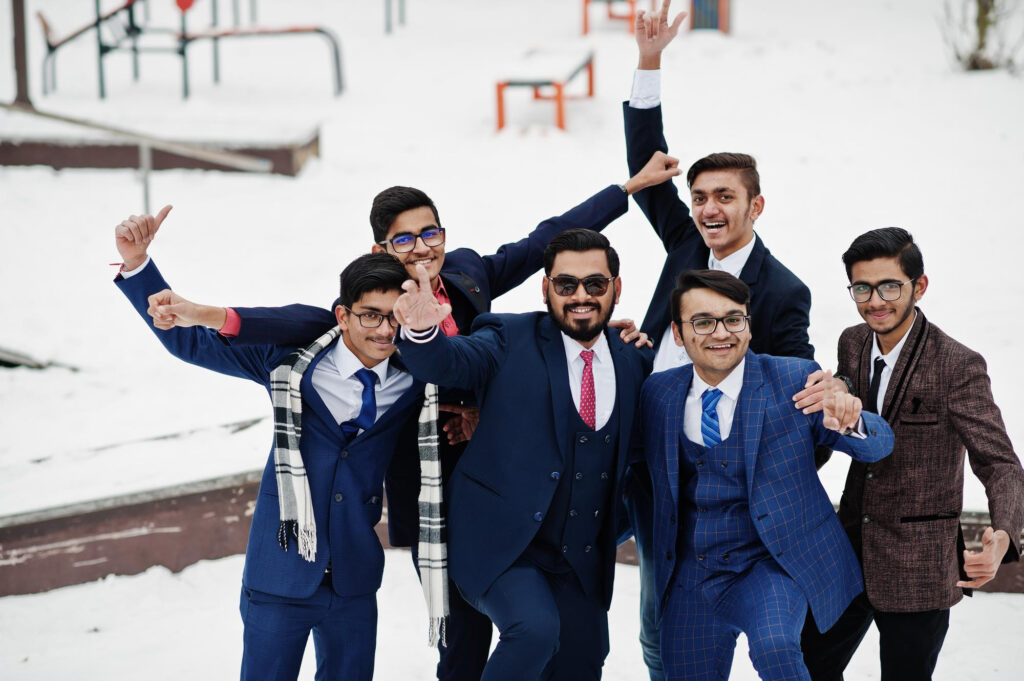
Here are 10 effective strategies to highlight teamwork skills in the office, each explained in detail:
The simplest way to showcase your teamwork skills is to get involved. Volunteer for group assignments and contribute meaningfully. Show initiative, collaborate with teammates, and support others when needed. Being an engaged team player naturally brings your teamwork abilities into the spotlight.
Proactively assisting coworkers with their tasks or challenges demonstrates your willingness to contribute to the team’s success. Whether it’s offering guidance, sharing resources, or stepping in during high workloads, your supportive nature reflects strong teamwork values.
Consistently using clear, respectful, and inclusive communication builds your reputation as a collaborative professional. Whether in meetings, emails, or one-on-one discussions, your ability to listen, respond thoughtfully, and share ideas tactfully highlights your teamwork strength.
Publicly acknowledging the efforts of your teammates shows humility and a team-first mindset. Celebrating others’ contributions whether in meetings or emails demonstrates that you value collaboration over personal recognition.
Meeting deadlines, following through on commitments, and being dependable builds trust with your team. When colleagues know they can count on you, it reinforces your role as a solid team player who contributes to a stable and efficient work environment.
Take part in or even organize team-building initiatives such as workshops, social events, or collaborative challenges. These activities help you build relationships and showcase interpersonal skills in a more relaxed setting, reinforcing your commitment to strong team dynamics.
Welcoming feedback and applying it shows that you’re receptive and dedicated to improving your collaboration. It also models positive behavior for others, encouraging an open, honest, and team-oriented culture in the workplace.
Helping others learn or grow by sharing your expertise shows that you’re invested in the team’s overall development. Mentoring, training, or simply offering tips in your area of strength positions you as a generous and collaborative colleague.
When tensions arise, handling disagreements with calmness and fairness proves you have strong conflict-resolution skills. Being the one who helps mediate or de-escalate difficult situations highlights your emotional intelligence and strengthens team cohesion.
When preparing progress reports, presentations, or performance reviews, include mentions of how the team collaborated and your specific role in that collaboration. Framing your achievements within a team context shows that you value group success and understand the importance of working together.
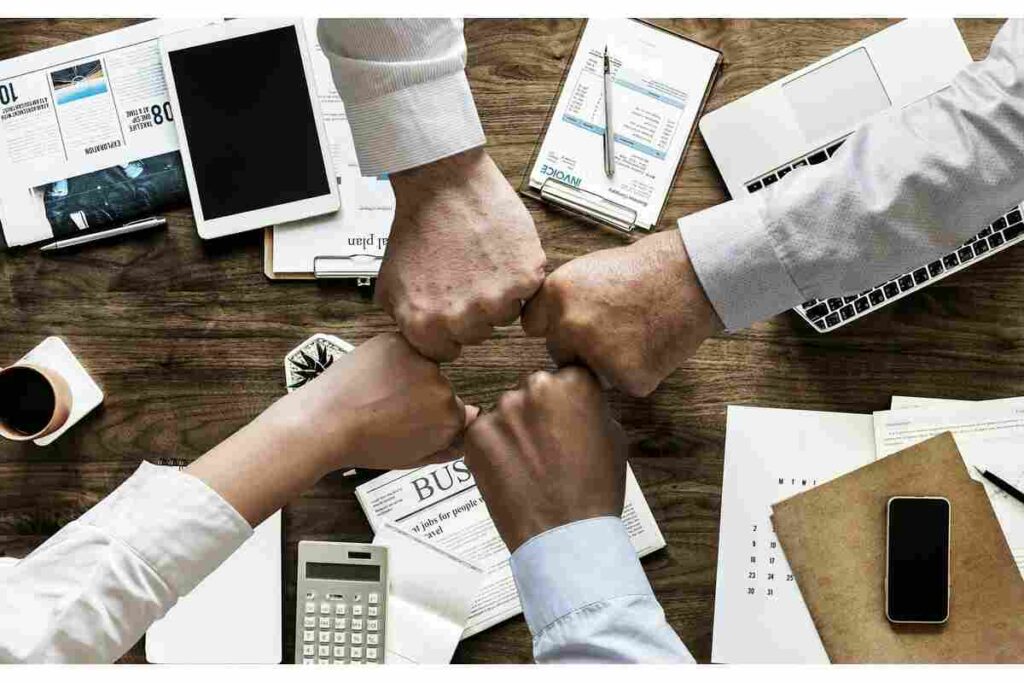
“Collaborated with marketing, sales, and product teams to develop and launch a new customer feedback system, resulting in a 25% increase in customer satisfaction within three months.”
Highlights: Cross-team collaboration, shared goals, measurable results.
“Worked with a project team to identify bottlenecks in the supply chain process. Contributed ideas during brainstorming sessions that led to a new scheduling system, reducing delivery delays by 30%.”
Highlights: Brainstorming, shared responsibility, solution-oriented thinking.
“Stepped up to support a team member during a tight deadline by taking on additional tasks, helping the team complete the project ahead of schedule without compromising quality.”
Highlights: Dependability, teamwork under pressure, cooperation.
“Led a small team of interns on a content creation project, fostering a collaborative environment where everyone contributed ideas, resulting in a 20% boost in engagement on company social media.”
Highlights: Leadership, inclusivity, results-driven teamwork.
“Mediated a conflict between two colleagues by facilitating an open discussion and helping them find common ground, which restored team morale and improved collaboration.”
Highlights: Communication, empathy, conflict resolution.
Read More: Effective Leadership Styles
Developing strong teamwork skills is essential for anyone aiming to thrive in today’s dynamic and collaborative workplaces. By communicating clearly, valuing diverse perspectives, and supporting team members, you enhance group efficiency and establish yourself as a dependable professional. In 2025, employers will increasingly prioritize candidates who demonstrate the importance of teamwork, adaptability, and conflict resolution.
Remember, mastering teamwork is a continuous process. Seek feedback, join group initiatives, and remain open to innovative ways of collaboration. With consistent effort and a growth mindset, you can strengthen your teamwork skills, showcase effective teamwork skills examples on your teamwork skills resume, and contribute meaningfully to long-term organizational success.
Teamwork skills are the abilities that help individuals work well with others toward shared goals. They include communication, active listening, conflict resolution, adaptability, reliability, and collaboration.
Employers value these skills because they facilitate smooth workflows, improve problem-solving, and increase productivity in group settings.
You can describe your teamwork skills by sharing real examples that show collaboration and the importance of teamwork. For instance, mention how you listened to others’ ideas, respected diverse views, and achieved common goals. These teamwork skills examples demonstrate your ability to work effectively and deliver measurable results.
Example:
In my previous role, I collaborated with a cross-functional team to streamline internal communication, which increased project efficiency by 20%. This clearly reflects my ability to apply strong teamwork skills in achieving shared goals.
Tip:
When describing your teamwork skills examples, always use measurable outcomes. It helps employers understand your real impact and strengthens your teamwork skills resume profile.
Yes, teamwork is one of the key soft skills to include on a resume. Hiring managers often seek candidates who can show collaboration in their previous roles.
You can emphasize it in the skills section, for example, “Collaboration, Teamwork,” and in your work experience by explaining projects where teamwork resulted in successful outcomes.
The “Big 5” of teamwork refers to communication, trust, adaptability, accountability, and leadership. These elements keep teams cohesive and productive, even when under pressure.
Organizations prioritizing these five areas often report higher engagement and better performance outcomes.
The top five soft skills employers prioritize today are communication, teamwork, problem-solving, adaptability, and time management.
These skills apply to various industries and roles. They help professionals succeed in collaborative, fast-changing work settings.
The 5 C’s of teamwork are Communication, Cooperation, Commitment, Consensus, and Collaboration. They provide a guide for building trust and boosting group success.
Teams that follow these principles are more likely to reach their goals effectively and keep strong working relationships.
Explaining teamwork as a strength means showing your commitment to group success and reliability as a contributing team member. It highlights the importance of teamwork and your ability to collaborate effectively. On a teamwork skills resume, this reflects dedication, cooperation, and accountability in achieving shared goals.
Example:
“I believe the importance of teamwork lies in supporting others’ ideas and maintaining accountability. During a product launch, I ensured consistent team coordination, resulting in timely delivery and high client satisfaction.”
Tip:
When highlighting teamwork as a strength, connect it to results. This shows not just collaboration but how your efforts improved performance a key factor for better visibility in search results.