

Body language is a primary form of communication that often speaks louder than words. From a firm handshake to a confident posture, your nonverbal cues can instantly shape how others perceive you. In fact, experts say that a significant portion of our communication is conveyed through gestures, facial expressions, and body movements—making body language essential for building trust and making strong first impressions.
In today’s fast-paced world, understanding the primary importance of body language can give you a real edge. It not only helps you express yourself more clearly but also boosts your confidence and enhances your personal and professional relationships. Mastering body language is a powerful way to connect, influence, and succeed in any situation.
In this blog, we will discover the importance of body language in the workplace and how to improve it!

Body language is a form of non-verbal communication. It includes facial expressions, gestures, posture, and eye contact. Sometimes, we say a lot without even speaking. For example, crossing our arms might show that we are upset or defensive. Smiling shows that we are happy or friendly. This kind of communication happens daily at work and can make a big difference in how others see us.
Key Components of Body Language:
Your face shows your emotions. In 2025, micro-expressions, brief and involuntary facial movements, are seen as strong signs of real feelings.
Using your hands while speaking can improve communication. Open palms suggest honesty, while pointing fingers can come off as aggressive.
A straight and relaxed posture shows confidence and openness. On the other hand, slouching or crossing your arms can suggest disinterest or defensiveness.
Maintaining eye contact helps build trust and shows you pay attention, but too much can feel intimidating. It’s essential to find a balance.
Understanding personal space is crucial, especially in multicultural settings where comfort levels differ significantly.
The importance of body language in the workplace is enormous. It affects how others see us and how we see others. Here are some reasons why body language is essential:
When you meet someone at work for the first time, they notice your body language before you even speak. A firm handshake, good posture, and a friendly smile show confidence. Making eye contact and standing tall can make you seem more trustworthy. On the other hand, slouching, avoiding eye contact, or fidgeting can give a bad first impression.
Body language is important when building relationships with coworkers, managers, or clients. Good body language shows that you are listening and engaged in the conversation. Nodding your head, leaning slightly forward, and making eye contact shows that you care about what the other person is saying. The importance of body language in the workplace is clear when it helps create strong connections with others.
Leaders in the workplace often have strong, positive body language. Body language is crucial in leadership as it shows confidence and authority. A leader who stands tall, uses open gestures, and makes eye contact is seen as more capable. Employees tend to trust and follow leaders who have good body language.
When conflicts or problems arise at work, body language can help or hurt the situation. The importance of body language in the workplace becomes clear when trying to resolve issues. Calm body language, like sitting still and keeping a neutral facial expression, can help keep conversations peaceful. On the other hand, crossing arms, frowning, or tapping fingers can make others feel defensive or angry.
Albert Mehrabian’s well-known 7-38-55 rule states that 55% of emotional communication comes from body language, 38% from tone of voice, and only 7% from words. This shows how much we rely on physical cues to understand meaning and sincerity.
Recent studies confirm the influence of body language. For instance, research shows that expressive facial expressions increase likability and trust, while posture shapes views on leadership and authority.
Even in virtual settings, body language affects perception. Video calls that feature clear gestures and suitable facial expressions strengthen credibility, empathy, and engagement.
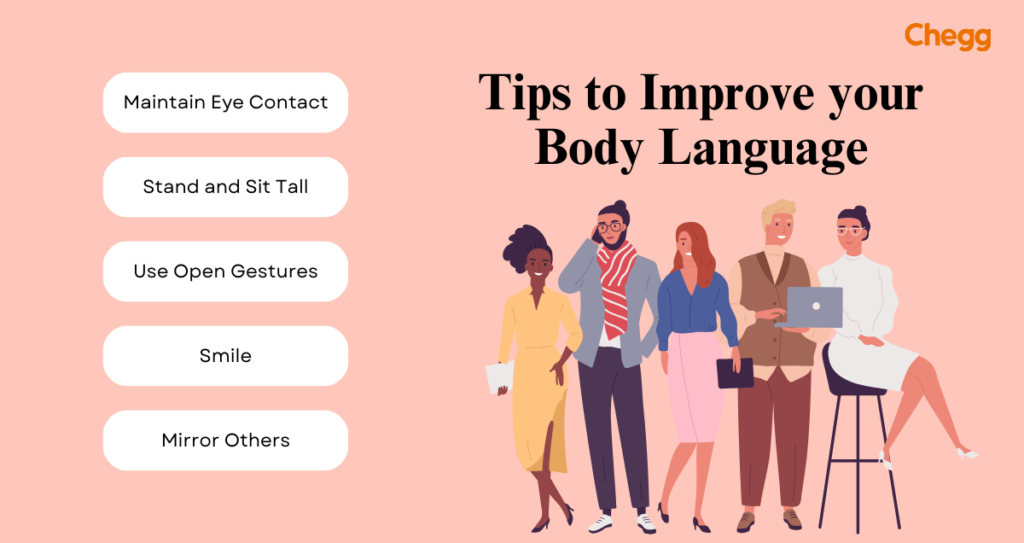
Improving body language at work is not difficult. Here are some tips to help:
One of the easiest ways to show confidence and interest is to maintain eye contact during conversations. Looking at the person speaking helps you build trust and shows that you are listening. However, don’t stare too much, as that can make people uncomfortable.
The importance of body language is evident in maintaining good posture, which signals confidence and readiness to work. Whether standing or sitting, keeping your back straight and shoulders relaxed conveys professionalism. On the other hand, slouching or leaning back too much can give the impression of laziness or disinterest, highlighting how body language affects how others perceive you.
Using open gestures, like keeping your hands visible and not crossing your arms, shows that you are approachable. Open body language invites others to communicate with you. The importance of body language in making others feel comfortable cannot be overstated.
A simple smile can go a long way in the workplace. Smiling shows that you are friendly and happy to be at work. It also makes others feel more comfortable around you. The importance of body language, especially smiling, is key to creating a positive work environment.
The importance of body language can be seen in techniques like mirroring, or subtly copying the body language of the person you’re speaking with, to build rapport. If they smile, you smile. If they lean forward, you do the same. This demonstrates that you are in tune with the conversation and helps the other person feel understood, emphasizing the significant role body language plays in communication.
Kinesic communication refers to the use of body movements, gestures, facial expressions, posture, and eye contact to convey messages or emotions during communication. It is a significant form of non-verbal communication that complements or even replaces verbal communication. Kinesics helps convey feelings, attitudes, and reactions, and can provide important context to the spoken word.
Here’s a comparison of Kinesic Communication and Body Language:
| Aspect | Kinesic Communication | Body Language |
|---|---|---|
| Definition | Refers to the use of body movements, gestures, facial expressions, posture, and eye contact to communicate messages. | Refers to non-verbal cues, including facial expressions, gestures, posture, and movements that convey information. |
| Scope | A broader concept that specifically focuses on the physical movements and gestures used to communicate. | Includes all forms of non-verbal communication such as kinesics, paralanguage, and proxemics. |
| Components | Includes gestures, facial expressions, posture, and eye contact. | Encompasses all physical behaviors such as gestures, posture, eye contact, facial expressions, and other non-verbal cues. |
| Purpose | Primarily used to convey emotions, attitudes, and reactions in conversations. | Used to complement, emphasize, or replace verbal communication. |
| Focus | Focuses on how the body moves or positions itself to communicate. | Focuses on the overall non-verbal signals, including both intentional and unintentional actions. |
| Example | Nodding in agreement, smiling while talking. | Crossing arms, avoiding eye contact, or standing with a confident posture. |
| Primary Domain | A subcategory of body language that deals with specific movements and gestures. | Encompasses various non-verbal cues, including kinesics, proxemics (space), and paralanguage (tone, pitch). |
| Impact | Directly conveys emotions and reactions in communication. | Influences overall perception and understanding in a conversation. |
In summary, body language is a vital part of effective communication. Your gestures, posture, facial expressions, and eye contact can influence first impressions, build trust, and strengthen relationships at work.
By mastering positive body language, you not only express yourself more clearly but also boost your confidence and inspire others. Remember, people often respond more to how you act than what you say. Paying attention to your nonverbal cues can help you connect, lead, and resolve conflicts more successfully. Make body language a conscious part of your interactions to enhance both your personal and professional life.
Also Read:
Mastering Verbal Communication

Body language is important because it shows confidence, emotions, and intent without using words. Positive gestures and good posture build trust, improve communication, and create a lasting impression in both personal and professional interactions.
The 7%- 38%- 55% rule refers to Albert Mehrabian’s communication theory, which states that 7% of the message in conveying feelings and attitudes is derived from words, 38% from tone of voice, and 55% from body language.
Facial Expressions: Convey emotions and reactions.
Gestures: Hand movements that enhance communication.
Posture: Body stance indicating confidence or openness.
Eye Contact: Establishes connection and engagement.
Facial Expressions
Gestures
Posture
Eye Contact
The 5 C’s of body language are:
Context
Congruence
Consistency
Clarity
Culture
Body language is crucial as it conveys non-verbal cues, enhances communication, builds rapport, and influences perceptions and interactions.