
Are you looking to expand your horizons, boost your knowledge, or find inspiration from real stories? Non-fiction books are a treasure trove of wisdom. They offer practical insights, powerful life lessons, and fascinating accounts of the world around us. Whether you’re a student, a professional, or a curious reader, the right non-fiction book can spark new ideas and change the way you think.
In this guide, we’ve put together a list of the best non-fiction books that deserve a spot on your reading list. From thought-provoking biographies to groundbreaking works on science, business, and personal growth, these books promise to inform, challenge, and motivate you. Dive in and discover your next great read. It could shape your perspective and fuel your ambitions.
In a world of information, the need for non-fiction books has never been more essential. These books provide not only valuable knowledge but also the tools for personal growth and career enhancement. As we move further into the 2020s, here’s why non-fiction books continue to thrive:
Non-fiction books are excellent tools for skill development. They offer readers practical, actionable knowledge that can be applied to improve various aspects of their lives. Whether it’s learning time management techniques, boosting productivity, or mastering new skills, non-fiction books provide the framework for personal and professional growth. For instance, books that focus on habits and mindset allow readers to identify areas for improvement and create strategies for becoming more efficient, focused, and productive.
The rapid pace of change in fields like technology, business, and finance makes it essential for individuals to stay informed about the latest trends. Non-fiction books provide the necessary insights into these fields, enabling readers to stay ahead of the curve. Books that explore AI, sustainability, and mental health are shaping conversations across industries, and their timely release makes them indispensable for anyone who wants to remain relevant in their careers.
As the world faces unprecedented challenges, such as climate change, artificial intelligence, and societal shifts, non-fiction books provide readers with the knowledge and tools to understand these complex topics. Whether it’s understanding the ethics of AI or learning about new approaches to mental wellness, these books provide deeper insights into the issues shaping our future. Non-fiction books allow readers to think critically and engage with new ideas that challenge the status quo.
With the vast selection of top non-fiction books available in 2025, choosing the right one for your interests can be overwhelming. To make your decision easier, we’ve categorized the best books into five essential areas: Personal Development, Business & Entrepreneurship, Science & Technology, Leadership & Career Growth, and Psychology & Mental Health.
1. “Mindset: The New Psychology of Success” by Carol S. Dweck
Brief Description: Carol Dweck’s pioneering research on the growth mindset shows how our beliefs about our abilities shape our success. This book is essential for anyone looking to develop a mindset that embraces challenges and promotes resilience.
2. “The Subtle Art of Not Giving a F*ck” by Mark Manson
Brief Description: Mark Manson’s no-nonsense approach to personal development challenges conventional wisdom. This book encourages readers to focus on what truly matters, letting go of the societal pressures that often define success and happiness.
3. “The Happiness Hypothesis: Finding Modern Truth in Ancient Wisdom” by Jonathan Haidt
Brief Description: Jonathan Haidt’s exploration of happiness combines ancient wisdom with modern psychological research. The book provides practical strategies for cultivating happiness and meaning in a uncertain world.
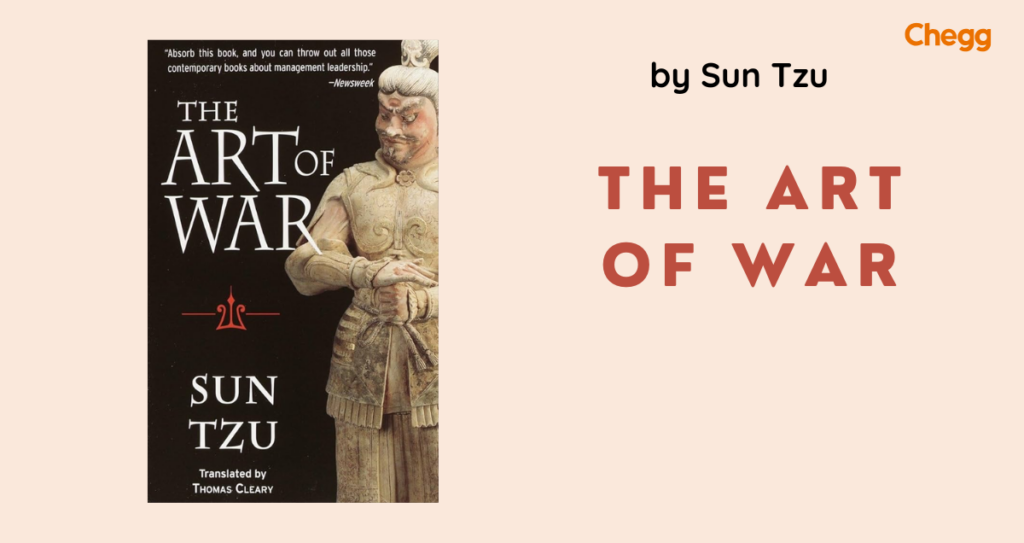
“The Art of War” by Sun Tzu is an ancient Chinese military strategy book written around the 5th century BCE. It is a guide on warfare, leadership, and strategy, emphasizing intelligence, planning, and adaptability over brute force. The book teaches key principles such as “knowing your enemy,” “winning without fighting,” and “using deception in warfare.”
Though originally a military text, its principles are widely applied in business, politics, sports, and personal development. Leaders, entrepreneurs, and strategists use it to improve decision-making, competition, and problem-solving. The book remains a timeless classic on strategy and leadership, making it a must-read for those interested in tactical thinking and strategic success.
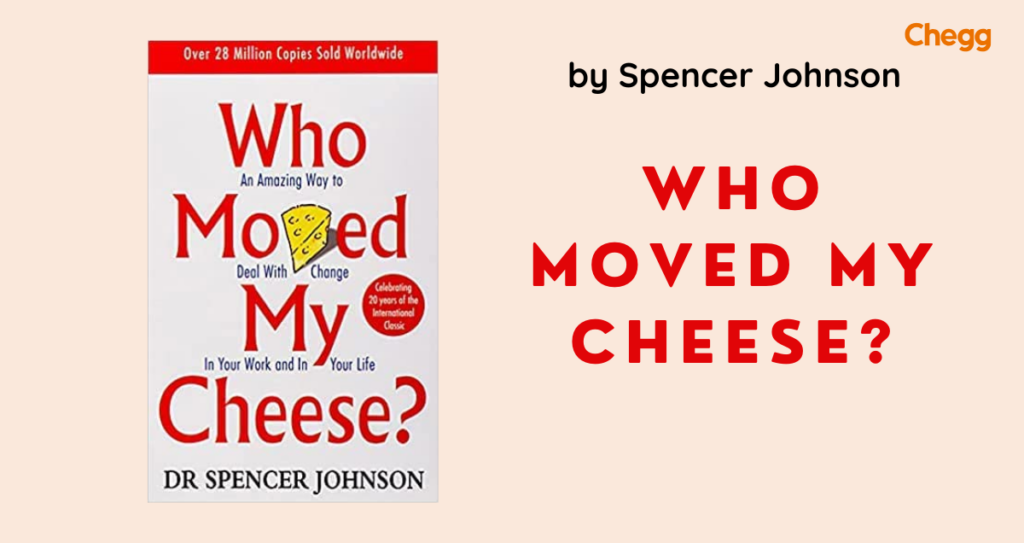
“Who Moved My Cheese?” by Spencer Johnson is a short but powerful self-help book that explores how people deal with change and uncertainty in life and work. The story is presented as a business fable, featuring four characters—two mice (Sniff and Scurry) and two little people (Hem and Haw)—who live in a maze and search for cheese, which symbolizes success, happiness, or career opportunities.
When their cheese supply disappears, each character reacts differently, illustrating how people respond to change—some adapt quickly, while others resist out of fear. The book teaches the importance of embracing change, being proactive, and letting go of comfort zones to succeed in a fast-changing world. It is widely used in business, leadership, and personal development to help individuals and organizations manage change effectively.
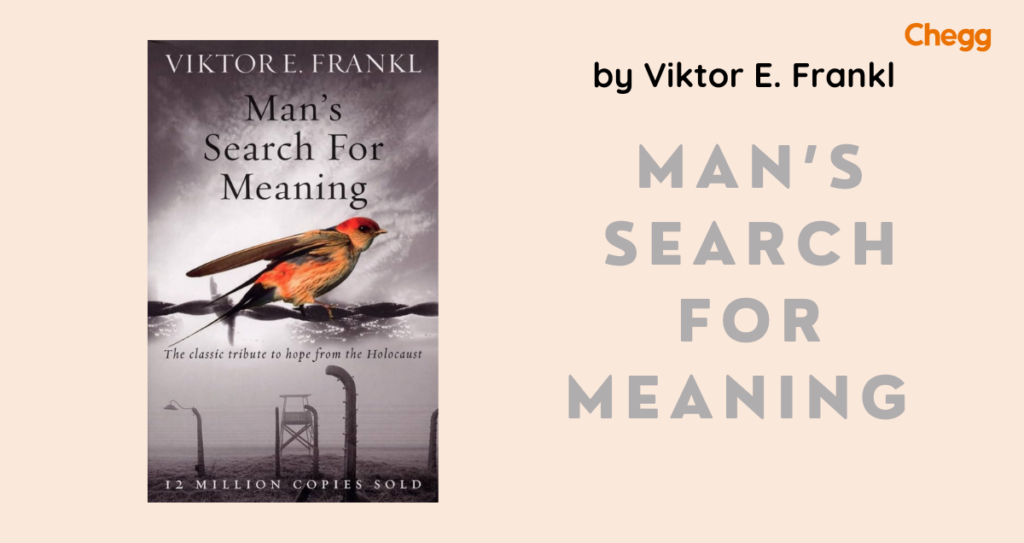
“Man’s Search for Meaning” by Viktor E. Frankl is a profound memoir and psychological exploration of human resilience and purpose. Written by Viktor Frankl, a Holocaust survivor and psychiatrist, the book recounts his harrowing experiences in Nazi concentration camps during World War II and how he found meaning even in immense suffering.
Frankl introduces logotherapy, a psychological approach that emphasizes the search for meaning as the primary human motivation. He argues that even in the worst circumstances, individuals can find purpose through love, work, or personal growth. The book is widely regarded as one of the most influential self-help and philosophical works, inspiring readers to find meaning in adversity and live with purpose.
“The Four Agreements” by Don Miguel Ruiz is a self-help and spiritual book based on ancient Toltec wisdom. It offers a practical guide to personal freedom, happiness, and transformation by breaking self-limiting beliefs and embracing a new mindset.
The book teaches how adopting these agreements can reduce suffering, improve relationships, and lead to a more fulfilling life. It remains a widely popular guide for personal growth, mindfulness, and inner peace.
This book teaches you when to quit and when to stick. It’s a short read that provides valuable insights into achieving success by knowing when to persevere and when to stop.
“Steal Like an Artist” by Austin Kleon is a creativity and self-improvement book that encourages readers to embrace inspiration from others and develop their own unique artistic voice. It breaks the myth of pure originality and argues that all creative work is inspired by existing ideas, urging artists, writers, and innovators to “steal” ideas ethically by transforming them into something new.
Reading non-fiction books offers many benefits that can enrich various aspects of your life. Here are some key advantages:
Non-fiction books are packed with factual information and real-life examples. Whether reading about history, science, self-help, or biographies, you constantly learn new things. This knowledge can be directly applied to your personal and professional life, making you more informed and well-rounded.
Reading about the achievements and experiences of others can be incredibly inspiring. Nonfiction books often highlight stories of perseverance, innovation, and success, which can motivate readers to pursue their own goals and overcome challenges.
Focus and concentration are necessary when reading. Regularly engaging with non-fiction books can enhance these skills over time. This improved focus can also translate to other areas of your life, such as work or study.
Non-fiction books often present complex ideas and arguments that require thinking critically and analytically. This can help improve your problem-solving abilities and enable you to approach situations from different perspectives.
Exposure to well-written content can significantly improve your writing abilities. By reading non-fiction, you can learn how to structure arguments, present information clearly, and use language effectively.
Many non-fiction books, especially those in the self-help genre, focus on personal growth and development. They offer practical advice and strategies for improving various aspects of your life, such as productivity, relationships, and mental health.
Non-fiction books can expose you to new ideas, cultures, and viewpoints. This can broaden your understanding of the world and help you develop a more open-minded and empathetic perspective.
One of the best ways to relax and de-stress is to read. Non-fiction books, particularly those that are engaging and well-written, can provide a mental escape and help reduce stress.
Reading and retaining information from nonfiction books can help improve memory. Recalling facts, figures, and narratives exercises the brain and enhances cognitive functions.
Reading popular non-fiction books can provide common ground for conversations and networking. Discussing books with others can lead to meaningful connections and shared insights.
The world of non-fiction is vast and endlessly rewarding, offering something for every curious mind. Whether you seek practical advice, historical insights, or stories of remarkable individuals, each book on this list has the power to inspire and inform.
So, pick up one – or several – of these acclaimed titles and let their pages open new doors of understanding. Remember, every great non-fiction book is not just a source of knowledge, but a stepping stone toward personal growth and a deeper appreciation of the world around you. Happy reading!

Some top non-fiction books include Sapiens by Yuval Noah Harari, Educated by Tara Westover, Atomic Habits by James Clear, and Thinking, Fast and Slow by Daniel Kahneman. They are insightful and thought-provoking.
The top 10 most read books include The Bible, The Quran, The Quotations of Chairman Mao, the Harry Potter series, and The Lord of the Rings, among others. Religious texts and popular fiction dominate global readership.
The Alchemist by Paulo Coelho is seen as life-changing by many readers. It encourages personal growth, self-discovery, and the pursuit of dreams. This makes it a favorite across different cultures and generations.
Yes, non-fiction books are great for gaining knowledge, improving critical thinking, and understanding real-world ideas. They aid in personal development, learning history, mastering skills, and staying informed about various subjects.
The Bible is regarded as the world’s most distributed book. Its influence and readership have endured for centuries. It has been translated into many languages and continues to be widely read around the world.
To Kill a Mockingbird by Harper Lee is a must-read. It tackles themes of justice, empathy, and morality. The book provides lasting lessons about human nature and social issues through a gripping story.