

Imagine waking up on Monday morning feeling energized rather than dreading the alarm. That sensation, of tackling your to-do list with enthusiasm, collaborating without burnout, and knowing your efforts truly matter, is what separates merely “getting by” at work from thriving. Job satisfaction isn’t just a feel-good perk; it’s the secret ingredient behind stronger performance, deeper loyalty, and a magnetic culture that draws in top talent.
In this guide, we’ll break down exactly what drives employee satisfaction (from autonomy and purpose to pay and perks), show you how to measure it with surveys and eNPS, explore classic theories that explain why these factors matter, walk through ROI metrics and real-world case studies, and highlight emerging trends, from AI-powered pulse tools to hybrid-first work models. Let’s dive in and turn engagement from a buzzword into your organization’s competitive edge.

Job Satisfaction refers to the degree of pleasure or happiness that an individual feels in their job. This can be influenced by various factors, such as the nature of the work itself, the work environment, the company’s culture, and the employee’s relationships with their co-workers.
The goal is to understand the importance of job satisfaction, how it affects performance and well-being, and how to create a more fulfilling work environment.

It’s useful to think of satisfaction drivers in two buckets, these include Intrinsic vs. Extrinsic Drivers as discussed below:
| Intrinsic Drivers | Extrinsic Drivers |
|---|---|
| Meaningful work & purpose | Competitive pay & bonuses |
| Skill use, autonomy, mastery | Benefits (healthcare, retirement) |
| Opportunities for growth and learning | Workspace comfort & resources |
| Recognition, feedback, peer support | Job security & clear policies |
The job market has become highly competitive, making it essential for employers and employees to understand the factors contributing to job satisfaction. A study by Payscale revealed that clergy-level workers report the highest levels of job satisfaction, with 90% expressing contentment. This high satisfaction is primarily attributed to their meaningful work, giving them a sense of purpose.
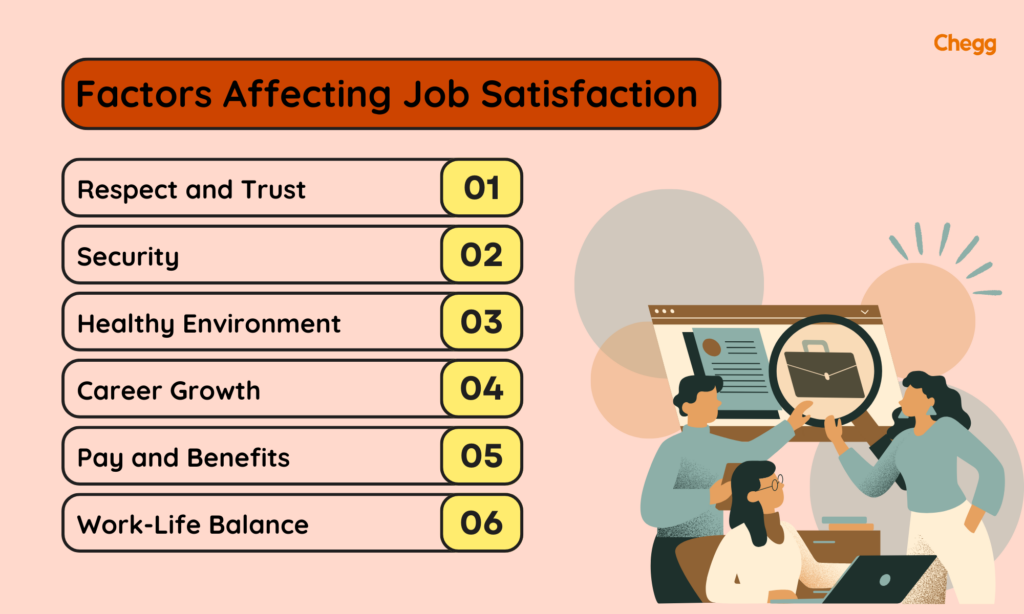
Job satisfaction varies from person to person, with different employees prioritizing different factors. While some may value meaningful work, others consider pay, job security, work-life balance, or growth opportunities more critical. Firms must identify which factors are most important to their employees and tailor their strategies accordingly. By focusing on these key areas, businesses can create a more positive and motivating work environment.
Improving job satisfaction benefits employees and leads to better business outcomes. Research by Harvard Business Review supports this idea, showing that companies focusing on enhancing job satisfaction experience higher employee retention and improved performance. A positive work environment is one of the most important factors for job satisfaction. Employees prefer a workplace where they feel supported, valued, and comfortable. Companies can ensure a more engaged and productive workforce by investing in these factors.
So, let us explore the top determinants of job satisfaction here.

On the job satisfaction scale, respect and trust are the top needs. Workers who feel respected and trusted are more likely to be high-yielding and more committed to their work. The SHRM report pointed out the same. 38% of the employees were very satisfied, while 65% felt it was vital and needed.
Firms can build a culture of respect and trust through open communication. It is vital to respect and appreciate their help. Managers can show respect by setting practical deadlines and allowing freedom.
By assigning tasks and allowing them to make decisions, you build trust. This can create a positive work setting where workers feel valued and inspired to perform their best.
Job security is crucial for employee job satisfaction in organisational behaviour. When they feel secure, they are more committed and inspired. It found that job security is among the top drivers of employee satisfaction (36%).
Investing in job security can lead to increased employee retention and productivity. Firms with good job security can ensure job satisfaction in organizational behavior. Providing a stable work setting and growth prospects can also attract top talent.
There is a positive link between a healthy work environment and job satisfaction. Employees working in a clean, safe setting are more inspired. Also, a good workplace setting can increase productivity and job satisfaction in organisational behaviour.
Some tips to ensure that the Workplace is not Toxic –
Such steps can reduce leaves and boost their morale. The job satisfaction theory also proves this.
Offering chances for career growth and development is crucial for employee job satisfaction. Employees who feel they have the scope for progress are more inspired.
To support this, firms can provide training programs and mentoring. Offering new options can help them get new skills to advance in their careers. Firms can boost job satisfaction in organisational behaviour by fostering a positive work culture. Investing in team growth is beneficial for both.
Pay and benefits play a crucial role in employee job satisfaction. Fair pay and benefits make employees feel valued. They feel respected by their firm. Firms can offer competitive pay packages by conducting regular salary reviews. Also, providing benefits like healthcare and retirement plans is crucial.
Firms can offer non-financial benefits like flexible work setups. Options for professional growth to help employees feel supported can boost job satisfaction.
A healthy work-life balance is the next crucial factor on the job satisfaction scale. Employees with a healthy work-life balance are more engaged and inspired.
Firms can promote work-life balance. They can offer flexible schedules, telecommuting options, working conditions, and time-offs. This allows employees to balance their work duties with their personal life.
Firms should enable employees to disconnect from work outside of work hours. This will avoid burnout and support well-being.
Job satisfaction is essential for both employees and employers. It directly affects workers’ well-being, influencing their overall happiness and motivation at work. When employees are satisfied, they feel more engaged, valued, and committed to their roles. This leads to better job performance and a positive work environment.
Job satisfaction is equally important for firms as it plays a significant role in improving productivity and reducing turnover rates. Satisfied employees are more likely to stay with the company, reducing hiring and training costs. Moreover, when employees feel content, they are more likely to contribute positively to the company’s growth and success. Therefore, focusing on job satisfaction benefits both individual employees and the organization.
Here are some key points highlighting the importance of job satisfaction –
But how can you gain job satisfaction?
Based on many theories of job satisfaction, let us explore the strategies.
Turning satisfaction into dollars and cents helps secure leadership buy-in. Common KPIs include:
Before you can improve job satisfaction, you need a clear picture of where you stand today. Here are the most common measurement approaches:
1. Employee Pulse Surveys
- Short (5–10 question) surveys conducted monthly or quarterly
- Use a 5-point Likert scale (“Strongly disagree” to “Strongly agree”) on statements like “I feel valued by my manager” or “My work gives me a sense of accomplishment.”
- Look for trends over time rather than one-off dips.
2. eNPS (Employee Net Promoter Score)
- Single-question metric: “On a scale of 0–10, how likely are you to recommend this company as a place to work?”
- Promoters (9–10) minus Detractors (0–6) gives your eNPS.
- Best used alongside qualitative follow-up questions.
3. Focus Groups & One-on-One Interviews
- Small group discussions or confidential interviews dive deeper into survey results.
- Ideal for exploring “why” behind a low-scoring area.
4. Exit and Stay Interviews
- Exit interviews can uncover factors driving turnover.
- Stay interviews (mid-tenure chats) spotlight what keeps your best people engaged.
5. HR Analytics Dashboards
- Integrate survey data with HRIS metrics (turnover, absenteeism, performance ratings)
- Spot correlations: e.g., teams with lower satisfaction often have 20% higher unplanned absences.
To understand why certain factors matter, it helps to know a few classic models:
Herzberg’s Two-Factor Theory
Job Characteristics Model
Maslow’s Hierarchy of Needs
Several factors contribute to job satisfaction, but addressing each can be challenging. Firms need to develop clear plans and policies to manage these factors effectively. These guidelines can help identify key areas influencing employee satisfaction and provide a structured approach to addressing them.
Having well-defined plans and policies will also ensure that employees clearly understand work expectations. Employees’ satisfaction increases when they know what is expected of them and feel supported in their roles. By creating a transparent and supportive work environment, firms can improve job satisfaction, which leads to higher productivity and retention rates. This approach benefits both the employees and the organization.
The top strategies are as follows –
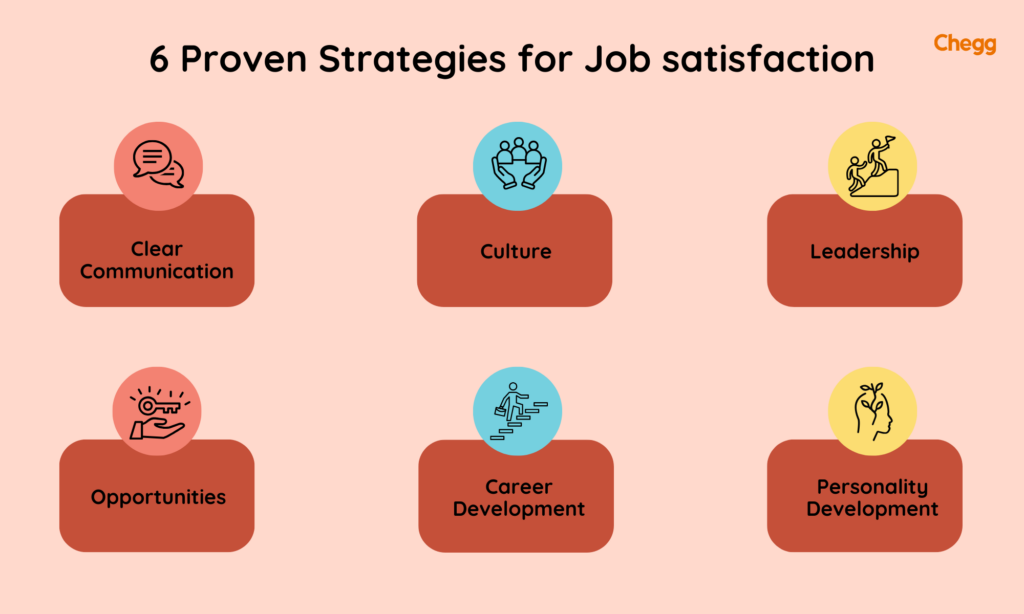
Clear communication is essential for maintaining job satisfaction. When communication is open and straightforward, employees understand their roles, tasks, and expectations. This helps reduce confusion and frustration, leading to a more positive work environment.
On the other hand, unclear communication can cause misunderstandings and irritate employees. When workers aren’t sure about what’s expected of them or the direction the company is heading, it can lead to stress and dissatisfaction. Firms must prioritize effective communication to avoid these issues, ensuring that all employees are well-informed and confident in their work. This fosters a sense of trust and satisfaction, ultimately improving overall productivity and morale.
Firms can promote clear communication by –
A positive workplace culture plays a significant role in enhancing job satisfaction. Employees who feel respected and valued are more likely to be engaged and motivated in their work. A supportive and inclusive culture fosters a sense of belonging, connecting employees to their teams and the organization.
A culture of respect not only boosts morale but also encourages open communication, collaboration, and trust. When employees feel appreciated, they are likelier to contribute their best efforts and stay committed to their roles. By promoting a positive work environment, companies can improve job satisfaction, increase productivity, and retain talented employees. A respectful workplace culture is essential for long-term success.
Firms can promote a positive culture by –
Strong leadership is key to enhancing job satisfaction. Effective leaders inspire and motivate their teams by setting clear goals, providing encouragement, and recognizing achievements. Their ability to lead by example creates a positive work environment where employees feel valued and driven to perform at their best.
In addition, good leaders offer support and guidance, helping employees navigate challenges and grow in their roles. They foster a sense of trust and openness, ensuring team members feel comfortable sharing ideas and concerns. When leadership is strong, employees feel more confident in their work and more satisfied with their jobs. This leads to higher engagement, productivity, and overall success for the company.
Firms can promote strong leadership by –
Offering opportunities for new challenges and growth can significantly boost job satisfaction. When employees are given the chance to take on new responsibilities or develop new skills, they feel more engaged and motivated. These opportunities allow them to grow personally and professionally, leading to greater job fulfillment.
Employees who see clear paths for progress within their roles are more inspired to perform well. When individuals believe they have the potential for advancement, they are more likely to stay committed and contribute to the organization’s success. Providing growth opportunities improves job satisfaction and benefits the company by fostering a motivated and skilled workforce.
Firms can do so by –
Career development is another crucial factor in job satisfaction. When employees feel that they are growing and advancing in their careers, they are more likely to be engaged and satisfied with their work. Opportunities for learning, skill-building, and promotions give employees a sense of progress and achievement.
Employees who see a clear path for development are more motivated and committed to their roles. This sense of growth enhances their job satisfaction and increases loyalty to the company. Companies can boost employee morale, reduce turnover, and foster a more productive and satisfied workforce by offering career development opportunities.
Firms can offer growth options such as –
Investing in employees’ personal growth and personality development can greatly enhance job satisfaction. Employees feel valued and supported when companies provide opportunities for employees to develop soft skills, emotional intelligence, and leadership abilities. This focus on personal growth contributes to a positive work experience.
Employees who feel empowered to grow professionally and personally are more motivated and engaged in their work. This investment in their development boosts their confidence and satisfaction, leading to improved performance and a more substantial commitment to the company. By supporting personal and personality development, companies can create a more positive and productive work environment, benefiting employees and the organization.
Firms can do so by –
1. TechCo’s Peer-Recognition App
2. HealthOrg’s Flexible-Hours Pilot
- Hybrid-First Cultures: Companies are standardizing a “hub-and-home” model, with playbooks for virtual team rituals and equity stipends for home-office setups.
- AI-Driven Pulse Tools: Real-time sentiment analysis on chat and collaboration platforms flags dips in morale before they show up in quarterly surveys.
- Well-Being Ecosystems: Integrating mental-health stipends, mindfulness apps, and “micro-break” prompts into daily workflows is becoming table stakes.
- DEI-Focused Satisfaction: Measuring and closing satisfaction gaps across demographic groups (e.g., by gender, ethnicity) to drive both engagement and equity.
Job satisfaction is crucial for both employees and firms. It impacts employee engagement, productivity, and retention, leading to better outcomes. Firms can improve job satisfaction by focusing on many factors. The common ones are:
Aligning your values, interests, and skills with your chosen profession is essential to cultivating job satisfaction. Seek opportunities for growth and development, foster positive relationships with colleagues and superiors, and create a work-life balance that promotes well-being.
Remember, your career journey is personal, and finding job satisfaction is a continuous process. By prioritizing your fulfillment, you can create a meaningful and rewarding professional life that brings you joy and purpose.

In conclusion,when asked “what is job satisfaction?” the answer is it is a vital element of any successful workplace. It affects individual well-being and influences overall productivity and performance. Understanding what factors contribute to job satisfaction is essential for both employees and employers to create a positive work environment. By recognizing employees’ different needs and preferences, companies can take steps to improve satisfaction levels and foster a more engaged workforce.
For employees, job satisfaction directly impacts motivation, job performance, and long-term career success. When workers feel content and valued, they are more likely to stay with the company, perform well, and contribute to its growth. Therefore, understanding personal needs such as job security, work-life balance, and growth opportunities can guide individuals in making informed career decisions.
Employers, on the other hand, benefit from paying attention to job satisfaction as it leads to higher retention rates, lower turnover, and improved productivity. Offering competitive pay, job security, flexible work arrangements, and growth opportunities can create a more satisfied and loyal workforce. Fostering job satisfaction is a win-win situation for both employees and employers, resulting in a more harmonious and efficient workplace.
Job satisfaction is the positive feeling employees experience when their work aligns with their values, goals, and expectations. It reflects fulfillment derived from meaningful tasks, supportive leadership, fair pay, growth opportunities, and a healthy work environment. A satisfied employee is more productive, loyal, and motivated.
A satisfying job is one that offers purpose, recognition, fair compensation, work-life balance, and professional growth. It provides a respectful environment where employees feel valued, supported, and empowered to use their strengths. This combination creates long-term happiness and motivation at work.
The best job satisfaction comes from meaningful work, supportive leadership, fair pay, respect, career growth, job security, and work-life balance. When people feel valued, trusted, and aligned with the organization’s mission, they experience deeper motivation and long-term fulfillment.
Job satisfaction matters because it boosts productivity, reduces stress, lowers employee turnover, and improves mental well-being. Satisfied employees work smarter, stay committed, and contribute positively to organizational success. It also promotes a healthier, more engaged workforce and a better workplace culture.
An example of job satisfaction is an employee feeling proud and motivated after completing a meaningful project, receiving recognition, and seeing its positive impact. They feel valued, confident, and eager to contribute more, creating a sense of personal and professional fulfillment.
Recognition and Appreciation
Work-Life Balance
Opportunities for Growth
Positive Work Environment
Fair Compensation and Benefits