
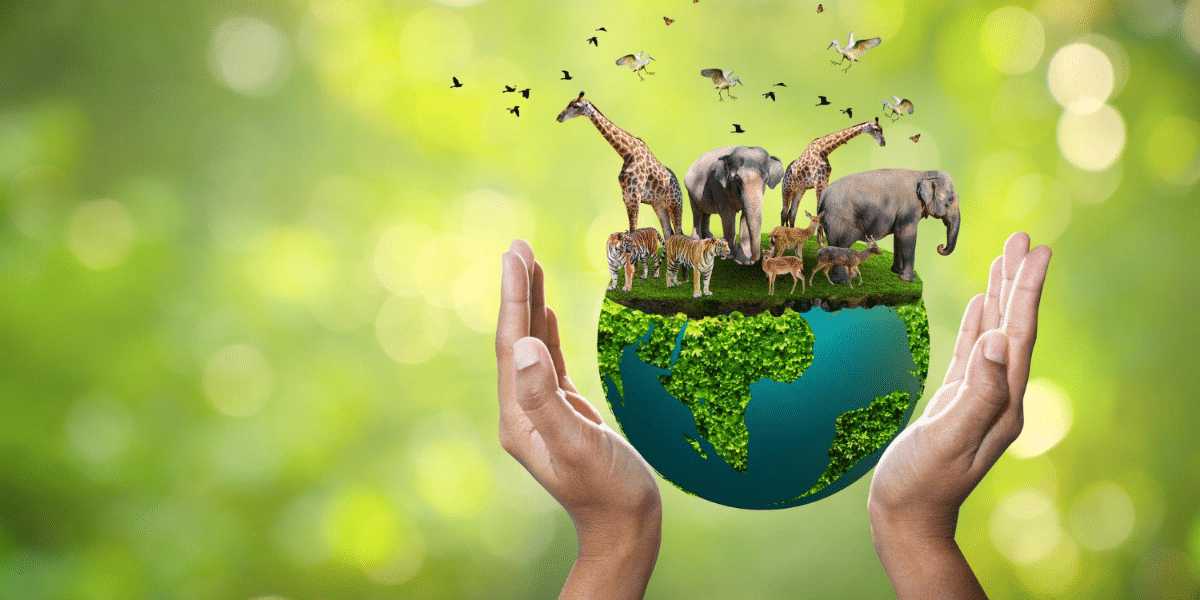
The annual observance of World Wildlife Day reminds us of the tremendous value nature’s inhabitants provide to our globe. Each animal is essential in preserving the delicate balance of our ecosystems, from the majestic elephants crossing savannahs to the little bees painstakingly fertilizing our crops.
World Wildlife Day is more than just a holiday; it is a plea for a massive change. This day thinks about the value of biodiversity and the gigantic effects humans have caused on the entire planet Earth. Therefore, we must gather courage and equip ourselves for this significant day. Let’s strive towards making a change and contribute to preserving and protecting numerous species, from small to big, that live with us.
The root of Wildlife Day is the need for increased worldwide awareness regarding animal protection. The day was initiated to save the inhabitants of wildlife. This holiday has changed and now covers a broader range of topics. It now encompasses activities to stop poaching, protect ecosystems, and work together to lessen the effects of climate change.
Let’s not just take in the fascinating beauty of the animal world as we learn more about Wildlife Day. Also, focus on taking concrete steps to safeguard the survival of these unique species. Their existence is directly or indirectly linked to our lives as well. So, in short, if you save the animals of this planet, you are saving the web of life on which the world functions.
Have you ever pondered the origins of World Wildlife Day? Let’s return to learn more about this vital day’s exciting past. Not long ago, the United Nations determined that animals and plants deserved their day of commemoration. They saw that our wild animals suffered problematic issues, such as losing their habitats and overhunting. That is how World Wildlife Day came to be!
So let’s have a global nature celebration on March 3rd! Not only is it a time to celebrate, but it’s also a chance to consider how we might stay friends with our feathered, furry, and leafy companions.
Since the event’s inception in 2014, it has only become larger and better. It is like having a huge birthday celebration for all the plants and animals in the world!
But on March 3rd, why? The Convention on International Trade in Endangered Species of Wild Fauna and Flora (CITES) chose to celebrate its anniversary at that time, it turns out. To put it in more elegant terms, it is an agreement to prevent the trading of our plant and animal companions like baseball cards. Put March 3rd on your calendar since it is the day we honor and pledge to protect our animal friends.
So, on March 3rd, let us unite together to celebrate World Wildlife Day. Remember, it is not just a regular day to mark on the calendar. It is a pledge to appreciate and safeguard the remarkable diversity of life that makes our planet unique.
World Wildlife Day is celebrated annually on March 3rd.
The date of March 3rd was chosen as it is the date CITES was founded. CITES began in 1973, and this year will be the 50th year of the organization operating.
Many wise people recognized that our animal and plant friends deserved their special day. They realized homes were vanishing, and some of their species were in danger. That is when the fantastic concept of World Wildlife Conservation Day was conceived!
Fast forward to today – we don’t just celebrate! We think about how we can be superheroes to save some lives on Mother Earth.
The awareness about Wildlife Conservation Day took a lot of work to spread. It all started with the intention of encouraging everyone. And most importantly, to pay more attention to the living of wild animals. It is a big worldwide high-five to everyone working hard to keep animals and plants safe. It is not only a matter of talking about a serious concern but also of living the walk and ensuring that our planet remains a magnificent home for all big and small animals.
| Year | Event |
| 1948 | First wildlife conservation act in the US |
| 1961 | The International Union for Conservation of Nature begins |
| 1973 | World Wildlife Federation is established |
| 2013 | Convention on International Trade in Endangered Species And United Nations designates March 3rd as World Wildlife Day |
| 2014 | Inaugural celebration of World Wildlife Day globally |
| 2015 -2023 | Continued annual celebrations with growing global participation |
This timeline showcases the evolution of efforts to protect and celebrate the diverse wonders of our natural world. From 2014 till today, this day has been observed with great enthusiasm worldwide in different ways. However, the World Wildlife Day theme keeps changing every year.
Whether solo or with others, World Wildlife Day offers a perfect chance to appreciate nature’s wonders and spread awareness about protecting our planet’s incredible wildlife.
Visit Local Zoos or Botanical Gardens:
Start your celebration by exploring a local zoo or botanical conservatory. It’s a great way to remind yourself—and introduce children—to the vast variety of life on Earth. If you’re up for an adventure, take an outdoor excursion with a guidebook of local plants and animals to deepen your connection with nature.
Spread the Word:
Share your love for wildlife by spreading awareness. You could host an event, create educational materials, or rally others around a cause you care about, whether it’s local or global. Use this day to inspire others to cherish and protect our planet.
Engage with the World Wildlife Day Community:
Visit wildlifeday.org to discover the theme of the year and explore ways to get involved. The website offers a map of events near you, along with resources like posters, logos, and social media kits to help you spread the word. You can even organize your own event or join existing ones.
Show Appreciation for Conservation Efforts:
Use this day to appreciate the individuals and organizations working tirelessly to conserve wildlife. Engage with influencers, celebrities, or politicians to amplify your message and celebrate those who help protect our biosphere.
Preserve Our Planet’s Future:
Remember, each species plays a critical role in maintaining a healthy biosphere. World Wildlife Day is your chance to contribute to preserving the diversity of life on Earth. Every action counts in ensuring a sustainable future for all living beings.
The concept of “the incalculable value of wildlife” refers to the profound and often immeasurable worth that wildlife holds for the planet, humanity, and the environment. While it can be difficult to put a precise monetary value on wildlife, its importance can be understood through various lenses such as ecological, economic, cultural, and ethical perspectives. Here’s an overview of why wildlife is considered invaluable:
National Wildlife Day is celebrated in the heart of our country as an homage to the magnificent creatures who inhabit our planet. It is dedicated to recognizing and honoring our country’s rich wildlife. National Wildlife Day recognizes these organisms’ critical role in sustaining the health of our ecosystems, from towering redwoods to buzzing bees. This day serves as a reminder to respect and protect our national treasures, guaranteeing a peaceful coexistence with the natural beauties that make our country unique.
World Wildlife Day is significant as it serves as a global reminder of our shared responsibility to protect and cherish Earth’s rich biodiversity. It emphasizes the crucial role animals play in maintaining ecological balance and highlights urgent conservation challenges like illegal wildlife trade and habitat loss. Celebrating World Wildlife Day goes beyond appreciating nature’s beauty—it’s a call to action to safeguard countless species and ensure a healthy, sustainable future for both wildlife and humanity
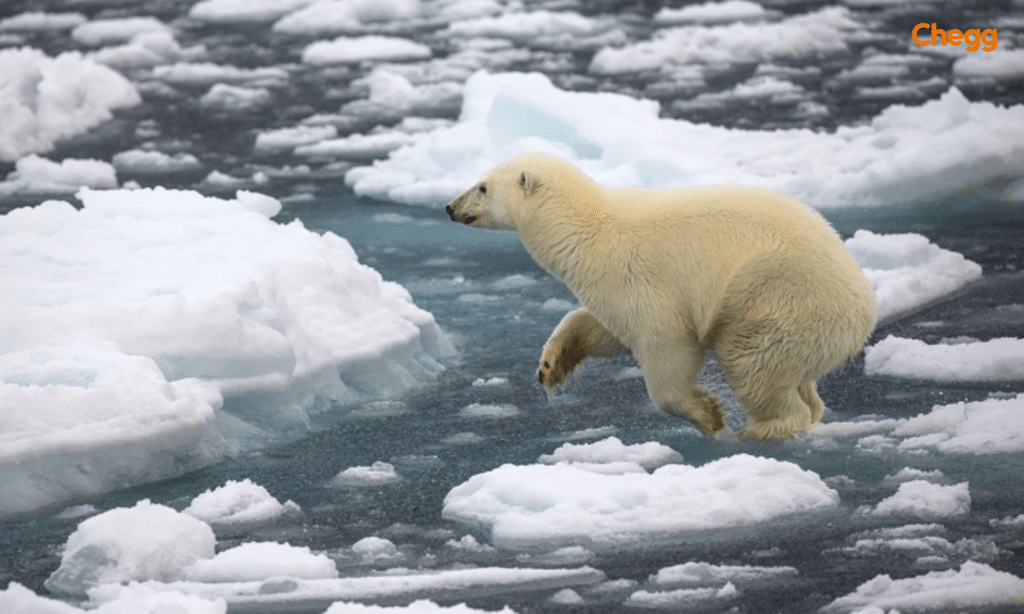
Today, wildlife faces numerous threats to its survival. In past decades, hunting was widespread and often pursued as a royal pastime. Beyond hunting, natural habitats are increasingly disrupted by urbanization and deforestation, leading to significant habitat loss and endangering countless species
Climate change is causing unpredictable weather patterns that disrupt ecosystems and alter animal migration routes. Pollution, including plastic waste and toxins, threatens both land and marine wildlife. Human activities continue to take a heavy toll on nature, with illegal poaching and wildlife trafficking posing serious challenges. As habitats shrink, conflicts between humans and wildlife are also increasing.
To ensure a future where wildlife and humans coexist, we must work together to implement conservation efforts, adopt sustainable practices, and raise public awareness
People celebrate World Wildlife Week on March 3rd and beyond. It is a global celebration of our animal and plant companions. The United Nations established it in 2013 to comply with the Convention on International Trade in Endangered Species, stressing the prevention of wildlife trafficking.
People worldwide celebrate it, engaging in fun activities such as educational seminars, nature walks, conservation projects, animal photography contests, and documentary screenings. Virtual activities develop worldwide connections, whereas participation in local communities through nature-themed events and art exhibitions instills a sense of responsibility.
Celebrated on March 3rd and the week ahead, Wildlife Week is not just a celebration but also a communal call to action. It advocates little and large efforts to preserve the peaceful coexistence of animals and humanity.


Remember that even little acts may greatly influence ensuring a prosperous future for animals and our world.
Wildlife conservation is essential for maintaining the delicate balance of life on Earth. Every effort, from planting trees and restoring habitats to spreading awareness, contributes to protecting ecosystems and the countless species they sustain. Beyond economic importance, wildlife enriches human culture, maintains ecological health, and provides vital resources critical for survival. Safeguarding wildlife not only preserves biodiversity but also ensures a sustainable future for generations to come, making conservation a global priority. By adopting eco-friendly habits, supporting environmental and conservation laws, and fostering collective action, we can protect nature’s beauty, sustain ecosystems, and secure the invaluable benefits wildlife provides for both people and the planet.
Read More:-
The purpose of World Wildlife Day is to increase public awareness of the value of protecting the amazing biodiversity of our world. It is a day to honor and celebrate wildlife’s contribution to preserving ecological harmony and allowing life to exist on Earth.
Each year’s subject is different and centers on a different facet of animal protection. For up-to-date information on the current year’s subject and ways to get part, see official announcements or the World Wildlife Day website.
Contribution can take many forms, even at the individual level. You may fund animal conservation groups, participate in neighborhood activities, raise awareness on social media, or teach people and yourself the value of preserving the planet’s many ecosystems.
Indeed, many nations and organizations host campaigns, workshops, and other activities to commemorate World Wildlife Day. These might include talks, picture exhibits of wildlife, tree-planting campaigns, and more. Stay informed about local happenings or take part in virtual campaigns.
World Wildlife Day is a focal point for international initiatives aimed at animal conservation and protection. It inspires governments, groups, and individuals to take action and positively influence our world’s biodiversity by drawing attention to important concerns, including habitat degradation and the illicit wildlife trade.
We celebrate World Wildlife Day to raise awareness about the importance of protecting wild animals and plants. It highlights the role of wildlife in maintaining healthy ecosystems, supports conservation efforts, and reminds us that preserving biodiversity is vital for life on Earth and future generations.
The theme of World Wildlife Day 2025 is “Wildlife Conservation Finance: Investing in People and Planet.” It emphasizes the need for stronger financial commitments and innovative funding to protect biodiversity, support sustainable livelihoods, and secure a healthy balance between people and nature.
World Wildlife Day is celebrated every year on March 3. The United Nations declared this day to raise global awareness about the importance of wildlife, biodiversity, and the urgent need to protect endangered species and natural ecosystems. It highlights the role of conservation in maintaining the balance of nature and ensuring a sustainable future for people and the planet.