
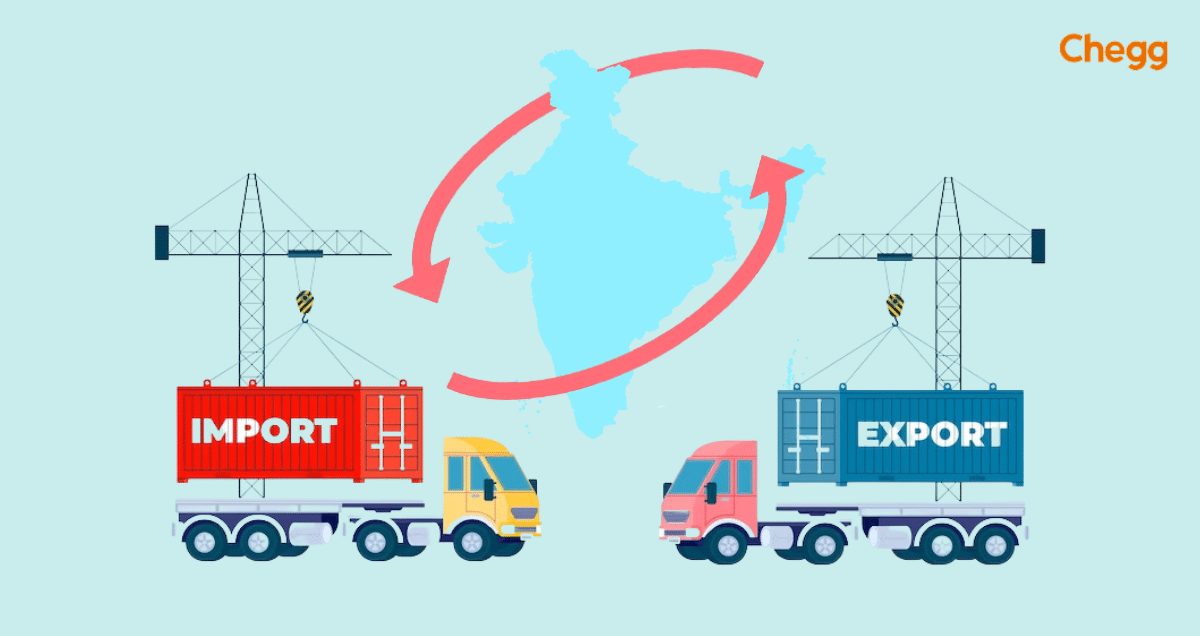

Have you ever wondered how to start an import export business in India? An import-export business cThe import export business in India 2025 is one of the most promising industries for entrepreneurs who want to connect local Indian products like textiles, spices, handicrafts, and organic foods with global markets. With India’s robust trade policies, rising e-commerce exports, and government incentives, this sector provides a profitable pathway to build an international business from India.
To succeed, entrepreneurs must:
Case Study: For example, a small handicraft exporter from Jaipur leveraged Amazon Global Selling to reach buyers in the US and Europe. Within two years, their exports grew by 300%, highlighting how Indian SMEs can scale internationally by combining product authenticity with digital trade platforms.
This guide will walk you through step by step how to start and grow an import export business in India, ensuring long-term success in global trade..
An Import Export Business involves buying goods from one country and selling them in another. Here’s a simple breakdown:
The import export business model plays a key role in connecting local producers with international markets. Depending on the business setup, payment structure, and risk level, there are three primary types of import export businesses entrepreneurs can explore:
An Export Trading Company identifies global market demand and connects foreign buyers with Indian manufacturers. These companies act as intermediaries, often taking temporary ownership of goods during transit. Once the goods are delivered to international markets, ETCs earn a commission for successfully facilitating the trade.
An Export Management Company represents the seller and usually specializes in a particular industry or product niche. For instance, an Indian textile brand or handicraft business can hire an EMC to handle overseas marketing, dealer connections, compliance, and safe shipping. EMCs typically earn through commissions, retainers, or service fees while ensuring smooth entry into global markets.
Also known as independent traders, import export merchants buy goods directly from domestic suppliers or international manufacturers and then resell them at a higher price in foreign markets. Since merchants assume full ownership of the goods, they also take on all the risks involved. However, this model often offers the highest profit potential in international trade.
Starting an import export business in India can be highly profitable, with countless export import business opportunities. Here are key facts and export import business ideas that will inspire your import business journey.
To get started, entrepreneurs need to understand the rules and regulations of trading. With the right resources and information, entrepreneurs can launch a successful import export business.
This is the first step. You can register your business on the Ministry of Corporate Affairs (MCA) website. The Registrar of Companies (ROC) or the Registrar of Firms (ROF) can help. Once registered, your business will receive a certificate of incorporation.
The next step is to get a Permanent Account Number (PAN) from the Income Tax Department. This is a mandatory 10-digit alphanumeric code to conduct business transactions in India. A business owner can apply for a PAN card online or offline through authorized agents. Once you get it, you need to open a current bank account for your business. Choosing a bank that offers online banking services will ensure hassle-free transactions.
The IEC is a unique 10-digit code issued by the Directorate General of Foreign Trade. Your application must include your PAN, bank certificate, and passport-sized photographs. The IEC has lifetime validity with no need for renewal. It must be used for all import export business transactions.
It is crucial to select the right product for your import export business. This involves identifying demand, assessing the competition, and evaluating the potential profit margins. Choose a product that aligns with your expertise, resources, and business objectives. Understand government policies, product quality, packaging, and transportation costs before selecting the product.
After identifying the product or service, the next step is to look for suppliers and markets. This includes identifying the best supplier rates and making a backup list. You must identify potential suppliers, conduct due diligence, and negotiate favourable T&Cs. A good relationship with suppliers will ensure timely delivery, quality, and competitive prices. You can source suppliers online or through trade fairs, exhibitions, and government directories.
The right product pricing is essential. This involves factors such as production costs, market demand and competition. It is important to determine a price that is competitive yet profitable. You can adopt various pricing strategies. These include value-based and penetration pricing.
Finding customers involves identifying potential buyers and building strong customer relationships. You can find customers through online platforms, trade fairs, exhibitions, and government directories. You can reach a wider customer base and build a strong brand image by leveraging social media. Social media has helped boost the scope for import and export business today.
The final step is logistics management. This involves managing the movement of goods from the supplier to the customer. It includes date planning, transportation, customs clearance, warehousing, and finalizing payment modes. You can select a reliable logistics partner to ensure timely delivery and optimal costs. You must follow government regulations and get the necessary licences for smooth operations.

It is a great time to start an import export business. Here are some reasons why you should take your first step.
Global export business is increasing with globalization. The current commerce trends and increased global economic integration are creating opportunities. This demand creates more import export opportunities.
India is a major player in the global trade market. Its range of exportable products and growing economy are perfect for trading.
The Indian government has introduced several initiatives to promote export-import businesses. These include offering tax incentives, easing cross-border trade regulations, and providing financial help. The economy benefits from export taxes and foreign trade. Hence, the government is working towards simplifying the trade experience.
With technology, trade transactions and communication with customers have become easy. Digital marketing and e-commerce impact increased international trade and efficiency.
With global demand for goods and services, import export businesses can expect increased profits. Starting an import export business in 2025 can be beneficial. Potential new trade business owners should make the most of this expanding scope.
Conduct thorough market research to identify potential opportunities and demand for your products or services in target markets. Analyze consumer behavior and competitors to form a business strategy.
Understand and follow all legal and regulatory requirements for import export businesses, including obtaining necessary licenses and permits. Stay updated on changes in trade policies and import export regulations.
Develop a risk management plan to mitigate potential risks associated with international trade, such as currency fluctuations, political instability, and transportation issues. Purchase insurance policies to protect your business against loss due to unforeseen circumstances.
Build strong relationships with suppliers, buyers, and other stakeholders in the supply chain. Attend trade fairs, networking events, and industry conferences to expand your network and explore new business opportunities.
Implementing strict quality control measures is essential for ensuring that your products meet international standards and regulations consistently. This involves establishing clear quality benchmarks aligned with global requirements, conducting rigorous testing and inspections throughout the supply chain, and regularly auditing suppliers and manufacturing processes. By proactively addressing potential quality issues and maintaining product integrity, businesses can enhance customer satisfaction, build trust, and strengthen their competitive edge in the global market. Investing in quality control not only mitigates risks but also supports sustainable growth and long-term success by delivering reliable, high-quality products that meet customer expectations.
Manage your finances effectively by budgeting for expenses, monitoring cash flows, and tracking expenses related to import export activities. Consider options for financing your business, such as bank loans and trade credit.
Embrace technology solutions to streamline import export processes, including inventory management, order processing, and shipment tracking. Invest in software tools and platforms that facilitate communication and collaboration with international customers.
Prioritize customer satisfaction by providing exceptional service, timely communication, and personalized solutions to meet their needs. Build a reputation for reliability, integrity, and professionalism to gain trust and loyalty from customers.
Recommended read:
It is essential to invest in the right products or services. Here are the top 17 export import business ideas with high demand in 2025.

Indian handicrafts have been popular globally for artistic appeal and uniqueness. India’s rich handicrafts market boasts pottery, woodwork, metalwork, and textiles. These pieces of art are popular in various foreign countries. Setting up an import-export business in handicrafts might be the best idea for you!
India is home to a diverse range of spices that find their uses in various cuisines worldwide. The country is the largest producer and exporter of spices globally. These spices travel all over the world, to reach every kitchen and restaurant. The export business for spices is an awesome way to get started.
Another traditional and artistic business is the business of textiles. India has a diverse range of textiles, including cotton, silk, wool, and jute. It is the leading producer of jute and cotton. The country produces traditional and modern sarees, salwar suits, and Western wear.
India is the second-largest tea producer and exporter in the world. It has tea plantations in states such as Assam, Darjeeling, and Nilgiris. Indian tea’s unique flavor and quality make it a profitable export product. As you can see, there are huge opportunities in the tea industry to start your import-export business.
Indian jewellery has intricate designs. People love it for its design and craftsmanship. The country has been producing items such as gold, silver, and diamond jewellery. Capitalise on the country’s rich jewellery industry and tap into the thriving international market with this lucrative product category.
India is a major exporter of leather goods such as shoes, belts, bags, and jackets. The country has a thriving leather industry, with a range of high-quality products. Leather goods offer a compelling opportunity for import export business in India, with their high demand, global appeal, and potential for profitable trade ventures.
Their demand is increasing globally due to their health benefits. India’s organic farming sector produces rice, pulses, spices, and vegetables. Leverage India’s rich agricultural heritage and diverse organic farming practices to establish profitable trade ventures in the international market, offering consumers quality organic products with proven health benefits.
Ayurveda is an ancient Indian system of medicine. This uses natural ingredients to promote health and wellness. Ayurvedic oils, creams, and supplements have lots of health benefits. Ayurvedic products offer immense potential for import export business in India, capitalising on the global interest in natural and holistic healthcare solutions.
India imports and exports automotive engine parts, brakes, and transmission components. Its manufacturers produce components for various global brands. Capitalise on the growing demand for quality automotive components and accessories. Supply global markets with reliable and cost-effective solutions to drive the wheels of the automotive industry forward.
India is one of the largest producers and exporters of rice. It produces a wide range of varieties such as Basmati, Non-Basmati, and Parboiled rice. Known for its quality and unique flavour, Indian rice is a popular export product.
The craftsmanship and intricate designs of Indian furniture are sought-after. The demand for wooden chairs, tables, and cabinets is increasing globally. Furniture holds immense potential for import export business in India, tapping into the country’s rich heritage of craftsmanship and diverse range of furniture styles.
India is a major producer and exporter of pharmaceuticals, dyes, and petrochemicals. The country has a thriving chemical industry. It produces high-quality products for various global brands.
Handmade paper products are in high demand globally. Products like journals, photo albums, and stationery are appealing and sustainable. India has a growing handmade paper industry with products made from cotton, hemp, and jute.
India’s sports goods exports include cricket, footballs, tennis, and badminton equipment. The country has a long tradition of producing high-quality sports goods.
Materials like cement, steel, and wood products are in demand globally. India is a major exporter of construction materials. The rising population and urbanisation have ensured an increased demand for construction materials.
Trade educational or eco-friendly toys, catering to parents focused on quality, safety, and sustainable options. Every country has children, so selling toys and games may be one of the best import-export business concepts in terms of a reliable customer base. Import modern and educational toys from trustworthy supply chains throughout the global market.
Import solar panels, wind turbines, and other renewable energy products from developed hubs, and export them to markets prioritizing sustainability. Tap into the increasing demand for green energy by trading in renewable energy solutions and related accessories.
Founder: Rajesh Kumar from Kochi, Kerala
Business: Exporting Indian spices like black pepper and cardamom
Started: 2020, with limited capital
Challenges:
Solutions:
Achievements (By 2024):
Key Learning:
Strong planning, government support, and digital tools can help small Indian businesses grow big in global trade.
The import and export business offers vast opportunities for entrepreneurs who are ready to engage with the global market. Success in 2025 and beyond depends on mastering trade regulations, building strong logistics networks, leveraging digital tools, and staying ahead of market trends. With strategic planning, persistence, and adaptability, your import export venture can survive and thrive in today’s fast-evolving global economy. Now is the time to take bold steps, go international, and turn your business into a global success story.
Ready to start your export journey? Bookmark this guide and explore our list of the best B2B trade portals in India. Start small, plan smart, and go global!
Innovative, low-investment ideas for the hidden entrepreneur in you! Explore our guide on Business Ideas.
To start an import-export business, begin by identifying a niche, creating a business plan, and securing funding. Then, register your business, obtain necessary licenses (including an Import-Export Code or IEC), and open a business bank account. Next, find your target market, source products, and establish pricing strategies. Finally, get all shipping and customs documents in order.
Every product varies in cost. Hence, there is no way to measure the exact amount that can be earned through an import export business.
The monies and profits depend on the product, market demand, and pricing. Always conduct thorough market research and have a well-defined business plan. While there is no set amount, many successful businesses have generated significant profits.
India exports petroleum products, pharmaceuticals, automotive, jewellery, electronic goods, and so much more. The top 10 products exported in 2024 are as follows:
1. Mineral fuels, distillation products
2. Pearls, metals, precious stones, coins
3. Machinery, boilers, nuclear reactors
4. Steel and iron
5. Organic chemicals
6. Pharmaceutical products
7. Vehicles not including railway, tramway
8. Electrical and electronic equipment
9. Cereals
10. Cotton
As per recent data, the top three exports of the world are:
1. Fuels, distillation products, oils
2. Pearls, metals, precious stones, coins
3. Machinery, boilers, nuclear reactors
But the top exports of a country can vary depending on several factors. Keeping track of current trends and market demands will help achieve profitability.
Profit margins can range anywhere from 10% to 50%, but achieving consistent earnings and breaking even comes with its challenges. From navigating complex customs regulations to dealing with fluctuating currency exchange rates, the journey requires strategic planning and adaptability.
Among the top imports are motor vehicles, machinery, electronics, mineral fuels, plastics, pharmaceuticals, and industrial equipment.
To find export buyers, leverage online marketplaces like Alibaba and Amazon Global Selling, participate in trade shows and exhibitions, utilize export promotion councils, and consider working with foreign agencies or buying agents. Additionally, optimize your online presence with a professional website and consider social media for connecting with potential buyers.
An IEC code (Importer Exporter Code) is a 10-digit unique identification number issued by the Directorate General of Foreign Trade (DGFT) under the Ministry of Commerce and Industry, Government of India. It is mandatory for any business or individual engaged in import or export activities in India.


