


Social entrepreneurs in India in 2025 are driving a transformative wave of purpose-driven innovation, building sustainable solutions to tackle India’s most pressing challenges-poverty alleviation, quality education access, affordable healthcare, rural development, and environmental sustainability. Backed by government initiatives for social enterprises, impact investment funds, and startup incubators for social innovation, these changemakers are creating scalable, community-focused ventures that blend profitability with social good. With the rise of digital platforms, grassroots networks, and youth-led entrepreneurship, India is rapidly positioning itself as a global hub for social impact startups.
Notable social entrepreneurs in India include Urvashi Sahni, who champions education for girls; Anshu Gupta, the founder of Goonj, providing clothing for the underprivileged; Bindeshwar Pathak, improving sanitation through Sulabh International; Jeroo Billimoria, focused on child welfare and empowerment; and Sharad Sagar, creating opportunities for rural students. These changemakers drive social innovation by developing sustainable solutions that address pressing challenges like poverty, education, and healthcare, blending business strategies with a strong social impact.
In this guide, we highlight inspiring examples of social entrepreneurs in India, explore case studies of impactful social enterprises, and provide actionable steps for aspiring changemakers to start their own mission-driven ventures in 2025.
Social entrepreneurship involves using business skills and strategies to solve social problems. Unlike traditional businesses focused on profit, social enterprises aim to create positive change while staying financially sustainable. Social entrepreneurs in India are essential in addressing poverty, healthcare access, education, and environmental conservation.
Social entrepreneurship in India is crucial because of its potential to:
Read More: The 6 Types of Entrepreneurs
Here’s a list of some of the most famous social entrepreneurs in India. These individuals are transforming lives and inspiring others to make a difference.
Now let’s know about them in a little detail:

One of the top 10 social entrepreneurs in India, Anshu Gupta founded Goonj, a pioneering organization that addresses the basic needs of clothing and dignity in rural areas. Goonj collects discarded clothes and essentials from urban households, carefully sorts them, and redistributes them to underprivileged communities in villages. Beyond clothing, the organization drives rural development through initiatives in education, healthcare, sanitation, and community engagemen-empowering people to create lasting change in their local areas.

Urvashi Sahni, the visionary founder of SHEF, is a leading female social entrepreneurs in India. An Ashoka Fellow and Nonresident Fellow at Brookings, she also advises the Rajasthan government. Honored as “Social Entrepreneur of the Year” in 2017, her work exemplifies dedication and impact in education and social change.

SELCO is an energy service company. It provides sustainable and affordable energy solutions to the poor. The company has an innovative business model. It focuses on providing solar-powered lighting to low-income households. They offer energy solutions to schools, and small businesses in rural areas.

FFE India Trust provides merit-based scholarships to underprivileged students across India. These help them pursue higher education. The organisation has impacted over 16,000 students from economically weaker sections. It has helped them achieve their dreams.

Operation ASHA is a non-profit organisation. It provides treatment and prevention services for tuberculosis (TB) in underprivileged communities. The organisation has developed a unique technology platform. It streamlines the treatment process and has treated over 80,000 TB patients to date.

Ayzh is a social enterprise. It designs and distributes low-cost, life-saving maternal and newborn health products. By providing affordable, high-quality products to women in low-resource settings. Ayzh has made significant strides in reducing maternal and infant mortality rates.
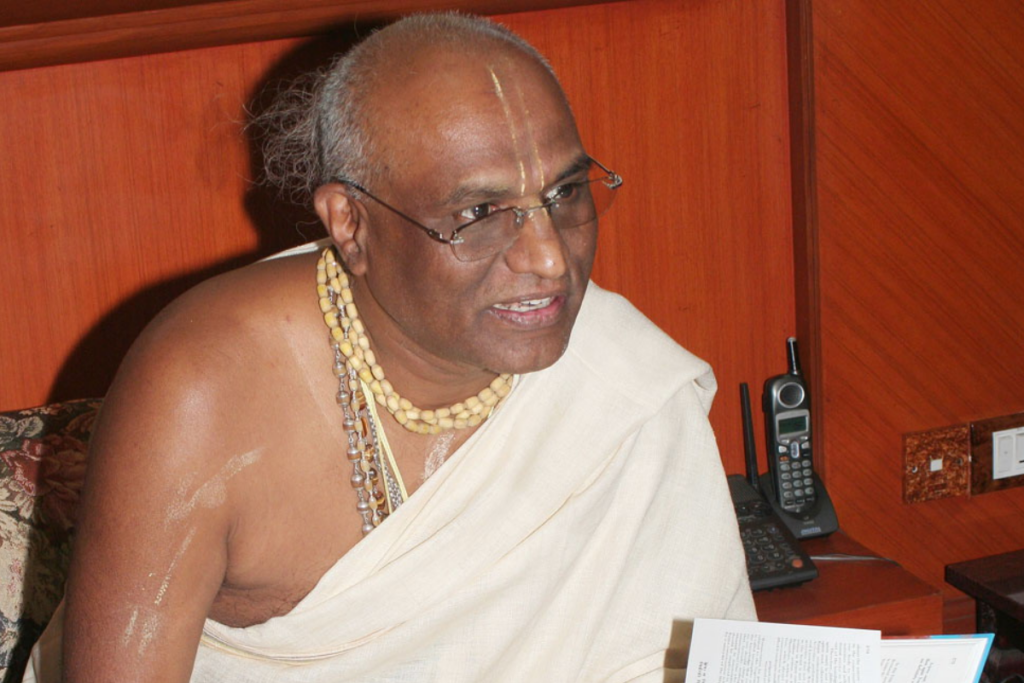
Akshaya Patra Foundation is a non-profit organisation. It provides mid-day meals to school-going children in India. The organisation is the world’s largest NGO-run kitchen and serves over 1.8 million meals every day. They ensure children receive proper nutrition and stay in school.

Pure Living is an environment-friendly cleaning products company. It provides ecological products for homes and workplaces in India. The company’s mission is to create a better environment for all. They achieve this by reducing the use of harmful chemicals.

LeapForWord is a teaching platform that aims to bridge the literacy gap in India. The organisation trains and places volunteers in underprivileged schools and communities. They teach English to young children in remote areas. To date, the organisation has trained over 30,000 students across India.

Mirakle Couriers is a courier service that employs hearing-impaired individuals. The company provides training, employment, and financial stability to those with hearing impairments. It helps them lead a life with dignity.

NextDrop is a social enterprise that provides real-time water supply information to urban areas in India. NextDrop is active in multiple cities in India and has received recognition from organisations such as Forbes and The Guardian. Sridharan’s work has been instrumental in improving access to water resources. He promotes sustainable water management practices and helps communities.

As per Doctor Jo Johnson, there are four common types of social entrepreneurs:
This entrepreneur works within a small geographic area. They work on a diverse range of issues. The main goal of this entrepreneur is to bring benefits to the local area. These entrepreneurs usually work on a small scale.
They work with the members of the community and local organisations. The results of this social entrepreneurship are visible almost immediately.
These entrepreneurs focus on social gain and not capital gain. They use their profits to increase their services to the people. Shaheen Mistri is one such example of a social entrepreneur. She established Teach for India. It has placed over 700 underprivileged kids in schools.
People with more knowledge of business often take this path to use their skills for good. The results of this entrepreneurship take longer to be visible. But, they have a large-scale impact.
Transformational social entrepreneur uses their skills and resources to address social issues. They positively impact society by combining business principles with social missions and aiming to create sustainable and innovative solutions to social problems.
They are driven by profit and desire to make a meaningful difference in people’s lives. Such entrepreneurs are often focused on empowering marginalised communities and promoting environmental sustainability. They work to improve education and healthcare and create economic opportunities. They are visionary leaders who inspire others to work towards a better future.
A social entrepreneur uses business to tackle social and environmental issues. For social entrepreneurs in India, becoming successful on a global scale involves identifying critical social challenges and creating sustainable business models to address them.
This means prioritizing social impact over profit. They also work with local communities to create solutions for their needs. Networking and collaboration are crucial for global social entrepreneurs. They need to work with others who share their values and goals. Finally, a global social entrepreneur must be adaptable and resilient. They must be willing to learn from challenges and failures and always strive to improve their impact on the world.
| Name | Foundation | Purpose |
|---|---|---|
| Ria Sharma | Make Love Not Scars | Supports acid attack survivors with rehabilitation and education. |
| Sunil Bharti Mittal | Bharti Foundation | Improves rural education through the Satya Bharti School Program. |
| Hanumappa Sudarshan | Karuna Trust | Delivers quality healthcare and education to remote rural areas. |
| Ajaita Shah | Frontier Markets | Empowers rural women entrepreneurs to distribute clean energy solutions. |
| Vinita Bali | Global Alliance for Improved Nutrition (GAIN) | Advocates for better nutrition and public health in India. |
| Jeroo Billimoria | Childline India Foundation | Offers a 24×7 helpline for children in distress across India. |
| Shaheen Mistri | Teach For India | Works to eliminate education inequality by placing fellows in low-income schools. |
Social entrepreneurs in India are making a positive difference across various sectors:
If you’re inspired by the work of social entrepreneurs in India and want to start your own venture, here are some essential steps:
These steps can help aspiring social entrepreneurs start meaningful ventures that make a real difference in India.
Many social entrepreneurs in India rely on various funding sources and resources. Here are some notable ones:
| Funding Source | Description |
|---|---|
| Tata Trusts | Provides grants and resources for social impact projects. |
| Government Schemes | Initiatives like Startup India offer support to social enterprises. |
| Social Venture Partners India | Supports early-stage social enterprises through funding and mentorship. |
| Impact Investors | Investors like Acumen Fund and Aavishkaar provide capital for social ventures. |
| NGOs and International Organizations | Organizations like Ashoka and Skoll Foundation support social innovators. |
Accessing these resources can help you secure the support needed to grow your impact and create a sustainable social enterprise.
Social entrepreneurs in India face several challenges while trying to make a positive impact on society. Here are some of the key challenges:
These challenges require innovative solutions and strong determination to overcome.
Social entrepreneurs in India create a positive impact on society through their businesses. One such success story is that of Harish Hande. He co-founded SELCO India to provide solar energy solutions to rural areas. He faced challenges such as a lack of funding and infrastructure. Still, his company has impacted over 8,00,000 people and provided employment opportunities.
Other social entrepreneurs in India include Madhav Dhir and Rajendra Joshi. They have also made significant contributions towards healthcare and employment respectively. There are many such social entrepreneurship examples in India.
However, social entrepreneurship is still a growing sector in India. Social entrepreneurs in India face challenges such as limited resources, lack of awareness, and insufficient government policies.
Despite challenges, social entrepreneurs in India are thriving, inspiring new ventures focused on creating sustainable businesses and driving positive change.
Social entrepreneurs in India are at the forefront of transformative change, tackling urgent challenges across education, healthcare, and environmental sustainability. Creating impactful, community-driven solutions empowers underserved populations and shapes a more equitable and inclusive future. The rise of social entrepreneurship in India in 2025 offers aspiring changemakers abundant resources, government support, and funding opportunities. Whether you’re looking to launch sustainable businesses with social impact or become a purpose-driven innovator, this is the perfect time to step forward and be the change.
As more youth and women explore mission-driven ventures, the landscape of social entrepreneurship in India is rapidly evolving. This momentum is helping build resilient communities and drive inclusive economic growth throughout the country and beyond.
Innovative, low-investment ideas for the hidden entrepreneur in you! Explore our guide on Business Ideas.
Recommended Read:
A social entrepreneur is someone who uses business principles to create social change. For example, Jeroo Billimoria, founder of Childline, provides emergency assistance to children in need.
One of the most successful social entrepreneurs in India is Jeroo Billimoria, known for her work with Childline and other NGOs.
Among the notable social entrepreneurs in India, several individuals have made significant contributions. Some prominent names on the list include Harish Hande, founder of SELCO India, for his work in providing solar energy solutions to rural communities, and Anshu Gupta, founder of Goonj, who has revolutionised the concept of clothing donations. These inspiring individuals have demonstrated immense dedication and creativity in addressing social issues and bringing about positive change in India.
Yes, Tata Group engages in social enterprise activities. They run the Tata Social Enterprise Challenge to support and mentor social entrepreneurs in India.
Young social entrepreneurs in India are making waves in sectors like education, healthcare, environment, and poverty alleviation. Notable names include Suhani Jalota of Myna Mahila Foundation, Ankit Kawatra of Feeding India, and Trisha Shetty of SheSays, each working to solve critical issues with innovative approaches.
Social entrepreneurs are individuals who create solutions to social, cultural, or environmental challenges, often through innovative business ideas that prioritize social impact over profit. Their main goal is to bring positive change and address pressing societal issues.
India is home to renowned social entrepreneurs like Dr. Bindeshwar Pathak of Sulabh International, who revolutionized sanitation, and Aruna Roy, who worked on the Right to Information Act. Others include Harish Hande of SELCO, which provides solar energy to rural areas.
Top social entrepreneurship courses in India are offered by institutions like Tata Institute of Social Sciences and Narsee Monjee Institute of Management Studies.
Famous Indian entrepreneurs include Mukesh Ambani (Reliance Industries), Ratan Tata (Tata Group), Azim Premji (Wipro), Kiran Mazumdar-Shaw (Biocon), Sachin Bansal and Binny Bansal (Flipkart), Sunil Bharti Mittal (Bharti Enterprises), Narayana Murthy (Infosys), Shiv Nadar (HCL), Vijay Shekhar Sharma (Paytm), and N. R. Narayana Murthy (Infosys).
Amul Dairy has embraced social entrepreneurship to drive social transformation, an essential factor for overall societal well-being. This study aims to examine Amul Dairy’s effectiveness and initiatives in social entrepreneurship.


