


Venture capitalist in India plays a pivotal role in powering the country’s rapidly growing startup ecosystem in 2025. With thriving sectors like fintech, SaaS, healthtech, and D2C brands, India has become a global hotspot for innovation and venture capital investments.
This blog provides a confident and reliable overview, including:
Whether you’re a startup founder, investor, or aspiring VC professional, this guide offers essential knowledge to succeed in India’s vibrant venture capital ecosystem.
Venture capital is a type of private equity funding provided to startups and early-stage companies with strong growth potential. Instead of borrowing from banks or private lenders, these startups receive funding from venture capital firms or investors in exchange for equity.
Venture capital’s power lies in three critical players driving innovation and growth:
Together, these forces form the backbone of venture capital, creating value through strategic investment and execution.

India’s booming startup ecosystem makes it a hotspot for venture capital investments. Top VC firms in India are actively investing in innovative startups across sectors like fintech, edtech, and healthtech.
As an NRI or Indian investor, you can back promising startups and potentially earn significant returns, especially if the company grows and scales successfully.
Things to Keep in Mind
Whether you’re exploring venture capital jobs in India or want to start investing, understanding the fundamentals can help you make informed decisions and grow your wealth through India’s vibrant startup scene.
Venture capitalists (VCs) are professional investors who fund early-stage or growing startups with high potential. In return, they take an equity (ownership) stake in the company. Their goal is to earn high returns when the startup succeeds or goes public.
You should consider venture capital (VC) funding when:
Note: VC funding is ideal for startups aiming for fast growth, not for small or lifestyle businesses.
India’s top 20 venture capital firms in 2025 are driving innovation across fintech, SaaS, D2C, and healthtech. These firms provide critical funding and mentorship to early and growth-stage startups shaping India’s startup ecosystem.
Here are the 20 top venture capital firms in India:
| VC Firm | Founded | Funding Stages | Core Sectors | Key Investments |
|---|---|---|---|---|
| Accel India | 2008 | Seed, Early, Growth | E-commerce, SaaS, B2B, Logistics, EdTech, D2C | Flipkart, Swiggy, Freshworks |
| Peak XV Partners (formerly Sequoia India) | 2006 | Seed to Growth | Consumer Internet, Fintech, HealthTech, SaaS | BYJU’S, Zomato, Unacademy |
| Blume Ventures | 2010 | Pre-Seed to Early | Tech, HealthTech, EdTech, Fintech | Meesho, Unacademy, Purplle |
| Matrix Partners India | 2006 | Seed, Series A | Consumer Tech, Fintech, B2B | Razorpay, Ola, Practo |
| Kalaari Capital | 2006 | Seed, Series A | Consumer Tech, E-commerce, Digital Media | Myntra, Cure.fit |
| Stellaris Venture Partners | 2016 | Seed, Series A | SaaS, EV, Healthcare | Mamaearth, Whatfix |
| Nexus Venture Partners | 2006 | Seed to Growth | SaaS, Enterprise Tech, Consumer Internet | Delhivery, Druva |
| Elevation Capital (formerly SAIF Partners) | 2002 | Seed, Series A | Consumer Internet, EdTech, Fintech | Paytm, Urban Company |
| Norwest Venture Partners | 1961 | Early to Growth | Healthcare, Fintech, Enterprise Software | Swiggy, Quikr |
| VentureEast | 1997 | Seed to Growth | HealthTech, Life Sciences, Tech | Portea, Acko |
| Venture Highway | 2015 | Seed, Series A | Tech, Consumer Internet, SaaS | Moglix, ShareChat |
| Kae Capital | 2012 | Seed, Pre-Series A | Consumer, Fintech, SaaS | HealthKart, Wysa |
| Ankur Capital | 2014 | Seed, Series A | AgriTech, HealthTech, DeepTech | CropIn, Niramai |
| Omidyar Network India | 2004 | Seed, Series A | Fintech, Education, Social Impact | 1mg, Doubtnut |
| Orios Venture Partners | 2013 | Seed, Series A | Consumer, Fintech, SaaS | Pharmeasy, Country Delight |
| IvyCap Ventures | 2011 | Series A & B | Consumer, Healthcare, Education | Purplle, Clovia |
| Lightbox Ventures | 2014 | Series A & B | Consumer Tech, E-commerce | Rebel Foods, Furlenco |
| Artha India Ventures | 2012 | Seed, Pre-Series A | Consumer, Fintech, SaaS | Agnikul, LenDenClub |
| Gemba Capital | 2019 | Pre-Seed, Seed | Fintech, SaaS, Consumer | MyHQ, BluSmart |
| Endiya Partners | 2015 | Seed, Series A | Healthcare, SaaS, DeepTech | SigTuple, Darwinbox |

| Role | Average Annual Salary (INR) |
|---|---|
| Analyst | ₹8–15 LPA |
| Associate | ₹15–30 LPA |
| Principal | ₹30–60 LPA |
| Partner | ₹1 Cr+ (with carry) |
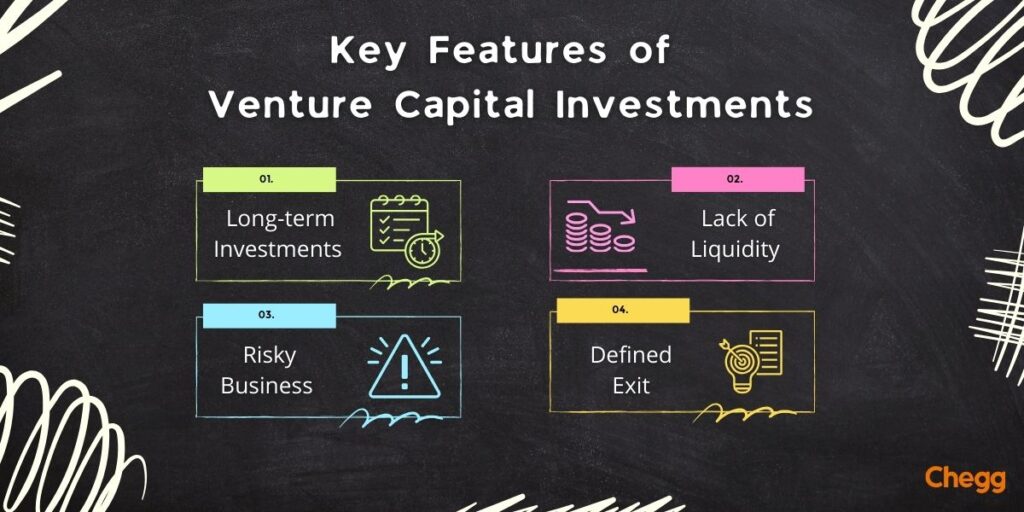
In recent years, venture capitalist in india in India have shifted their focus toward tech-driven and sustainable business models. The following are the critical features of venture Capital Investments and essential knowledge for anyone exploring how to become a venture capitalist in India:
Most Venture Capitalists have a clear exit strategy when they invest in a start-up. Understanding these nuances is crucial if you want to become a venture capitalist in India.
The time involved in venture capital funding is a very significant element. Many start-ups go through various investment rounds because they haven’t yet reached the level to entice people to replace venture capital investors.
Most venture capital investments lack liquidity and, therefore, are illiquid. Unlike publicly traded assets, VCs don’t often get quick payoffs. An IPO has significant returns for venture capitalists in the long run. Most venture capitalists in India invest in small businesses, implying that there are very few ways to get their money back.
VCs invest in newly founded and started businesses. These businesses are typically motivated to capitalize on a new concept or technological advancement. This shows that venture capital is risky, as venture capital-funded start-ups can either succeed or fail, a fact every venture capitalist in India must remember.
While the Startup funding in India grows and starts looking for funding, an entrepreneur starts exploring choices. Here are key considerations, especially important for those curious about how to become a venture capitalist in India:
Great VCs don’t just provide funding—they bring expertise, strategies, and mentorship. Choosing a top venture capitalist in India means gaining an advantage beyond just capital.
Understand whether the VC firm invests in early-stage or growth-stage companies, which sectors they prefer, and align your strategy accordingly.
Review the companies they have funded to ensure their investment patterns align with successful growth stories. Many famous venture capitalists in India have built their legacy through strategically performance-backed investments.
Cultural and operational fit is vital for long-term business growth.
Institutional or private investment is made in early-stage or start-up businesses. Money invested in start-ups or small enterprises with enormous growth potential is known as venture capital. Venture capitalists in India make these investments.
Venture capitalists in India play a key role in offering funding, mentorship, and strategic advice in exchange for equity. This relationship helps start-ups expand rapidly and meet bigger performance requirements.
Venture capital firms in India are pivotal in driving innovation and growth, especially in startup funding in India. Leading venture capitalists and top venture capital firms focus on supporting early and growth-stage startups to scale rapidly. Understanding how to become a venture capitalist is essential for those aiming to join this dynamic ecosystem. Venture capital in India continues to evolve, offering vast opportunities in sectors like fintech, SaaS, and healthtech, making it a key driver for the future of India’s startup landscape.
Read More:-
Accel Partners is the most prominent venture capitalist in India. It mainly invests in Software, Infrastructure, Consumer, & Internet services ventures.
Some of the top list of venture capital firms in India include Sequoia Capital, Blume Ventures, Elevation Capital, Kalaari Capital, Matrix Partners, Nirvana Ventures, and Artha India Venture Fund, among others.
The future of venture capital plays a crucial role in the growth and success of early-stage startups. This career is ideal for individuals who possess a keen interest in merging financial expertise with the capability to identify potential winners in early-stage companies.
To become a venture capitalist, you need a good education and the right work experience. Most people cannot become venture capitalists after graduation. Before you may become a venture capitalist, you need to spend seven to ten years working in the financial sector. Venture capitalists have various educational backgrounds, but degrees in business, finance, economics, or similar fields hold particular value.
Venture Capitalists make around 25 lakhs to 50 lakhs per year in India.
Venture Capitalists work like any funding agency in India. Because they see the potential for growth shares in a business and its plans, they evaluate it and invest money accordingly.
Venture capital companies in India are wealthy firms or investors that put their money into start-ups in exchange for equity. Through this capital investment, they own shares of a company and become its financial partner.
Venture capital funds in India are subject to regulation under the Securities and Exchange Board of India (Alternative Investment Funds) Regulations, 2012 (“AIF Regulations”).
There are 1,866 registered Venture Capital (VC) funds in India. These funds have invested over $2.29 trillion across 66,325 rounds in more than 16,900 companies, according to Tracxn. India’s VC ecosystem is considered vibrant and is the third-largest startup ecosystem globally.
Yes, Shark Tank is a form of venture capital investing. The “sharks” act as venture capitalists or angel investors by providing startup funding in exchange for equity or partnership. Unlike traditional VC firms, investments on the show are more direct and personal, but the concept of funding early-stage businesses for equity is the same.
Venture capital is funding provided to early-stage startups in exchange for equity. In India, VCs invest in high-growth sectors like fintech, SaaS, and healthtech to generate long-term returns.
Strong analytical and financial modeling abilities, understanding of startup business models, market research expertise, and excellent communication and negotiation skills.


