

Quick Summary
Ecommerce is rapidly evolving, shaping how people shop and businesses operate in India. With ecommerce trends 2025 focusing on AI, faster delivery, and secure payments, the digital marketplace is becoming more dynamic than ever. Choosing from the best ecommerce platforms in India 2025 like Amazon, Flipkart, and Meesho can help businesses tap into this growth and offer customers a seamless online shopping experience. Understanding these trends and platforms is key to staying competitive in the booming Indian ecommerce sector.
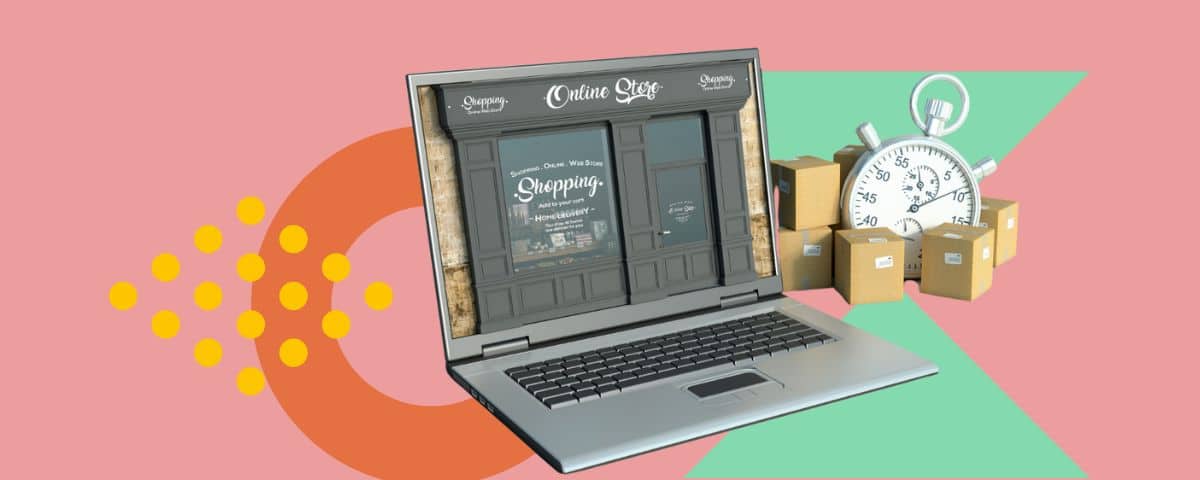
Ecommerce meaning refers to the buying and selling of goods and services through the internet. It involves digital transactions between businesses, consumers, or both. Instead of visiting a physical store, customers can shop online using websites or mobile applications.
Download :- What is E Commerce pdf
Understanding ecommerce meaning requires knowing the complete process of how online shopping works. Below is a detailed step-by-step breakdown of how a typical ecommerce transaction takes place:
The first step in the ecommerce process is when a customer visits an online shopping platform like Amazon, Flipkart, or Myntra.
For example, if someone wants to buy a new smartphone, they can compare different models, read customer reviews, and check the ratings before making a decision.
Once the customer finds the desired product, they can add it to their virtual shopping cart.
For example, if a person is buying clothes, they might add multiple shirts to the cart and later remove some before making the final purchase.
After selecting the products, the customer proceeds to checkout and provides the necessary details for the purchase.
For example, if a customer is buying a book online, they might choose to pay via UPI for a faster transaction.
Once the payment is successful, the seller receives the order details and starts preparing the package for shipment.
For example, if someone orders a pair of shoes, the seller ensures the right size and color before packing and dispatching the order.
After packaging, the order is handed over to a courier service for delivery to the customer’s address.
For example, if a customer orders groceries online, they may receive the order within a few hours. However, if they order furniture, it might take a few days.
After the product is delivered, the seller continues to assist the customer in case of any issues.
For example, if someone receives a broken coffee mug, they can request a replacement or refund through the ecommerce platform.
Ecommerce has made shopping convenient, allowing people to buy products from anywhere at any time. The entire process, from browsing and ordering to payment, delivery, and customer support, ensures a smooth and hassle-free shopping experience.
Recommended Read :- Start an Ecommerce Business: 7 Powerful Steps to Success
Ecommerce businesses operate in different ways based on who is selling and who is buying. To understand ecommerce meaning better, let’s explore the types of e-commerce with examples:
In this model, businesses sell products or services directly to individual consumers through online platforms. This is the most common type of ecommerce, where people buy everyday products like clothes, electronics, groceries, and more.
For instance, if a person orders a smartphone from Amazon, it is a B2C transaction because a company (Amazon) is selling a product directly to a consumer.
In the B2B model, businesses sell goods or services to other businesses instead of individual consumers. These products may include raw materials, bulk items, or software services that help businesses operate.
For example, a retailer purchasing 500 pairs of shoes from a manufacturer on IndiaMART is a B2B transaction because it involves business-level trade.
C2C ecommerce allows individuals to sell products or services directly to other consumers through online platforms. These platforms act as intermediaries where buyers and sellers can connect.
For example, if someone sells their old laptop on OLX, it is a C2C transaction because both the buyer and the seller are individual consumers.
In a C2B ecommerce model, individuals provide services or sell products to businesses. This model is commonly seen in freelancing, influencer marketing, and content creation.
For instance, if a graphic designer creates a company logo on Fiverr, it is a C2B transaction because an individual is providing a service to a business.
Each ecommerce model serves a different purpose. Whether businesses are selling to consumers (B2C), businesses trading with each other (B2B), people selling to other people (C2C), or individuals offering services to companies (C2B), understanding ecommerce meaning helps in recognizing how online transactions take place in different scenarios.
India’s ecommerce sector is growing rapidly, offering a wide range of online shopping options. Here are some well-known e-commerce examples in India:
These platforms have revolutionized shopping in India, making it more accessible and convenient for people of all ages.
If you want to start your own e-commerce venture, read Top 25 Profitable E-commerce Business Ideas for Indians in 2025.
Ecommerce has brought many benefits to both businesses and consumers. Here are some of the key advantages of e commerce:
Ecommerce comes with its own set of challenges. Here are some of the main ones:
While these challenges exist, with proper planning, strategic decision-making, and continuous improvement, ecommerce businesses can overcome them and thrive in the digital marketplace.
To understand e commerce meaning better, let’s compare it with traditional business:
| Aspect | Ecommerce | Traditional Business |
|---|---|---|
| Location | Online (Web/App) | Physical Store |
| Availability | 24/7 | Limited Store Hours |
| Cost | Lower Operational Costs | Higher Infrastructure Costs |
| Customer Reach | Global | Limited to Local Area |
| Payment | Digital (UPI, Cards) | Cash, Card, UPI |
The future of ecommerce in India looks promising, driven by factors such as:
Experts predict that India’s ecommerce market will reach $200 billion by 2027. With platforms like ONDC (Open Network for Digital Commerce) emerging, ecommerce will become more accessible to small businesses.
E-commerce is more than just selling online — it’s a combination of systems and tools that work together to deliver a seamless digital shopping experience. Here are the essential components of a successful e-commerce setup:
A responsive website or app with clear navigation, fast loading, and mobile optimization is critical. Top platforms like Shopify India, WooCommerce, and Amazon Seller Central offer templates optimized for user experience.
Trend 2025: Voice search and AI-driven product recommendations are becoming standard features.
Support for UPI, cards, wallets, and Buy Now, Pay Later (BNPL) options is essential. Platforms like Flipkart Seller Hub and Meesho integrate Indian-friendly payment systems.
Security and fraud protection are major focus areas in ecommerce trends 2025.
Real-time stock updates, automated invoicing, and order tracking help streamline operations. Most of the best ecommerce platforms in India (2025) offer integrated order management tools.
Fast, reliable shipping through partners like Delhivery, Blue Dart, or platform-provided logistics (e.g., Amazon Easy Ship) ensures customer satisfaction.
2025 Trend: Hyperlocal delivery and sustainable packaging are gaining momentum.
Quick responses via live chat, WhatsApp, or AI chatbots build trust and loyalty. Multilingual support is becoming more common, especially in Tier 2 and Tier 3 cities.
Data-driven insights help optimize marketing, pricing, and customer experience. Tools like Zoho Analytics are widely used by Indian sellers.
According to ecommerce trends 2025, predictive analytics and customer behavior tracking are driving smarter business decisions.
Ecommerce has revolutionized the way businesses and consumers interact. Understanding ecommerce meaning helps in realizing its importance in today’s digital world. With continued advancements in technology and infrastructure, ecommerce in India is set to grow even further. Whether you are a buyer or a seller, embracing ecommerce can open new opportunities for convenience and success.
Would you like to start your own ecommerce business? Explore the Chegg India Earn Online Directory for awesome proved Ideas to Earn Money also find out the best ecommerce platforms and begin your journey today!
E-commerce, or electronic commerce, means buying and selling goods or services online. It involves transactions over the internet, allowing businesses and consumers to exchange products and services without needing a physical store.
The three main types of e-commerce are B2B (Business to Business), B2C (Business to Consumer), and C2C (Consumer to Consumer). B2B involves transactions between businesses, B2C is from businesses to individual customers, and C2C is between consumers.
E-commerce benefits include global reach, lower operational costs, 24/7 accessibility, personalized shopping experiences, efficient inventory management, faster transactions, and scalability. It allows businesses to grow and reach customers worldwide.
E-commerce functions include online shopping, secure payment processing, order management, customer service, marketing, and data analytics. These functions help businesses manage their operations and enhance customer experiences effectively.
According to experts, e-commerce is defined as the buying and selling of goods and services over electronic systems, such as the internet and other computer networks. It involves online transactions, digital payments, and electronic data interchange (EDI).
An ecommerce platform enables businesses to set up online stores, list products, manage transactions, and process payments. The platform handles inventory management, payment processing, and order fulfilment, offering security features to protect customer data. Once an order is placed, the platform notifies the seller to process and ship the product to the customer.
Some successful ecommerce websites include Amazon, which leads in global online retail, and eBay, a top C2C marketplace. Alibaba dominates B2B ecommerce, while Shopify provides ecommerce solutions to small businesses. In India, Flipkart and Myntra are major players in online retail. These platforms have succeeded through user-friendly interfaces, vast product selections, efficient logistics, and excellent customer service.
Ecommerce disadvantages include security risks, such as data breaches and fraud. Limited product interaction before purchase can lead to dissatisfaction. Delivery delays, return complications, and a lack of personal touch also pose challenges. Additionally, ecommerce businesses need continuous investment in technology and digital marketing, and customers may face technical issues with the platform or payment processing.
Start by choosing an ecommerce platform that suits your needs, like Shopify or WooCommerce. Set up your online store with easy navigation, quality product images, and descriptions. Implement a marketing strategy and manage inventory and customer service for smooth operations. Develop a marketing strategy using social media, SEO, and paid ads.
E-commerce is important because it provides convenience, allows for global market reach, reduces operational costs, offers personalized shopping experiences, and enables businesses to operate 24/7. It drives innovation and enhances customer satisfaction.
An ecommerce website is an online platform where businesses or individuals sell products and services. It enables customers to browse, select, and purchase items digitally, often with secure payment and delivery options.
Yes, Amazon is a leading ecommerce platform where millions of products are bought and sold online. It connects buyers and sellers, offering convenient shopping, secure payments, and fast delivery services worldwide.
The best ecommerce platform in India varies by region and business needs. Popular platforms include Amazon and Flipkart for nationwide reach, Meesho for social selling, and regional platforms like Myntra in metro cities for fashion-focused ecommerce.
Ecommerce offers convenience, wider product selection, global reach, lower operational costs, easy payments, and data-driven business insights.
Read More :


Authored by, Samiksha Samra
Digital Content Writer
Samiksha is a writer with a passion for sharing ideas and a knack for detail. She loves turning concepts into meaningful, engaging content. With a strong background in research and content strategy, she crafts clear, easy-to-understand narratives that resonate with readers. Her curiosity drives her to explore new subjects, ensuring every piece she creates is both insightful and impactful.
Editor's Recommendations
Chegg India does not ask for money to offer any opportunity with the company. We request you to be vigilant before sharing your personal and financial information with any third party. Beware of fraudulent activities claiming affiliation with our company and promising monetary rewards or benefits. Chegg India shall not be responsible for any losses resulting from such activities.
Chegg India does not ask for money to offer any opportunity with the company. We request you to be vigilant before sharing your personal and financial information with any third party. Beware of fraudulent activities claiming affiliation with our company and promising monetary rewards or benefits. Chegg India shall not be responsible for any losses resulting from such activities.
