
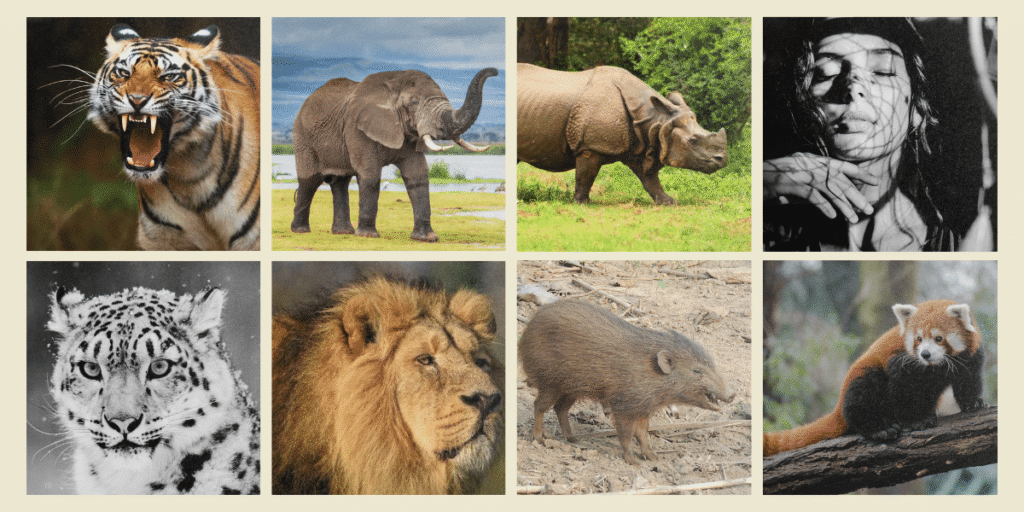
An endangered species, as defined by the International Union for Conservation of Nature (IUCN), faces a very high risk of extinction soon. Species are categorized as endangered when their population declines rapidly due to habitat loss, poaching, or environmental changes. Endangered animals in India represent a major concern because the country, recognized as one of the world’s 17 “megadiverse” nations, is home to nearly 7–8% of all recorded species. From the Himalayan Snow Leopards to the Asiatic Lions of Gir, the country’s rich biodiversity spans forests, rivers, mountains, deserts, and coastlines.
Studying endangered species is crucial for preserving the delicate balance of ecosystems and maintaining ecological services such as pollination, soil fertility, water purification, and climate regulation. The extinction of even a single species can trigger cascading effects on the environment and human well-being.
However, India’s biodiversity faces mounting threats. Rapid urbanization, deforestation, climate change, illegal wildlife trade, and human–wildlife conflict are pushing several species toward extinction. Understanding these threats and focusing on conservation measures is vital to safeguard India’s natural heritage for future generations.
Classification of Endangered Animals in India
The International Union primarily assesses the conservation status of species for Conservation of Nature (IUCN) through its Red List of Threatened Species. It categorizes species based on the risk of extinction:
- Critically Endangered (CR): Species facing an extremely high risk of extinction in the immediate future. Example: Great Indian Bustard.
- Endangered (EN): Species with a very high risk of extinction soon if threats continue—example: Asiatic Lion.
- Vulnerable (VU): Species at a high risk of becoming endangered unless conservation actions are taken. Example: Snow Leopard.
In addition to the IUCN system, India has its own legal framework under the Wildlife Protection Act, 1972, which provides schedules for protection:
- Schedule I & II: Provide the highest level of protection; hunting and trade are strictly prohibited.
- Schedule III & IV: Offer lesser but significant protection.
- Schedule V: Lists animals considered “vermin,” which may be hunted.
A key distinction exists between global and Indian status. For instance, the Indian Pangolin is listed as Endangered globally by IUCN, but also receives the highest protection under Schedule I of the Wildlife Protection Act. Similarly, the Asiatic lion is endangered worldwide, but due to intense conservation efforts, India has a stable population trend.
Comprehensive List of Top 10 Endangered Animals in India
India’s unique geography, spanning the Himalayas, the Indo-Gangetic plains, deserts, forests, and coastlines, harbors a wide range of wildlife species. Unfortunately, several of these are listed as endangered due to shrinking habitats, climate change, hunting, and human–wildlife conflict.
Mammals
Bengal Tiger (Panthera tigris tigris)
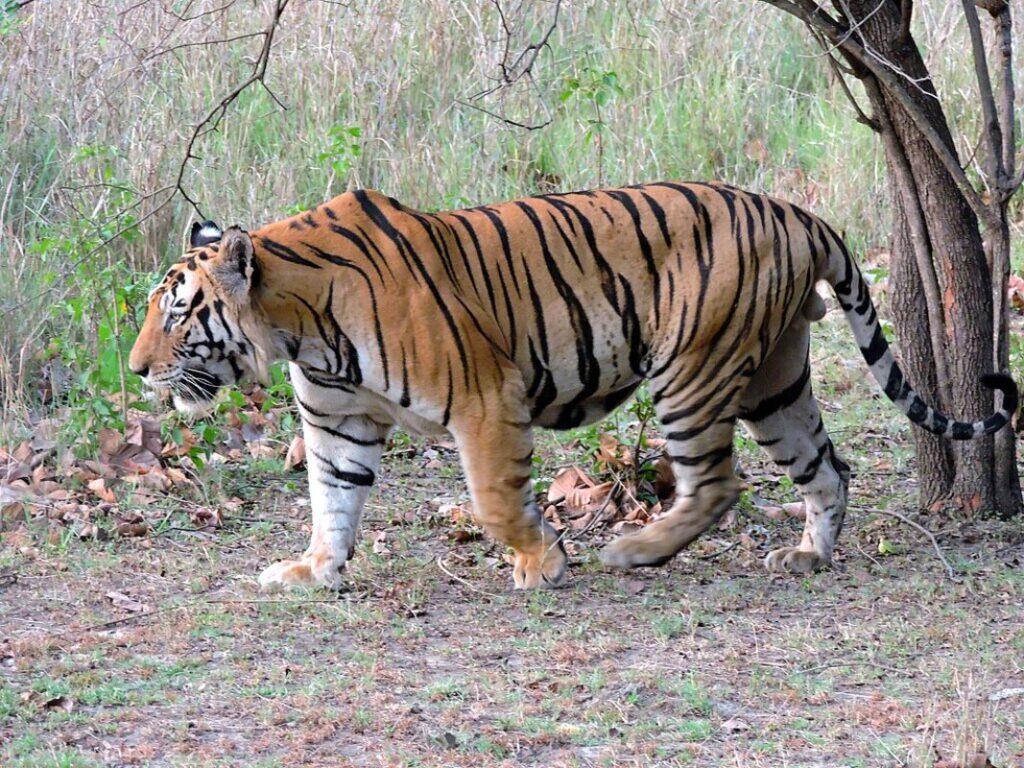
India hosts nearly 70% of the world’s tiger population, yet the Bengal Tiger remains endangered due to poaching and habitat fragmentation. Project Tiger has helped revive numbers, but threats like human encroachment and illegal trade persist.
Also Read: Tiger Reserves in India
Asiatic Lion (Panthera leo persica)
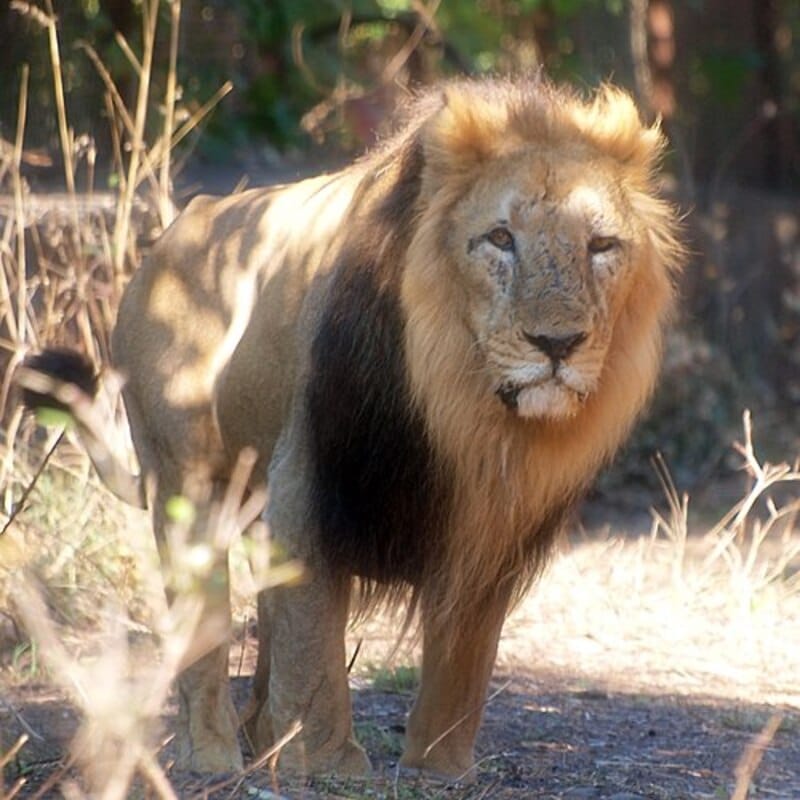
Once widespread across Asia, the Asiatic Lion survives only in Gujarat’s Gir Forest. Conservation efforts have stabilized its numbers, but disease outbreaks and a lack of genetic diversity remain major concerns.
One-Horned Rhinoceros (Rhinoceros unicornis)

Found mainly in Assam’s Kaziranga National Park, the rhino was once on the brink of extinction due to poaching for its horn. Strict protection has helped revive populations, yet it remains vulnerable to floods and illegal trade.
Snow Leopard (Panthera uncia)

The snow leopard inhabits the high Himalayas. It is threatened by climate change, prey depletion, and poaching. The Indian government’s Project Snow Leopard aims to safeguard its fragile mountain ecosystem.
Red Panda (Ailurus fulgens)
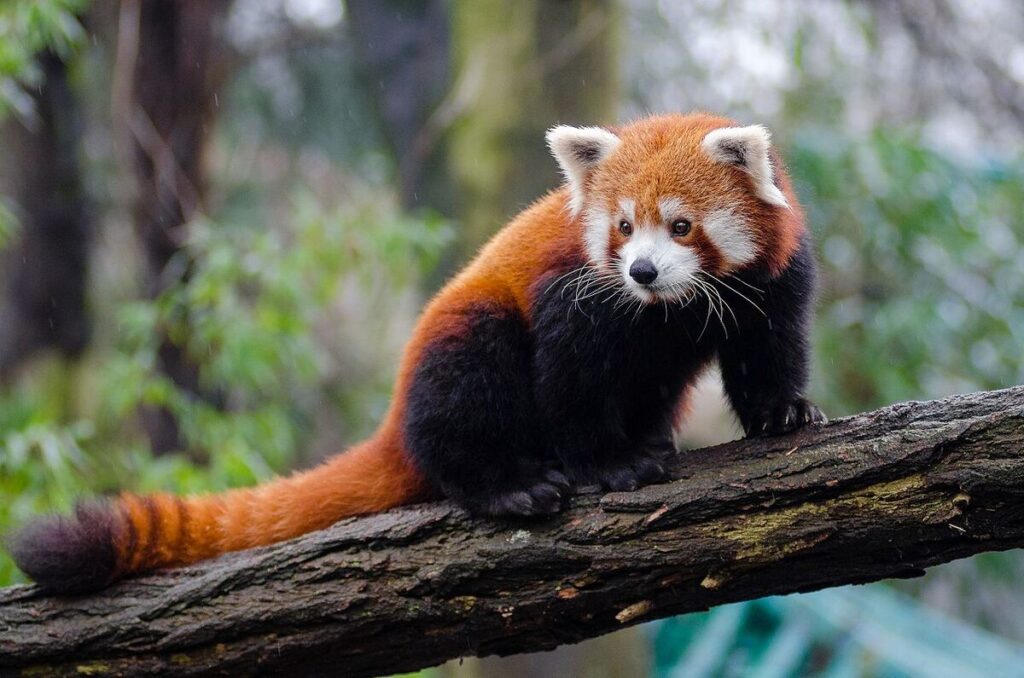
Native to the Eastern Himalayas, the Red Panda faces habitat loss from deforestation and agricultural expansion. Its elusive nature makes conservation challenging.
Nilgiri Tahr (Nilgiritragus hylocrius)
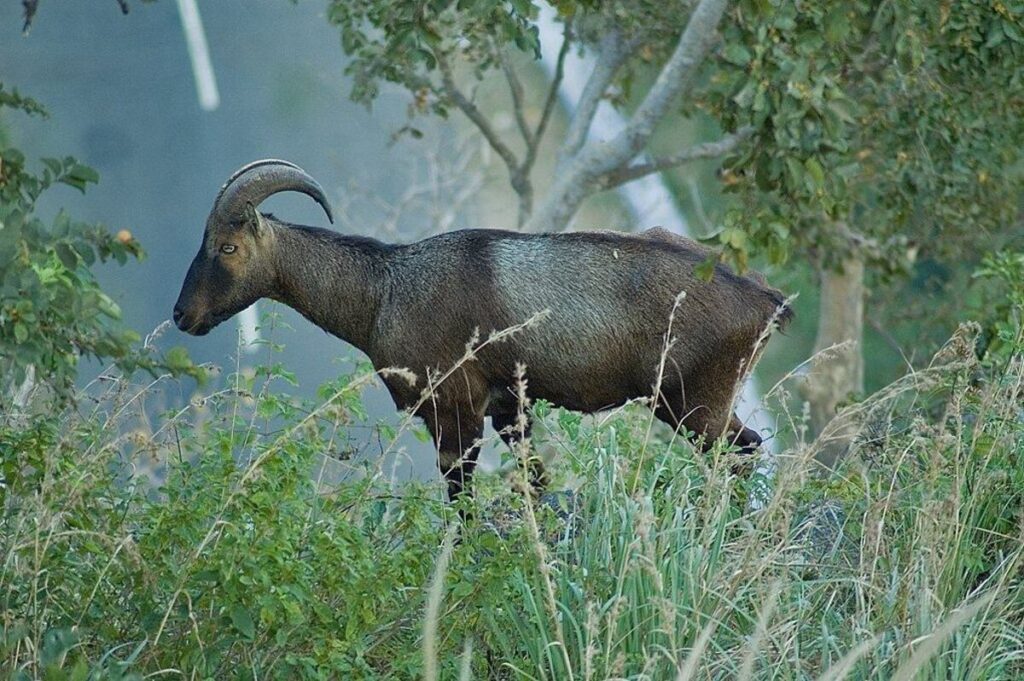
This mountain goat of the Western Ghats is endangered due to habitat destruction and competition with livestock. Eravikulam National Park in Kerala is a key refuge.
Blackbuck (Antilope cervicapra)

Known for its spiraled horns, the Blackbuck was once heavily hunted. Today, it survives in the grasslands of Rajasthan, Gujarat, and Haryana, though urban expansion threatens its habitat.
Lion-Tailed Macaque (Macaca silenus)

Endemic to the Western Ghats, this primate is endangered because of deforestation and fragmentation of evergreen forests.
Sloth Bear (Melursus ursinus)

Found across India’s forests, the Sloth Bear faces habitat loss and human conflict. Poaching for bile and use in illegal entertainment shows has further reduced populations.
Musk Deer (Moschus spp.)

Native to the Himalayas, musk deer are hunted for their musk pods, used in perfumes and traditional medicine. This has led to a sharp population decline.
Together, these mammals represent the delicate balance of India’s ecosystems and highlight the urgent need for targeted conservation measures.
Birds
Great Indian Bustard (Ardeotis nigriceps)
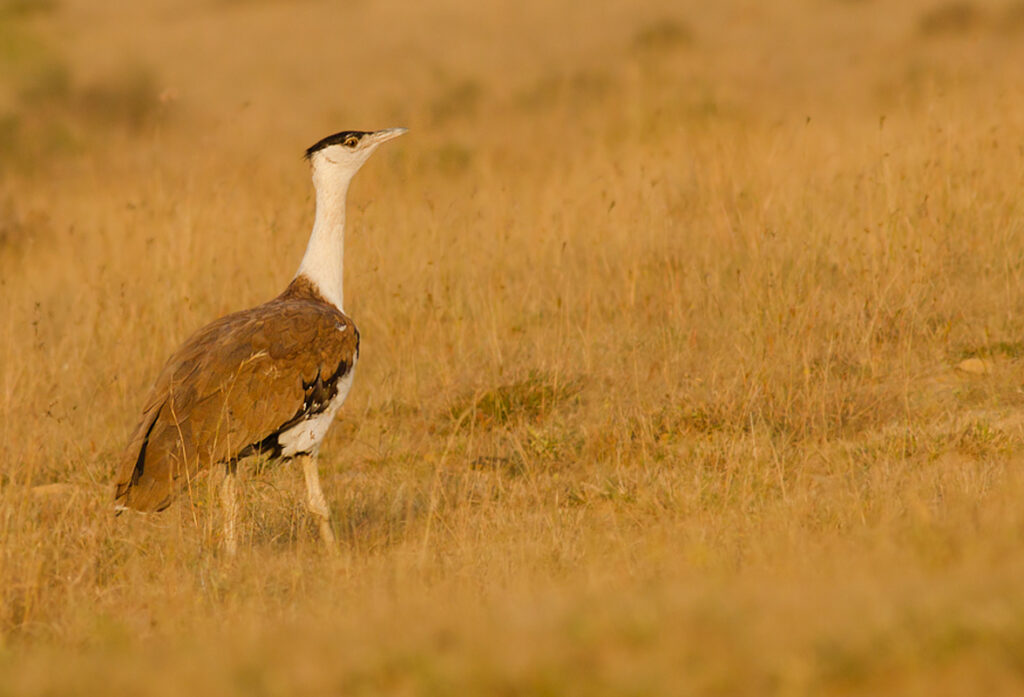
It is critically endangered among the heaviest flying birds, with fewer than 200 individuals left, primarily in Rajasthan. Powerline collisions and habitat loss are the main threats.
Indian Vulture (Gyps indicus)

Once common, vulture populations crashed by over 90% due to diclofenac poisoning in cattle carcasses. Breeding centers now play a critical role in their revival.
Forest Owlet (Heteroglaux blewitti)
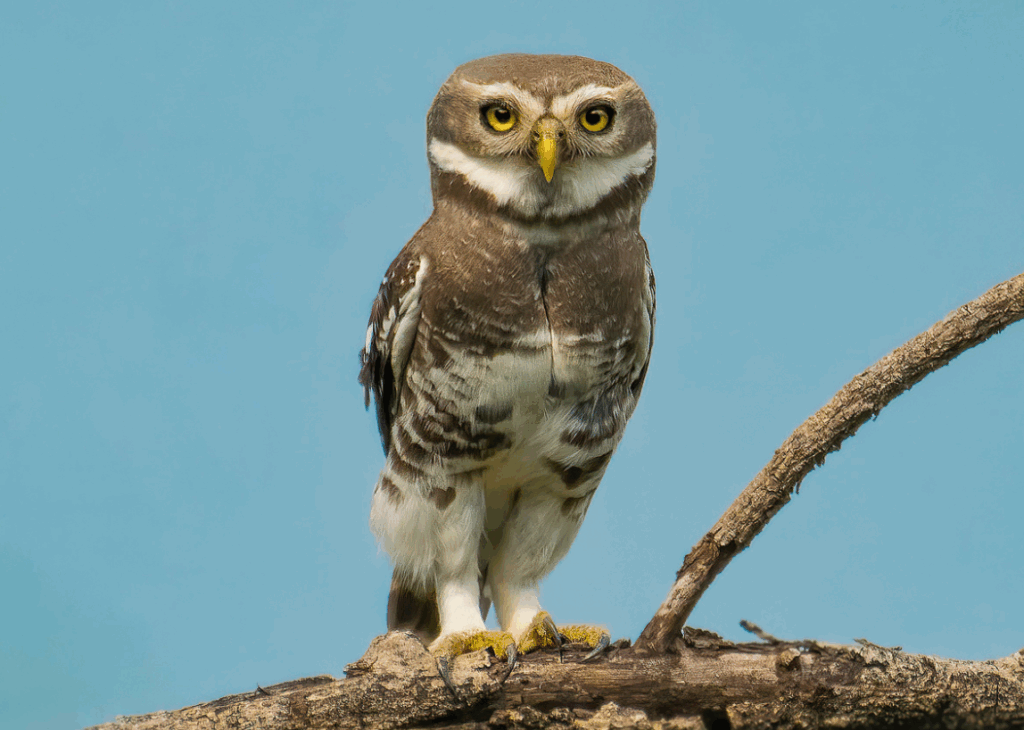
This small owl, once thought extinct, was rediscovered in the 1990s. It is critically endangered and lives in fragmented forests in central India.
Bengal Florican (Houbaropsis bengalensis)
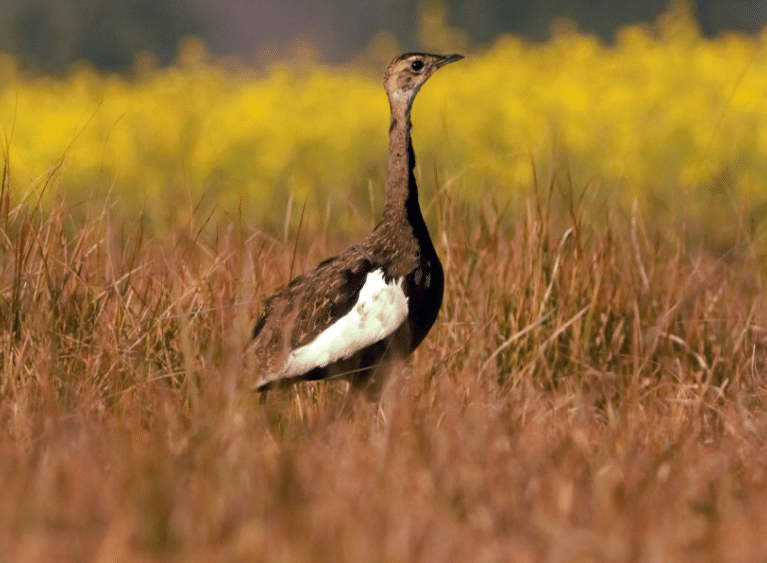
This grassland bird is found in Assam and Uttar Pradesh. Its population is declining due to agricultural expansion and grazing pressure.
Himalayan Quail (Ophrysia superciliosa)
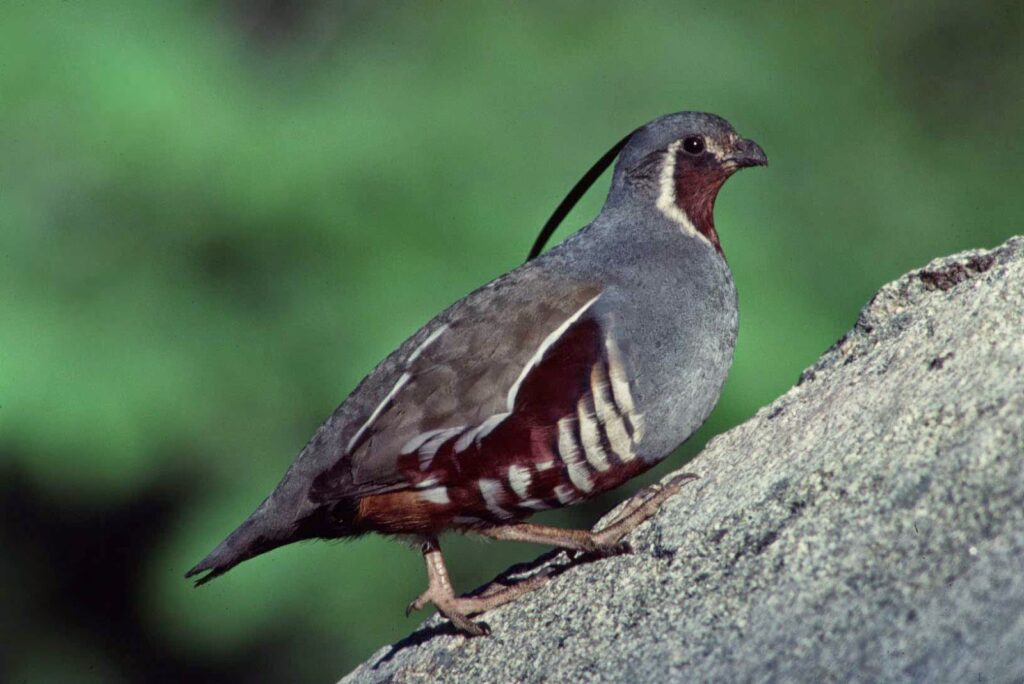
The Himalayan quail, which is possibly extinct, was last sighted in the 19th century. However, conservationists are still searching for its presence in Uttarakhand’s grasslands.
Nicobar Megapode (Megapodius nicobariensis)

Endemic to the Nicobar Islands, this bird is known for its unique nesting mounds. Rising sea levels and human disturbance threaten its survival.
These birds highlight the fragile nature of India’s avian diversity and the need to protect both grasslands and wetlands.
Reptiles & Amphibians
Gharial (Gavialis gangeticus)

A fish-eating crocodile, the gharial once thrived in Indian rivers but is now restricted to the Chambal, due to dam construction, sand mining, and fishing practices.
Olive Ridley Turtle (Lepidochelys olivacea)

Known for mass nesting events (arribadas) on Odisha’s beaches, these turtles face threats from fishing nets, coastal development, and climate change.
Indian Python (Python molurus)

This non-venomous constrictor is endangered due to habitat loss and hunting for its skin.
King Cobra (Ophiophagus hannah)

The world’s largest venomous snake, the King Cobra, is found in the Western Ghats and the Northeast. Deforestation and human conflict endanger its survival.
Indian Bullfrog (Hoplobatrachus tigerinus)

This amphibian, recognized for its loud croaking, is endangered because of overharvesting, habitat loss, and water pollution.
These reptiles and amphibians are vital for ecological balance, controlling pests, and maintaining river systems.
Aquatic & Freshwater Species
Ganges River Dolphin (Platanista gangetica)

Declared India’s National Aquatic Animal, this blind freshwater dolphin is endangered due to pollution, dam construction, and accidental entanglement in fishing nets.
Dugong (Dugong dugon)
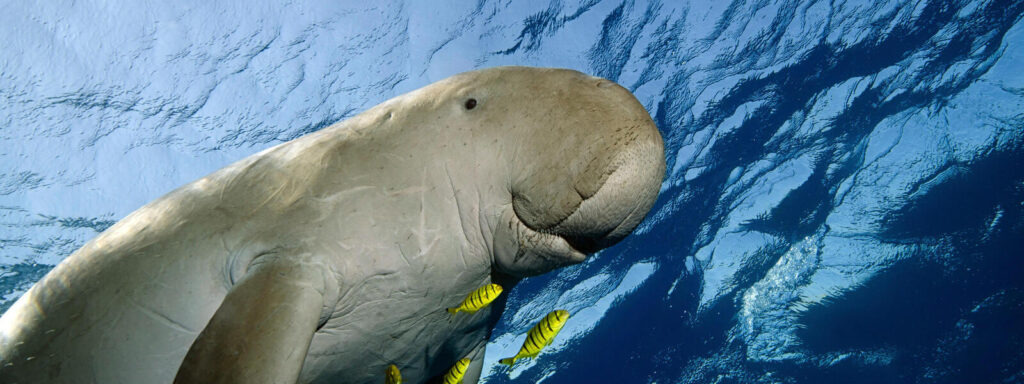
Commonly called the “sea cow,” the Dugong survives in seagrass beds of the Andaman and Nicobar Islands. It faces threats from hunting and habitat degradation.
Mahseer Fish (Tor spp.)

These freshwater fish are prized by anglers but are threatened by overfishing, river pollution, and damming.
Batagur Turtles (Batagur spp.)

Large freshwater turtles like the Red-crowned Roofed Turtle are critically endangered due to sand mining, egg collection, and loss of nesting habitats.
Protecting aquatic and freshwater species is essential for maintaining India’s rivers and coastal ecosystems.
Insects & Others
Kaiser-i-Hind Butterfly (Teinopalpus imperialis)

Found in Arunachal Pradesh and parts of Northeast India, this striking green butterfly is endangered due to illegal collection and forest degradation.
Other Rare Insects
India is also home to numerous endangered insect species, including rare moths, beetles, and dragonflies. These often-overlooked species play crucial roles in pollination and pest control. Unfortunately, deforestation, pesticide use, and climate change threaten their survival.
Although insects are less celebrated than tigers or elephants, they are equally vital for ecosystem functioning, agriculture, and biodiversity stability.
Also Read: Biggest National Park in India
Region-Wise Endangered Species in India
India’s diverse landscapes, from the icy Himalayas to the tropical islands, are home to unique species specially adapted to their habitats. However, many of these are endangered due to human activities and climate change.
Himalayas & Northeast
This region harbors cold-adapted and montane species. The Red Panda, dependent on temperate forests and bamboo, is endangered due to deforestation. The Snow Leopard, found in the high Himalayas, faces threats from prey depletion and poaching. Other species like the Musk Deer and Himalayan Monal reflect the fragile mountain biodiversity.
Western Ghats
The Western Ghats are a UNESCO World Heritage Site and a hotspot for biodiversity. The Lion-Tailed Macaque is restricted to evergreen forests, while the critically endangered Malabar Civet is among the world’s rarest mammals. The Purple Frog, an ancient amphibian species, emerges only during monsoons and is highly vulnerable to habitat disturbance.
Indo-Gangetic Plains
River systems in this region sustain aquatic wildlife. The Gharial, a fish-eating crocodile, and the Ganges River Dolphin, India’s national aquatic animal, are endangered due to pollution, overfishing, and river damming.
Deserts & Grasslands:
The arid landscapes support species adapted to extreme climates. The Great Indian Bustard, one of the heaviest flying birds, is critically endangered. The Indian Wolf, once widespread, now survives in fragmented populations due to habitat loss and persecution.
Islands (Andaman & Nicobar)
Island ecosystems are fragile and host unique species. The Dugong, or sea cow, depends on seagrass beds, while the Nicobar Megapode is a ground-nesting bird vulnerable to sea-level rise and human interference.
This region-wise distribution highlights how diverse ecosystems shelter unique species, and why conservation strategies must be tailored to each landscape.
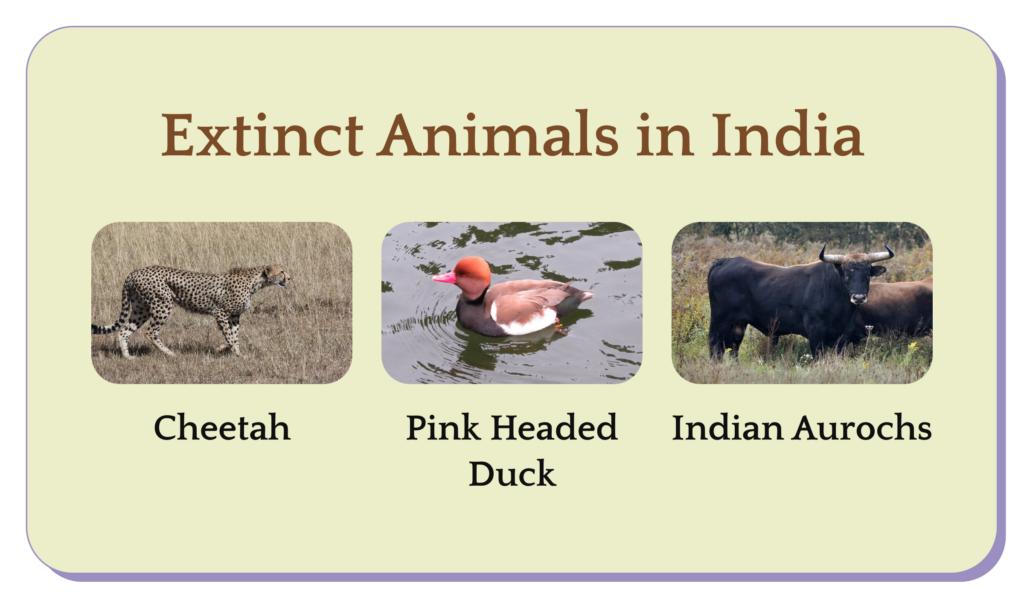
Extinct Animals in India: A Grim Warning
| Region | Key Species | Conservation Status (IUCN) | Major Threats |
|---|---|---|---|
| Himalayas & Northeast | Red Panda, Snow Leopard, Musk Deer | Endangered / Vulnerable | Deforestation, poaching, climate change |
| Western Ghats | Lion-Tailed Macaque, Malabar Civet, Purple Frog | Endangered / Critically Endangered | Deforestation, poaching, and climate change |
| Indo-Gangetic Plains | Gharial, Ganges River Dolphin | Critically Endangered / Endangered | Habitat loss, fragmentation, and agriculture |
| Deserts & Grasslands | Great Indian Bustard, Indian Wolf | Critically Endangered / Endangered | Coastal development, sea-level rise, and hunting |
| Islands (A&N) | Dugong, Nicobar Megapode | Endangered / Vulnerable | River pollution, dams, and overfishing |
Major Threats to Endangered Animals in India
The survival of endangered animals in India is threatened by a range of human-induced and natural factors, such as habitat loss, poaching, climate change, and pollution, which often act together and intensify their decline.
Habitat Loss and Fragmentation:
Rapid urbanization, agricultural expansion, mining, and infrastructure projects have led to large-scale deforestation and shrinking natural habitats. Fragmented ecosystems isolate populations, reducing breeding and genetic diversity.
Poaching and Illegal Wildlife Trade:
Hunting for skins, horns, tusks, and body parts remains a severe challenge. Tigers are targeted for their pelts and bones, rhinos for their horns, and pangolins for their scales, feeding into international black markets.
Climate Change:
Rising temperatures, melting glaciers, and shifting rainfall patterns are altering habitats. Species like the Snow Leopard and Red Panda face shrinking ranges, while sea turtles and dugongs suffer from warming seas and coral degradation.
Pollution:
Industrial effluents, pesticides, and plastic waste pollute rivers, oceans, and forests. Aquatic species such as the Ganges River Dolphin and Olive Ridley Turtle are especially vulnerable to toxic contamination and entanglement in fishing nets.
Human–Wildlife Conflict:
Encroachment into forest areas often brings humans and animals into conflict. Elephants raiding crops or leopards straying into villages frequently result in retaliation killings.
Invasive Species:
Non-native species disrupt ecosystems and compete with native wildlife. For example, invasive plants degrade grasslands, affecting grazers like the Great Indian Bustard, while alien fish species threaten native freshwater biodiversity.
Together, these threats form a complex web accelerating the decline of endangered animals in India. Effective wildlife conservation in India requires strong legal protection, habitat restoration, active community participation, and global cooperation to safeguard vulnerable and endangered species.
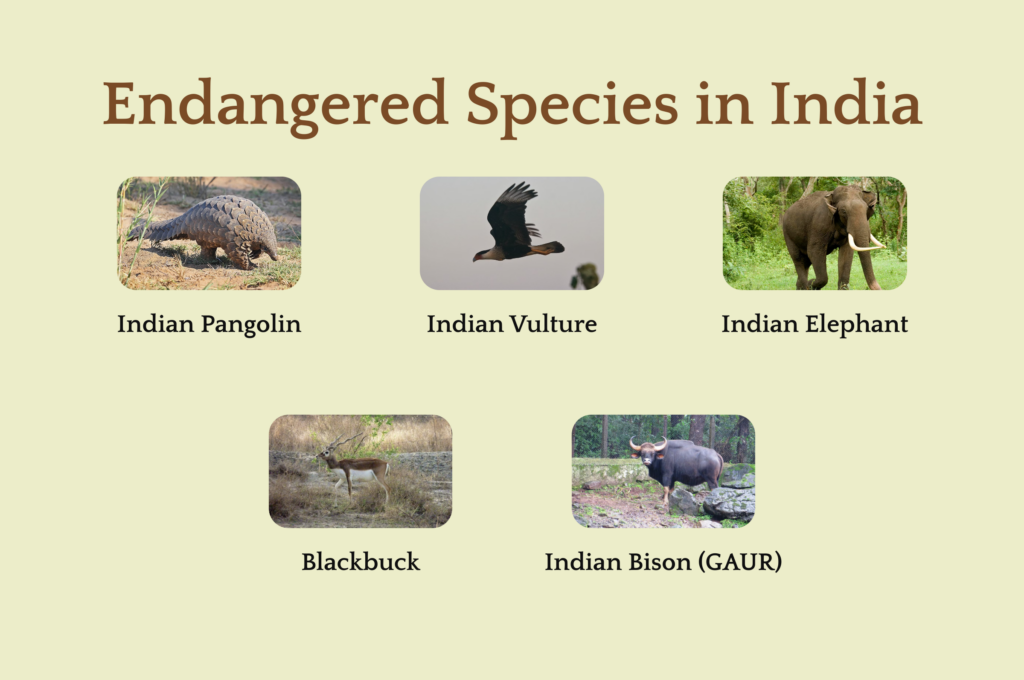
Other Endangered Animal Species in India
Conservation Efforts for Endangered Animals in India
India has adopted a multi-pronged approach to protect its endangered animals in India, combining wildlife protection laws, dedicated conservation projects, community participation, and international cooperation.
National Projects:
Flagship initiatives such as Project Tiger (1973) have helped revive tiger populations through habitat protection and strict anti-poaching measures. Project Elephant (1992) focuses on reducing human–elephant conflict and safeguarding migratory corridors. Similarly, the Crocodile Conservation Project (1975) successfully revived gharial and crocodile populations in rivers and wetlands.
Sanctuaries & National Parks:
Protected areas like Kaziranga (for rhinos), Gir (for Asiatic lions), and Periyar (for elephants) serve as critical refuges. India’s extensive network of over 100 national parks and 550 wildlife sanctuaries provides safe habitats for threatened species, though encroachment challenges remain.
Government Acts & Policies:
The Wildlife Protection Act, 1972, is the cornerstone of India’s conservation, offering legal protection to species under different schedules. The Biological Diversity Act, 2002, and Forest Rights Act, 2006, also aim to balance conservation with community needs.
NGOs and Local Initiatives:
Organizations like WWF-India, Wildlife Trust of India, and local forest-based communities contribute to conservation through awareness, rescue operations, and grassroots participation. Examples include community-led protection of Olive Ridley turtles in Odisha.
International Treaties:
India is a signatory to global agreements such as CITES (Convention on International Trade in Endangered Species) and the Convention on Biological Diversity (CBD), reinforcing its commitment to sustainable biodiversity management.
Together, these efforts illustrate India’s determination to safeguard its wildlife heritage, though more vigorous enforcement and stronger community participation in wildlife conservation remain essential for the long-term survival of endangered animals in India.
Role of Public in Wildlife Protection
Imagine a forest without the call of birds or the roar of a tiger. If people remain passive, this could be India’s future. Wildlife conservation in India is not just the work of forest guards; it begins with us. By spreading awareness in schools, neighborhoods, and online spaces, everyone can influence others to care for endangered animals in India, from the majestic Bengal tiger to the vulnerable Asian elephant. Protecting these endangered species ensures a balanced ecosystem and a sustainable future for future generations.
Travelers can help through responsible tourism, respecting park rules, avoiding plastic, and supporting local eco-guides instead of exploiting resources.
Simple lifestyle changes make a collective impact, like choosing reusable products and conserving water. Students can join nature clubs, participate in wildlife conservation in India surveys, or volunteer for clean-up campaigns. When people unite through awareness and small actions, protecting endangered animals in India becomes a shared mission, not a distant government policy.
Conclusion
India’s rich biodiversity, from tigers and elephants to river dolphins and rare butterflies, is a natural heritage and a foundation for ecological balance. Yet, growing threats such as habitat destruction, poaching, pollution, and climate change continue to push many species toward extinction. Endangered animals in India highlight the urgency of this crisis, reminding us that once a species is lost, it can never be brought back.
Protecting endangered animals requires collective responsibility. Governments must enforce policies more strictly, NGOs and scientists must innovate, and citizens must adopt eco-friendly lifestyles and spread awareness. Every action, whether refusing single-use plastic, supporting sustainable tourism, or reporting wildlife crimes, creates a ripple effect.
Safeguarding endangered species is not just about saving animals; it is about securing the future of ecosystems and human life. The time to act is now.
Frequently Asked Questions(FAQs)
What are the 10 most endangered animals in India?
The 10 most endangered animals in India include the Great Indian Bustard, Ganges River Dolphin, Asiatic Lion, One-Horned Rhinoceros, Snow Leopard, Bengal Tiger, Lion-Tailed Macaque, Nilgiri Tahr, Red Panda, and Kashmir Red Stag (Hangul). These species face threats like habitat loss, poaching, and climate change.
Which animal is critically endangered in India?
The Great Indian Bustard and Kashmir Red Stag (Hangul) are critically endangered animals in India. Their populations have drastically declined due to habitat loss, poaching, and human disturbances, making their survival highly uncertain without urgent conservation efforts.
How many animals are endangered in India?
According to the IUCN and MOEFCC, over 680 animal species in India are currently classified as endangered. This includes species listed as Critically Endangered, Endangered, and Vulnerable, highlighting the urgent need for strong wildlife conservation efforts nationwide.
Is the Bengal tiger endangered?
Yes, the Bengal tiger is classified as Endangered by the IUCN. Despite conservation efforts like Project Tiger, it continues to face threats from poaching, habitat loss, and human-wildlife conflict, making its protection a critical priority for India’s biodiversity.
How to save endangered animals?
To save endangered animals, support wildlife conservation efforts, avoid products linked to habitat destruction, raise awareness, donate to NGOs, and promote sustainable living. Responsible ecotourism and community participation are vital in protecting India’s endangered animal species and preserving biodiversity.