Have you ever wondered what fuels the industries, power plants, and railways keep our modern world running? Coal, one of the oldest and most widely used energy resources, continues to play a pivotal role in global energy production. Formed over millions of years from plant matter subjected to intense heat and pressure, coal is more than just a black rock; it is a concentrated store of energy that drives electricity generation, steel production, and many other industrial processes. Coal has four main types of coal: anthracite, bituminous, sub-bituminous, and lignite, each differing in carbon content, hardness, and energy potential.

Understanding these types is crucial for energy planning and industries that rely on coal for manufacturing, heating, and chemical processes. By knowing the characteristics and applications of each type, businesses and policymakers can make informed decisions, optimize efficiency, and minimize environmental impact. This knowledge highlights coal’s enduring relevance in the modern economy and its continued role as a key energy resource sustaining industrial and technological growth.
Coal is a fossil fuel formed from the remains of ancient plants that lived millions of years ago. The process begins with peatification, where plant material accumulates in swampy, waterlogged areas. In these oxygen-poor conditions, the decomposition of organic matter is slow, allowing layers of partially decayed plants called peat to build up over time. Peat is soft, brownish, and rich in organic material, serving as the first stage in the journey toward coal.
The next stage is coalification, where peat transforms into coal under the influence of heat, pressure, and geological processes over millions of years. As layers of sediment accumulate above the peat, the increasing pressure compresses the material, while heat from the Earth’s interior drives chemical changes. During coalification, water and volatile compounds are expelled, and the carbon content gradually increases, forming various types of coal with differing energy densities.

Coalification occurs in several stages, corresponding to the types of coal commonly known today: lignite (brown coal), sub-bituminous coal, bituminous coal, and anthracite. Each stage represents a higher carbon concentration, hardness, and calorific value. The entire process from peat formation to anthracite coal can span tens of millions of years, highlighting the immense geological timescales in creating this crucial energy resource.
A clear understanding of coal formation is essential for industries and energy planners, as the type of coal determines its suitability for electricity generation, steel manufacturing, or chemical production.
Based on carbon content, calorific value, and geological formation, coal is classified into four major types: anthracite, bituminous, subbituminous, and lignite. Each type varies in hardness, energy density, and industrial use, making it important to understand its unique properties.
Definition:
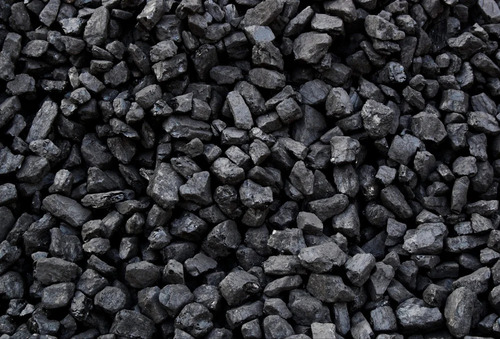
Anthracite is the highest rank of coal, known for its exceptional hardness, high carbon content, and maximum energy density. Often called “hard coal,” it is the most metamorphosed form of coal and represents the final stage of coalification.
Properties:
Anthracite has an 86–97% carbon content, making it extremely energy-rich. Its high density and hardness give it a glossy, black appearance. Moisture and volatile matter are minimal, which ensures clean burning with minimal smoke. Its calorific value ranges from 25,000 to 30,000 kJ/kg, making it highly efficient for industrial and residential heating.
Formation:
Anthracite forms under intense heat and pressure, typically in regions of mountain-building where geological forces compress lower-rank coals over millions of years. This prolonged metamorphism removes impurities, increases carbon content, and produces its characteristic hardness and lustrous texture.
Uses:
Due to its high energy output and clean combustion, anthracite is primarily used for heating residential and industrial spaces. It is also utilized in metallurgical processes, such as producing steel and iron, and occasionally in specialized applications like carbon filtration. Its low sulfur content reduces environmental pollutants compared to other coal types.
Definition:
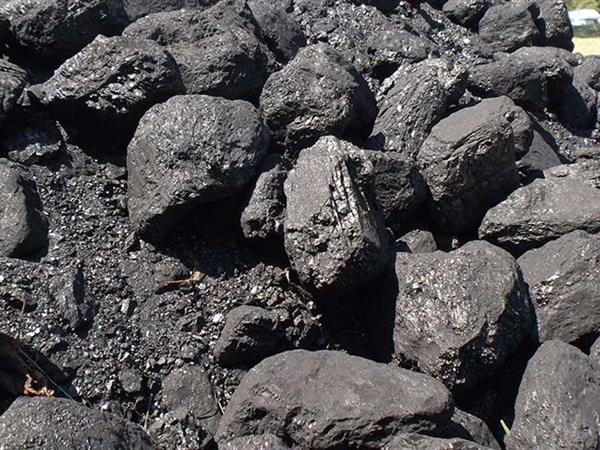
Bituminous coal is a middle-rank coal, intermediate between subbituminous and anthracite. It is widely used due to its balance of energy content, availability, and versatility.
Properties:
Bituminous coal has a carbon content of 45–86% and moderate moisture and volatile matter. Its calorific value ranges from 24,000 to 35,000 kJ/kg, making it suitable for electricity generation and industrial fuel. Due to its higher volatile content compared to anthracite, the coal can produce smoke and soot.
Subtypes:
Bituminous coal is categorized into two main types:
Uses:
Bituminous coal is extensively used in thermal power plants, burning efficiently to produce electricity. Metallurgical bituminous coal is vital for the steel industry, forming coke for blast furnaces. It is also used in cement production and industrial boilers.
Definition:
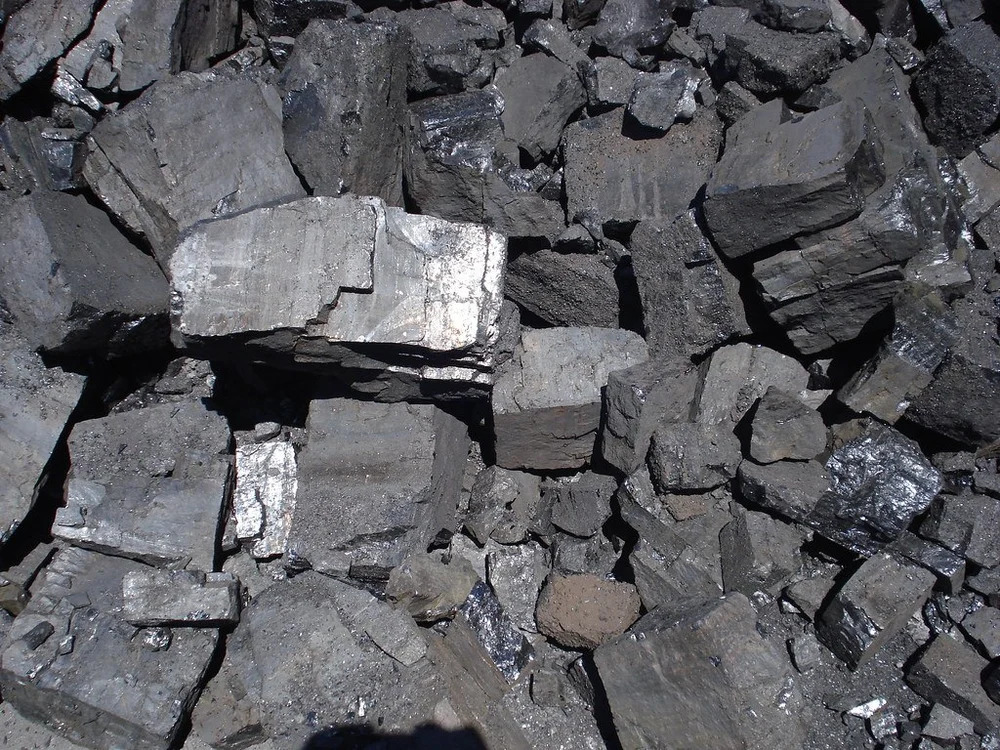
Subbituminous coal is just below bituminous coal. It has lower carbon content and energy density than bituminous but higher than lignite, making it suitable for large-scale electricity generation.
Properties:
Subbituminous coal contains 35–45% carbon with moderate moisture content. Its calorific value ranges from 18,000 to 25,000 kJ/kg, producing less smoke than lignite when burned. Its softer texture makes it easier to crush and handle in power plants.
Formation:
It forms under moderate heat and pressure, typically in sedimentary basins with abundant plant debris. Compared to higher-rank coals, the coalification process is incomplete, resulting in lower carbon concentration and energy density.
Uses:
Subbituminous coal is primarily used in thermal power plants for electricity generation due to its ease of combustion and availability. It can also be used for industrial boilers and cement production, where moderate heat is sufficient.
Definition:
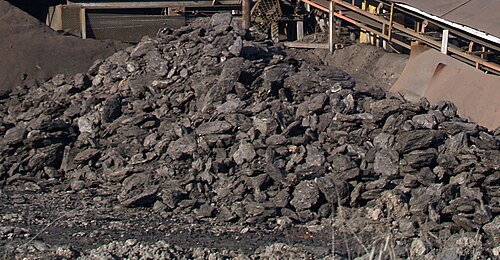
Lignite, also called brown coal, is the lowest rank of coal and represents the earliest stage of coalification. It is soft, brownish-black, and has a high moisture content.
Properties:
Lignite has a 25–35% carbon content and a calorific value between 10,000 and 20,000 kJ/kg. It is highly porous and soft and contains significant water and volatile matter, which reduces its energy efficiency and increases smoke when burned.
Formation:
Lignite forms in swampy, waterlogged regions from partially decomposed plant material. Minimal heat and pressure result in low carbon concentration and high moisture content. It represents a transitional stage between peat and higher-rank coals.
Uses:
Due to its low energy density, lignite is mainly used for electricity generation in thermal power plants located near mining sites to minimize transport costs. It is also occasionally used in industrial heating processes, though its applications are limited by high moisture content.
Understanding the differences among the four major coal types is essential for selecting the right coal for specific industrial and energy applications. The table below provides a side-by-side comparison of anthracite, bituminous, subbituminous, and lignite based on key properties and uses:
| Coal Type | Carbon Content | Moisture Content | Hardness | Calorific Value (kJ/kg) | Primary Uses |
|---|---|---|---|---|---|
| Anthracite | 86–97% | Low | Very Hard | 25,000–30,000 | Industrial heating, metallurgical processes |
| Bituminous | 45–86% | Moderate | Hard | 24,000–35,000 | Electricity generation, steel production |
| Subbituminous | 35–45% | Moderate | Soft | 18,000–25,000 | Power plants, industrial boilers |
| Lignite | 25–35% | High | Very Soft | 10,000–20,000 | Electricity generation, local heating |
Each coal type’s carbon content, moisture level, hardness, and energy density directly influence its practical applications. High-rank coals like anthracite, with their high carbon content and low moisture, are ideal for industries requiring high heat and minimal smoke, such as steel manufacturing. Mid-rank coals like bituminous and subbituminous are versatile for electricity generation and industrial use, balancing energy output and availability. Due to transport inefficiency, low-rank lignite, with its high moisture and lower energy value, is best used near mining sites for thermal power generation.
This comparative understanding enables efficient energy utilization, reduces environmental impact, and guides industries in selecting coal types that meet operational and economic needs.
Coal has been a cornerstone of energy production for centuries, but its use carries significant environmental and sustainability challenges. Understanding these impacts is essential for balancing energy needs with ecological responsibility.
The environmental implications of coal use vary according to coal type. High-rank coals like anthracite produce less smoke and sulfur emissions due to low moisture and volatile content, making them cleaner than lower-rank coals. In contrast, lignite and subbituminous coal, with higher moisture and volatile matter, release larger amounts of carbon dioxide (CO₂), sulfur oxides (SOx), nitrogen oxides (NOx), and particulate matter. These emissions contribute to air pollution, acid rain, and global warming, highlighting the environmental cost of coal-dependent energy production.
Coal has long been a reliable energy source, supporting electricity generation and industrial processes. However, its finite nature and environmental impact pose challenges for long-term sustainability. Innovations such as clean coal technologies, carbon capture and storage (CCS), and coal gasification help reduce emissions and improve efficiency, but they cannot eliminate coal’s environmental footprint.
Global energy trends are gradually shifting from coal to cleaner alternatives like solar, wind, hydro, and nuclear power. Governments and industries are investing in sustainable infrastructure, reducing reliance on coal-fired plants. While coal continues to serve specific industrial and regional needs, its global consumption is projected to decline, driven by environmental regulations, carbon reduction targets, and the growing affordability of renewables.
Coal is a cornerstone of India’s energy and industrial sectors, driving electricity generation and economic growth. Understanding different types of coal, its reserves, usage, and associated challenges is essential for planning sustainable energy strategies.
India possesses over 330 billion tonnes of coal reserves, making it one of the top coal-producing countries globally. Central coalfields are concentrated in Jharkhand, Odisha, Chhattisgarh, West Bengal, and Madhya Pradesh, with smaller deposits in Maharashtra, Telangana, and Karnataka. Eastern and central regions dominate production, highlighting the uneven distribution of this vital resource across the country.
Coal is primarily used for electricity generation, contributing to over 70% of India’s total power output. Thermal power plants rely on bituminous and subbituminous coal due to their high energy content and availability. Beyond power, coal fuels industrial processes such as steel manufacturing, cement production, and the chemical industries. Metallurgical coal, especially bituminous coal, is critical for coke production in steel plants, underpinning India’s industrial growth.
Coal mining in India faces significant environmental and logistical challenges. Open—cast and underground mining operations cause deforestation, land degradation, and water pollution. Coal combustion contributes to air pollution and greenhouse gas emissions, raising public health concerns. Additionally, transporting coal from mines to power plants is logistically complex and costly, affecting efficiency.
Efforts to mitigate these challenges include clean coal technologies, coal beneficiation, captive coal mining, and initiatives to promote renewable energy, reflecting India’s gradual move toward a more sustainable energy mix.
Coal remains one of the most vital energy resources in the world, with its four major types—anthracite, bituminous, subbituminous, and lignite differing in carbon content, energy density, and industrial applications. Understanding these types helps industries and policymakers choose the most suitable coal for electricity generation, steel production, and other industrial processes. Each coal type has its advantages and limitations, with higher-rank coals offering more energy and cleaner combustion, while lower-rank coals are abundant and cost-effective but environmentally challenging.
In the Indian context, coal plays a pivotal role in powering the nation’s economy, but challenges such as environmental impact, mining efficiency, and regional disparities must be addressed. Awareness of coal formation, properties, and usage is crucial for energy planning and advancing sustainable practices in energy production.
As the world shifts toward cleaner and renewable energy sources, exploring coal’s role, challenges, and potential improvements remains essential. Readers are encouraged to delve deeper into coal types, energy policies, and sustainable solutions, fostering informed discussions about the future of energy and responsible resource utilization.
Read More:
The four types of coal are anthracite, bituminous, sub-bituminous, and lignite. Anthracite is the hardest and burns the cleanest, while bituminous is commonly used for producing electricity.
India primarily has four types of coal: Anthracite, Bituminous, Subbituminous, and Lignite. Anthracite is complex and high in carbon, bituminous is used for steel and power, subbituminous has moderate carbon, and lignite, the lowest grade, is used primarily for electricity generation in thermal power plants.
Peat is the earliest stage of coal formation and is considered a precursor to coal, not a true coal. It is soft, brownish, and rich in organic matter with high moisture content. Peat is formed from partially decayed plant material in swampy areas and is primarily used as fuel and soil conditioner.
There are four major stages of coal formation, with the accumulation of carbon content leading to progressive plant and decaying matter transformation into coal. These are peat, lignite, bituminous coal, and anthracite in an order of increasing carbon content.
The complete form of GCV in coal is Gross Calorific Value. It represents the total heat released when a specific amount of coal is completely burned, including the latent heat of water vaporization.