India has made remarkable progress in cleanliness and urban sanitation through the Swachh Survekshan initiative by the Ministry of Housing and Urban Affairs. Cities like Indore, Surat, and Navi Mumbai continue to top the charts with sustainable waste management, public awareness, and smart infrastructure.
As we move from Indore, rated the cleanest city, to some unknown cities steeply rising, the idea of urbanization is versatile. They have done everything from creating a proper garbage disposal practice to encouraging people to participate in their campaigns.
So, let’s examine the top 10 cleanest city in India, their specific case practices, and the reasons for being in the category of the cleanest cities in India.
Indian cities’ modern approach to urban hygiene has been exceptional. The third edition of the Swachh Survekshan 2025 survey emphasizes the top 10 cleanest cities in India, which celebrate clean and hygienic cities. Let us examine what these cities have done to earn these ranks and what makes them stand apart.
| Rank | City | State |
| 1 | Indore | Madhya Pradesh |
| 2 | Surat | Gujarat |
| 3 | Navi Mumbai | Maharashtra |
| 4 | Visakhapatnam | Andhra Pradesh |
| 5 | Bhopal | Madhya Pradesh |
| 6 | Vijayawada | Andhra Pradesh |
| 7 | Ahmedabad | Gujarat |
| 8 | Rajkot | Gujarat |
| 9 | Chennai | Tamil Nadu |
| 10 | Pune | Maharashtra |
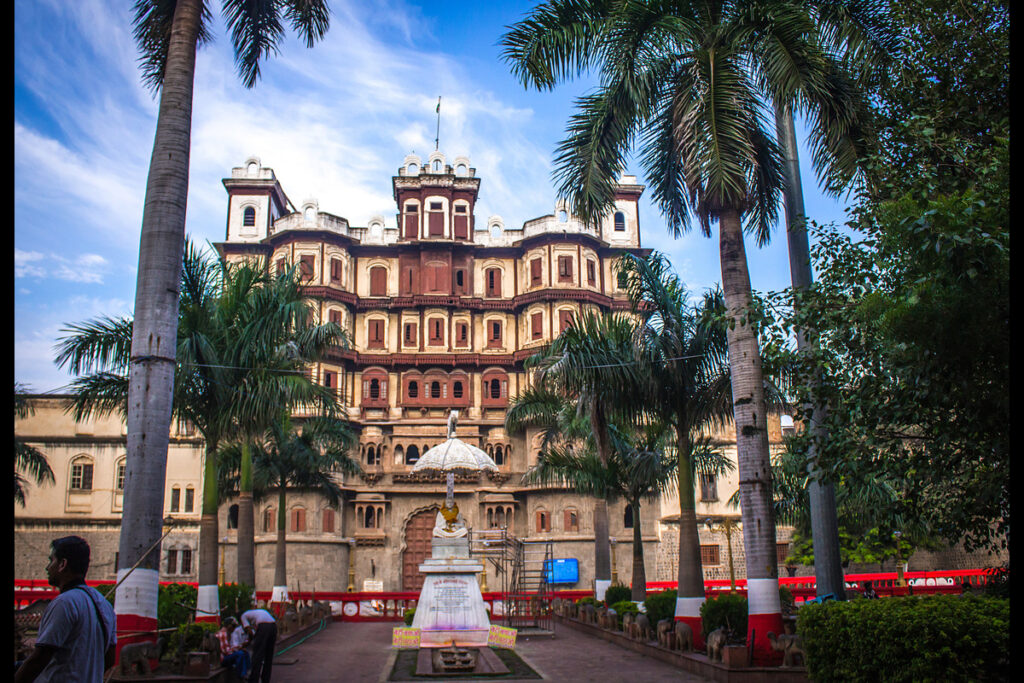
Some notable changes have occurred in Indore city to the point where the city has been declared as the Winner of the Swachh Survekshan Award Ceremony for the seventh year in a row, with the title ‘The Cleanest City in India’. It can be claimed that such achievement is the outcome of the satisfactory planning and performance of such policies like source separation, implementation of zero waste policy in the communities or active engagement of the residents.
The city uses the three-bins approach for waste separation and has also introduced composting units in the districts.

Surat is one of the Top 10 cleanest cities in India. It is often referred to as the diamond city, but thanks to cleanliness campaigns, the city almost shines bright in this effort. The city’s surprising nature has focused on solid waste management and cleanliness infrastructure, allowing Surat to consistently maintain a high rank in Swachh Survekshan.
Indeed, one of Surat’s striking features is technology, such as GPS systems on waste collection trucks and smart bins. Moreover, the community has also contributed significantly to the program’s success, as citizens participated in cleaning and maintaining the site.
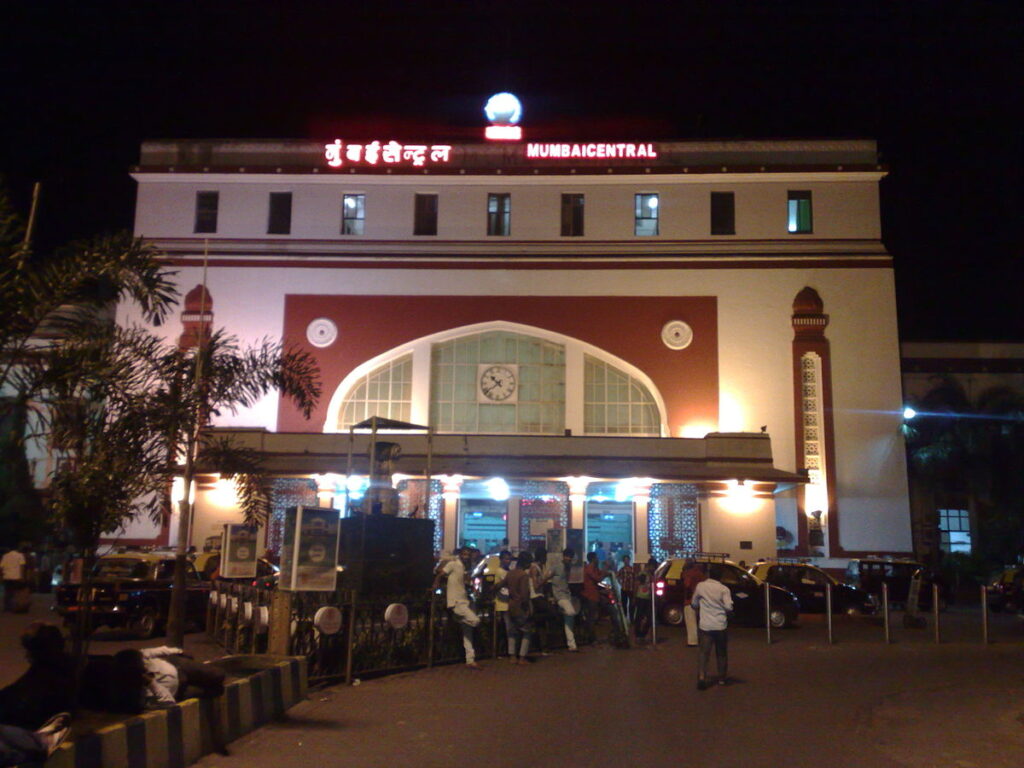
The city of investments, Navi Mumbai, is one of India’s Top 10 cleanest cities. It has remarkable waste management systems focused on its strong engagement with infrastructure. Its focus on urban forestry and stringent sanitation measures has enabled the city to be one of the cleanest in India.
The measures taken by Navi Mumbai’s green revolution policymakers, such as encouraging buyer market or electric operation vehicles and sustained lush vegetation, are praiseworthy. Campaigning to educate the public and getting the residents involved in keeping the city clean has even boosted its claim to be a model city in urban sustainability.
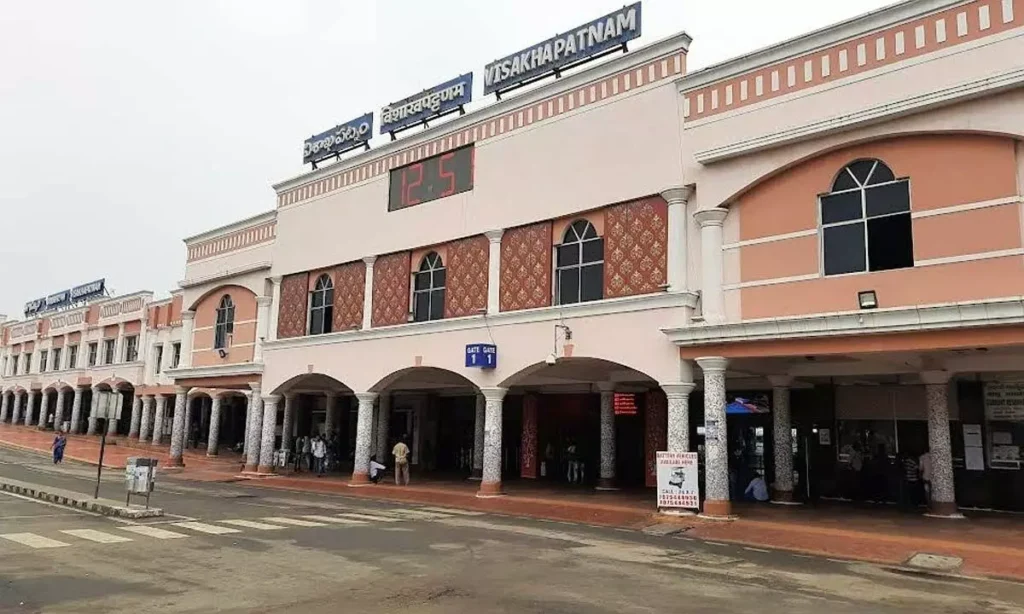
Visakhapatnam, aka Vizag, is one of the Top 10 cleanest cities in India. It has become a clean city role model through community and sound waste management systems. The combination of the city’s door-to-door refuse collection with the vigorous application of policies on waste separation has lessened the need for landfills.
Awareness programs engaging residents in such practices also contribute to Vizag’s and its people’s success. Given that its shores and public areas are always in good condition, Visakhapatnam will remain regarded as a clean and green city.
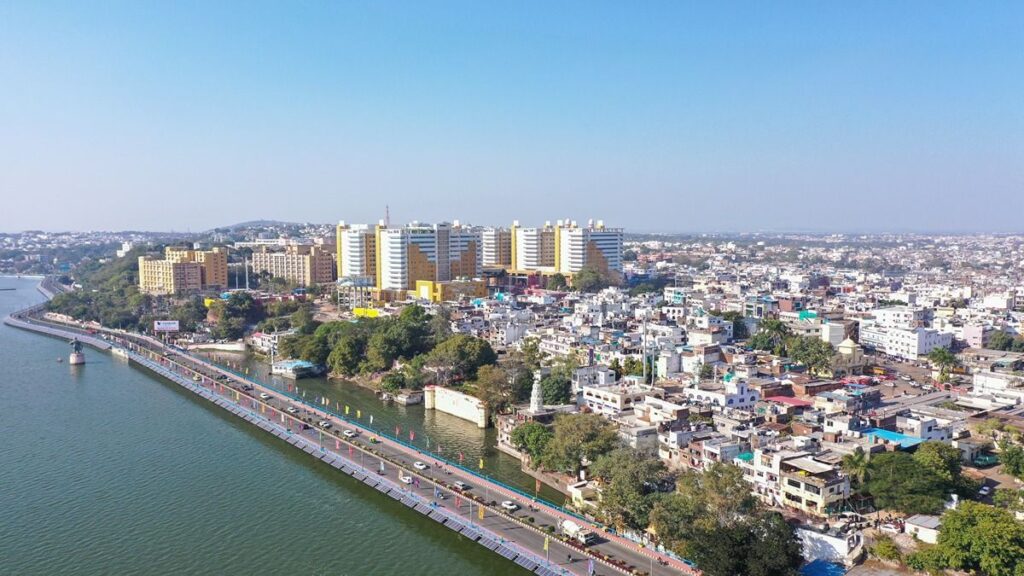
Bhopal is one of the Top 10 cleanest cities in India. It has made remarkable progress in cleanliness, focusing on preserving its iconic lakes and promoting green initiatives. The city’s waste segregation systems and public hygiene programs have contributed significantly to its improved rankings.
Efforts to clean and maintain its water bodies, combined with tree plantation drives, have reinforced Bhopal’s commitment to sustainability. The active involvement of residents and civic bodies has been instrumental in creating a cleaner, greener urban environment.

Vijayawada is one of the Top 10 cleanest cities in India. It has become a neat, tidy city owing to its proficient waste segregation initiatives and clean roads. The focus has been on increasing residents’ understanding of hygiene and the proper disposal of waste.
Regular cleanliness drives and community programs have significantly contributed to Vijayawada’s transformation. The management of public places and roads’ cleanliness is exemplary for other cities to emulate.
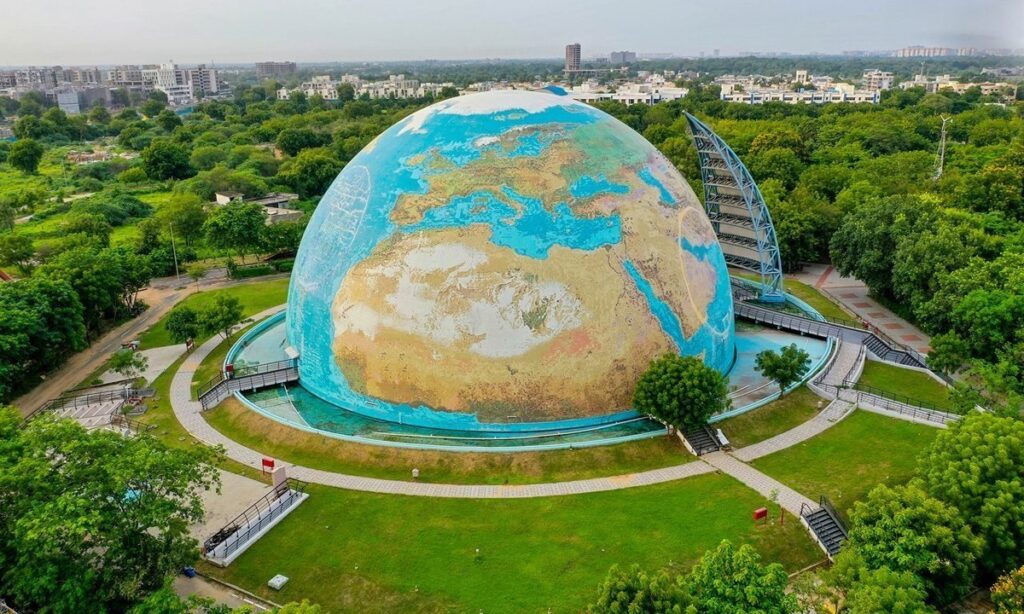
Ahmedabad is one of the Top 10 cleanest city in India. It has taken a leap toward sustainability with its waste-to-energy plants and innovative cleanliness initiatives. The city has implemented systems to convert organic waste into energy, reducing its environmental footprint.
Public campaigns and civic awareness programs have been pivotal in Ahmedabad’s journey to becoming one of the cleanest cities in India. Focusing on modernization and sustainability, the city sets a new standard for urban cleanliness.

Rajkot is one of the Top 10 cleanest cities in India. It has made excellent progress in sanitation, street cleaning, and improving civic consciousness. The municipality has also implemented a ‘Door to Door’ garbage collection system and awareness and grassroots campaigns to clean the environment in various cities.
This sustained strategy indicates residents’ willingness to participate in the cleanliness drive, improving Rajkot’s status among India’s cleanest cities.
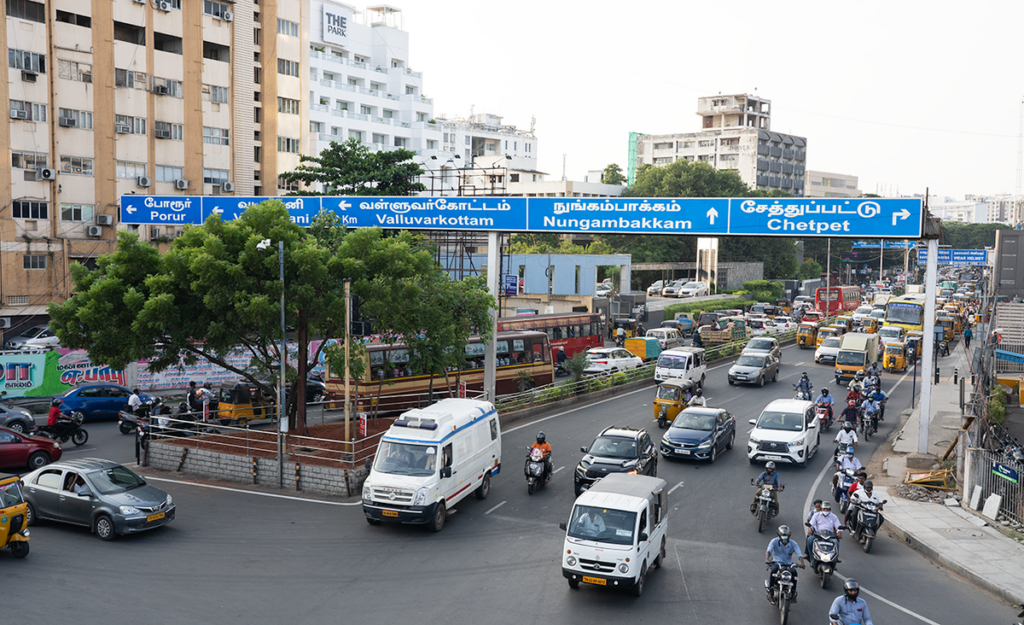
Chennai is one of the Top 10 cleanest cities in India. It has emphasized the waste management system and air pollution control measures, enhancing public spaces and better living standards for its citizens. Laws regarding waste disposal, sorting, and recycling have received effective compliance.
Public awareness campaigns and green initiatives have also greatly improved Chennai’s cleanliness ranking, showing that citizens and authorities can achieve more together.

Pune’s focus on sustainability and new waste management systems indeed does not cease to amaze us. Initiatives in the city include converting waste to compost and waste to energy, conducting cleanliness drives, and engaging citizens.
Pune’s regular ranking among the cleanest cities in India is sufficient evidence of its dedication to achieving a cleaner and greener environment. It is a beacon to the world of how cities can be well developed with simple planning and everyone’s effort.
The Swachh Survekshan is a survey form published yearly by the Ministry of Housing and Urban Development that classifies cities according to their cleanliness and sanitation. The survey has served as a massive source of motivation for cities in India to develop and implement ways to clean up the environment. This encourages good competition and compels cities to implement reforms that enhance the residents’ quality of life.
Cities are assessed using a comprehensive framework that includes:
The Swachh Survekshan 2025 rankings celebrate achievements and set a benchmark for others to follow. Cities that rank high serve as models of best practices in urban management. These rankings lead to:
The survey plays a vital role in India’s journey toward cleaner, greener, and more liveable cities by recognizing progress and encouraging participation.
On 17th July 2025, the much-anticipated Swachh Survekshan 2024–25 Awards were held at Vigyan Bhawan in New Delhi. The event was graced by President of India, Smt. Droupadi Murmu, and organized by the Ministry of Housing and Urban Affairs (MoHUA). Union Minister Shri Manohar Lal was also present to honour cities across the country for their outstanding efforts in cleanliness and urban sanitation.
Now in its 9th edition, Swachh Survekshan has grown into the world’s largest cleanliness assessment survey. This year’s awards brought not just recognition, but a powerful message—cleanliness is becoming a national movement.
What’s new this year? The evaluation process itself was refined and digitized, allowing for even more accurate and transparent results, encouraging cities to innovate and improve sanitation on every level.
Clean cities profoundly impact public health, the environment, and the economy. A city that prioritizes cleanliness fosters better living conditions and helps create a positive impression for visitors and residents alike.
A cleaner city also improves public health. Reducing pollution and maintaining sanitation will help fight diseases from poor hygiene and environmental contamination. A cleaner city also contributes to environmental sustainability by reducing waste, improving air quality, and conserving resources.
Involving the community is essential for ensuring that areas are kept clean. Government policies that aim to achieve a clean environment, such as the Swachh Bharat Mission and Swachh Survekshan, aid a great deal as they set specific standards that urban areas are expected to meet, thus encouraging them to be creative and track changes.
Cleanliness in a city goes beyond street sweeping. It reflects efficient planning, citizen involvement, and technological integration. A truly clean city excels in the following areas:
Despite India’s push toward cleaner urban environments, some cities still lag behind in waste management and sanitation. According to the latest Swachh Survekshan rankings and independent surveys, the ten cities grappling most with garbage and public hygiene are:
These cities underscore the urgent need for improved waste-segregation at source, regular collection schedules, and greater civic engagement. Only sustained policy focus and community participation can reverse their “dirtiest” status.
The top 10 cleanest city in India, as per Swachh Survekshan 2025, demonstrate the level of excellence that today’s cities can achieve if they give importance to hygiene, eco-friendliness, and public involvement. Cities such as Indore, Surat, and Navi Mumbai have shown the world that it is possible to practice effective waste management, get the community involved, and work towards a better and greener future. These cities show us that sanitation can be achieved by everyone coming together, be it the residents, local governments, or businesses.
But this effort doesn’t stop at cities. We can also do our part by changing our little habits, such as omitting waste disposal with segregation, endorsing campaigns that seek cleanliness, or engaging in eco-friendly citizenship. Working together, we can secure a much more beautiful and sustainable India now and in the future.
While rankings may vary yearly, commonly listed top 10 cleanest cities globally include:
Zurich (Switzerland)
Vienna (Austria)
Singapore
Helsinki (Finland)
Calgary (Canada)
Adelaide (Australia)
Luxembourg City
Reykjavik (Iceland)
Hamburg (Germany)
Wellington (New Zealand)
The Swachh Survekshan Award is an annual recognition given by the Ministry of Housing and Urban Affairs to Indian cities based on their cleanliness and sanitation performance. It encourages healthy competition among cities, promotes citizen participation, and drives efforts towards a cleaner, greener, and more sustainable urban environment.
Surat is often considered one of the richest and cleanest cities in India. Known as the diamond and textile hub, it boasts a strong economy and modern infrastructure. Its efficient waste management, smart city initiatives, and active citizen participation have consistently placed it among the top cleanest cities in India.
Mysuru (Mysore) is often called the Green City of India due to its lush gardens, tree-lined avenues, and commitment to environmental sustainability. Known for its clean surroundings, well-maintained parks, and eco-friendly practices, Mysuru has consistently ranked high in cleanliness and greenery, making it a model for sustainable urban living.
Cleanliness reduces pollution by preventing waste buildup, which can contaminate air, water, and soil. Proper waste management, including segregation and recycling, helps limit landfill usage and minimizes harmful emissions. Additionally, cleaner streets and greener spaces improve air quality and environmental health.
As per GDP and economic indicators, the top 5 richest cities in India are:
Mumbai – Financial capital and home to the Bombay Stock Exchange.
Delhi – Administrative and commercial hub.
Bengaluru – IT capital of India.
Chennai – Industrial, automotive, and software powerhouse.
Hyderabad – Leading in pharmaceuticals and tech startups.
Indore has retained its position as the cleanest city for 7 consecutive years (2017–2023) under the Swachh Survekshan rankings, making it the first city in India to achieve this feat.
Some of the cleanest villages in India include:
Mawlynnong (Meghalaya) – Asia’s cleanest village
Hiware Bazar (Maharashtra)
Punsari (Gujarat)
Dharnai (Bihar)
Chizami (Nagaland)
Odanthurai (Tamil Nadu)
Mulbekh (Ladakh)
Kumbalangi (Kerala)
Payvihir (Maharashtra)
Lachung (Sikkim)
These villages are recognized for their zero-waste practices, community involvement, and sustainable living.