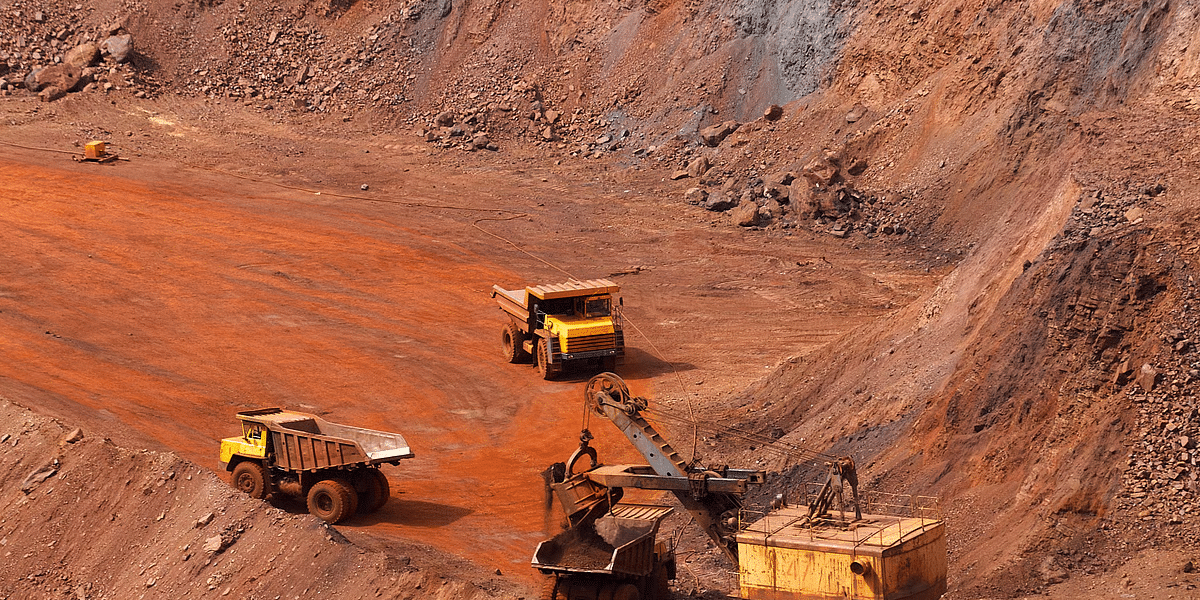
India is the 4th largest global iron ore producer, with significant contributions from Odisha (over 50%), followed by Chhattisgarh, Karnataka, and Jharkhand.
Top mines include Bailadila (NMDC), Noamundi (Tata Steel), and Jajang (JSW Steel), critical for domestic steel production and exports.
Types of ores like hematite and magnetite are extracted, though India faces challenges such as environmental regulations, infrastructure gaps, and high taxation.
Table of Contents
India ranks among the top iron ore producers globally, with massive reserves across key states like Odisha, Jharkhand, and Chhattisgarh. Iron ore is vital in India’s steel industry and overall economic development.
India’s top iron ore mines include Bailadila (Chhattisgarh), Noamundi (Jharkhand), Jajang and Guali (Odisha), Donimalai (Karnataka), and Surjagarh (Maharashtra). Operated by major players like NMDC, Tata Steel, JSW, SAIL, and Lloyds Metals, these mines contribute over 80% of India’s total iron ore production, which crossed 260 million tonnes in 2023–24. Most mines extract high-grade hematite ore, vital for steelmaking.
What is Iron Ore?
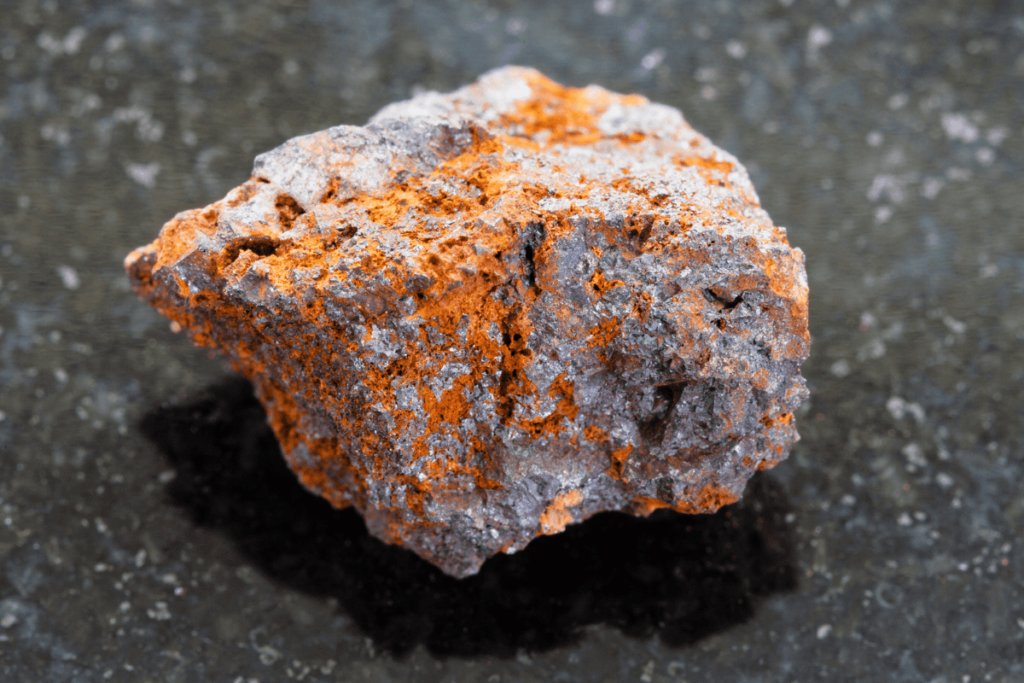
Iron ore is a naturally occurring rock or mineral from which iron can be extracted. It primarily consists of iron oxides, such as magnetite (Fe₃O₄) and hematite (Fe₂O₃). These ores are mined and processed to produce iron, a key material in steel manufacturing and various industries, including construction, transportation, and infrastructure. Iron ore deposits are found worldwide, with major producers Australia, Brazil, China, and India. It’s an essential resource for modern development!
Top 10 Iron Ore Mines in India (as of 2023)
Rank
Iron Ore Mine / Complex
State
Operator / Owner
Approx. Production (Mtpa)
Key to Tata Steel’s eastern operations
1
Bailadila – Kirandul Complex
Chhattisgarh
NMDC
15.09
High-grade hematite; lease till 2039
2
Bailadila – Bacheli Complex
Chhattisgarh
NMDC
14.43
Largest NMDC asset; lease till 2051
3
Balda Block Iron Mine
Odisha
Serajuddin & Co.
10.22
Private operator; lease till 2033
4
Joda East Mine
Odisha
Tata Steel
10.04
Long-standing Tata captive mine
5
Noamundi Mine
Jharkhand
Tata Steel
8.25
Among the top private mines
6
Jajang Rungta Mine
Odisha
JSW Steel (ex-Rungta)
10.4
Among top private mines
7
Donimalai Mine
Karnataka
NMDC
6–7
Key southern supplier
8
Kiriburu–Meghahatuburu Complex
Jharkhand
SAIL
6
SAIL captive; aging infrastructure
9
Daitari Mine
Odisha
Odisha Mining Corporation
3
State PSU-controlled
10
Dalli–Rajhara Mine
Chhattisgarh
SAIL (Bhilai Steel Plant)
Multiple small pits
Old but critical for BSP
What are the Types of Iron Ore?
Iron ore is a crucial raw material used in producing iron and steel. There are several types of iron ore, each with distinct characteristics and uses. The main types of iron ore include:
1. Hematite (Fe2O3)
Description: Hematite is one of the most abundant iron ores. It is characterized by its reddish-brown color and high iron content, typically around 70%.
Uses: Hematite is primarily used in the production of iron and steel. It is often processed into pellets for use in blast furnaces.
2. Magnetite (Fe3O4)
Description: Magnetite is a black, magnetic iron ore with a lower iron content than hematite, usually around 72%. It is known for its magnetic properties.
Uses: Magnetite is used in producing iron and steel, and its magnetic properties make it useful in various industrial applications, including magnetic separation processes.
3. Limonite (FeO(OH)·nH2O)
Description: Limonite is a brownish iron ore that combines hydrated iron oxide minerals. It typically contains about 60% iron.
Uses: Limonite is less commonly used than hematite and magnetite, but can be processed for iron production, especially in regions with scarce other ores.
4. Siderite (FeCO3)
Description: Siderite is an iron carbonate mineral that contains about 48% iron. It is typically found in sedimentary rocks.
Uses: Siderite can be used as a source of iron, but it is less common in industrial applications due to its lower iron content and the need for additional processing.
5. Taconite
Description: Taconite is a low-grade iron ore that contains a mixture of iron-bearing minerals, primarily magnetite and hematite, along with silica and other impurities.
Uses: Taconite is processed into pellets for steelmaking, especially in regions where high-grade iron ore is unavailable.
6. Banded Iron Formations (BIF)
Description: Banded iron formations are sedimentary rocks with alternating layers of iron-rich minerals and silica. They are typically ancient geological formations.
Uses: While not directly mined for iron, BIFs can be a source of iron ore when processed.
Uses of Iron Ore
Iron ore is a vital raw material with diverse applications, mainly producing iron and steel. Here are its key uses:
Steel Manufacturing: Used extensively in construction, automotive, and shipbuilding industries.
Infrastructure Development: Essential for making bridges, railways, and buildings.
Machinery Production: Utilized in heavy equipment and tools.
Cast Iron Items: For pipes, engines, and stoves.
Industrial Applications: Acts as a base material in the cement and paint industries.
Largеst Producеr of Iron Orе in India
Odisha is India’s largest iron ore producer, contributing more than 50% of the country’s total production. The state is rich in high-grade iron ore reserves, such as hematite and magnetite, which are primarily mined in regions like Sundergarh, Mayurbhanj, and Kendujhar. These deposits make Odisha a key player in supporting India’s steel and manufacturing industries. Government and private entities extensively operate in these areas, ensuring a steady supply of domestic and export goods.
Iron Ore Distribution in India
The Distribution of iron ore in India is as follows:
Odisha (formerly Orissa) is India’s largest iron ore producer, contributing significantly to the country’s mining sector. Here’s a quick overview:
Key Mining Regions: Keonjhar, Sundergarh, and Mayurbhanj districts are rich in high-grade iron ore deposits.
Major Mines: Notable mines include Barsua, Nuagaon, and Khandabandh, among others.
Ore Quality: The state is known for its high-quality hematite and magnetite ores, which are essential for steel production.
Economic Impact: Odisha’s iron ore mining supports domestic industries and exports, playing a vital role in India’s economy.
Iron Ore in Chhattisgarh
Here’s an overview of iron ore in Chhattisgarh:
Central Regions: Dantewada (home to the Bailadila range), Bastar, and Kanker.
Bailadila Range: Renowned for high-grade hematite ore, crucial for steel manufacturing.
Major Player: NMDC (National Mineral Development Corporation) manages significant mining operations.
Economic Contribution: Plays a vital role in India’s iron ore supply and exports.
Strategic Importance: Supports India’s steel industry and boosts the state’s economy.
Iron Ore in Jharkhand
Jharkhand is a significant contributor to India’s iron ore production. Here’s a snapshot:
Key Regions: West Singhbhum, East Singhbhum, and Ranchi districts.
Major Mines: Ghatkuri Iron Ore Mines and the Barajamda area are prominent mining hubs.
Ore Quality: Known for its high-grade hematite ore, it is essential for steel manufacturing.
Economic Role: Supports India’s steel industry and contributes to exports.
Mining Entities: These entities include operations by private companies and government organizations.
Iron Ore in Karnataka
Karnataka is a significant contributor to India’s iron ore production. Here’s a summary:
Key Regions: The primary mining areas are Bellary, Chitradurga, and Tumkur districts.
Ore Quality: Known for high-grade magnetite and hematite ores, essential for steel production.
Major Mines: Includes mines in the Bellary-Hospet region, which is among India’s largest.
Economic Role: Supports India’s steel industry and contributes to exports.
Mining Entities: Both government and private companies operate extensively in the state.
Iron Ore in other states
Bеyond thе major iron orе-producing statеs in India, sеvеral othеrs contribute to thе country’s significant standing in thе global iron orе market.
State
Details
Maharashtra
Chandrapur district contains iron ore deposits, contributing to India’s overall production.
Andhra Pradesh
Iron ore deposits are found in Mirzapur.
Tamil Nadu
Salem district has iron ore deposits, adding to the resource distribution.
Rajasthan
Known for minerals like limestone and copper, Rajasthan also has smaller-scale iron ore deposits.
Madhya Pradesh
Contains 0.66% of India’s iron ore reserves.
Uttar Pradesh
Iron ore is present in Kozhikode.
Uttarakhand
Deposits in Garhwal, Almora, and Nainital.
Himachal Pradesh
Deposits are found in Bhavnagar, Junagadh, and Vadodara.
Haryana
Mahendragarh has iron ore deposits.
West Bengal
Deposits in Burdwan, Birbhum, and Darjeeling.
Jammu & Kashmir
Udhampur and Jammu contain iron ore deposits.
Gujarat
Iron ore is present in Kozhikode.
Kerala
Iron ore present in Kozhikode.
Total Iron Ore Production in India
India is one of the largest iron ore producers globally, with production reaching approximately 100 million tonnes in the fiscal year 2021-2022. The production figures vary annually due to fluctuations in demand, mining regulations, and environmental considerations.
Leading States:
Odisha: The largest producer, contributing around 50% of the total production.
Chhattisgarh: Another significant contributor, with substantial reserves and production capacity.
Karnataka: Known for its high-quality iron ore, particularly in the Bellary and Hospet regions.
Jharkhand: Also a notable producer, with several operational mines.
Maharashtra: Contributes a smaller percentage of the total production.
Production Trends:
Iron ore production in India fluctuates due to regulatory changes, environmental concerns, and market demand.
The government focuses on increasing production capacity and improving infrastructure to support the mining sector.
Exports:
India exports a portion of its iron ore, primarily to countries like China, which has a high demand for iron ore to support its steel industry.
Future Prospects:
The Indian government has ambitious targets to increase iron ore production to support the growing steel industry, with plans to enhance mining operations and improve logistics. For a detailed view of mining locations, you can explore India’s major iron ore mines.
Challenges in India’s Iron Ore Sector
India’s iron ore mining industry faces several significant challenges that hinder its growth and competitiveness. These challenges can be broadly categorized as:
1. Sustainability Concerns
Environmental Regulations: Stringent environmental regulations, particularly regarding deforestation, air and water pollution, and land degradation, pose operational challenges and increase compliance costs for mining companies.
Unequal Impact: The Mineral Conservation and Development (MCD) Rules mandate sustainable mining practices, which can be more expensive. This can disproportionately affect smaller and newer firms compared to established players already accustomed to these practices.
2. Fair Market Practices
Misrepresentation of Quality: There is a risk of misclassifying high-grade iron ore as lower grades to reduce the average sale price (ASP) determined by the Indian Bureau of Mines (IBM). This can give unscrupulous players an unfair advantage over ethical companies.
Enforcement and Penalties: Instances like the Odisha government imposing penalties on mining leaseholders for alleged quality downgrading highlight the need for stricter enforcement mechanisms to ensure fair market practices.
3. Economic Viability
High Tax Rates: India’s effective tax rates and royalty payments for iron ore are significantly higher than in major iron ore-producing countries like Brazil, Australia, and Canada. This increases the cost of production, ultimately impacting steel pricing.
Impact on Downstream Industries: High iron ore prices can negatively affect the viability of small-scale pellet and sponge iron manufacturers that rely on it as their primary raw material.
4. Regulatory Uncertainty
Frequent Policy Changes: Fluctuations in regulatory frameworks and policies related to mining and exports create uncertainties for investors and hinder long-term planning in the sector.
Impact on Mining Leases: Implementing the Mines and Minerals (Development and Regulation) Amendment Act (MMDR Act), 2015, led to a significant decline in the allocation of new mining leases.
Legal Disputes: The Shah Commission report on illegal mining and subsequent Supreme Court rulings have temporarily suspended mining activity in some regions, further impacting the sector’s stability.
5. Infrastructure Bottlenecks
Inadequate Transportation: Limited and inefficient transportation infrastructure, including roads, railways, and ports, hampers the efficient movement of iron ore, leading to delays, increased costs, and a less competitive position in the global market.
High Logistics Costs: The steel industry in India faces significantly higher logistics costs than global benchmarks, further impacting its competitiveness.
6. Illegal Mining and Smuggling
Revenue Loss: Illegal mining activities lead to significant revenue loss for the government and create an unorganized sector that hinders the entry of legitimate players.
Information Asymmetry: The lack of transparency in the illegal mining sector creates an information asymmetry, making it difficult for legitimate players to compete effectively.
Iron Ore Distribution in the World
Iron ore is one of the most critical raw materials for steel production, and geological factors, mining practices, and economic considerations influence its distribution worldwide. Here’s an overview of the global distribution of iron ore:
Major Iron Ore Producing Countries
Australia
Production: Australia is the world’s largest iron ore producer, accounting for about 37% of the global output.
Key Regions: The Pilbara region in Western Australia is the most significant area for iron ore mining, with major companies like BHP, Rio Tinto, and Fortescue Metals Group operating large mines.
Brazil
Production: Brazil is the second-largest producer, contributing around 20% of the world’s iron ore.
Key Regions: Vale S.A. operates the Carajás Mine in the Amazon rainforest, one of the largest iron ore mines globally. The Minas Gerais state is also a significant area for iron ore production.
China
Production: China is a major producer and consumer of iron ore, producing about 14% of the world’s supply.
Key Regions: The central iron ore mining regions include Hebei, Shanxi, and Liaoning. However, China imports significant iron ore to meet its steel production needs.
India
Production: India ranks fourth in iron ore production, contributing around 10% of the global output.
Key Regions: Major iron ore-producing states include Odisha, Chhattisgarh, Jharkhand, Karnataka, and Maharashtra. Odisha is the largest producer in the country.
Russia
Production: Russia is another significant producer, accounting for about 5% of global iron ore production.
Key Regions: The Kursk Magnetic Anomaly and the Kola Peninsula are essential iron ore mining areas.
South Africa
Production: South Africa contributes around 3% of the world’s iron ore.
Key Regions: The Northern Cape province is the primary area for iron ore mining, with major mines like Sishen and Kolomela.
Ukraine
Production: Ukraine is also a notable producer, contributing around 3% of global iron ore.
Key Regions: The Kryvyi Rih basin is a significant iron ore mining area.
Other Notable Producers
Canada: Produces a small percentage of the world’s iron ore, primarily in Quebec, Newfoundland, and Labrador.
Iran: Has significant iron ore reserves and production, mainly in the Kerman province.
Sweden: Known for its high-quality iron ore, primarily from the Kiruna and Malmberget mines.
Global Trade
The global iron ore market is characterized by significant trade, with major exporters like Australia and Brazil supplying iron ore to countries with high steel production, such as China.
The demand for iron ore is closely linked to the health of the steel industry, which is influenced by economic growth, infrastructure development, and construction activities worldwide.
Conclusion
Iron ore has been a vital commodity for thousands of years, and its significance continues to evolve. Today, steel production relies on iron ore, an essential component. Industries such as construction, manufacturing, and transportation utilize steel, highlighting the significance of iron ore.
Advancеs in technology continue to rеfinе extraction and processing methods, еnsuring sustainability. Looking forward, iron orе will undеrpin innovations in grееn stееl production, aligning with еnvironmеntal goals. The journey of iron orе, from ancient smеlting firеs to futuristic eco-friendly procеssеs, еpitomizеs its еnduring significancе in shaping civilizations and propеlling us towards a sustainablе industrial futurе.
Odisha is India’s foremost iron producer, contributing to 53.8% of the nation’s total output.
How many iron ore manufacturers are there in India?
India has over 300 iron ore mining leases held by various public and private sector companies. Major manufacturers include NMDC, Tata Steel, SAIL, JSW Steel, ArcelorMittal Nippon Steel, and Vedanta. These companies operate across Odisha, Chhattisgarh, Jharkhand, and Karnataka, accounting for most of the country’s iron ore production.
Which type of iron ore boasts the highest purity?
Magnetite, containing 70% iron content, is the purest form of iron ore accessible.
Which city is famous for iron ore in India?
Barbil, in Odisha, is famous for iron ore mining. Surrounded by rich reserves, it’s a hub for India’s mining activities and supports the steel industry.
How many iron ore mines are there in India?
There are 1,319 iron mines in India. Of these, 97 percent are located in seven states: Odisha, Chhattisgarh, Rajasthan, Karnataka, Jharkhand, Madhya Pradesh, and Maharashtra.
Which indian state is the largest producer of iron ore?
Odisha is the largest iron ore producing state in India, contributing over 50% of the total production. Rich in high-grade hematite and magnetite ores, key mining regions include Sundergarh, Mayurbhanj, and Kendujhar. It plays a critical role in India’s steel industry.
Who is the biggest producer of iron ore?
Australia is the world’s largest iron ore producer, contributing around 37.6% of global production. Known for its high-grade reserves, major mining regions include the Pilbara. It plays a crucial role in global steel production and exports primarily to Asia.
Authored by, Muskan Gupta Content Curator
Muskan believes learning should feel like an adventure, not a chore. With years of experience in content creation and strategy, she specializes in educational topics, online earning opportunities, and general knowledge. She enjoys sharing her insights through blogs and articles that inform and inspire her readers. When she’s not writing, you’ll likely find her hopping between bookstores and bakeries, always in search of her next favorite read or treat.