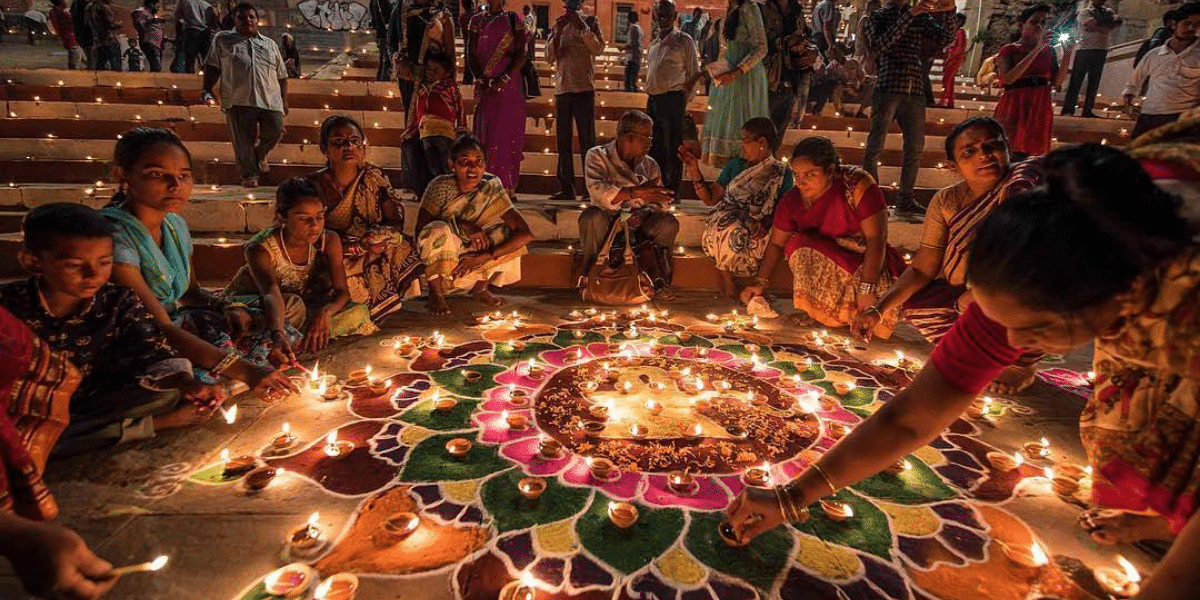
biggest festival in india

Biggest Festival in India – Diwali: History & Celebration

Published on October 8, 2025
|
11 Min read time

Quick Summary

  • India hosts numerous grand festivals, but Diwali, the Festival of Lights, is considered the biggest festival in India and is the most widely celebrated.
  • Symbolizing the triumph of light over darkness and good over evil, it marks Lord Rama’s return to Ayodhya after 14 years of exile.
  • Families illuminate homes with diyas, exchange sweets, and burst crackers, creating a festive atmosphere. Diwali transcends religions, fostering unity across communities.

Table of Contents

Want to know about the Biggest Festival in India? Let’s find out in this article. In India, there is no particular religion. It is a country that comprises people of different faiths. India is a diverse country where each religion celebrates all festivals. Whether Hindu, Muslim, Sikh, or Christian, they can all celebrate their festivals without any objection. India, a culturally rich country, has many festivals.

Diwali, also called Deepavali, is the largest festival in India and is celebrated as the festival of lights. This major Hindu festival symbolizes the victory of light over darkness and good over evil. It is joyfully observed by Hindus, Jains, Sikhs, and some Buddhists, usually in October or November. Festivities include lighting diyas (oil lamps), decorating homes, exchanging gifts, and sharing sweets with family and friends.

Diwali: Biggest Festival in India

Biggest Festival in India: By Religion

India, a country of diverse religions, is a testament to the harmonious coexistence of different faiths. The myriad of festivals celebrated across the country beautifully reflect this diversity. Let’s delve into the major religious festivals of India:

1. Hindu Festivals

The Hindu calendar is replete with festivals with unique rituals and significance. The most prominent among them is Diwali, the festival of lights, which celebrates the return of Lord Rama from exile. Other major Hindu festivals include Holi, the festival of colors, Navaratri, a nine-night festival dedicated to the Goddess Durga, and Raksha Bandhan, celebrating the bond between brothers and sisters.

2. Muslim Festivals

The Islamic calendar has its share of important festivals. Eid-ul-Fitr, marking the end of the holy month of Ramadan, is a time of joyous celebrations and feasting. Eid-ul-Adha, or Bakrid, commemorates Ibrahim’s willingness to sacrifice his son to obey God.

3. Christian Festivals

Indian Christians celebrate Christmas with great fervor, marking the birth of Jesus Christ. The festival involves attending midnight mass, exchanging gifts, and feasting on traditional delicacies. Another significant Christian festival is Easter, which marks the resurrection of Jesus Christ.

4. Sikh Festivals

Sikhs celebrate Gurpurab, the birth anniversaries of their Gurus, with great devotion. The most important of these is the birthday of Guru Nanak, the founder of Sikhism. Baisakhi, marking the formation of the Khalsa, is another major Sikh festival.

5. Buddhist Festivals

Buddha Purnima, which marks the birth, enlightenment, and death of Gautama Buddha, is the most important festival for Buddhists in India.

6. Jain Festivals

Mahavir Jayanti, the birth anniversary of the last Tirthankara, Mahavira, is the most important Jain festival. These festivals, each with unique customs and traditions, add color and vibrancy to life in India and promote tolerance and mutual respect among different religious communities.

Biggest Festival of India: Religious and Regional Diversity

India’s festivals vividly reflect its rich cultural, religious, and regional diversity. These celebrations bring together people from all walks of life, not just for merriment, but also to honor the deep-rooted significance of each event.

Indian culture celebrates numerous festivals, each telling a unique story. Take Diwali (Festival of Lights), India’s Biggest Festival. Celebrated primarily by Hindus, Jains, and Sikhs, it symbolizes the victory of truth over falsehood.

In simple terms, India’s festivals celebrate unity in diversity, reflecting the country’s rich cultural tapestry. They are a window into the country’s historical and artistic legacy and a testament to its secular ethos.

Top 15 Biggest Festivals in India

India has vibrant culture and diverse traditions, and its festivals unite people. Let’s explore the top 15 biggest festivals in India, or the top 15 festivals in India, highlighting their cultural significance and the joy they bring to millions of people. The first five of them are the Top 15 festivals in India:
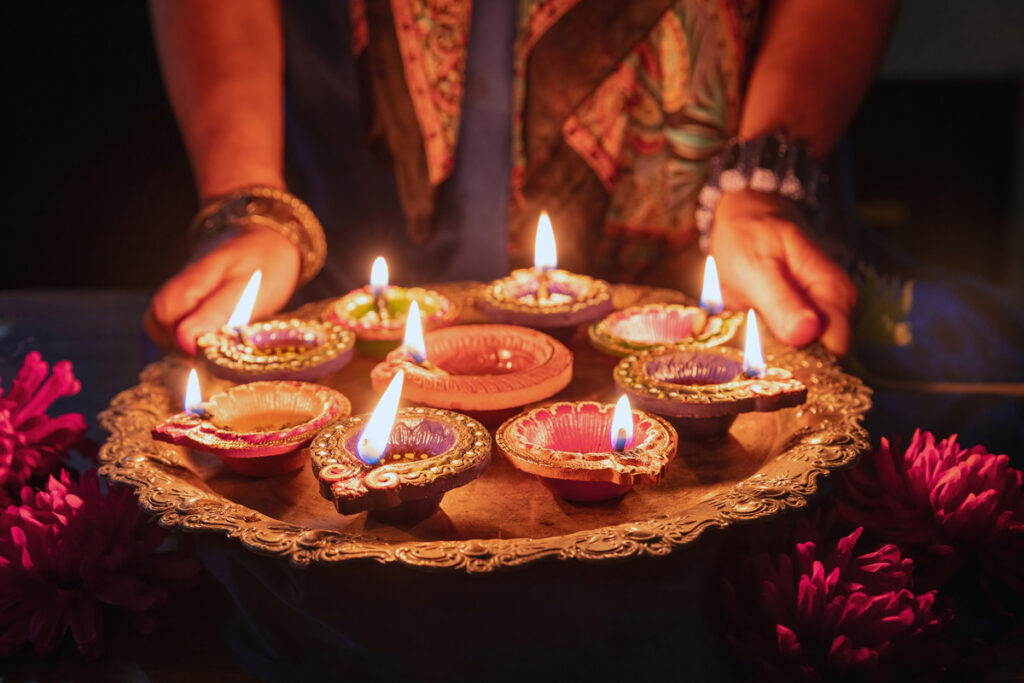
1. Diwali (Deepavali)

diwali
  • The Biggest Festival in India, known as the “Festival of Lights,” Diwali is India’s grandest celebration. It usually falls in October or November.
  • People adorn their homes with clay lamps, candles, and colorful rangoli designs.
  • Families exchange gifts, sweets, and visit each other.
  • The festival symbolizes the victory of light over darkness and good over evil. It commemorates Lord Ram’s return to Ayodhya after his 14-year exile.

2. Holi

Holi : Festival in India
  • People celebrate Holi in March. Nicknamed the “Festival of Colors,” it’s the second biggest festival in India.
  • People throw colored powders and water at each other, symbolizing the arrival of spring.
  • It represents the triumph of good over evil and the end of winter.

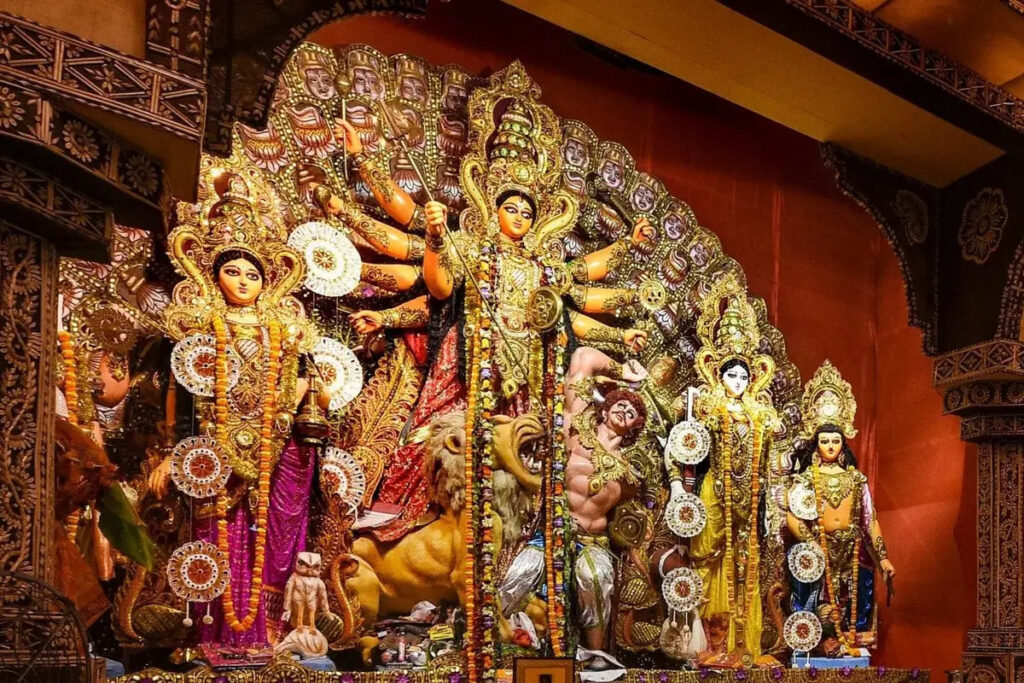
3. Navratri and Durga Puja

Durga Puja
  • Hindus celebrate Navratri, a nine-night festival honoring Goddess Durga.
  • It involves fasting, dancing, and celebrating the victory of good over evil.
  • Durga Puja, especially popular in West Bengal, honors Goddess Durga’s triumph over the buffalo demon Mahishasura.

4. Ganesh Chaturthi

Ganesh Chaturthi:: Festival in India
  • The Biggest festival in Maharashtra, Celebrated in honor of Lord Ganesha, the elephant-headed deity.
  • Elaborate processions carry clay idols of Lord Ganesha to immerse them in water bodies.
  • Symbolizes new beginnings and prosperity.

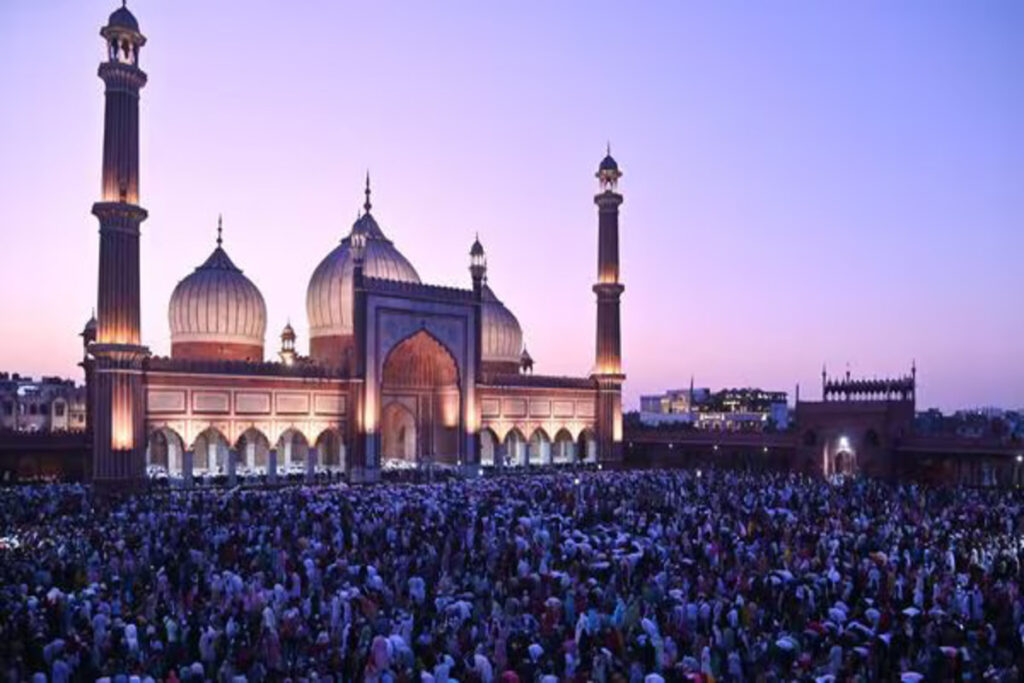
5. Eid-ul-Fitr (Ramadan)

Eid
  • A significant festival for Muslims, marking the end of Ramadan (the month of fasting).
  • Families come together for prayers, feasts, and giving to charity.

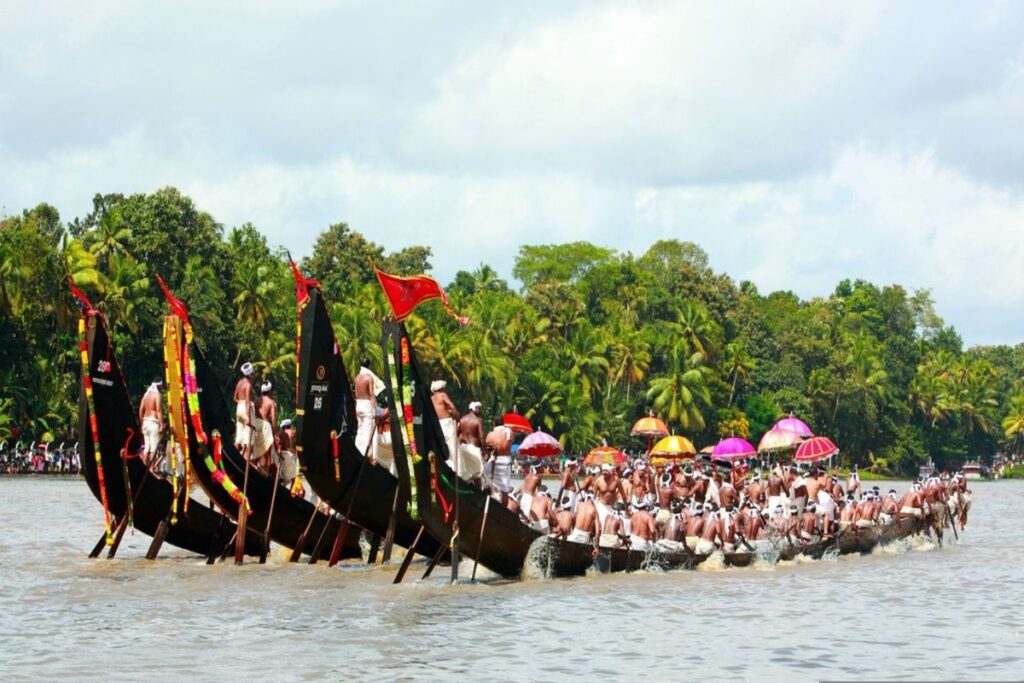
6. Onam

Onam
  • Kerala’s biggest festival celebrates the homecoming of the mythical King Mahabali.
  • The festivities include colorful boat races, traditional dances, and a grand feast (Onam Sadhya).

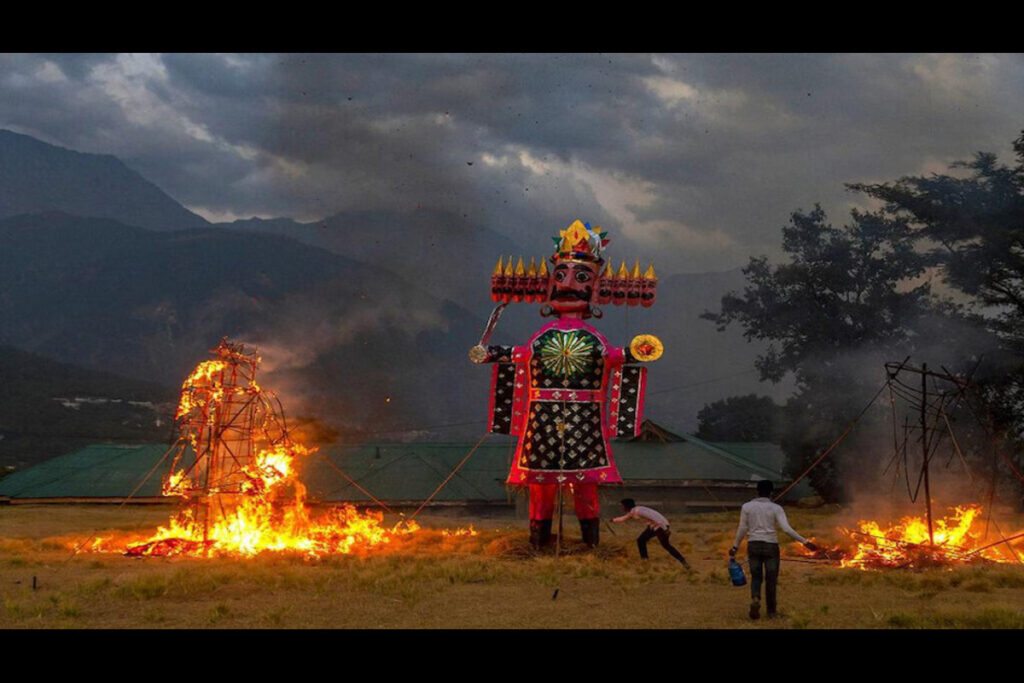
7. Dussehra (Vijayadashami)

Dusshera
  • Mark Lord Rama’s victory over the demon king Ravana.
  • Enormous effigies of Ravana are burned in public displays.

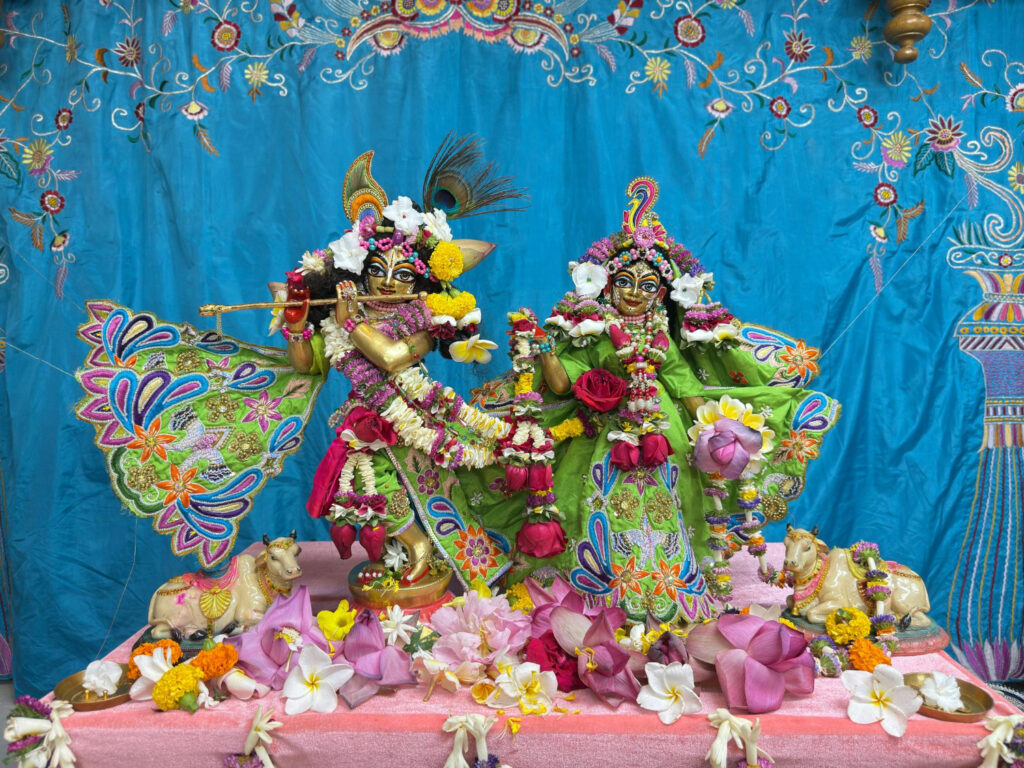
8. Krishna Janmashtami

Janmashtami
  • Commemorates Lord Krishna’s birth.
  • Devotees fast, sing devotional songs, and enact Krishna’s childhood stories.

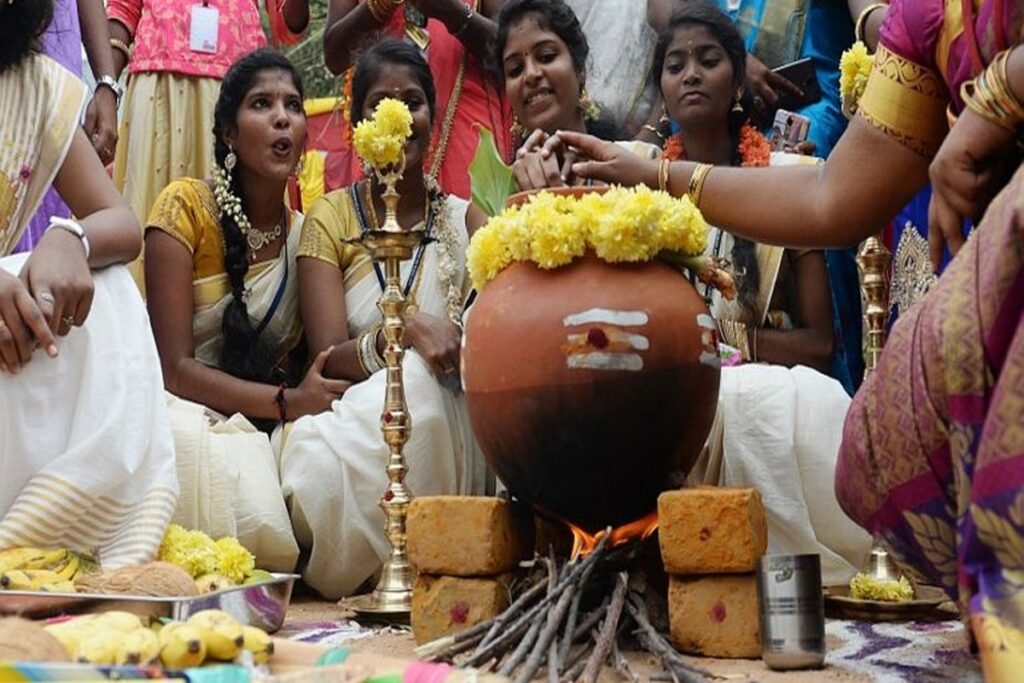
9. Pongal/Makar Sankranti

Pongal
  • Celebrated in South India as a harvest festival.
  • People cook a special dish called Pongal and fly colorful kites.

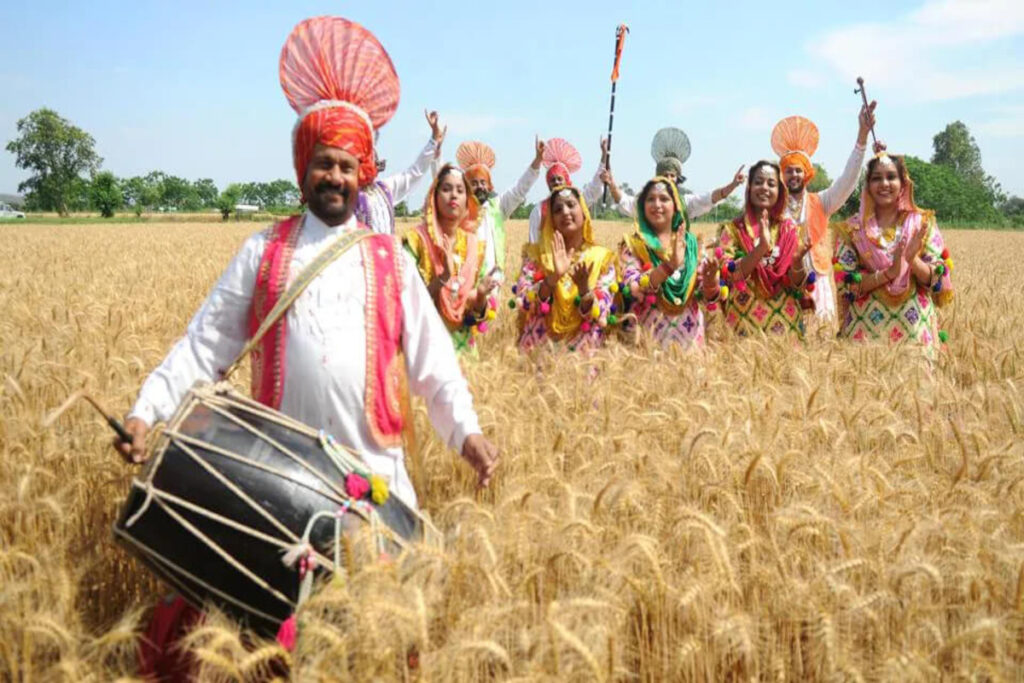
10. Baisakhi

Baisakhi
  • Celebrated in Punjab and other northern states.
  • Marks the harvest season and the Sikh New Year.
  • Vibrant processions, folk dances (Bhangra), and community feasts.

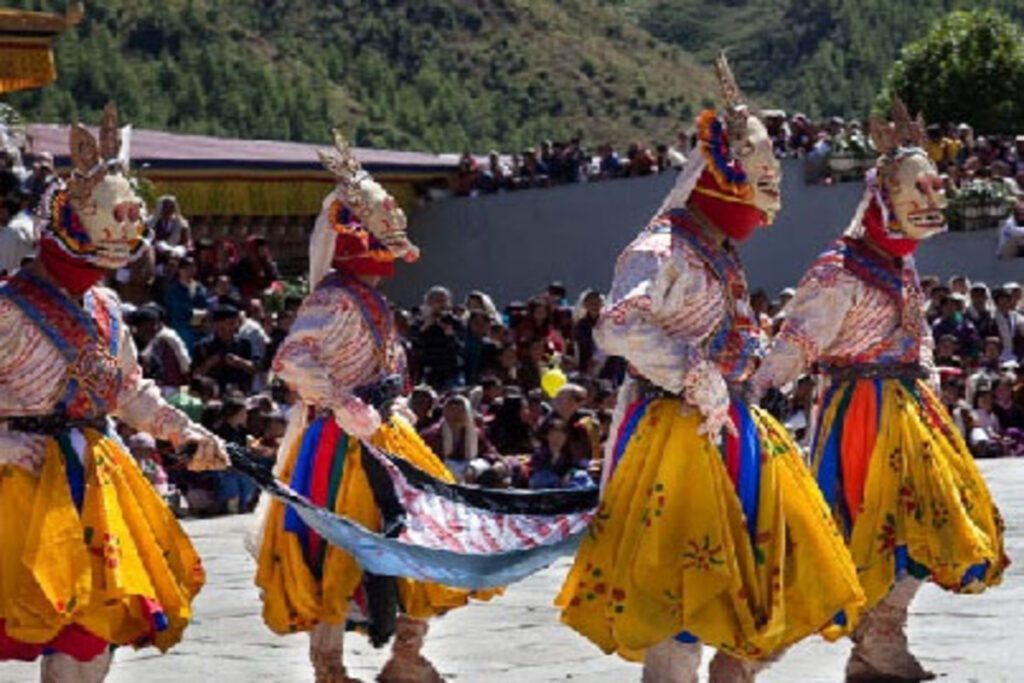
11. Losar

Losar
  • Religious rituals and family gatherings.
  • Tibetan New Year is celebrated to mark the start of the lunar calendar.
  • Traditional Foods: Guthu (dumpling soup) and Khapsey (fried pastries) are commonly shared during the festival.

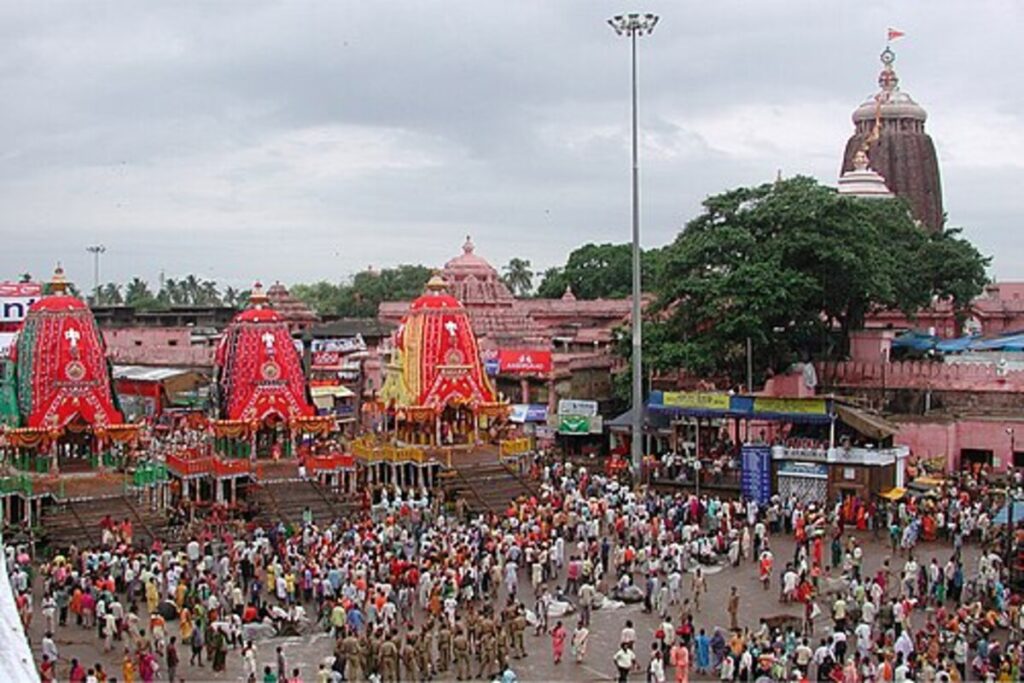
12. Rath Yatra

Rath Yatra
  • A Hindu festival where deities, especially Lord Jagannath, are taken on a grand procession in decorated chariots.
  • The most famous Rath Yatra takes place in Puri, Odisha.
  • The festival usually occurs in June or July. Mark the journey of the deities to the Gundicha Temple.
  • Symbolizes devotion, unity, and receiving divine blessings.

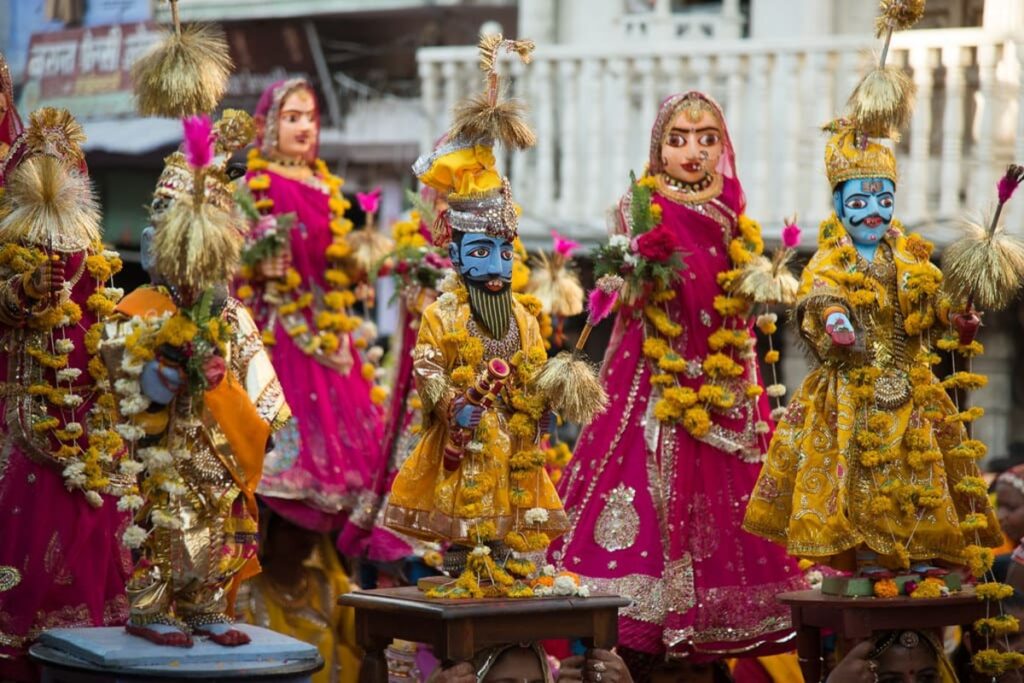
13. Gangaur

gangaur
  • Dedicated to Goddess Gauri, symbolizing marital bliss and fertility
  • Women observe fasting and offer prayers for the well-being of their husbands.
  • The festival lasts about 16 days and culminates on the 18th day of the Chaitra month (typically March-April).

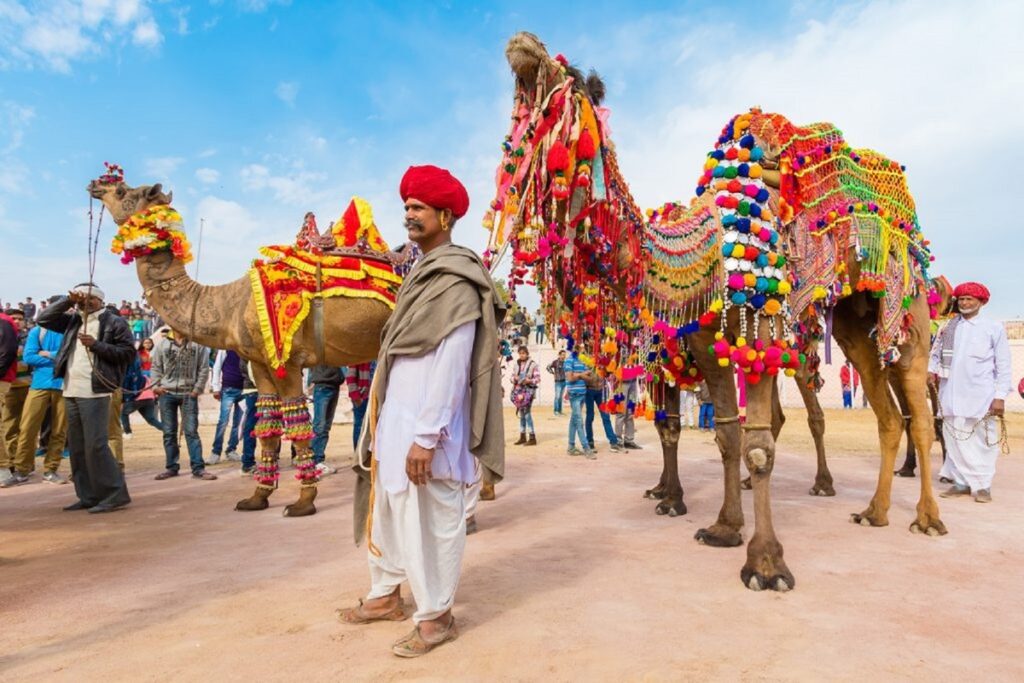
14. Pushkar Camel Fair

Pushkar Camel Fair
  • Annual event held in Pushkar, Rajasthan.
  • Famous for camel trading, religious rituals, and cultural celebrations.
  • Takes place in November and typically lasts 5-7 days.
  • Folk music and dance: Traditional performances reflecting Rajasthani culture.

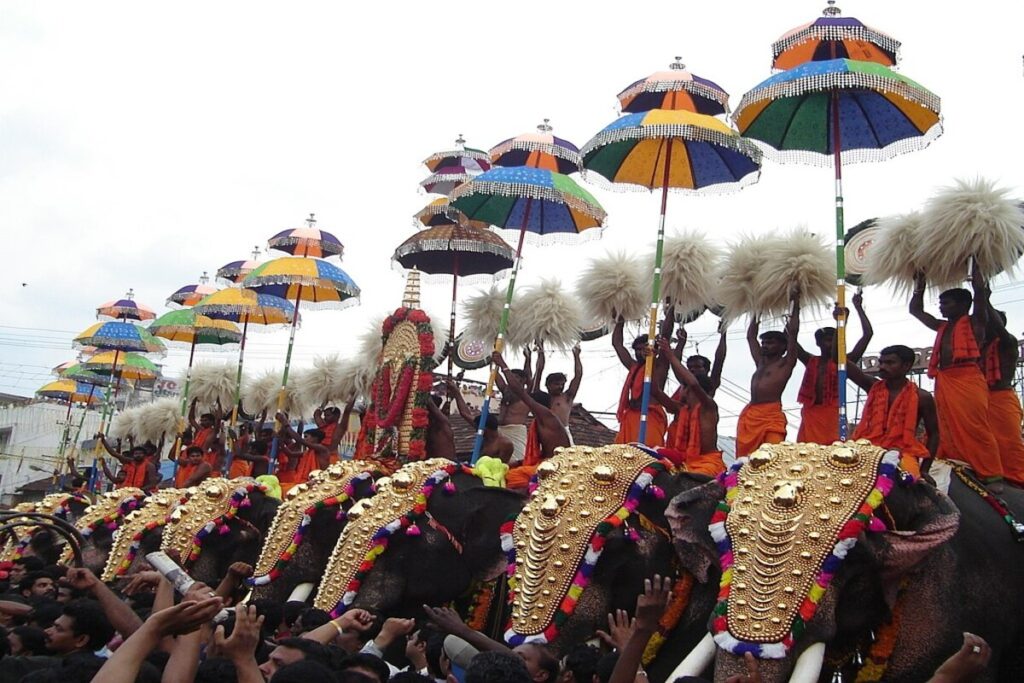
15. Temple festivals in Kerala

Temple festivals in Kerala
  • Vibrant celebrations are held at Hindu temples.
  • Mark significant religious occasions and honor various deities.

Remember, these festivals not only celebrate religious and cultural aspects but also foster unity, joy, and a sense of belonging among people of all backgrounds.

National Festivals of India

India, a land steeped in rich history and diverse cultures, also boasts three national festivals that hold immense significance and unite the entire country.

1. Independence Day (August 15th)

This joyous occasion marks India’s freedom from British rule in 1947. Every year on this day, the national flag is hoisted with pride across the country. People come together for parades, cultural shows, and patriotic speeches, remembering the sacrifices made for independence.

2. Republic Day (January 26th)

This day celebrates the birth of a democratic India! In 1950, India adopted its constitution, officially becoming a republic. Grand parades showcasing India’s military strength and vibrant cultural diversity are a major attraction on Republic Day.

3. Gandhi Jayanti (October 2nd)

This day honors the birthday of Mahatma Gandhi, fondly called the “Father of the Nation.” Gandhi led India’s freedom struggle through peaceful means, advocating for truth and non-violence. Gandhi Jayanti is a day to reflect on these essential values and their role in shaping a free India.

Why are these National Festivals Important?

These celebrations go beyond just holidays. They serve as a powerful reminder of India’s journey as a nation, fostering a sense of unity and patriotism amongst its citizens. People from all walks of life, religions, and regions celebrate these milestones, strengthening the bonds that hold India together.

Biggest Festival in India: Significance, Rituals, and Activities

India, a land of diverse cultures and traditions, celebrates many festivals with unique significance and history. Let’s delve into the importance of some prominent Indian festivals:

1. Diwali

Known as the ‘Festival of Lights’, Diwali marks the victory of light over darkness, good over evil. It commemorates Lord Rama’s return to Ayodhya after 14 years of exile. To celebrate this occasion, people light up their homes with ‘diyas’ and candles and burst fireworks.

Rituals and Activities of Diwali (Festival of Lights)

  • Rituals: Lighting ‘diyas’ (oil lamps) to symbolize the triumph of good over evil.
  • Customs: Decorating homes with rangolis (colorful floor patterns), exchanging gifts and sweets, and wearing new clothes.
  • Activities: Fireworks displays, prayer ceremonies, family gatherings, and enjoying delicious sweets like barfi and jalebi.

2. Holi

Holi, the ‘Festival of Colors’, signifies the arrival of spring and the victory of good over evil. It is associated with the legend of Holika, the sister of the demon king Hiranyakashipu. People celebrate Holi by smearing each other with colors, singing, dancing, and indulging in sweets.

Rituals and Activities of Holi (Festival of Colors)

  • Rituals: None in particular, but throwing colored powder (gulal) at each other is the heart of the celebration.
  • Customs: Bonfires are lit to symbolize the burning of evil, and forgiveness is sought from loved ones.
  • Activities: Playing with colors, attending cultural programs with music and dance, and feasting on sweets like gujiya and rasgulla.

3. Eid

Eid-ul-Fitr, celebrated by Muslims worldwide, marks the end of the holy month of Ramadan, during which Muslims fast from dawn to dusk. It is a day of feasting and giving thanks to Allah for the strength to complete the fast.

Rituals and Activities of Eid-ul-Fitr

  • Rituals: Offering special prayers (Eid prayers) at mosques.
  • Customs: Wearing new clothes and exchanging gifts with loved ones.
  • Activities: Community feasts featuring delicacies like biryani and sheer khurma, visiting friends and family, and enjoying sweets like seviyan.

4. Christmas

Celebrated by Christians worldwide, Christmas marks the birth of Jesus Christ. It is a time for family gatherings, feasting, and gift-giving. The decoration of Christmas trees and homes and the singing of carols are significant traditions associated with the festival.

5. Navaratri/Durga Puja

This nine-night festival is dedicated to Goddess Durga. It symbolizes the victory of good over evil, as it is believed that Durga defeated the demon Mahishasura after a fierce battle. The festival involves fasting, dancing, and worshipping the goddess.

Rituals and Activities of Navratri and Durga Puja

  • Rituals: Devotees observe fasts and offer prayers to Goddess Durga.
  • Customs: Creating beautiful pandals (temporary shrines) housing idols of Durga.
  • Activities: Visiting pandals, attending prayer ceremonies, watching folk dances like Ram Leela, and enjoying vegetarian feasts.

6. Pongal

A harvest festival celebrated in Tamil Nadu, Pongal is a thanksgiving to the Sun God for a successful harvest. People cook Pongal, a dish made from newly harvested rice, and celebrate with music and dance. These festivals, steeped in mythology and tradition, are integral to India’s cultural heritage. They add color and joy to life and impart valuable lessons of love, courage, and humanity.

Rituals and Activities of Pongal

  • Rituals: The Pongal rituals include cooking rice, praying, and spending time with family.
  • Customs: The rich colors and elaborate designs of traditional Pongal costumes capture the essence of the celebration.
  • Activities: The Pongal celebrations include cooking traditional foods, decorating houses, and exchanging gifts with loved ones.

Important Festivals of India: A Celebration of Unity in Diversity

India, a land steeped in rich culture and traditions, boasts a vibrant calendar filled with yearly festivals. But with so many celebrations, you might wonder: What is the biggest festival in India?

The answer is Diwali, the “Festival of Lights.” This dazzling celebration, widely considered the world’s biggest festival in India (or even the world’s biggest festival in India!), illuminates the entire country for five days. Homes are adorned with flickering ‘diyas’ (oil lamps), symbolizing the triumph of light over darkness and good over evil. Fireworks light up the night sky, creating a magical atmosphere. People exchange gifts and enjoy delicious sweets with family and friends, making Diwali a time for togetherness and joy.

Beyond Diwali: A Bounty of Celebrations

Diwali may be the crown jewel, but India’s festive spirit extends far beyond. Here’s a glimpse into some of the biggest festivals of India:

  • Holi, the “Festival of Colors,” is an explosion of vibrant hues. People playfully throw colored powder at each other, creating a joyous and messy celebration of spring and new beginnings.
  • Dussehra: This ten-day festival commemorates Lord Rama’s victory over the demon king Ravana. Ramlila enactments, giant effigy burnings, and vibrant fairs mark this grand occasion.
  • Ganesh Chaturthi: Celebrating the elephant-headed Lord Ganesha, the “remover of obstacles,” Is the biggest festival in Maharashtra. This festival involves installing beautifully decorated idols of Ganesha in homes and pandals. After ten days, the idols are immersed in water with great devotion.
  • Navratri: This nine-night festival honors the goddess Durga in her various forms. Devotional music fills the air, and some communities practice fasting and prayer. Vibrant dandiya raas, a folk dance with sticks, is a highlight in Gujarat.
  • Eid-ul-Fitr and Eid-ul-Zuha: Marking the end of Ramadan and the Hajj pilgrimage, respectively, these Muslim festivals are celebrated with grand feasts, prayers, and gift exchanges.
  • Christmas: Celebrated by the Christian community, Christmas brings joy and merriment with carol singing, church services, and gift exchange under decorated Christmas trees.

Each of India’s biggest festivals offers a unique window into the country’s diverse culture and traditions. Whether it’s the dazzling lights of Diwali, the playful colors of Holi, or the devotional fervor of Dussehra, these festivals are a vibrant tapestry woven into the very fabric of Indian life.

Rituals

  • Gift-giving: Exchanging gifts is a common tradition in many festivals, symbolizing love, respect, and good wishes.
  • Rangoli making: Creating intricate rangoli designs using colored powders is a beautiful art form practiced during festivals.
  • Folk performances: Traditional dances and music are integral to many celebrations, showcasing the vibrant cultural heritage of different regions.
  • Special food: Each festival features unique culinary delights, offering a chance to explore the vast culinary landscape of India.

Tips for Attending Indian Festivals

  • Dress modestly: Respect local customs by dressing modestly, especially when visiting religious sites.
  • Be prepared for crowds: Popular festivals can be crowded. Be patient and maintain a sense of cultural sensitivity.
  • Ask permission before taking photos: It’s always polite to ask permission before photographing people during religious ceremonies.

Biggest Festival in India: Social and Economic Impact

Indian festivals are more than just holidays; they’re vibrant catalysts impacting society and the economy. Let’s explore the far-reaching effects of these celebrations:

Social Impact

  • Strengthening Communities: Festivals unite people, fostering a sense of belonging and togetherness. Sharing traditions, meals, and celebrations strengthens social bonds.
  • Preserving Culture: Rituals and customs passed down for generations are kept alive during festivals, ensuring cultural heritage is preserved for future generations.
  • Promoting Unity in Diversity: India’s diverse festivals showcase the country’s rich tapestry of religions and traditions, promoting tolerance and understanding.

Economic Impact

  • Boosting Sales: Festivals boost the economy. Increased consumer spending on sweets, decorations, clothes, gifts, and travel benefits various sectors.
  • Creating Jobs: The festive season creates a surge in demand for temporary workers, providing employment opportunities in various industries.
  • Promoting Tourism: Many festivals attract domestic and international tourists, generating revenue for the hospitality and travel sectors.
  • Supporting Local Artisans: During festivals, demand for traditional clothing, jewelry, and handicrafts increases, benefiting local artisans and small businesses.

Examples of Economic Growth

  • Diwali: Sales of sweets, lamps, and firecrackers skyrocket. The retail sector sees a significant boost with increased clothing and gift purchases.
  • Holi: Demand for colored powder and water guns surges.
  • Onam: Sales of flowers and traditional clothing used for pookalam (flower rangoli) and celebrations witness a rise.
  • Durga Puja: Creating elaborate pandals increases business for artists, decorators, and idol makers.

Beyond the Numbers

While the economic benefits are significant, the actual impact of festivals lies in their ability to:

  • Preserve Traditions: Festivals ensure that cultural practices and customs are passed down to future generations.
  • Promote Tourism: The vibrant celebrations attract tourists worldwide, showcasing India’s rich heritage.
  • Spread Joy and Positivity: The festive spirit uplifts moods, strengthens communities, and brings joy to people’s lives.

By understanding the social and economic impact of Indian festivals, businesses and individuals alike can appreciate these celebrations’ multifaceted role in shaping the nation.

Festival Celebrations across India

RegionFestivalType / SignificanceKey Features
North IndiaHoliFestival of ColorsColorful celebration; marks spring & good over evil
DiwaliFestival of LightsVictory of light over darkness
BaisakhiHarvest FestivalMarks harvest season & Sikh New Year
South IndiaOnamHarvest FestivalBoat races, folk dances, flower arrangements
PongalHarvest FestivalThanksgiving for harvest
UgadiNew Year’s DayMarks Hindu New Year
East IndiaDurga PujaWorship of Goddess DurgaCelebrates Durga’s victory over Mahishasura
BihuHarvest FestivalAssamese New Year & rice crop celebrations
Chhau DanceTraditional DanceMythological stories in dance
West IndiaGanesh ChaturthiWorship of Lord GaneshaBirth of Lord Ganesha
NavratriNine NightsGarba & Raas dances
Gudi PadwaMarathi New YearMarks Marathi New Year

Summing Up

Many festivals are celebrated in India, but as we studied earlier in this article, Diwali is the Biggest Festival in India. Because of these festivals, India is considered a secular country, allowing everyone to celebrate its cultural festivals.

Read More:-

Frequently Asked Questions ( FAQs )

Why are there many festivals in India?

In India, many festivals are celebrated because there are many diverse religions. They follow their respective cultures.

Why are festivals important?

Cultural festivals are essential for each religion because it has significance that connects us with the Gods.

What are the 5 festivals of India?

Diwali (Lights), Holi (Colors), Dussehra (Victory of Good), Ganesh Chaturthi (Lord Ganesha), Navratri (Goddess Durga).

What is the world’s highest festival?

The Carnival of Rio de Janeiro is among the world’s largest and most vibrant festivals, attracting millions to the streets for its iconic parades, samba music, and elaborate costumes.

Which Hindu festival is the greatest?

The People call the Hindu festival of worship and dance Navratri. The phrase translates to “nine nights” in Sanskrit. During this festival, people burn effigies and worship forms of Shakti. Devotees fast for nine days to focus their worship on Shakti.

What is Asia’s largest festival?

Chinese New Year is a holiday that people worldwide observe. The first few days of the 15-day celebration will undoubtedly affect every Asian destination. During this time, many Chinese families visit Southeast Asian tourist destinations.


Authored by, Muskan Gupta
Content Curator

Muskan believes learning should feel like an adventure, not a chore. With years of experience in content creation and strategy, she specializes in educational topics, online earning opportunities, and general knowledge. She enjoys sharing her insights through blogs and articles that inform and inspire her readers. When she’s not writing, you’ll likely find her hopping between bookstores and bakeries, always in search of her next favorite read or treat.

Editor's Recommendations