
Gol Gumbaz (1656): Epic Marvel of Indo-Islamic Architecture
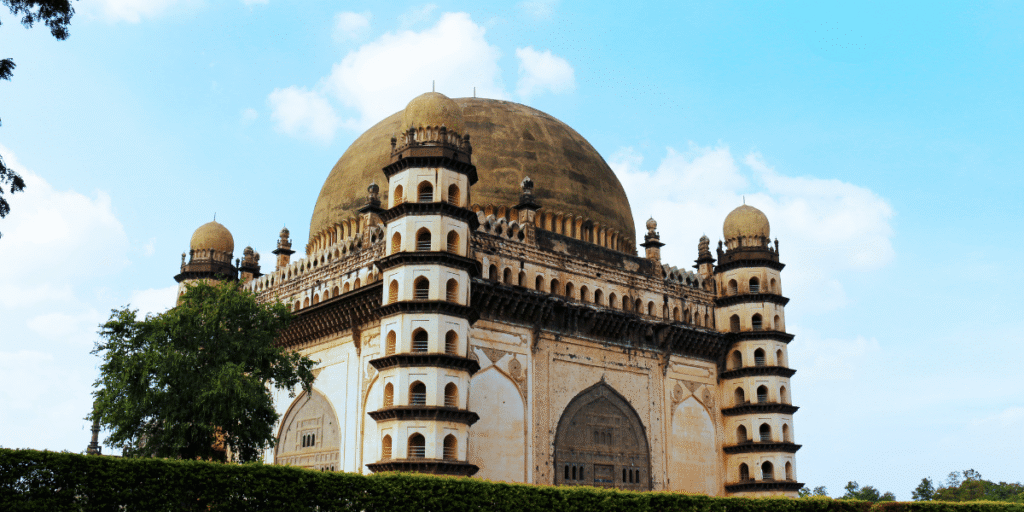
Gol Gumbaz, a 17th-century mausoleum in Vijayapura (formerly Bijapur), Karnataka, was built for Sultan Mohammed Adil Shah and completed in 1656 by architect Yaqut of Dabul. Featuring one of the world’s largest unsupported domes (approx. 44 m diameter), it houses a massive single-chamber hall beneath. The structure includes a remarkable whispering gallery: even the softest whisper […]
Bibi ka Maqbara: Complete Guide to Aurangabad’s Taj Mahal
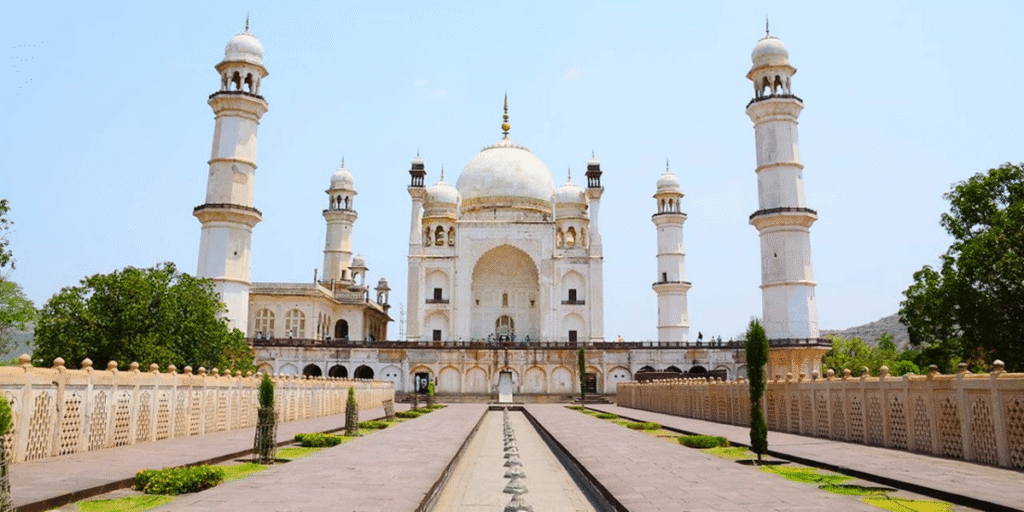
Bibi Ka Maqbara, often called the “Tomb of the Lady,” is a poignant remembrance symbol closely resembling its inspiration, the Taj Mahal. Though it draws heavy influence from the Taj, this mausoleum proudly represents a son’s love for his mother. Designed by Ataullah, the son of Ahmad Lahauri, who also designed the Taj Mahal, it […]
Arthashastra – Ancient Indian Treatise on Statecraft and Economics
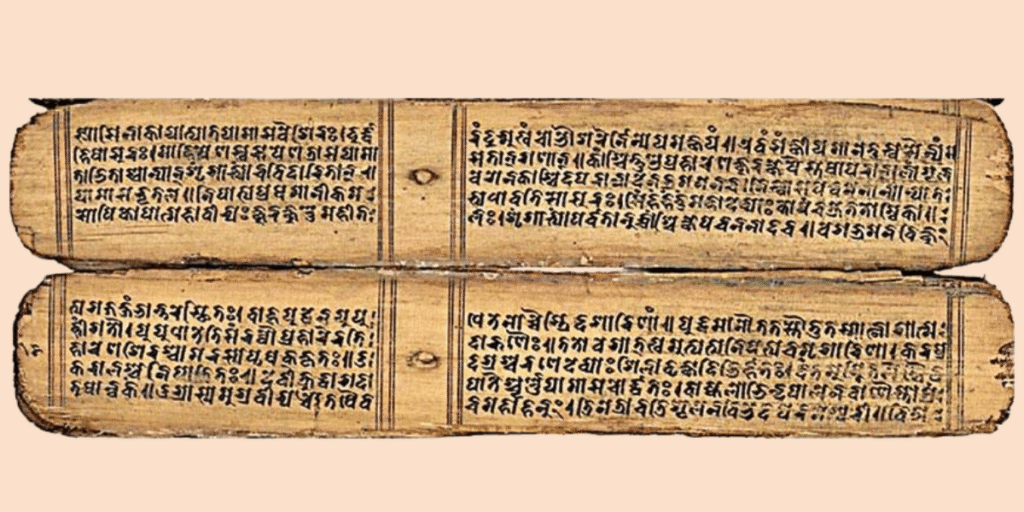
The Arthashastra, composed by the legendary scholar Kautilya (Chanakya), is one of India’s oldest and most influential texts on governance, economics, and strategy. Written during the Mauryan Empire, it goes beyond philosophy to provide a practical manual for rulers covering administration, law, taxation, diplomacy, and even warfare. Often compared to Machiavelli’s The Prince, the Arthashastra […]
Jantar Mantar: The Ancient Astronomical Observatory of India
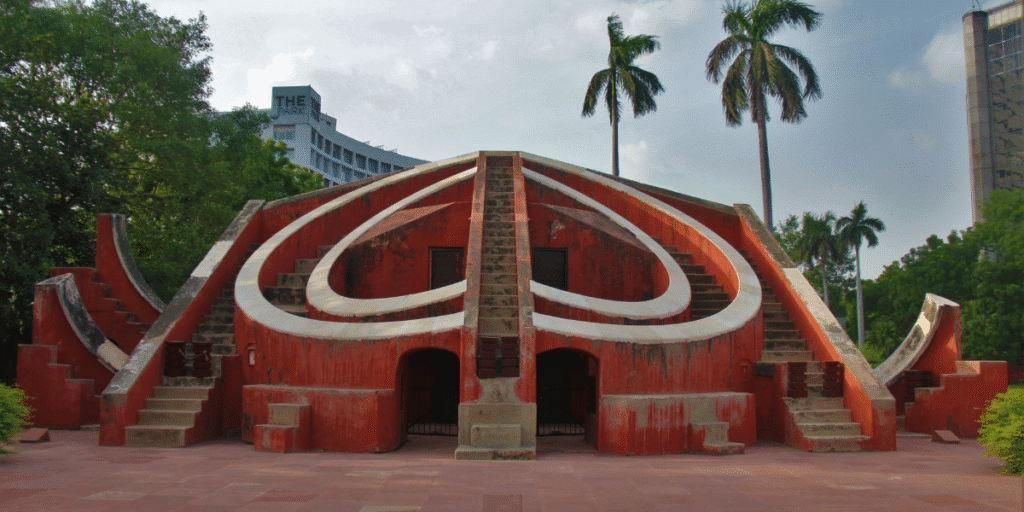
Jai Singh’s observatories are unique architectural and scientific marvels, each differing in size, design, and construction while serving the same purpose studying celestial movements. The first observatory was built in Delhi in 1724, followed by the most elaborate one in Jaipur in 1728. Smaller observatories were later established in Benares, Ujjain, and Mathura, though the […]
Christ the Redeemer: The Complete Guide to Rio’s Iconic Monument
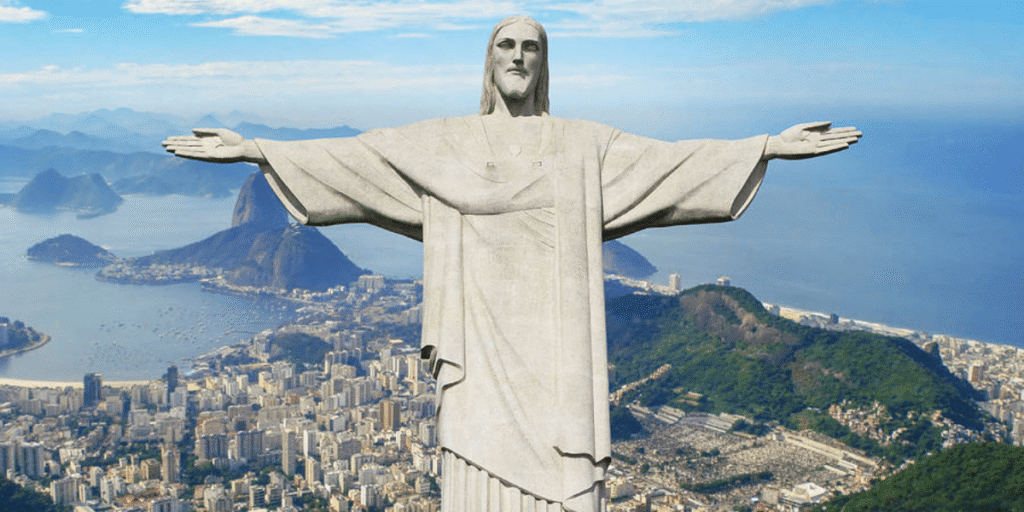
Perched atop the 710-meter Corcovado Mountain, the Christ the Redeemer statue (Cristo Redentor) is more than a landmark; it is a powerful symbol of faith, welcome, and Brazilian identity . This colossal Art Deco statue, with its arms outstretched over Rio de Janeiro, is one of the New Seven Wonders of the World and a UNESCO-protected […]
Elephanta Caves: A Guide to Mumbai’s UNESCO World Heritage Site
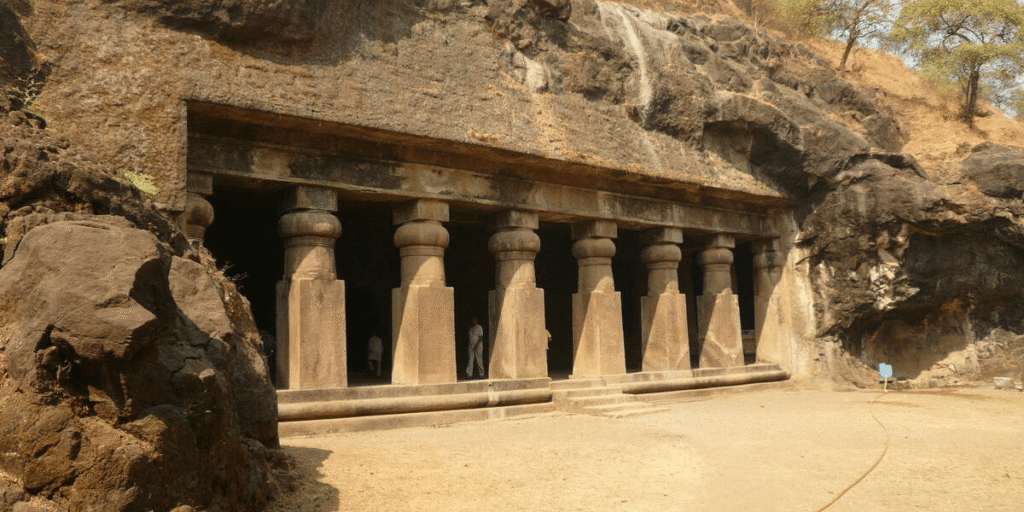
Nestled in the azure waters of the Arabian Sea, a short ferry ride from the relentless energy of Mumbai, lies a sanctuary of profound ancient artistry and spiritual tranquility. The Elephanta Caves are far more than a collection of archaeological remains; they are a vibrant, stone-carved narrative of India’s rich cultural and religious history. Designated a UNESCO […]
Ajanta Caves – Glimpse into Ancient Buddhist Art
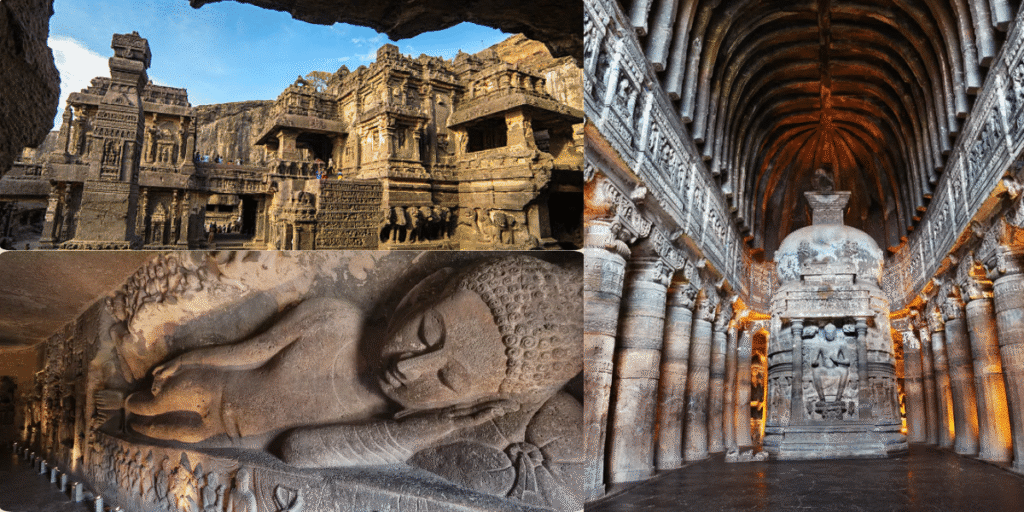
Nestled in a horseshoe-shaped gorge of the Sahyadri Hills in Maharashtra, the Ajanta Caves are not merely a tourist destination; they are a portal to a forgotten era. This breathtaking complex of 30 rock-cut monuments stands as a silent, powerful testament to the zenith of ancient Indian creativity, devotion, and technical prowess. For centuries, these […]
Explore the Enchanting Ellora Caves: Treasures of Ancient Art
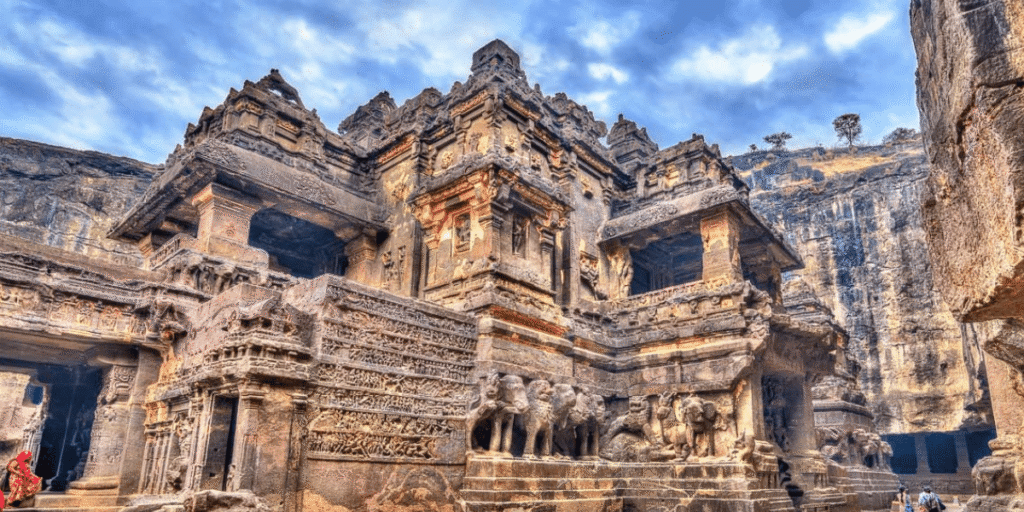
The Ellora Caves in Aurangabad, India, are a UNESCO World Heritage site known for their remarkable rock-cut architecture. Comprising over 100 caves, they represent Buddhist, Hindu, and Jain traditions, with the grand Kailasa Temple (Cave 16) standing out as a masterpiece. Created between the 6th and 10th centuries CE, the complex is divided into three […]
Safdarjung Tomb: A Marvel of Mughal Architecture and History
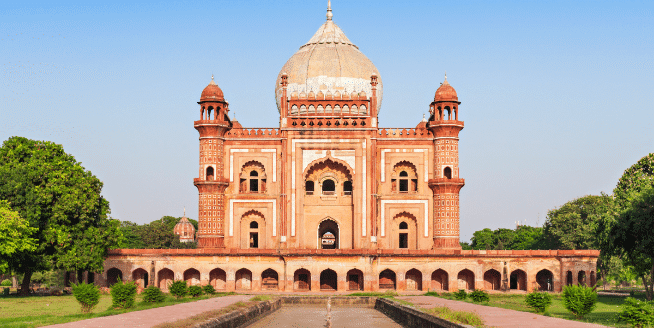
The Safdarjung Tomb is a grand Mughal-era mausoleum built in 1754 in Delhi as a remarkable testament to the legacy of Wazir-e-Mulk Nawab Safdarjung, the powerful second-in-command of the Mughal Empire. It is known for being the last monumental tomb garden of the Mughals. This majestic tomb captures the elegance of Mughal architecture while honoring […]
Sabarmati Ashram: A Monument of Peace and Freedom in India
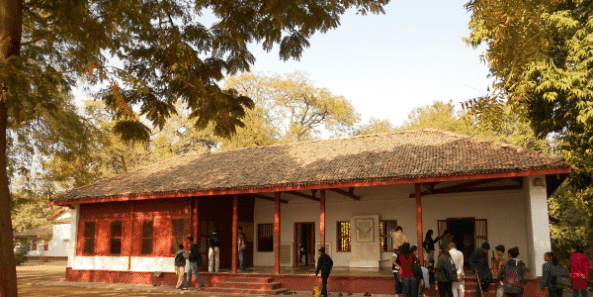
Sabarmati Ashram, called initially the Satyagraha Ashram, is located on the banks of the Sabarmati River in Ahmedabad, Gujarat. Established in 1917, it was initially housed at the Kocharab Bungalow, belonging to barrister Jivanlal Desai, before moving to its current location. The Sabarmati waterfront Ashram became a significant centre for Mahatma Gandhi’s work during India’s […]
Discovering Qutub Minar: A Testament to India’s Rich Heritage
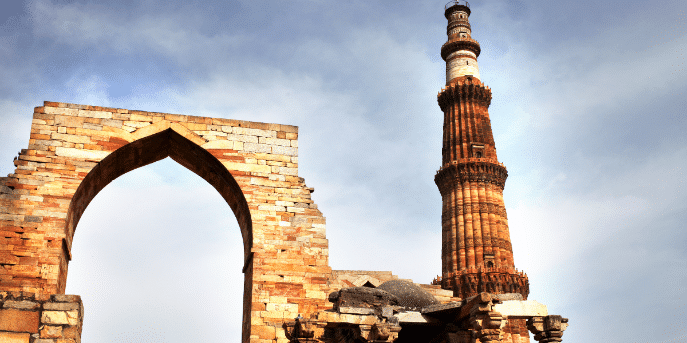
The Qutub Minar is an ancient and towering monument located in Delhi, India, standing as a symbol of the country’s rich history, architectural brilliance, and cultural heritage. It was built by Qutb-ud-din Aibak, the first ruler of the Delhi Sultanate, in 1193. This historic site offers a glimpse into the fascinating past, inviting visitors and […]
Golden Temple: History and Architectural Evolution
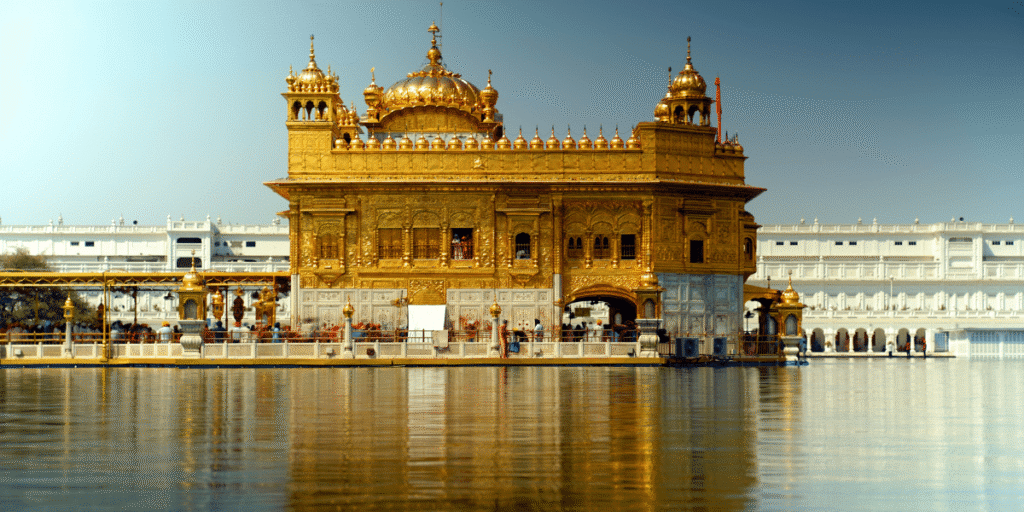
The Golden Temple, also known as Sri Harmandir Sahib, is the most significant spiritual shrine for the Sikh community in Amritsar, Punjab, India. Revered globally, it features a striking gold-covered dome, a white marble base, and a surrounding sacred pool (Amrit Sarovar). Founded by Guru Ram Das and completed by Guru Arjan Dev, the temple […]