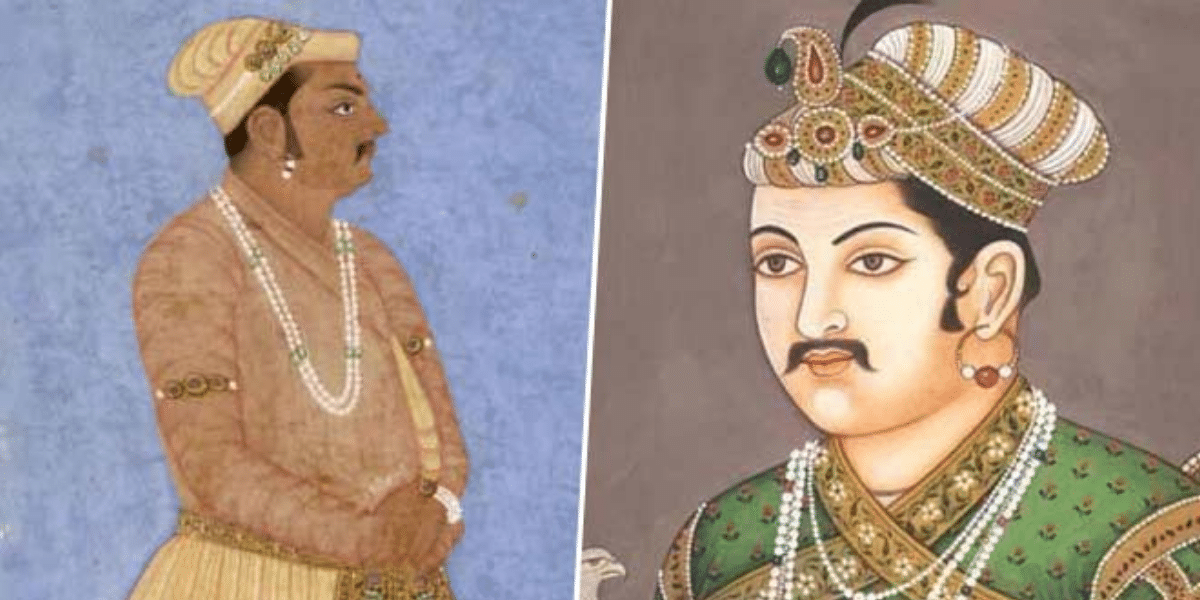
Birbal, born as Mahesh Das in 1528, was one of the most prominent courtiers in the court of Mughal Emperor Akbar. Renowned for his intelligence, sharp wit, and keen sense of judgment, Birbal quickly became one of Akbar’s most trusted advisors. Beyond his administrative skills, he gained widespread fame through numerous anecdotes and stories highlighting his cleverness and problem-solving abilities, earning him a special place in Indian folklore.
As a member of Akbar’s Navaratnas (Nine Gems), Birbal played a crucial role in state affairs and in entertaining and guiding the emperor through his wisdom. His tales often feature humorous, yet insightful resolutions to tricky situations, reflecting a balance of intellect and moral reasoning. Over the centuries, these stories have transcended history, making Birbal a symbol of intelligence, quick thinking, and diplomacy. Today, he is celebrated as a historical figure and legendary personality whose wit inspires books, television shows, and cultural narratives across India and beyond.
Before Birbal became a legendary figure in Akbar’s court, his formative years laid the groundwork for his intelligence, wit, and diplomatic skills. Born into a modest family, he received a strong education and was influenced by northern India’s cultural and intellectual environment. His early experiences and learning shaped his personality and prepared him for the challenges and responsibilities he would later face as a trusted advisor to the emperor.
Birbal, originally named Mahesh Das, was born in 1528 in Trivikrampur, present-day Uttar Pradesh, India. He belonged to a humble family, where his early intelligence and curiosity stood out. His parents encouraged his learning and nurtured his natural talents, ensuring he received a strong foundation in literature, philosophy, and the arts.
From childhood, Mahesh Das exhibited remarkable wit and problem-solving abilities. He was trained in mathematics, logic, poetry, and music, which helped him develop a versatile intellect. Beyond academics, he learned to observe human behavior keenly, an attribute that later became central to his legendary advisory skills in Akbar’s court. These early influences shaped him into a well-rounded thinker capable of navigating intellectual and social challenges.
Mahesh Das’s exceptional talents eventually caught the attention of Emperor Akbar. Impressed by his intelligence, humor, and diplomacy, Akbar invited him to join the royal court. During this time, Mahesh Das was bestowed the name Birbal, symbolizing wisdom and courage. Under Akbar’s guidance, Birbal became one of the emperor’s closest advisors and a key member of the Navaratnas (Nine Gems), contributing significantly to governance and cultural life.
Birbal’s early life, education, and entry into Akbar’s court laid the foundation for his enduring legacy as a symbol of wit, intelligence, and moral judgment.
Birbal’s rise in Emperor Akbar’s court was not just due to his intelligence but also his remarkable wit, loyalty, and ability to handle complex situations. From his initial appointment to becoming one of the most influential figures in the empire, Birbal’s journey reflects a blend of talent, diplomacy, and strategic thinking.
When Birbal first entered Akbar’s court, he was assigned duties that tested his intellect and administrative capabilities. He began by advising on literary, cultural, and minor administrative matters. His insight into human behavior and sharp problem-solving skills quickly set him apart from other courtiers. Birbal’s ability to resolve disputes, offer practical solutions, and maintain harmony in court affairs marked the beginning of his ascent.
Birbal earned the emperor’s trust through intelligence, honesty, and humor. He often used wit to counsel in delicate situations, ensuring wise and fair decisions. Akbar valued Birbal’s judgments for their practical benefits and the way they reflected ethical considerations. This deep trust allowed Birbal to advise on more sensitive matters, gradually expanding his influence in the court.
Birbal’s reputation grew, as did his role in shaping court politics and administration. He became an essential mediator among courtiers, using his insight and diplomacy to prevent conflicts. Beyond politics, he contributed to governance by offering strategic advice on taxation, revenue collection, and justice. His presence in the court brought a balance of humor and wisdom, which not only entertained Akbar but also helped maintain the empire’s stability.
Birbal’s prominence demonstrates how intelligence, integrity, and wit can transform an individual from a humble scholar into a trusted advisor and influential figure in one of history’s most powerful courts. His journey remains an inspiring example of merit and skill triumphing over circumstance.
Birbal is remembered as a wise advisor and a master storyteller whose wit and intelligence solved complex problems with humor and insight. Over centuries, countless Birbal stories have been narrated, highlighting his cleverness and moral wisdom. Here are some of the most popular tales that continue to inspire readers.

Once, a merchant accused a servant of stealing mangoes from his tree. The case reached Emperor Akbar, who asked Birbal to find the truth. Birbal devised a clever test: he ordered all the suspects to stand under the tree, saying that the guilty one would tremble from fear. Unable to hide his guilt, the servant shivered, revealing the truth.
Moral: Clever observation and creative thinking can uncover hidden truths.
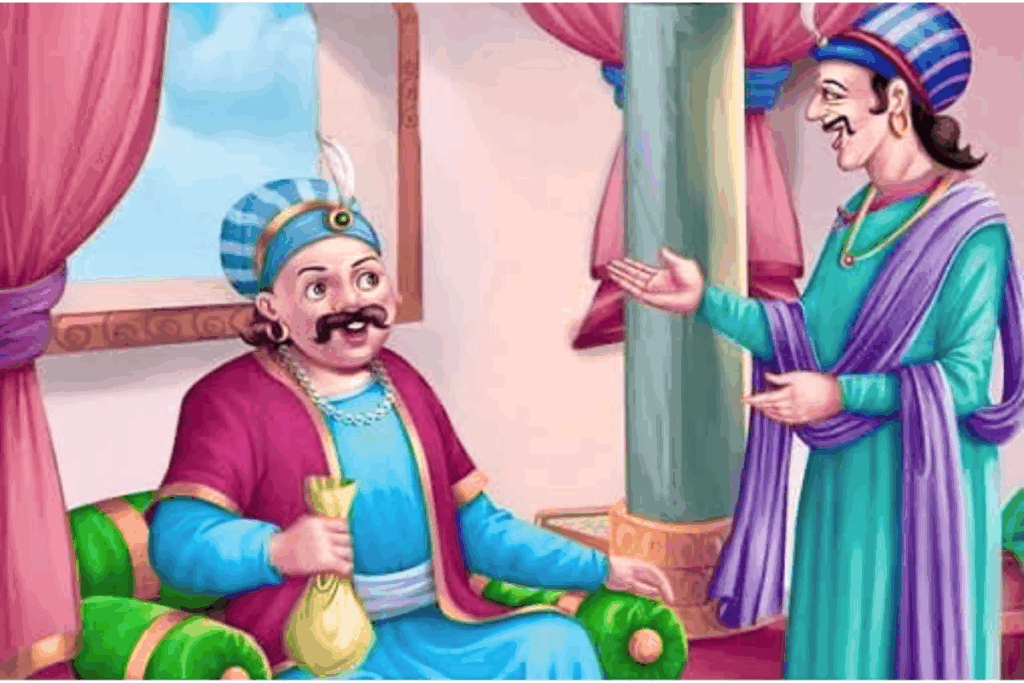
Emperor Akbar once posed three difficult questions to test his ministers: What is the fastest thing in the world? Which is the heaviest? Which is the most valuable? While others gave complicated answers, Birbal demonstrated each practically: He showed that the fastest is the mind, the heaviest is a mother’s burden of love, and the most valuable is wisdom.
Moral: True wisdom lies in practical understanding, not just book knowledge.
A poor farmer approached Akbar claiming that his donkey had fallen into a well, seeking compensation. Birbal visited the well and cleverly tricked the farmer into revealing that he intended to deceive the emperor for money. Birbal’s quick thinking saved the treasury and exposed dishonesty.
Moral: Honesty is consistently recognized, and deceit eventually fails.
Akbar once received a gift of mangoes that was suspected to be poisoned. To test the claim, he asked Birbal for advice. Birbal shared the mangoes with the royal cooks, ensuring the preparation nullified the risk. His calm and calculated approach confirmed the mangoes were safe, earning Akbar’s admiration.
Moral: Courage and rational thinking overcome fear and uncertainty.
A greedy tax collector tried to cheat villagers by demanding extra taxes. Birbal intervened by cleverly calculating the collector’s accounts and showing the villagers their rights. The collector had no choice but to repay, teaching him a lesson in fairness.
Moral: Intelligence and fairness can protect the innocent and curb corruption.
Once, a rival minister challenged Birbal with a riddle to embarrass him in court. Birbal solved it effortlessly, turning the challenge into a lesson for everyone present about humility, cleverness, and the power of observation.
Moral: Calmness and intelligence always triumph over arrogance.
Birbal’s stories are more than mere entertainment; they reflect timeless lessons in intelligence, ethics, and problem-solving. Each anecdote serves as a guide on how wit, courage, and moral reasoning can navigate life’s challenges, making Birbal a symbol of wisdom that continues to resonate across generations.
Birbal’s contributions to Mughal Emperor Akbar’s court went far beyond entertaining anecdotes. He played a significant role in administration, justice, and cultural affairs, impacting the Mughal Empire. His blend of intelligence, moral integrity, and strategic thinking made him an indispensable advisor.
Birbal was actively involved in the empire’s day-to-day administration. He offered practical solutions to issues related to revenue collection, taxation, and governance, helping improve efficiency and fairness. His innovative ideas streamlined bureaucratic processes, reduced corruption, and ensured that the people’s needs were addressed. By combining logic with empathy, Birbal helped maintain stability in Akbar’s court and across the empire.
One of Birbal’s most enduring qualities was his unwavering sense of justice. He personally oversaw disputes and ensured that decisions were impartial and equitable. Many stories depict him resolving conflicts through clever reasoning, promoting fairness, and teaching moral lessons. Birbal’s approach reinforced Akbar’s reputation as a just ruler and strengthened citizens’ trust in the empire’s governance.
Beyond administration and justice, Birbal influenced Akbar’s policies, cultural outlook, and personal decisions. His insights encouraged tolerance, dialogue, and inclusivity, aligning with Akbar’s harmonious and diverse empire vision. Birbal’s presence also enriched the cultural environment of the court, supporting literature, music, and arts, and fostering a spirit of intellectual curiosity among courtiers.
Birbal’s multifaceted contributions demonstrate how intelligence and ethical principles can shape governance and culture. His legacy continues to serve as a model of wisdom, fairness, and effective leadership in Indian history.
Birbal’s brilliance and wit have transcended history, making him a legendary figure in Indian culture. His stories and actions inspire generations, illustrating the enduring power of intelligence, morality, and humor.
Over centuries, Birbal became a central character in Indian folklore. His tales, filled with clever solutions and moral lessons, have been compiled in books, school stories, and moral fables. Writers and storytellers across India have celebrated his wit, turning him into a symbol of intellect, fairness, and courage. His stories are often used to teach children the value of problem-solving, honesty, and wisdom.
Birbal’s legacy has also extended to television, films, and digital media. Several popular TV shows, animated series, and web content feature Birbal’s stories, bringing history and folklore to life for contemporary audiences. These adaptations ensure that his cleverness, humor, and moral guidance remain accessible and engaging to all age groups.
Birbal’s life offers timeless lessons. His intelligence, ethical judgment, and creative thinking inspire problem-solving in real-life situations. From learning the value of fairness in administration to using humor and wit to navigate complex social scenarios, Birbal’s approach is a model for leadership and personal conduct even today
| Year / Period | Event / Milestone |
|---|---|
| 1528 | Birth as Mahesh Das in Trivikrampur |
| 1556–1570s | Entry into Akbar’s court and rise to prominence |
| 1570s–1580s | Key administrative and diplomatic contributions |
| Stories & Anecdotes | Compilation of legendary Birbal tales |
| Modern Media | TV shows, books, and digital adaptations keeping his legacy alive |
Birbal’s enduring presence in history, folklore, and popular culture ensures that his wit, wisdom, and moral clarity continue to inspire generations, making him one of the most celebrated figures of Mughal India.
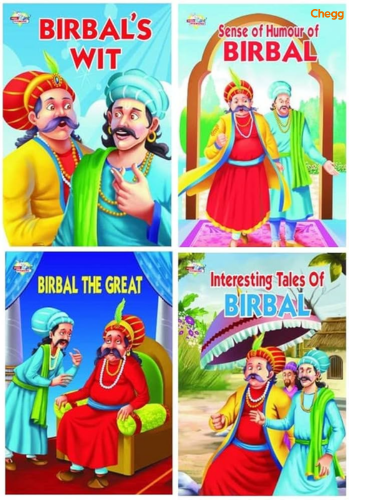
Birbal was a wise advisor and a fascinating personality whose life is filled with intriguing tidbits. Here are some fun facts that highlight his wit, intelligence, and legacy:
Birbal’s life proves that intelligence combined with humor, courage, and ethics can leave a lasting impact across generations.
For readers interested in exploring more about Birbal, the following sources provide credible information and detailed insights:
Read More:-
Yes, Birbal, born as Mahesh Das, was a Hindu and served as a trusted advisor in Akbar’s Mughal court.
Birbal met his end in the Battle of Malandari Pass in 1586. The battle took place when the Yusufzai Afghan tribe, led by Kalu Khan, ambushed and overwhelmed a combined Mughal force, leading to Birbal’s death along with thousands of other Mughal soldiers.
Birbal’s real name was Mahesh Das (or Maheshdas), which he was given at birth before he became Akbar’s advisor.
No, Birbal and Tenali Rama never met in real life.
Akbar dispatched Birbal to aid Commander Zain Khan, fighting the tribes. Tragically, he was ambushed and killed in the Swat Valley, and his body remained unrecovered, deeply saddening the emperor.