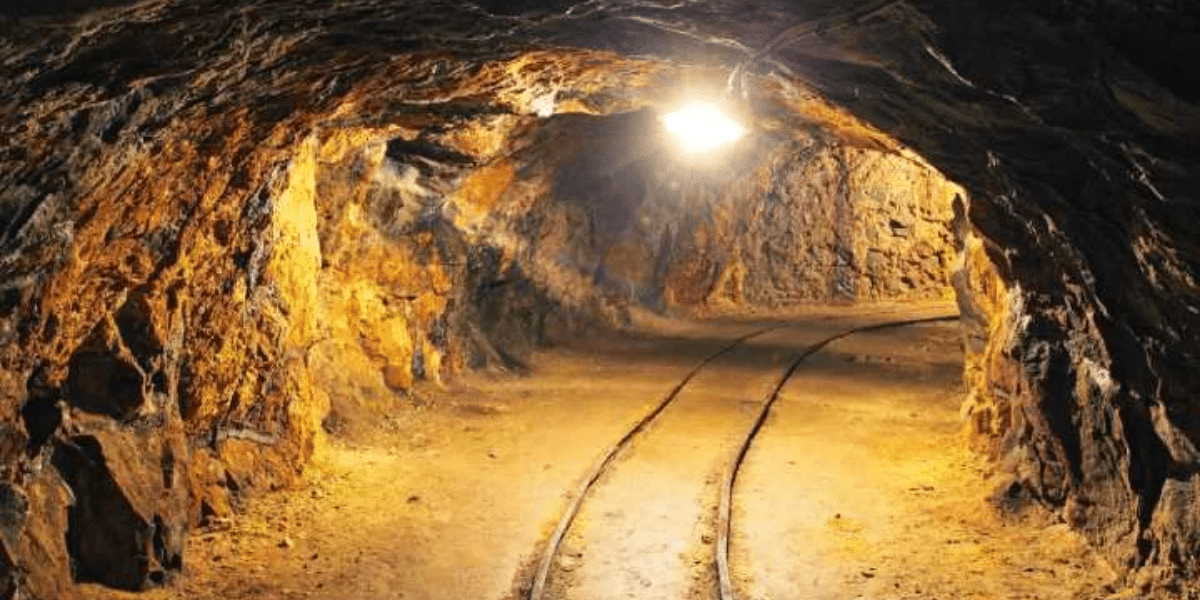
Gold mines in India are mainly found in Karnataka, Andhra Pradesh, Jharkhand, and Uttar Pradesh. The Hutti Gold Mines in Karnataka is the country’s only active producer, while legacy sites like the Kolar Gold Fields (KGF) highlight India’s rich mining history. Gold mining here dates back to the Indus Valley Civilization, when the metal was used for trade and ornaments.
During British rule, mines like KGF were among the world’s deepest and most productive. Although production has declined, mining continues to support regional economies by generating employment and contributing to reserves. Exploration is expanding in regions like Rajasthan and Rayalaseema (Andhra Pradesh). Despite environmental challenges and dependence on imports, India’s gold mines remain significant for their historical, economic, and cultural value.
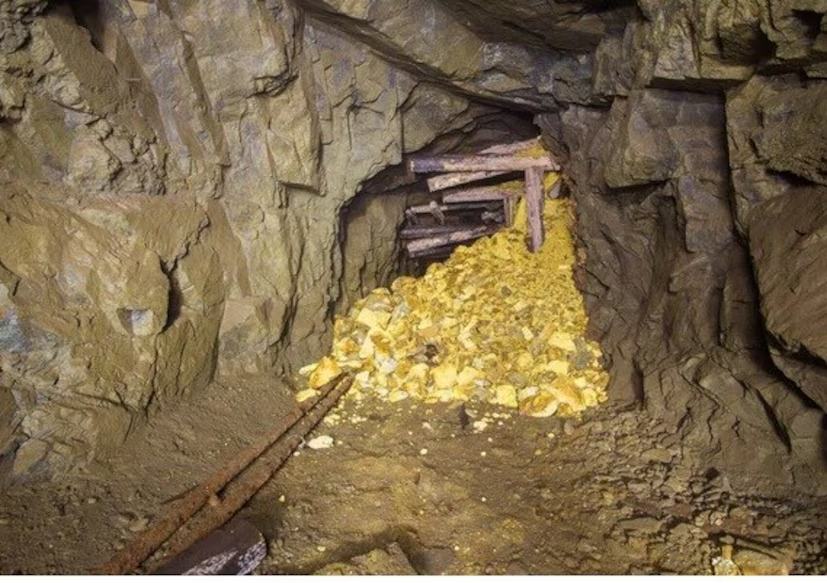
Hutti Gold Mines is India’s oldest and most substantial gold mine. It is currently the only active gold mines in India, producing approximately 1.8 tonnes of gold annually. The mine has a history of over 2,000 years, with references in ancient Hindu texts like the Mahabharata and Ramayana. The mining operations here use underground and open-pit methods, and the processing plant can handle 3,000 tonnes of ore per day.
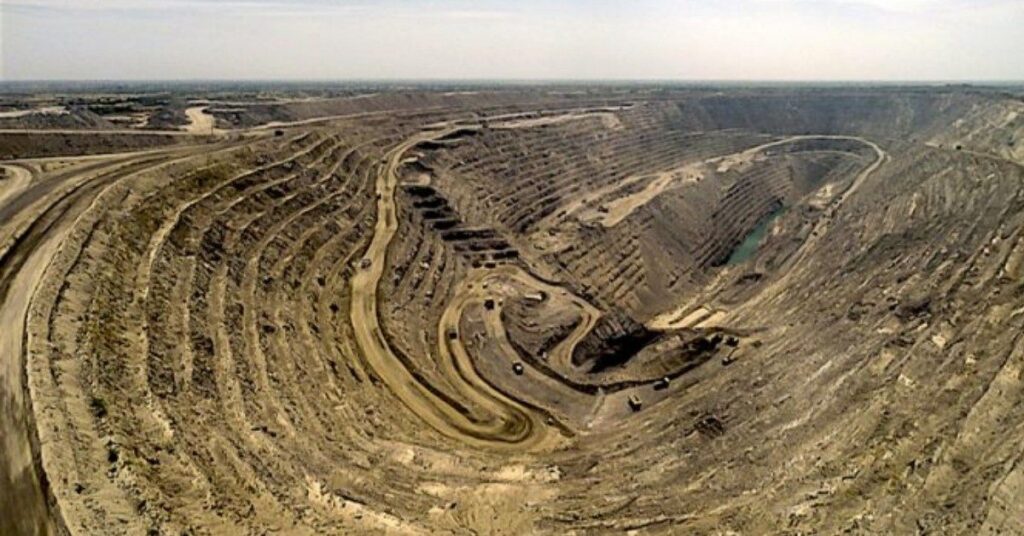
Kolar Gold Fields (KGF) is a historic gold mine once the second-deepest in the world. Established by the British in 1880, it operated until 2001, producing about 800 tonnes of gold during its lifespan. The mine was known for its challenging working conditions, with miners descending to depths of up to 3.2 km. Despite its closure due to economic and environmental reasons, there are plans to revive it with new technology and investment.
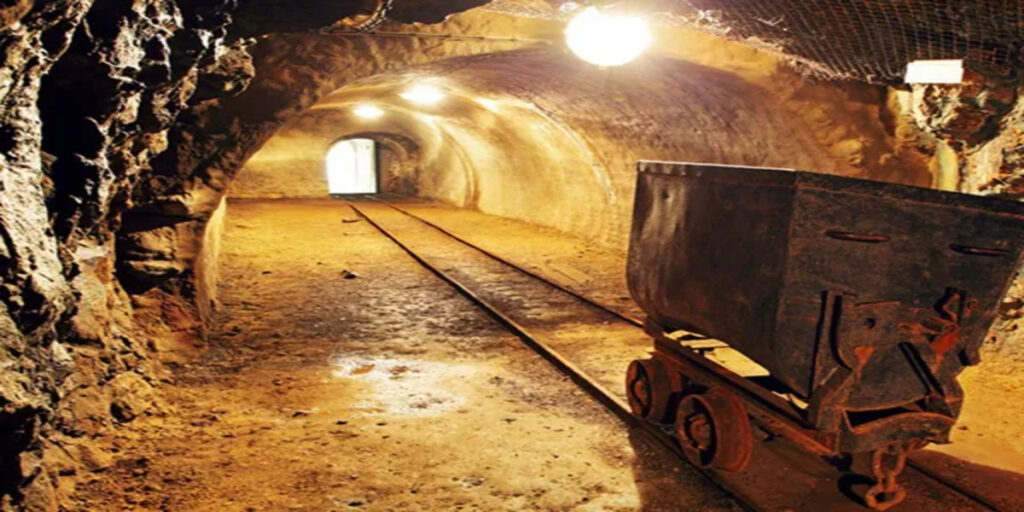
Sonbhadra is a newer area of interest for gold mining in India following the discovery of potential gold reserves in 2020. Early reports estimated the region to have as much as 3,000 tonnes of gold, though this figure was later revised. Despite the lower confirmed reserves, Sonbhadra remains a site of ongoing exploration and holds promise for the future of gold mining in Uttar Pradesh.
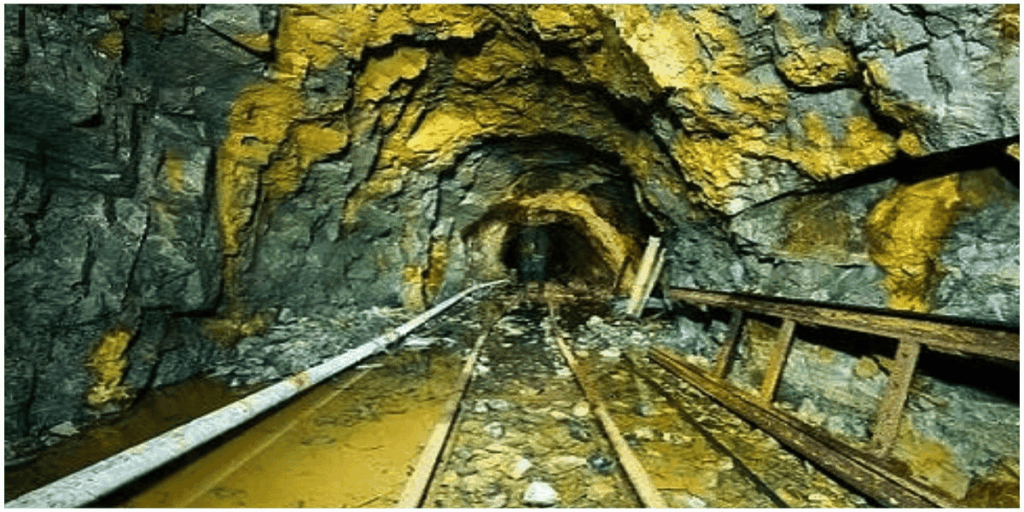
The Ramgiri Gold Field is one of the significant gold-bearing areas in Andhra Pradesh. It is known for its ancient mining history, dating back to the Vijayanagara Empire, and modern mining operations continue in the region. This field contributes to the historical legacy of gold mining in southern India, though smaller than larger mines like Hutti.
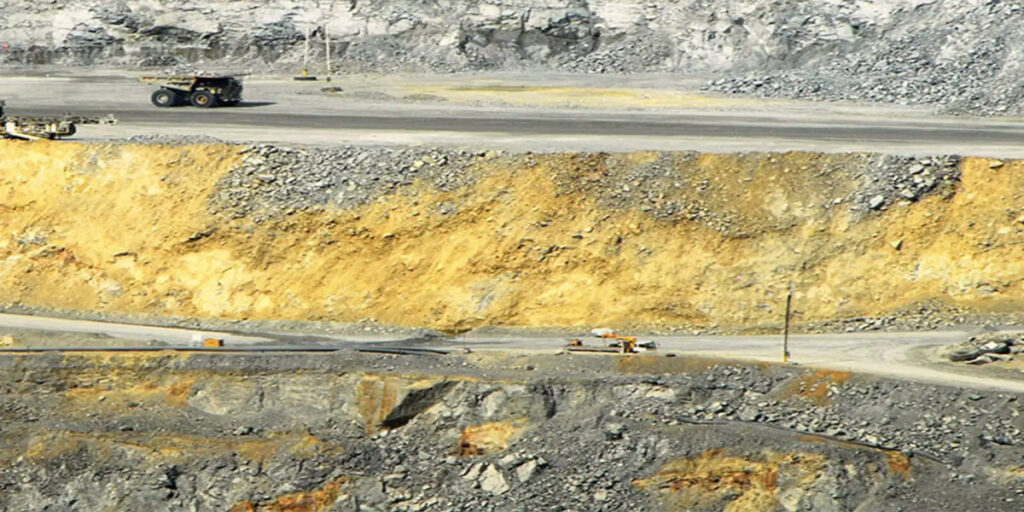
Parasi Gold Mine is located in the mineral-rich state of Jharkhand and is part of a broader exploration effort to tap into the state’s gold reserves. Though it is not as large or well-known as other mines, Parasi has significant potential for gold production. The area is also known for other minerals like copper, making it a vital mining hub in eastern India.
The Gadag Gold Mine is one of Karnataka’s smaller gold mines but holds historical and economic importance. Gold has been mined in this region for centuries, and modern operations continue to explore its potential. While it doesn’t produce as much gold as Hutti, Gadag remains an active contributor to India’s gold mining industry.
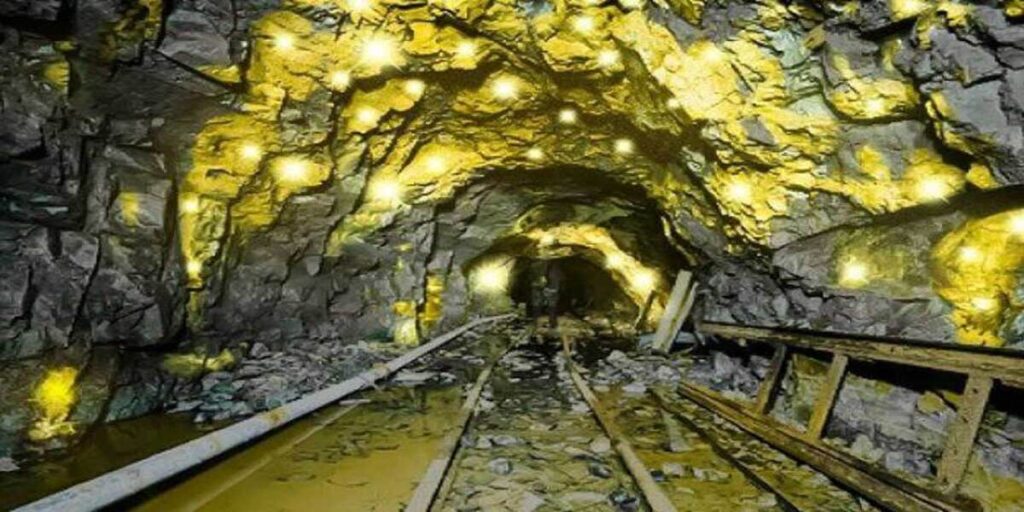
The Chigargunta-Bisanatham Gold Mine is part of Andhra Pradesh’s gold-bearing regions near the Ramagiri gold fields. It is one of the more promising mines in the state, with exploration and feasibility studies indicating its potential for significant gold production in India. This mine plays an essential role in the future of gold mining in southern India.
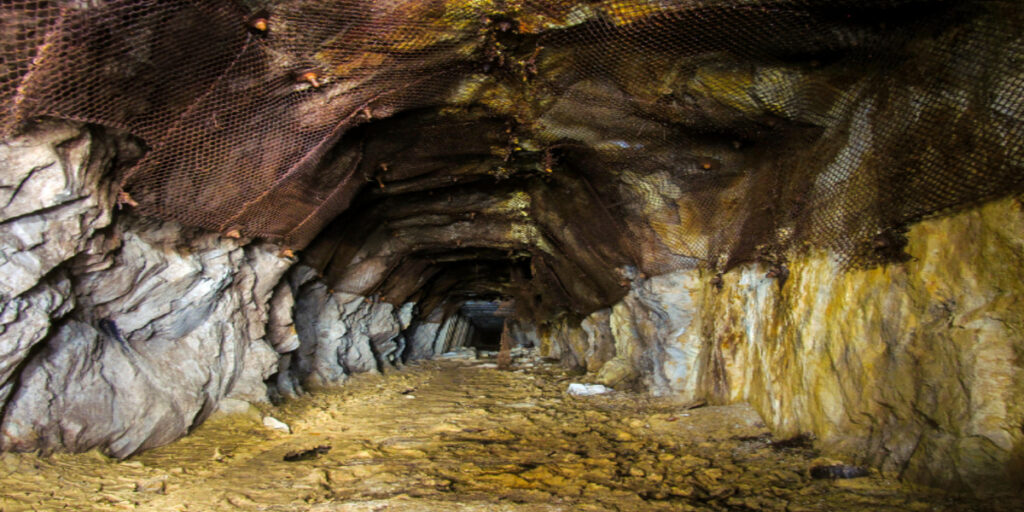
Located near the famous Hutti Gold Mines, Hira-Buddini is a smaller but essential gold mine in Karnataka. Its proximity to Hutti makes it part of a central gold-producing belt in the state. The mine contributes to local employment and plays a role in overall gold production in India, with operations focusing on sustainable mining practices.
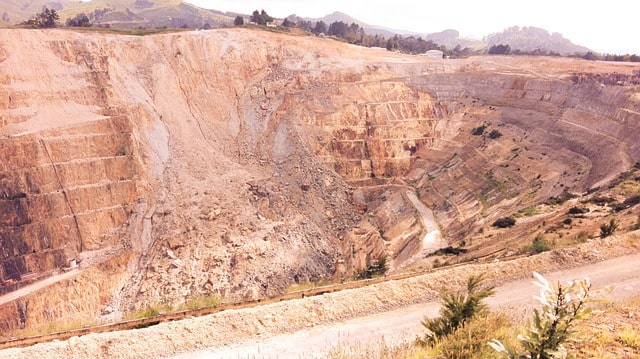
Kunderkocha Gold Mine is another ancient gold mining site in Jharkhand’s Singhbhum district. Known for its rich mineral deposits, including copper and nickel, the region has seen renewed interest in gold exploration. Kunderkocha is part of efforts to revive Jharkhand’s gold mining industry and tap into its untapped potential for domestic gold production.
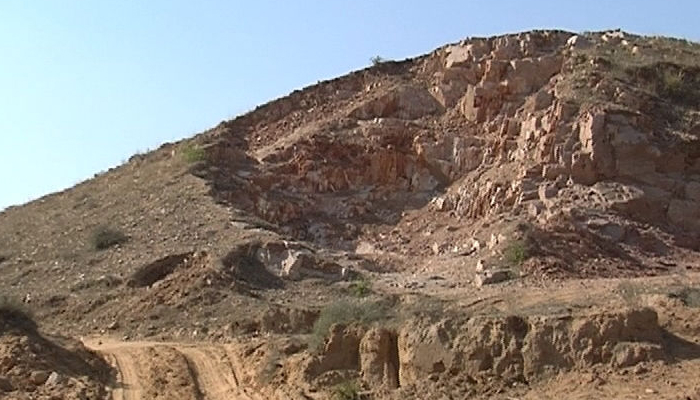
Ganajur Gold Mine is a newer mining project in Karnataka’s Haveri district. Private companies that use modern mining technology are developing it to maximize efficiency. Ganajur has significant reserves and is expected to boost India’s gold production in the coming years. With its advanced techniques and sustainable mining practices, Ganajur represents the future of gold mining in Karnataka.

Gold mining has played a significant role in India’s history, from ancient civilizations to modern times. During the Indus Valley Civilization (around 3000 BCE), gold was extracted and used in jewelry, ornaments, and trade. Ancient Indian texts and scriptures also highlight gold’s economic and cultural importance.
During the British Colonial era, Karnataka’s Kolar Gold Fields (KGF) became one of the largest and deepest gold mines globally. Exploited for over a century, KGF contributed significantly to the global gold supply and earned international recognition for India’s rich deposits.
After India’s independence in 1947, gold mining declined. Many industries were nationalized, and production shifted to the Hutti Gold Mines, the country’s primary operational gold mine. KGF eventually closed in 2001 due to rising costs and depleting reserves.
Gold has always been central to Indian culture. It symbolizes wealth, prosperity, and purity, and it is an essential part of weddings, festivals, and family heirlooms. It is also used in religious offerings and temple adornments. Economically, gold is considered a secure investment and a store of value in Indian households, safeguarding families against financial uncertainties.
Hutti Gold Mines is one of the most important gold mines in India. It is a company owned by the Karnataka government that operates two mines in the Raichur district: Hutti and Uti. Hutti is India’s only active gold mine, producing about 1.8 tonnes annually.
After seeing the list of gold mines in India, let’s also see them on the map. Below is the representation of gold mines in India map:

Gold mining in India involves several steps, from exploration to extraction and processing. Here’s an overview of the typical gold mining process:
Underground Mining: This method uses deeper deposits to create tunnels to access gold ore. Techniques include:
The concentrated gold is then refined to remove impurities. This can involve:
Gold mining operations in India are subject to environmental regulations. Companies are required to implement sustainable practices, such as:
Overall, while India has a rich history of gold mining, the industry faces various challenges that impact production and sustainability.
Gold mining is significant in India’s economy, contributing to employment generation, local development, and national reserves. Although India is not one of the world’s largest gold producers, mining is economically significant, especially in gold-producing states like Karnataka.
| Year | India’s Gold Production (Tonnes) | Global Gold Production (Tonnes) |
|---|---|---|
| 2013 | 2.3 | 2,900 |
| 2014 | 2.2 | 3,000 |
| 2015 | 2.3 | 3,050 |
| 2016 | 1.6 | 3,150 |
| 2017 | 1.6 | 3,200 |
| 2018 | 1.8 | 3,300 |
| 2019 | 1.9 | 3,320 |
| 2020 | 1.6 | 3,400 |
| 2021 | 1.8 | 3,500 |
| 2022 | 1.9 | 3,560 |
Gold mining generates significant employment, especially in Karnataka’s Hutti Gold Mines, which employ thousands directly and support many indirectly. India’s gold production is limited, but it contributes to national reserves and helps reduce import dependency. However, domestic output meets only a fraction of demand. Within the mining sector, which contributes about 2.5% to India’s GDP, gold mining holds limited economic weight but strong cultural and regional importance.
India’s gold production is low, meeting less than 1% of domestic demand, driven by cultural practices and investments. As a result, the country relies heavily on imports, making gold a major contributor to the trade deficit. Large-scale imports strain foreign reserves and affect India’s overall trade balance, highlighting the need to boost domestic gold production.
While gold mining is not the most significant contributor to the economy, it is an essential industry for regional employment and national reserves. Addressing challenges like low production and heavy reliance on imports can further strengthen its economic role.
Gold mining in India poses significant environmental challenges such as deforestation, water pollution, and land degradation. Large-scale mining often clears forest areas, leading to biodiversity loss, while chemicals like cyanide and mercury in extraction contaminate rivers and groundwater, affecting aquatic life and nearby communities. Soil erosion and land degradation further reduce agricultural productivity, impacting local livelihoods.
To address these issues, sustainable mining practices are being promoted. The Indian government has introduced measures like the Sustainable Development Framework (SDF), which requires ecological impact assessments before operations begin. Mining companies also adopt eco-friendly methods, including reforestation of mined areas, wastewater treatment, and reduced use of harmful chemicals.
Additionally, global initiatives such as the Responsible Gold Mining Principles (RGMP) encourage ethical mining with transparency and community support. By adopting such practices, India aims to balance the economic benefits of gold mining with long-term environmental protection.
Though less productive today, India’s gold mines hold immense historical and cultural value, making them fascinating tourist attractions.
Visiting Tips: The best time to visit is between November and February. KGF offers guided museum tours with nominal fees, while Hutti requires advance arrangements for limited visits.
The future of gold mining in India looks promising with discoveries and advanced technology. The Sonbhadra district in Uttar Pradesh has shown potential for gold reserves, while unexplored regions in Rajasthan and Madhya Pradesh may hold untapped deposits. Modern exploration tools like satellite imaging and remote sensing can make the process more efficient, while eco-friendly mining technologies can improve yields and reduce environmental harm.
The Indian government is promoting policies and schemes under the National Mineral Exploration Policy (NMEP) to strengthen the gold mining sector. These initiatives aim to attract foreign investment, simplify regulations, and encourage private players. By increasing domestic output, India can reduce its heavy reliance on imports, conserve foreign reserves, generate employment, and enhance regional economic growth.
Around the globe, gold mines play a vital role in shaping economies and supplying one of the most sought-after precious metals. Some of the largest and most significant gold mines include:
These mines fuel the global gold supply and showcase innovation in mining techniques and their impact on local and international economies.
Gold mining in India may not be as big as in some other countries, but it has a rich history and remains essential to the economy in regions like Karnataka. With new potential discoveries like Sonbhadra, the future of gold mining in India could see a resurgence. While the environmental challenges are significant, the push for sustainable practices could make gold mining in India more environmentally friendly and economically viable.
So next time you see a gold necklace or ring, remember the incredible journey it took – from deep under the Indian soil, through the hard work of miners and the marvels of modern technology, to become the beautiful object you see. That’s the actual gold standard of India’s mining industry!
Read More:
India is home to several active and historical gold mines, the most significant in Karnataka, Jharkhand, and Andhra Pradesh. While there is no universally agreed-upon count, these regions contribute the most to the country’s gold production.
The largest gold mine in India is the Hutti Gold Mines, located in the Raichur district of Karnataka.
Thrissur, Kerala, is known as the “Gold Capital of India” due to its thriving gold industry. It houses numerous jewelers and major brands with branches across the city, which plays a crucial role in India’s gold market.
Karnataka holds the largest gold reserves in India and leads in gold production. The Hutti Gold Mines is the country’s only active primary gold mine, making Karnataka a key player in India’s gold mining industry.
The Reserve Bank of India holds the largest gold reserves in the country, along with significant reserves in temples and households.
India’s gold production in 2022-23 was 866.44 kg, according to the Indian Bureau of Mines. This represents a decrease of 14.4% from the previous year’s production of 1,012.66 kg.