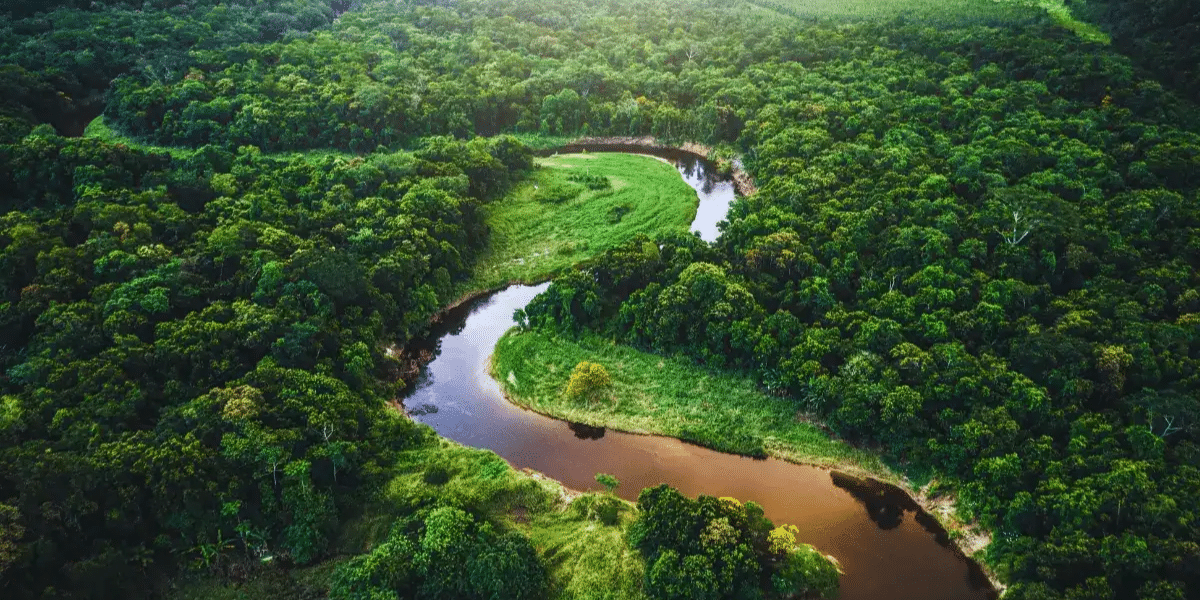
Biodiversity hotspots in India host exceptional plant and animal diversity but are also severely threatened by human activities. These areas are critical for global conservation efforts as they harbor many endemic species found nowhere else on Earth. India, known for its ecological and climatic diversity, is home to abundant flora and fauna spread across its forests, mountains, wetlands, and coastal zones, making it one of India’s wealthiest regions in terms of biodiversity hotspots. Protecting these hotspots is essential for maintaining ecological balance and supporting global biodiversity conservation initiatives.
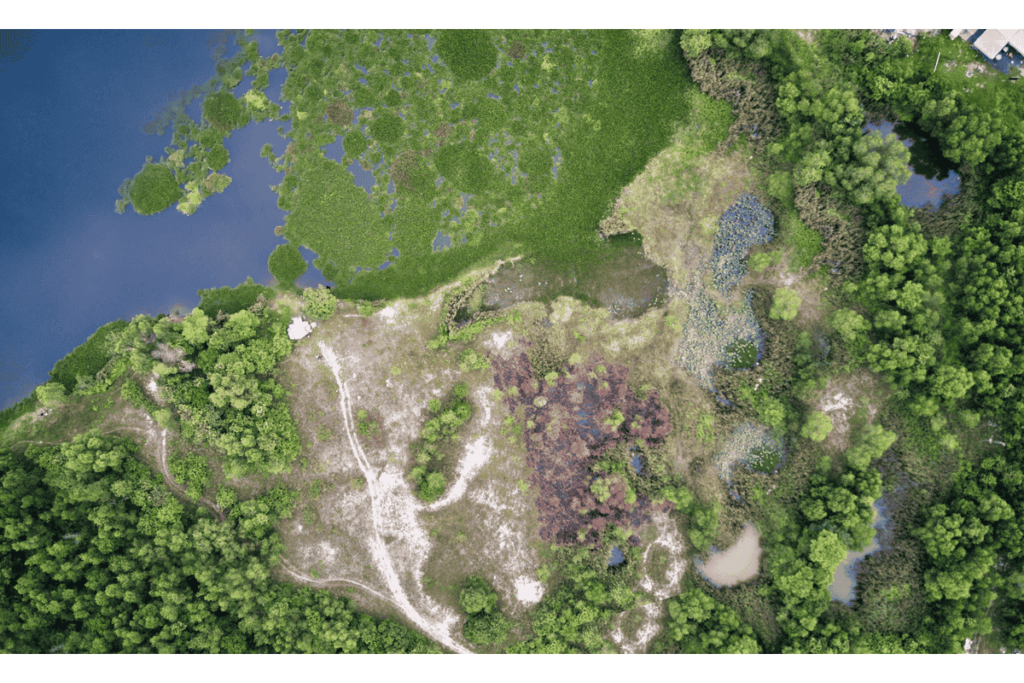
Despite covering only 2.4% of the world’s land area, India supports nearly 8% of global biodiversity. Remarkably, four of the 36 global biodiversity hotspots, the Himalaya, Indo-Burma, Western Ghats, and Sundaland (including the Nicobar Islands), are found within biodiversity hotspots in India. These regions are home to numerous endemic species and play a vital role in maintaining ecological balance, supporting ecosystem services, and sustaining India’s rich natural heritage. Protecting these biodiversity hotspots in India is essential for preserving unique flora and fauna and ensuring long-term environmental stability.
A biodiversity hotspot is a biogeographic region containing a significant biodiversity reservoir threatened by human activities. Norman Myers first introduced the concept 1988, identifying areas with exceptionally high concentrations of endemic species facing rapid habitat loss. This framework helps conservationists prioritize regions that require urgent protection and restoration.
To qualify as a biodiversity hotspot, a region must meet two key criteria established by Conservation International:
These stringent criteria ensure that only the most biologically rich yet critically endangered regions are classified as biodiversity hotspots.
According to Conservation International, 36 recognized global biodiversity hotspots are spread across different continents, representing the planet’s most biologically rich yet environmentally threatened ecosystems. These hotspots are distributed across three major regions: the Asia-Pacific, Africa, and the Americas, with a few in Europe and the Mediterranean basin. Each region hosts a remarkable diversity of species, many endemic and found nowhere else on Earth.
The Asia-Pacific region holds the highest number of hotspots, including the Himalaya, Indo-Burma, Sundaland, and the Western Ghats, four of which are located within India’s geographical boundaries. Africa features hotspots such as the Madagascar and Coastal Forests of Eastern Africa, while the Americas are home to the Tropical Andes, Mesoamerica, and the Caribbean Islands.
India plays a significant role in global biodiversity conservation. Despite covering only about 2.4% of the world’s land area, the country supports nearly 7–8% of the world’s recorded species, including thousands of plants, mammals, birds, amphibians, and reptiles. The presence of four global hotspots within India underscores its immense ecological value and highlights the urgent need for conservation initiatives to protect these delicate yet irreplaceable ecosystems.
India is home to four of the 36 global biodiversity hotspots, making it one of the world’s most ecologically rich and environmentally significant nations. These four biodiversity hotspots in India are the Himalaya, Indo-Burma, Western Ghats, and Sundaland (which includes the Nicobar Islands). Each region harbors a unique range of endemic species and ecosystems contributing immensely to India’s biological wealth.
The Himalaya Hotspot spans the mountain ranges of North and Northeast India, supporting alpine meadows, temperate forests, and a variety of rare species such as the snow leopard and red panda. The Indo-Burma Hotspot covers parts of Northeast India, including the states of Assam, Manipur, and Mizoram, and is known for its tropical forests and rich cultural diversity. The Western Ghats, stretching along India’s west coast, are a UNESCO World Heritage Site and one of Earth’s most biologically diverse regions. Lastly, the Sundaland Hotspot, represented in India by the Nicobar Islands, features tropical rainforests with many endemic plant and animal species.
These four biodiversity hotspots in India form the backbone of India’s biodiversity, emphasizing the country’s crucial role in global conservation efforts and sustainable ecosystem management.
The four biodiversity hotspots in India, the Himalayas, Indo-Burma, Western Ghats, and Sundaland, represent some of Earth’s most ecologically significant and biologically diverse regions. Together, they form a mosaic of ecosystems ranging from tropical rainforests and alpine meadows to coral reefs and coastal wetlands.
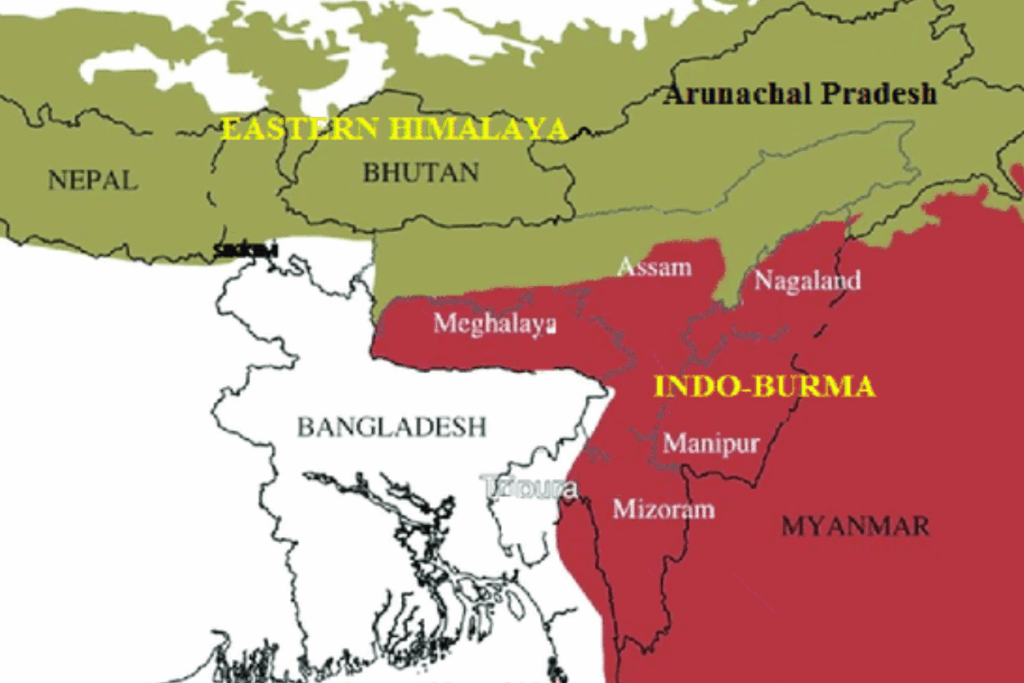
The Himalaya Biodiversity Hotspot spans the Eastern Himalayas, covering parts of India, Nepal, Bhutan, and the Tibetan Autonomous Region of China. In India, it includes Sikkim, Arunachal Pradesh, West Bengal (Darjeeling hills), Himachal Pradesh, and Uttarakhand. Its vast altitudinal range, from subtropical foothills to snow-capped peaks, supports diverse habitats and thousands of plant and animal species.
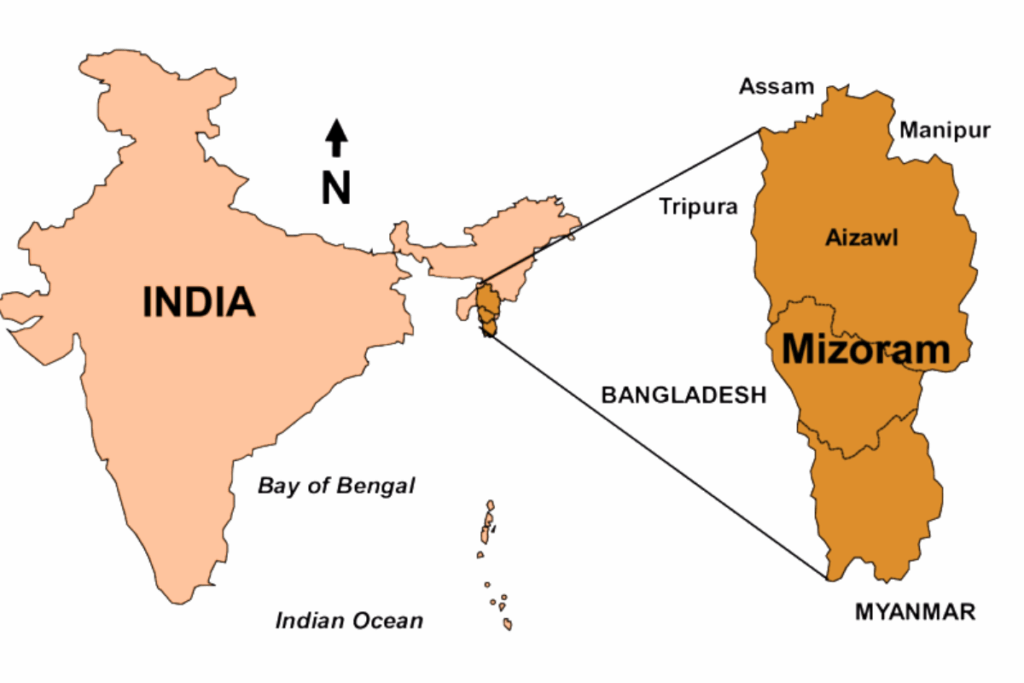
The Indo-Burma Biodiversity Hotspot is one of the world’s most biologically rich yet threatened regions. It spans Northeast India, Myanmar, parts of Bangladesh, southern China, Laos, Vietnam, Cambodia, and Thailand. In India, it covers Assam, Manipur, Meghalaya, Mizoram, Nagaland, Tripura, parts of Arunachal Pradesh, and the Andaman Islands. The region’s tropical forests, wetlands, and rivers support exceptional biodiversity.
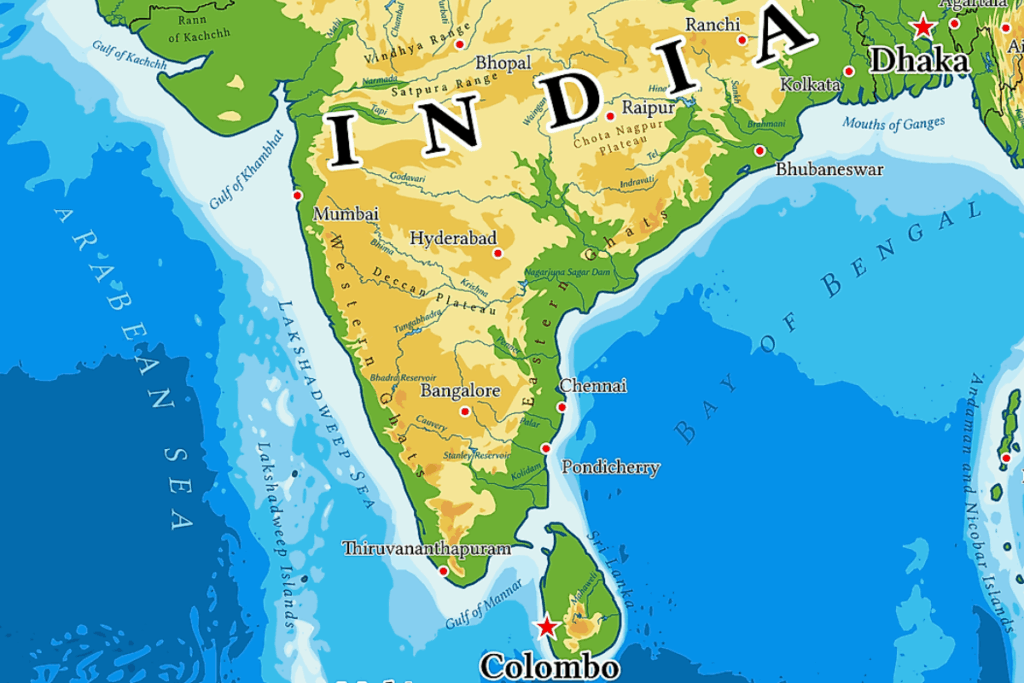
The Western Ghats, parallel to India’s western coast across Kerala, Tamil Nadu, Karnataka, Goa, and Maharashtra, are also known as the Sahyadri Hills. Recognized as one of the eight “hottest biodiversity hotspots” globally, the region was declared a UNESCO World Heritage Site in 2012 due to its rich endemism and ecological significance.
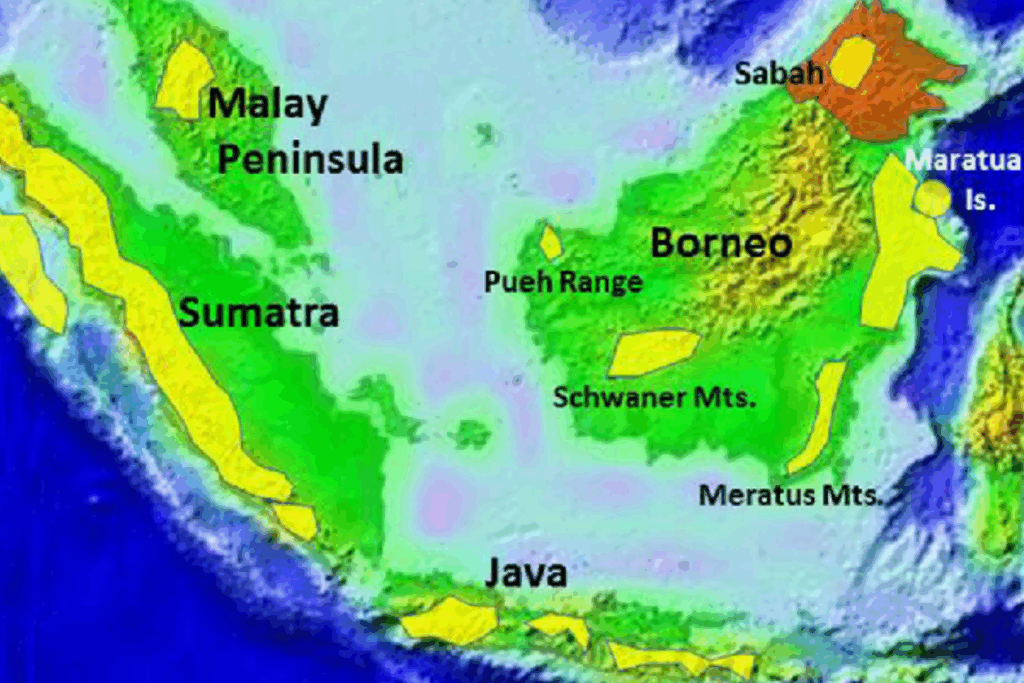
The Sundaland Biodiversity Hotspot spans the Malay Peninsula, Sumatra, Borneo, Java, and nearby Southeast Asian islands. In India, it is represented by the Nicobar Islands, part of the Andaman and Nicobar archipelago in the Bay of Bengal. These islands feature tropical rainforests, mangroves, coral reefs, and seagrass beds, supporting terrestrial and marine biodiversity.
The four biodiversity hotspots in India the Himalayas, Indo-Burma, Western Ghats, and Sundaland, represent the country’s immense ecological wealth and environmental responsibility. Each region supports unique species and ecosystems shaped by geography, climate, and evolutionary history.

Biodiversity hotspots in India are not just regions of exceptional natural beauty; they are lifelines for ecological stability, human well-being, and sustainable development. These hotspots provide critical ecosystem services, regulate the environment, and offer economic and cultural benefits that extend far beyond their boundaries. Understanding their significance helps underline the urgent need for protection and sustainable management.
Biodiversity hotspots maintain ecological balance by supporting intricate food chains and natural cycles. They ensure clean air and water, pollinate crops, control pests, and recycle nutrients—functions that sustain wildlife and human life.
Forested regions in hotspots like the Himalayas and Western Ghats act as carbon sinks, absorbing greenhouse gases and moderating global warming. Their dense vegetation also prevents soil erosion, regulates water flow, and reduces floods and landslides.
These regions preserve vast genetic diversity, essential for developing resilient crops and medicines. Many endemic plants like the Himalayan yew offer compounds used in pharmaceuticals, highlighting their economic and scientific value.
Biodiversity hotspots are rich in cultural heritage and attract eco-tourism. Sacred groves, wildlife sanctuaries, and nature trails generate livelihoods, foster respect for nature, and strengthen community conservation awareness.
Biodiversity hotspots in India face mounting pressure from human activities and environmental changes. Despite being ecologically vital, these regions are increasingly threatened by habitat loss, deforestation, pollution, and climate change. Understanding these threats is crucial for developing effective conservation strategies.
Expanding settlements, roads, and agricultural land have destroyed habitat in hotspots like the Indo-Burma and Western Ghats. Fragmented habitats isolate species, restrict migration, and reduce genetic diversity, making ecosystems more vulnerable to collapse.
Deforestation for timber, plantations, and infrastructure projects continues to deplete forest cover, particularly in the Himalaya and Western Ghats. Illegal mining for minerals and stones further degrades soil, pollutes water sources, and destroys wildlife habitats.
Industrial discharge, pesticide use, and plastic waste contaminate air, water, and soil, affecting terrestrial and aquatic life. Additionally, invasive alien species like Lantana camara and Eichhornia crassipes (water hyacinth) outcompete native species, altering natural ecosystems.
Climate change has intensified temperature fluctuations, glacier melting, and irregular rainfall in regions like the Himalaya and Sundaland. These shifts alter vegetation patterns and threaten high-altitude and coastal species.
As human populations encroach into forests, conflicts between humans and wildlife such as elephants, leopards, and tigers have increased, leading to loss of life and retaliatory killings.
| Threat | Majorly Affected Regions | Key Impact |
|---|---|---|
| Habitat Destruction | Indo-Burma, Western Ghats | Species displacement, ecosystem fragmentation |
| Deforestation & Mining | Himalaya, Western Ghats | Loss of forest cover, soil and water pollution |
| Pollution & Invasive Species | Western Ghats, Indo-Burma | Native species decline, habitat degradation |
| Climate Change | Himalaya, Sundaland | Glacier melt, sea-level rise, altered ecology |
| Human-Wildlife Conflict | All Hotspots (esp. Indo-Burma & Ghats) | Injuries, deaths, and species endangerment |
India has recognized the urgent need for biodiversity conservation and has developed a comprehensive framework combining legislation, institutional mechanisms, community participation, and international cooperation to protect its rich natural heritage.
Robust legislation is the foundation of biodiversity conservation in India. The Wildlife Protection Act (1972) provides legal protection to endangered species, establishes protected areas, and regulates hunting and trade. The Biological Diversity Act (2002) emphasizes the sustainable use of biological resources, benefit-sharing, and conserving traditional knowledge. The Forest Conservation Act (1980) regulates deforestation and ensures sustainable management of forest lands, helping preserve critical habitats.
Key institutions play a pivotal role in implementing these laws. The National Biodiversity Authority (NBA) oversees conservation and sustainable use of biodiversity at the national level, while State Biodiversity Boards manage and regulate biodiversity at the regional level. These bodies facilitate research, policy implementation, and monitoring of biodiversity resources.
India has launched flagship programs like Project Tiger and Project Elephant, which focus on protecting iconic species and their habitats. Additionally, Eco-sensitive Zones (ESZs) around protected areas help minimize adverse human impact and maintain ecological balance.
India actively participates in global biodiversity agreements such as the Convention on Biological Diversity (CBD) and the Ramsar Convention on wetlands. These international frameworks guide national policies, promote best practices, and foster collaboration in conservation research and funding.
Local communities are integral to biodiversity conservation. Initiatives like Joint Forest Management and various eco-development programs empower communities to protect forests, wetlands, and wildlife while generating sustainable livelihoods. Community involvement ensures long-term conservation success by integrating traditional knowledge with modern management practices.
| Biodiversity Hotspot | Location | Key Species | Major Threats |
|---|---|---|---|
| Himalaya | NE India, Sikkim, Arunachal Pradesh | Snow leopard, red panda | Climate change, deforestation |
| Indo-Burma | NE India, Myanmar | Hoolock gibbon, orchids | Logging, shifting cultivation |
| Western Ghats | West coast states | Lion-tailed macaque, Nilgiri tahr | Urbanization, mining |
| Sundaland | Nicobar Islands | Nicobar pigeon, coral reefs | Rising sea levels, habitat loss |
India is one of the world’s most biodiversity-rich nations with its four global biodiversity hotspots and rich ecosystems. From the snow-capped peaks of the Himalayas to the tropical rainforests of the Western Ghats and the coral-rich Nicobar Islands, these regions harbor countless endemic species and provide vital ecosystem services essential for human survival. However, rapid urbanization, deforestation, climate change, and human-wildlife conflicts pose significant threats, making biodiversity conservation more urgent than ever.
Protecting these hotspots is crucial for preserving unique flora and fauna, maintaining ecological balance, supporting livelihoods, and mitigating climate impacts. Effective biodiversity conservation requires a combination of strong legal frameworks, institutional support, community participation, and international cooperation. By adopting sustainable practices and respecting the delicate interdependence between humans and nature, India can ensure the long-term health of its ecosystems, enabling a harmonious coexistence of development and the natural world.
Read more:
India has four official biodiversity hotspots: the Himalayas, Western Ghats, Indo-Burma, and Sundaland. These hotspots are noted for their rich endemic species and severe habitat loss, making them critical regions for conservation and ecological preservation in the country.
The 36th biodiversity hotspot, the North American Coastal Plain, was designated in February 2016. It qualifies as a hotspot with over 1,500 endemic vascular plants and more than 70% habitat loss, spanning from Mexico along the Gulf of Mexico to Massachusetts.
The Himalayas are India’s largest biodiversity hotspot, spanning the northern region. They are famous for their diverse ecosystems and numerous endemic species. Other significant biodiversity hotspots in India include the Western Ghats and the Indo-Burma region, both renowned for their unique flora and fauna.
The Indo-Burma region, the world’s largest biodiversity hotspot, spans around 2.37 million km², featuring diverse ecosystems from tropical forests to rivers and wetlands. It hosts numerous endemic species, including the saola and giant ibis, but faces severe threats due to extensive habitat loss and environmental pressures.
Biodiversity hotspots are areas rich in unique endemic plant and animal species but threatened by severe habitat loss. To qualify, a region must have at least 1,500 endemic vascular plants and have lost over 70% of its original habitat.