The national animal of India is the Royal Bengal Tiger (Panthera tigris tigris), an iconic species that symbolizes strength, agility, and grace. Declared the national animal in 1973, replacing the lion, the tiger was chosen to represent India’s rich wildlife heritage and its commitment to conservation through the launch of Project Tiger. Found across the Indian subcontinent, the Royal Bengal Tiger is globally recognized as the most majestic of all tiger subspecies, admired for its striking appearance and commanding presence in the forests.
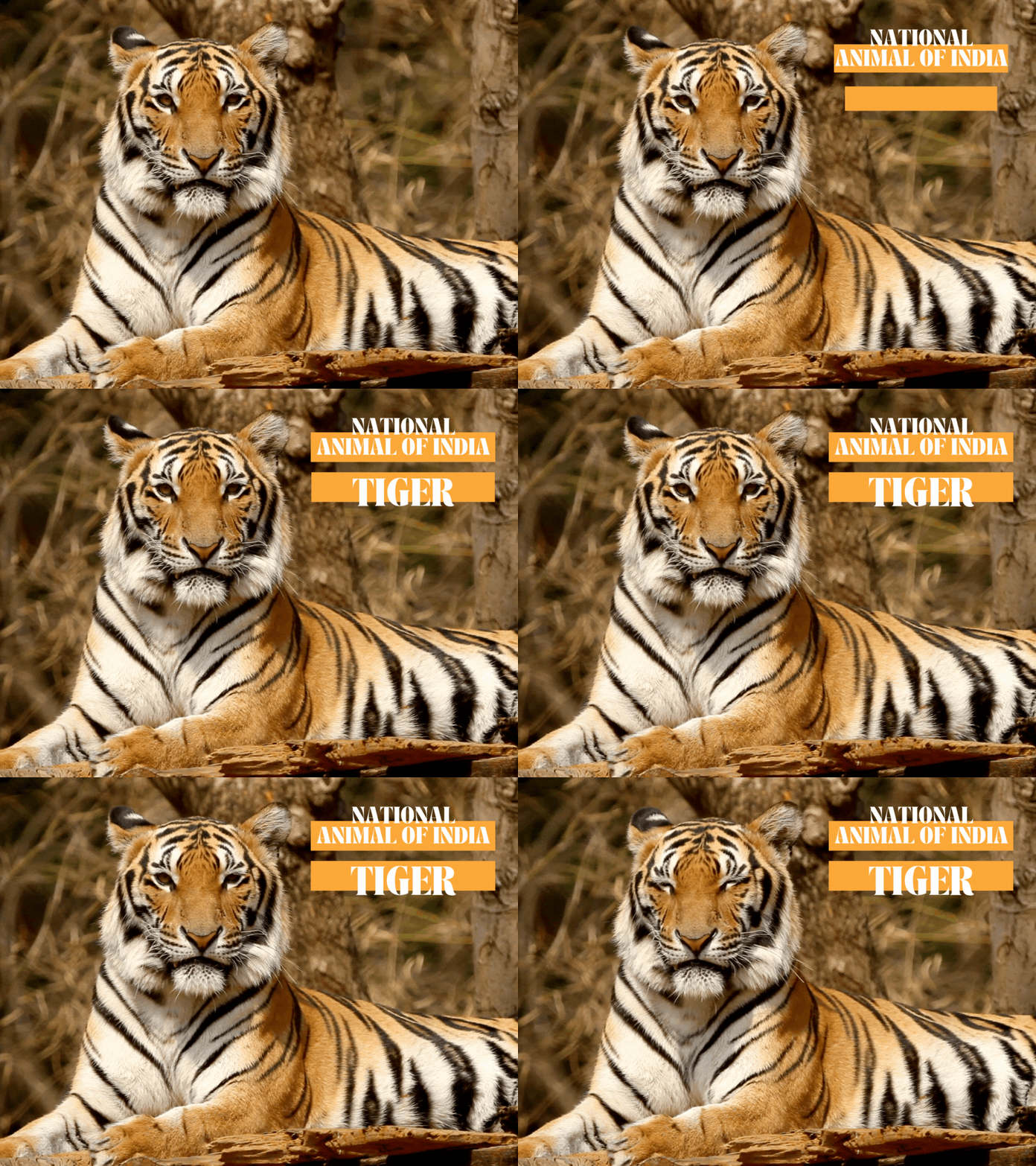
National symbols like the tiger are crucial in shaping India’s identity. They embody cultural values, historical traditions, and the country’s deep respect for nature. The tiger highlights India’s biodiversity and serves as a reminder of the nation’s responsibility to protect endangered species. With India being home to the largest population of tigers in the world, the Royal Bengal Tiger stands as a proud emblem of resilience and conservation.
Thus, the national animal of India is more than just a symbol it is a living representation of the country’s natural wealth, unity, and spirit.
The tiger was chosen as the national animal of India because it perfectly embodies the nation’s values of strength, courage, and dignity. Known for its power, agility, and grace, the Royal Bengal Tiger represents the commanding presence of India in the natural world. Its solitary yet fearless nature reflects resilience, authority, and determination, which are deeply admired in Indian culture.
The meaning of tiger in India goes beyond its physical prowess. In mythology and folklore, the tiger has been a symbol of divine power and protection. Goddess Durga, one of the most revered deities in Hinduism, is often depicted riding a tiger, signifying the triumph of good over evil. Ancient Indian art, literature, and temple carvings also highlight the tiger as a guardian of forests and a symbol of natural balance.
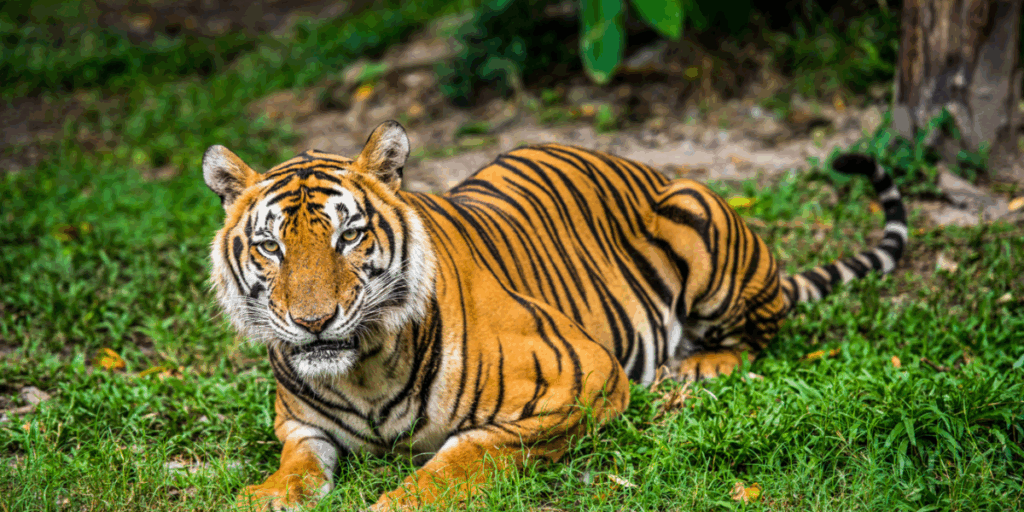
Interestingly, before 1973, the lion was India’s national animal. However, the lion’s distribution was limited, primarily found in the Gir forests of Gujarat. To better represent India’s vast biodiversity and highlight a species spread across the subcontinent, the tiger replaced the lion as the national animal. This change also coincided with the launch of Project Tiger, a significant conservation effort to protect the species from extinction.
Thus, the tiger, as the national animal of India, is not just about pride in its majestic form, but also about cultural reverence, ecological significance, and the nation’s commitment to wildlife preservation.
The story of the national animal of India is closely tied to the country’s wildlife conservation efforts. When was the tiger declared the national animal of India? In 1973, India launched Project Tiger, a landmark initiative to save the species from extinction. Before this, the lion was considered the national animal until 1972.
Several factors influenced the decision to replace the lion with the Royal Bengal Tiger. While the lion symbolized courage and royalty, its presence in India was geographically limited to the Gir forests of Gujarat. In contrast, the tiger had a wider distribution across the subcontinent, inhabiting diverse landscapes from the Sundarbans mangroves to the Himalayan foothills, making it a stronger representation of India’s biodiversity.
Equally important was the conservation crisis of the 1970s. Rampant hunting and habitat destruction have caused a drastic decline in tiger numbers, raising global concern about their survival. Declaring the tiger as the national animal brought much-needed attention and urgency to its protection, aligning national pride with conservation goals.
Thus, the national animal of India history reflects a conscious choice not only to celebrate the tiger’s majesty but also to safeguard it for future generations. The adoption of the tiger as the national animal remains a symbol of India’s enduring commitment to wildlife conservation and ecological balance.
The Royal Bengal Tiger is admired for its strength and striking appearance. Its features make it one of the most dominant big cats in the world.
These features highlight why the Bengal tiger is not only India’s national animal but also a symbol of survival and ecological strength.

The tiger habitat in India is remarkably diverse, ranging from dense forests to mangrove swamps. India is home to the largest population of Royal Bengal Tigers, making it the global stronghold for this species.
The tiger reserves in India protect this majestic animal and safeguard the nation’s rich biodiversity and ecological balance.
According to the All India Tiger Estimation 2022, the number of tigers in India stands at approximately 3,682, up from 2,967 recorded in 2018. The minimum confirmed count was 3,167, but statistical models put the population closer to 3,682. This makes India home to nearly 75% of the world’s wild tigers, reaffirming its role as the global leader in tiger conservation.
| State | Number of Tigers |
|---|---|
| Madhya Pradesh | 785 |
| Karnataka | 563 |
| Uttarakhand | 560 |
| Maharashtra | 444 |
| Tamil Nadu | 306 |
| Assam | 227 |
| Kerala | 213 |
Over the decades, India has witnessed a remarkable recovery in tiger numbers, growing by more than 160% since 2006. However, regional variations exist—while Madhya Pradesh and Karnataka show steady growth, some states face challenges due to habitat loss and human–wildlife conflict.
The rising tiger population in India highlights the success of long-term conservation measures, though continued vigilance is essential to sustain this momentum.

Launched in 1973, Project Tiger marked the beginning of organized tiger conservation in India. Its main goals were to secure a viable tiger population, curb poaching, and protect natural habitats. Over the years, the project has become a holistic landscape-level program, ensuring ecological balance while safeguarding the tiger. Today, Project Tiger is celebrated worldwide as one of the most successful wildlife recovery initiatives.
One of Project Tiger’s most significant achievements has been establishing a vast tiger reserve network. India now has 53 tiger reserves spread across 18 states, covering over 75,000 sq. km of core and buffer zones. These reserves provide critical breeding grounds for tigers while also conserving biodiversity. Popular reserves like Kanha (Madhya Pradesh) and Nagarhole (Karnataka) stand out as success stories where tiger numbers have rebounded impressively.
The Wildlife Protection Act of 1972 gave India the legal framework to safeguard endangered species. 2005 the National Tiger Conservation Authority (NTCA) was established to oversee policy, scientific management, and stricter anti-poaching measures. Together, these legal mechanisms have played a crucial role in strengthening conservation.
Tiger conservation is not confined to India alone. The country is a member of CITES (Convention on International Trade in Endangered Species) and an active participant in the Global Tiger Forum (GTF), which unites tiger-range nations to double global tiger numbers. Through such cooperation, India contributes to a broader global conservation mission.

The Bengal tiger, India’s national animal, faces numerous threats that endanger its survival. Despite conservation efforts, the species continues declining in certain regions due to human activity and environmental challenges.
Poaching remains one of the most critical threats to Bengal tigers. Tigers are hunted for their skins, bones, and other body parts, which are illegally traded in international markets for use in traditional medicine and luxury goods. This illegal trade severely reduces tiger populations and undermines conservation programs.
Deforestation, mining, and rapid urban expansion have led to large-scale habitat loss. With shrinking forests, tigers lose their natural homes and their prey base, forcing them into human-dominated landscapes in search of food.
As tigers move closer to villages and agricultural fields, conflict with humans rises. Attacks on livestock and, in rare cases, humans lead to retaliation by local communities, further threatening the species.
Climate change poses an emerging risk, particularly in the Sundarbans, where rising sea levels and increased cyclonic activity threaten the mangrove habitat. This fragile ecosystem, crucial for the survival of Bengal tigers, is shrinking rapidly, putting additional pressure on the species.
In short, the Bengal tiger is endangered due to a mix of human-induced pressures and environmental challenges. Effective conservation requires addressing poaching, restoring habitats, and adapting strategies to climate threats.
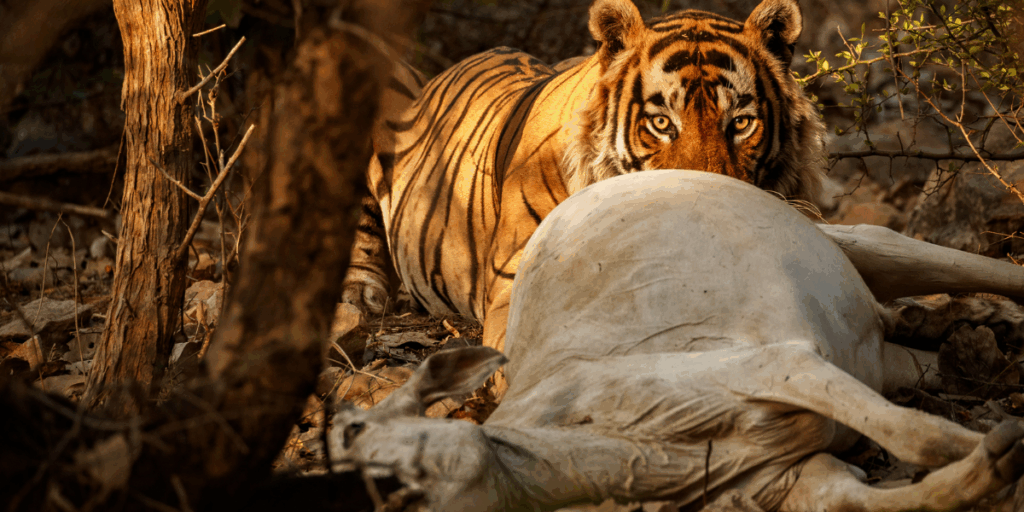
The Bengal tiger is deeply rooted in Indian culture, mythology, and collective imagination. Its presence goes beyond the forests, shaping religious beliefs, artistic traditions, and popular culture over centuries.
In Hindu mythology, the tiger is closely associated with Goddess Durga, who is often depicted riding a majestic tiger (her vahana). This symbolizes strength, courage, and the triumph of good over evil. The image of the goddess astride a tiger highlights the animal’s role as a divine protector and a source of spiritual power.
The tiger appears frequently in Indian folklore and folk tales, representing bravery, dominance, and survival instincts. Ancient coins and temple carvings depict tigers as symbols of power and authority. In modern times, the tiger has become a national emblem of pride, reflected in the insignias of various defense forces, government bodies, and institutions. Its image is used to inspire fearlessness and unity.
Indian literature and cinema have celebrated the tiger as a symbol of mystery and strength. From traditional folk songs to contemporary novels and films like The Jungle Book or Life of Pi, the tiger embodies wilderness, freedom, and the delicate relationship between humans and nature.
Thus, the tiger is not just an animal but a timeless symbol of power, spirituality, and national pride in Indian culture.
The Bengal tiger enjoys strong legal safeguards in India to ensure its survival and protection.

The Royal Bengal Tiger is India’s national animal and an iconic symbol of the country’s global identity. Internationally, it represents India’s rich biodiversity, cultural heritage, and commitment to wildlife conservation. The tiger has been a central figure in numerous international forums, making it a powerful ambassador of India’s environmental values.
India collaborates with other tiger-range countries like Nepal, Bhutan, Bangladesh, and Russia through initiatives such as the Global Tiger Forum and transboundary conservation projects. These partnerships strengthen regional cooperation to protect tiger habitats and curb illegal wildlife trade.
The Bengal tiger also plays a major role in promoting tiger tourism in India. Campaigns like “Incredible India” highlight tiger safaris in reserves such as Ranthambore, Jim Corbett, and Sundarbans, attracting wildlife enthusiasts worldwide. This global appeal raises awareness about tiger conservation and boosts India’s eco-tourism and economy.
| Fact | Details |
|---|---|
| Largest Population | India hosts nearly 75% of the world’s Bengal tiger population. |
| Excellent Swimmers | Tigers can swim long distances and often hunt or cool off in water. |
| Unique Stripes | Each tiger has a distinct stripe pattern, like a fingerprint. |
| Lifespan | Wild: 10–15 years; Captivity: up to 20 years with proper care. |
These Bengal tiger facts for students make the animal fascinating and emphasize its importance as the national animal of India.
The Royal Bengal Tiger, as the national animal of India, stands as a symbol of strength, courage, and grace. Its majestic presence represents India’s rich wildlife, the country’s cultural heritage, and ecological diversity. From mythology to modern conservation, the tiger embodies power, resilience, and national pride.
Protecting the Bengal tiger is more than a wildlife effort; it is a national duty. Conservation initiatives like Project Tiger, the network of tiger reserves, and legal safeguards have shown that coordinated action can help endangered species thrive. However, ongoing threats like poaching, habitat loss, and climate change require continued vigilance and public participation.
Ultimately, the significance of the tiger in India extends beyond its physical presence. Preserving this magnificent animal ensures the survival of ecosystems, inspires future generations, and safeguards India’s natural heritage. By protecting tigers, we maintain the essence of India’s wilderness and the nation’s pride.
The Bengal Tiger is India’s national animal. It symbolizes strength, power, and grace, and reflects the country’s rich wildlife heritage.
The lion is one of the most widely recognized national symbols, featuring on the emblems of numerous countries, including Kenya, Finland, Canada, Norway, Sweden, Spain, Singapore, India, England, and Myanmar.
One of the world’s big cats, the tiger is distinguished by its prominent black stripes on a golden-yellow coat and symbolizes grace, strength, agility, and power. As of 2023, India hosts nearly 75% of the global wild tiger population. Meanwhile, the Indian peacock was declared the national bird of India in February 1963.
India launched Project Tiger in 1973, a conservation program aimed at protecting tiger habitats and increasing their population through monitoring and anti-poaching efforts
White Bengal Tigers are a rare genetic variation of Bengal Tigers. They are not albino but have a unique white coat due to a recessive gene.
As of the last official census in 2018, India had around 2,967 Bengal Tigers, making it home to more than 70% of the global wild tiger population.