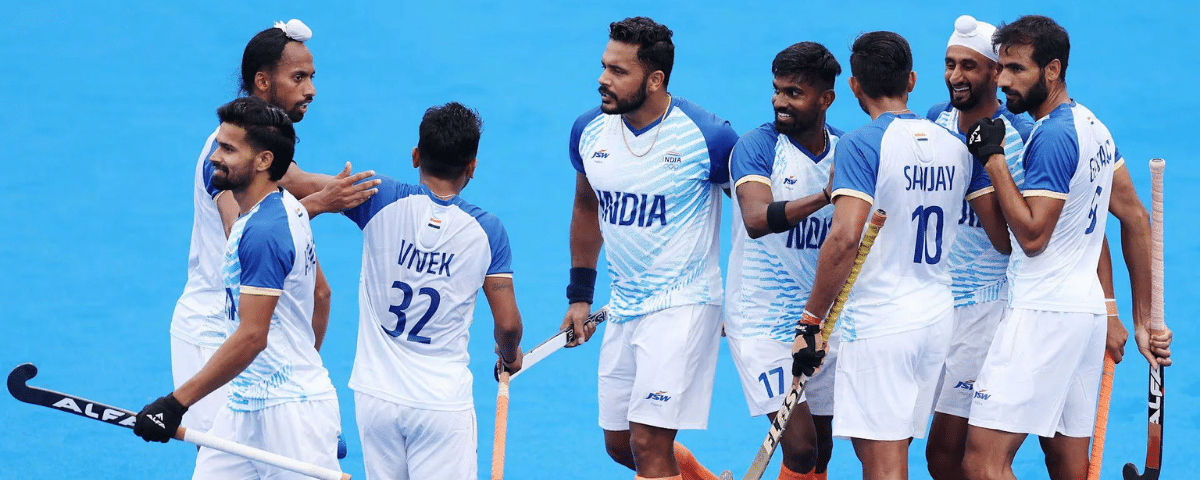
For generations, Indians have grown up with the belief that hockey is the national game of India. School lessons, competitive exams, and even general knowledge quizzes have long repeated this claim, making it deeply ingrained in the public mind. The association is not entirely baseless. India once dominated world hockey, winning multiple Olympic gold medals between 1928 and 1980. These golden years gave hockey a special place in the nation’s sporting history and pride.
However, the surprising truth is that India has not officially declared a national game. In 2012, the Ministry of Youth Affairs and Sports clarified through an RTI (Right to Information) query that no sport holds this status. The confusion stems from hockey’s glorious past, which made people assume it must have been declared the national game.
While hockey remains iconic for its achievements and cricket today captures the nation’s passion, it is apparent that India has no national game; it is a popular myth, not an official reality.

Many people ask whether hockey is India’s national game. While the official answer is no, hockey’s golden legacy explains why millions of Indians associate it with national pride. The belief that hockey is India’s national sport is rooted in the country’s historic dominance in the field, the contributions of legendary players, and the sport’s cultural significance.
Field hockey was introduced in India during the British colonial period and quickly became popular across the subcontinent. By the early 20th century, India had developed a strong hockey culture, producing highly skilled players and a distinctive style of play that impressed the international community. Schools, clubs, and local tournaments helped spread the game widely, making it accessible to people from diverse backgrounds.
India’s national hockey team made its mark globally during the early decades of the 20th century. From 1928 to 1956, India won six consecutive Olympic gold medals, an unparalleled achievement in hockey history. These victories were more than just sporting triumphs—they were symbols of national pride at a time when India was still under colonial rule. The success on the world stage gave Indians a sense of identity and unity, reinforcing the perception of hockey as a “national sport.”
No discussion about Indian hockey is complete without mentioning Dhyan Chand, famously known as the “Hockey Wizard.” His exceptional stickwork, strategic vision, and prolific goal-scoring helped India win multiple international tournaments, including the 1936 Berlin Olympics, where India defeated Germany 8–1. Dhyan Chand’s legend turned hockey into an inspiration for generations, further cementing its association with Indian pride and sporting excellence.
The idea that hockey is India’s national game also stems from colonial-era education. Early textbooks and general knowledge materials often highlighted India’s dominance in hockey, inadvertently portraying it as the official sport. Over the years, this narrative was reinforced through school curricula, quizzes, and competitions, embedding the myth in public consciousness.
Although hockey has never been officially declared India’s national sport, its historical achievements, iconic players like Dhyan Chand, and glorification in education and media have made it a symbol of national pride. This is why hockey continues to be popular but is incorrectly considered India’s national game.
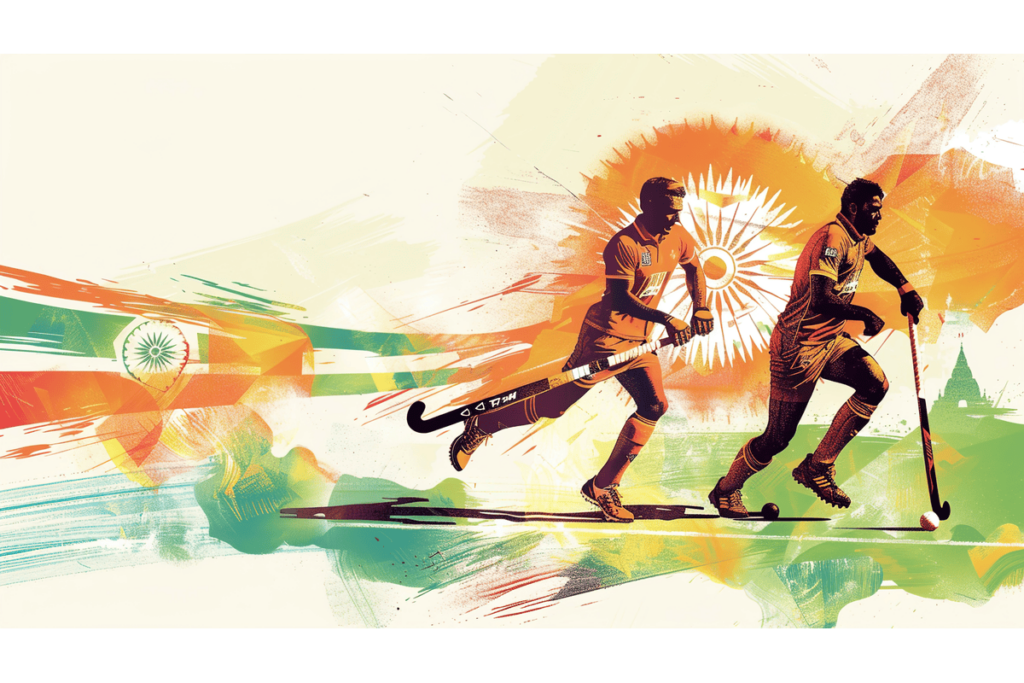
The long-standing confusion over hockey’s status as the national game was finally addressed in 2012 through an RTI reply on the national game of India. A school student filed the query, and the Ministry of Youth Affairs and Sports provided a clear response: India has not officially declared a national sport. This clarification put to rest the widespread belief that hockey held this status.
In its explanation, the Ministry stated that no sport has ever been notified as the official national sport of India. While hockey has a glorious legacy and remains iconic in India’s sporting history, the government has consciously avoided giving any game this designation.
One reason for this decision is inclusivity. By not favoring one sport, the government encourages the development of multiple disciplines, such as cricket, hockey, kabaddi, football, wrestling, badminton, athletics, and others. Declaring one sport as “national” could overshadow others and contradict India’s diverse sporting culture.
Thus, the Ministry of Youth Affairs’ national game clarification highlights a progressive approach: India celebrates its sports heritage without confining national identity to one discipline. Hockey may be the people’s choice, but officially, India has no national sport.
The importance of hockey in India goes far beyond wins and medals; it is deeply tied to national pride, history, and identity. For decades, hockey symbolized India’s sporting excellence on the global stage, making it an emotional anchor for millions.
Hockey history in India played a symbolic role during the struggle for freedom. Every Olympic victory between 1928 and 1948 was a sporting milestone and a statement of resilience under colonial rule. When India won gold at the 1948 London Olympics, its first as an independent nation, it carried immense political and emotional value. The victory showcased India’s global standing, and hockey became a unifying force that inspired national confidence.
India’s hockey dominance is legendary. From 1928 to 1956, the country won six consecutive Olympic gold medals, creating an unmatched record in world sport. The era of Dhyan Chand elevated the game’s prestige, making hockey synonymous with Indian sporting genius. Later, in 1975, India lifted its first and only Hockey World Cup, defeating Pakistan in the final, a moment remembered as one of the greatest triumphs in Indian sports history.
Even today, despite cricket’s popularity, hockey remains a symbol of national pride. The sport is celebrated in films, biographies, and cultural memory, reminding generations of India’s glorious past. The government’s decision to declare August 29 the birth anniversary of Dhyan Chand as National Sports Day further reflects the enduring legacy of hockey in the country’s identity.
In short, hockey’s importance in India lies in trophies and its historical role as a beacon of unity, pride, and excellence that continues to inspire Indian sport.
While hockey’s golden era was the mid-20th century, Indian hockey is experiencing a remarkable revival today. After decades of relative decline, the sport has regained national attention through recent international successes and sustained support from the government, sporting bodies, and grassroots programs.
A landmark moment for modern Indian hockey was the Tokyo Olympics 2020, where the men’s team won the hockey bronze medal, ending a 41-year Olympic medal drought. This historic achievement reaffirmed India’s position on the global hockey map. The women’s team also made waves by reaching the semifinals, reflecting growing competitiveness and international recognition. Beyond the Olympics, the men’s team has excelled in tournaments such as the Asian Champions Trophy and various FIH events, boosting morale and inspiring confidence among young athletes.
The revival is powered by a new generation of players making headlines. Stars like Harmanpreet Singh, Manpreet Singh, Savita Punia, and Vandana Katariya have become household names, inspiring aspiring hockey players nationwide. Their skill, discipline, and international achievements symbolize the renewed strength of the India hockey team.
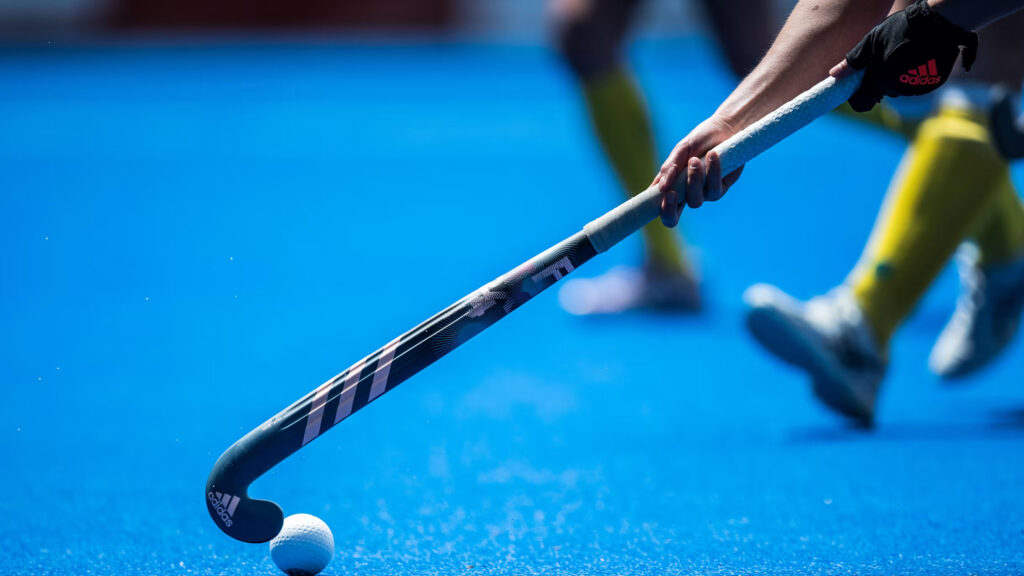
Organizations like Hockey India and the Ministry of Youth Affairs and Sports have played a pivotal role in reviving the sport. Investment in state-of-the-art training facilities, improved infrastructure, and programs like Khelo India have provided pathways for young talent to compete at elite levels.
In conclusion, Indian hockey today blends a rich legacy with a promising future. With rising stars, continued success in international tournaments, and structured support from governing bodies, hockey is reclaiming its place as one of India’s most cherished sports, inspiring pride and enthusiasm nationwide.
| Year | Tournament | Men’s Team Result | Women’s Team Result |
|---|---|---|---|
| 2014 | Asian Games | Silver | Bronze |
| 2016 | Hockey Champions Trophy | 4th Place | 7th Place |
| 2018 | Asian Games | Gold | 2nd Place (Silver) |
| 2018 | Hockey World Cup | 5th Place | 8th Place |
| 2019 | FIH Series Finals | Gold | Bronze |
| 2020 | Tokyo Olympics (held 2021) | Bronze | 4th Place |
| 2021 | Asian Champions Trophy | Gold | 4th Place |
| 2022 | FIH Hockey Pro League | 4th Place | 7th Place |
| 2023 | Asian Games | TBD | TBD |
Around the world, many nations proudly associate themselves with a single sport that reflects their culture and heritage. These national games of countries are often officially declared, while in some cases, they are accepted by tradition.
For instance, Canada has two official national sports: ice hockey for the winter and lacrosse for the summer, both recognized by law. Baseball is popularly considered the national pastime in the United States, but it has never been declared the official sport. Similarly, in Japan, Sumo wrestling holds official recognition as the national sport, deeply tied to the country’s history and traditions.
These examples show how examples of national sports vary from being culturally symbolic to being legally recognized. They also highlight how some countries emphasize multiple sports to represent different aspects of their identity.
By contrast, India has no official declaration of a national game. While hockey is often assumed to hold that title due to its glorious past, the government has deliberately avoided naming one sport to maintain inclusivity and encourage equal growth across disciplines.
Thus, India’s approach is unique globally; it values diversity in sports rather than placing one discipline above all others.
In conclusion, India has no official national game. Contrary to popular belief, hockey has never been formally recognized as the country’s national sport. Its enduring association with India comes from decades of international success, legendary figures such as Dhyan Chand, and its deep emotional connection with the nation’s history and pride. Hockey’s achievements have made it a symbol of excellence, but this remains a matter of public perception rather than official status.
The government’s choice not to declare a national game reflects a thoughtful approach: it promotes equality among all sports, ensuring no discipline is overshadowed. This allows cricket, kabaddi, athletics, badminton, and other sports to flourish alongside hockey, fostering a more inclusive and vibrant sporting ecosystem.
Ultimately, while hockey continues to inspire and evoke national pride, India’s true sporting strength lies in its diverse range of games. The country nurtures talent across disciplines by valuing multiple sports and celebrates a rich legacy of athletic achievement, honoring tradition and modern excellence.
Read More:
The Indian government has not declared any sport the country’s official national game. While sports like cricket, hockey, and kabaddi are extremely popular and widely played, India has not selected any specific sport to represent the nation as its national game.
While India has a rich and successful history in hockey, including multiple Olympic gold medals, the government has not officially declared it the national sport. Despite hockey’s significant legacy and continued importance in the country’s sporting culture, India does not have an official national game.
Kho Kho is a traditional Indian sport similar to tag that enjoys widespread popularity nationwide. It is featured in state-level competitions at the National Games of India and Khelo India and in the professional Ultimate Kho Kho league, which is supported by the Kho Kho Federation of India (KKFI).
India has produced legendary hockey players, with Major Dhyan Chand, known as the ‘Wizard of Hockey,’ being the most iconic. Other notable players include Balbir Singh Sr. and Dhanraj Pillay, who have significantly contributed to the sport and earned India a proud legacy in international hockey.
According to the Ministry of Youth Affairs and Sports, no sport has been officially declared India’s national game or national sport.