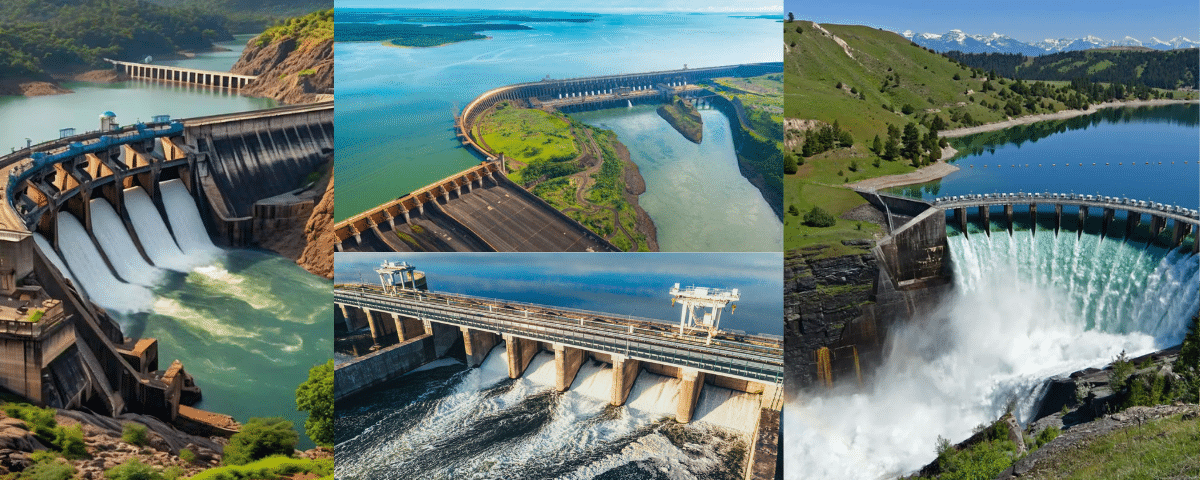
Dams are vital infrastructural assets that are crucial to India’s water and energy management. They help store vast quantities of water, generate hydroelectric power, control floods, and provide irrigation essential for sustaining agriculture and food security. With an extensive network of rivers and varied topography, India has constructed thousands of dams, ranking among the countries with the highest number of dams in the world.
These dams ensure a reliable domestic, industrial, and agricultural water supply while contributing to renewable energy generation through hydropower. They help regulate river flow, mitigate floods, and support drought-prone regions. Major multipurpose projects such as Bhakra Nangal, Sardar Sarovar, and Tehri Dam are engineering marvels, driving regional development. Beyond infrastructure, dams play a key role in ecological balance, rural livelihoods, and tourism. However, sustainable dam management and regular maintenance remain essential to balance development with environmental conservation and community well-being.
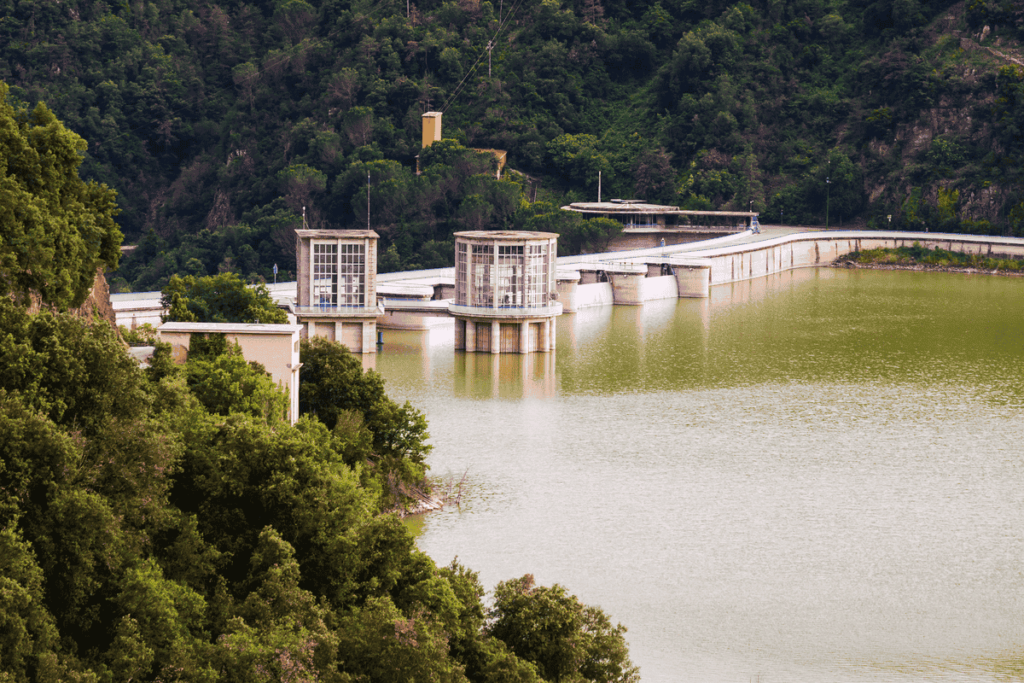
According to the latest data (NRLD 2025), India has about 6,628 large dams, of which 6,545 are operational and 83 are under construction. India is ranked third globally regarding the number of large dams, after China and the United States.
The Central Water Commission (CWC) plays a central role in dam management in India. It maintains the National Register of Large Dams, oversees dam safety via programs like the Dam Rehabilitation and Improvement Project (DRIP), sets technical and safety standards, coordinates with states, and provides regulation, inspection, and research functions.
Dams are critically important to India’s economy, agriculture, and urban development. They store water for irrigation and drinking, support hydroelectric power generation, help control floods, manage drought, and sustain urban water supplies. They underpin industrial growth, improve land productivity, and contribute to rural livelihoods. However, challenges include aging infrastructure, sedimentation reducing storage, safety concerns, and ensuring sustainable maintenance.
Dams in India are classified based on their structure, construction material, and purpose. Each is designed to meet specific water storage, power generation, irrigation, or flood control requirements.
| Classification | Type/Material/Purpose | Key Feature | Rocks with an impermeable core |
|---|---|---|---|
| Structure | Gravity | Uses weight to resist water pressure | Bhakra Dam, HP |
| Arch | Curved design, transfers pressure | Tehri Dam, Uttarakhand | |
| Buttress | Supported by buttresses | Chamera Dam, HP | |
| Embankment | Earth/rock-fill structure | Hirakud Dam, Odisha | |
| Material | Earth-fill | Compacted earth core | Hirakud Dam, Odisha |
| Rock-fill | Rocks with impermeable core | Sardar Sarovar Dam, Gujarat | |
| Concrete | Durable, strong construction | Bhakra Nangal Dam, HP | |
| Purpose | Irrigation | Water for agriculture | Mettur Dam, Tamil Nadu |
| Hydropower | Generates electricity | Tehri Dam, Uttarakhand | |
| Flood control | Manages river overflow | Farakka Barrage, West Bengal | |
| Multipurpose | Irrigation, power, flood control | Hirakud Dam, Odisha |
This classification highlights dams’ versatility and strategic importance across India, addressing developmental and environmental needs.
India’s dams are monumental engineering achievements critical to irrigation, hydroelectric power generation, flood control, and regional development. Spread across various river basins, these massive structures support millions of people by ensuring water security and promoting agricultural and industrial growth. Below are the top 10 major dams in India, each an engineering marvel contributing uniquely to the nation’s progress.
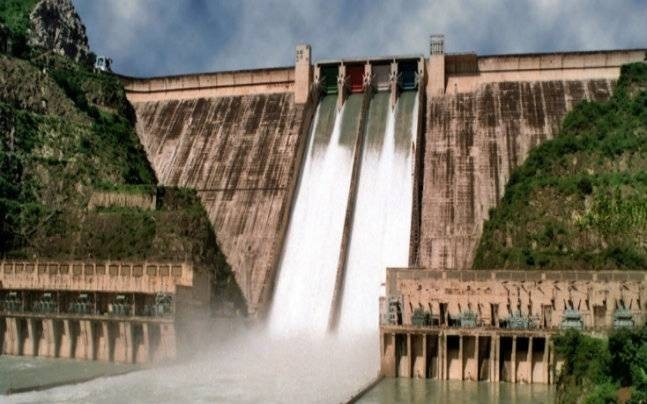
Completed in 1963, the Bhakra Nangal Dam is one of India’s largest and oldest multipurpose projects. Rising 226 meters high, it is a gravity dam constructed across the Sutlej River. Apart from generating over 1,200 MW of hydroelectric power, it irrigates vast Punjab, Haryana, and Rajasthan. The Gobind Sagar Reservoir, which was formed by the dam, is also a major tourist attraction and a fishery resource.
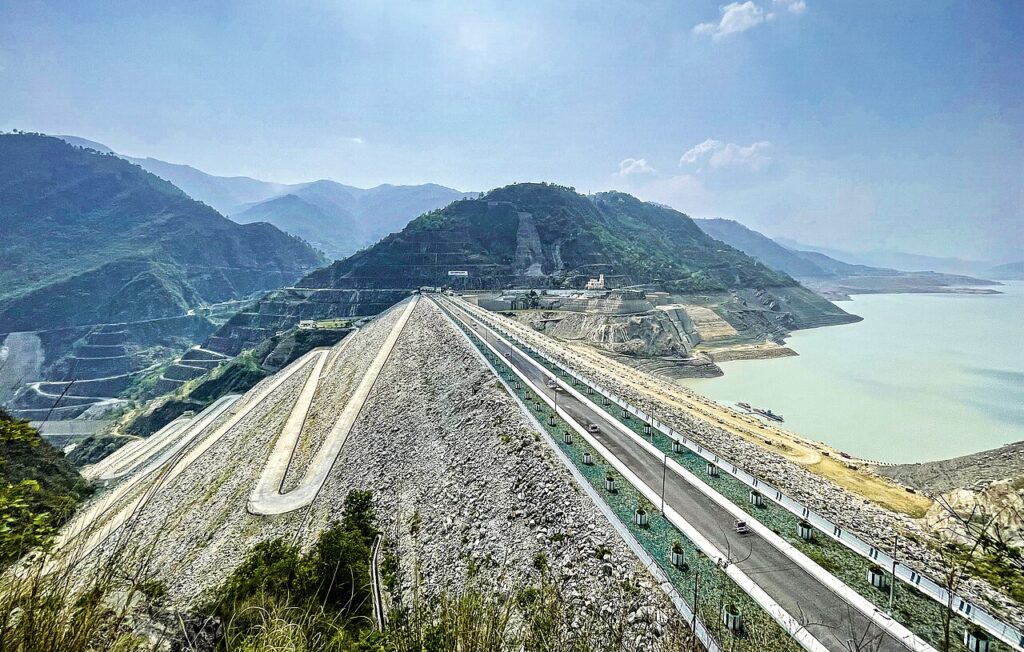
Standing at 260.5 meters, the Tehri Dam is the tallest in India and one of the highest in the world. Commissioned in 2006, it is crucial in power generation, irrigation, and drinking water supply for Delhi, Uttar Pradesh, and Uttarakhand. The dam produces 1,000 MW of hydroelectricity, with additional capacity for pumped storage. It symbolizes India’s modern hydropower capabilities.
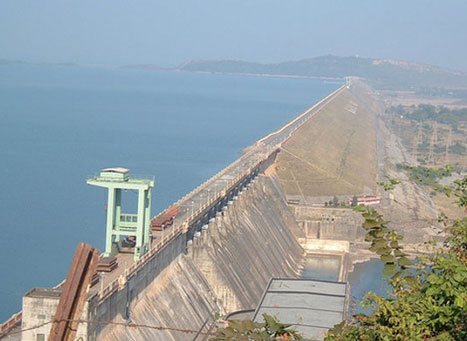
Constructed in 1957, the Hirakud Dam is one of the world’s longest earthen dams, extending 25.8 kilometers, including dykes. It is 60.96 meters high and serves multiple purposes: irrigation, flood control, and power generation. The Hirakud Reservoir is a key water source for agricultural lands and industries in western Odisha and has significantly reduced Mahanadi flood risks.
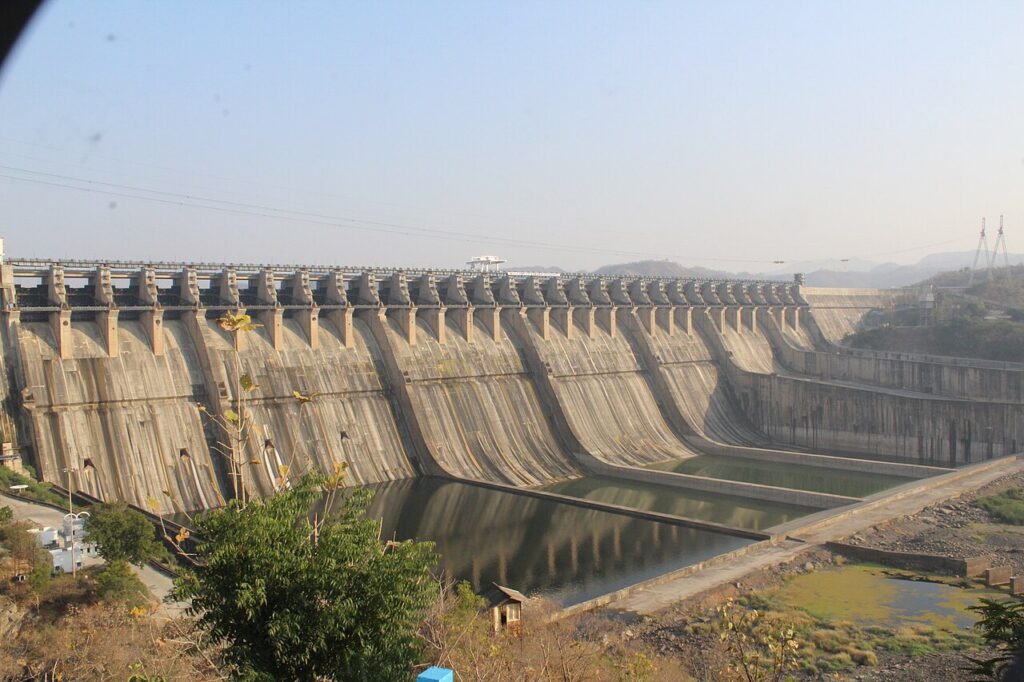
The Sardar Sarovar Dam, completed in 2017, is a multipurpose project under the ambitious Narmada Valley Development Plan. With a height of 163 meters, it provides irrigation to over 18 lakh hectares across Gujarat, Rajasthan, and Maharashtra. It also generates 1,450 MW of power and supplies drinking water to thousands of villages, making it one of India’s most vital infrastructure projects.
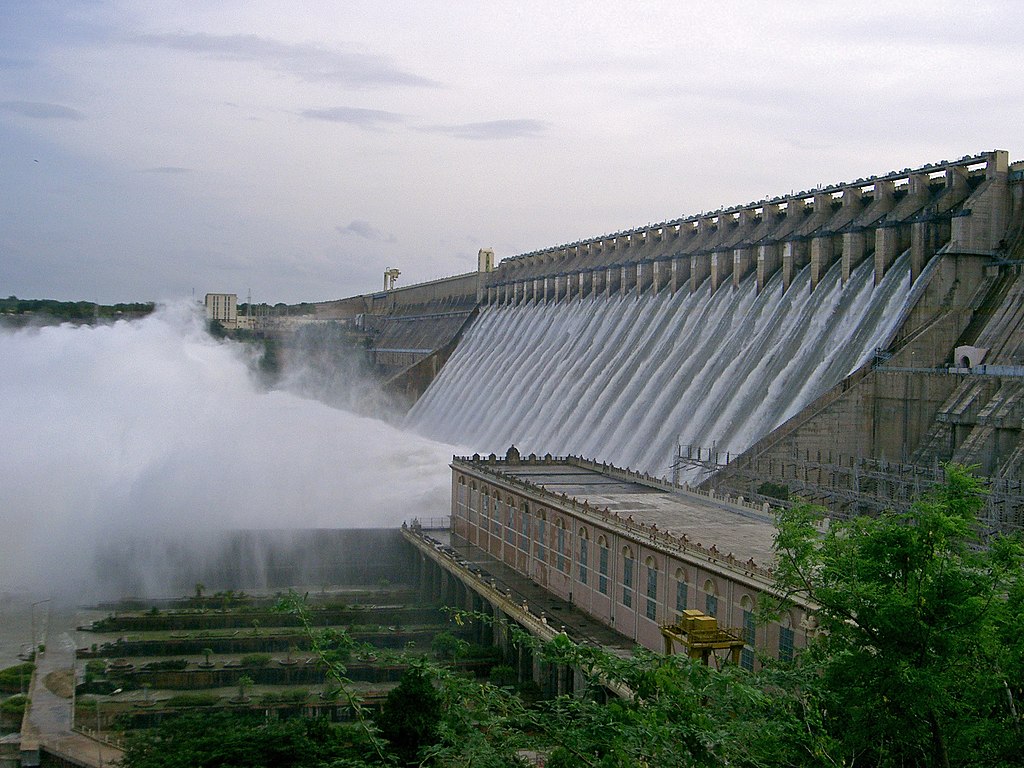
Built in 1967, the Nagarjuna Sagar Dam is one of the largest masonry dams in the world, standing 124 meters tall. It irrigates more than 10 lakh hectares of farmland and supports power generation. The dam’s massive reservoir, Nagarjuna Sagar Lake, is a scenic spot and an essential source of freshwater for southern India.
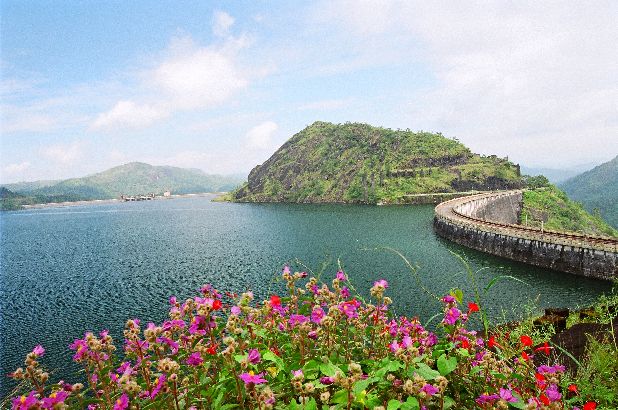
Completed in 1976, the Idukki Dam is a double-curvature arch dam standing 168.9 meters high. It is a key hydroelectric project, forming part of the Idukki Hydroelectric Project, that generates about 780 MW of power. Surrounded by lush forests, it is also a popular tourist destination known for its natural beauty.
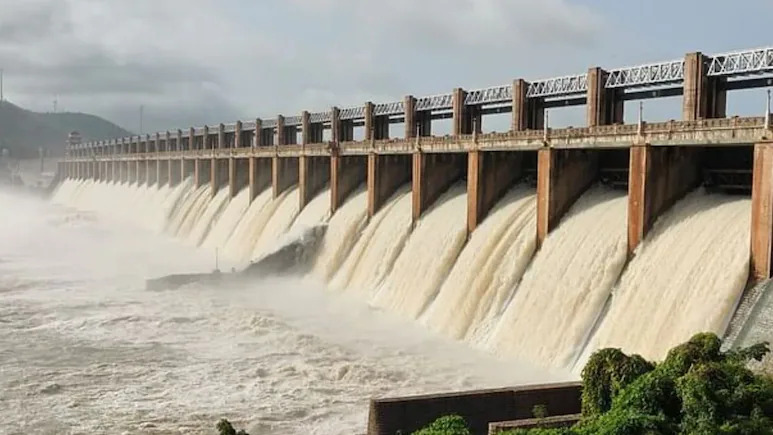
Commissioned in 1953, the Tungabhadra Dam is a 49.4-meter-high multipurpose dam near Hospet in Karnataka. It provides irrigation for vast tracts of land in Karnataka and Andhra Pradesh. The dam also supports fisheries and generates hydroelectricity, while its surroundings, near Hampi, attract numerous tourists.
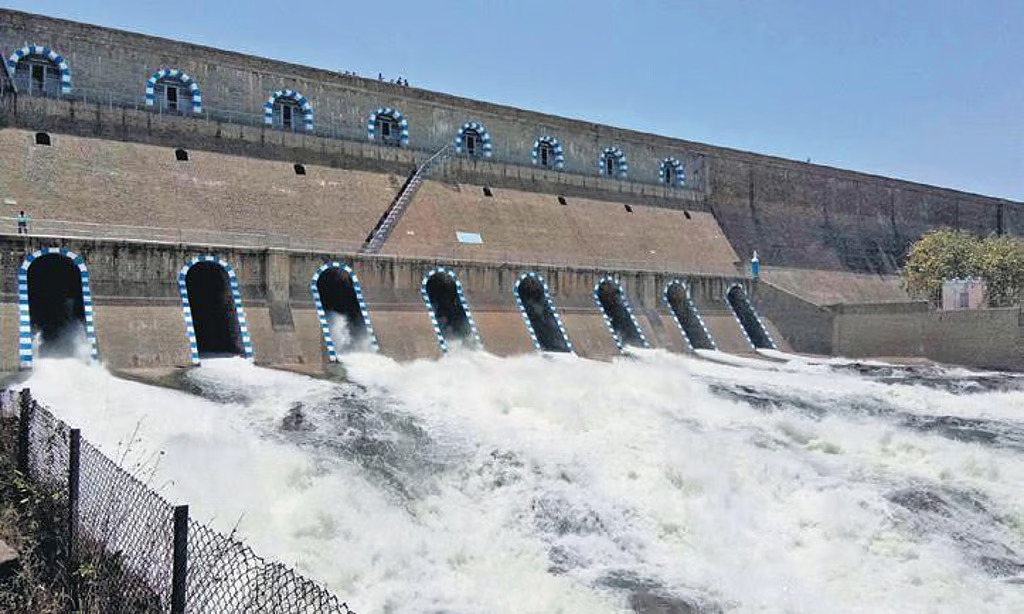
The Mettur Dam, completed in 1934, is one of India’s oldest and most essential irrigation structures. Standing 65 meters tall, it supports agriculture in the Cauvery Delta and ensures water supply for Salem and Erode districts. The Stanley Reservoir, created by the dam, remains a lifeline for Tamil Nadu’s farmers.
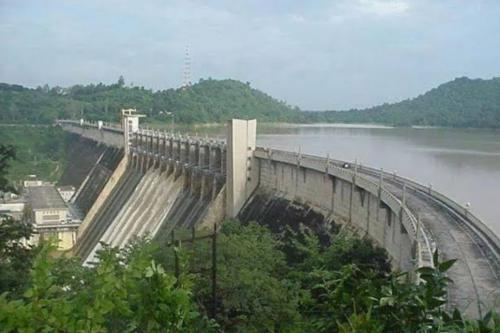
Built in 1962, the Rihand Dam, also known as Govind Ballabh Pant Sagar, is the largest dam in Uttar Pradesh. At 91 meters in height, it serves both irrigation and power generation purposes. The reservoir provides cooling water for thermal power plants in the Singrauli and Sonbhadra regions.
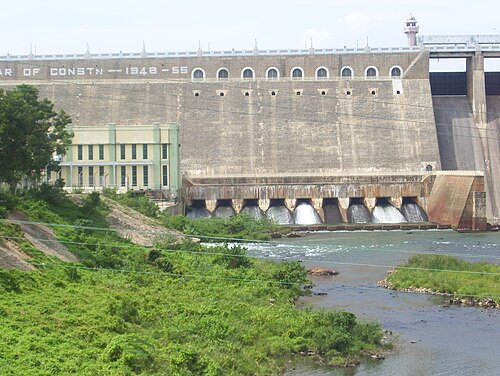
Completed in 1955, the Bhavanisagar Dam is an earthen dam standing 32 meters high. It is among India’s largest and is primarily used for irrigation in the Coimbatore and Erode districts. The dam supports thousands of farmers and is key to Tamil Nadu’s agricultural productivity.
These ten dams represent India’s engineering excellence and developmental vision. They provide water and power, enhance agricultural productivity, boost tourism, and contribute to rural livelihoods. Together, they form the backbone of India’s water resource management system, ensuring sustainable growth for future generations.
India has a vast network of dams supporting irrigation, hydroelectric power, flood control, and water supply. As per the National Register of Large Dams (NRLD 2025), the country has over 5,700 large dams and more than 300 under construction, reflecting the scale of its water management infrastructure. For better clarity, major dams can be organized regionally:
| State | Major Dams | River | Purpose |
|---|---|---|---|
| Himachal Pradesh | Bhakra, Pong | Sutlej, Beas | Irrigation, Hydropower |
| Uttarakhand | Tehri | Bhagirathi | Hydropower |
| Jammu & Kashmir | Salal | Chenab | Hydropower |
| Tamil Nadu | Mettur | Cauvery | Irrigation |
| Kerala | Idukki | Periyar | Hydropower |
| Telangana | Nagarjuna Sagar | Krishna | Irrigation |
| Karnataka | Almatti | Krishna | Irrigation, Hydropower |
| Odisha | Hirakud, Rengali | Mahanadi | Irrigation, Flood Control |
| Gujarat | Sardar Sarovar | Narmada | Irrigation, Power |
| Maharashtra | Jayakwadi | Godavari | Irrigation |
| Madhya Pradesh | Bargi, Indira Sagar, Gandhi Sagar | Narmada, Chambal | Irrigation, Power, Flood Control |
| Gujarat | Ukai | Tapti | Irrigation, Hydropower |
This region hosts some of India’s tallest and most significant dams. The Bhakra Dam on the Sutlej and the Pong Dam on the Beas support irrigation and power generation. The Tehri Dam on the Bhagirathi River is the tallest in India, and it is primarily for hydroelectricity. Salal Dam on the Chenab River also contributes to power production.
The South is home to major multipurpose dams. Mettur Dam on the Cauvery River ensures irrigation for Tamil Nadu’s agriculture. Idukki Dam on the Periyar River is a key hydroelectric source. Nagarjuna Sagar Dam on the Krishna River is one of the largest masonry dams, and Almatti Dam on the Krishna supports irrigation and power generation.
The eastern region features dams, such as Hirakud Dam on the Mahanadi River, the longest earthen dams in India, and Rengali Dam, which is also on the Mahanadi, primarily for irrigation and flood control.
Key dams include Sardar Sarovar Dam on the Narmada, Ukai Dam on the Tapti, and Jayakwadi Dam on the Godavari. These multipurpose dams cater to irrigation, hydroelectricity, and water supply.
Important dams include Bargi Dam on the Narmada, Gandhi Sagar Dam on the Chambal, and Indira Sagar Dam, supporting irrigation, power generation, and flood management.
This regional overview highlights India’s extensive dam infrastructure, ensuring water availability, energy generation, and agricultural productivity across the country.
| River Basin | Major Dams | State(s) Covered | Purpose |
|---|---|---|---|
| Narmada | Sardar Sarovar, Indira Sagar | Gujarat, Madhya Pradesh, MP | Irrigation, Hydropower, Water Supply |
| Krishna | Nagarjuna Sagar, Almatti | Telangana, Karnataka, Andhra Pradesh | Irrigation, Hydropower |
| Mahanadi | Hirakud, Rengali | Odisha | Irrigation, Flood Control |
| Godavari | Jayakwadi, Sriramsagar | Maharashtra, Telangana, Andhra Pradesh | Irrigation, Hydropower |
| Cauvery | Mettur, Krishna Raja Sagara | Tamil Nadu, Karnataka | Irrigation, Drinking Water |
| Ganga | Tehri, Rihand | Uttarakhand, Uttar Pradesh | Hydropower, Irrigation, Flood Control |
Dams play a pivotal role in India’s development by supporting agriculture, energy production, water supply, and disaster management.
Dams store and regulate river water, ensuring a consistent supply for irrigation. This boosts agricultural productivity, supports food security, and sustains the livelihoods of millions of farmers across the country.
Many Indian dams, such as Tehri, Bhakra Nangal, and Idukki, are designed for hydroelectric power generation. They provide renewable energy, reduce dependency on fossil fuels, and contribute significantly to the national power grid.
Dams help meet cities’ and towns’ water demands by providing a steady drinking and industrial water source, supporting rapid urbanization and public health needs.
Multipurpose dams regulate river flow during monsoons, preventing floods downstream. During dry seasons, stored water helps mitigate droughts, ensuring water availability for agriculture, households, and industries.
Many dams have become tourist attractions due to their scenic reservoirs, gardens, and boating facilities. Examples include Hirakud Dam and Sardar Sarovar Dam, which attract visitors, promote local tourism, and generate economic benefits for surrounding communities.
In summary, dams are integral to India’s economic growth, sustainable development, and environmental management. They balance water resource needs for agriculture, energy, urban supply, and disaster prevention.
While dams provide numerous benefits, they also have significant environmental and social consequences.
Large reservoirs often submerge forests, agricultural land, and villages, leading to biodiversity loss and the displacement of thousands of people. Resettlement and rehabilitation remain major challenges in affected regions.
Dams alter natural river flow, sediment transport, and water temperature, affecting aquatic life and downstream ecosystems. Fish migration patterns are disrupted, and wetland habitats may decline, impacting biodiversity.
Aging dams require regular maintenance to prevent structural failures. Large reservoirs may induce earthquakes in seismically active regions, posing additional safety risks.
Modern dam projects emphasize environmental impact assessments, sustainable water management, and safety improvements. Programs like the Dam Rehabilitation and Improvement Project (DRIP) aim to upgrade existing infrastructure, minimize ecological harm, and enhance community resilience.
In conclusion, balancing dams’ economic and social benefits with environmental sustainability and community welfare is crucial for India’s long-term water resource management.
India continues to invest in large-scale dam projects to meet growing water, energy, and irrigation demands. The Polavaram Dam in Andhra Pradesh is a multipurpose project designed for irrigation, hydroelectric power, and drinking water supply, expected to benefit millions across the state.
The Ken–Betwa Link Project is a landmark interlinking initiative to transfer water from the Ken River to the Betwa Basin. This would address water scarcity in Bundelkhand while supporting irrigation and hydropower generation.
In the northeast, the Dibang Dam in Arunachal Pradesh is under construction and, once completed, will be one of India’s tallest dams, primarily generating hydroelectric power and enhancing regional development.
Additionally, several multipurpose projects under the National Hydrology Project are being implemented to improve water resource management, strengthen irrigation systems, and ensure sustainable development. These initiatives reflect India’s ongoing commitment to leveraging dam infrastructure for economic growth, energy security, and agricultural resilience.
Dams are vital infrastructural structures that store water, generate hydroelectric power, control floods, and support irrigation systems critical for agriculture. With its diverse river systems and varied topography, India has constructed thousands of dams, making it one of the countries with the most large dams in the world. These structures ensure water availability for drinking, industrial, and agricultural purposes while helping manage floods and droughts nationwide.
Large multipurpose projects such as Bhakra Nangal, Sardar Sarovar, and Tehri Dam simultaneously support hydroelectric power generation, irrigation, and flood control. Regional and smaller irrigation dams complement these by sustaining local agriculture and rural livelihoods. Beyond their functional importance, dams contribute to environmental management, such as groundwater recharge and microclimate regulation. Collectively, India’s dam network underpins economic growth, energy security, agricultural productivity, and sustainable water resource management, making them indispensable to national development.
Read more:
The five biggest dams in India are:
Tehri Dam
Bhakra Nangal Dam
Sardar Sarovar Dam
Hirakud Dam
Nagarjuna Sagar Dam
India has over 5,334 completed dams, with over 400 currently under construction.
Tehri Dam, India’s tallest at 260.5 meters on the Bhagirathi River in Uttarakhand, ranks 12th globally and serves multiple purposes: hydroelectric power generation, irrigation, and water supply.
India’s oldest dam is the Kallanai Dam (Grand Anicut) in Tamil Nadu. It was built across the Cauvery River in the 2nd century CE by King Karikalan of the Chola dynasty for irrigation purposes.
The Cheruthoni Dam in Kerala, built on the Periyar River, stands 138.2 meters tall and is considered India’s smallest dam. It primarily serves irrigation and hydroelectric power generation purposes.