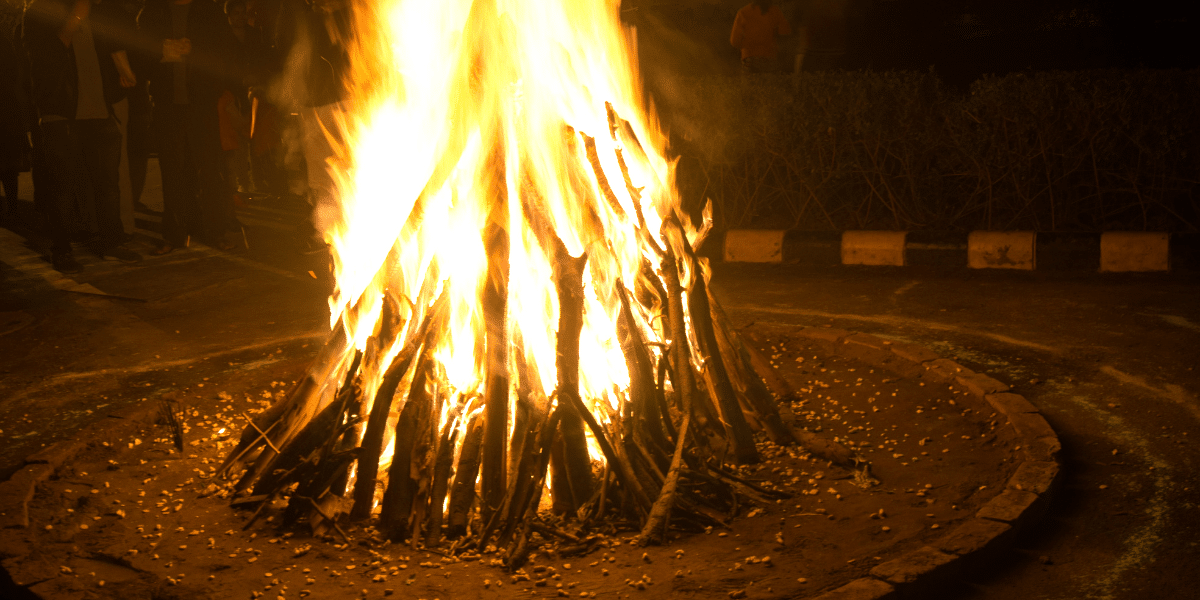
Why is Lohri Celebrated? Lohri is a popular harvest festival celebrated in Punjab and North India on January 13. It marks the end of winter and honors the rabi crop harvest, especially sugarcane and wheat. Celebrations involve bonfires, folk songs, sweets, and community dancing. Lohri also symbolizes new beginnings, especially for newborns and newly married couples, and connects deeply with the folk tale of Dulla Bhatti.
Read More: The Man Who Invented Fountain Pen: History and Evolution of the Pen
Lohri, a popular festival in Punjab, has several origins. One belief is that it’s named after “Loi,” the wife of Saint Kabir. Another theory connects it to “loh,” a tool used for making chapatis. Some associate it with the story of Holika’s sister, who was saved from the fire. The name might also come from “Tilorhi,” a mix of sesame and jaggery. For farmers, Lohri marks the start of the new financial year and the harvest season, making it a time of celebration and gratitude.
Read More: Who Was the Last Mughal Emperor? The End of a Long 331-Year Empire
Lohri is celebrated on a specific date each year, typically landing on January 13th or 14th.
Here’s a breakdown to understand why the exact date fluctuates slightly:
In recent years, Lohri has fallen on:
Why is Lohri Celebrated? The origins of Lohri are as colorful as the festival itself, woven into the fabric of Punjab’s rich history. Legend has it that the festival is named after Loi, the wife of Sant Kabir, or possibly after Holika, the sister of the mythological demon king Hiranyakashipu. However, the most widely accepted story links Lohri to the tale of Dulla Bhatti, a legendary hero in Punjab’s folklore.
Dulla Bhatti, often referred to as the Robin Hood of Punjab, was known for rescuing young girls from being sold into slavery during the reign of Mughal Emperor Akbar. The festival of Lohri is said to commemorate his brave deeds, with traditional Lohri songs often mentioning his name.
“Sundar mundriye ho! Tera kaun vicharaa ho!
Dulla Bhatti wala ho! Dullhe di dhee vyayae ho!
Ser shakkar payee ho!”
These lines from a popular Lohri song celebrate Dulla Bhatti’s heroism, adding a layer of cultural richness to the festival’s celebrations.

Why is Lohri Celebrated? Lohri is a festival that holds great importance for several reasons:
Lohri is mainly an agricultural festival. It celebrates the harvest of winter crops like wheat and mustard, which are grown in the months leading up to the festival. Farmers express their gratitude for a good harvest and pray for more prosperity in the future.
Lohri used to mark the winter solstice, the shortest day of the year. As days begin to get longer and warmer, Lohri celebrates, saying goodbye to the cold winter and welcoming the upcoming spring.
Lohri is important for families with newborns or newly married couples. The warmth of the bonfire is believed to keep away bad spirits and bring good luck for new beginnings.
Lohri is a joyful festival celebrated by families, friends, and relatives across India. It’s especially important for farmers as a harvest festival. People light bonfires, sing songs, dance, and offer sweets, sesame seeds, and jaggery into the fire.
The festival is also special for newlywed couples and families with a newborn. The couple receives gifts from loved ones, who bless them for a happy and prosperous future. It’s a time of celebration and good wishes.
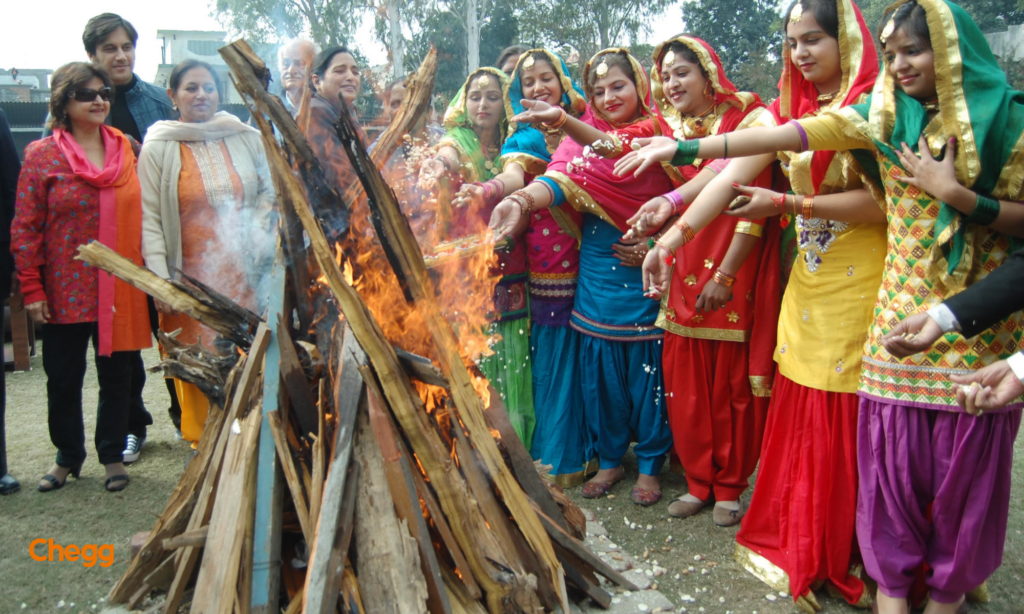
At the heart of Lohri is the bonfire, known as the “Dhruh.” People gather around this crackling fire and toss in goodies like puffed rice (Rewari), peanuts, and popcorn as offerings. The fire represents the warmth of the sun, driving away negativity and bringing good fortune.
Lohri isn’t complete without its delicious sweets. Families and friends prepare and share special treats like peanuts, Rewari (a mix of peanuts and jaggery), and til (sesame seeds) chikki. These treats spread happiness and unity among everyone.
Lohri is a time for joy and celebration. People dress in colorful attire, sing traditional Punjabi folk songs such as “Sundar Mundriye” and “Lohri di Raat,” and dance energetically to Bhangra and Gidda tunes. The festive spirit fills the air with happiness and togetherness.
In simpler terms, Lohri is all about coming together, enjoying delicious food, dancing, and celebrating the warmth of community around a bright bonfire.
While Lohri’s main traditions remain the same, there are some interesting ways it is celebrated in different parts of North India. Let’s find out how Lohri is celebrated in various states:
In Punjab, where Lohri is central, celebrations are lively. People gather in big groups, light bonfires in yards and streets, and dance to dhol beats. Bhangra and Gidda dances add to the festive fun.
In Himachal Pradesh, Lohri is called “Maghi” and coincides with sugarcane harvesting. People light bonfires and pray to the fire god, Agni. They also enjoy traditional dances like Natiyana during the celebrations.
In Haryana, Lohri is celebrated with similar enthusiasm. People gather around bonfires, sing folk songs, and enjoy sweets like peanuts and Rewari. They also savor special sugarcane juice called “gur ki raab” during the festivities.
These variations show how Lohri is celebrated uniquely across different regions of North India.
The moral of the Lohri festival is about gratitude, renewal, and hope. It teaches us to be thankful for the harvest and the blessings of nature, as well as to celebrate new beginnings. Lohri reminds us to stay positive, embrace change, and look forward to better times, with the warmth and light of the bonfire symbolizing hope for a brighter future.
Lohri is a festival filled with joy and gratitude that is celebrated around the world. Here’s how Lohri brings warmth to people everywhere:
Punjabis around the world keep Lohri traditions alive. In cities and towns, they gather for bonfires, traditional food, and cultural performances. These celebrations make them feel at home and proud of their culture.
Lohri welcomes people of all backgrounds. It’s all about community, enjoying tasty treats, and experiencing vibrant traditions. Whether you are at a Punjabi friend’s celebration or a local Lohri event, you will be welcomed and enjoy a unique cultural experience.
Lohri teaches us hope, strength, and appreciation of nature’s gifts. Celebrating Lohri promotes awareness about Punjabi culture and highlights the festival’s important values. Here are ways to celebrate Lohri:
Lohri bridges cultures, promoting understanding and exchange. Joining Lohri celebrations helps preserve Punjabi culture and heritage and enriches your cultural journey. Join in the celebrations and discover a new festival full of warmth, joy, and community spirit.
Why is Lohri Celebrated? While Lohri is mainly a Punjabi festival, it is also celebrated by Sikhs across India. Typically observed on January 13, Lohri marks the end of winter and the harvest season, especially the sugarcane crop. Farmers celebrate by lighting bonfires, enjoying traditional music and dance, and sharing sweets. Why is Lohri Celebrated?

Lohri is not a religious festival tied exclusively to Sikhism or any one faith. Instead, it is a seasonal and cultural celebration that holds deep roots in Punjabi agrarian life. Observed with great enthusiasm across Punjab, Haryana, Delhi, and parts of Himachal Pradesh, it is celebrated by Sikhs, Hindus, and other communities in the region.
While Sikhism as a religion does not promote ritualistic festivals, many Sikh families participate in Lohri as a community tradition that celebrates harvest prosperity, social unity, and family milestones such as births and marriages. Gurudwaras may not formally organize Lohri events, but families and neighborhoods gather around bonfires, share food like til, gur, and rewri, and sing Punjabi folk songs together.
The festival is also significant in rural areas where farming is the main livelihood. Thus, Lohri’s essence lies more in seasonal gratitude and cultural togetherness than in religious doctrine. It reflects the region’s folk identity, aligning more with agrarian practices than with any particular theology.
The scientific reason behind Lohri is linked to the winter solstice. Lohri marks the transition from the coldest part of winter to the arrival of longer, warmer days. It falls around January 13th, when the sun starts to move north, bringing more sunlight and warmth. This change in the weather is a reason to celebrate the end of winter and the beginning of the harvest season. Why is Lohri Celebrated? The bonfire symbolizes the warmth and light, driving away the cold, and welcoming the longer, sunnier days ahead.
Lohri closely aligns with the solar calendar and marks the transition of the Sun (Surya) toward the northern hemisphere, known as Uttarayan. While Lohri is observed on January 13, the next day, Makar Sankranti, signifies the Sun’s entry into Capricorn. This shift marks the end of the harsh winter and the beginning of longer, warmer days, which is crucial for agricultural cycles. Thus, Lohri holds scientific importance for marking seasonal change and energy renewal.
In Punjabi tradition, Lohri is especially celebrated for newborns, particularly if it’s the first Lohri after birth. Families light the bonfire as a symbol of good fortune and protection, and prayers are offered for the child’s health, success, and long life. Loved ones give gifts, jaggery, and sweets, while women sing folk songs welcoming the new soul into the family. In modern times, Lohri is celebrated equally for baby girls and boys, marking it as a progressive cultural occasion.
If you’d like to delve deeper into why Lohri is celebrated, here are some interesting topics to explore:
Lohri is a beautiful festival that bridges tradition with modern-day celebrations. Rooted in gratitude and joy, it marks a time of renewal and prosperity. As the bonfires blaze and the drums beat, Lohri reminds us to embrace positivity, cherish relationships, and look forward to a bright future.
Wishing everyone a Happy Lohri! May this festival bring warmth, joy, and endless celebrations into your life!
Lohri is oftеn linkеd to thе firе god, Agni, signifying thе worship of firе as a sourcе of warmth and life.
Yеs, onе such activity involvеs tossing popcorn into thе Lohri bonfirе, and it’s bеliеvеd that thе highеr thе flame goes, thе bеttеr thе harvеst will bе.
The reason why Lohri is cеlеbratеd and why it is so significant lies in the fact that people come together to celebrate it as a community festival. Urban cеlеbrations may focus more on community gathеrings and cultural programs, while rural arеas oftеn еmphasizе agricultural aspеcts.
The most popular folklore associated with Lohri is that of the legend of Dulla Bhatti, who lived in Punjab during the reign of Mughal Emperor Akbar. He used to rob the rich and help the needy. Once, he saved a girl from kidnappers and took care of her like his daughter. On her wedding day, he even performed the rituals in the absence of a priest. People loved and respected him, and they began to sing the folk song “Sundar-Mundriye” every year on Lohri’s occasion.
Lohri is celebrated as a mark of respect and recognition for the farmers and as a celebration of a bountiful and prosperous year of harvest. It is also celebrated to welcome the sun to the northern hemisphere. It is traditionally associated with harvesting rabi crops.
The celebration of Lohri involves lighting a bonfire, doing parikrama of the bonfire, offering puffed rice, jaggery, sesame seeds, popcorn, and coconut to the fire, and praying to the almighty for a prosperous New Year. People also recite some antiquated mantras so they can feel the warmth of the sun during the chilly winter days.
Lohri is primarily celebrated by both Hindus and Sikhs, especially in the northern regions of India, including Punjab and Haryana. It holds cultural and agricultural significance rather than being specific to a single religion.
Lohri is especially significant for families welcoming a newborn, particularly a boy child, though today it’s celebrated for all children. Lighting the Lohri bonfire symbolizes warmth, protection, and blessings for the child’s future. It’s believed that the festival brings good luck, prosperity, and health to the baby, and loved ones offer gifts and sweets to mark this auspicious beginning.
Scientifically, Lohri aligns with the winter solstice cycle, marking the transition from the coldest part of winter to longer and warmer days. Around January 13, the sun begins its northward movement (Uttarayan), increasing daylight. The bonfire during Lohri is symbolic of the sun’s heat overcoming winter’s chill, celebrating renewal, energy, and the agricultural cycle.