The White Revolution in India, famously known as Operation Flood, was a monumental national program launched on January 13, 1970. This ambitious initiative transformed India from a milk-deficient nation struggling with imports into the world’s largest milk producer by the late 1990s. By establishing a nationwide cooperative-driven milk grid, the movement doubled the per-capita availability of milk and established dairy farming as a cornerstone of rural employment and economic empowerment. This revolution not only secured India’s nutritional future but also showcased the immense power of collective action and visionary leadership in driving socio-economic change.
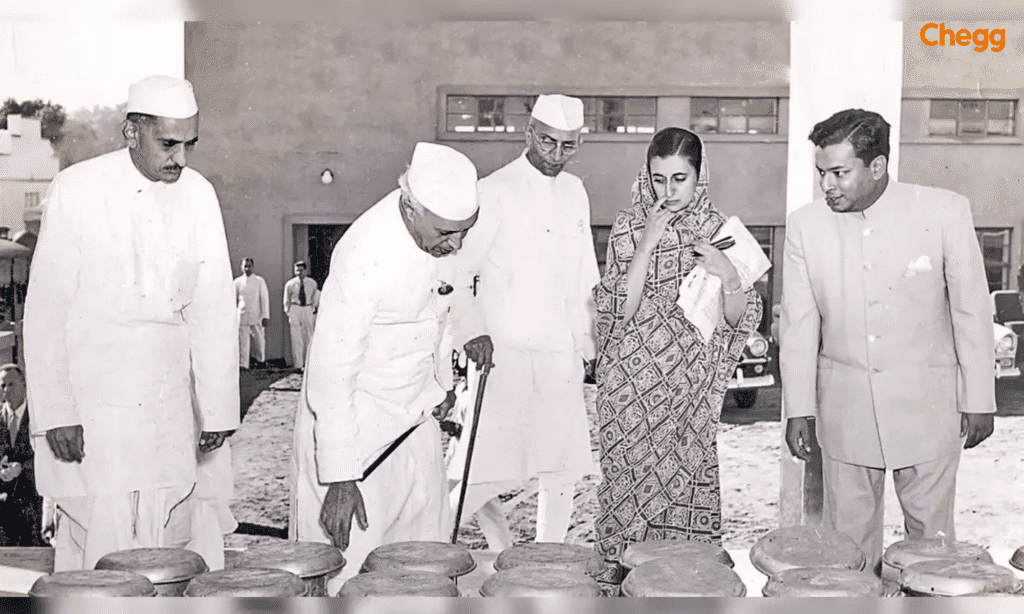
The White Revolution in India launched in 1970, was a nationwide initiative to increase milk production, improve dairy farming practices, and make India self-sufficient in milk and milk products. This ambitious project was led by the National Dairy Development Board (NDDB) and spearheaded by Dr. Verghese Kurien, also known as the “Father of the White Revolution.”
The term “White Revolution” signifies the large-scale production of milk and milk products, similar to how the Green Revolution referred to the massive increase in agricultural production. The color white represents milk, which was the focal point of this revolution.
Before the White Revolution, India’s dairy sector was in a dire state. The situation was marked by several critical issues:
Not only Operation Flood is related to, but was the programmatic backbone of the White Revolution. Launched by the National Dairy Development Board (NDDB) in 1970, its core mission was to create a national milk grid linking rural milk producers directly with urban consumers.
This system was designed to:
The monumental task of restructuring India’s dairy industry was carried out over 26 years in three distinct phases:
The mission of Operation Flood was guided by a clear set of objectives:


One of the most significant achievements of the White Revolution in India was the dramatic increase in milk production. From a mere 22 million metric tons in 1970, India’s milk production surged to over 132 million metric tons by 2014. Today, India is the world’s largest milk producer, with an annual production of over 200 million metric tons.
The White Revolution in India had a profound impact on the rural economy. It provided a stable source of income for millions of dairy farmers, many of whom were small-scale producers. The establishment of dairy cooperatives ensured fair milk prices, eliminating exploitation by middlemen. This revolution uplifted the socio-economic status of rural communities and reduced poverty.
The White Revolution introduced modern dairy farming techniques and infrastructure, improving milk quality and productivity. Innovations such as artificial insemination, cross-breeding, and veterinary care enhanced the health and yield of dairy cattle. The establishment of milk processing plants ensured the production of high-quality milk and milk products.
The White Revolution in India played a crucial role in empowering women, especially in rural areas. Women were actively involved in dairy farming and became members of dairy cooperatives. This participation provided them with economic independence and a sense of empowerment.
Initially, the low productivity of dairy cattle was a significant challenge. The introduction of cross-breeding programs and improved veterinary care helped enhance the genetic quality and health of cattle, leading to higher milk yields.
The lack of infrastructure, such as chilling centers and transportation facilities, was a major hurdle. Operation Flood invested in the development of necessary infrastructure, ensuring efficient collection, storage, and distribution of milk.
A major challenge in the success of milk the White Revolution was the lack of knowledge and skills among dairy farmers, which hindered their ability to adopt modern dairy farming techniques. Many farmers relied on traditional methods that resulted in low milk yield, poor cattle health, and inefficient dairy management.
To address this issue, the National Dairy Development Board (NDDB) took proactive measures by organizing extensive training programs and workshops across the country. These initiatives aimed to educate farmers on scientific cattle breeding, proper nutrition, disease prevention, hygienic milking practices, and efficient milk storage and transportation.
The White Revolution in India successfully fulfilled its primary objective of making the country self-sufficient in milk production, drastically reducing its dependence on imports. Before the revolution, India struggled with milk shortages, but through strategic initiatives like Operation Flood, the nation transformed into the world’s largest producer of milk.
Today, India not only meets its domestic dairy demands but has also emerged as a key player in the global dairy market. The country exports a wide range of milk and milk-based products, including skimmed milk powder, butter, ghee, and cheese, to several countries.
The establishment of dairy cooperatives and the promotion of modern farming practices ensured the sustainability of dairy development. The White Revolution created a robust dairy industry that continues to thrive and grow.
Looking ahead, the Indian government has initiated discussions around White Revolution 2.0. This next phase aims to:
The White Revolution was a transformative initiative in India’s agricultural history, revolutionizing the dairy industry and significantly impacting both the national economy and rural livelihoods. By increasing milk production, strengthening dairy cooperatives, and reducing dependence on imports, it played a crucial role in making India the largest milk producer in the world.
However, like any large-scale initiative, it came with both advantages and disadvantages. While it boosted rural employment, improved nutrition, and strengthened the economy, it also led to challenges such as over-reliance on crossbred cattle, environmental concerns, and unequal benefits for small-scale farmers.
The White Revolution brought many positive changes, but addressing its challenges and ensuring the dairy sector’s sustainability is important for India’s future.
The White Revolution was one of several color-coded movements that collectively transformed India’s agricultural economy. Understanding its place among them highlights the nation’s multi-pronged approach to achieving food security.
| Revolution | Sector | Primary Goal | Key Figure |
|---|---|---|---|
| White Revolution | Dairy | Increase milk production (Operation Flood) | Dr. Verghese Kurien |
| Green Revolution | Food Grains | Increase wheat and rice production | M.S. Swaminathan |
| Blue Revolution | Fisheries | Increase fish and marine product output | Dr. Hiralal Chaudhuri & Dr. Arun Krishnan |
| Pink Revolution | Meat & Poultry | Modernize the meat, poultry, onion, and prawn sectors | Durgesh Patel |
The White Revolution, also known as Operation Flood, was a transformative initiative that catapulted India from a milk-deficient nation to the world’s largest milk producer. Spearheaded by Dr. Verghese Kurien, it stands as a testament to cooperative federalism and rural development.
Understanding the White Revolution is essential for UPSC aspirants, as it holds multifaceted significance in various aspects of Indian history, economy, agriculture, and rural development. It played a transformative role in making India self-sufficient in milk production, reducing import dependency, and boosting the livelihoods of millions of dairy farmers.
By understanding these key points about “What is White Revolution in India” and practicing with relevant questions, you can effectively address White Revolution-related queries in the UPSC exam.
Click here to get : Working Paper India’s White Revolution
The White Revolution stands as one of modern India’s most remarkable success stories. It was more than just a dairy program; it was a socio-economic movement that harnessed the power of cooperation to uplift millions. Led by the visionary Dr. Verghese Kurien, Operation Flood transformed India’s destiny from a nation of scarcity to one of abundance, proving that with strategic planning and collective will, a country can achieve self-reliance and empower its most vulnerable citizens. Its legacy continues to inspire and shape India’s journey toward a prosperous and equitable future.
The White Revolution, also known as Operation Flood, was a large-scale dairy development program initiated in India during the 1970s. Its primary goal was to make India self-sufficient in milk production and to improve the livelihoods of dairy farmers.
The main goal of the White Revolution was to make India a self-dependent country when it came to milk production. The revolution put efforts to increase milk production in the country and made cooperative efforts to distribute it among the consumers.
The Green Revolution focused on increasing crop production (wheat & rice).
The White Revolution focused on increasing milk production (Operation Flood).
Dr. Verghese Kurien is also known as the “Milkman of India” for his pivotal role in transforming India’s dairy industry.
The White Revolution was started by Dr. Verghese Kurien.
The White Revolution of 1970 often referred to with roots in early cooperative efforts like Amul since the 1950s transformed India into the largest milk producer through Operation Flood, although its formal launch occurred in 1970
Dr Verghese Kurien is celebrated as the “Father of the White Revolution” for leading India’s dairy cooperative movement and initiating Operation Flood to revolutionize milk production
The Pink Revolution refers to the technological advancements and modernization that led to a boom in India’s meat and poultry processing sector. The term is also associated with the significant increase in the production of onions and prawns. It represents the shift towards more organized and large-scale production in these specific agricultural areas.