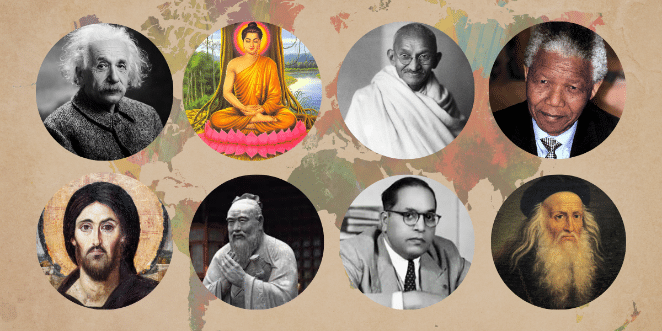
What or who determines such a title as who is the world best man? Their influence on others makes them great, along with the head and the power they possess. Over the years, particularly the last centuries, the most influential figures were among the top 10 greatest man in the world as they are the ones who stood for the betterment of society and change, they have withered and nurtured a lot of lives around the globe irrespective of peoples ethnic boundaries or history that only gives a perspective that greatness is boundless, and there are no boundaries for it.
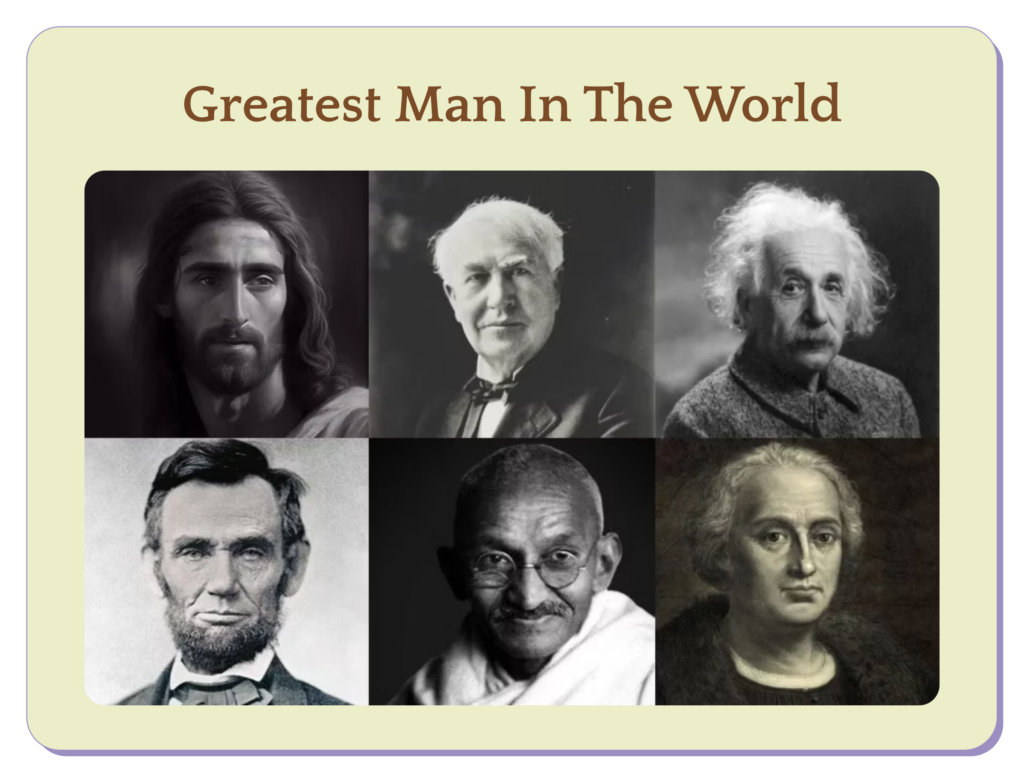
The blog documents the lives of these legendary men and tries to answer the question, why are these men considered the world’s best men? First off, who is the best man in the world? Hence, the question to reiterate is, what is their story? Let us find this out together!
Throughout history, several individuals can be highlighted among the top 10 greatest man in the world because of their remarkable contributions, vision, and initiative. The world’s best men have been competing for service to humanity in political activity, science, religion, or any technical revolution.
They dramatically altered the environment. On the one hand, Mahatma Gandhi struggled for independence with the principle of non-violence; on the other hand, Steve Jobs conceived a new way of doing things. Their works speak for themselves and eternity.
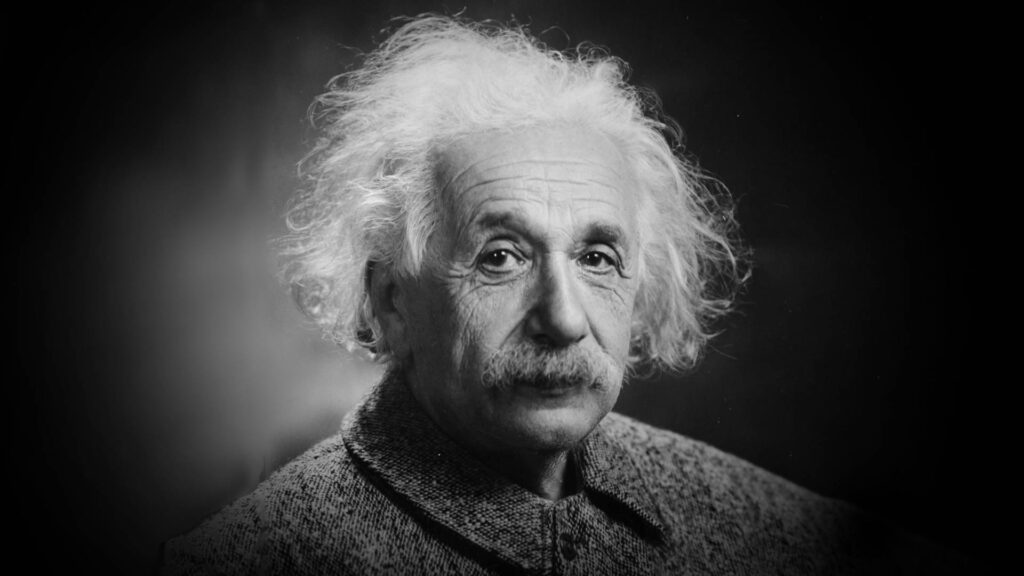
Albert Einstein’s theory of relativity revolutionized modern physics by reshaping our understanding of space, time, energy, and gravity. It replaced traditional Newtonian concepts with a dynamic universe where space and time are interconnected. His groundbreaking discoveries advanced scientific knowledge and paved the way for technological innovations, from GPS systems to nuclear energy. Beyond science, his ideas deeply influenced philosophy, inspiring new perspectives on reality and the cosmos, forever transforming humanity’s worldview.
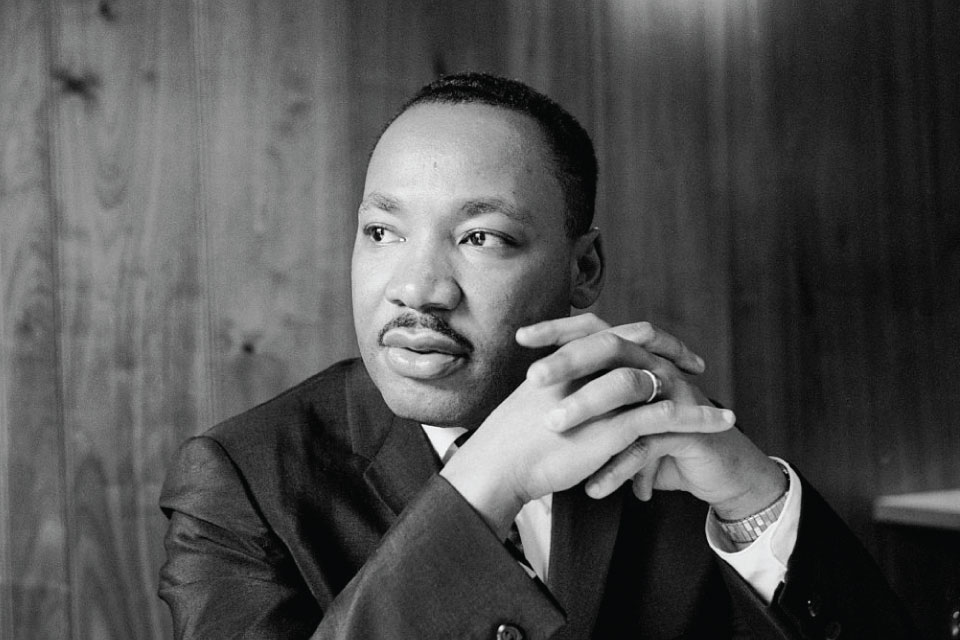
Martin Luther King Jr. was a tireless advocate of civil rights and racial equality, leading the American Civil Rights Movement with unwavering courage. He challenged segregation and injustice through peaceful protests, non-violent resistance, and powerful speeches, inspiring millions. His famous dream of justice, unity, and harmony continues to echo as a timeless call for equality. King’s vision made him an enduring global symbol of hope, peace, and moral leadership, shaping the fight for human rights worldwide.
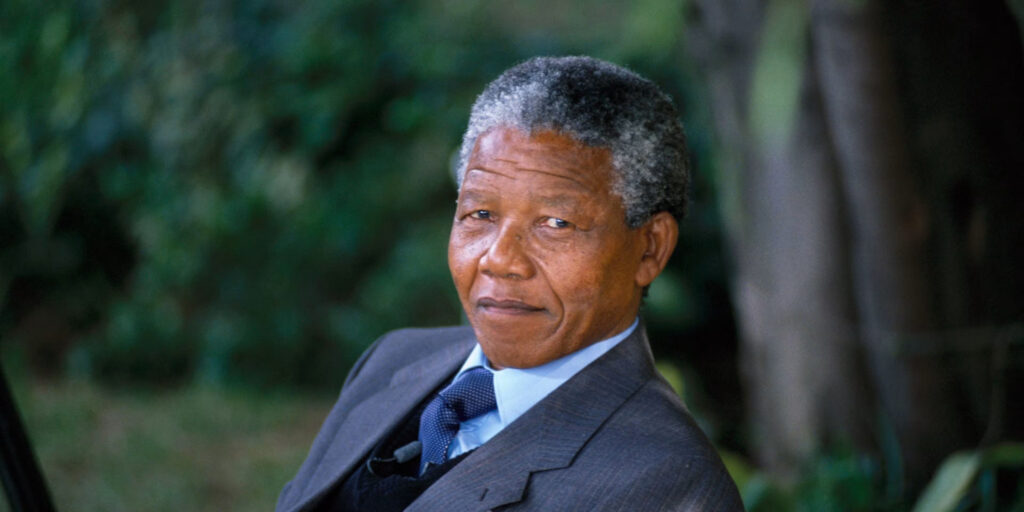
Nelson Mandela courageously fought against apartheid in South Africa, enduring 27 years of imprisonment for his commitment to justice and equality. Upon his release, he emerged as a unifying leader, becoming the nation’s first Black president. Celebrated worldwide for his forgiveness, resilience, and moral strength, Mandela chose reconciliation over revenge, guiding a deeply divided country toward peace and democracy. His legacy as a symbol of freedom, dignity, and leadership continues to inspire struggles for justice globally.
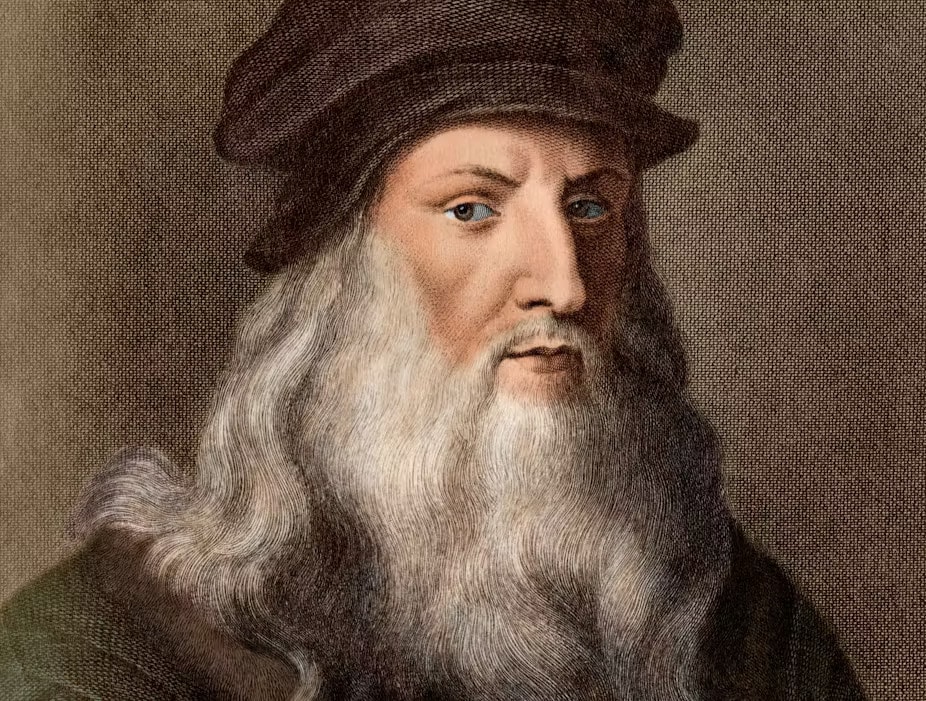
Leonardo da Vinci, the ultimate Renaissance genius, embodied creativity and intellect through his diverse talents as an artist, inventor, anatomist, and engineer. His masterpieces, including The Mona Lisa and The Last Supper, symbolize artistic brilliance. Beyond painting, his visionary sketches of machines, anatomy, and scientific concepts revealed a mind far ahead of his time. Leonardo’s insatiable curiosity and innovations continue to inspire humanity, blending art with science, cementing his legacy as one of history’s greatest minds.
Prophet Muhammad, the founder of Islam, preached faith, compassion, justice, and equality, laying the foundation for one of the world’s major religions. His message emphasized moral conduct, social responsibility, and devotion to God. His teachings guide over a billion followers through the Qur’an, shaping spiritual, cultural, and ethical values worldwide. Revered as a messenger of peace and mercy, his life and principles remain inspiring, fostering unity, faith, and righteousness across generations.
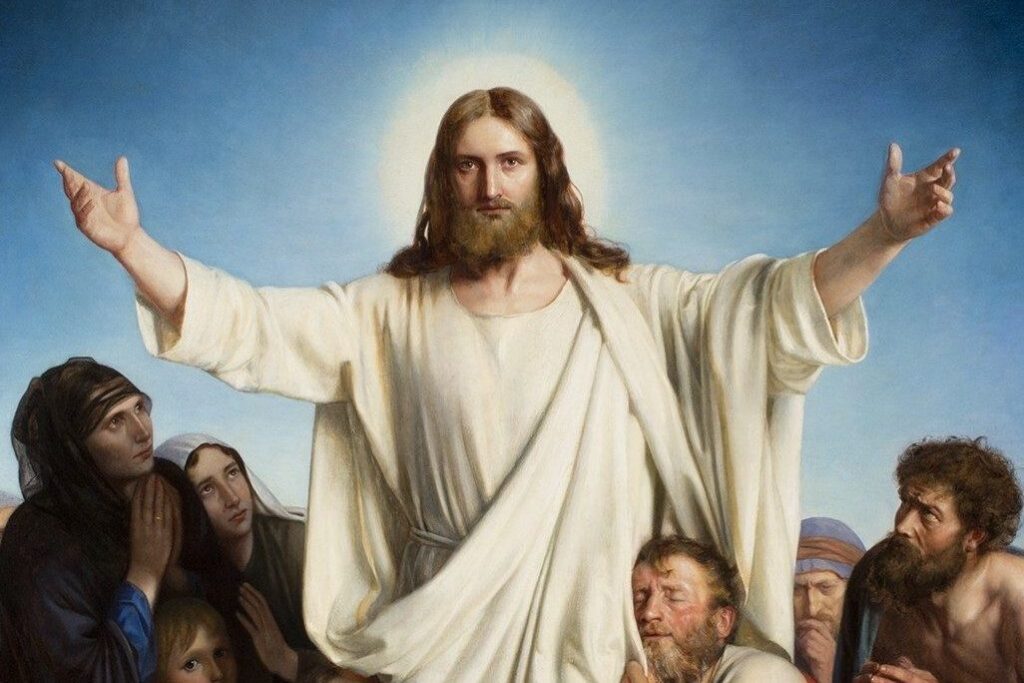
Jesus Christ, a central Christian figure, is revered by billions as the Son of God and humanity’s savior. His life, teachings, and ultimate sacrifice emphasized love, forgiveness, humility, and compassion, forming the very foundation of the Christian faith. Beyond religion, his influence profoundly shaped world history, ethics, philosophy, and culture for centuries. From guiding moral values to inspiring art, literature, and social reform, Jesus’ enduring message of hope and redemption continues to transform lives globally.
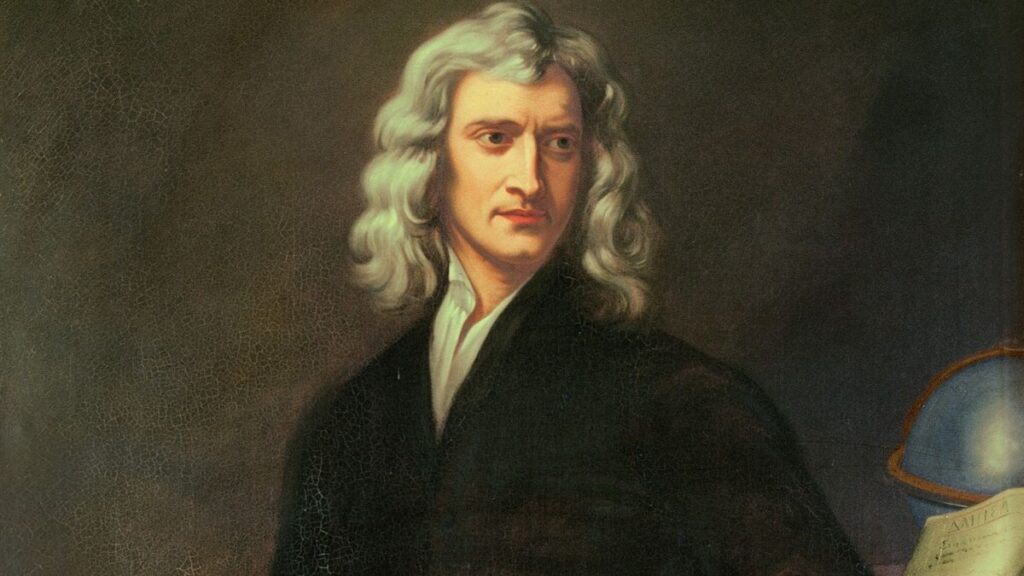
Sir Isaac Newton, a towering figure in science, revolutionized human understanding by discovering the laws of motion and universal gravitation, forming the foundation of classical mechanics. His groundbreaking contributions extended to mathematics, where he developed calculus, and optics, where he revealed the nature of light and color. Newton’s genius shaped the Scientific Revolution, redefining humanity’s relationship with the natural world. His enduring legacy continues to influence modern physics, engineering, and astronomy, making him one of history’s most outstanding scientists.
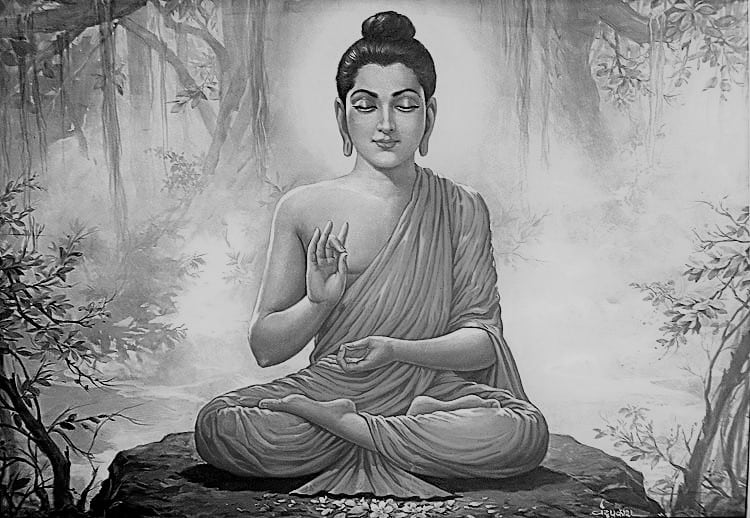
Gautama Buddha, Buddhism’s spiritual teacher and founder, renounced his royal life in pursuit of truth and liberation from suffering. He attained enlightenment through deep meditation and self-discovery, sharing profound teachings on the Four Noble Truths and the Eightfold Path. His message of mindfulness, compassion, and non-attachment has inspired millions for centuries. Revered as the “Enlightened One,” Buddha’s wisdom continues to guide seekers of peace, inner harmony, and spiritual awakening, leaving a timeless legacy of compassion and understanding.
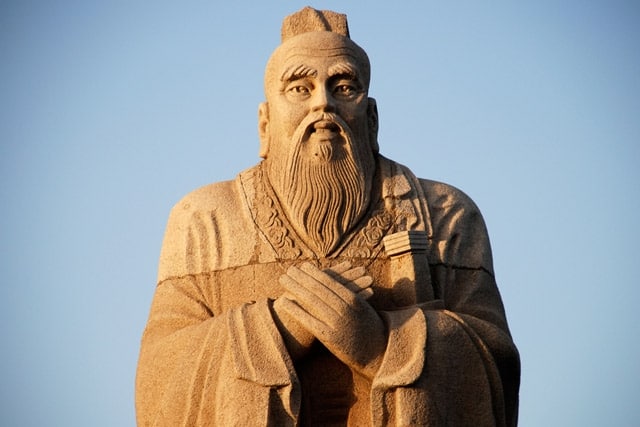
A revered Chinese philosopher, Confucius, formulated ethical and moral principles emphasizing respect, duty, righteousness, and proper governance. His teachings encouraged harmony in society, cultivating virtue in individuals and guiding rulers in just leadership. Confucius profoundly influenced Chinese culture, education, politics, and social conduct through his philosophy for centuries. His ideas on family values, social responsibility, and moral integrity became foundational in East Asian societies. Today, his wisdom inspires ethical living and harmonious relationships across generations.
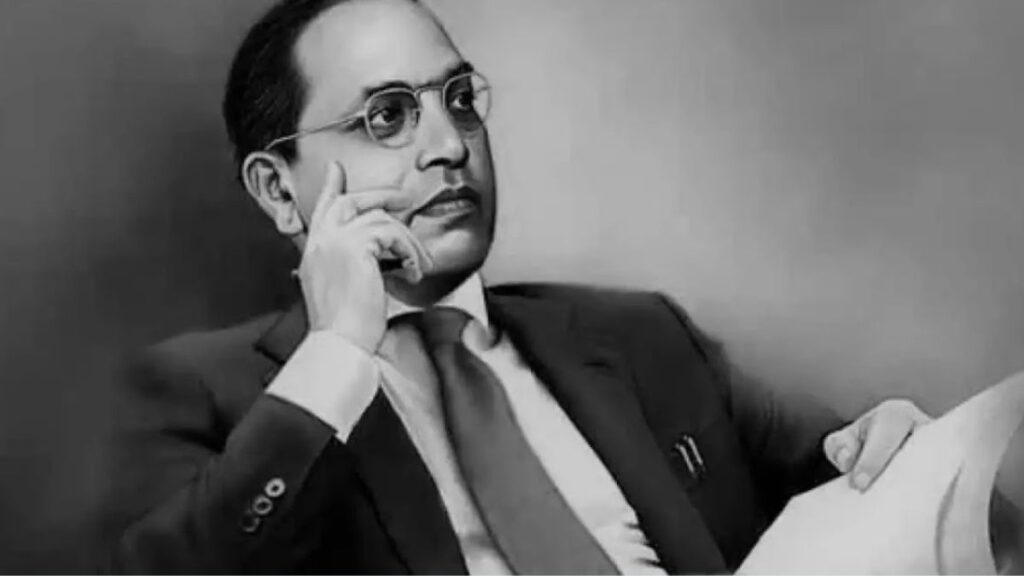
Dr. B.R. Ambedkar, the principal architect of the Indian Constitution, dedicated his life to social justice and the upliftment of marginalized communities. Advocating equality, education, and human rights, he fought tirelessly against caste discrimination and social oppression. His visionary work laid the foundation for a democratic India, ensuring legal protections for all citizens. Beyond law and politics, Ambedkar’s ideas continue to inspire movements for social reform, empowerment, and justice, making him a lasting symbol of equality and human dignity.
Below is a detailed table summarizing their positions, qualities, and significant contributions to showcase why they are considered among the greatest man in the world:
| Name | Position/Title | Key Qualities | Major Contributions |
| Mahatma Gandhi | Leader of India’s independence movement | Non-violence, truth, resilience | Led India to independence through peaceful protests; inspired global civil rights movements. |
| Albert Einstein | Physicist | Genius, curiosity, humanitarian | Developed the theory of relativity; contributed to philosophy and global peace efforts. |
| Martin Luther King Jr. | Civil Rights Leader | Courage, equality, non-violence | Advocated for racial equality; led the Civil Rights Movement in the U.S. |
| Leonardo da Vinci | Polymath | Creativity, innovation, intellect | Created iconic art (Mona Lisa, The Last Supper); advanced knowledge in engineering and anatomy. |
| Nelson Mandela | President of South Africa | Leadership, forgiveness, equality | Ended apartheid; promoted peace and reconciliation as South Africa’s first Black president. |
| Abraham Lincoln | 16th U.S. President | Integrity, perseverance, wisdom | Abolished slavery; preserved the Union during the American Civil War. |
| Isaac Newton | Physicist and mathematician | Logical, analytical, pioneering | Discovered laws of motion and gravity; laid the foundation for modern physics. |
| Prophet Muhammad | Best man in the world | Justice, compassion, leadership | Genius, curiosity, and humanitarian |
| Buddha (Siddhartha Gautama) | Spiritual Leader | Compassion, enlightenment, wisdom | Founded Buddhism; spread teachings of the Middle Way and mindfulness. |
| Steve Jobs | Visionary Entrepreneur | Innovation, ambition, creativity | Co-founded Apple Inc.; revolutionized technology with products like the iPhone and Mac. |
This table highlights the unique qualities and achievements of the top 10 greatest man in the world, showcasing their incredible legacies that have shaped history.
Greatness goes beyond wealth, power, or fame; it’s about leaving a lasting impact through actions, values, and contributions. The top 10 greatest man in the world share certain traits that have defined their legacies, making them role models for generations.
Leadership is one such quality. Figures like Mahatma Gandhi and Martin Luther King Jr. demonstrated the ability to unite people and inspire change through non-violent means. Their leadership was rooted in courage and the pursuit of justice.
Compassion is one of the attributes that also define greatness. Spiritual leaders such as Prophet Muhammad have taught messages of love, peace, justice, and equality throughout history. These lessons gave meaning to millions of people and helped them become more compassionate. When asking “who is the greatest person in the world,” their lives show that it is someone whose virtues, vision, and actions transcend culture and time. Their contributions to science, politics, spirituality, and innovation have impacted humanity globally.
Ultimately, to be called the world best man is not only about one’s accomplishments but also about how well one can motivate mankind. By possessing such qualities, they have created legacies that are still pleasing to the world.

Prophet Muhammad, revered as the final messenger in Islam, was born in Mecca around 570 CE. He received divine revelations from Allah, which were later compiled into the Quran, forming the foundation of Islamic faith, law, and ethics. His profound leadership united the Arabian Peninsula, shaping a civilization that has endured for millennia.
Ranked number one in Michael H. Hart’s book The 100, Muhammad’s life was marked by selflessness, justice, and humility. He never sought revenge, lived modestly, and prioritized the well-being of others. His battles were not for personal gain but to protect and uphold justice, never forcing anyone to convert.
Despite attempts to distort his legacy, history and countless biographies reveal his true character, one of kindness, wisdom, and resilience. Those who sincerely study his life will understand why he remains an unparalleled historical figure.
Born as Siddhartha Gautama, the Buddha was an ancient Indian monk and the founder of Buddhism. After attaining enlightenment under the Bodhi tree, he dedicated his life to teaching the path of liberation from suffering. His Four Noble Truths and the Eightfold Path remain the foundation of Buddhist philosophy, guiding millions toward inner peace.
Unlike many spiritual leaders, Buddha emphasized reason over blind faith, rejecting concepts that lacked practical or scientific proof. He taught that change comes from within and advocated the Middle Path to achieve nirvana. His wisdom continues to shape cultures worldwide, offering a path to peace and enlightenment.
Throughout history, specific remarkable individuals have left behind timeless lessons that continue to guide humanity. Their contributions, leadership, and values remain relevant in addressing today’s challenges. Here are some meaningful lessons we can learn:
Prophet Muhammad (Peace Be Upon Him) is regarded as the most influential figure and best man in the world. His life is the ultimate example of mercy, justice, compassion, and truthfulness. His teachings cover every aspect of life, guiding us to lead honestly, serve others kindly, and maintain societal peace and fairness. His legacy is a source of wisdom for personal growth and community harmony.
Historical figures such as Mahatma Gandhi promoted the power of non-violence and peaceful resistance. Their examples remind us to seek solutions through understanding, patience, and dialogue in conflict.
Innovators like Albert Einstein demonstrated the importance of questioning, learning, and exploring the unknown. Continuous learning helps us adapt and progress in today’s rapidly changing world.
Leaders like Martin Luther King Jr. dedicated their lives to fighting injustice and promoting equality. Their journeys inspire us to speak up against oppression and support fairness for all.
Many great personalities in history faced hardships yet continued with strength and perseverance. Their stories encourage us to stay strong, remain patient, and keep moving despite obstacles.
The top 10 greatest man in the world have left an indelible mark on history, shaping how we understand leadership, resilience, and compassion. Their contributions transcend time, offering relevant lessons in today’s world. Whether it’s Mahatma Gandhi’s peaceful fight for freedom, Albert Einstein’s groundbreaking discoveries, or Buddha’s message of enlightenment, these figures have inspired generations to strive for a better future.
A remarkable achievement, in truth, belongs to all these individuals, and an element that remains common to every one of them is a set of underlying values. It allows one to stay in perspective, and thus, wisdom deepens. They remind us that serving humanity through greatness, dealing with difficulties, and working towards betterment direct our lives. When asking “who is the world best man,” their lives show that it is someone whose vision, courage, and compassion inspire positive change, justice, and a fairer society.
The stories of the top 10 greatest man in the world prove that true greatness transcends borders, time, and cultures. Whether through science, politics, spirituality, or innovation, these remarkable figures shaped humanity’s journey by dedicating their lives to justice, compassion, and progress. Their actions were not driven by fame or wealth but by the desire to improve the world. From Prophet Muhammad’s teachings of peace and equality, Gandhi’s philosophy of non-violence, and Einstein’s scientific genius, each left an enduring legacy that continues to inspire generations.
Greatness is not just about extraordinary achievements but about resilience in adversity, the courage to stand for truth, and the compassion to uplift others. These men remind us that one person’s vision can ignite global transformation. When asking “who is the best person in the world,” their lives provide the answer not through fame or wealth, but through actions that inspire justice, kindness, and progress. Their timeless lessons encourage us to lead with integrity, dream beyond limits, and contribute meaningfully to humanity.
Also Read:
Greatness is subjective, but Prophet Muhammad is regarded as the greatest historical figure due to his profound impact. His contributions to peace, religion, and society have inspired generations, shaping the world in ways that continue to influence humanity today.
Greatness is defined by significant contributions that change the world and inspire others. Such individuals show exceptional leadership, resilience, and vision, leaving a lasting legacy through their ideas, actions, and ability to influence societal change, often overcoming obstacles to better humanity’s future.
Mahatma Gandhi is most revered for his principles of nonviolence and civil disobedience in the struggle for freedom in India. His philosophy brought principles of peace and humanity to world movements based on the belief that nonviolence is the most tremendous force and that justice can be achieved peacefully.
Two of the finest scientists, Isaac Newton and Albert Einstein, are best known for their immense work in physics. Newton crafted the laws of universal gravitation and the three laws of motion, providing the basis of classical mechanics. At the same time, Einstein’s theory of relativity revolutionized physics and impacted many other future scientific and technological developments.
The greatest men teach us the power of leadership, resilience, and compassion. Their lives demonstrate how commitment to a cause, overcoming adversity, and empowering others can lead to positive global change. They teach us that one person’s actions, grounded in conviction, can inspire worldwide transformation.
The greatest person in our history is subjective, but many consider Mahatma Gandhi, who led India’s freedom struggle through non-violence, inspiring movements for justice, peace, and civil rights globally.
The answer to “who is the best man in the world” isn’t universal; it depends on the values you prioritize. Some might say it’s someone like Nelson Mandela for his courage and forgiveness, Mahatma Gandhi for his nonviolence and leadership, or Albert Einstein for his genius and curiosity. Ultimately, the “best” man is someone whose actions inspire others, promote kindness, justice, and positive change, and leave a lasting impact on humanity.
There’s no single “best person” of all time it depends on values and perspective. Figures like Mahatma Gandhi, Buddha, Jesus Christ, Prophet Muhammad, Albert Einstein, and Mother Teresa are often admired for their lasting impact, compassion, and contributions to humanity.