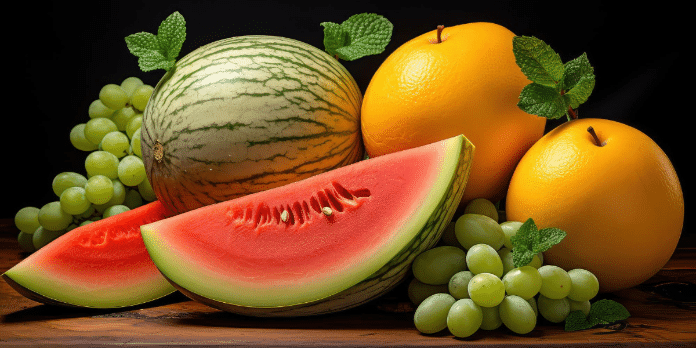
Summer season fruits in India are a refreshing way to beat the heat from March to June. Known for their flavor, color, and nutrition, these fruits keep you cool and hydrated during the hottest months. The mango, fondly called the “king of fruits,” remains the star, while watermelons and muskmelons provide instant hydration. Lychees, jamun, papayas, and pineapples add variety with their unique taste and health benefits.
Thanks to India’s diverse climate, the summer fruit basket is full of options, each rich in vitamins, minerals, and antioxidants. These fruits are more than just snacks; they are part of Indian culture and cuisine and are enjoyed fresh, juiced, or in desserts. From the sweetness of lychees to the tanginess of jamun, every fruit brings its delight.
In this guide, we’ll explore the 15 most popular summer fruits in India, their nutrition, and fun ways to enjoy them.
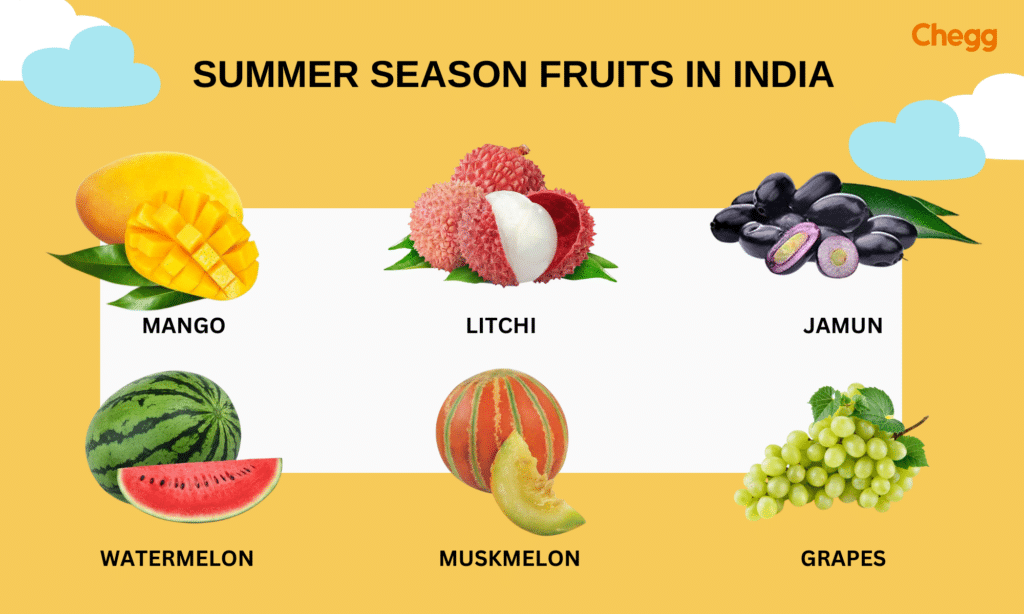
Let’s explore these summer fruits in India one by one in detail.
Known as the ‘King of Fruits’ in India, the mango is perhaps the most beloved summer fruit in the country. With its sweet, juicy flesh and rich aroma, it’s no wonder that mangoes are eagerly awaited each year.
Mangoes are incredibly versatile. You can enjoy them fresh, add them to smoothies, and use them in desserts or savory dishes like mango curry. The Alphonso mango from Maharashtra is particularly famous for its sweetness and is often considered one of the best varieties in the world.
Nothing says summer quite like a slice of cool, refreshing watermelon. This large, juicy fruit is a favorite at picnics and beach outings across India.
Watermelon is usually eaten fresh, often sprinkled with a bit of chaat masala for a tangy twist. It’s also great in fruit salads or blended into a refreshing juice. Some people even enjoy the seeds, which are packed with nutrients!
These small, round fruits with bumpy red skin are a true summer delicacy. Once you peel off the thin skin, you’ll find translucent white flesh with a delicate floral flavor.
Lychees are usually eaten fresh, but they’re also great in desserts or as a flavoring for drinks. In some parts of India, they’re even used to make wine! Be careful not to eat too many at once, though, as they can cause a bit of a sugar rush.
Jackfruit is the world’s largest tree-borne fruit with a spiky green exterior. Don’t let its intimidating appearance fool you – inside, you’ll find yellow, fleshy bulbs that are sweet and flavorful.
In India, jackfruit is enjoyed both ripe and unripe. Ripe jackfruit is sweet and often eaten fresh or used in desserts. On the other hand, unripe jackfruit is used in savory dishes like curries and biryanis. The seeds are also edible and can be roasted like nuts.
While pineapples aren’t native to India, they’ve become a popular summer fruit, especially in the southern and northeastern states.
Pineapples are great eaten fresh, grilled, or added to fruit salads. They’re also a key ingredient in many sweet and sour dishes in Indian cuisine. In some parts of India, pineapple curry is a popular dish!
With its soft, orange flesh and tiny black seeds, Papaya is a fruit available year-round in India but incredibly refreshing in the summer. It pairs perfectly with other summer-season fruits in India, like mangoes and watermelons, which are packed with hydration and nutrients.
Ripe papaya is usually eaten fresh or added to fruit salads. Green, unripe papaya is used in salads, notably in Thai-inspired dishes. The seeds, which have a peppery taste, can be dried and used as a spice.
Jamun, or Java plum or black plum, is a small, dark purple fruit with a sweet and slightly tart flavor.
Jamun is usually eaten fresh, often sprinkled with salt to enhance flavor. In some parts of India, it’s also used to make jams, jellies, and even wine. The seed powder is used in Ayurvedic medicine.
Muskmelon, also known as kharbuja in Hindi, is a sweet, aromatic fruit close to the cantaloupe.
Muskmelons are usually cut into slices and eaten fresh. They’re also great in fruit salads or blended into smoothies. In some parts of India, the seeds are dried and eaten as a snack.
While often considered a vegetable, the cucumber is botanically a fruit. It’s a terrific, crisp addition to any summer meal.
In India, cucumbers are often eaten raw as a snack or added to salads. They’re also a key ingredient in raita, a cooling yogurt-based side dish.
Plums come in various colors, from deep purple to red to yellow, with a sweet-tart flavor.
Plums are usually eaten fresh but are also used in jams and chutneys. A spicy-sweet plum sauce is a popular condiment in some parts of northern India.
Apricots are small, golden fruits with a sweet-tart flavor and soft, velvety skin.
Fresh apricots are delicious on their own or added to fruit salads. They’re also used in jams, preserves, and even in some savory dishes in Indian cuisine.
While strawberries are not traditionally a summer fruit in most of India, they are grown in hill stations and are available in markets during the early summer months.
Strawberries are often eaten fresh, used in desserts, or made into jams. They’re sometimes added to fruit chaat (spicy fruit salad) for a unique twist in India.
Figs are sweet, soft fruits with a unique texture due to their tiny, crunchy seeds.
In India, figs are often eaten fresh or dried. They’re also used in traditional medicine and are believed to have various health benefits. Fig preserves and chutneys are popular in some regions.
Starfruit, named for its distinctive shape when cut crosswise, has a crisp texture and a sweet-tart flavor.
Starfruit is usually eaten fresh, often sliced, and added to fruit salads. It’s also used to make juices and preserves. In some parts of India, it’s used in pickles and chutneys.
While available year-round, coconuts are incredibly refreshing in the summer months.
Young coconuts provide refreshing water and soft, jelly-like flesh. Mature coconuts have firmer flesh, which is used in cooking, baking, and making coconut milk. Coconut water is a popular natural electrolyte drink, perfect for hot summer days.

Summer fruits are not just refreshing; they are packed with essential vitamins, minerals, and antioxidants vital for your health, especially during the hot season. Here are the key benefits of adding them to your diet:
Choosing ripe, fresh fruits and storing them properly can help you enjoy them at their best. Here are some general tips:
Here’s a table with specific storage tips for our summer fruits:
| Fruit | Storage Method | Shelf Life |
|---|---|---|
| Mango | Room temperature until ripe, then refrigerate | 5-7 days |
| Watermelon | Room temperature until cut, then refrigerate | 3-5 days (cut) |
| Lychee | Refrigerate in a plastic bag | 5-7 days |
| Jackfruit | Room temperature until ripe, then refrigerate | 3-5 days (cut) |
| Pineapple | Room temperature if eating soon, otherwise refrigerate | 3-5 days |
| Papaya | Room temperature until ripe, then refrigerate | 5-7 days |
| Jamun | Refrigerate in a covered container | 2-3 days |
| Muskmelon | Room temperature until ripe, then refrigerate | 3-5 days (cut) |
| Cucumber | Refrigerate in a plastic bag | 1 week |
| Plum | Refrigerate | 3-5 days |
| Apricot | Refrigerate when ripe | 3-5 days |
| Strawberry | Refrigerate, unwashed, in a single layer | 3-5 days |
| Fig | Refrigerate | 2-3 days |
| Starfruit | Refrigerate when ripe | 3-5 days |
| Coconut | Room temperature if whole, refrigerate if cut | 1 week (cut) |
Remember, these are general guidelines. Always use your best judgment and consume summer season fruits in India before they spoil to enjoy their peak freshness. Whether it’s the juicy mangoes or the hydrating watermelons, enjoy summer season fruits in India when they’re at their best.
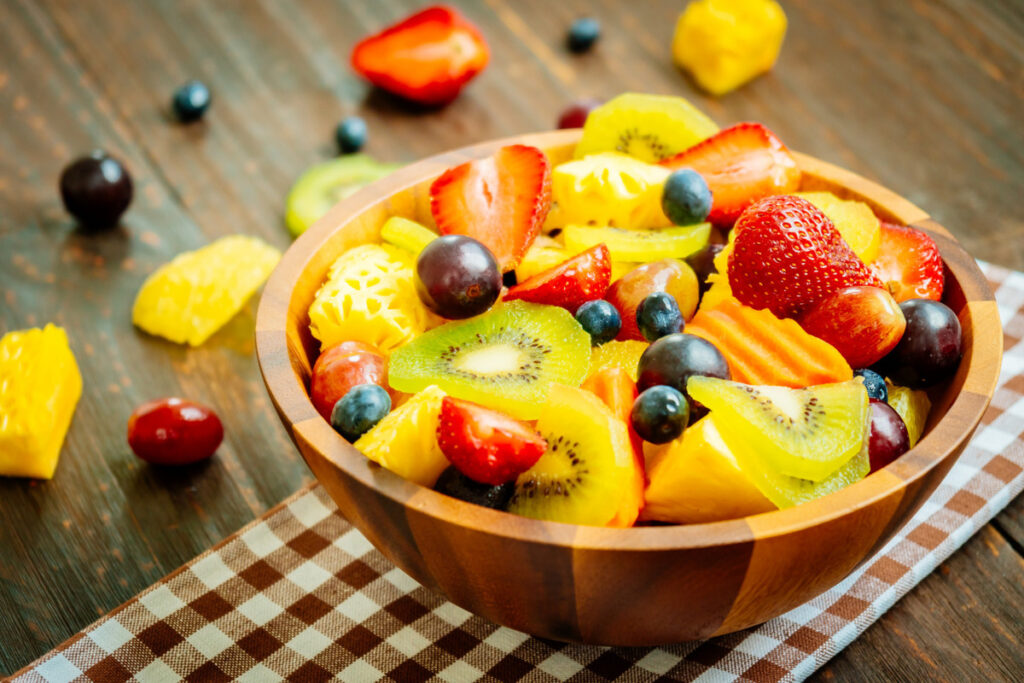
Enjoying summer season fruits in India doesn’t always mean eating them plain. Here are some simple, delicious recipes you can try with your favorite summer season fruits in India. Whether it’s a refreshing fruit salad, a chilled smoothie, or a tangy chutney, these fruits can be transformed into delightful dishes that will help you beat the heat and enjoy the flavors of summer.

1.1. Ingredients:
1.2. Steps:

2.1. Ingredients:
2.2. Steps:
3.1. Ingredients:
3.2. Steps:

4.1. Ingredients:
4.2. Steps:

5.1. Ingredients:
5.2. Steps:
These recipes are just a starting point. Feel free to experiment and create unique dishes with these delicious summer fruits in India! Whether it’s a refreshing fruit salad or a chilled smoothie, summer fruits in India offer endless possibilities for adding flavor and nutrition to your meals.
| Month | Fruits in Season |
|---|---|
| January | Oranges, Grapes, Apples, Papaya |
| February | Oranges, Grapes, Apples, Strawberries |
| March | Mangoes, Papaya, Watermelon, Pineapple |
| April | Mangoes, Watermelon, Lychee, Jackfruit |
| May | Mangoes, Lychee, Watermelon, Jamun |
| June | Mangoes, Lychee, Jamun, Plums |
| July | Jamun, Plums, Papaya, Pomegranate |
| August | Papaya, Pomegranate, Apples, Bananas |
| September | Bananas, Apples, Grapes, Custard Apple |
| October | Apples, Grapes, Guava, Papaya |
| November | Guava, Oranges, Grapes, Pomegranates |
| December | Oranges, Grapes, Apples, Papaya |
For more detailed information about seasonal fruits in India, visit the National Horticulture Board.
Enjoy India’s wide variety of seasonal fruits this summer, from the juicy sweetness of mangoes to the hydrating goodness of watermelons and the tangy zest of lychees. These fruits offer a delicious way to beat the heat and are packed with essential vitamins, minerals, and antioxidants that enhance your health and boost immunity.
Make the most of the season by visiting local markets or browsing online stores to find the freshest summer fruits in India. From succulent mangoes to hydrating watermelons, summer season fruits in India bring flavor and nutrition to your table. Embrace these natural delights, such as muskmelons and lychees, among India’s most popular summer fruits, and enjoy their health benefits all summer. Let summer season fruits in India be your go-to choice for staying refreshed and energized during the hottest months!
Recommended Read :
Popular summer fruits in India include mangoes, watermelons, muskmelons, lychees, and pineapples.
Pomegranate is primarily a winter fruit, but it is available throughout the year in some parts of India.
Watermelon has the highest water content among summer fruits in India, at about 92%. This makes it an excellent choice for staying hydrated during hot summer days.
Several summer fruits in India are rich in Vitamin C. The best sources include Indian gooseberry (Amla), Guava, Lychee, Papaya, and Pineapple. These fruits can help boost your immune system and promote healthy skin.
Summer fruits In India, like mango, watermelon, lychee, and vegetables like cucumber, bottle gourd, and pumpkin, help keep the body cool, hydrated, and healthy during the heat.