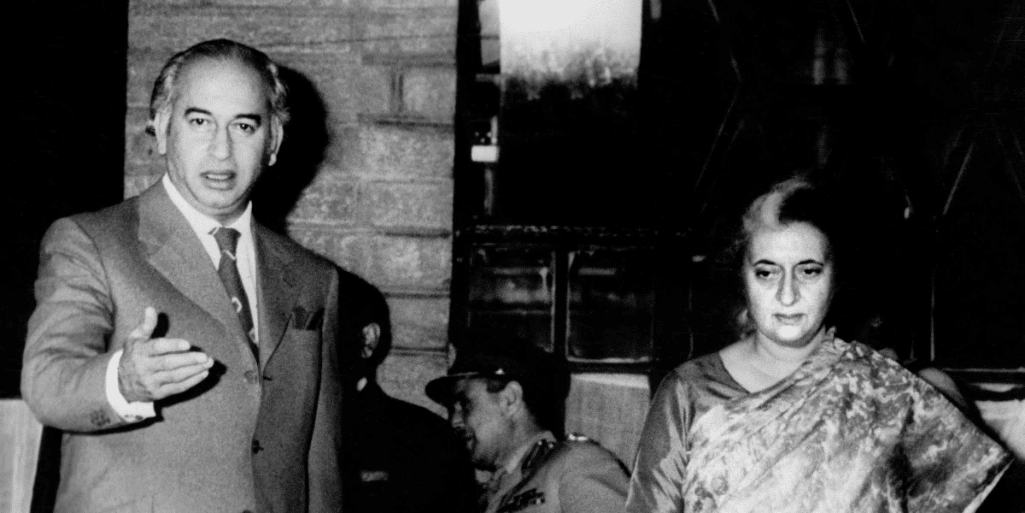
In today’s digital age, securing online jobs with no prior experience has become increasingly feasible, especially in India. These opportunities offer flexibility and the potential to earn a substantial income from home. Much like the historical events such as the Shimla Agreement 1972, which was signed by Indira Gandhi and Zulfikar Ali Bhutto to solidify peace post the 1971 war, or the Shimla Agreement 1914, which defined the borders of British India and Tibet, understanding pivotal moments can guide informed decisions in any field. This guide will help you explore beginner-friendly online jobs, step-by-step strategies to start, and insights to thrive in the digital job market.
The Shimla Agreement, signed on July 2, 1972, between Indira Gandhi (India) and Zulfikar Ali Bhutto (Pakistan), followed the Bangladesh Liberation War and the Indo-Pakistani War of 1971. This accord aimed to promote peaceful relations, emphasizing bilateralism to resolve disputes, respect for the Line of Control, and mutual commitments to prevent conflicts. The Shimla Agreement 1972 was signed by leaders committed to stability post-war, addressing issues rooted in the Partition of 1947 and the Kashmir Conflict. This agreement reshaped India-Pakistan relations, mirroring the broader geopolitical shifts in South Asia.
The Shimla Agreement Conference refers to the diplomatic discussions and negotiations that culminated in the signing of the Shimla Agreement on July 2, 1972, between India and Pakistan. This conference was a significant event in the history of South Asian diplomacy, aimed at establishing a framework for peaceful relations following the tumultuous events of the Indo-Pakistani War of 1971 and the subsequent creation of Bangladesh.
The Shimla Agreement was signed at the Himachal Pradesh Government Guest House in Shimla, symbolizing a fresh start for diplomatic relations between India and Pakistan. The agreement marked a significant step towards establishing a framework for peaceful coexistence and dialogue in the region.
The Shimla Agreement remains a significant reference point in the ongoing dialogue between India and Pakistan, emphasizing the importance of bilateralism and cooperation in addressing regional challenges.
The Shimla Agreement is a significant diplomatic accord signed on July 2, 1972, between India and Pakistan. The agreement was reached following the Indo-Pakistani War of 1971, which resulted in the creation of Bangladesh and a decisive victory for India. The Shimla Agreement aimed to establish a framework for peaceful relations between the two countries and address the issues arising from the conflict.
The leaders of both countries signed the Shimla Agreement. At that time, Zulfiqar Ali Bhutto, President of Pakistan, and Indira Gandhi, Prime Minister of India, signed the agreement. The chief negotiators were the Indian and Pakistani Ministries of Foreign Affairs. Both parties shared the goal of keeping international peace by settling differences and finding common ground.
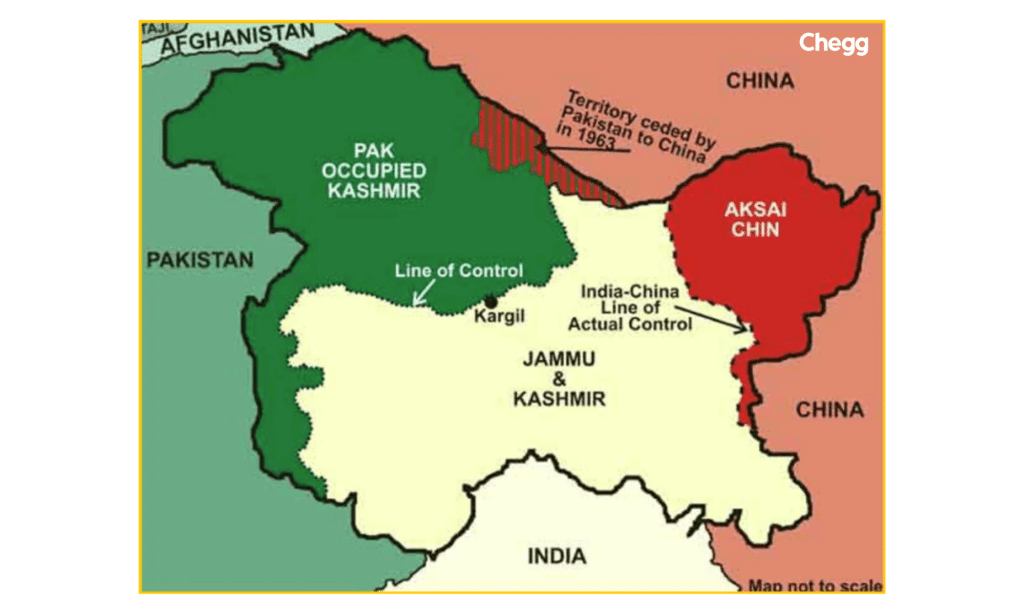
India and Pakistan both played crucial roles in the agreement’s negotiation process. Both countries had to give in to the other’s demands to reach a mutual decision. India committed to release 93000 Pakistani Prisoners of War (POW). The Indian army captured these POWs during the Bangladesh Liberation War of 1971. At the same time, Pakistan pledged to a peaceful resolution of the Kashmir issues through bilateral negotiations. Both countries mutually decided to respect the Line of Control in Jammu and Kashmir and to refrain from interfering in each other’s internal affairs.
The Shimla Agreement had an immense global impact as the treaty promoted peace and stability in South Asia. However, no international mediators were present during the signing of the agreement as it was a direct negotiation between the leaders of India and Pakistan. International organisations such as the United Nations oversaw the agreement process. The set rules and principles in the agreement are based on the Charter of the United Nations.

India and Pakistan took several measures to implement the Shimla Agreement. Both governments decided to do everything they could to resolve the conflicts peacefully.
During the implementation process of the Shimla Agreement, India and Pakistan faced numerous challenges. These challenges included issues related to the implementation of specific provisions. Both countries also faced domestic and political pressure that hindered the smooth implementation of the agreement. The Pakistani POWs that India agreed to release were not sent until 1974. Bangladesh decided not to return the POWs until Islamabad considered it an independent nation.
Initially, the Shimla Agreement helped to ease tensions between the two countries. It provided a platform to discuss various issues, including the status of Jammu and Kashmir. However, Pakistan did not keep its word and continued to create conflicts regarding Kashmir. The situation even worsened to the point of a war in 1999 (Kargil War).
The Shimla Agreement had a crucial role in shaping Indo-Pakistani relations. It aimed at building a friendly relationship between the two countries. It gave the initial push for peaceful coexistence. There was a period of relative calmness among the nations after the Shimla Agreement.
The Shimla Agreement had a significant impact on the regional stability of the two countries. The agreement helped lower tensions among the citizens after the Indo-Pakistani War of 1971. One of the consequences of the agreement was the establishment of the Line of Control (LOC) in Jammu and Kashmir. It aided in keeping calm and easing neighborhood tensions.
Many critics believe that the Shimla Agreement was a lost opportunity for India. But the agreement came with its boon and bane. It helped India establish itself as a nation that focuses on maintaining peace with its neighboring countries. The failures and challenges of the agreement show the need for commitment and political will to achieve durable peace.
In 1972, the Shimla agreement received criticism due to its inability to address the dispute between India and Pakistan regarding the status of Kashmir. India considered the agreement as a temporary solution in response to international pressure after the war. Critics argue that the agreement was not executed properly. Therefore, resolving the issue requires an inclusive plan of action between both governments.
The Shimla Agreement’s effectiveness is a topic of debate among people, with some seeing it as a significant milestone towards achieving peace. However, critics argue that the agreement only partially resolved the dispute and failed to provide a lasting solution to the Indo-Pakistani relations. The Indo-Pakistani conflict is an ongoing point of contention, and it remains uncertain what the future holds for these two countries. Unfortunately, finding a comprehensive solution to these issues has proven to be a challenging task.
1. Background and Context:
2. Core Principles of the Agreement:
3. Key Provisions of the Agreement:
4. Diplomatic Reconciliation:
5. Limitations of the Agreement:
6. Impact on Indo-Pakistani Relations:
7. Legacy of the Shimla Agreement:
Despite its shortcomings, it set a precedent for bilateral diplomacy and continued dialogue between the two nations, even amidst moments of tension and conflict.
The Delhi Agreement, a trilateral accord signed in 1973 by Bangladesh, India, and Pakistan, followed the Shimla Agreement. This agreement focused on a specific consequence of the Bangladesh Liberation War: the repatriation of prisoners of war and civilians held in all three countries.
While all three nations signed the agreement, only India and Pakistan ratified it. A key aspect of the Delhi Agreement involved the repatriation of Bengali bureaucrats and military personnel stranded in West Pakistan to their newly independent homeland, Bangladesh. India, for its part, agreed to repatriate around 6,500 Pakistani prisoners of war and military personnel. Bangladesh, on the other hand, consented to the return of primarily Urdu-speaking communities from Pakistan. However, Pakistan faced criticism for failing to adequately resettle these communities after the agreement, leading to the displacement and hardship of some individuals.
The Shimla Agreement has left a profound legacy in the context of India-Pakistan relations and international diplomacy. Its impact can be analyzed through various dimensions:
The Shimla Agreement, signed on July 2, 1972, by Indira Gandhi (India) and Zulfikar Ali Bhutto (Pakistan), followed the Indo-Pakistani War of 1971 and the creation of Bangladesh. This pivotal accord stressed bilateralism, resolving disputes like Kashmir through direct dialogue. Key features included respecting the Line of Control (LoC), troop withdrawal to pre-war positions, and mutual commitments to peace. Both nations also recognized each other’s territorial integrity. A comprehensive Shimla Agreement short note would highlight its importance in fostering diplomatic relations and de-escalating tensions in South Asia.
The Shimla Agreement is vital for UPSC preparation, highlighting post-independence history and international relations. Signed on July 2, 1972, by Indira Gandhi and Zulfikar Ali Bhutto, it followed the Indo-Pakistani War of 1971 and aimed to resolve disputes through bilateralism. Key points include the sanctity of the Line of Control (LoC) in Kashmir, troop withdrawal to pre-war positions, and commitments to peaceful relations. This accord, crucial for South Asian geopolitics, was signed at Barnes Court (Raj Bhavan), Shimla, underscoring India’s diplomatic strategies. It remains integral to understanding the Shimla Agreement UPSC context.
The Shimla Agreement of July 2, 1972, was a crucial step toward peace between India and Pakistan after the 1971 war. By transforming the ceasefire line into the Line of Control and committing both nations to resolve disputes bilaterally, it helped reduce immediate hostilities and reopen diplomatic channels. However, its lack of enforceable mechanisms and failure to resolve the Kashmir issue left significant challenges unresolved, contributing to ongoing tensions. Despite its limitations, the Shimla Agreement remains an important milestone and a foundation for dialogue in India–Pakistan relations.
Read More :-
The Shimla Agreement, signed on July 2, 1972, by Indira Gandhi of India and Zulfikar Ali Bhutto of Pakistan, aimed to secure peace after the 1971 war. It focused on resolving issues bilaterally, respecting the Line of Control, withdrawing troops, and building stable India-Pakistan relations.
The Shimla Agreement was signed on July 2, 1972, by Indira Gandhi (India) and Zulfikar Ali Bhutto (Pakistan) in Shimla, Himachal Pradesh.
The Shimla Agreement (1972) marked a new phase in India-Pakistan relations, emphasizing bilateralism, peace, LoC respect, and post-war normalization efforts.
The Shimla Agreement was signed at Barnes Court (Raj Bhavan) in Shimla, Himachal Pradesh, on July 2, 1972. This historic location added significance to the accord, symbolizing efforts toward peace and cooperation between India and Pakistan.
The Shimla Agreement (1972) was led by Indira Gandhi (Prime Minister of India) and Zulfikar Ali Bhutto (President of Pakistan), shaping peace efforts.
The Simla Conference (1945) was proposed by Lord Wavell, the Viceroy of India, to discuss the Wavell Plan for restructuring India’s governance.
The Simla Agreement, also known as the Simla Convention, was an agreement signed in 1914 between Great Britain, China, and Tibet. The main purpose of the convention was to define the borders of Tibet and regulate its relationship with both British India and China. A key outcome was the McMahon Line, which delineated the border between British India and Tibet (and consequently, China).