seasons in india

Seasons in India–Traditional Ritu and Modern Climate Guide

Published on October 8, 2025
|
10 Min read time

Quick Summary

  • According to the Indian Meteorological Department, India experiences four primary seasons: Summer (March to June), Monsoon (June to September), Autumn (October to November), and Winter (December to February). The traditional Hindu calendar, however, divides the year into six seasons based on lunar cycles.
  • India’s seasons significantly influence weather, agriculture, festivals, and daily life, with variations based on geography.
  • Seasons are categorized meteorologically (based on temperature patterns) and astronomically (based on Earth’s orbit and tilt), affecting climate and agricultural cycles.

Table of Contents

India experiences four major seasons as classified by the India Meteorological Department (IMD) Winter (December to February), Summer (March to June), Monsoon (June to September), and Post-Monsoon or Retreating Monsoon (October to November). In some seasonal classifications, Spring (March–April) and Autumn (October–November) are also recognized as distinct periods, though they are often grouped under Summer and Post-Monsoon, respectively. Each season in India brings unique climatic features, temperature patterns, and regional weather changes, influencing agriculture, festivals, and daily life.
gk-Seasons-of-india-v1

The seasons in India are a constant reminder that change is a natural law. They also represent development and progression. According to the ancient Hindu calendar, the twelve months of the year are divided into six seasons, each lasting two months. Occasionally, external variables may cause this timeline to alter.

In India, different seasons impact daily life, cultural practices, the environment, and farming. Ensuring enough water for agriculture, drinking, and other needs is essential. You must be wondering, how many seasons are there in India? This article will discuss the 4 seasons in India with months.

What are the different seasons in India?

According to the Indian Meteorological Department (IMD), there are 4 seasons in India.

  • Summer from March to June.
  • Monsoon from June to September.
  • Autumn from October to November.
  • Winter from December to February.

How many Seasons are there in India?

In traditional Indian calendars and cultures, there are six different seasons in India, each lasting around two months. In contrast to the conventional four seasons, these seasons are based on the lunar calendar and are more region-specific. The six seasons in India include Shishir Ritu (Winter), Vasant Ritu (Spring), Grishma Ritu (Summer), Hemant Ritu (Pre-Winter), Sharad Ritu (Autumn), and Varsha Ritu (Monsoon). 

What are the English Names of Seasons in India?

In the English language, we designate four distinct seasons, each characterized by unique attributes:
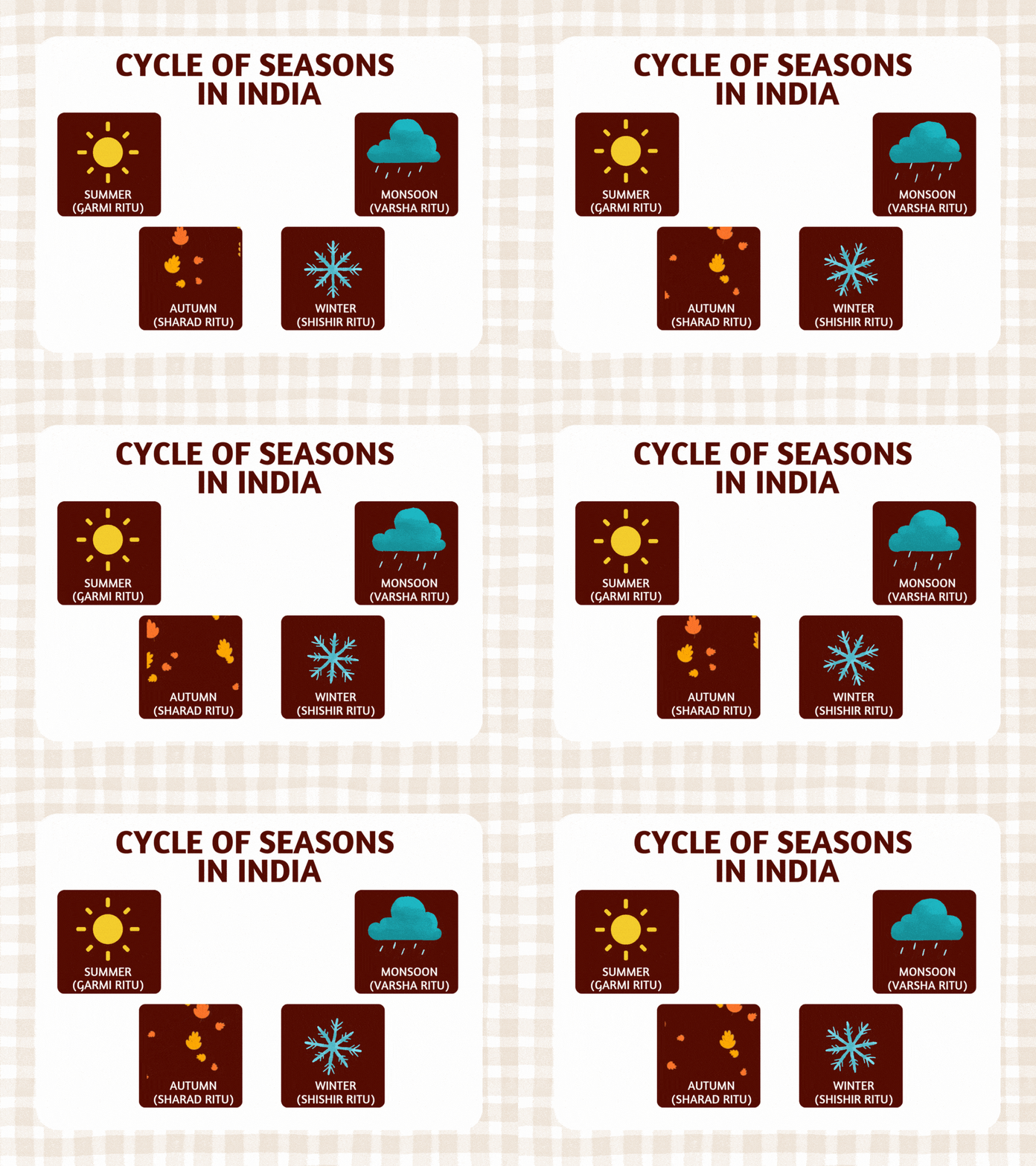
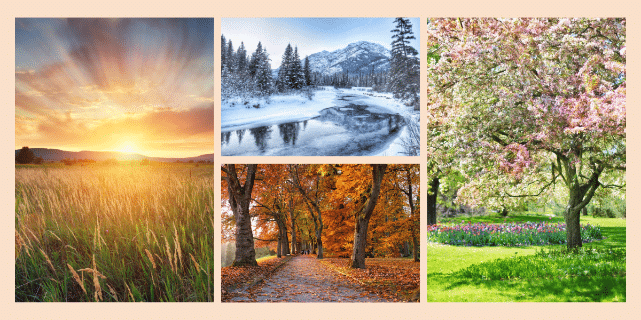
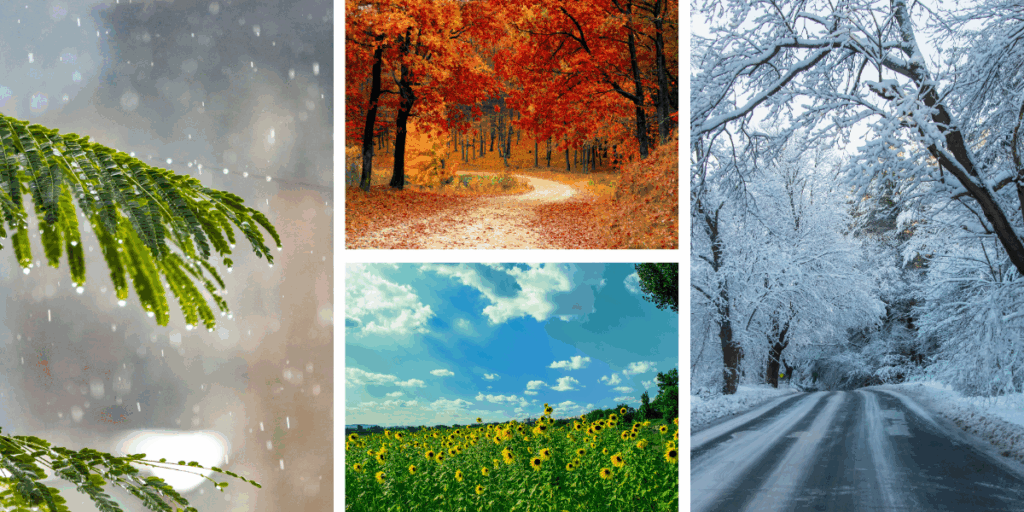
  • Spring: Marked by a rise in temperature and the blossoming of flowers. In the Northern Hemisphere, it spans from March to May, and in the Southern Hemisphere, from September to November.
  • Summer: Signifying the warm period conducive to beach outings and savoring ice cream. In the Northern Hemisphere, it extends from June to August, while in the Southern Hemisphere, it occurs between December and February.
  • Autumn (Fall): A season of cooling temperatures and falling leaves. In North America, it occurs from March to May in the Southern Hemisphere and from September to November in the Northern Hemisphere.
  • Winter: Characterized by significantly lower temperatures. In the Southern Hemisphere, it lasts from June to August, and in the Northern Hemisphere, from December to February. Days are shorter, and snowfall may be observed.

Cycle of Seasons in India

seasons in india

India has 4 main seasons: summer, monsoon, autumn, and winter. The seasonal cycle in India is varied and active because it is a subtropical country. The climate, culture, agriculture, and way of life in the nation are all significantly influenced by these seasons. Here are all the 4 seasons in India with months:

  1. Summer(Garmi Ritu)
    Summer in India is the hottest season, especially in the northern plains and central regions, where temperatures rise significantly. The heatwave conditions can be intense, while hill stations provide some respite with cooler temperatures.
  2. Monsoon(Varsha Ritu)
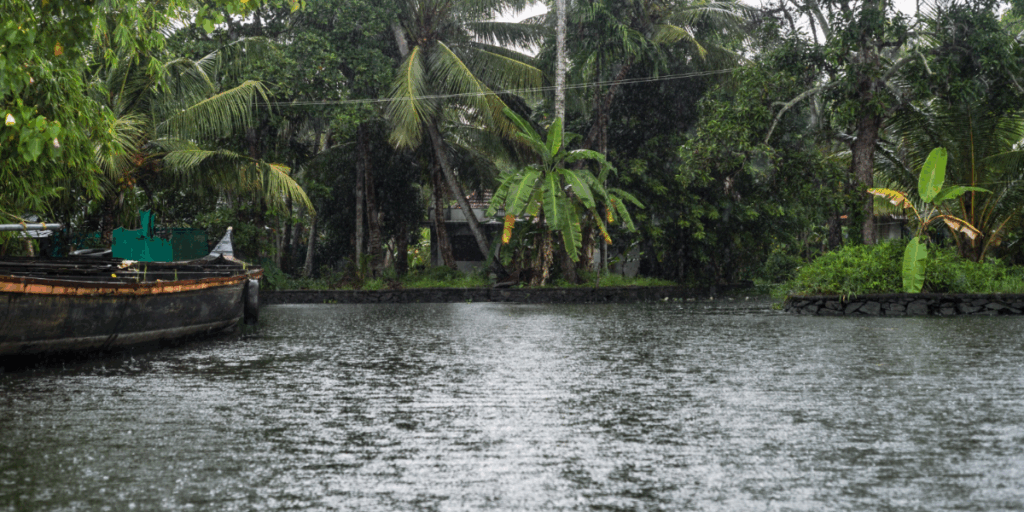
    The southwest monsoon brings heavy rainfall across most parts of the country, replenishing water sources and affecting agriculture. Some regions, particularly the western coast and northeastern states, receive significant rainfall, while others experience moderate to low precipitation.
  3. Autumn(Sharad Ritu)
    As the monsoon recedes, India experiences a transition period marked by decreasing humidity and gradually cooling temperatures. The weather becomes more stable, and the skies clear up, making it an ideal time for festivals like Diwali and Navratri.
  4. Winter(Shishir Ritu)
    Winter brings cooler temperatures, particularly in northern India, where snowfall occurs in the Himalayan regions. The southern and coastal parts of the country remain relatively mild. Occasionally, western disturbances bring rain and cold waves to some areas.

It’s good to know that India has different types of land, such as mountains, plateaus, plains, and coasts. This makes the seasons different in various parts of the country. Coastal areas may have different weather from places with mountains. For example, winters can be longer and more challenging in the Himalayas. So, the kind of land in a place affects how the seasons feel there.

The seasonal cycle is also closely associated with India’s agricultural practices and cultural festivities, making the change of the seasons an essential part of daily life there.

Unique Weather Phenomena in India

India’s diverse geography gives rise to several region-specific weather events, especially during the summer and pre-monsoon seasons. These local phenomena impact agriculture, climate, and daily life.

PhenomenonSeasonRegions AffectedQuick Description
Loo WindsSummer (Apr–Jun)North & Northwest IndiaMediterranean winds are bringing winter rain and snow.
Kaal BaisakhiPre-Monsoon (Apr–May)Eastern India (Bengal, Assam)Sudden thunderstorms with rain and lightning.
Mango ShowersPre-Monsoon (Mar–May)South India (Kerala, Karnataka)Light showers that help ripen mangoes and prep soil for crops.
Western DisturbancesWinter (Dec–Feb)Northwest India (J&K, Punjab, Delhi)Mediterranean winds bringing winter rain and snow.

These phenomena highlight the local flavor of Indian weather, beyond just the four major seasons.

Different Seasonal Classifications in India

6 Season Names in India with Months

seasons in india

From mid-March to mid-May, it’s springtime in India. This season’s weather is pleasant and warm, with emerging flowers and sprouting trees. After the winter, there is a time of regeneration and rebirth.

  • The weather begins to warm up, with pleasant temperatures.
  • Flowers bloom, and nature comes alive with vibrant colors.
  • This season is often associated with festivals like Holi, which celebrates the arrival of spring.

From mid-May to mid-July, a very hot summer season in India called Grishma begins. The temperatures can get high during this time. Longer daylight hours and bright skies are its hallmarks, yet occasionally, dust storms can occur in some places.

  • Temperatures rise significantly, often exceeding 40°C (104°F) in many regions.
  • The heat can be intense, especially in the plains and central India.
  • People often seek relief in the form of cool drinks and air conditioning.
  • The preparation marks the season for the monsoon.

3. Monsoon (Varsha Ritu): Months: June to September

Most areas of India see significant rainfall during the monsoon season. This time of year is critical for agricultural and water resource replenishment. Strong winds and thunderstorms are frequent occurrences.

  • The southwest monsoon arrives, bringing heavy rainfall to most parts of the country.
  • The weather becomes humid, and temperatures drop slightly.
  • The monsoon is crucial for agriculture, replenishing water sources and supporting crop growth.
  • Festivals like Raksha Bandhan and Onam are celebrated during this season.

4. Autumn (Sharad Ritu): Months: September to November

After the monsoon, from mid-September to mid-November, it’s autumn. The weather gets better as temperatures start to cool down. It is a favorite period for outdoor activities and festivals because of its milder temperatures, bright skies, and agreeable environment.

  • The transition from the post-monsoon season to winter.
  • The weather is generally mild and pleasant.
  • Clear skies and a gradual drop in temperatures characterize this season.

5. Pre-Winter (Hemanta Ritu): Months: November to January

Hemanta, especially in northern India, marks the commencement of the winter season when temperatures begin to decrease. Cooler weather is forecast, and some areas could feel like late October.

  • The transition from the post-monsoon season to winter.
  • The weather is generally mild and pleasant.
  • Clear skies and a gradual drop in temperatures characterize this season.

6. Winter (Shishir Ritu): Months: December to February

Shishir, the brutal winter season, is from mid-January to mid-March. The northern regions, like the plains and the Himalayan mountains, experience the coldest temperatures of the year. Winters are cooler in north and central India than in southern India. India’s cold season, winter, is characterized by fewer daylight hours, lower temperatures, and clear skies.

  • Temperatures drop significantly, especially in northern India.
  • Snowfall occurs in the Himalayan regions.
  • The weather is generally dry and cool.
  • Popular festivals during this season include Makar Sankranti and Lohri.

4 Seasons in India with Months

  1. Winter: Characterized by cooler temperatures.
  2. Spring: Marked by a gradual warming and blooming of flowers.
  3. Monsoon: Known for heavy rainfall and humidity.
  4. Autumn: Featuring a transition to cooler weather with less humidity.

Read More: Exploring the Vibrant Palette of Rainy Season Fruits in India

Crop Seasons in India

There are 3 crop seasons in India, and those are as follows:
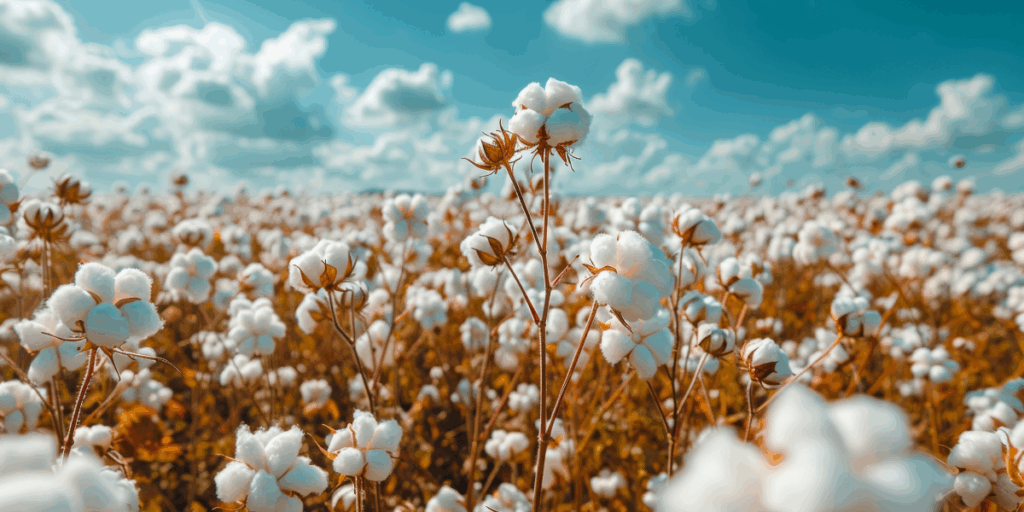
1. Kharif Season (June to October)

seasons in india

This rainy season is perfect for crops that love lots of water, like rice, jawar, cotton, and jute.
  • Kharif crops are sown at the onset of the monsoon and harvested at the end of the monsoon season.
  • The crops require significant rainfall and are typically grown in regions with adequate monsoon rains.

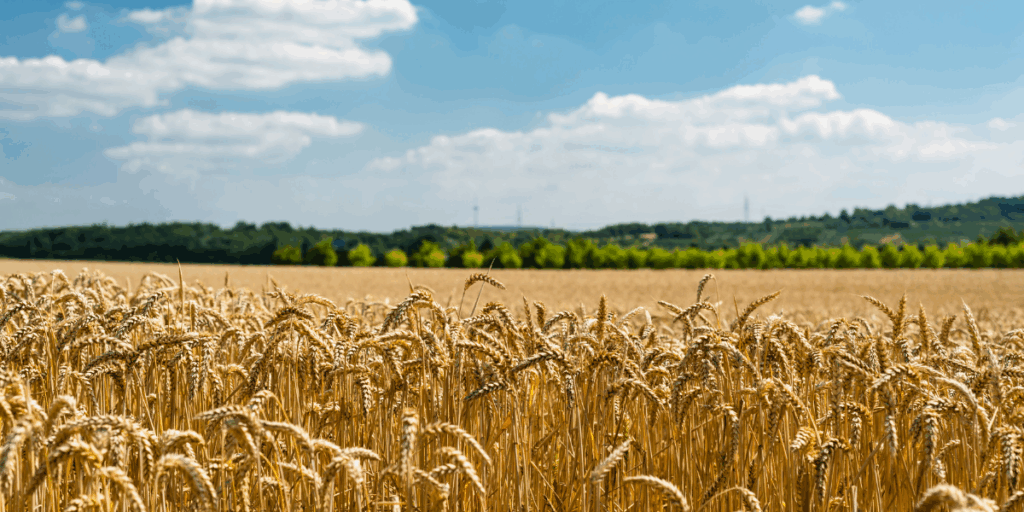
2. Rabi Season (November to April)

seasons in india

Following the monsoon, this cooler and drier season is ideal for wheat, barley, peas, and chickpeas that don’t need as much rain.
  • Rabi crops are sown after the monsoon season and require cooler temperatures for growth.
  • These crops are typically irrigated, as they depend on residual soil moisture and irrigation rather than rainfall.

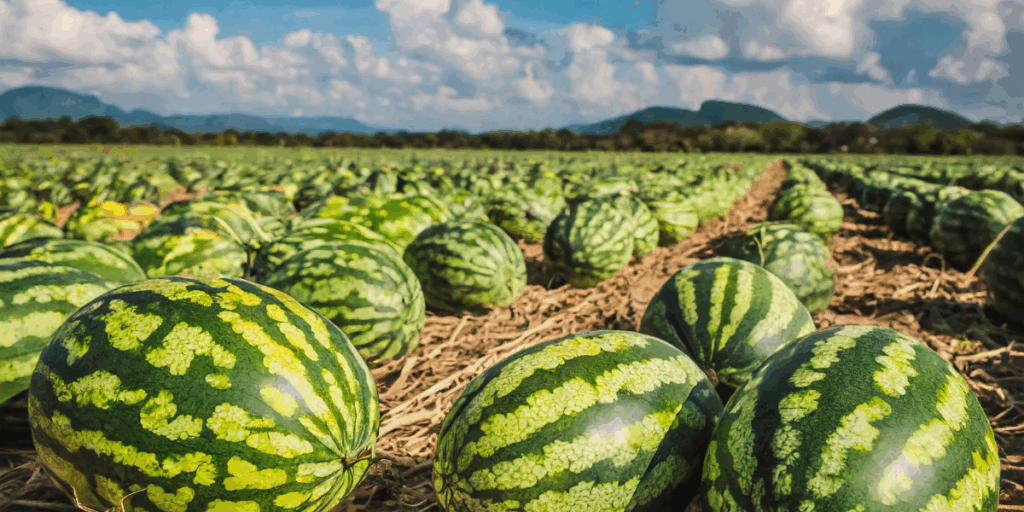
3. Zaid Season (March to June)

seasons in india

This short bonus season between Kharif and Rabi crops allows farmers to grow some fast-growing vegetables.

  • Zaid crops are grown in the summer months and are typically short-duration crops.
  • They require warm weather and are often grown in areas with irrigation facilities.

What are the Types of Seasons in India?

In the world of seasons, there are two main types: meteorological and astronomical.

seasons in india

Meteorological Seasons

Meteorological seasons are defined based on the annual temperature cycle and the calendar months, making them easier to understand and apply in weather forecasting and climate studies. These seasons follow the months on the calendar, making it easy for scientists to study weather and climate. They help us understand practical weather observations, comparing climate data across different places and times. It’s like looking at a year in chunks of time, noticing how the weather changes.

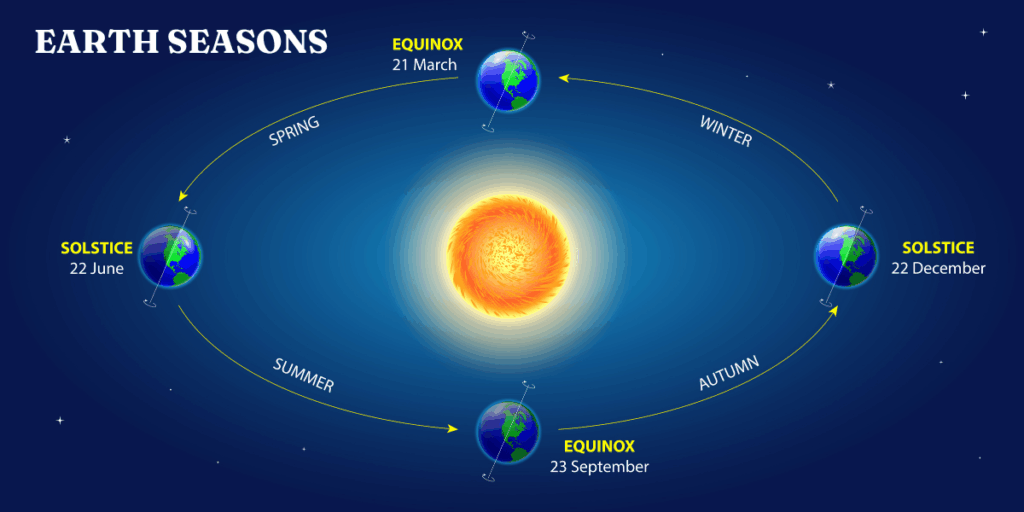
Astronomical Seasons

These seasons connect with special events like the equinoxes, closely tied to Earth’s journey around the Sun. They are important in astronomy, helping astronomers understand celestial events and Earth’s orbit. It’s like looking at seasons from a space perspective, focusing on Earth’s big journey in the solar system. Astronomical seasons are based on the position of the Earth to the Sun and are defined by the equinoxes and solstices. These seasons are determined by the tilt of the Earth’s axis and its orbit around the Sun.

Now, how does this connect with the seasons in India? Meteorological seasons help us observe and understand weather changes practically. Astronomical seasons add a cosmic perspective, connecting with events in space. Together, they give us a complete picture, making sense of the seasons in India, from the ground to the stars above, in a way that’s easy to understand.
seasons in india

Characteristics of Indian Seasons

India boasts a vibrant tapestry of seasons, each offering a unique experience. Let’s explore some Indian seasons!
Winter Season in India

seasons in india
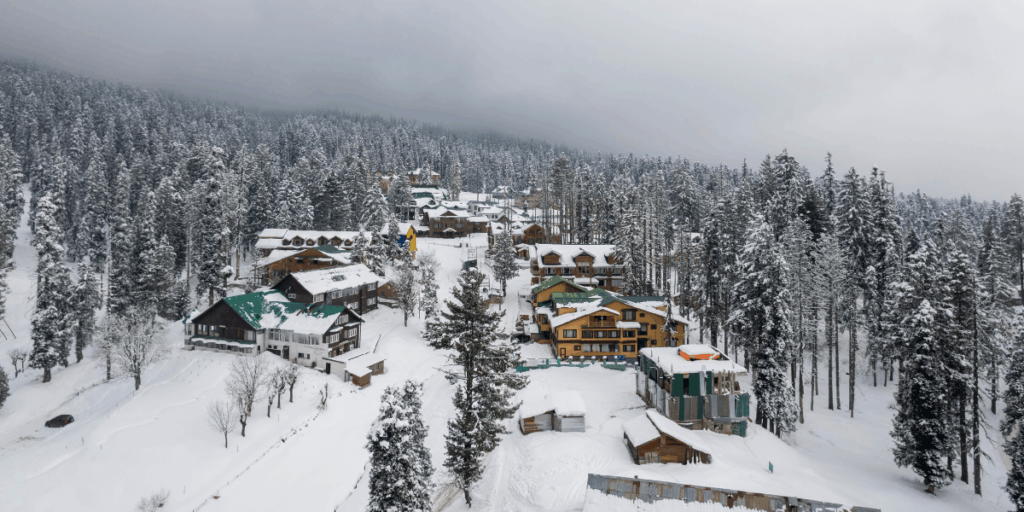
  • In India, mid-December to mid-March is regarded as the Winter Season.
  • The sun is traveling south of the equator.
  • North Feels the Chill: Winter paints northern India cool from November to February, with December and January being the frostiest.
  • Crystal Clear Skies: This season is known for its bright blue skies, perfect for stargazing.
  • Warm Days, Cool Evenings: Dress in layers! While days might be pleasant, evenings can get quite chilly.
  • The Dras Valley in Kashmir is the coldest place in India. At Dras, the lowest recorded temperature was -45°C in 1908.

Summer Season in India

seasons in india
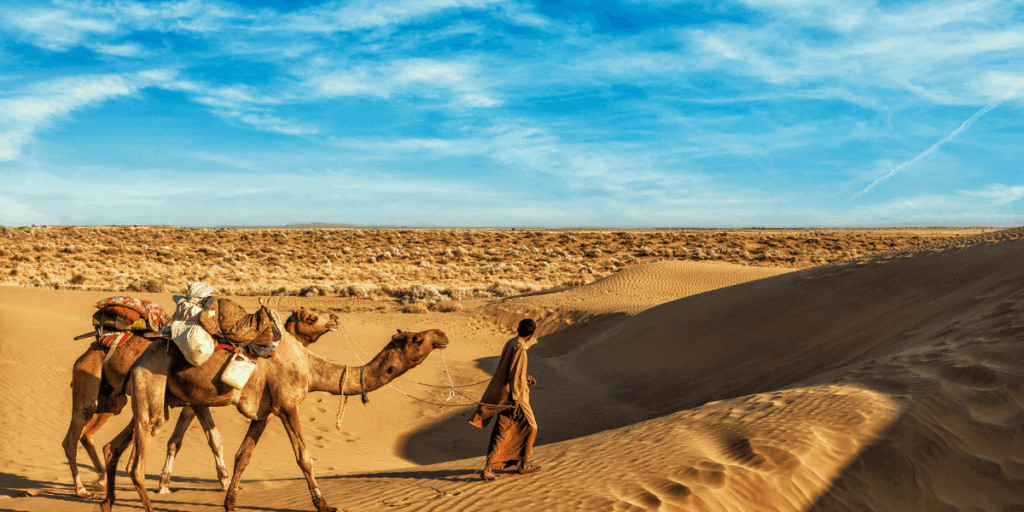
  • Mid-March to mid-May is regarded as the summer season in India.
  • The main characteristics of the summer season in India are high temperatures and low humidity.
  • Because the sun seems to traverse the equator and the Tropic of Cancer, there is an extensive range in sun insolation.
  • Sunshine Symphony: Clear skies and pleasant days dominate summer, especially in the north.
  • Temperature on the Rise: The warmth gradually increases as you move south. The Gangetic plains average around 10°C, while the south can reach scorching highs of 30°C.
  • Loo Blows: Brace yourself for the “loo,” a hot and dry wind that blows across northern India during this season.
  • In April, the northern regions of Madhya Pradesh recorded their highest temperature, which was approximately 45°C.
  • Most heat waves occur in Rajasthan, Punjab, and Haryana (locations far away from the sea).

Monsoon Season in India

  • In India, the months of June through September are called the monsoon or rainy season.
  • The northwest plains experienced a notable rise in temperature in May, which has increased the low-pressure system there.
  • By early June, they have gained sufficient strength to attract Southern Hemisphere-native trade winds from the Indian Ocean.
  • Time for Rain: The monsoon season brings a welcome change, transforming the landscape into a lush green paradise.
  • Winds of Change: This period sees a shift in wind patterns, bringing much-needed rainfall to the land.
  • The Rhythm of Rain: From gentle drizzles to powerful downpours, the monsoon creates a unique soundscape.

Post-Monsoon

  • Monsoons on the Move: As October arrives, the southwest monsoon winds weaken and retreat.
  • Clear Skies Return: The skies once again become clear, but so do the rising temperatures in the north.
  • October Heat: This period experiences a temporary surge in humidity and temperature, sometimes called the October heat.

Cyclonic Concerns

The monsoon’s withdrawal can also trigger cyclonic depressions in the Bay of Bengal, particularly on the eastern and southern coasts.

India’s diverse seasons offer something for everyone. From the cool embrace of winter to the vibrant splash of monsoon, each season paints a unique picture!

Understanding Seasons in India

Seasons play a crucial role in shaping climate patterns on Earth. Climate patterns are the long-term, recurring weather conditions in a particular region. Here’s how seasons influence climate patterns:

  • Tilted Axis and Earth’s Orbit: The Earth tilts slightly, about 23.5 degrees, as it revolves around the Sun, causing the seasons to change. Because the Earth is tilted, some areas receive more sunlight at different times of the year.
  • Solar Insolation: Solar insolation is how much sunlight a particular place on Earth gets. When one hemisphere tilts toward the Sun, it’s summer in that part. This leads to more direct sunlight and longer days, making it warmer. So, the Earth’s tilt and orbit affect why we experience different seasons and how much sunlight different places receive.
  • Temperature Variations: Temperature varies throughout the year due to the sun’s varying ray angles and strength. A hemisphere experiences warmer weather during the summer as the land and waters in that region warm up.

Regional Variations in Seasonal Impact

India’s diverse geography creates significant regional differences in how each season is experienced. The same season can look and feel very different across states, from the towering Himalayas to the coastal plains. Understanding these regional nuances is crucial to grasping India’s complex climate system.

How Seasons Differ Across Indian Regions

SeasonNorthern IndiaSouthern IndiaWestern IndiaEastern India
MonsoonArrives late June–early July; heavy rainfall in the Indo-Gangetic plainHeavy rainfall in West Bengal and Odisha, which are prone to cyclonesModerate rainfall in Gujarat & Rajasthan; desert regions get minimal rainIcy (Dec–Jan), especially in states like Punjab, Himachal, J&K
WinterRainy in Tamil Nadu due to the northeast monsoonMild winters; coastal areas remain warmCool and dry; nights can get chillyMild to cool; foggy conditions in some regions
SummerExtremely hot; Delhi, Rajasthan, UP often cross 45°CComparatively milder; temperatures range from 30–38°CIntense heatwaves in Rajasthan & GujaratHot and humid; thunderstorms are common in the pre-monsoon season
Post-MonsoonShort and dry; begins cooling by late OctoberRainy in Tamil Nadu due to northeast monsoonDry and pleasantHumid and wet in coastal areas

Key Highlights:

  • Monsoon Onset: Kerala is the first to receive monsoon rains (usually by June 1st), progressing northward over a month.
  • Rain Shadow Effect: Tamil Nadu receives most of its rain during the northeast monsoon (Oct–Dec), as it lies in the rain shadow region of the Western Ghats.
  • Winter Contrast: While North India experiences snowfall and sub-zero temperatures, Southern states like Kerala and Tamil Nadu remain comfortably warm.

Conclusion

The Indian Meteorological Department classifies the country into four main seasons: summer, monsoon, autumn, and winter. Each season impacts India’s weather, agriculture, and daily life differently.

Summer brings intense heat, monsoon replenishes water sources, autumn transitions with cooler temperatures, and winter brings cold conditions, especially in northern regions. Understanding these seasonal changes helps better plan agriculture, festivals, and daily activities, making the climate a crucial aspect of India’s geographical identity.

Read More:

Frequently Asked Questions(FAQs)

What are 6 seasons in India?

The 6 seasons of India are Shishir Ritu (Winter), Vasant Ritu (Spring), Grishma Ritu (Summer), Hemant Ritu (Pre-Winter), Sharad Ritu (Autumn) and Varsha Ritu (Monsoon). 

What are the 4 seasons in India?

The 4 seasons in India are Summer (March to June), Monsoon (June to September), Autumn (October to November), and Winter (December to February).

What are the months and seasons in India?

The months and seasons in India are:

1. Summer (March to June)
2. Monsoon (June to September)
3. Autumn (October to November)
4. Winter (December to February)

What are the 4 types of seasons?

The 4 seasons in India are Summer, Monsoon, Autumn, and Winter.

What are the 6 ritu names?

The 6 ritus are Shishir Ritu (Winter), Vasant Ritu (Spring), Grishma Ritu (Summer), Hemant Ritu (Pre-Winter), Sharad Ritu (Autumn), and Varsha Ritu (Monsoon). 

What are the summer months in India?

The summer months in India typically span from March to June. Most regions experience high temperatures during this period, especially in northern and central India, often crossing 40°C. It is marked by dry weather, intense heat waves, and the pre-monsoon buildup before the rainy season begins.


Authored by, Muskan Gupta
Content Curator

Muskan believes learning should feel like an adventure, not a chore. With years of experience in content creation and strategy, she specializes in educational topics, online earning opportunities, and general knowledge. She enjoys sharing her insights through blogs and articles that inform and inspire her readers. When she’s not writing, you’ll likely find her hopping between bookstores and bakeries, always in search of her next favorite read or treat.

Editor's Recommendations