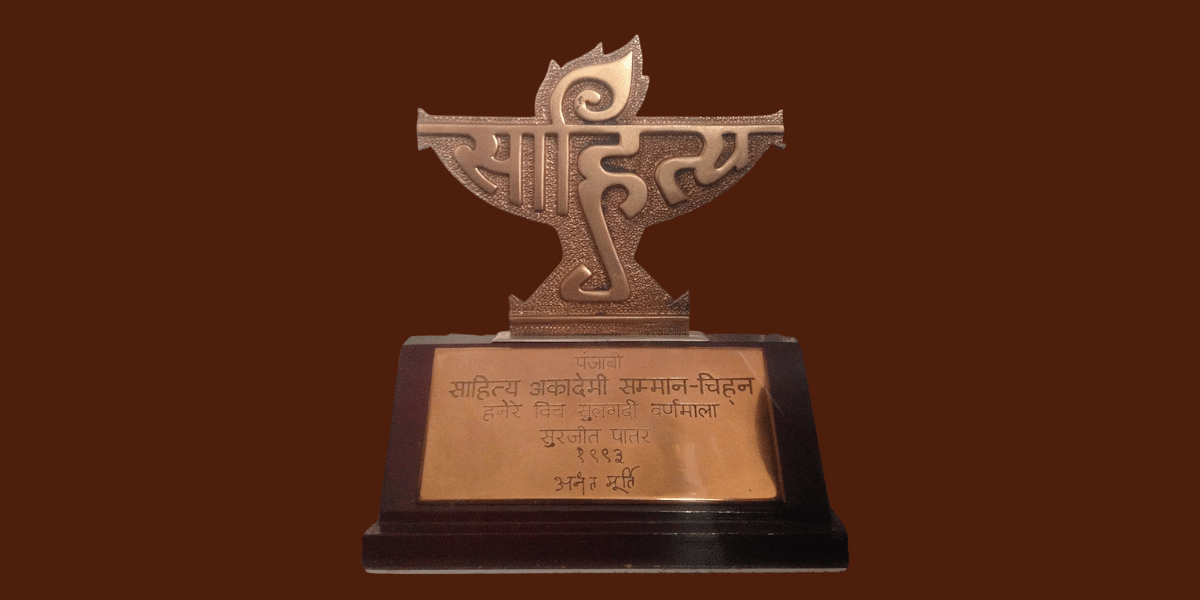
The Sahitya Akademi Award is India’s second-highest literary honour, after the prestigious Jnanpith Award. Instituted in 1954 by the Sahitya Akademi, the National Academy of Letters celebrates exceptional literary works in 24 Indian languages, including English. The award aims to honour writers whose works reflect literary excellence, cultural depth, and social relevance. Every year, authors, poets, and playwrights who contribute to Indian literature are recognised with this distinction.

Beyond honouring individual talent, the Sahitya Akademi Award promotes linguistic diversity and encourages writers to preserve India’s literary traditions while exploring modern themes. Over the decades, it has become a symbol of creative achievement and cultural pride, representing the power of literature to connect people, ideas, and emotions across different regions of India.
The Sahitya Akademi Award is a prestigious literary honour presented annually by the Sahitya Akademi, India’s National Academy of Letters. Established in 1954, the award was first conferred in 1955 to recognize and promote outstanding literary works across India’s diverse linguistic landscape. It is regarded as one of the country’s highest accolades for writers, poets, and dramatists, celebrating creative excellence in 24 Indian languages, including English, Hindi, Bengali, Tamil, Urdu, and others.
The primary objective of the Sahitya Akademi Award is to encourage and honour literary talent that contributes significantly to Indian literature’s growth and diversity. It aims to foster cultural unity through literature while preserving the richness of regional expressions.
When we ask, “What is the Sahitya Akademi Award?” it signifies recognition of literary brilliance and cultural depth. The Sahitya Akademi Award in India is a testament to the nation’s intellectual and artistic spirit, representing not only literary achievement but also India’s enduring love for language, storytelling, and creative expression. Its prestige and credibility make it a dream honour for every Indian writer aspiring to leave a lasting mark on the country’s literary heritage.
The Sahitya Akademi Award is rooted in establishing the Sahitya Akademi, India’s National Academy of Letters, in 1954. The Government of India created this autonomous organization to promote, preserve, and celebrate the nation’s vast literary and linguistic traditions. The Akademi aimed to be a unifying platform for writers and poets across different languages, encouraging cultural dialogue and creative excellence.
The Sahitya Akademi Award was first conferred in 1955, marking a historic moment in Indian literary history. The inaugural awards recognized exceptional works in 20 Indian languages, honouring eminent authors such as R.K. Narayan (English), Lalitambika Antharjanam (Malayalam), and Jibanananda Das (Bengali, posthumously). These first recipients set the tone for literary merit and diversity that the Akademi continues to uphold.

One of the core objectives behind the award’s creation was to foster literary unity and linguistic diversity, bridging India’s cultural differences through the power of words. Over time, the Akademi expanded its reach by including additional languages. Dogri, Maithili, Santali, and English were later added, making the total number of recognized languages 24.
Throughout its journey, the Sahitya Akademi has remained a cornerstone of India’s literary landscape, supporting writers through publications, seminars, translations, and awards. The Sahitya Akademi’s history reflects India’s evolution as a multilingual democracy that values literature as a unifying force. Understanding the establishment of the Sahitya Akademi and knowing that the Sahitya Akademi Award started in 1955 highlights how deeply literature is woven into the cultural identity of India.
The Sahitya Akademi Award is a mark of literary excellence and a national celebration of India’s cultural and linguistic diversity. Since its inception, the award has upheld the spirit of creativity, unity, and intellectual expression that defines Indian literature. Its objectives and significance lie in how it nurtures writers, preserves languages, and strengthens India’s literary identity.
One of the Sahitya Akademi’s key objectives is to encourage the growth of literature in all recognized Indian languages. By awarding works in 24 languages, the Akademi ensures that India’s regional and classical traditions continue to flourish in the modern literary world.
The Sahitya Akademi Award motivates writers to compose in their mother tongues, helping preserve linguistic authenticity. This recognition gives regional authors a national platform, ensuring their voices reach audiences beyond linguistic boundaries.
The significance of the Sahitya Akademi Award also lies in its role as a unifying cultural force. Literature promotes understanding, empathy, and shared values among India’s diverse communities, preserving heritage and harmony.
The Sahitya Akademi Award’s importance extends beyond recognition. It inspires future generations to read, write, and think critically. It reinforces literature’s power to reflect society, challenge norms, and celebrate India’s evolving cultural narrative.
The Sahitya Akademi Puraskar follows a transparent and well-defined process to ensure that only the most deserving writers are honoured for their literary excellence. The award’s credibility stems from its strict eligibility criteria and an unbiased selection process designed to uphold literary integrity and diversity across languages.
To qualify for the Sahitya Akademi Award, the author must be an Indian citizen. The work submitted should be an original literary creation, not a translation, abridgment, or compilation. To allow adequate critical evaluation, the book must have been published in one of the 24 recognized Indian languages at least three years before the award year. The award can be given for poetry, fiction, drama, essays, or other literary forms showcasing creative merit.
The Sahitya Akademi Award process begins with nominations made by experts, previous awardees, and literary institutions. Each language has its own Advisory Board comprising distinguished writers and scholars who shortlist the most noteworthy works. A jury panel of three literary experts then evaluates the shortlisted entries based on originality, creativity, and scholarly significance.
The final decision rests on literary excellence, depth of thought, linguistic quality, and the contribution of the work to its respective literary tradition. No political or regional bias influences the selection.
The award includes a bronze plaque, a shawl, and a cash prize of ₹1,00,000, symbolizing respect, tradition, and recognition. The Sahitya Akademi Award prize money and honours are generally announced in December or early the following year, celebrating India’s finest voices in literature.
Here is the year-wise Sahitya Akademi Award winners list, highlighting recent honorees. The complete list from 1955 to 2024 is extensive, so below are the latest winners in detail, followed by a summarized overview of earlier decades. Readers can refer to the official Sahitya Akademi website for a comprehensive list.
| Year | Language | Author | Work Title |
|---|---|---|---|
| 2024 | Hindi | Gagan Gill | Main Jab Tak Aai Bahar |
| 2023 | English | Neelam Gour | Requiem in Raga Janaki |
Since its inception in 1955, the Sahitya Akademi Award has recognized hundreds of distinguished writers across India’s linguistic spectrum. The first awards in 1955 were presented to eminent authors such as R. K. Narayan (English) and Jibanananda Das (Bengali, posthumously), setting a high literary standard for the years to come.
Over the decades, the award has expanded to cover 24 Indian languages, including later additions like Dogri, Maithili, Santali, and English. Each decade has seen a blend of established and emerging writers contributing to India’s evolving literary identity, from modernist poets and novelists to contemporary storytellers addressing social and cultural change.
The Sahitya Akademi Award winners by language reflect India’s vast linguistic diversity and the dynamic growth of regional literature. These writers have enriched Indian literary traditions through works that span fiction, poetry, drama, criticism, and essays, each resonating with the voice of their time.

Over the decades, the Sahitya Akademi Award has been bestowed upon some of India’s most famous literary figures, whose works have shaped the nation’s intellectual and cultural landscape. These famous Sahitya Akademi Award winners represent the diversity of India’s languages, regions, and literary traditions.
Among the earliest recipients, R.K. Narayan (English) was honoured for his celebrated novel The Guide, which brought Indian English fiction to global recognition. In Bengali literature, Mahasweta Devi, known for her powerful portrayal of tribal struggles and social injustices, received the award for her collection Aranyer Adhikar. In Malayalam, M.T. Vasudevan Nair, a master storyteller and screenwriter, was awarded for Kaalam, a novel exploring human emotions and social transitions.
The Hindi literary world has also seen prominent Sahitya Akademi Award winners in Hindi, including Nirmal Verma, whose modernist fiction reshaped Hindi prose, and Krishna Sobti, recognized for her bold narratives and linguistic innovation. Similarly, in Tamil literature, Jayakanthan and Sundara Ramaswamy were honoured for their contributions to contemporary Tamil storytelling that bridged realism with philosophical depth.
The award has also celebrated poets and lyricists, such as Gulzar, whose evocative Hindi poetry and songwriting earned him critical and widespread acclaim. Some unique milestones include the youngest recipient, Arundhathi Subramaniam (English, 2015), and repeat winners like U.R. Ananthamurthy, who received the award and later became its president.
Together, these Sahitya Akademi Award winners in Hindi, English, Tamil, and other languages highlight the award’s inclusive vision, celebrating literary excellence that transcends linguistic and regional boundaries, while capturing the multifaceted essence of Indian life.
The Sahitya Akademi Award honours outstanding literary works written in 24 officially recognized Indian languages, reflecting the country’s linguistic richness and cultural diversity. These Sahitya Akademi-recognized languages include those listed in the Eighth Schedule of the Indian Constitution and additional languages later incorporated to ensure a wider representation of India’s literary traditions.
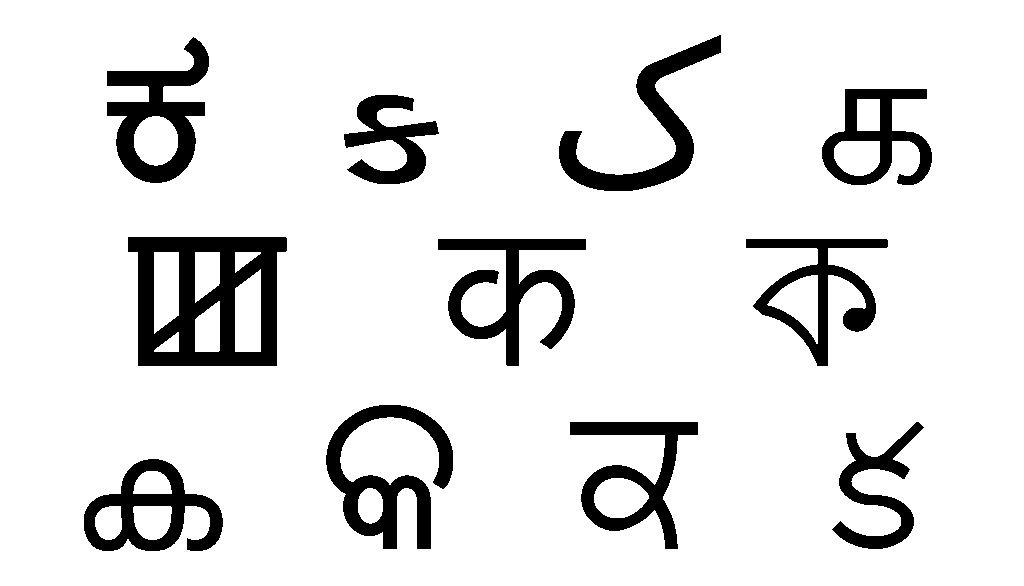
The Sahitya Akademi recognizes the following languages under the Eighth Schedule for annual awards:
In addition to these, two non-Schedule VIII languages are also recognized:
These 24 Sahitya Akademi Award languages represent India’s literary pluralism, covering both classical and contemporary forms of expression. Recognizing such a broad linguistic spectrum, the Akademi ensures that literature in every Indian language, central or regional, receives equal respect and national visibility. This inclusivity reinforces the idea that India’s cultural identity is best expressed through the harmony of its many languages and literary voices.
India boasts several prestigious literary honours, each with its own focus. The Sahitya Akademi Award recognizes specific works of scholarly excellence in any of 24 recognized Indian languages, promoting diversity and inclusivity. In contrast, the Jnanpith Award, India’s highest literary honour, is awarded for an author’s lifetime contribution to Indian literature, making it less about a single work and more about overall impact.
Other significant awards include the Saraswati Samman, which was given for outstanding work in any Schedule VIII language published within the last ten years, and the Vyas Samman, which focuses exclusively on Hindi literature. While these awards highlight individual brilliance or single-language excellence, the Sahitya Akademi Award emphasizes linguistic diversity, yearly recognition, and representation across India’s rich literary landscape.
Thus, the difference between Sahitya Akademi and Jnanpith lies in scope: the Akademi celebrates contemporary works across multiple languages, while the Jnanpith honours enduring literary legacy.
Over the years, the Sahitya Akademi Award has faced its share of debates and controversies. One notable instance occurred in 2015, when several authors returned their awards in protest against rising intolerance, sparking nationwide discussion about the role of writers in society.
Critics have also raised concerns regarding jury bias, alleging that specific literary works or languages may receive preferential treatment. Debates about adequate representation of regional and lesser-known languages continue.
Despite these challenges, the Akademi has maintained its credibility by following structured evaluation procedures and consulting expert panels. Addressing these concerns openly, while celebrating the award’s contributions, helps maintain trust in the Sahitya Akademi Award as a symbol of literary excellence and India’s rich linguistic diversity.

The Sahitya Akademi Award is filled with fascinating milestones that reflect the richness of India’s literary heritage. Here are seven interesting facts:
These facts underline the Sahitya Akademi Award’s significance in promoting India’s linguistic diversity, nurturing talent, and celebrating writers whose works inspire generations.
The Sahitya Akademi Award is distinguished in India’s literary and cultural landscape, symbolizing recognition of exceptional creativity across the nation’s many languages. Its importance lies in honoring individual authors and preserving and promoting linguistic diversity, ensuring that regional and classical literatures thrive alongside modern expressions.
The award nurtures creative excellence by acknowledging works of poetry, fiction, drama, and criticism. It inspires generations of writers to explore new ideas while remaining rooted in India’s rich cultural heritage. Over the decades, the Sahitya Akademi’s contribution to Indian literature has strengthened the nation’s literary identity and fostered cultural integration through the power of words.
The award will continue to play a pivotal role in shaping India’s literary future. It will help Indian authors gain recognition not only nationally but also on the global literary stage, reflecting the evolving and dynamic spirit of Indian literature.
Read More:-
The first Sahitya Akademi Awards were given in 1955. Notable winners included Mahadevi Verma (Hindi, Yama) and R.K. Narayan (English, Swami and Friends). The awards recognized outstanding literary works across multiple Indian languages.
The 2025 Sahitya Akademi Yuva Puraskar winners include Advait Kottary (English), Parvati Tirkey (Hindi), and Akhil P. Dharmajan (Malayalam). The Bal Sahitya Puraskar honors children’s literature writers like Vishnupuram Saravanan (Tamil) and Surendra Mohan Das (Assamese).
Submissions to Indian Literature can include 6–8 poems, short stories in English or translation, and critical articles (up to 6000 words, MLA style). Send as a Word attachment with a six-line author and translator bio.
The youngest Sahitya Akademi awardee is Nunnavath Karthik (Ramesh Karthik Nayak), who won the Yuva Puraskar in 2024 at 26, becoming Telangana’s first tribal writer honored for his Banjara short story collection, Dhavlo.
The Sahitya Akademi Award 2020 in Kannada was won by M. Veerappa Moily for his epic Sri Bahubali Ahimsadigvijayam, while Arundhathi Subramaniam received the English award for her poetry collection When God is a Traveller on 30 August 2025.