
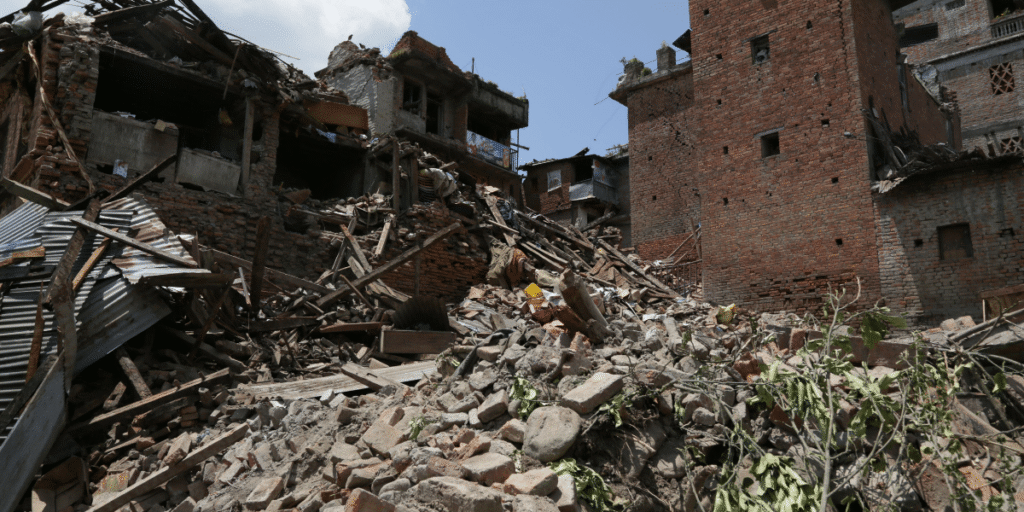
The Gorkha Earthquake struck Nepal on April 25, 2015, registering a magnitude of 7.6. Its epicenter was located approximately 76 km northwest of Kathmandu and was followed by over 300 aftershocks.
Entire towns, along with centuries-old neighborhoods and landmarks, were destroyed by the earthquake. The disaster resulted in thousands of deaths, numerous injuries, and widespread loss of homes.
This section explores the events leading up to and following the tragedy, offering insight into the immediate aftermath. It also highlights the initial responses from people in the US and other countries, underscoring how powerless humanity can be against the forces of nature.

Nepal Earthquake 2015 Case Study: An Overview
The Nepal earthquake 2015 was primarily caused by intense tectonic activity along the Main Himalayan Thrust (MHT) fault line. This region lies at the convergent boundary where the Indian Plate is slowly but continuously moving northward at a rate of about 4–5 cm per year, colliding with and pushing beneath the Eurasian Plate.
This collision has been ongoing for tens of millions of years and is responsible for forming the Himalayan mountain range. However, the process also stores enormous amounts of strain energy in the Earth’s crust. When this built-up stress exceeds the strength of the rocks, it is released suddenly in the form of an earthquake.
In 2015, the rupture occurred along a segment of the Main Himalayan Thrust fault beneath central Nepal. This fault system has been responsible for several large earthquakes in the past, including the 1934 Nepal–Bihar earthquake. Due to its frequent and sometimes devastating earthquakes history, the region is classified as a seismically active zone.
The April 25, 2015, quake was part of this ongoing seismic cycle, an inevitable consequence of plate tectonics in the Himalayas. Future earthquakes in the area are highly likely unless the stress is gradually released through more minor tremors.
Major Earthquakes in Nepal from 2015
Nepal has experienced several earthquakes. The Nepal Earthquake in April 2015 was devastating, creating fear among its people. On April 25, the Nepal Earthquake 2015, with a Richter scale magnitude of 7.8, was the most destructive, causing nearly 9,000 deaths. Since then, multiple earthquakes have struck Nepal, leading to casualties, property damage, and landslides. Some of these quakes were so powerful that tremors were felt in neighboring India. The most recent and severe earthquake on November 3, 2023, in Jajarkot left at least 132 dead and hundreds injured, showing the ongoing seismic activity in the region.
Major Earthquakes in Nepal (2015-2023)
| Date | Magnitude | Impact |
|---|---|---|
| April 25, 2015 | 7.8 | Deadliest earthquake in Nepal’s history, ~9,000 deaths |
| September 16, 2020 | 6.0 | Strong tremors felt in Kathmandu |
| November 9, 2022 | Unknown | 1 death, 24+ houses damaged, and tremors in New Delhi |
| November 12, 2022 | 5.4 | Tremors felt in India and Nepal |
| January 24, 2023 | 5.6 | 1 death, 24+ houses damaged, tremors in New Delhi |
| October 3, 2023 | 6.3 & 5.3 | Landslides, highway blocked, homes damaged, 17 injured |
| November 3, 2023 | 5.6 – 5.7 | 132 deaths, buildings collapsed, tremors felt in India |
These earthquakes highlight Nepal’s vulnerability to seismic activity and the need for strong disaster preparedness and response.
Nepal Earthquake 2015: Key Facts
- Date: April 25, 2015
- Magnitude: 7.8
- Aftershocks: 300+ (including a 7.3-magnitude tremor on May 12)
- Major Impact Areas: Nepal – Kathmandu Valley, Gorkha, Sindhupalchowk, India – Bihar, Uttar Pradesh, West Bengal, Tibet, Bangladesh, Bhutan
- Total Deaths: Over 8,900
- Deaths by Region: Nepal – 8,500+ (3,500 in Sindhupalchowk), India – 78, Tibet (China) – 25
- Key Damages: Dharahara Tower collapse, Langtang Valley avalanche, Destruction of villages, schools, hospitals, and roads, Severe damage to UNESCO World Heritage Sites
- Displacement: Millions left homeless
- Cause: Collision of the Indian and Eurasian tectonic pla
Earthquakes and volcanic eruptions can cause violent ground shaking, resulting in costly structural damage. The April 2015 Gorkha earthquake in Nepal was a particularly devastating natural disaster.
Nepal experienced a massive earthquake at 11:56 a.m. on April 25, 2015. The earthquake shook the world. The Kathmandu Earthquake 2015, with a Richter scale of 7.8 magnitude, hit Barpak, Gorkha, 76 km northwest of Kathmandu. The quakes killed 8,964 and injured 21,952. The earthquake caused an avalanche on Mount Everest that killed 21 and wounded 61. There was a lot of damage and chaos from this earthquake, and aftershocks like the Nepal earthquake of 2015, with a Richter scale of 7.3 on May 12, made things worse.

Nepal Earthquake Causes
Nepal has a long history of devastating earthquakes due to its location in a seismically active zone, where the Indian and Eurasian Plates collide. Over the centuries, major earthquakes have struck the region, including significant ones in 1255, 1344, 1505, 1833, and 1934. The 1934 Bihar-Nepal earthquake was 8.0 and claimed over 8,500 lives.
The 2015 Nepal earthquake was one of the most destructive in recent history. It caused a massive loss of life, destroyed thousands of homes, and damaged several UNESCO World Heritage Sites in Kathmandu, including ancient temples and monuments. The disaster highlighted the urgent need for better earthquake preparedness and cultural preservation efforts.
Key Points:
- Seismic Activity: Nepal lies in a highly active earthquake zone due to tectonic plate movements.
- Historical Earthquakes: Major earthquakes occurred in 1255, 1344, 1505, 1833, and 1934.
- 1934 Bihar-Nepal Earthquake: Magnitude 8.0, over 8,500 deaths, and massive destruction.
- 2015 Kathmandu Earthquake: Thousands were killed, heritage sites were destroyed, and significant property loss.
- Lessons Learned: The disaster emphasized the need for earthquake preparedness and protection of cultural landmarks.
Nepal Earthquake 2015 Damage
The 2015 Kathmandu earthquake devastated the countryside, people, economy, and society.
- Countless people were compelled to abandon their homes and find solace in the streets. Many people have to live in makeshift shelters without any necessities because of the extensive damage.
- Due to its large agricultural population, it was especially affected. The earthquake during planting season destroyed the farmers’ harvests and savings. Humans have a considerably more difficult time growing food, raising livestock, and making a living when irrigation systems and livestock are lost.
- According to the US Geological Survey, Nepal’s GDP will fall by 50%. Calculating the total economic damage following a disaster of this size is challenging and uncertain.
- The earthquake had a substantial impact on Nepal’s tourism sector in both the short and long term. The economy depends on this industry. However, the country’s instability and destruction of cultural sites have reduced tourism.
The devastating 2015 earthquake in Nepal affected people all over the region. The 2015 Nepal earthquake had a high Richter scale, making planning, having resilient infrastructure, and pursuing sustainable development more important than ever.

Major Earthquakes in Nepal Before 2015: Magnitude 6 and Above
Nepal has experienced several devastating earthquakes over the years, causing significant destruction and loss of life. Some of the most notable earthquakes include the 1934 Nepal–India earthquake, which was one of the deadliest, killing over 10,000 people. The 1988 earthquake caused severe damage in Kathmandu and Bihar, leading to more than 1,000 deaths. In 2011, a 6.9 magnitude quake struck near the Nepal-India border, affecting Nepal, Sikkim, and parts of Tibet. Other significant earthquakes in Nepal’s history include those in 1980, 1966, and several more in recent years, each causing structural damage and casualties. Below is a summary of significant earthquakes in Nepal:
| Date | Location | Magnitude | Impact |
|---|---|---|---|
| January 15, 1934 | Nepal & Northern India | 8.0 | 10,700–12,000 deaths; widespread destruction, including historic temples. |
| June 27, 1966 | Doti, Western Nepal | 6.3 | 80 deaths; severe damage to homes and infrastructure. |
| July 29, 1980 | Pithoragarh (India-Nepal border) | 6.5 | 200 deaths, landslides, and extensive building collapse. |
| August 20, 1988 | Kathmandu & Bihar, India | 6.9 | 1,091 deaths; heavy damage to historic buildings. |
| September 18, 2011 | Sikkim, India (Near Nepal) | 6.9 | 111 deaths; landslides and destruction in Nepal, India, and Tibet. |
These earthquakes highlight Nepal’s seismic vulnerability and the need for preparedness to minimize damage and casualties in the future.
Effects of the Nepal Earthquake 2015
1. Overview of the Nepal Earthquake
- Nepal Earthquake 2015 Date: April 25, 2015.
- Magnitude: 7.8 on the Richter scale.
- Epicenter: Gorkha district, Nepal.
- Aftershocks: Multiple aftershocks, including a significant one on May 12, 2015 (magnitude 7.3).
- Affected Areas: Primarily Nepal, with some impact on India, China (Tibet), and Bangladesh.
2. Immediate Human Impact
- Casualties: 9,000 deaths in Nepal and nearly 100 in neighboring countries, and over 21,000 injured, many with severe or life-changing injuries.
- Displacement: Over 2.8 million people displaced, particularly in rural areas.
- Psychological Impact: Mental health crisis with rising cases of PTSD, anxiety, and depression.
Increased gender-based violence and exploitation, primarily affecting women and children.
3. Destruction of Infrastructure
- Buildings and Homes: Widespread destruction, particularly in Kathmandu and surrounding areas,
Destruction of homes, schools, hospitals, and government buildings, - Cultural Heritage Sites: Major damage to UNESCO World Heritage Sites, such as Kathmandu Durbar Square, Swayambhunath, and Patan Durbar Square.
- Infrastructure: Collapse of roads, bridges, and communication networks, hampering relief operations.
4. Economic Impact
- Cost of Damage: Estimated at USD 7 billion, around 35% of Nepal’s GDP.
- Tourism Sector: Decline in tourism due to the destruction of heritage sites and mountainous areas.
- Agriculture: Loss of crops and farmland, contributing to food shortages, especially in rural regions .
5. Humanitarian Aid and International Response
- International Support: Countries and organizations worldwide provided relief, including food, medical supplies, shelter, and financial aid.
- Relief Challenges: Difficult terrain, infrastructure damage, and aftershocks slowed the relief effort.
- Reconstruction Efforts: Reconstruction was slow, with challenges in planning, resource allocation, and political instability.
6. Secondary Effects
- Aftershocks: Numerous aftershocks caused further damage and fatalities.
- Landslides and Avalanches blocked roads and caused further loss of life. A deadly avalanche on Mount Everest killed 22 climbers and stranded many others.
7. Environmental Impact
- Landslides: Widespread landslides disrupted transportation and created flooding risks.
- Geological Shifts: Changes in fault lines and topography in the Himalayan region due to the earthquake.
8. Social and Psychological Effects
- Mental Health: Many survivors experienced ongoing psychological trauma, with a rise in mental health issues
- Health System Strain: Overwhelmed hospitals struggled to care for the large number of injured
- Gender-Based Violence: An increase in child marriage and human trafficking, particularly affecting women and children
9. Political Response and Challenges
- Slow Government Response: Political instability and inefficiencies slowed relief and reconstruction efforts.
- Criticism of the Government: The government faced criticism for poor coordination and a lack of effective disaster management.
- Reconstruction Delays: Political and logistical challenges delayed the reconstruction of homes and infrastructure.
10. Regional and Global Impact
- International Solidarity: Nepal received widespread international aid, highlighting global solidarity.
- Tourism Recovery: Efforts to revive tourism through campaigns focusing on Nepal’s natural beauty and cultural heritage.
- Strengthened Regional Relations: Nepal’s relationships with India and China were strengthened through mutual aid and cooperation.
11. Long-Term Recovery and Resilience Building
- Rebuilding Efforts: Slow recovery due to political instability, limited resources, and the scale of destruction.
- Focus on Resilience: Improved disaster preparedness and stronger building codes for future resilience.
- Ongoing Challenges: Continued recovery efforts in terms of rebuilding homes, infrastructure, and cultural site.
Nepal Earthquake 2015: Impact on Everest
The Nepal Earthquake of April 25, 2015, profoundly impacted Mount Everest, reshaping its terrain, endangering lives, and altering its climbing environment.
1. Deadly Avalanches
The earthquake triggered massive avalanches on Mount Everest, primarily from the nearby Pumori peak. These avalanches swept through the South Base Camp, destroying tents, equipment, and infrastructure. It became the deadliest day in Everest’s history, with at least 22 fatalities at Base Camp and numerous injuries. Climbers higher up the mountain were stranded, as the avalanches damaged critical routes.
2. Changes in the Mountain’s Structure
While Mount Everest’s iconic peak remains standing, satellite data revealed a slight decrease in its height, estimated at 2.5 cm (1 inch). Additionally, the earthquake caused cracks and fractures in the surrounding terrain, increasing the risk of future avalanches and landslides. The tremors also destabilized glaciers and icefalls, making climbing routes more perilous.
3. Suspension of Climbing Activities
The destruction caused by the earthquake led to the cancellation of the 2015 climbing season. Key routes, including the Khumbu Icefall, were rendered impassable, and the damaged Base Camp required extensive rebuilding. Climbing permits issued that year were extended to the following seasons, giving climbers time to regroup.
4. Environmental and Ecosystem Impact
The earthquake and subsequent avalanches left Mount Everest’s Base Camp covered in debris. The ecological impact extended to flora and fauna in the region, with altered landscapes potentially disrupting local habitats. However, these changes have not yet been thoroughly documented.
5. Increased Risks for Future Expeditions
The earthquake created new challenges for climbers and sherpas:
- Cracks and Instability: The quake left fractures in the rock and ice, increasing the likelihood of avalanches, rockfalls, and crevasse openings.
- Glacial Movement: Glaciers became more unstable, raising concerns about long-term climbing safety.
6. Devastation of Sherpa Communities
The earthquake’s impact extended beyond the mountain. Sherpa villages in the Khumbu region were heavily affected, with many homes destroyed and lives lost. This tragedy highlighted the challenges faced by the local communities that form the backbone of Everest expeditions.
7. Global Awareness and Rescue Efforts
The disaster brought global attention to the risks associated with climbing Mount Everest. Rescue efforts involved local Sherpas, international teams, and the Nepal Army, who worked tirelessly to save stranded climbers and recover victims. The tragedy also sparked discussions about improving safety measures and early-warning systems for avalanches.
India’s Aid to Nepal During the 2015 Earthquake
Operation Maitri: India’s Relief Mission in Nepal (2015)
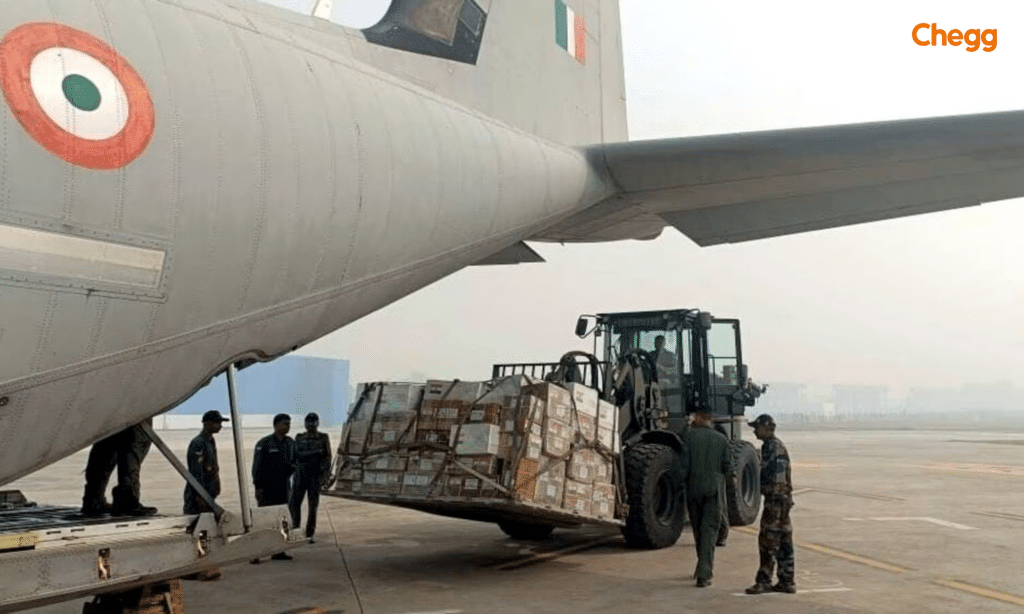
After the 2015 Nepal earthquake, India launched Operation Maitri (also called Operation Amity) as a massive rescue and relief effort. The Indian government and military responded immediately to help the affected people.
- Start Date: April 26
- Key Missions:
- Rescue operations using helicopters for evacuations and damage assessment
- Medical aid through temporary clinics and hospitals
- Food and water distribution to survivors
- Nepali Gurkha-trained citizens played a crucial role in coordination due to their local knowledge and language skills.
- Financial Assistance:
- India pledged ₹96 crore (1.54 billion Nepalese rupees) for relief and reconstruction.
- Impact:
- Provided immediate aid to affected people
- Strengthened India-Nepal relations
- Laid the foundation for long-term rebuilding and recovery
India’s quick and effective response through Operation Maitri showed its commitment to helping Nepal in times of crisis, reinforcing the spirit of regional cooperation and friendship.
Response and Recovery Efforts Adopted
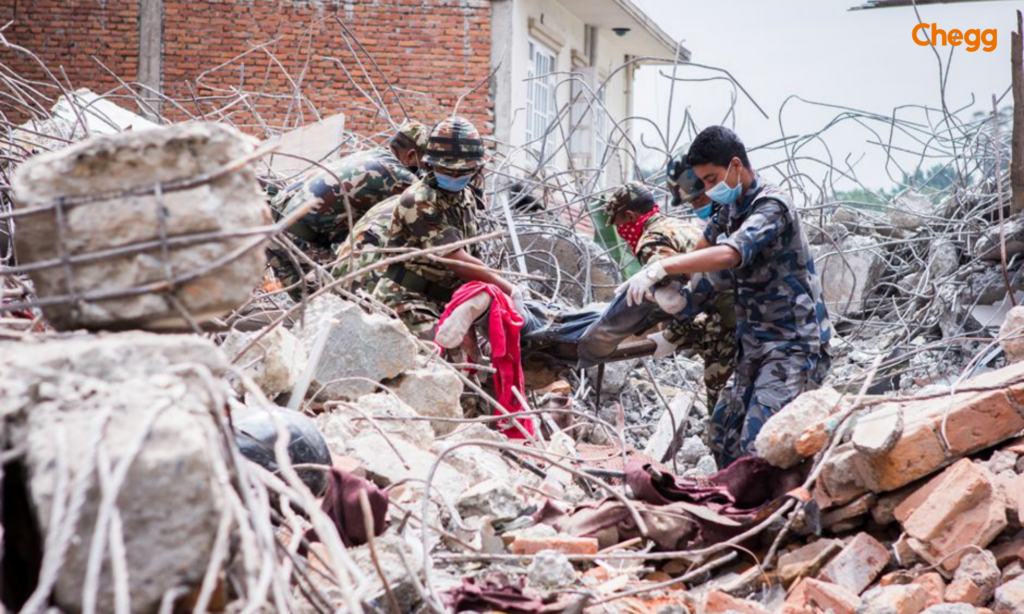
The Nepal Earthquake 2015 of Magnitude 7.8 led to a global response, with Nepal and the international community working together on relief and rebuilding efforts.
- Immediate Response:
- Nepal mobilized emergency aid, rescue teams, and temporary shelters.
- The Nepalese Army was key in search and rescue (SAR) operations.
- NGOs and UN agencies provided medical care, food, and clean water.
- Global Support:
- Many countries, organizations, and individuals donated aid.
- International teams helped in rescue and relief efforts.
- Rehabilitation & Reconstruction:
- The focus shifted to long-term rebuilding—homes, schools, and infrastructure were reconstructed with better resilience.
- Damaged cultural heritage sites were restored.
- Challenges in Recovery:
- Logistical hurdles slowed down reconstruction.
- Bureaucratic delays and lack of resources impacted progress.
- Specialized knowledge and funding were needed for effective rebuilding.
Despite challenges, global cooperation was crucial in helping Nepal recover and rebuild stronger.
Conclusion
After a natural disaster, the rates of death and property damage are highest in areas with severe social and mental health issues. The disaster’s long-term consequences will hit these areas the hardest.
Despite obstacles, the Nepali government aims to rebuild and prepare for future disasters. International assistance and the people of Nepal working together can help the country overcome challenges and fully and permanently recover from the earthquake. Following the devastating 2015 earthquake, many individuals and organizations hurried to Nepal’s aid. With the support of its resilience and the international community, Nepal can overcome its challenges and recover.
Read More:-
- Earthquake in India: An Overview
- Turkey Earthquake 2023: An Overview
- The Worst Earthquake in History: A Terrifying Look Back
Frequently Asked Questions (FAQs)
What year was the 7.8 earthquake in Nepal?
On April 25, 2015, a 7.8-magnitude earthquake hit Gorkha, Nepal, causing massive devastation. Nearly 9,000 people died, over 22,000 were injured, and 2.8 million were displaced, marking the country’s deadliest quake in 80 years.
What caused the Nepal earthquake in 2015?
The 2015 Nepal earthquake occurred due to the collision of the Indian and Eurasian plates, causing a rupture along the Main Frontal Thrust beneath the Himalayas. The sudden release of built-up pressure triggered severe ground shaking and widespread devastation.
How long did the Nepal 2015 earthquake last?
The Nepal 2015 earthquake, which struck on April 25, lasted for approximately 50 seconds. Despite its brief duration, the shallow magnitude 7.8 tremor caused massive destruction, widespread casualties, and significant damage to homes, infrastructure, and cultural landmarks.
What caused the Nepal earthquake in 2015?
The 2015 Nepal earthquake was caused by the collision of the Indian and Eurasian tectonic plates, which released stress along the fault lines in the region, particularly the Main Himalayan Thrust fault.