India is a land of rich culture, deep emotions, and powerful symbols of national pride. One such symbol is the National Song of India written by Bankim Chandra is Vande Mataram. This song has played a big role in India’s freedom struggle and continues to hold a special place in the hearts of Indians. In this article, we will take a close look at the history, meaning, and importance of the National Song of India. Let’s explore how Vande Mataram became more than just a song it became a symbol of unity, sacrifice, and patriotism.
The National Song of India is “Vande Mataram,” written by Bankim Chandra Chattopadhyay in the 1870s, was later included in his novel “Anandamath”. Originally composed in a mix of Sanskrit and Bengali, the song became a powerful symbol of unity and patriotism during the Indian freedom struggle. In 1950, it was formally recognized as the National Song of India, enjoying equal honor and respect alongside the National Anthem, “Jana Gana Mana.”
The story of “Vande Mataram” begins not on a political stage, but in the pages of a powerful novel. The song was penned by the renowned Bengali novelist and poet, Bankim Chandra Chattopadhyay, in the 1870s. It was first published in his Bengali novel Anandamath (The Abbey of Bliss) in 1882, a narrative set against the backdrop of the Sannyasi Rebellion against British rule.
The initial musical composition for the song is credited to Jadunath Bhattacharya. However, its journey to mass popularity was significantly boosted by a later, and now iconic, musical adaptation by Rabindranath Tagore. It was Tagore’s rendition that first brought the song into the political arena.
January 24, 1950: Two days before India became a republic, the Constituent Assembly of India officially adopted “Vande Mataram” as the National Song. The then President, Dr. Rajendra Prasad, stated, “The song Vande Mataram, which has played a historic part in the struggle for Indian freedom, shall be honoured equally with Jana Gana Mana and shall have equal status with it.”
1896: Rabindranath Tagore sang “Vande Mataram” at the session of the Indian National Congress in Calcutta, marking its debut as a political anthem.
1905: The song became the defining mantra of the Swadeshi Movement, which erupted in protest against the Partition of Bengal. It was sung at political meetings and protests, transforming it from a literary piece into a powerful cry for self-reliance and freedom.
British Reaction: Recognizing its potent influence, the British colonial administration attempted to suppress the song. Singing “Vande Mataram” in public gatherings was often banned, and those defying the ban faced imprisonment, which only served to fuel its popularity and symbolic power.
1937: A controversy regarding its religious imagery led the Indian National Congress to appoint a committee. The committee, which included both Hindu and Muslim leaders, recommended adopting only the first two stanzas of the song for national use, as they are purely descriptive of the land’s beauty and are considered secular.
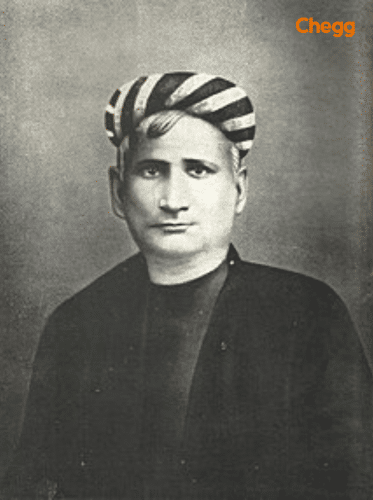
Bankim Chandra Chattopadhyay was a famous Bengali novelist, poet, and journalist. He is best known for writing India’s national song, “Vande Mataram.” Born on June 27, 1838, in Naihati, West Bengal, he was a key figure in modern Indian literature and the Bengal Renaissance.
Chattopadhyay wrote “Vande Mataram,” a powerful song, in Sanskrit and later adapted it into Bengali. This song was part of his novel, Anandmath, published in 1882. The novel was inspired by the Sannyasi Rebellion, where Hindu monks fought against oppressive rulers. The song captured the spirit of resistance and became a symbol of India’s fight for freedom.
“Vande Mataram” soon became more than just a song in a book; it turned into a powerful cry for Indian nationalists. The song portrays India as a divine mother, Bharat Mata, which deeply resonated with the people. It inspired many freedom fighters and helped unite the nation in its quest for independence.
Chattopadhyay’s legacy is closely tied to this iconic song. His words continue to inspire and bring together Indians, making him a cherished figure in the nation’s history and literature.
वन्दे मातरम् सुजलां सुफलां मलयजशीतलाम् शस्यशामलां मातरम् ।
शुभ्रज्योत्स्नापुलकितयामिनीं फुल्लकुसुमितद्रुमदलशोभिनीं सुहासिनीं सुमधुर भाषिणीं सुखदां वरदां मातरम् ।। १ ।।
वन्दे मातरम् ।
कोटि-कोटि-कण्ठ-कल-कल-निनाद-कराले कोटि-कोटि-भुजैर्धृत-खरकरवाले, अबला केन मा एत बले ।
बहुबलधारिणीं नमामि तारिणीं रिपुदलवारिणीं मातरम् ।। २ ।।
वन्दे मातरम् ।
तुमि विद्या, तुमि धर्म तुमि हृदि, तुमि मर्म त्वं हि प्राणा: शरीरे बाहुते तुमि मा शक्ति, हृदये तुमि मा भक्ति, तोमारई प्रतिमा गडि मन्दिरे-मन्दिरे मातरम् ।। ३ ।।
वन्दे मातरम् ।
त्वं हि दुर्गा दशप्रहरणधारिणी कमला कमलदलविहारिणी वाणी विद्यादायिनी, नमामि त्वाम् नमामि कमलां अमलां अतुलां सुजलां सुफलां मातरम् ।। ४ ।।
वन्दे मातरम् ।
श्यामलां सरलां सुस्मितां भूषितां धरणीं भरणीं मातरम् ।। ५ ।।
वन्दे मातरम् ।।
National Song of India in English
Mother, I bow to thee.
Rich with thy hurrying streams,
Bright with thy orchard gleams,
Cool with the winds of delight,
Dark fields waving, Mother of might,
Mother free.
Glory of moonlight dreams,
Over thy branches and lordly streams,
Clad in thy blossoming trees,
Mother, giver of ease,
Laughing low and sweet,
Mother, I kiss thy feet,
Speaker sweet and low,
Mother, to thee I bow.
3. Meaning of Vande Mataram Lyrics in English
I bow to thee, Mother
Mother, whose bounteous breast is lapped by the waves of the ocean,
Whose cool breezes are laden with the perfume of the mango groves,
Whose body is dark with the hue of ripe corn,
I bow to thee, Mother!
Mother, whose nights are brightened by the pure beams of the moon,
Whose mornings are vibrant with the blooming flowers of the trees,
Whose speech is sweet and gentle, whose blessings are bountiful,
I bow to thee, Mother!
I bow to thee, Mother!
| Feature | National Anthem (Jana Gana Mana) | National Song (Vande Mataram) |
|---|---|---|
| Composer | Rabindranath Tagore | Bankim Chandra Chatterjee |
| Language | Bengali | Sanskrit |
| Adoption | Officially adopted by the Constituent Assembly of India on January 24, 1950 | Adopted by the Constituent Assembly on July 24, 1950 |
| Status | Fundamental Duty to show respect, as per Article 51A of the Constitution | Not a fundamental duty |
| Occasions | Played on formal state occasions, international events, and before movies in cinemas | Sung on patriotic occasions, cultural events, and during independence day celebrations |
| Nature | Formal and solemn | More emotional and inspiring |

“Vande Mataram” played a vital role in uniting people from different parts of India. Despite the country’s linguistic and cultural diversity, the song’s powerful message of love for the motherland resonated with everyone.
The song was a source of inspiration and strength for many freedom fighters. Figures like Bal Gangadhar Tilak, Lala Lajpat Rai, and Bipin Chandra Pal often invoked “Vande Mataram” in their speeches and writings, urging people to fight for their freedom.
Even today, “Vande Mataram” is sung at various national events, instilling a sense of pride and patriotism in the hearts of Indians. It reminds everyone of the sacrifices made by countless individuals to achieve independence.
“Vande Mataram” played a crucial role in India’s fight for independence. Introduced into the national consciousness by Rabindranath Tagore’s first public performance at the Indian National Congress in 1886, the song soon became a unifying anthem. During the Swadeshi Movement of 1905, it was widely used to protest British policies, symbolizing self-reliance and resistance. Leaders like Bal Gangadhar Tilak, Lala Lajpat Rai, and Aurobindo Ghosh encouraged its use, cementing its place in the freedom struggle. Despite British attempts to suppress it, “Vande Mataram” only grew in popularity, inspiring countless activists and citizens.
The legacy of “Vande Mataram” is complex, marked by both unifying power and contentious debate.
The primary controversy stems from the song’s origin in Anandamath, a novel that portrays a rebellion by Hindu ascetics. While the first two officially adopted stanzas are purely descriptive of the land, later verses in the full poem explicitly reference Hindu deities like Durga and Lakshmi.
This led to objections from some groups, particularly within the Muslim community, who felt that being asked to sing the full song compromised their monotheistic beliefs. This was not merely a religious issue but a deeply political one during the lead-up to Partition.
The Congress Working Committee’s resolution of 1937 was a critical moment in this history. The committee, seeking a compromise that would allow the song to remain a national symbol without alienating any community, formally decided that only the first two stanzas would be recognized for national purposes. This historical context is essential for understanding the song’s nuanced position in modern India.
Despite controversies, “Vande Mataram” has an undeniable and vast cultural footprint.
The song has been featured in many Indian films and patriotic programs.
A common point of confusion is the distinction between India’s National Song and its National Anthem. The following table clarifies the key differences:
| Feature | National Song: Vande Mataram | National Anthem: Jana Gana Mana |
|---|---|---|
| Composer | Bankim Chandra Chattopadhyay | Rabindranath Tagore |
| Source | Novel Anandamath (1882) | Originally composed as Bharoto Bhagyo Bidhata in 1911 |
| Language | Sanskrit (with influences from Bengali) | Bengali (Sanskritized) |
| Adoption | January 24, 1950 (by Constituent Assembly) | January 24, 1950 (by Constituent Assembly) |
| Status | National Song (honoured equally) | National Anthem |
| Legal Status | Not a fundamental duty to sing; respect is encouraged. | It is a fundamental duty to show respect, as per Article 51A(a) of the Constitution. |
| Nature & Occasions | More emotional, poetic, and inspiring; sung at patriotic and cultural events. | Formal and solemn; played on official state occasions, international events, and Republic Day ceremonies. |
Today, “Vande Mataram” continues to be a vibrant and living symbol of national identity.
It is sung across the country in schools, at government functions, during sporting events, and on national holidays like Independence Day and Republic Day. While not legally mandatory, it is performed to instill a sense of patriotism and historical continuity.
The song’s message has also evolved. Beyond its original context, the description of a land “rich with thy hurrying streams” and “bright with orchard gleams” resonates strongly with modern environmental movements, inspiring a call to protect India’s natural bounty.
“Vande Mataram” is an integral thread in the fabric of India. It is a testament to the power of words and music to inspire a nation to greatness. By understanding its full history- from its literary birth and musical adaptations to its political controversies and its resolution, one can truly appreciate its status as a national symbol that is both deeply historical and dynamically modern. It remains the soulful ode to the motherland that continues to inspire millions. As we sing the National Song of India, we celebrate the timeless spirit that binds the nation together.
Read More:-
Vande Mataram is the National Song of India.
The National Song of India, Vande Mataram, was written by Bankim Chandra Chattopadhyay in the 1870s and later included in his 1882 novel Anandamath. The song became a powerful symbol of patriotism, inspiring millions during India’s freedom struggle.
Vande Mataram is India’s national song. It was composed by Bankim Chandra Chatterjee in the 1870s. It is a powerful expression of patriotism and love for the motherland.
Jana Gana Mana is India’s national anthem. It was composed by Rabindranath Tagore in 1911. It is a more formal and solemn composition, expressing reverence for India as a nation.
The national song of India, Vande Mataram, composed in Sanskrit by Bankimchandra Chatterji, was a source of inspiration to the people in their struggle for freedom.
“Vande Mataram” is not the national anthem because “Jana Gana Mana” was officially adopted as the national anthem of India in 1950. While both songs hold immense cultural significance, “Vande Mataram” is regarded as the national song, not the anthem.
“Vande Mataram”- The National Song of India was written by Bankim Chandra Chattopadhyay in 1870 and later set to music by Rabindranath Tagore.
New Zealand is one of only two countries, along with Denmark, that has two official national anthems of equal status: “God Defend New Zealand” and “God Save The Queen.”
The National Song, Vande Mataram, serves to evoke national pride and unity. It is used during patriotic events and cultural ceremonies to honor India’s history and heritage, inspiring a sense of collective identity and remembering the sacrifices made during the freedom struggle.