

Science Day is celebrated on February 28th annually, marking a pivotal moment in India’s scientific history. Which day is celebrated as National Science Day? The 28th of February was chosen to commemorate the National Science Day India Date History – specifically Sir C.V. Raman’s groundbreaking 1928 discovery of the Raman Effect at Calcutta’s Indian Association for the Cultivation of Science (IACS). This date holds dual significance as both the anniversary of Raman’s Nobel Prize-winning discovery and the official science day established by the Indian government in 1986.
The national science day observance traces back to February 28, 1928, when Raman first observed the light scattering phenomenon that would revolutionize physics. The national science day india date history formally began when the National Council for Science and Technology Communication (NCSTC) proposed establishing this commemoration in 1986. The government approved, making 1987 the first official celebration. This date was specifically selected because Science Day is celebrated on the anniversary of Raman’s discovery, answering which day is celebrated as the country’s Science Day for future generations. Raman’s achievement made him Asia’s first Nobel laureate in science when he received the Physics prize in 1930.
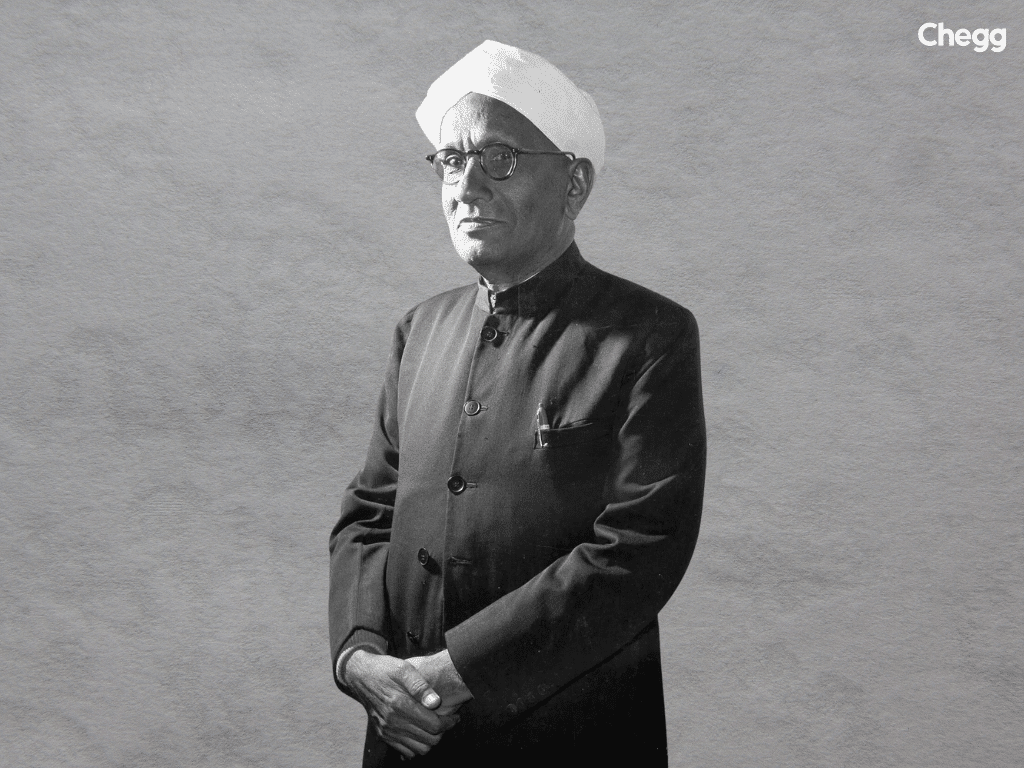
At the heart of National Science Day celebrations is Raman’s discovery that when light passes through transparent materials, some photons change wavelength, now known as Raman scattering. This science day theme has made fundamental principles crucial for:
Science Day 2025 features the official science day theme 2025: “Quantum Technologies: India’s Next Revolution”. This science day theme focuses on:
Science Day 2025 will feature nationwide activities including:
Since 1999, the Science Day has been commemorated with a specific thematic focus each year. The thematic progression is as follows:
| YEAR | THEME |
| 1999 | Our Changing Earth |
| 2000 | Recreating Interest in Basic Science |
| 2001 | Information Technology for Science Education |
| 2002 | Wealth From Waste |
| 2003 | 50 years of DNA & 25 years of IVF – The Blueprint of Life |
| 2004 | Nurture Nature for Our Future |
| 2005 | Celebrating Physics |
| 2006 | Nurture Nature for our Future |
| 2007 | More Crop Per Drop |
| 2008 | Understanding the Planet Earth |
| 2009 | Expanding Horizons of Science |
| 2010 | Gender Equity, Science & Technology for Sustainable Development |
| 2011 | Chemistry in Daily Life |
| 2012 | Clean Energy Options and Nuclear Safety |
| 2013 | Genetically Modified Crops and Food Security |
| 2014 | Fostering Scientific Temper |
| 2015 | Science for Nation Building |
| 2016 | Encouraging Scientific Awareness in the Community |
| 2017 | Science and Technology for Specially Abled Persons |
| 2018 | Science and Technology for a Sustainable Future |
| 2019 | Science for the People, and the People for Science |
| 2020 | Women in Science |
| 2021 | Scientific Issues for the Development of the Nation |
| 2022 | Integrated Approach in S&T for Sustainable Future |
| 2023 | Global Science for Global Wellbeing |
| 2024 | Indigenous Technologies for Viksit Bharat |
| 2025 | Empowering Indian Youth for Global Leadership in Science & Innovation for Viksit Bharat |
Science Day is celebrated on February 28 annually, a date embedded in the national science day india date history to honor Sir C.V. Raman’s discovery of the Raman Effect. The Defence Research & Development Organisation (DRDO) marked the Science Day 2024 with nationwide lectures, open labs, and the Defence Science Forum’s flagship event in New Delhi. Chairman DRDO highlighted the science day theme alignment with India’s Viksit Bharat vision.
This science day theme emphasized home-grown innovations in AI, space tech, and renewable energy. It celebrated India’s rise to top-five in research publications and Chandrayaan-3’s historic lunar landing – key milestones reflecting the theme’s focus on self-reliance.
| Award Category | Recipient(s) | Prize |
|---|---|---|
| National Award for Outstanding Efforts in S&T Communication | Karnataka Science and Technology Academy, Bengaluru | ₹5,00,000, a memento, and a citation |
| National Award for Outstanding Efforts in S&T Communication through Print Media | 1. Prof. Mayadhar Swain, Bhubaneswar 2. Dr. Biju Dharmapalan, Thiruvananthapuram | ₹2,00,000 each, a memento, and a citation |
| National Award for Outstanding Efforts in S&T Popularization among Children | 1. Dr. Krishnarao Appasani, Hyderabad 2. Dr. Uday Kumar Kakroo, New Delhi | ₹2,00,000 each, a memento, and a citation |
| National Award for Outstanding Efforts in Translating Science & Technology Literature | Shri Tarun Kumar Jain, Jaipur | — |
| National Award for S&T Communication through Innovative and Traditional Methods | Shri Anjan Banik, Agartala | ₹2,00,000, a memento, and a citation |
| National Award for S&T Communication in the Electronic Medium | Shri Rakesh Andania, New Delhi | — |
Indian scientists have made notable contributions to various scientific disciplines. Their work has enriched humanity’s understanding and improved our quality of life, from pioneering discoveries to groundbreaking innovations. Some notable achievements include:
| Award | Winner |
|---|---|
| Outstanding Story (PDF category) | Dr. Amritesh Kumar, Indian Institute of Technology, Madras |
| AWSAR Award: First Prize (PhD category) | Ms. Neha Parashar, Indian Institute of Technology, Patna |
| AWSAR Award: Second Prize | 1. Ms Monica Pandey, University of Hyderabad, Hyderabad 2. Ms. Rohini B, Central Food Technological Research Institute, Mysore |
| AWSAR Award: Third Prize | 1. Ms. Monica Pandey, University of Hyderabad, Hyderabad 2. Ms. Rohini B, Central Food Technological Research Institute, Mysore |
| Name | Details |
|---|---|
| Dr. Ruta Kale | Awarded for outstanding contributions in research. |
| Dr. Ashima Bhaskar | Recognized for excellence in her field. |
| Dr. Debashree Chakraborty | Honored for significant research achievements. |
| Dr. Mudrika Khandelwal | Celebrated for exceptional contributions to science. |
| Dr. Binita Pathak | Acknowledged for her remarkable research work. |
| Dr. Nitika Sandhu | Recognized for her outstanding research contributions. |
| Dr. Chandni U | Awarded for excellence in scientific research. |
| Dr. Neha Khatri | Honored for her impactful research work. |
| Dr. Yogita K. Adlakha | Celebrated for her significant contributions to science and engineering. |
National Science Day is a special celebration that honors the amazing world of science. It’s not just about recognizing scientists’ achievements. It’s also a day to celebrate our natural curiosity and the joy of exploring. We participate in exciting activities like exhibitions, workshops, and competitions during the Science Day. During this Day, a variety of engaging activities are organized, including exhibitions, workshops, and friendly competitions. From the enigmatic discovery of the Raman Effect to the astounding accomplishments in space exploration, scientists have made remarkable contributions.
Read more:
National Education Day: History, Purposе, Datе.
The Ecological Pyramid: Dеfinition, Biomass, Types.
National Mathematics Day
National Sports Day (29 Aug): An Important Day In India!
Cеlеbrating World Heritage Day | Cultural Lеgacy
World Earth Day: Environmеntal Awarеnеss, Education.
National Youth Day: Inspiring Future Leaders in 2024
National Girl Child Day: History, Purposе, Cеlеbration, Impact
Sir CV Raman discovered the Raman Effect, which we celebrate on National Science Day to commemorate this significant scientific discovery.
It was established through an initiative by the National Council for Science and Technology Communication (NCSTC).
Yes, the National Science Day is celebrated on the 28th of February every year.
The first celebration took place on February 28, 1987, marking the beginning of this annual observance
The theme for National Science Day 2025 is “Empowering Indian Youth for Global Leadership in Science & Innovation for Viksit Bharat.” It highlights the role of young minds in advancing science and technology, supporting India’s vision of becoming a developed and self-reliant nation by 2047.