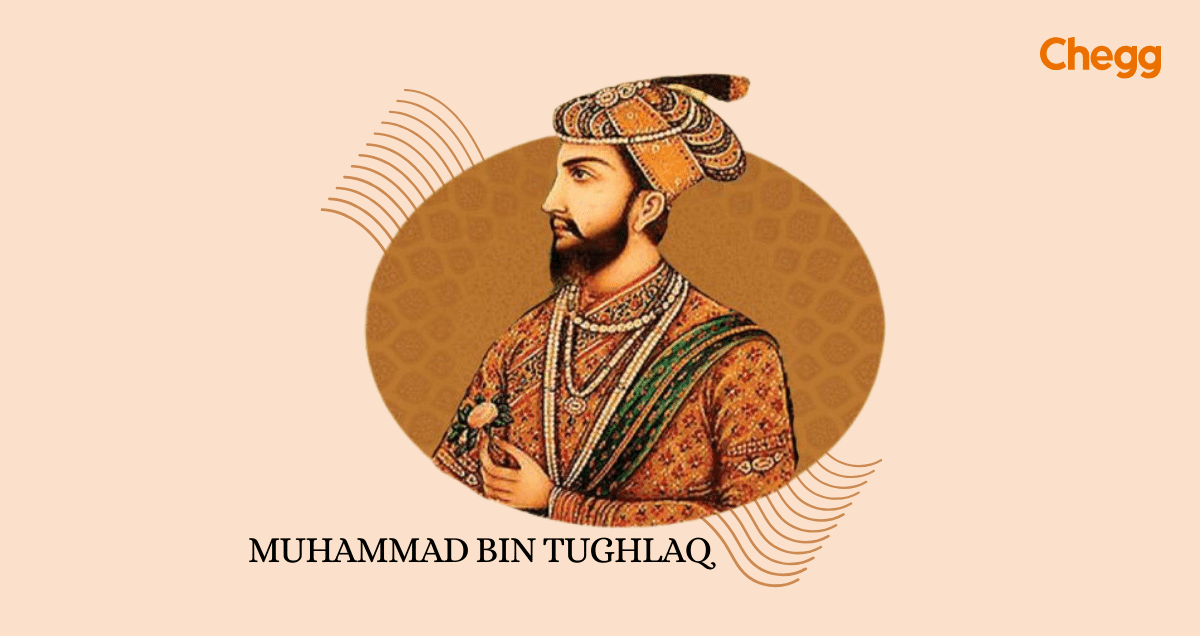
Muhammad bin Tughlaq, one of the most fascinating rulers of medieval India, reigned from 1325 to 1351 CE as the second ruler of the Tughlaq dynasty. Known for his brilliance and ambition, he is often remembered as a “genius yet impractical” monarch whose visionary ideas were far ahead of his time but frequently failed in execution. A scholar-king fluent in multiple languages and well-versed in philosophy, mathematics, and astronomy, Muhammad bin Tughlaq aimed to transform Delhi into a powerful and prosperous empire.
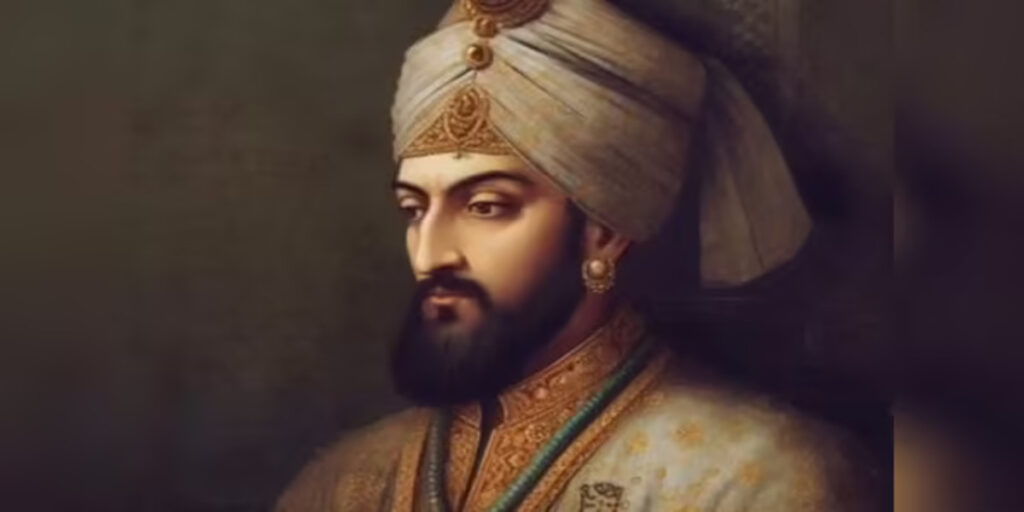
His reign was marked by several bold administrative and economic experiments, such as introducing token currency, transferring the capital from Delhi to Daulatabad, extensive taxation in the Doab region, and large-scale military campaigns. Though conceived with intelligence and foresight, many policies ended in chaos due to poor implementation and a lack of practical planning.
Muhammad bin Tughlaq, originally named Ulugh Khan, was born around 1300 CE and was the eldest son of Ghiyasuddin Tughlaq, the founder of the Tughlaq dynasty. His early upbringing was marked by rigorous education and exposure to statecraft, preparing him for a leadership life. Known for his intellectual brilliance, Muhammad bin Tughlaq was deeply interested in theology, philosophy, mathematics, astronomy, Persian, and Arabic literature, making him one of the most scholarly rulers of the Delhi Sultanate.
Muhammad bin Tughlaq’s early life reflects a blend of intellectual curiosity and administrative training. He was a keen observer of his father’s rule and often accompanied him in military and political matters, gaining practical experience in governance and warfare. His proficiency in various sciences and analytical thinking shaped his visionary but often overambitious approach to administration later in life.
However, despite his vast knowledge, Muhammad bin Tughlaq’s personality was marked by impatience, impulsiveness, and an uncompromising will. He was known for his sharp intellect but equally for his harsh punishments and intolerance toward dissent. Before ascending the throne in 1325 CE, he served loyally under his father, contributing to the consolidation of the Tughlaq Empire. Thus, His early years laid the foundation for the genius and flaws that would define his reign.
Muhammad bin Tughlaq ascended the throne of the Delhi Sultanate in 1325 CE after the sudden death of his father, Ghiyasuddin Tughlaq, founder of the Tughlaq dynasty. His rise to power came under controversial circumstances. Historian Ziauddin Barani and later chroniclers suggested that Muhammad himself might have orchestrated Ghiyasuddin’s death during a pavilion collapse in Bengal. However, this claim remains debated among historians.
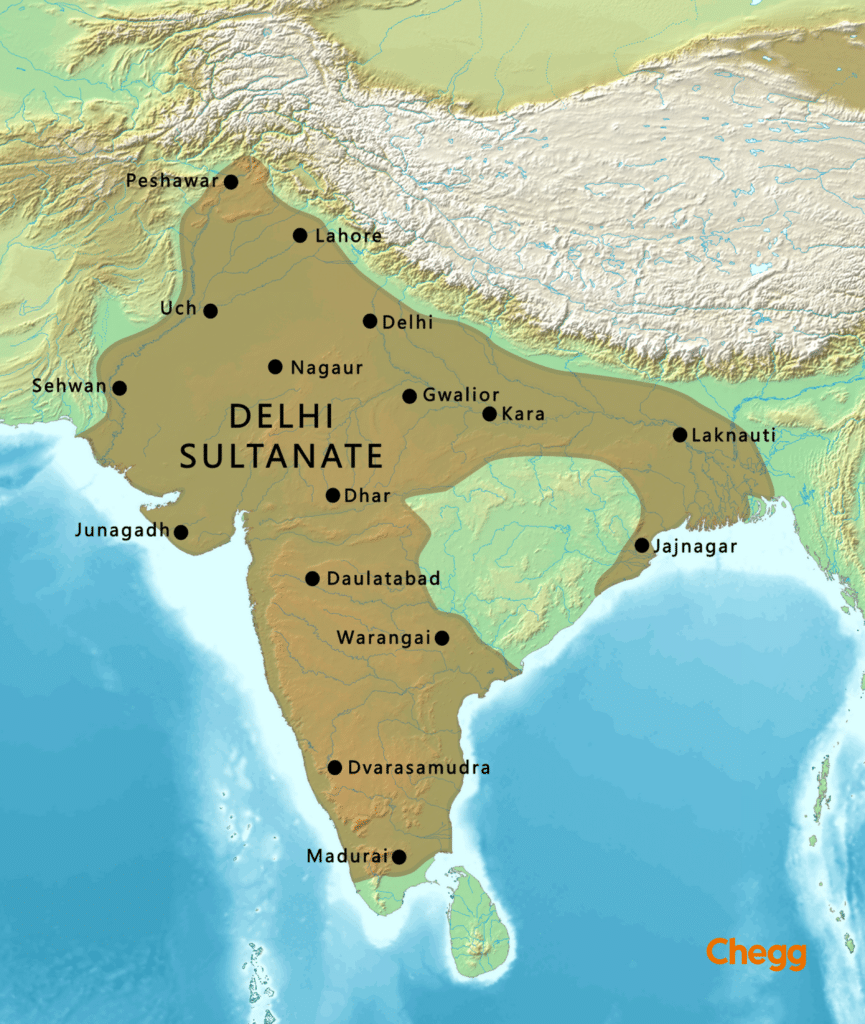
At the time of his accession, the Delhi Sultanate was a vast but fragile empire, stretching across northern India with its authority extending as far as the Deccan. The kingdom faced challenges such as rebellions in the provinces, frontier instability, and a strained economy due to continuous military campaigns. Despite these difficulties, Muhammad bin Tughlaq inherited a strong administrative foundation laid by his father.
As he took charge, the young ruler displayed remarkable ambition and intellectual depth, determined to expand and consolidate his empire. However, his vision for rapid reform and centralization, combined with an often impractical approach to governance, soon made his rule both innovative and turbulent, setting the stage for one of the most complex reigns in medieval Indian history.
The reign of Muhammad bin Tughlaq (1325–1351 CE) is remembered for its blend of visionary ideas and impractical execution. A ruler of remarkable intellect and ambition, he sought to transform the Delhi Sultanate into a powerful, centralized empire. Yet, his hasty decisions and autocratic style often caused administrative chaos and public unrest.
Tughlaq aimed to expand his empire beyond India, planning expeditions into Central Asia and annexing regions like Warangal, Madurai, and parts of Maharashtra. However, logistical challenges and rebellions weakened his control.
His administrative setup included provincial governors, revenue reforms, and a disciplined army, but excessive taxation in fertile regions like the Doab led to famine and revolt. He maintained diplomatic ties with China, Persia, and Egypt, reflecting his global outlook, yet many policies failed due to poor implementation and lack of consultation.
Muhammad bin Tughlaq’s reign remains a paradox of genius and impracticality, marked by innovative experiments and administrative brilliance. It offers enduring lessons in governance and ambition.
Muhammad bin Tughlaq’s reign is remembered for brilliance and ambitious, often impractical experiments. His policies reflected a visionary ruler who sought to strengthen the empire, expand dominion, and modernize administration. However, the lack of pragmatic planning frequently led to failure, unrest, and economic disruption. This section explores his major reforms, their implementation, reasons for failure, and long-term impact.
Muhammad bin Tughlaq’s reforms were motivated by a desire to centralize authority, increase revenue, and expand the empire. He aimed to modernize governance, enhance the treasury, and assert imperial control over distant provinces. While his ideas were revolutionary, they were often over-ambitious, ignoring practical limitations of logistics, administration, and public compliance. The ambitious nature of his reforms, coupled with hasty implementation, made them prone to failure despite sound intentions.
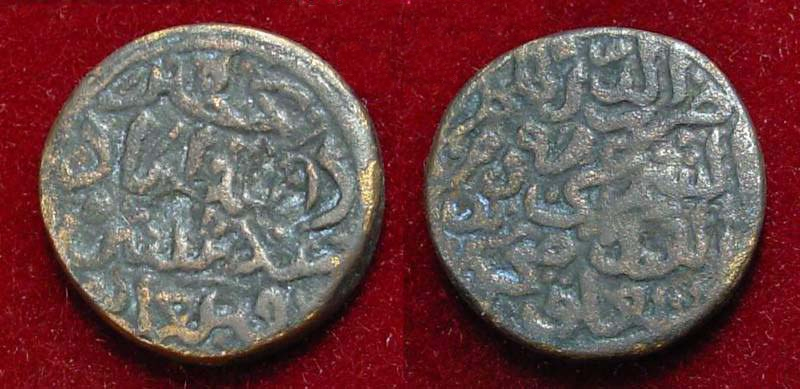
One of his most famous experiments was the introduction of token currency, aiming to replace scarce silver coins with brass and copper coins. This policy was intended to ease trade, reduce dependence on silver, and improve the economy.
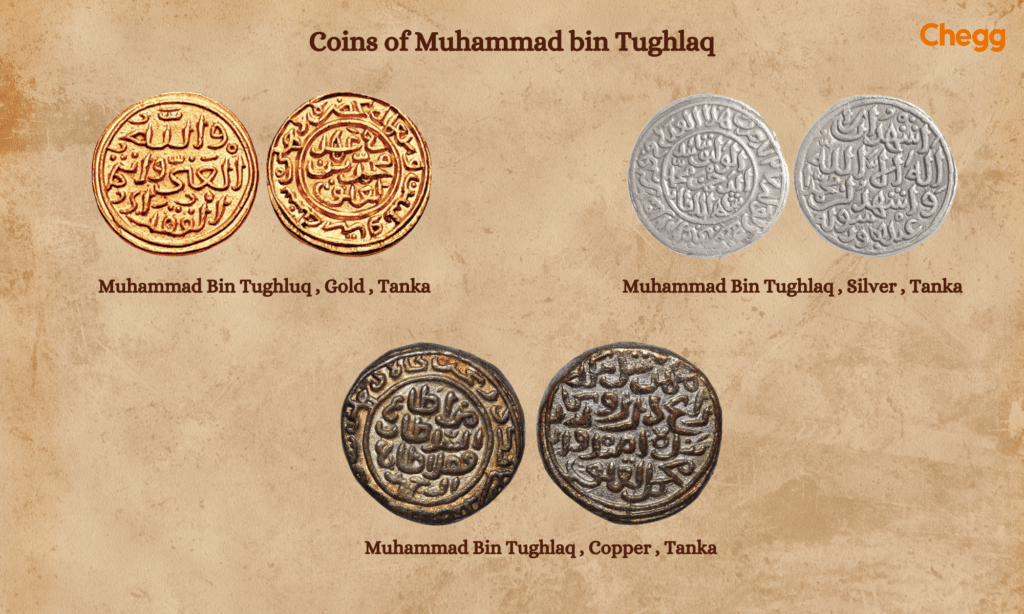
However, the experiment suffered severe flaws: the coins were easily counterfeited, and people began producing fake currency, leading to widespread economic chaos. Merchants and peasants lost confidence in the new currency, disrupting trade and commerce. Ultimately, the policy was abandoned, leaving the treasury in deficit.
Another ambitious policy was the capital shift from Delhi to Daulatabad in the Deccan. The objective was to centralize administration, facilitate control over the southern provinces, and protect the Sultanate from Mongol invasions in the north.
The execution, however, was harsh: thousands of people, including nobles, soldiers, and ordinary citizens, were forced to march hundreds of miles under severe conditions. The migration caused immense suffering, loss of life, and public resentment. The plan failed as the administration and population returned to Delhi after realizing the impracticality of the relocation.
Muhammad bin Tughlaq imposed excessive land revenue demands in the fertile Doab region between the Ganga and Yamuna rivers. The aim was to increase state income to fund his ambitious projects and military campaigns.
The policy backfired spectacularly. Farmers could not pay the heavy taxes, leading to widespread revolt, famine, and depopulation. The Sultanate’s credibility suffered, and local administration was destabilized, demonstrating the dangers of overtaxation without consideration of local conditions.
Muhammad bin Tughlaq sought to expand his empire beyond India, planning campaigns in Khurasan and leading the ill-fated Qarachil expedition. While intended to extend Muslim influence and secure trade routes, these campaigns overstretched resources, strained the treasury, and caused severe losses.
The military failures weakened central authority and fueled rebellions in the Deccan and northwestern provinces, highlighting the limits of his expansionist vision.
To improve agriculture and revenue, he introduced the Diwan-i-Kohi, a department overseeing irrigation and land management. The Sultan encouraged canal construction, irrigation projects, and cultivation of barren lands to increase productivity.
Despite good intentions, poor implementation and lack of local cooperation meant that most projects failed to achieve their goals, limiting the impact of these reforms on overall economic stability.
Muhammad bin Tughlaq’s early reign tolerated non-Muslims, promoting learning and cultural exchange. He built mosques and madrasas and supported scholars, fostering intellectual growth.
However, in later years, he became more rigid and orthodox, clashing with ulemas (religious scholars) and imposing stricter Islamic policies. These changes contributed to tensions within the empire, though they also reinforced the Sultanate’s spiritual and cultural identity.
Muhammad bin Tughlaq’s reign is remembered not only for bold experiments and controversial policies but also for his intellectual brilliance and visionary ideas. Despite several practical failures, many of his initiatives impacted administration, economy, and scholarship in medieval India.
Muhammad bin Tughlaq was a forward-thinking ruler whose conceptualization of token currency demonstrated his ability to innovate beyond conventional financial systems. Though the policy ultimately failed, it reflected his deep understanding of economic challenges and his willingness to experiment with novel solutions to strengthen the state.
He sought to centralize governance over the vast Delhi Sultanate, appointing capable provincial governors and reorganizing administrative structures. His emphasis on strong central control aimed to maintain stability in distant provinces and ensure efficient revenue collection, reflecting a vision of a more unified and manageable empire.
Muhammad bin Tughlaq introduced the Diwan-i-Kohi, a department dedicated to irrigation and land management, and encouraged the cultivation of barren lands. These reforms aimed to boost agricultural productivity and state revenue, highlighting his recognition of agriculture as the economy’s foundation.
A true scholar-king, he patronized poets, philosophers, and academics in Persian, Arabic, and local languages, fostering a vibrant intellectual climate. His court became a hub for debate, learning, and cultural exchange, contributing to the Sultanate’s reputation as a knowledge center.
While many of his experiments failed during his lifetime, successors later refined and adopted his administrative and economic ideas, leaving a lasting legacy of visionary governance. Muhammad bin Tughlaq remains a unique figure in Indian history, admired for his genius, innovative thinking, and enduring impact on the administration and intellectual life of the Sultanate.
Though visionary, Muhammad bin Tughlaq’s reign is equally remembered for its failures caused by haste, poor planning, and a lack of public trust. His ambitious experiments, like token currency and the capital shift to Daulatabad, collapsed due to impractical execution and widespread public dissatisfaction. Heavy taxation and forced relocations further alienated the population, weakening his authority across the empire.
Revolts erupted in key regions such as Bengal, Gujarat, and the Deccan, challenging central control and stretching his administration and military thin. The Sultanate suffered a significant loss of revenue, while continuous campaigns and uprisings exhausted resources and morale.
Muhammad bin Tughlaq’s life ended in 1351 CE during a military campaign in Sindh, closing a reign marked by genius and impracticality. His failures serve as cautionary lessons in governance, illustrating the importance of practical planning, public trust, and sustainable administration despite ambitious vision.
Muhammad bin Tughlaq’s reign left a lasting yet controversial impact on Indian history. Scholars have long debated his intelligence, policies, and failures, resulting in a complex legacy that blends admiration for his vision with criticism for his impractical decisions.
Medieval historians provided contrasting perspectives on his rule. Ziauddin Barani described him as highly intelligent but often misguided, criticizing his hasty and unrealistic policies that caused hardship among the populace. On the other hand, the famed traveler Ibn Battuta admired Tughlaq’s scholarly knowledge and administrative vision, noting instances of harshness and cruelty in enforcing unpopular decisions.
Modern historians adopt a balanced assessment, recognizing Muhammad bin Tughlaq as a ruler whose innovative ideas, including token currency, administrative reforms, and agricultural initiatives, were ahead of their time. While many experiments failed, they reflected his ambition to modernize governance, strengthen the empire, and encourage intellectual growth.
His legacy is dual in nature, earning him the title of “genius and madman.” Muhammad bin Tughlaq is remembered as a visionary whose intellect and ambition were unmatched. Yet, his impracticality and impulsive decisions caused economic turmoil and administrative challenges, offering enduring lessons in governance.
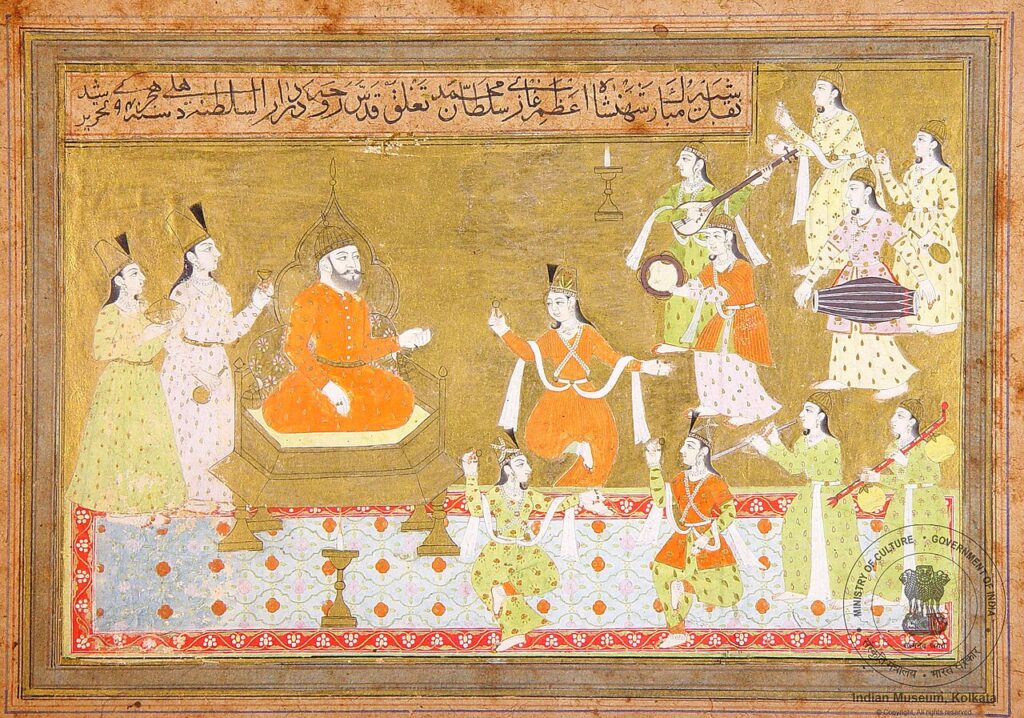
These facts show Muhammad bin Tughlaq as a visionary ruler whose intellect and ambition continue to intrigue historians, making him one of medieval India’s most fascinating monarchs.
Muhammad bin Tughlaq remains one of India’s most intriguing rulers, remembered as a visionary thinker and a failed reformer. His reign showcased extraordinary intellect, innovative experiments, and ambitious policies, yet many initiatives, like token currency and the capital transfer to Daulatabad, collapsed due to poor planning and impractical execution. This duality has earned him the enduring title of “a genius and a madman.”
His life and rule offer valuable lessons in governance, emphasizing that even the most brilliant ideas require careful implementation, public trust, and administrative feasibility. Revolts, economic disruptions, and administrative challenges during his reign underscore the importance of balancing ambition with practicality.
Despite the failures, Muhammad bin Tughlaq’s contributions to administration, agriculture, and intellectual culture left a lasting mark on the Delhi Sultanate. His legacy fascinates historians, scholars, and students, reminding them of the thin line between visionary innovation and impractical ambition. In Indian history, he remains a symbol of bold experimentation, intellectual curiosity, and the complexities of leadership.
Read More:-
Muhammad bin Tughlaq is known for his failed token currency, shifting the capital to Daulatabad, ambitious yet unsuccessful military campaigns, and heavy taxation in the Doab. Despite being educated and tolerant, his radical experiments often failed, earning him the title “mad Sultan”.
Muhammad bin Tughlaq earned the title “mad king” due to his ambitious yet failed policies, including the forced capital shift, disastrous token currency, and heavy taxation, which caused famine, chaos, and widespread suffering, reflecting his disregard for practical consequences.
Muhammad bin Tughlaq, who ruled Delhi from 1325 to 1351, shifted the capital to Daulatabad in 1327 to strengthen control over the Deccan and safeguard against Mongols. However, the plan failed, and the capital was later returned to Delhi.
Muhammad bin Tughlaq’s two most controversial measures were the token currency and the capital shift from Delhi to Daulatabad. The token currency caused widespread counterfeiting and economic turmoil, while the forced relocation of the capital brought immense hardship and administrative challenges to his people.
In 1398, Timur (Tamerlane) invaded Delhi during Muhammad Shah Tughluq’s reign, causing massive destruction. His devastating attack significantly weakened the Sultanate, contributing to the decline and eventual fall of the Tughlaq dynasty in India.