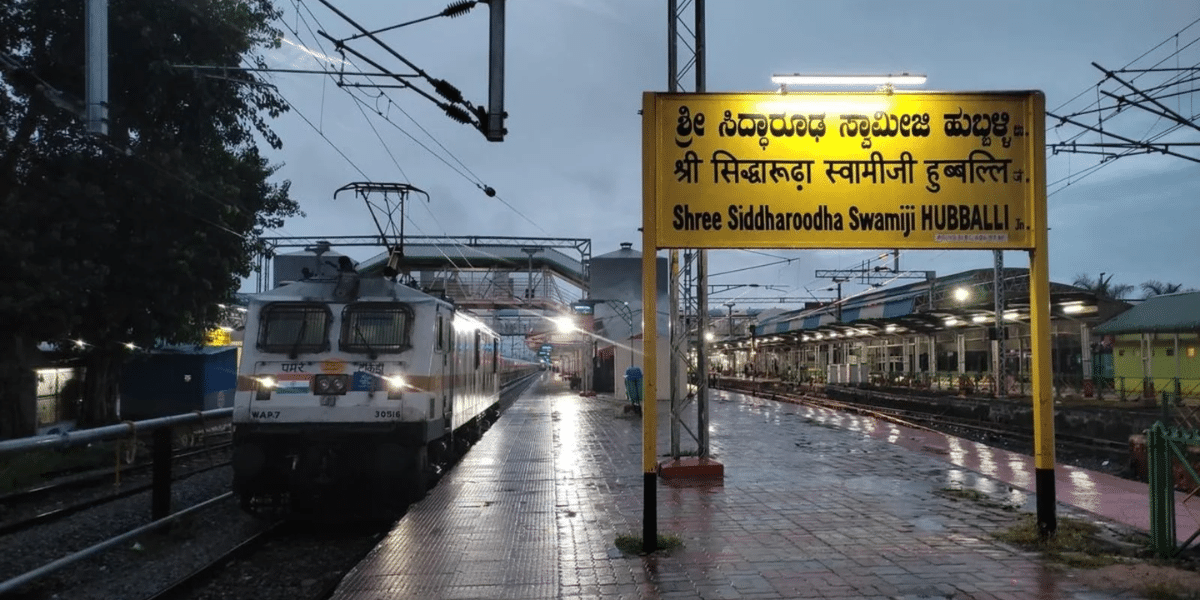
India, known for its vast and complex railway network, has achieved a new milestone with the Longest Railway Platform in India at Shree Siddharoodha Swamiji Railway Station in Hubballi, Karnataka. This station features the world’s longest railway platform, adding another notable achievement to India’s rail system. In this blog, we will explore the details of this impressive engineering feat, its importance, and how it fits into the extensive Indian Railways network. From its construction to its impact on travel, we’ll cover all aspects of this significant development and its role in enhancing India’s railway infrastructure.
SSS Hubballi Junction, Karnataka, currently holds the record for the longest railway platform in India. Stretching approximately 1,505 meters, it overtook the previous record-holder in 2021. As a central rail hub in South India, connecting several key cities across the region is crucial.
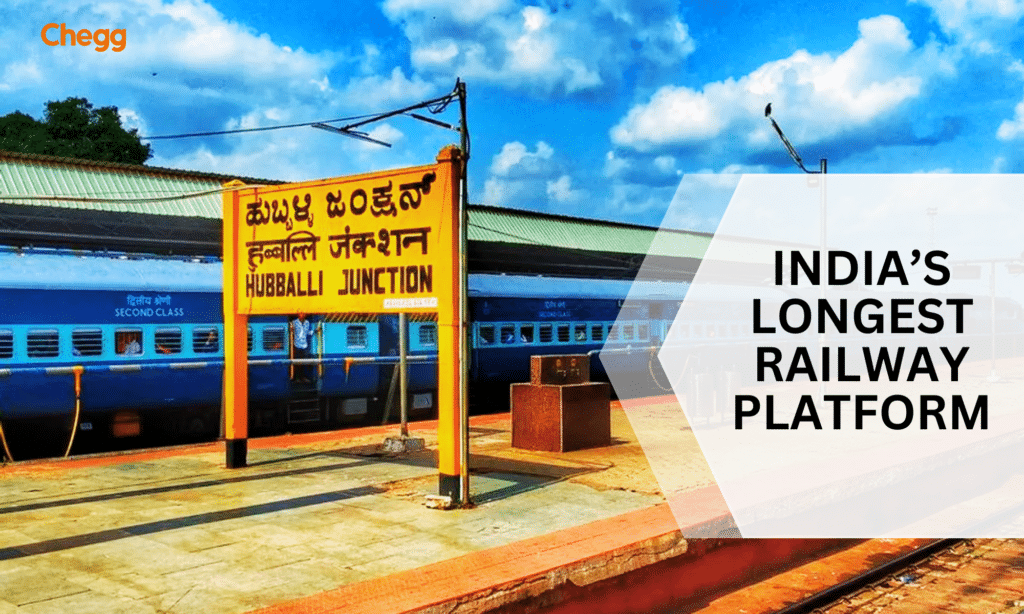
Indian Railways, governed by the Ministry of Railways, serves as the nation’s lifeline, connecting even the remotest parts of India. It boasts an extensive network, making it the fourth-largest railway network in the world. But beyond the length and breadth, there are stories and structures within that capture the imagination, such as the most extended railway platform in India.
| Rank | Station Name | State | Platform Length |
|---|---|---|---|
| 1 | SSS Hubballi Junction | Karnataka | 1,505 meters |
| 2 | Gorakhpur Junction | Uttar Pradesh | 1,366.33 meters |
| 3 | Kharagpur Junction | West Bengal | 1,072.5 meters |
| 4 | Bilaspur Junction | Chhattisgarh | 802 meters |
| 5 | Jhansi Junction | Uttar Pradesh | 770 meters |
| 6 | Allahabad (Prayagraj) Junction | Uttar Pradesh | 760 meters |
| 7 | Secunderabad Junction | Telangana | 720 meters |
| 8 | Nagpur Junction | Maharashtra | 710 meters |
| 9 | Ahmedabad Junction | Gujarat | 700 meters |
| 10 | Chennai Central | Tamil Nadu | 685 meters |
The history of Indian Railways began on April 16, 1853, with the launch of the first passenger train service. This landmark journey covered 34 kilometers (21 miles) from Mumbai (then Bombay) to Thane. This event marked the start of a significant transformation in India’s transportation sector. It laid the groundwork for what would become one of the largest railway networks in the world. Introducing this railway service was a pivotal moment in Indian history, setting the stage for the extensive and complex rail system that continues to play a crucial role in connecting people and places across the country.
The British colonial administration largely drove the growth of India’s railway network. By the late 19th century, they had established several major railway lines that connected key cities and regions across the country. This expansion was crucial in linking various parts of India, facilitating trade, and boosting economic development. The railways played a significant role in shaping the country’s infrastructure and had a lasting impact on its transportation system. Establishing these major lines laid the foundation for the extensive network essential to India’s transportation and economic landscape today. Some of the notable developments during this period include:
After gaining independence in 1947, India inherited an extensive but fragmented railway network. The newly formed government focused on consolidating and expanding the railways to improve connectivity and efficiency. They undertook significant efforts to integrate the diverse railway systems and modernize the infrastructure. This included extending existing lines, building new tracks, and enhancing facilities to meet the country’s growing needs. The expansion and consolidation of the railways were crucial in connecting different regions and supporting India’s development, laying the groundwork for the extensive and integrated railway network that serves the country today. Significant milestones in the post-independence era include:
Today, Indian Railways is one of the largest railway networks in the world, with over 67,000 kilometers of track and more than 7,000 stations. It ranks as the fourth-largest railway network globally by size and is known for its many remarkable achievements. The network is crucial in connecting diverse regions across India, supporting passenger travel and freight transport. Indian Railways continues to evolve, implementing innovations and improvements to enhance efficiency and service. Its extensive reach and significant contributions to transportation make it a vital part of India’s infrastructure and economy., including:
Indian Railways has consistently evolved by embracing modernization and new technologies to improve efficiency and enhance the passenger experience. Over the years, the railway system has introduced various upgrades, including advanced train tracking systems, improved signaling, and modern passenger amenities. These changes have helped streamline operations, reduce delays, and provide a better travel experience. By integrating new technologies and adopting modern practices, Indian Railways continues to adapt to the needs of its passengers and maintain its role as a key transportation network in India. The focus on modernization ensures that the railways remain efficient and effective in serving millions of people across the country. Key initiatives include:
By understanding the historical context of Indian Railways, we can appreciate its significant role in shaping India’s transportation landscape and its continued evolution towards a more efficient and sustainable future.
Located in Hubballi, Karnataka, the Shree Siddharoodha Swamiji Railway Station now features the world’s longest railway platform. This impressive platform stretches 1,507 meters (1.5 kilometers), surpassing the previous record of Gorakhpur Junction Railway Station in Uttar Pradesh, which is 1,366 meters long. The Shree Siddharoodha Swamiji Railway Station proudly claims the title with this new record. This development highlights India’s advancements in railway infrastructure and sets a new benchmark in the rail industry.
Hubballi Junction isn’t just about length; it’s also about what it represents – efficient railway operations and enhanced passenger experience.
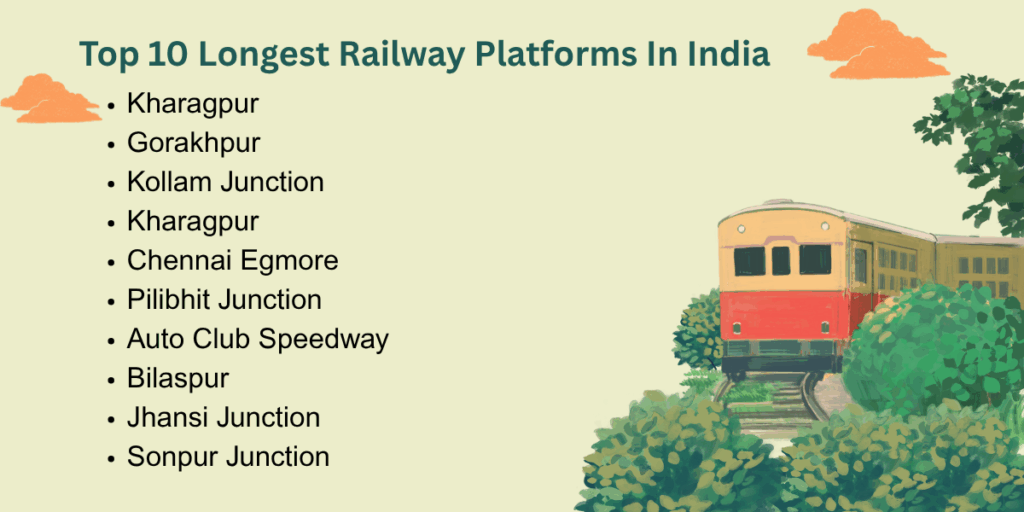
Significant railway stations are key transportation hubs in India’s extensive railway network. This section will explore the top 10 longest railway platforms in India, each offering unique geographical importance and a range of passenger services. These platforms are crucial for managing large volumes of travelers and ensuring smooth operations across the rail system.
| Rank | Station Name | State | Platform Length | Key Function |
|---|---|---|---|---|
| India’s Longest Railway Platform – Hubballi Railway Station | Shree Siddharoodha Swamiji Hubballi Junction | Karnataka | 1,505 meters | Key junction in the South Western Railway network, handling numerous passengers daily. |
| Second Biggest Railway Platform – Gorakhpur Junction Railway Station | Gorakhpur Junction | Uttar Pradesh | 1,366 meters | Established in the early 1900s, links major cities like New Delhi and Chennai. |
| Third Biggest Railway Platform – Kollam Junction | Kollam Junction | Kerala | 1,137 meters | Established in the early 1900s, major cities like New Delhi and Chennai are linked. |
| Fourth Largest Railway Platform – Kharagpur Railway Station | Kharagpur Railway Station | West Bengal | 1,065 meters | Historically significant; renovated in 2013; connects routes in the Eastern Railway zone. |
| Fifth Longest Railway Platform – Chennai Egmore | Chennai Egmore | Tamil Nadu | 925 meters | Early 20th-century terminus, known for architecture and intercity traffic. |
| Sixth Largest Railway Platform – Pilibhit Junction | Pilibhit Junction, Uttar Pradesh | Uttar Pradesh | 900 meters | Established in 1889, the HQ of South East Central Railway is part of the Howrah–Nagpur–Mumbai line. |
| Seventh Largest Railway Platform – Auto Club Speedway | Auto Club Speedway | Chhattisgarh | 815 meters | Established in 1889, the HQ of South East Central Railway, part of the Howrah–Nagpur–Mumbai line. |
| Eighth Largest Railway Platform – Bilaspur Railway Station | Bilaspur Junction | Chhattisgarh | 802 meters | Initially designed for NASCAR, it now serves as a transport hub. |
| Ninth Longest Railway Platform – Jhansi Junction | Jhansi Junction | Uttar Pradesh | 770 meters | Crucial for north-central India connectivity; manages high passenger flow. |
| Tenth Longest Railway Platform – Sonpur Junction | Sonpur Junction, Bihar | Bihar | 738 meters | Busy station serving multiple key routes in Bihar. |
The construction of the longest railway platform in India is not just a record-breaking achievement but also serves several critical purposes:
Building the world’s longest railway platform involves careful planning and execution. The project started in February 2021 and was finished by March 2023. The goal was to create a platform to accommodate more trains and passengers, enhancing travel efficiency and convenience. Engineers and workers worked diligently over the two years to ensure the platform met all safety and design standards. By the end of March 2023, their hard work paid off, resulting in a significant achievement in railway infrastructure. This new platform improves train operations and offers better facilities for travelers, marking a milestone in railway development. The construction involved:
Hubballi, also known as Hubli, is an important city in Karnataka that has a significant role in the state’s railway network. The city is a central commercial hub and serves as the headquarters of the South Western Railway zone. The Shree Siddharoodha Swamiji Railway Station is a key junction connecting several important routes and facilitating the movement of goods and passengers across the region.
While the Hubballi platform holds the record for the longest railway platform, other notable platforms in India include:
The construction of the longest railway platform in India is a testament to the country’s commitment to advancing its railway infrastructure. Future developments may include:
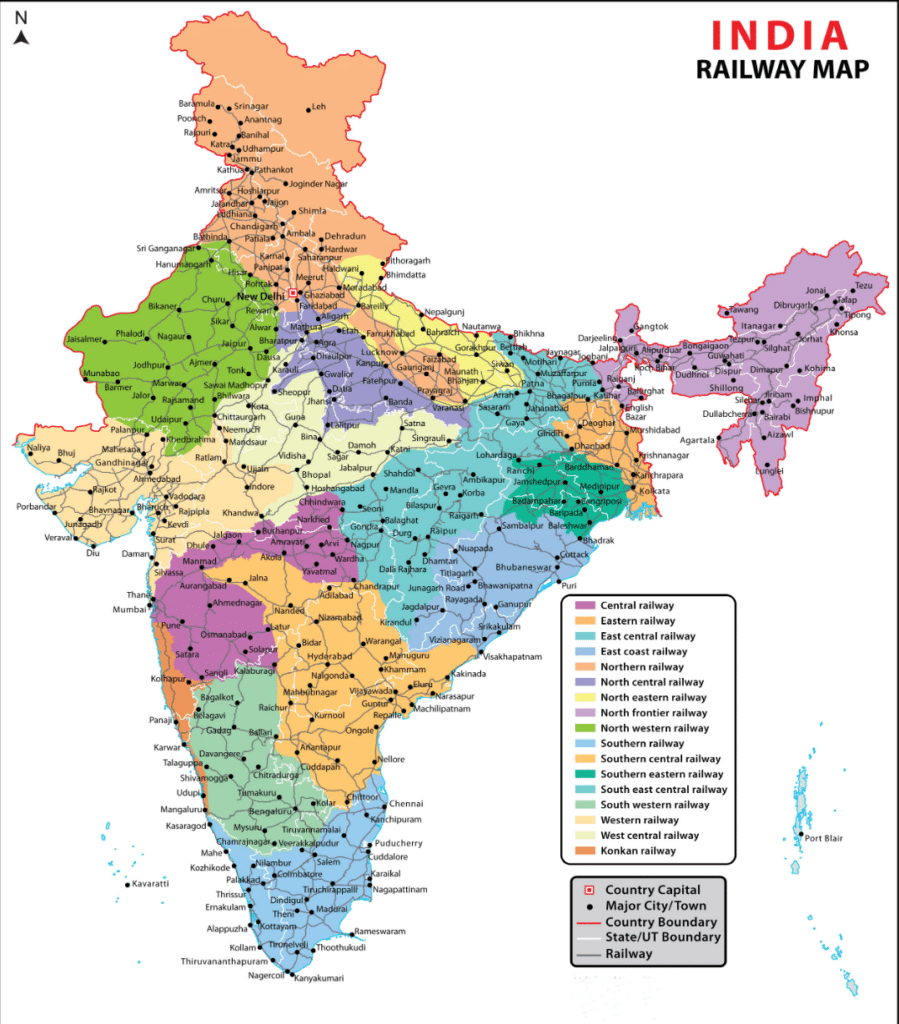
Click here to see the: Longest Railway Platform in India on Map
भारत का सबसे लंबा रेलवे प्लेटफॉर्म “हुबली जंक्शन, कर्नाटक” में स्थित है। इसकी कुल लंबाई लगभग 1507 मीटर है। यह प्लेटफॉर्म अपनी विशालता के कारण भारत का सबसे बड़ा प्लेटफॉर्म और दुनिया भर में प्रसिद्ध है । पहले यह खिताब उत्तर प्रदेश के “गोरखपुर जंक्शन” के पास था, लेकिन हुबली के इस शानदार प्लेटफॉर्म ने उसका स्थान ले लिया।
हुबली जंक्शन दक्षिण भारत में एक महत्वपूर्ण रेलवे केंद्र है और इस विशाल प्लेटफॉर्म के कारण यात्रियों को सुविधा और आराम मिलता है। इस प्लेटफॉर्म की लंबाई इतनी अधिक है कि एक साथ कई लंबी दूरी की ट्रेनें आसानी से प्लेटफॉर्म पर खड़ी हो सकती हैं। यह यात्रियों के लिए एक बेहतर यात्रा अनुभव प्रदान करता है।
The Shree Siddharoodha Swamiji Railway Station in Hubballi, Karnataka (India’s Longest Railway Platform), stands as a symbol of India’s engineering prowess and dedication to improving its railway infrastructure. The world’s longest railway platform not only sets a new record but also significantly enhances the operational capacity and connectivity of the region. As Indian Railways continues to evolve, such achievements will play a crucial role in shaping the future of transportation in the country.
By understanding and appreciating these advancements, students and enthusiasts alike can gain a deeper insight into the significance of railways in India’s development. The longest railway platform in India is not just a milestone but a stepping stone towards a more connected and efficient transportation network.
Hubballi Junction in Karnataka is the longest railway platform in India, measuring approximately 1507 meters.
With approximately 1,23,542 kilometers of track and 7500 railway stations connecting nearly every area, India has one of the world’s most comprehensive railway networks.
Gorakhpur Junction Railway Station was the longest railway platform in India. However, it has been surpassed by Hubballi Junction in Karnataka & now it has become the 2nd longest railway platform in India.
The longest railway platform in India is located at Hubballi Junction in Karnataka.
The safety procedures include regular inspections, maintenance, and crisis management training for railway staff. Station security measures include CCTV surveillance, baggage check, and attentive staff.
Located in the heart of the Indian capital, New Delhi Railway Station is a prominent transportation hub.
Hubballi Junction in Karnataka, India, is the longest railway platform. It measures an impressive 1,507 meters (4,944 feet) in length.
While Kharagpur Junction has an extended platform, it is not the longest in India. Hubballi Junction in Karnataka holds that distinction.
Karnataka has the longest railway platform in India, located at Hubballi Junction.
No, Kharagpur Junction is not the longest railway platform in India. The title belongs to Hubballi Junction, which has become the third-longest railway platform in India.
The longest railway platform in India is approximately 1507 meters or 4944 feet.
Sikkim is the only state in India without a railway line. Unlike other states, it does not have a railway station, and the primary route connecting Sikkim to the rest of the country is National Highway 10 (NH10).