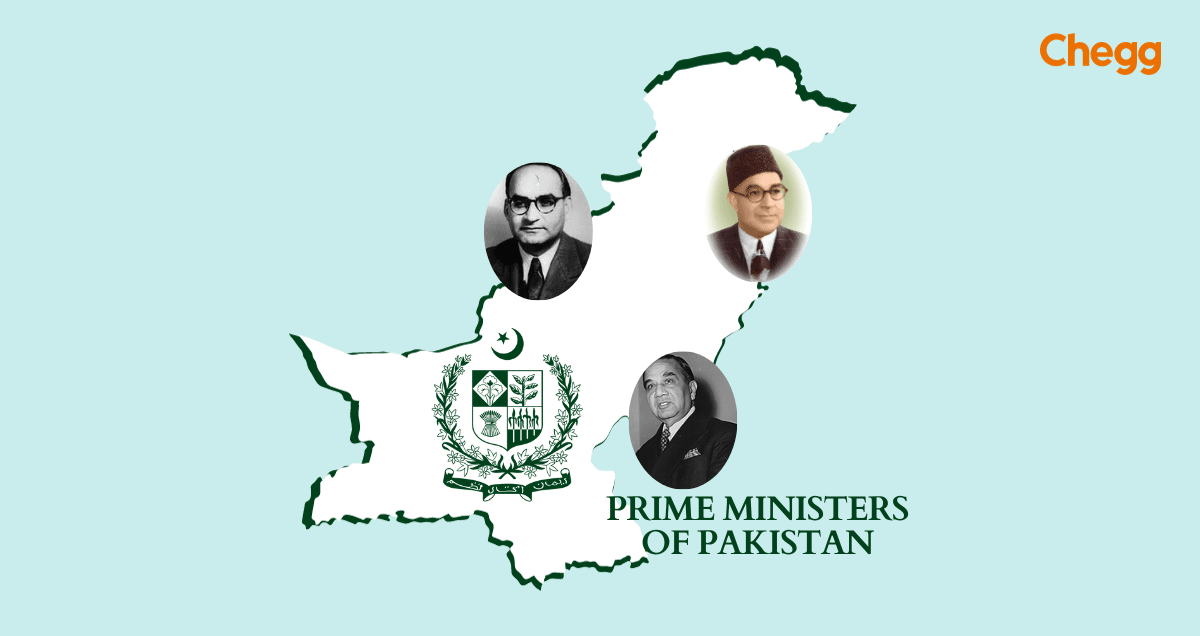
Since its independence in 1947, Pakistan has witnessed a dynamic political landscape shaped by influential leaders. This comprehensive guide presents the list of Prime Minister of Pakistan, highlighting their tenures, key decisions, and impact on the country’s governance. From Liaquat Ali Khan, Pakistan’s first Prime Minister, to Shehbaz Sharif, the most recent leader, each has left a unique imprint on the Prime Minister of Pakistan. This political timeline captures the challenges, policies, and milestones that have defined different administrations, serving as a valuable reference for anyone researching the Pakistan prime minister list 1947 to 2023 and beyond.
The Prime Minister of Pakistan holds a central role in the nation’s democratic framework. Responsible for appointing and leading the Cabinet, they oversee government operations, implement national policies, and influence both domestic and foreign relations. The Prime Minister of Pakistan also selects provincial governors and plays a key role in economic and social development reforms.
While the President acts as head of state and the military retains substantial influence, the prime minister of Pakistan remains the most significant figure in shaping legislative priorities, steering development projects, and representing Pakistan on the global stage. As of prime minister of Pakistan 2025, the office continues to symbolize the country’s aspirations for effective governance and public service.
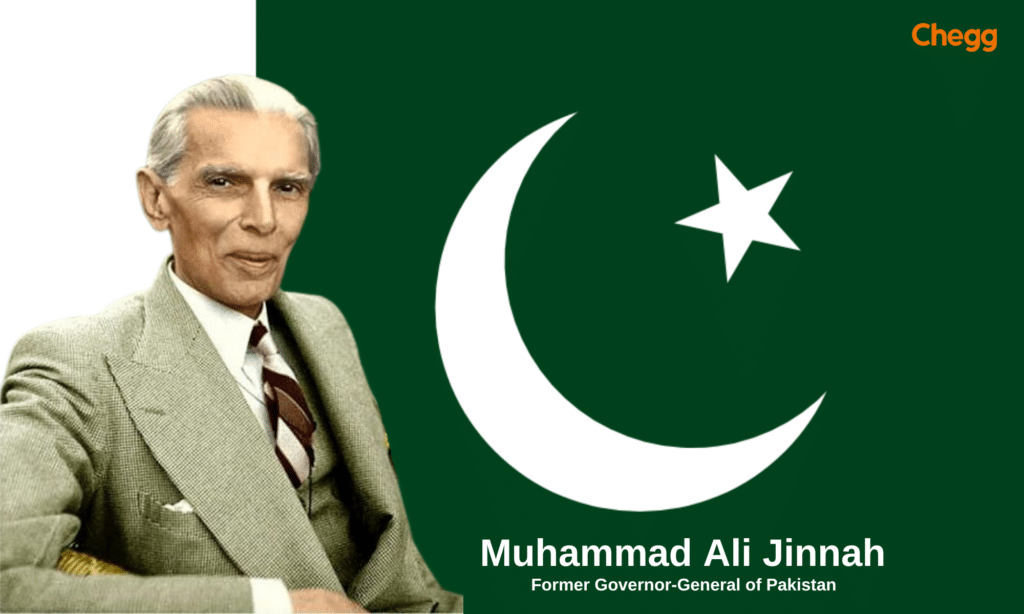
Before the position of Prime Minister of Pakistan came into existence, Muhammad Ali Jinnah served as the first Governor-General following the partition of India in 1947. Although not included in the list of prime minister of Pakistan, his leadership laid the foundation for the country’s future governance. Jinnah dedicated the final year of his life to building the political, legal, and administrative framework of the new state. As a visionary leader, he envisioned a moderate Islamic republic that safeguarded minority rights and promoted unity among diverse communities. Widely revered as the Quaid-e-Azam (“Great Leader”) and Father of the Nation, his principles continue to influence the role and responsibilities of every prime minister of Pakistan to date.
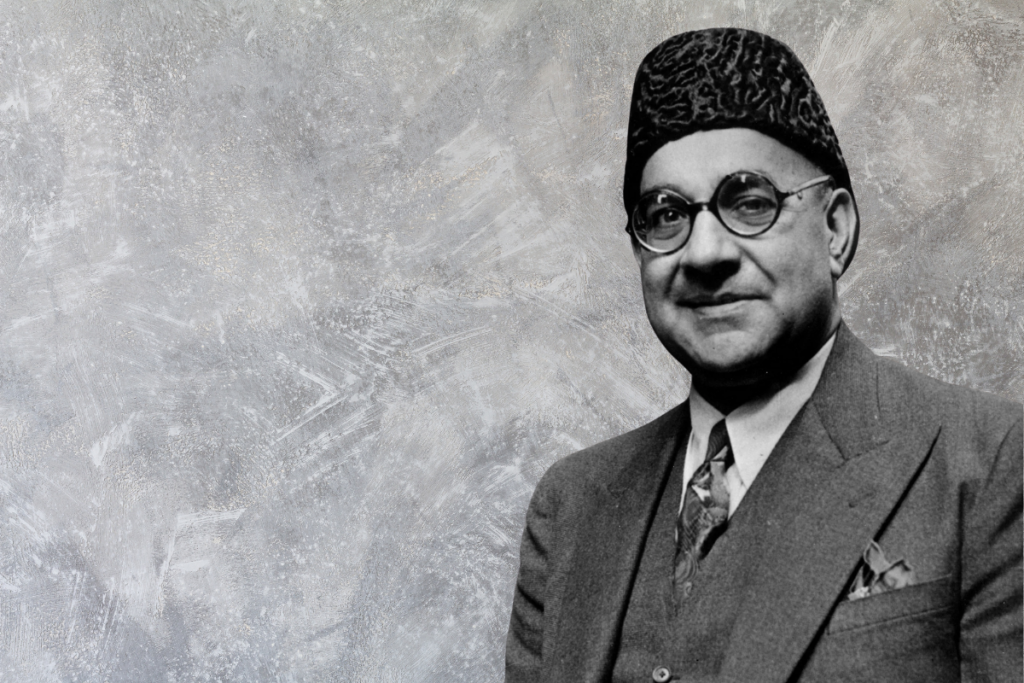
Pakistan’s journey as an independent nation began with Liaquat Ali Khan, at the helm as the Pakistan first prime minister. Sworn in on August 15, 1947, the very day the country came into existence, Liaquat was more than just a political figure, he was a trusted ally of Muhammad Ali Jinnah and one of the key architects behind the formation of Pakistan. His name leads every list of prime minister of Pakistan and holds a permanent place in the prime minister of Pakistan history.
Stepping into a role with immense responsibility, Liaquat Ali Khan worked tirelessly to build the country’s political and economic foundations while managing the chaos and humanitarian crisis that followed partition. He played a crucial role in addressing the refugee influx, framing Pakistan’s first domestic policies, and shaping the country’s initial stance in international affairs. His strategic decision to lean towards the United States in early diplomacy significantly influenced Pakistan’s foreign relations for decades.
Tragically, Liaquat’s leadership was cut short. In October 1951, while delivering a public speech in Rawalpindi, he was assassinated, sending shockwaves throughout the nation. His untimely death left a leadership vacuum that altered the trajectory of Pakistan’s politics and became a pivotal chapter in the Pakistan prime minister list 1947 to 2023. Liaquat Ali Khan’s legacy remains a benchmark for leadership, governance, and vision in Pakistan’s political history.
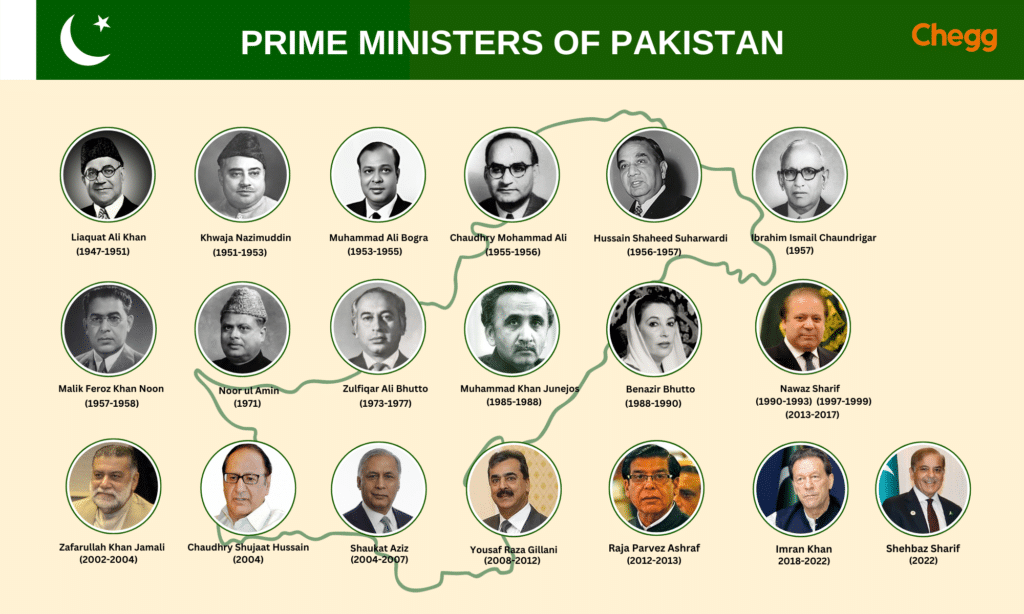
Here, we’ll outline the list of Pakistan Prime Minister (List 1947 to 2023), individuals who have played roles in shaping the destiny of this beloved nation.
| No. | Prime Minister | Party | Term | Reason for Leaving |
|---|---|---|---|---|
| 1 | Liaquat Ali Khan | Pakistan Muslim League | August 15, 1947 – October 16, 1951 | Assassinated |
| 2 | Khwaja Nazimuddin | Pakistan Muslim League | October 19, 1951 – April 16, 1953 | Dismissed by governor-general |
| 3 | Muhammad Ali Bogra | Pakistan Muslim League | April 17, 1953 – August 10, 1955 | Dismissed by governor-general |
| 4 | Chaudhry Mohammad Ali | Pakistan Muslim League | August 11, 1955 – September 12, 1956 | Resigned |
| 5 | Hussain Shaheed Suhrawardy | Awami League | September 12, 1956 – October 18, 1957 | Dismissed by president |
| 6 | Ibrahim Ismail Chundrigar | Pakistan Muslim League | October 18 – December 16, 1957 | Resigned |
| 7 | Malik Feroz Khan Noon | Republican Party | December 16, 1957 – October 7, 1958 | Dismissed by president |
| 8 | Nurul Amin | Pakistan Muslim League | December 7 – 20, 1971 | Office abrogated |
| 9 | Zulfikar Ali Bhutto | Pakistan People’s Party | August 14, 1973 – July 7, 1977 | Dismissed by army chief of staff |
| 10 | Muhammad Khan Junejo | Independent (Pakistan Muslim League) | March 23, 1985 – May 29, 1988 | Dismissed by president |
| 11 | Benazir Bhutto | Pakistan People’s Party | December 2, 1988 – August 6, 1990 | Dismissed by president |
| – | Ghulam Mustafa Jatoi (caret.) | National People’s Party | August 6 – November 6, 1990 | |
| 12 | Nawaz Sharif | Pakistan Muslim League–Nawaz | November 6, 1990 – July 17, 1993 | Resigned |
| – | Balakh Sher Mazari (caret.) | Pakistan People’s Party | April 18 – May 26, 1993 | |
| – | Moeen Qureshi (caret.) | Independent | July 18 – October 19, 1993 | |
| 13 | Benazir Bhutto | Pakistan People’s Party | October 19, 1993 – November 5, 1996 | Dismissed by president |
| – | Malik Meraj Khalid (caret.) | Independent | October 6, 1996 – February 17, 1997 | |
| 14 | Nawaz Sharif | Pakistan Muslim League–Nawaz | February 17, 1997 – October 12, 1999 | Dismissed by army chief of staff |
| 15 | Zafarullah Khan Jamali | Pakistan Muslim League–Q | November 11, 2002 – June 26, 2004 | Resigned |
| 16 | Chaudhry Shujaat Hussain | Pakistan Muslim League–Q | June 30 – August 26, 2004 | Resigned |
| 17 | Shaukat Aziz | Pakistan Muslim League–Q | August 28, 2004 – November 15, 2007 | End of parliamentary term |
| – | Muhammad Mian Soomro (caret.) | Pakistan Muslim League–Q | November 16, 2007 – March 24, 2008 | |
| 18 | Yousaf Raza Gillani | Pakistan People’s Party | March 25, 2008 – April 25, 2012 | Disqualified by Supreme Court |
| 19 | Raja Pervez Ashraf | Pakistan People’s Party | June 22, 2012 – March 24, 2013 | End of parliamentary term |
| – | Hazar Khan Khoso (caret.) | Independent | March 25 – June 5, 2013 | |
| 20 | Nawaz Sharif | Pakistan Muslim League–Nawaz | June 5, 2013 – July 28, 2017 | Disqualified by Supreme Court |
| 21 | Shahid Khaqan Abbasi | Pakistan Muslim League–Nawaz | August 1, 2017 – May 31, 2018 | End of parliamentary term |
| – | Nasir-ul-Mulk (caret.) | Independent | June 1 – August 18, 2018 | |
| 22 | Imran Khan | Pakistan Tehreek-e-Insaf | August 18, 2018 – April 9, 2022 | Removed by vote of confidence |
| 23 | Shehbaz Sharif | Pakistan Muslim League–Nawaz | April 11, 2022 – August 13, 2023 | National Assembly dissolved |
| – | Anwaar-ul-Haq Kakar (caret.) | Independent (Balochistan Awami Party) | August 14, 2023 – March 4, 2024 | |
| 24 | Shehbaz Sharif | Pakistan Muslim League–Nawaz | March 4, 2024 – |
As of January 2025, the current Prime Minister of Pakistan is Shehbaz Sharif, a seasoned politician and leader from Punjab. On April 11, 2022, Shehbaz, the former Leader of the Opposition in the National Assembly of Pakistan, took the oath of office after the removal of former Prime Minister Imran Khan through a motion of no confidence.
Shehbaz Sharif’s political career began after joining his family’s business, the Ittefaq Group, and later becoming president of the Lahore Chamber of Commerce & Industry in 1985. By the late 1980s, alongside his elder brother Nawaz Sharif, he stepped into the political arena, winning a seat in the Punjab Assembly in 1988.
In 2018, Shehbaz Sharif became the Leader of the Opposition in the National Assembly, while Imran Khan, a former cricketer turned politician, assumed the role of Prime Minister of Pakistan. Following Khan’s ouster in 2022, Shehbaz led a coalition government until August 2023.
Sharif, aged 72, returned for his second term as Prime Minister on March 4, 2024, following a parliamentary election in Pakistan marred by allegations of vote rigging. His coalition, composed of eight political parties, secured a parliamentary majority with 201 votes, defeating PTI-backed Omar Ayub.
Election and Appointment
The 2024 election faced controversy due to alleged irregularities, particularly from the Pakistan Tehreek-e-Insaf (PTI) party led by imprisoned former Imran Khan Pakistan Prime Minister. Widespread protests by PTI supporters underscored the political instability, with calls for electoral audits and accountability.
Sharif’s administration inherits a fragile economy with inflation rates around 30%, necessitating negotiations with the International Monetary Fund (IMF). Political stability will be key, as opposition protests are expected to continue.
Shehbaz Sharif’s political legacy is closely tied to his brother Nawaz Sharif, a three-time Prime Minister of Pakistan. Over the decades, Shehbaz has built a reputation for administrative efficiency, particularly during his tenure as Chief Minister of Punjab.
The period from 1947 to 1958 in Pakistan’s history is characterized by the early years of the newly independent nation, marked by significant political instability, challenges in governance, and the establishment of foundational institutions.
Liaquat Ali Khan was Pakistan’s first Prime Minister and a trusted ally of Muhammad Ali Jinnah. He played a vital role in building the country’s administrative and economic foundations during its formative years.
He introduced Pakistan’s first budget and worked to establish foreign relations, especially with the U.S. and neighboring countries. Liaquat remained committed to democratic ideals, but his assassination in 1951 left the nation shocked and politically unstable.
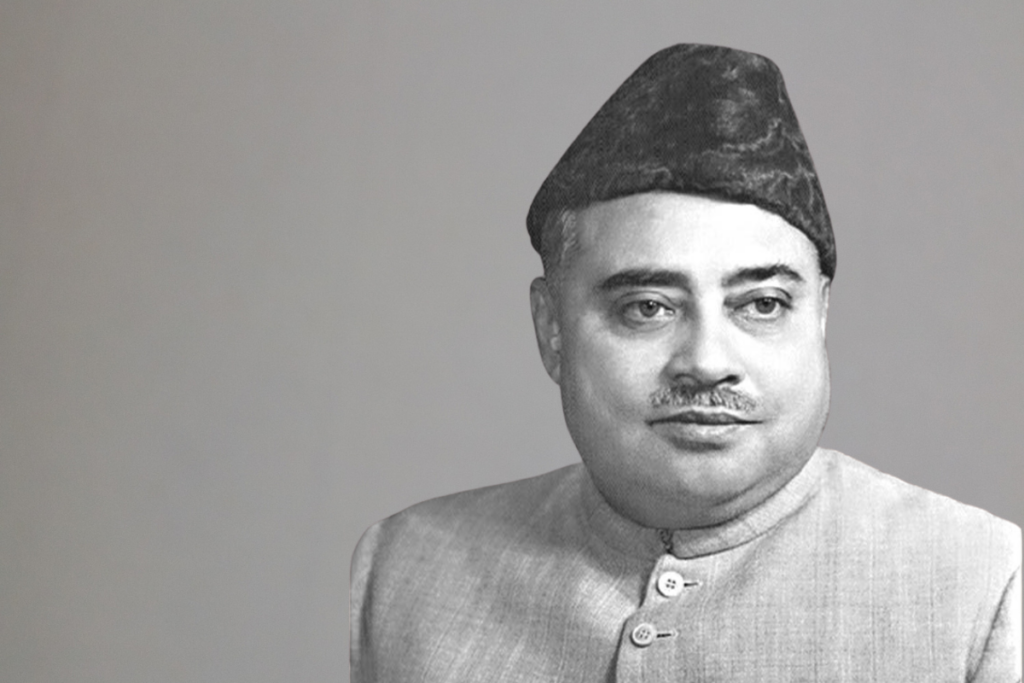
Following Liaquat Ali Khan’s assassination, Khawaja Nazimuddin, who had been serving as Governor-General, assumed the office of Prime Minister of Pakistan. His tenure was dominated by efforts to stabilize a fragile democracy and manage post-partition challenges.
Nazimuddin struggled with rising political unrest, food shortages, and growing opposition within his own party. His inability to effectively address economic issues and social tensions led to his dismissal by Governor-General Ghulam Muhammad in 1953, marking the beginning of executive interference in Pakistan’s parliamentary system.
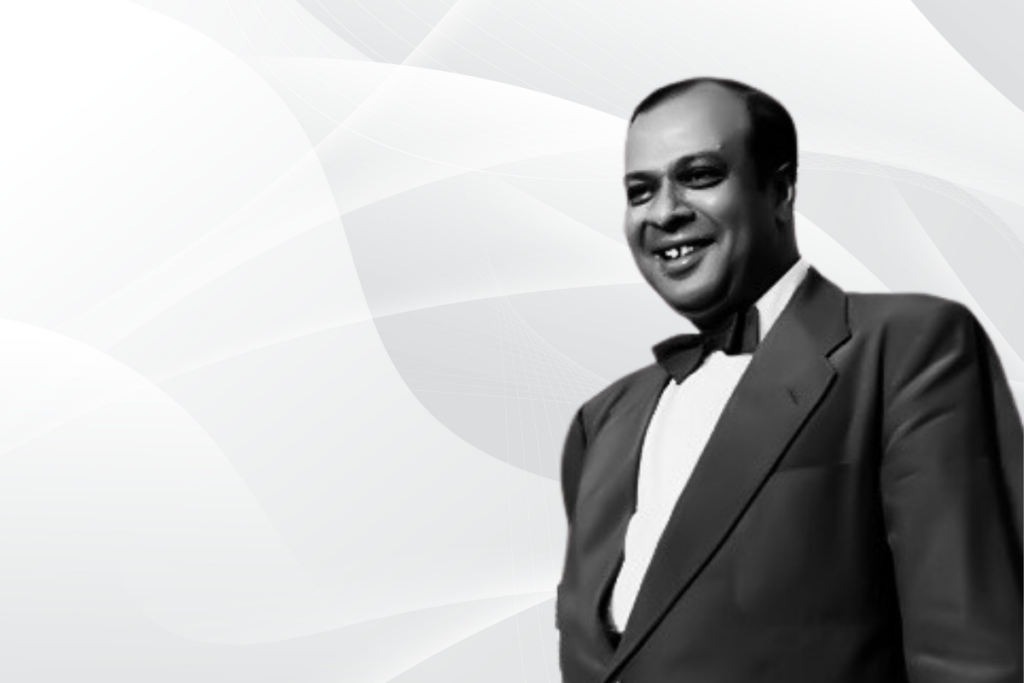
Mohammad Ali Bogra, a career diplomat and former ambassador to the U.S., brought a strong foreign policy focus to his role as Prime Minister of Pakistan. He is best remembered for presenting the Bogra Formula, a proposed constitutional framework to balance representation between East and West Pakistan.
Though initially praised, political instability and disagreements over constitutional reforms weakened his position. His government’s inability to finalize a constitution reflected the deepening divide between the two wings of the country.
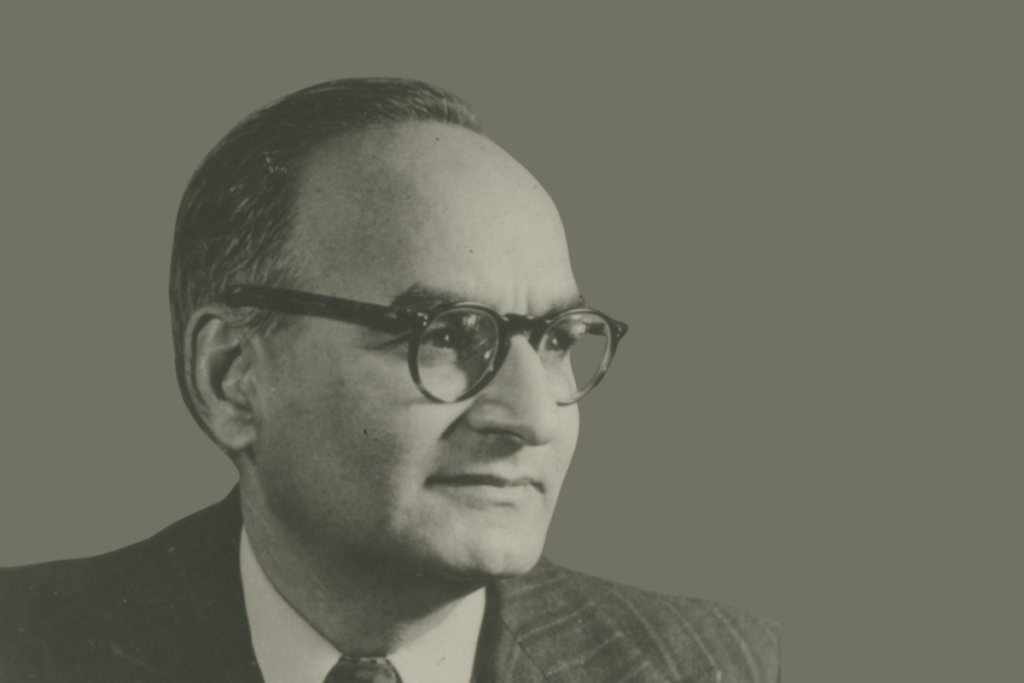
A respected civil servant, Chaudhry Mohammad Ali was instrumental in drafting Pakistan’s first constitution, adopted in 1956, which declared the country an Islamic Republic. His tenure saw major administrative restructuring and economic planning.
Despite his bureaucratic expertise, political instability and factionalism within the ruling party led to his resignation. His period in office is often remembered as a bridge between early post-independence governance and Pakistan’s first experiment with constitutional democracy.
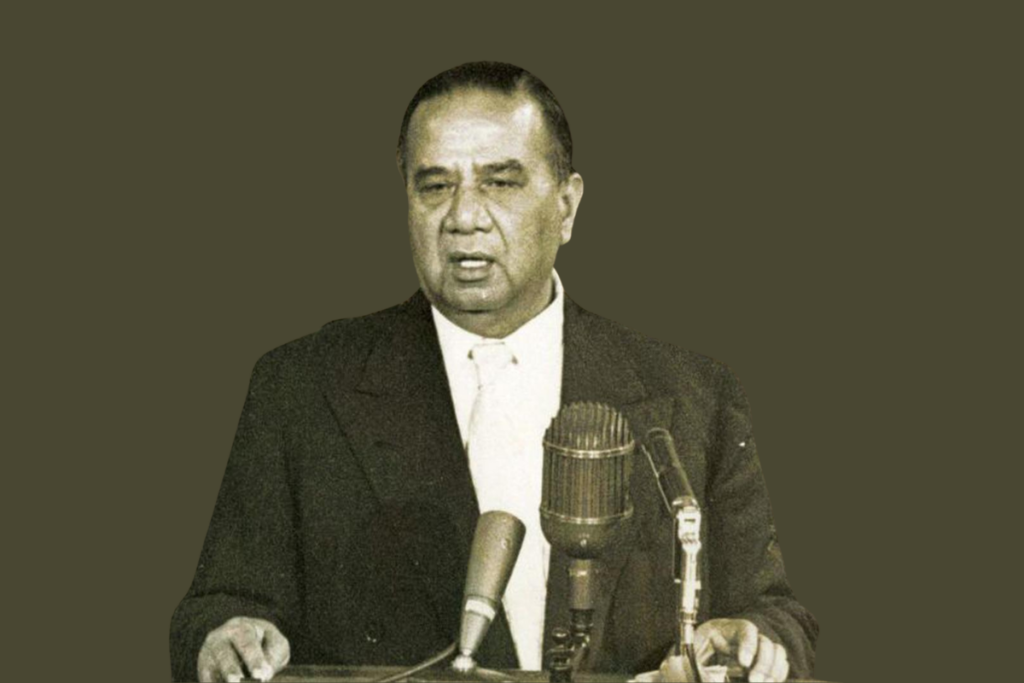
Huseyn Shaheed Suhrawardy, the fifth Prime Minister of Pakistan, was the founder of the Awami League and a proponent of strong East–West Pakistan relations. In the Pakistan PM list with details, his leadership stands out for his attempts to balance foreign relations with both the U.S. and China.
Although his reforms aimed at economic improvement, political differences with the President and within parliament led to his resignation. His tenure is often discussed in analyses of the political leadership of Pakistan during the 1950s.
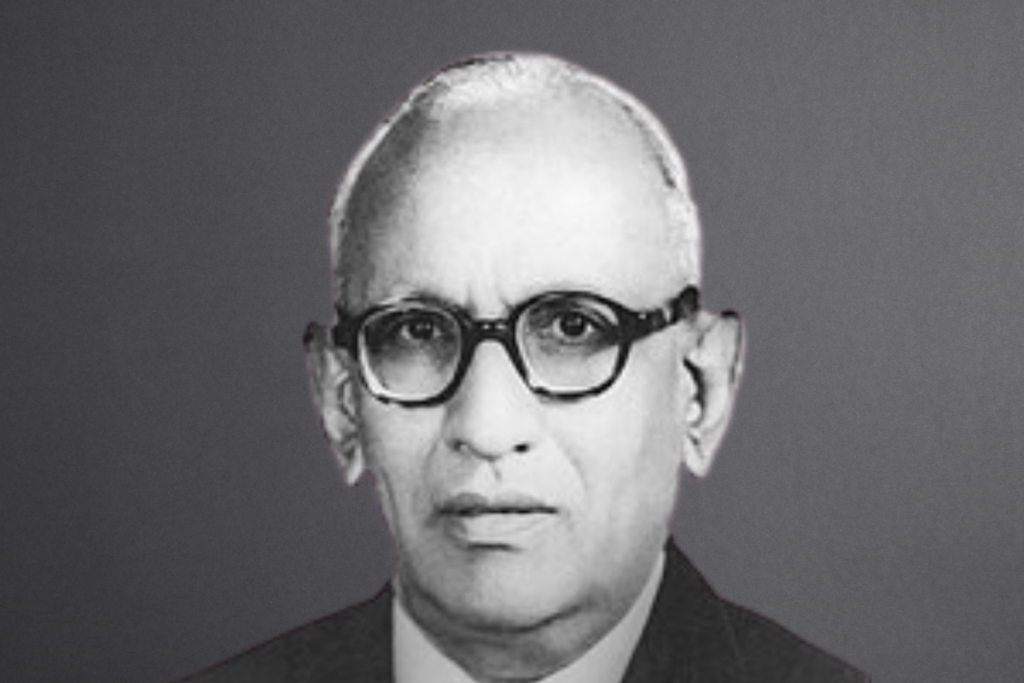
Ibrahim Ismail Chundrigar, the sixth Prime Minister of Pakistan, served for only 55 days, making his leadership the shortest in the history of Prime Ministers of Pakistan.
His brief role as Prime Minister of Pakistan highlights the political instability that plagued the country during the 1950s, with coalition politics and weak parliamentary support causing frequent leadership changes.
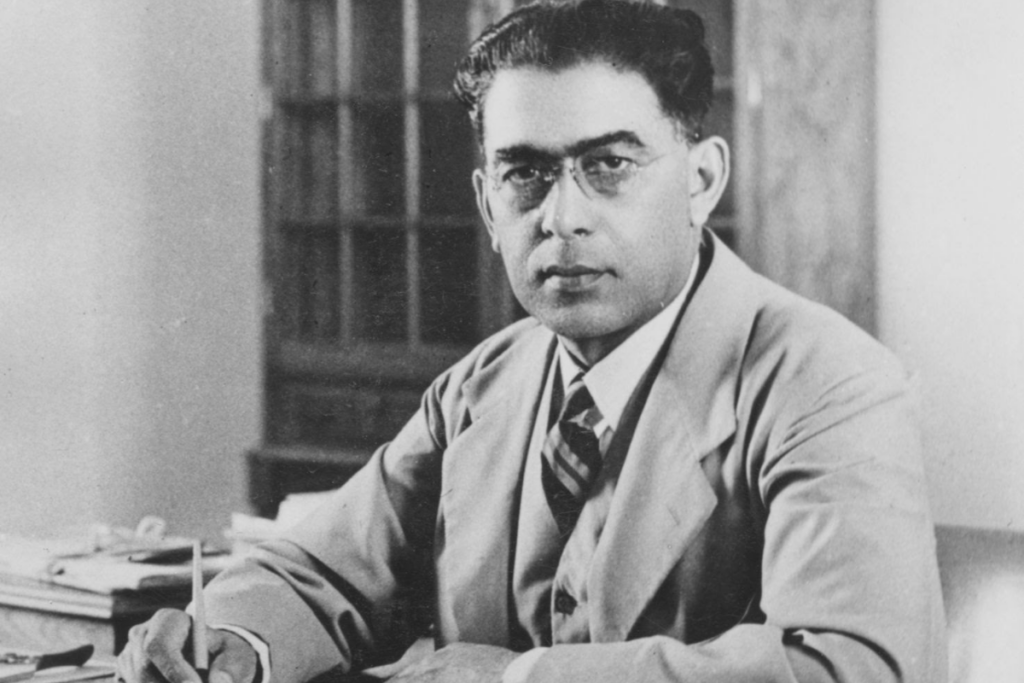
The seventh Prime Minister of Pakistan, Feroz Khan Noon, is remembered for his diplomatic achievement in reclaiming Gwadar from Oman in 1958, a key milestone in the political history of Pakistan.
However, his government fell during mounting unrest, paving the way for Pakistan’s first military takeover. This transition marked a turning point in the List of Prime Ministers of Pakistan, as military rule replaced civilian governance.
Nurul Amin, the eighth Prime Minister of Pakistan, served for just 13 days during the 1971 Bangladesh Liberation War, the shortest tenure in the Pakistan PM list with details.
His efforts to negotiate peace between East and West Pakistan failed amid war, leading to the separation of Bangladesh. This chapter is one of the most dramatic in the political history of Pakistan.
During this period, there were no prime ministers as Pakistan was under military rule led by President Ayub Khan and then Yahya Khan. The period from 1958 to 1971 in Pakistan was marked by military rule and significant political transitions. It began with the first military coup in 1958, when President Iskander Mirza abrogated the constitution and declared martial law, leading to General Ayub Khan’s rule.
The period from 1971 to 1977 marks a significant chapter in the List of Prime Ministers of Pakistan, defined by a democratic resurgence after East Pakistan’s secession and Bangladesh’s creation. Zulfikar Ali Bhutto led the country through this turbulent time, initiating major political reforms and driving social transformation. Despite his efforts to stabilize the nation, mounting political unrest eventually led to a military coup in 1977, making this era both pivotal and complex in Pakistan’s political history.
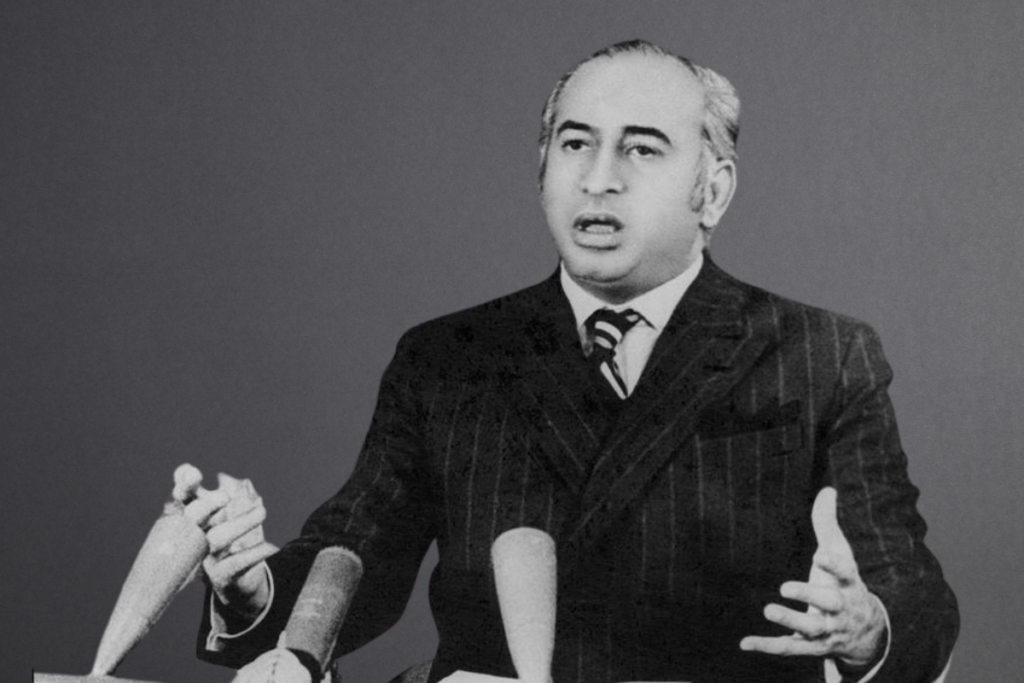
Zulfikar Ali Bhutto, the ninth Prime Minister of Pakistan and founder of the Pakistan Peoples Party, reshaped the nation’s politics with land reforms, industrial nationalization, and a new constitution in 1973.
In the Prime Ministers of Pakistan in chronological order, Bhutto stands out for restoring civilian rule and hosting the 1974 Islamic Summit. His removal in a military coup remains a major turning point in the political history of Pakistan.
The period from 1977 to 1985 in Pakistan is characterized by martial law, military rule, and a controlled form of democracy under General Muhammad Zia-ul-Haq. This era had profound implications for Pakistan’s political landscape, governance, and society. No prime ministers during General Zia-ul-Haq’s martial law (1977–1985).
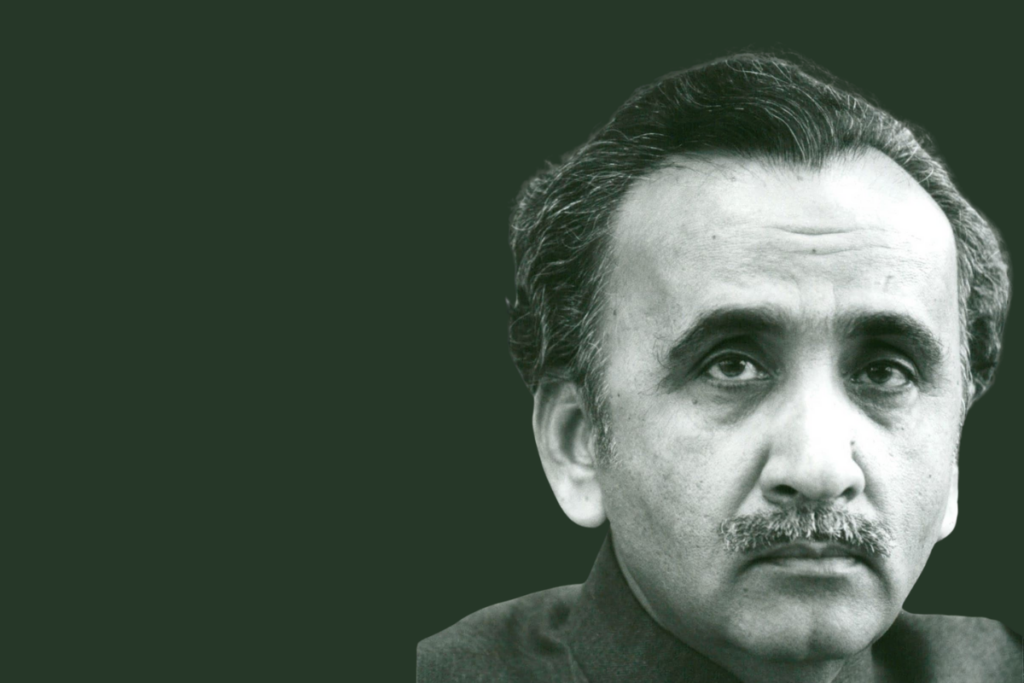
Muhammad Khan Junejo, the tenth Prime Minister of Pakistan, was appointed during General Zia-ul-Haq’s rule but sought to strengthen parliamentary democracy. His tenure in the Pakistan Prime Ministers list with details is known for infrastructure development, economic reforms, and the signing of the Geneva Accords on Afghanistan.
Junejo’s independent stance led to tensions with the military, resulting in his dismissal, an event that underscores the recurring civil–military imbalance in the history of Prime Ministers of Pakistan.
The period from 1988 to 1999 in Pakistan is often referred to as the Democratic Era, characterized by a return to civilian rule, the establishment of democratic institutions, and significant political developments. This era saw the leadership of several Prime Ministers and was marked by political instability, economic challenges, and the struggle for power among various political factions.
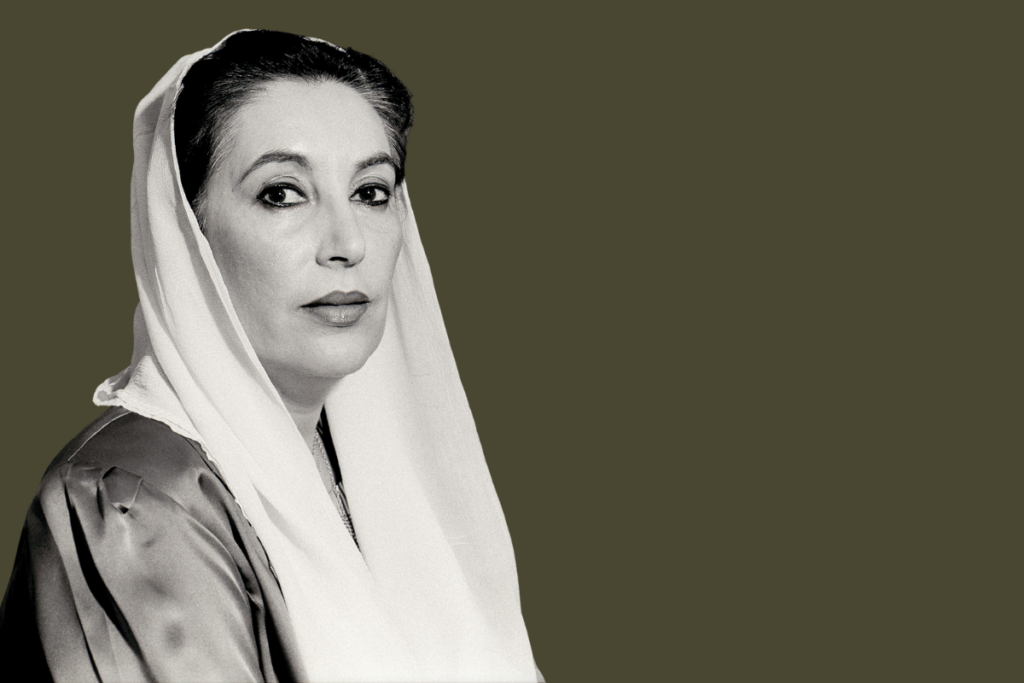
Benazir Bhutto, the eleventh Prime Minister of Pakistan, made history as the first woman to lead a Muslim-majority country. Her place in the List of Prime Ministers of Pakistan in chronological order is particularly significant for her democratic vision after years of military rule.
Her government focused on women’s empowerment, healthcare, and economic reforms, but political challenges and corruption allegations led to her dismissal. Benazir’s leadership remains an iconic chapter in the political history of Pakistan.
Back in power as the sixteenth Prime Minister of Pakistan, Benazir Bhutto’s second term aimed at liberalizing the economy, strengthening ties with the U.S., and improving social services.
Her leadership as the Prime Minister of Pakistan in chronological order is also remembered for rising political tensions and corruption charges that led to her dismissal for the second time.
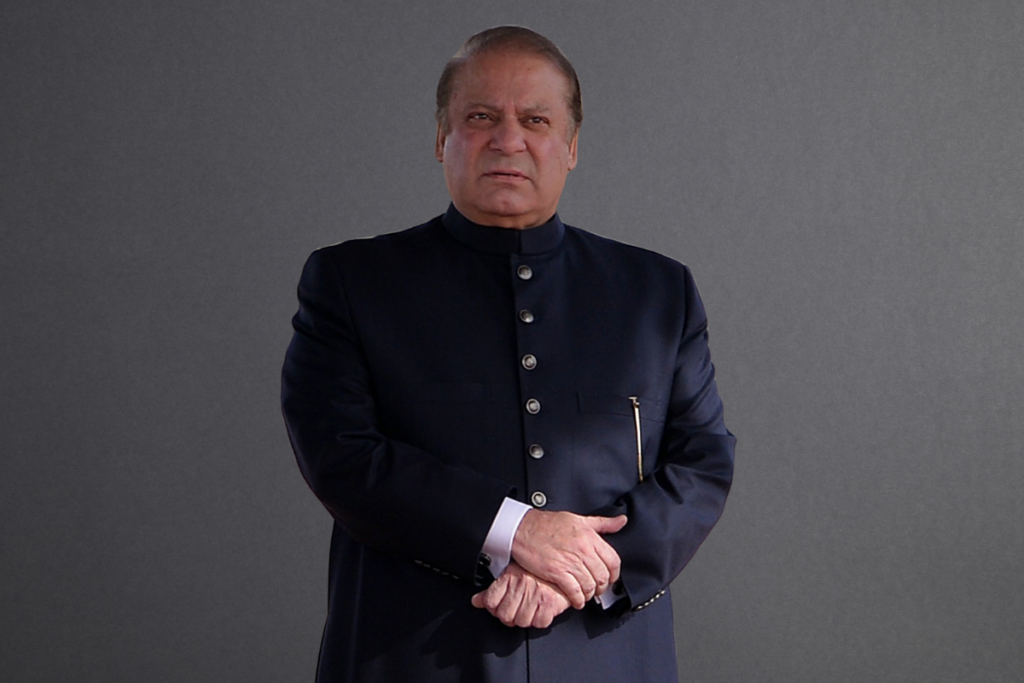
Nawaz Sharif, the thirteenth Prime Minister of Pakistan, emerged as a key conservative leader in the political history of Pakistan. His first term emphasized privatization, industrial growth, and infrastructure projects.
His position as Prime Minister of Pakistan in chronological order is also marked by political clashes with President Ghulam Ishaq Khan, leading to both leaders resigning in 1993 under military mediation.
Nawaz Sharif’s third term as the eighteenth Prime Minister of Pakistan was marked by nuclear tests in 1998, which placed Pakistan at the center of global attention.
In the political history of Pakistan, this period is remembered for both his bold foreign policy moves and the 1999 military coup by General Pervez Musharraf, which ended his government.
The period from 1999 to 2008 in Pakistan is characterized by military-led governance under General Pervez Musharraf, who came to power through a coup d’état. This era saw significant political, economic, and social changes, as well as challenges related to governance, civil liberties, and international relations. General Pervez Musharraf ruled as President; however, civilian prime ministers were appointed.
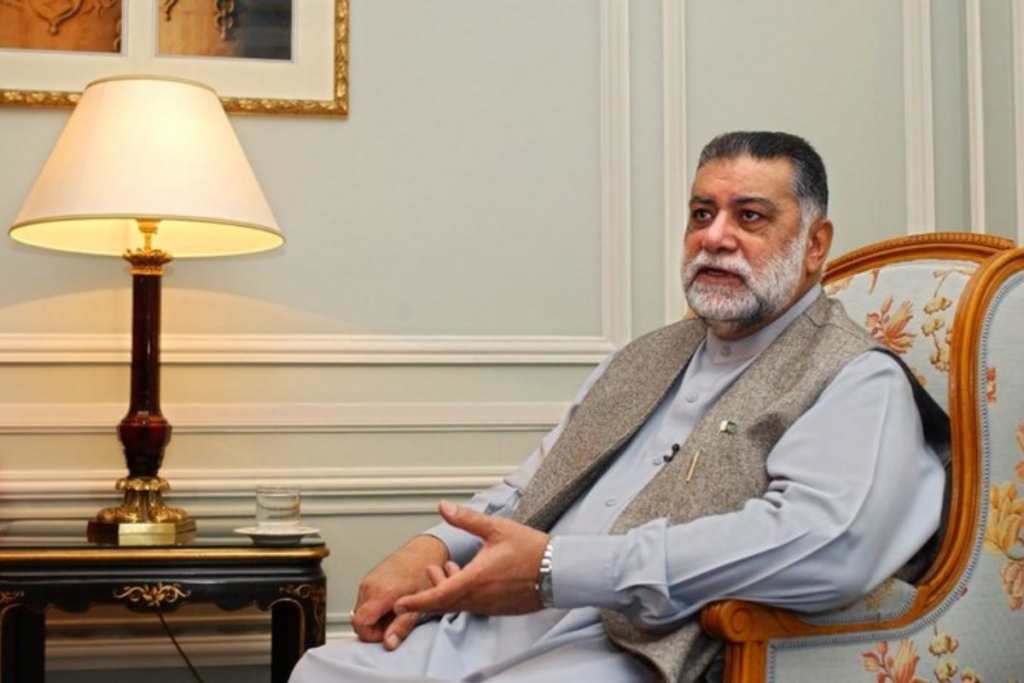
Zafarullah Khan Jamali, the nineteenth Prime Minister of Pakistan, was the first leader from Balochistan in the Prime Ministers of Pakistan in chronological order.
His tenure focused on continuing Musharraf’s economic and foreign policy agenda, but internal disagreements led to his resignation in 2004.
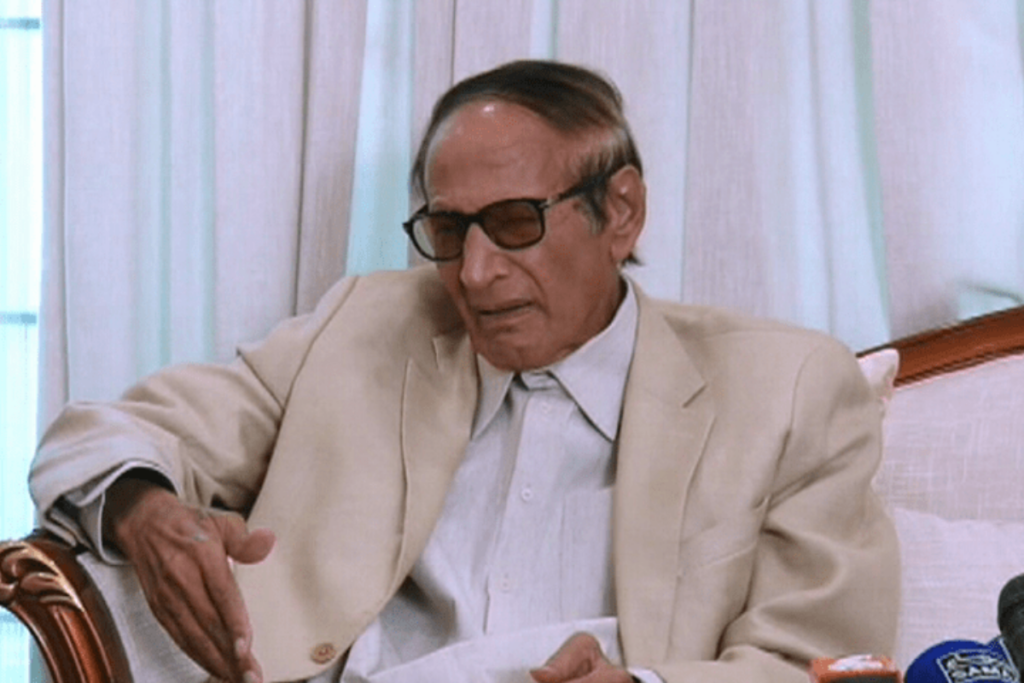
The twentieth Prime Minister of Pakistan, Chaudhry Shujaat Hussain, served for less than two months as a transitional leader until Shaukat Aziz assumed office. His short leadership still appears in the Pakistan Prime Ministers list with details, reflecting another temporary shift in power.
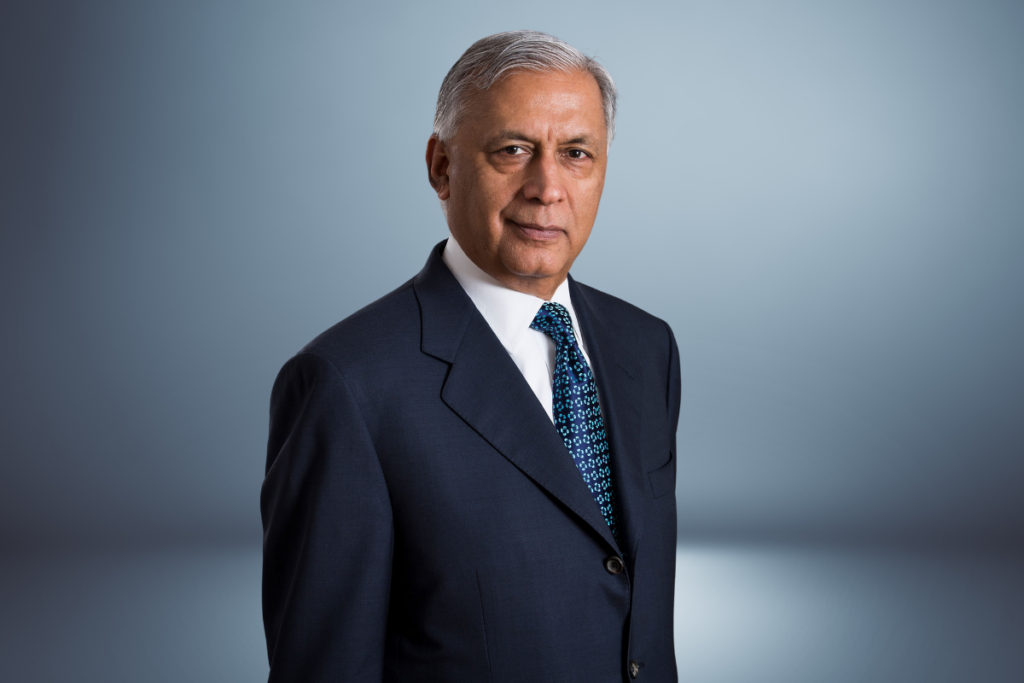
Shaukat Aziz, the twenty-first Prime Minister of Pakistan, oversaw significant economic growth, banking reforms, and infrastructure development.
Listed in the Prime Ministers of Pakistan in chronological order, his tenure ended with rising political unrest and the assassination of Benazir Bhutto, which deeply impacted the political history of Pakistan.
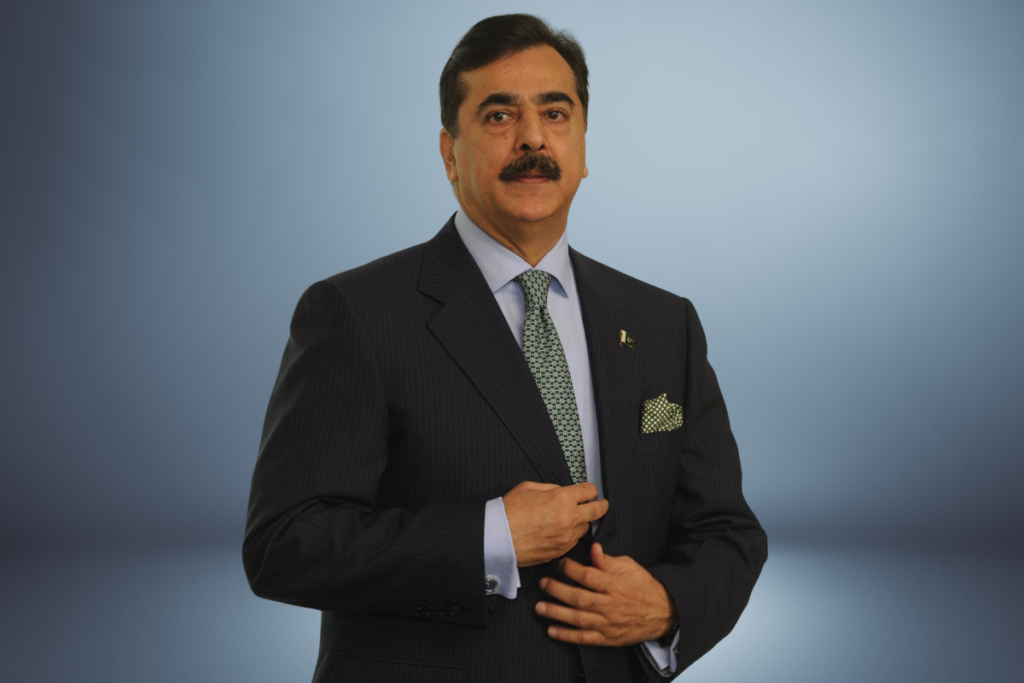
Yousaf Raza Gillani, the twenty-second Prime Minister of Pakistan, holds the record for the longest continuous term since the 1980s.
His place in the Pakistan Prime Ministers list with details is marked by restoring judicial independence, strengthening parliamentary democracy, and navigating U.S.–Pakistan tensions. However, he was disqualified by the Supreme Court in 2012 over contempt charges.
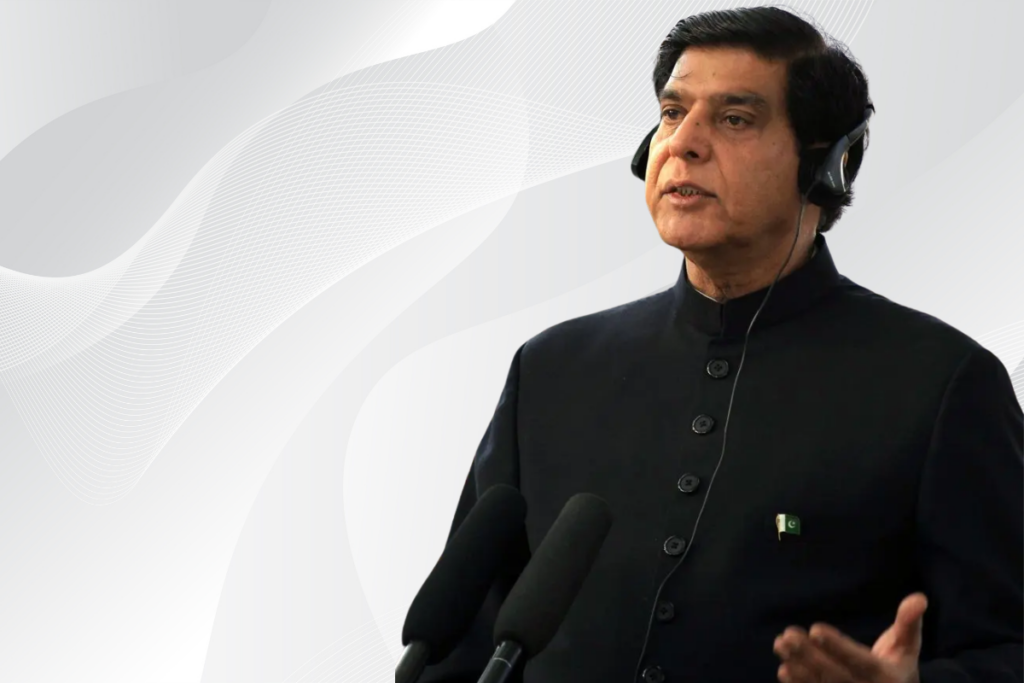
The twenty-third Prime Minister of Pakistan, Raja Pervaiz Ashraf, took office after Gillani’s disqualification.
In the political history of Pakistan, his tenure was dominated by energy crises, governance challenges, and preparations for the 2013 elections. He remains a notable figure in the List of Prime Ministers of Pakistan as one of the PPP’s last leaders before the PML-N returned to power.
Nawaz Sharif returned to power for a historic third term, focusing on infrastructure development, economic growth, and improving regional ties. Major projects like motorways, metro systems, and CPEC (China-Pakistan Economic Corridor) were initiated under his leadership. However, he was eventually disqualified by the Supreme Court over corruption allegations stemming from the Panama Papers leak. Despite controversies, his multiple terms make him a dominant figure in the List of Prime Ministers of Pakistan.
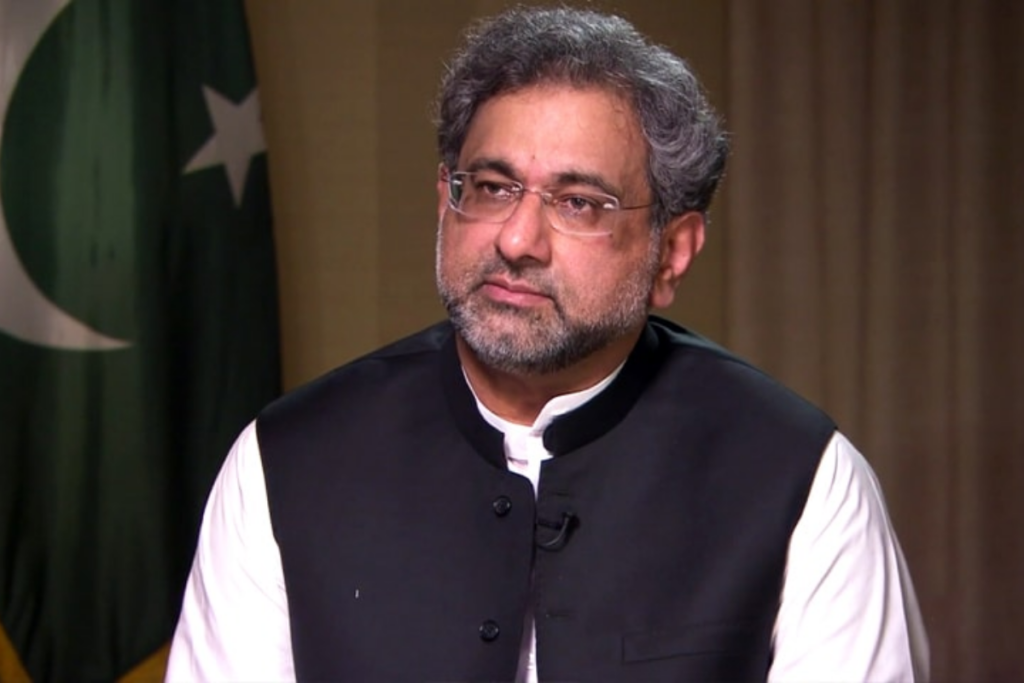
Shahid Khaqan Abbasi took over the premiership after Nawaz Sharif’s disqualification and served as a steady hand to complete the PML-N government’s term. A technocrat with a background in energy, he prioritized policy continuity and oversaw the expansion of LNG imports to combat energy shortages. His brief but focused tenure earns him a place in the List of Prime Minister of Pakistan as a dependable transitional leader.
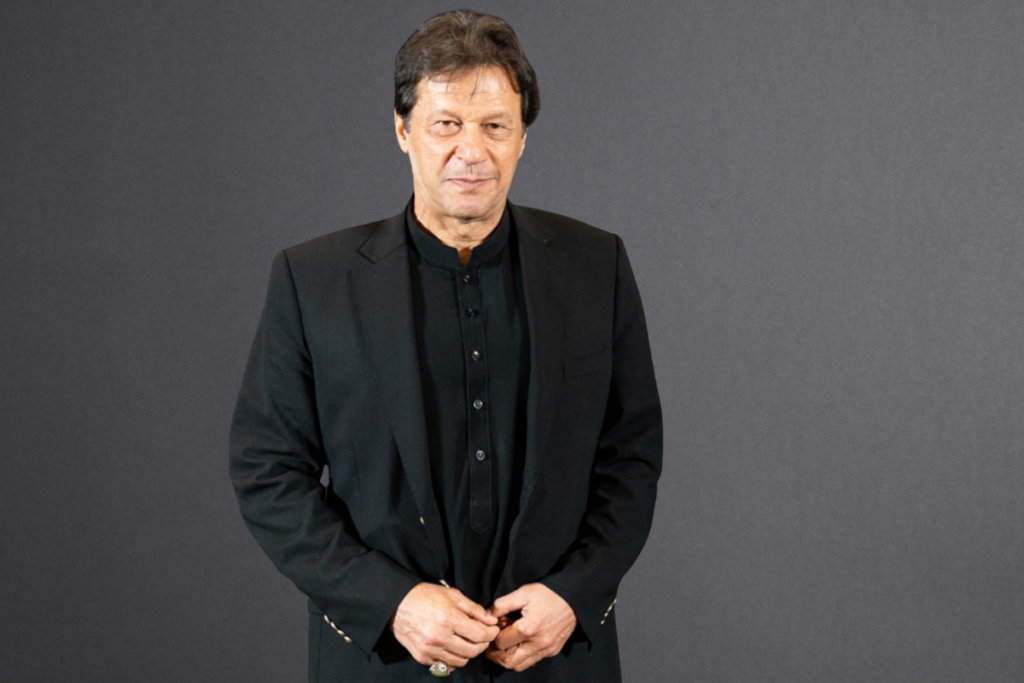
Imran Khan, former cricket star and chairman of Pakistan Tehreek-e-Insaf (PTI), rose to power on a platform of anti-corruption, justice, and a “Naya Pakistan.” His government focused on economic reforms, social welfare programs like the Ehsaas initiative, and reshaping foreign policy dynamics. Despite his popularity, his tenure faced mounting economic challenges and political opposition, ultimately ending with his removal through a no-confidence vote. His dramatic rise and fall make him a standout figure in the List of Prime Minister of Pakistan.
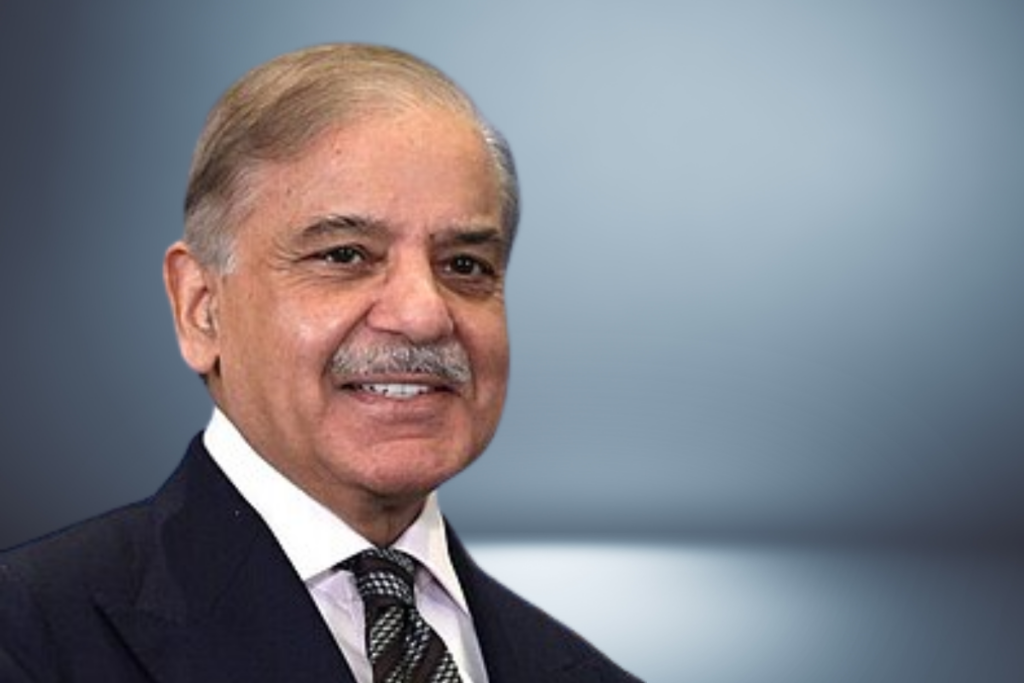
Shehbaz Sharif, representing the Pakistan Muslim League (N), assumed office after Imran Khan’s ousting. Known for his administrative efficiency, he prioritized flood relief efforts during the devastating 2022 monsoon and worked to stabilize Pakistan’s struggling economy through IMF negotiations and fiscal reforms. Though his time in power was brief, his leadership during the crisis earned him a place in the List of Prime Minister of Pakistan for navigating one of the country’s most challenging years.
Appointed as a caretaker Prime Minister, Anwaar-ul-Haq Kakar was tasked with ensuring fair and transparent elections following Shehbaz Sharif’s government. A former senator from Balochistan, his tenure was characterized by neutrality, administrative oversight, and preparations for a democratic transition. While unelected, his role is still essential in the List of Prime Minister of Pakistan for maintaining governance and constitutional order during the interim period.
First Prime Minister of Pakistan: Liaquat Ali Khan served from August 15, 1947, to October 16, 1951. He faced enormous challenges-rehabilitating refugees, stabilizing the economy, and forming Pakistan’s foreign policy of Pakistan.
His assassination in 1951 left a deep void in leadership, marking the beginning of Pakistan’s political instability. Liaquat’s emphasis on forging ties with the United States set early diplomatic priorities.
The list of Prime Ministers of Pakistan reflects the nation’s turbulent yet resilient democratic journey. Leaders like Benazir Bhutto, Zulfikar Ali Bhutto, Nawaz Sharif, and Imran Khan have shaped Pakistan’s domestic and international policies.
Benazir Bhutto:
Zulfikar Ali Bhutto:
Nawaz Sharif:
Imran Khan:
The Prime Minister of Pakistan remains at the heart of the country’s governance, steering policies that affect economic growth, foreign relations, and political stability. The Pak PM list serves as both a historical record and a testament to the nation’s ongoing democratic struggle. From Liaquat Ali Khan’s foundational leadership to Shehbaz Sharif’s current tenure, each leader has contributed, whether through reform, resilience, or vision, to shaping the destiny of Pakistan.
The first prime minister of Pakistan was Liaquat Ali Khan. He assumed office on August 15, 1947 when Pakistan achieved independence. He continued serving as prime minister until his assassination in 1951.
Mian Muhammad Shehbaz Sharif became the 20th Prime Minister of Pakistan in March 2024, marking his second term after previously serving from April 2022 to August 2023. He brings years of political experience and leadership to the role.
The Prime Minister of Pakistan does not have a fixed term. According to the constitution, the PM stays in office as long as they maintain the confidence of majority members in the National Assembly. If they lose the confidence, they must step down or call for new elections.
Some of the most influential former PMs include Zulfikar Ali Bhutto, Benazir Bhutto, Muhammad Khan Junejo, Nawaz Sharif and Shaukat Aziz. Each implemented key domestic and foreign policies shaping the nation.
Shehbaz Sharif was chosen to serve as Pakistan’s 23rd prime minister on April 11, 2022. There are a total of 23 people serving as Prime Minister of Pakistan.
Pakistan’s first female Prime Minister was Benazir Bhutto. She served two terms, from 1988 to 1990 and 1993 to 1996, becoming the first woman to lead a democratic government in a majority-Muslim country.