Nakshatras, or lunar constellations, are key elements in Vedic astrology. They shape personality, relationships, and destiny through 27 unique star segments, each ruled by specific deities and planets.
They influence emotional and spiritual traits more precisely than zodiac signs, guiding career, marriage, and personal growth decisions.
Understanding Nakshatras enhances self-awareness and aligns rituals or life choices with cosmic energy for greater harmony and success.
Table of Contents
In Vedic astrology, Nakshatras play a key role in understanding your life and destiny. These Nakshatras form the foundation of personal horoscopes and astrological predictions. Over 80% of astrologers in India use the list of Nakshatras to provide accurate readings, highlighting their importance in both spiritual and practical matters.
Each Nakshatra affects your personality, relationships, and life path. Understanding their unique qualities can offer valuable insights into your life. Whether you’re looking for guidance on your career, love life, or personal growth, the Nakshatras can help. Each carries its own story and energy, helping you navigate life more clearly and purposefully.
In this guide, we’ll explore the list of Nakshatras in detail. You’ll learn about their meanings, strengths, and challenges. By the end, you’ll clearly understand how the list of Nakshatras influences your astrological chart and life’s journey.
What Are Nakshatras?
Nakshatras, or lunar constellations, are deeply rooted in ancient Indian astronomy and mythology. They symbolize cosmic order and divine influence. In Vedic astrology, the list of Nakshatras includes 27 (or sometimes 28) constellations that track the moon’s path across the sky, each representing a unique phase of life, nature, and spiritual potential. The study of Nakshatras offers valuable insights into one’s personal and spiritual journey.
Historical and Mythological Significance
Ancient civilizations saw the nakshatras as connected to the rhythm of the cosmos, linking celestial movements with experiences on Earth. The stars were more than just points of light. They were spiritual markers that defined cycles of time and seasons. Each nakshatra is tied to powerful deities and legends, showing that the stars were not just for navigation but also had a role in shaping human destiny.
This connection between astronomy, mythology, and spirituality reveals how early civilizations believed that the events in the heavens directly influenced life on Earth.
Role in Astrology
Nakshatras, or lunar mansions, play a vital role in astrology by influencing various aspects of life. They shape personality traits, emotions, careers, and relationships, offering more profound insights into one’s destiny.
Key Aspects of Nakshatras:
Personality & Traits: Each nakshatra is linked to specific characteristics influencing behavior and decision-making.
Career & Purpose: Helps individuals align with their true calling and career paths.
Marriage Compatibility: Assess compatibility between partners based on their birth stars.
Daily Life & Predictions: The moon’s position in nakshatras offers guidance on health, wealth, and life events.
Self-Awareness & Growth: Studying nakshatras allows one to understand better and control one’s personal and professional life.
By understanding nakshatras, individuals can make more informed decisions and better navigate life.
The Complete List of Nakshatras
The list of Nakshatras includes 27 lunar constellations. These Nakshatras divide the zodiac into 27 equal parts, each spanning 13°20′. Here is the complete Nakshatra list:
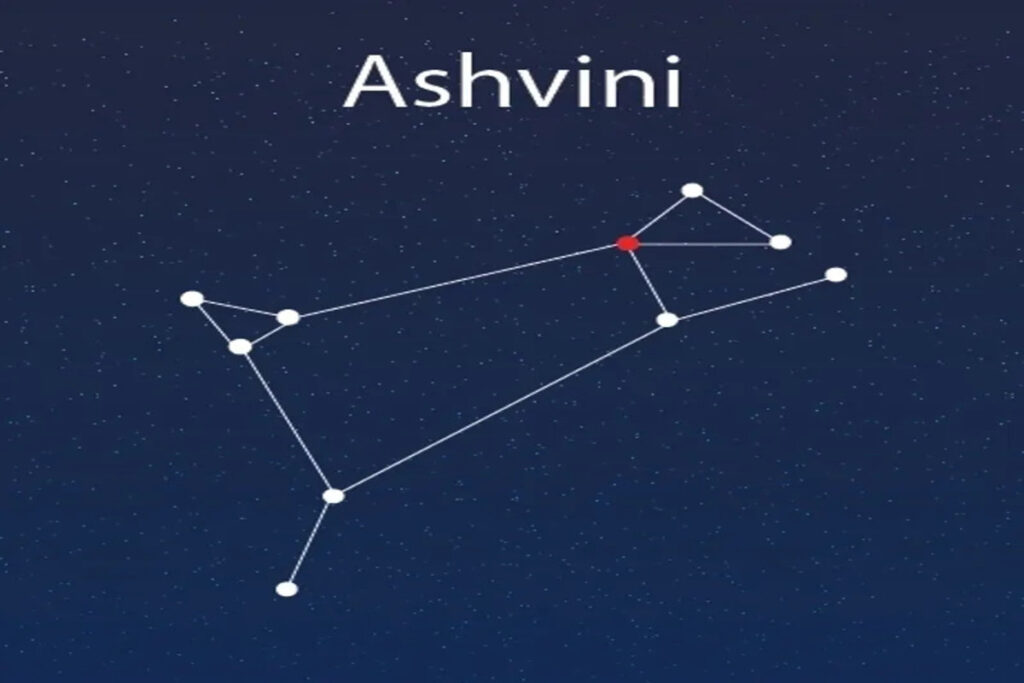
1. Ashwini
ashwini
Ruling Deity: Ashwini Kumars (twin horse-headed physicians of the gods)
Planetary Association: Ketu
Unique Traits: Known for their quickness, healing energy, and youthful exuberance. People born under Ashwini are often energetic, enthusiastic, and quick to act.
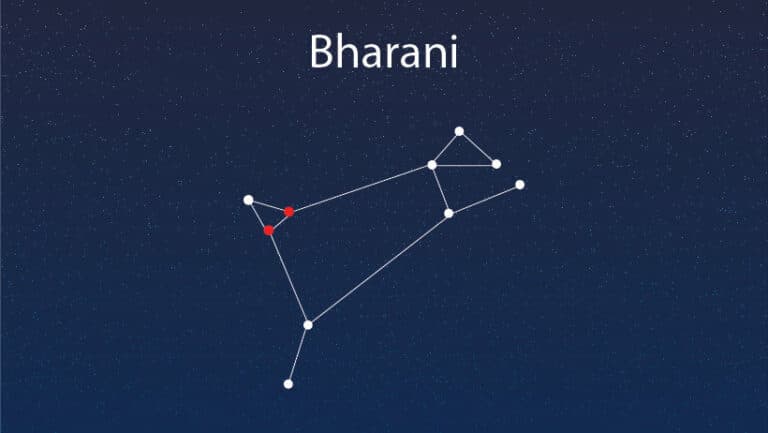
2. Bharani
Ruling Deity: Yama (god of death)
Planetary Association: Venus
Unique Traits: Symbolizes transformation and the ability to embrace new life cycles. Those born under Bharani are often strong-willed, resilient, and focused on regeneration.
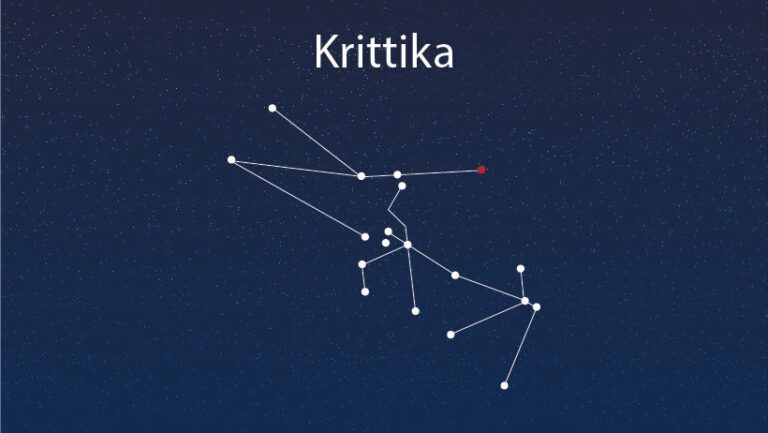
3. Krittika
Ruling Deity: Agni (god of fire)
Planetary Association: Sun
Unique Traits: Known for their sharp intellect, determination, and leadership qualities. They are natural-born leaders with a sharp sense of justice.
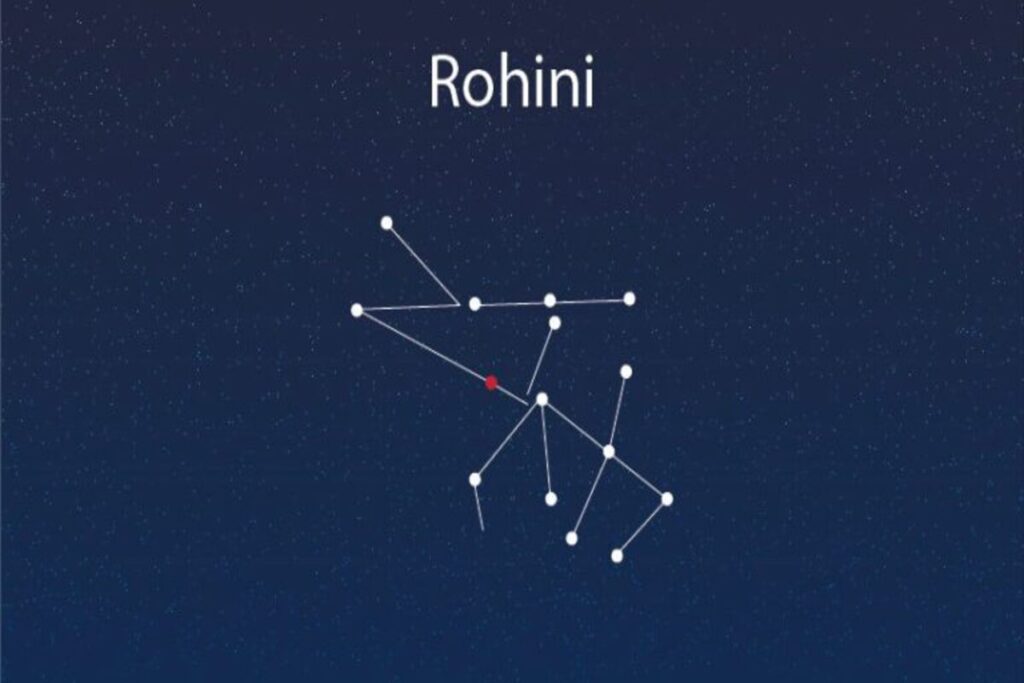
4. Rohini
Ruling Deity: Prajapati (creator god)
Planetary Association: Moon
Unique Traits: Associated with beauty, fertility, and material success. People under Rohini are creative, nurturing, and deeply connected to nature.
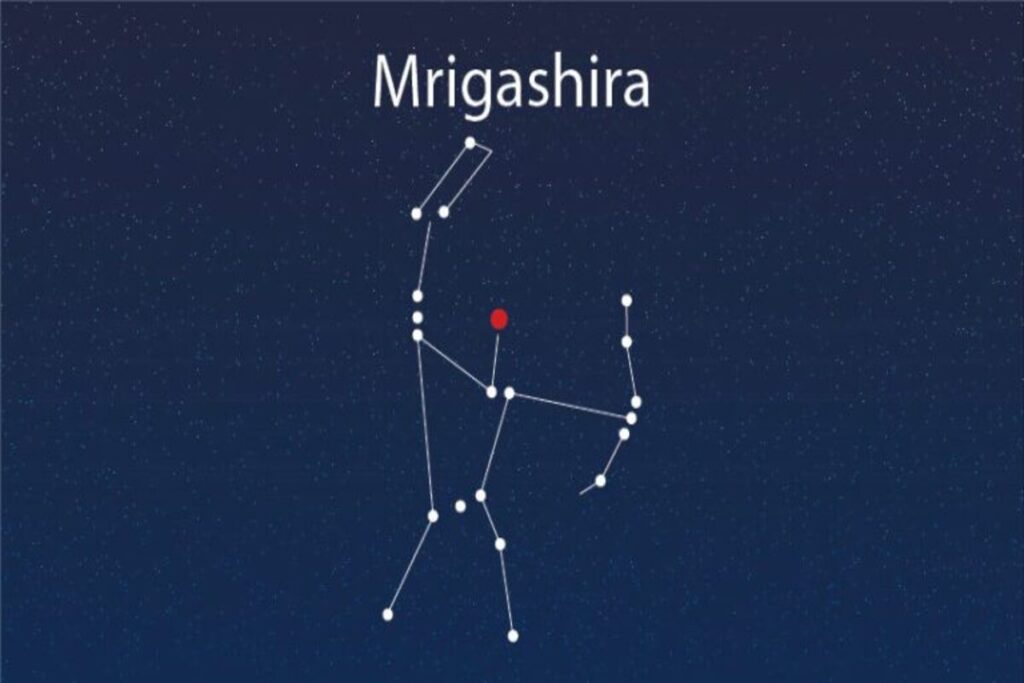
5. Mrigashira
Ruling Deity: Soma (moon god)
Planetary Association: Mars
Unique Traits: Known for their curiosity, adaptability, and intellectual abilities. They strongly desire exploration and often excel in research or knowledge-based careers.
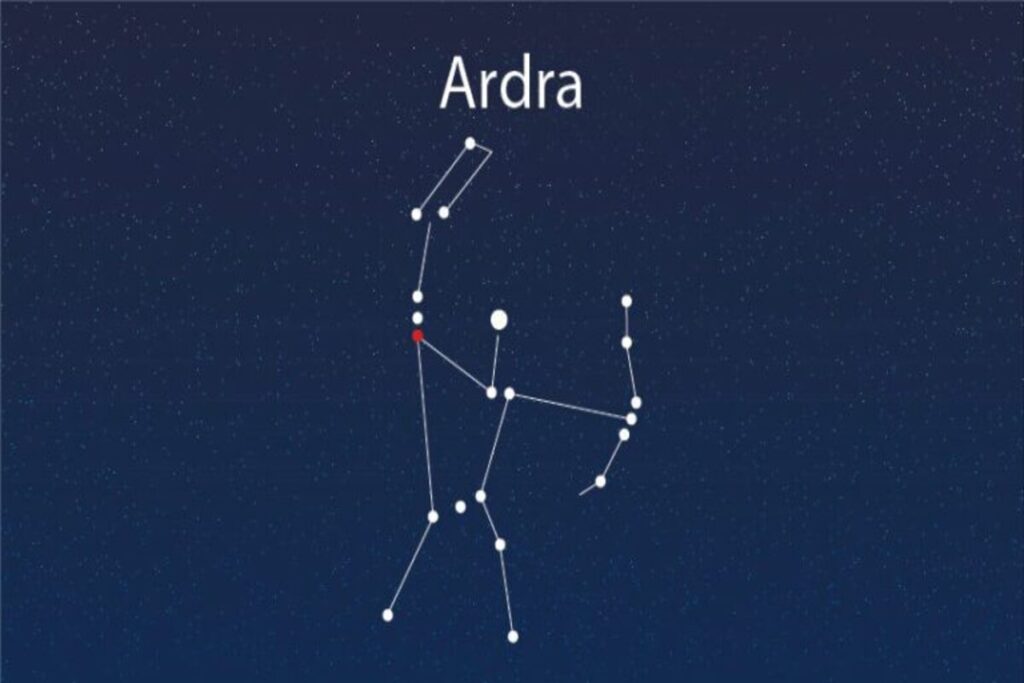
6. Ardra
Ruling Deity: Rudra (storm god)
Planetary Association: Rahu
Unique Traits: Ardra symbolizes emotional intensity and transformation. Deep emotions drive individuals and often lead to personal rebirths.
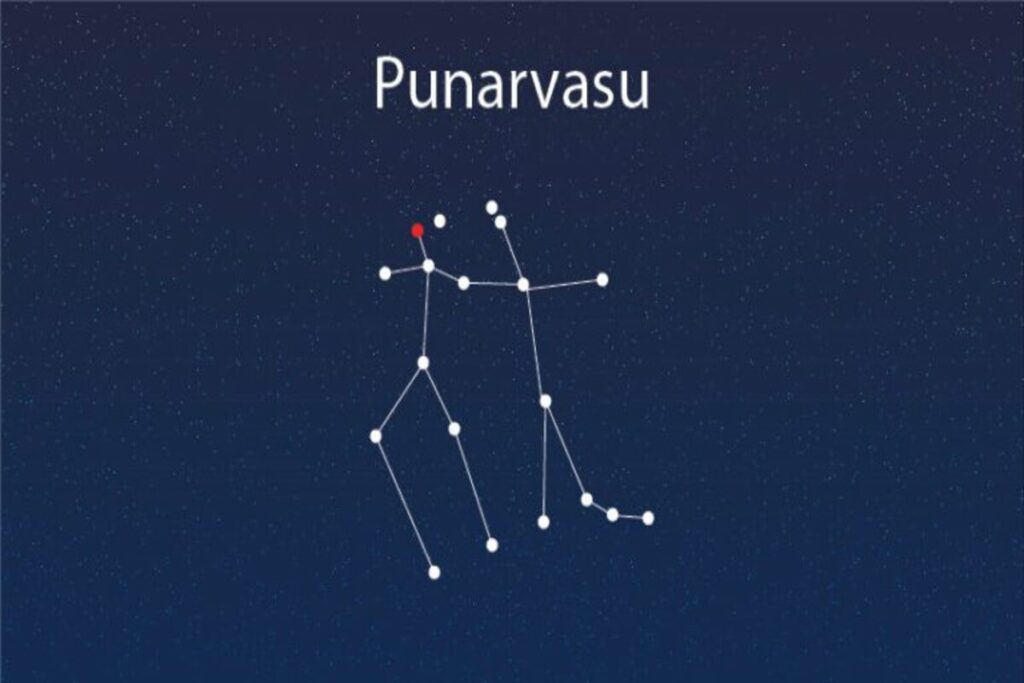
7. Punarvasu
Ruling Deity: Aditi (mother of the gods)
Planetary Association: Jupiter
Unique Traits: Known for their optimism, nurturing energy, and ability to inspire others. They often bring hope and renewal to challenging situations.
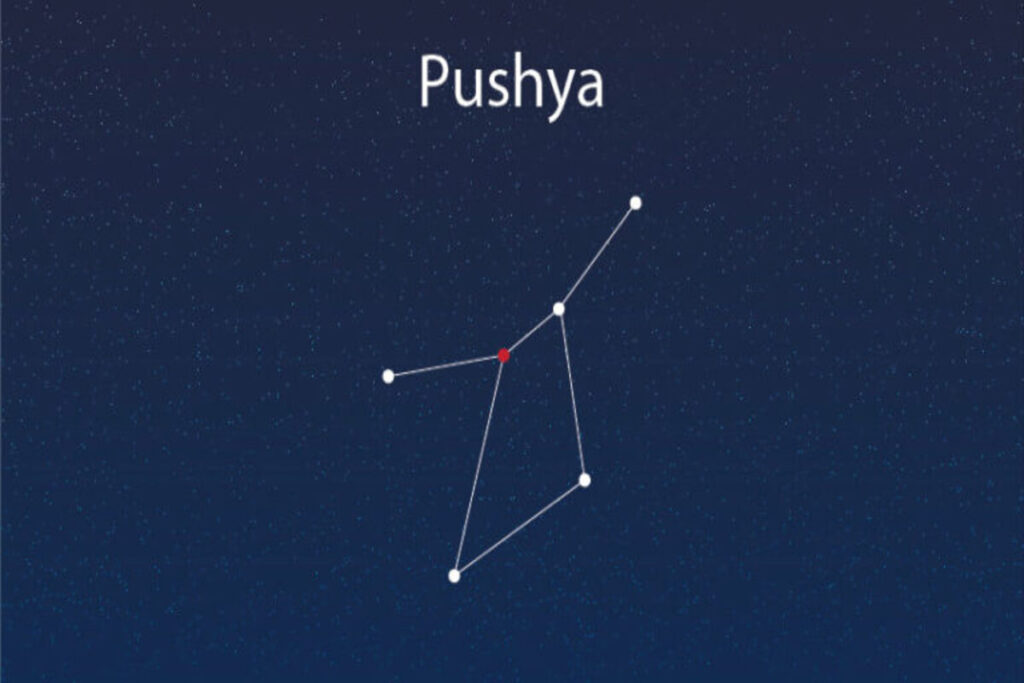
8. Pushya
Ruling Deity: Brihaspati (guru of the gods)
Planetary Association: Saturn
Unique Traits: People born under Pushya are generous, disciplined, and spiritually inclined. They are natural mentors and caregivers.
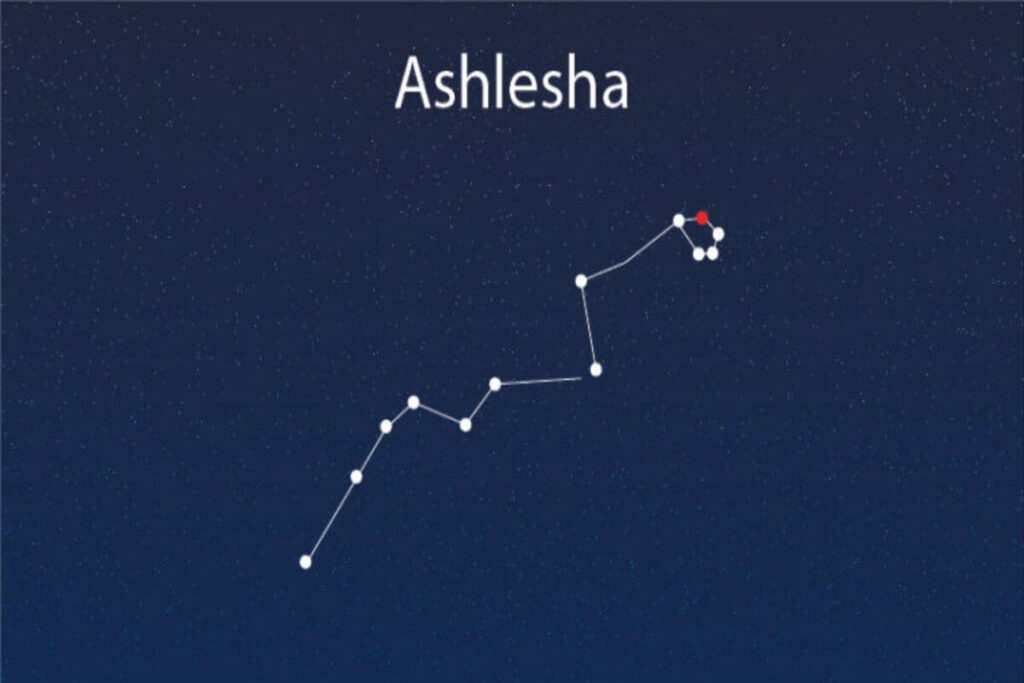
9. Ashlesha
Ruling Deity: Nagas (serpent gods)
Planetary Association: Mercury
Unique Traits: Known for their sharp intellect, strategic thinking, and emotional depth. They often possess a magnetic presence and are highly intuitive.
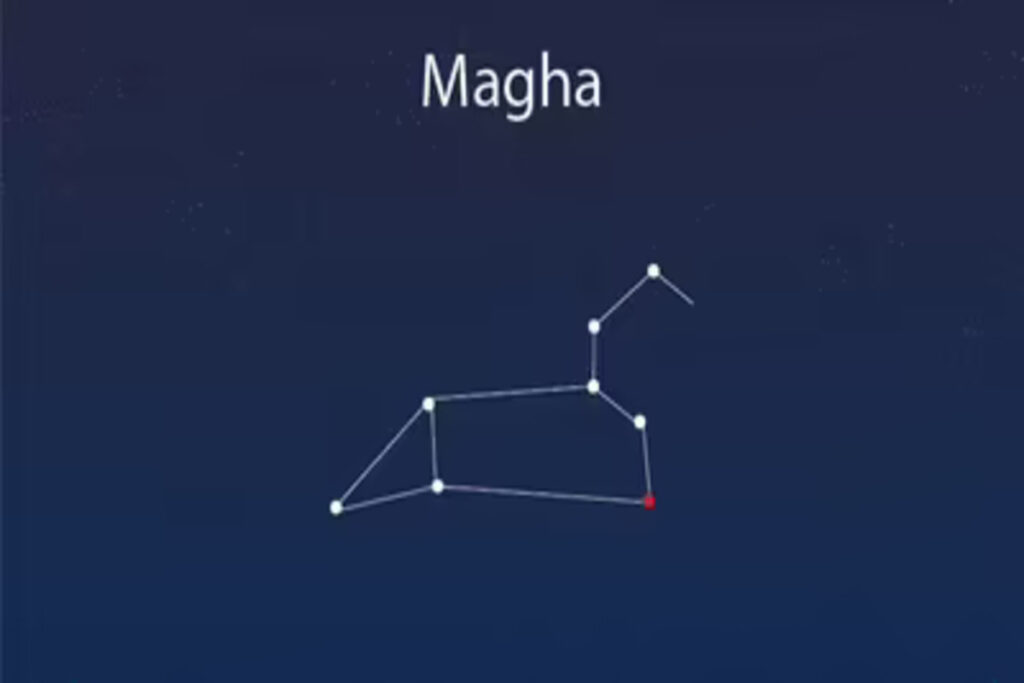
10. Magha
Ruling Deity: Pitris (ancestors)
Planetary Association: Ketu
Unique Traits: Magha natives represent leadership and regal energy. They are often born leaders with a strong connection to their ancestral roots.
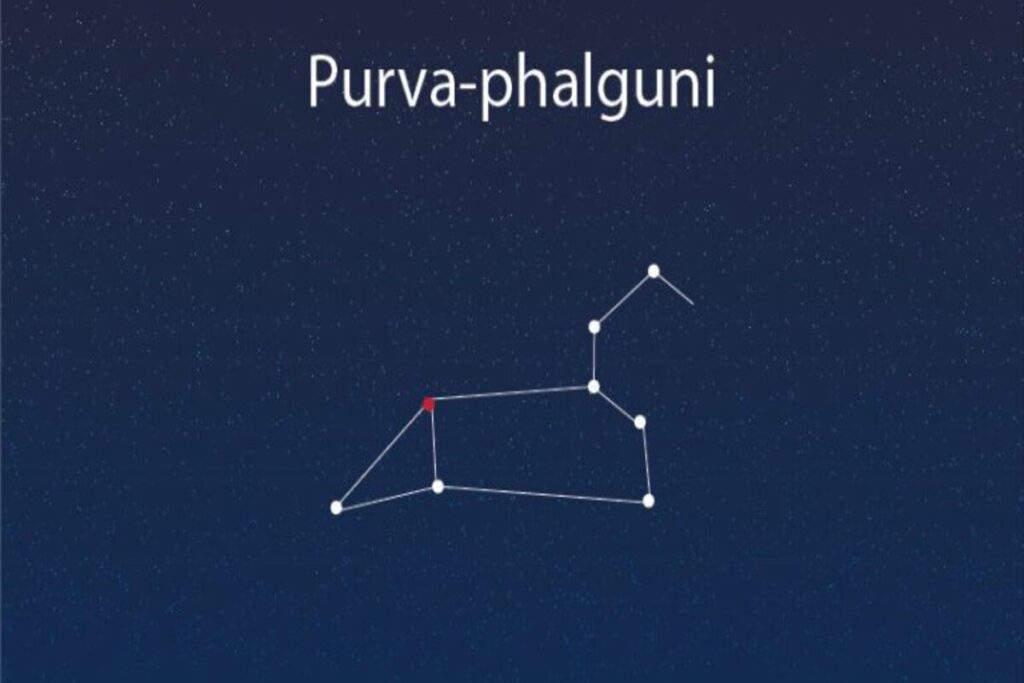
11. Purva Phalguni
Ruling Deity: Bhaga (god of fortune)
Planetary Association: Venus
Unique Traits: Associated with pleasure, luxury, and creativity, Purva Phalguni individuals are often artistic and enjoy the finer things in life.
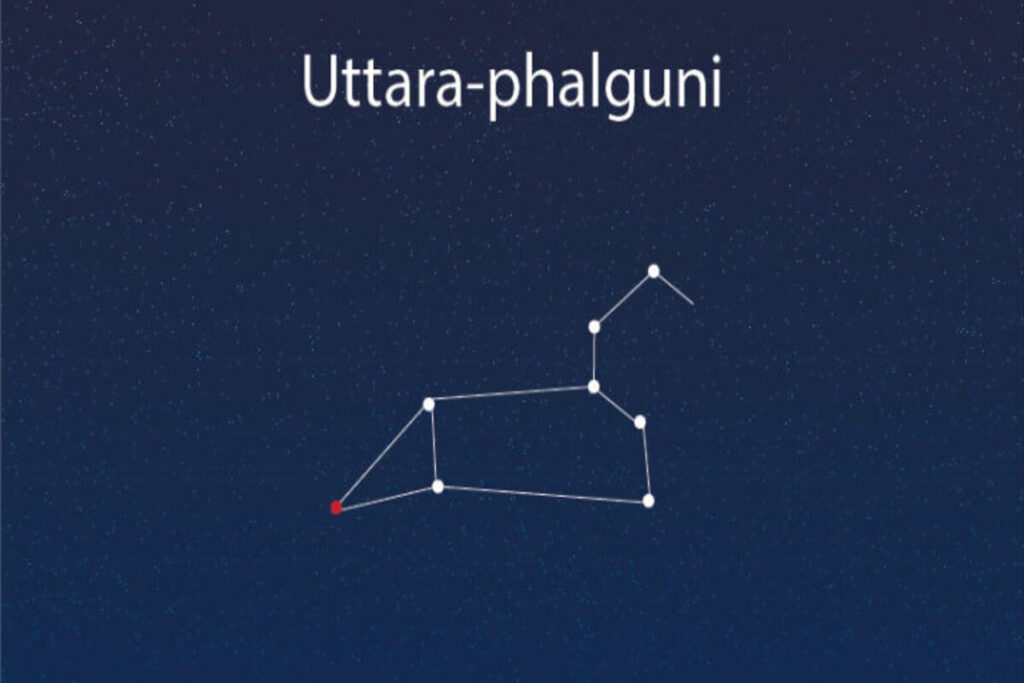
12. Uttara Phalguni
Ruling Deity: Aryaman (god of marriage)
Planetary Association: Sun
Unique Traits: Known for their generosity, loyalty, and commitment. They make reliable friends and partners.
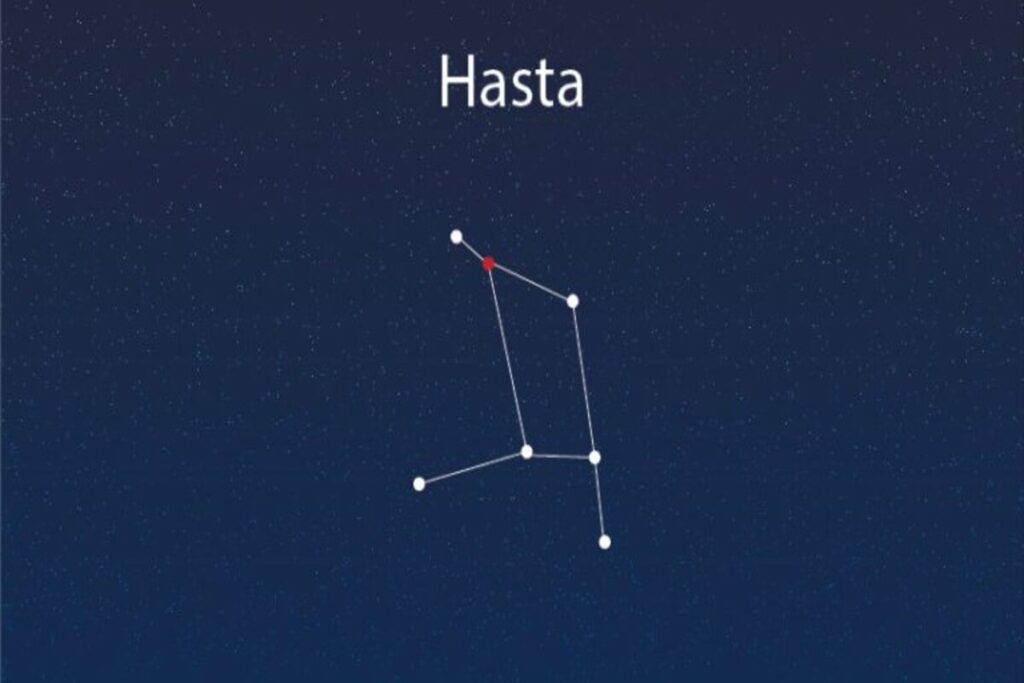
13. Hasta
Ruling Deity: Savitar (solar deity)
Planetary Association: Moon
Unique Traits: Symbolizing dexterity and skill, people born under Hasta often excel in hands-on careers or crafts. They are practical, determined, and efficient.
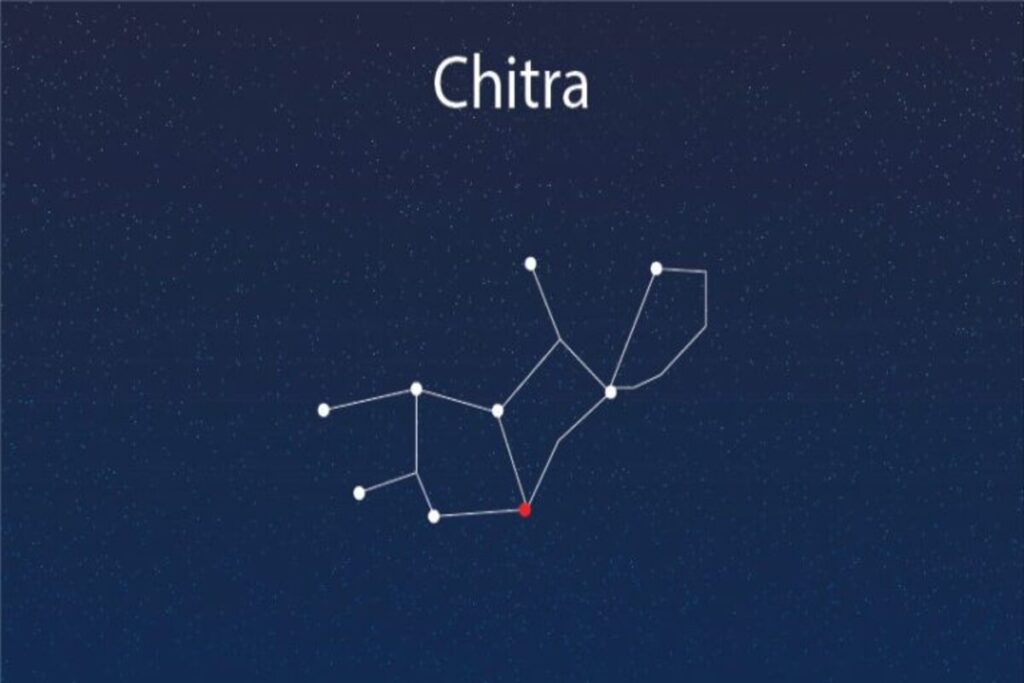
14. Chitra
Ruling Deity: Vishvakarma (architect of the gods)
Planetary Association: Mars
Unique Traits: Known for their creativity, artistic talent, and perfectionism. They are often drawn to the arts and fashion and strive for beauty and harmony.
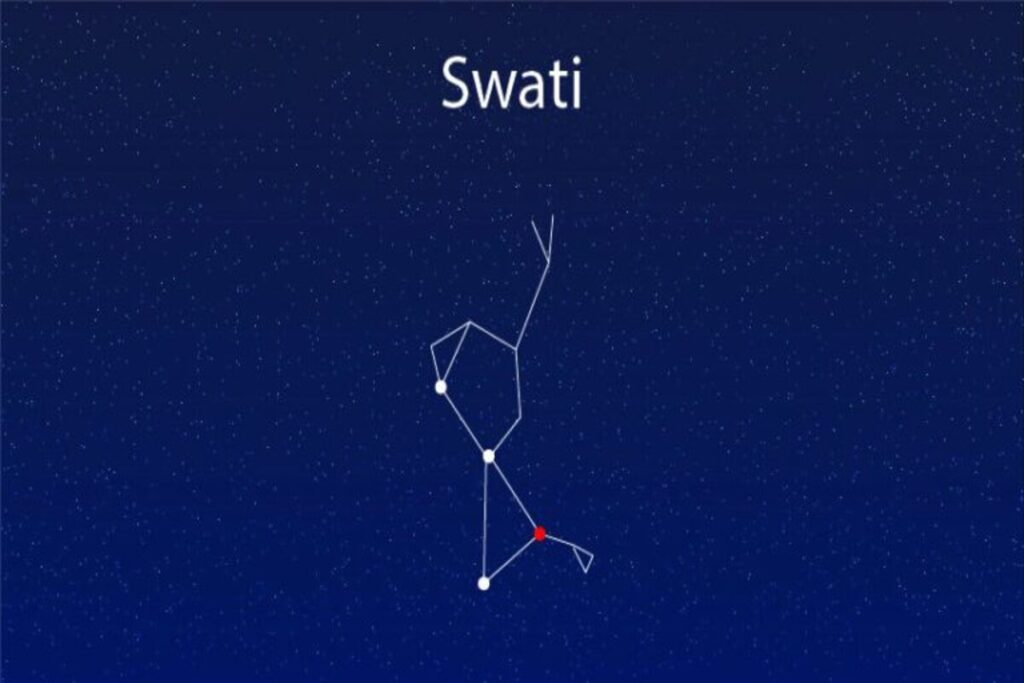
15. Swati
Ruling Deity: Vayu (wind god)
Planetary Association: Rahu
Unique Traits: Swati natives symbolize independence and freedom. They value individuality and have a strong sense of self. They are adaptable and often wanderers at heart.
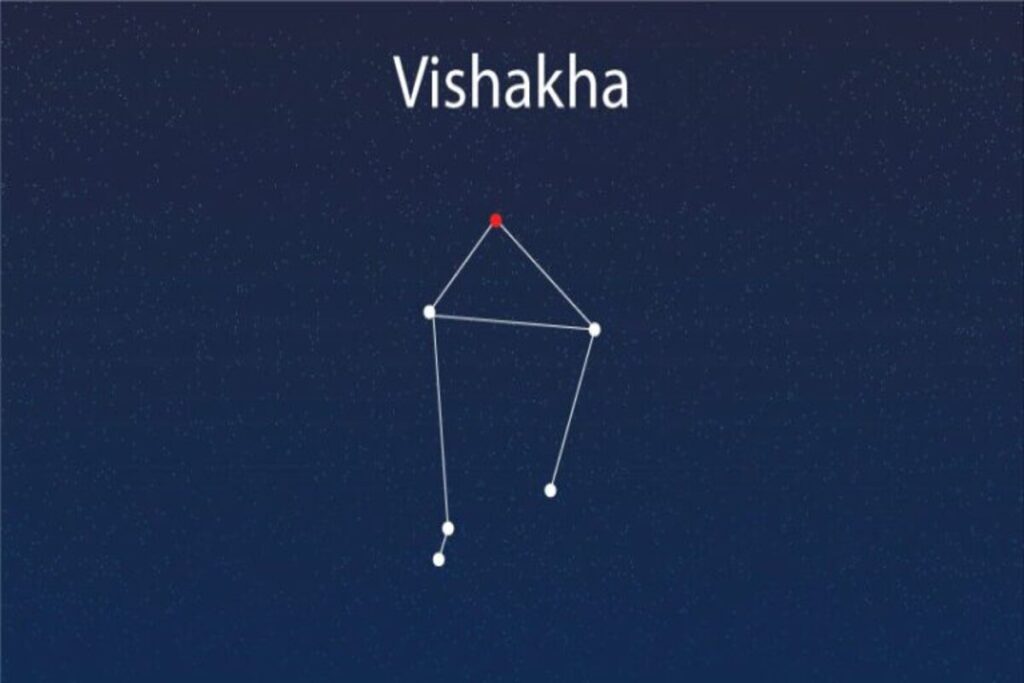
16. Vishakha
Ruling Deity: Indra and Agni (gods of power and fire)
Planetary Association: Jupiter
Unique Traits: Associated with determination and success, Vishakha individuals are goal-oriented and tend to have a deep sense of purpose.
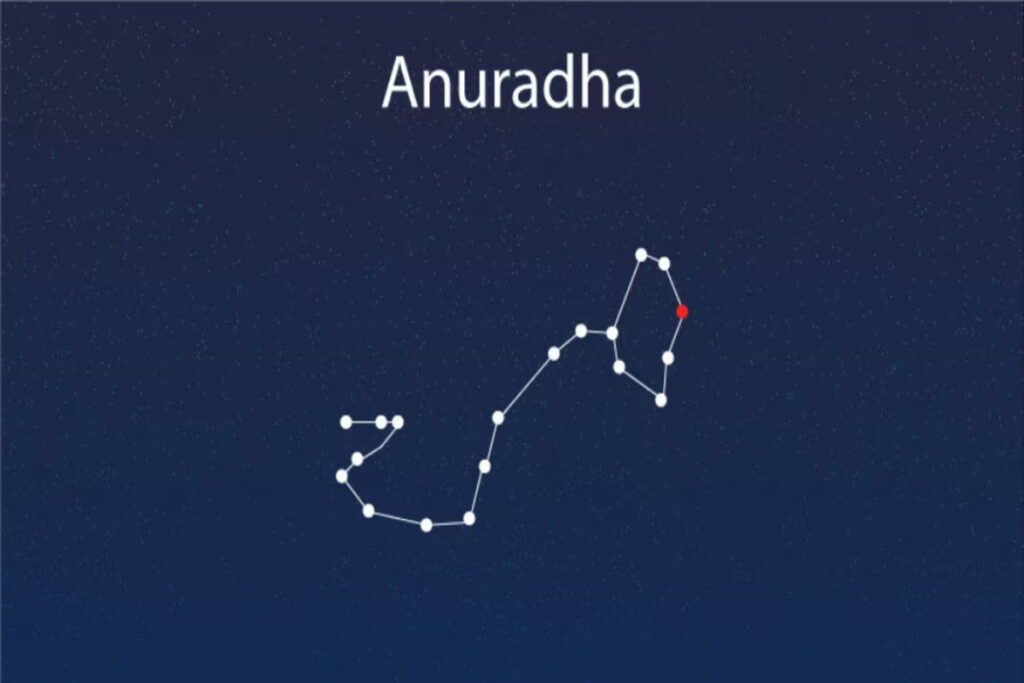
17. Anuradha
Ruling Deity: Mitra (god of friendship)
Planetary Association: Saturn
Unique Traits: Known for their loyalty, discipline, and social skills. Anuradha natives are often the glue that binds groups together.
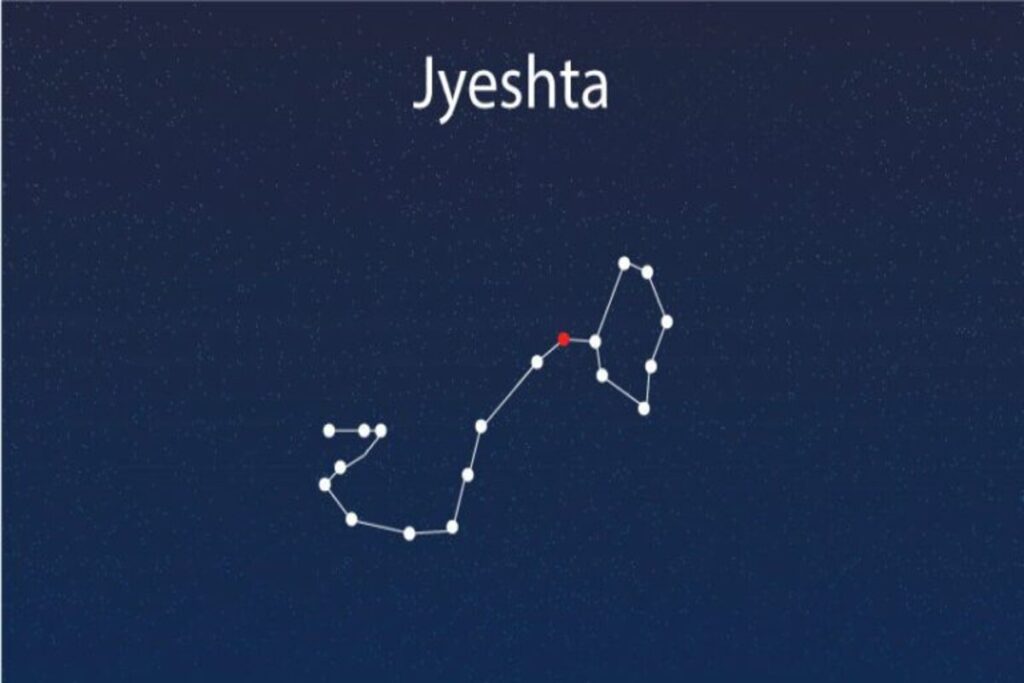
18. Jyeshtha
Ruling Deity: Indra (king of gods)
Planetary Association: Mercury
Unique Traits: Jyeshtha individuals are often powerful, authoritative, and wise. They have a strong sense of responsibility and usually take on leadership roles.
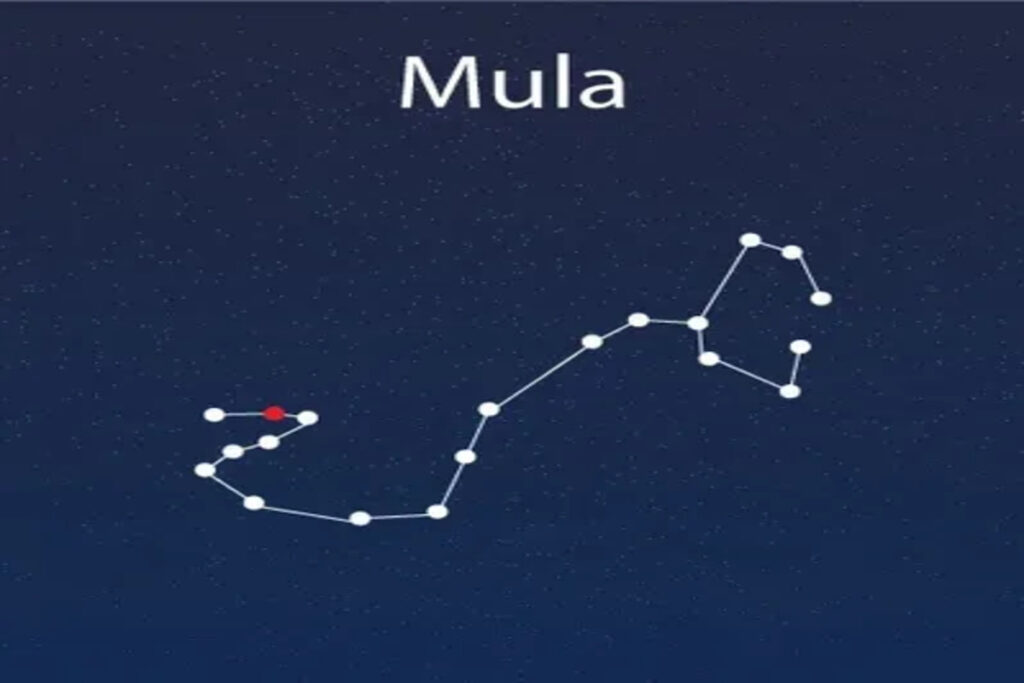
19. Mula
Ruling Deity: Nirriti (goddess of destruction)
Planetary Association: Ketu
Unique Traits: Mula is associated with transformation and endings. People born under this nakshatra often experience significant personal growth through challenges.
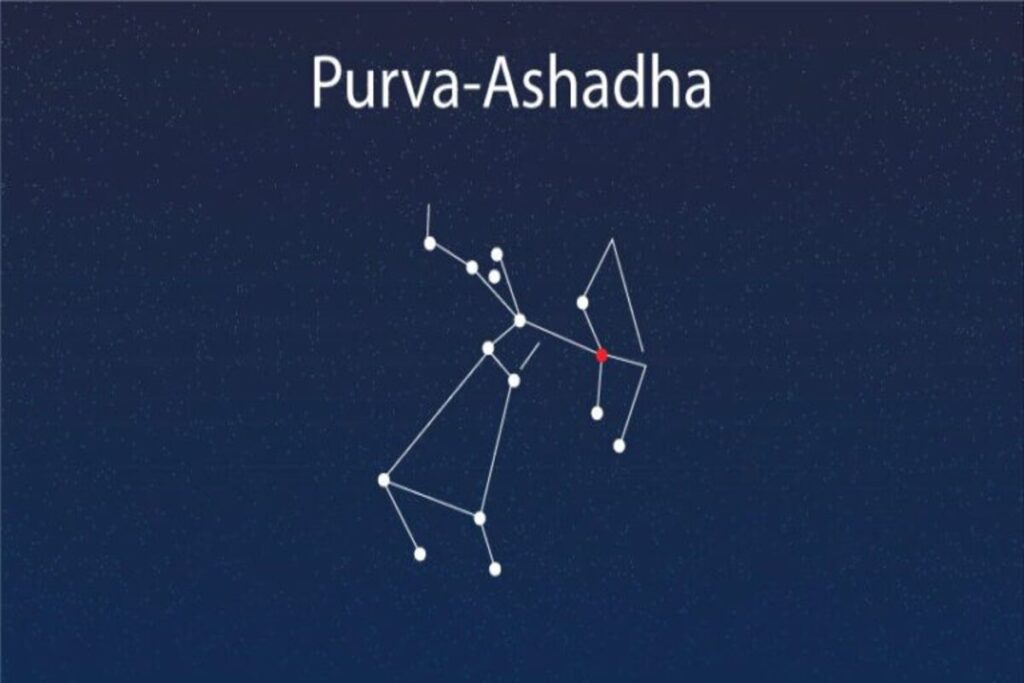
20. Purva Ashadha
Ruling Deity: Apah (goddess of water)
Planetary Association: Venus
Unique Traits: Purva Ashadha natives symbolize victory and optimism. They are often driven by ambition and can overcome obstacles with grace.
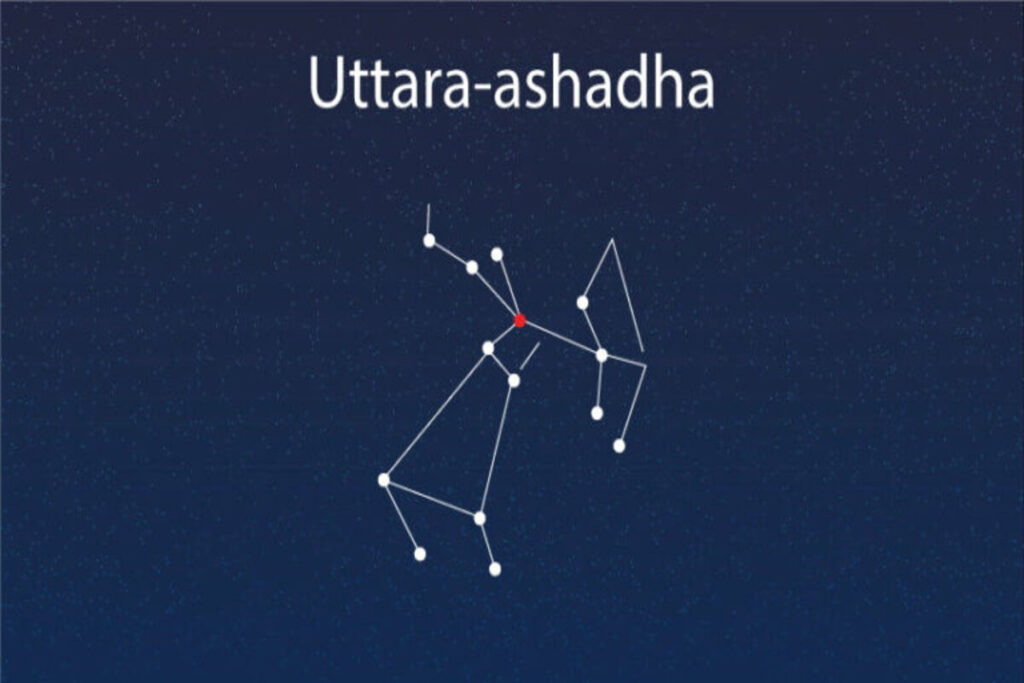
Unique Traits: Known for their perseverance, Uttara Ashadha individuals tend to build long-lasting success and have a strong moral compass.
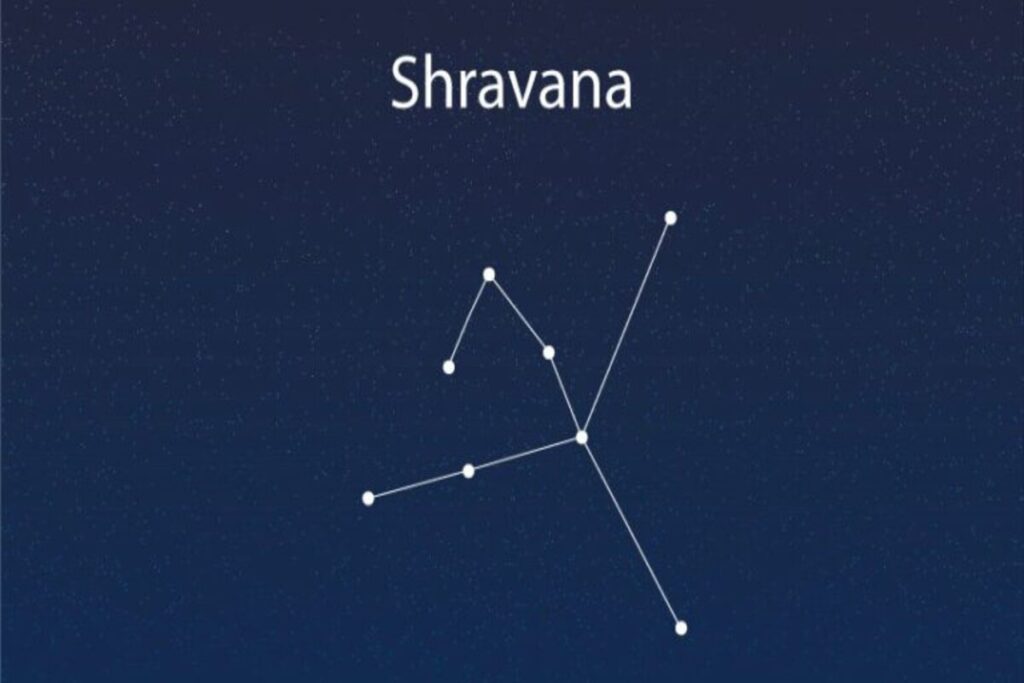
22. Shravana
Ruling Deity: Vishnu (preserver of the universe)
Planetary Association: Moon
Unique Traits: Shravana is associated with wisdom, learning, and communication. Natives are often great listeners, teachers, and scholars.
23. Dhanishta
Ruling Deity: Vasus (deities of wealth and prosperity)
Planetary Association: Mars
Unique Traits: Dhanishta individuals are often prosperous, energetic, and deeply connected to music, rhythm, and abundance.
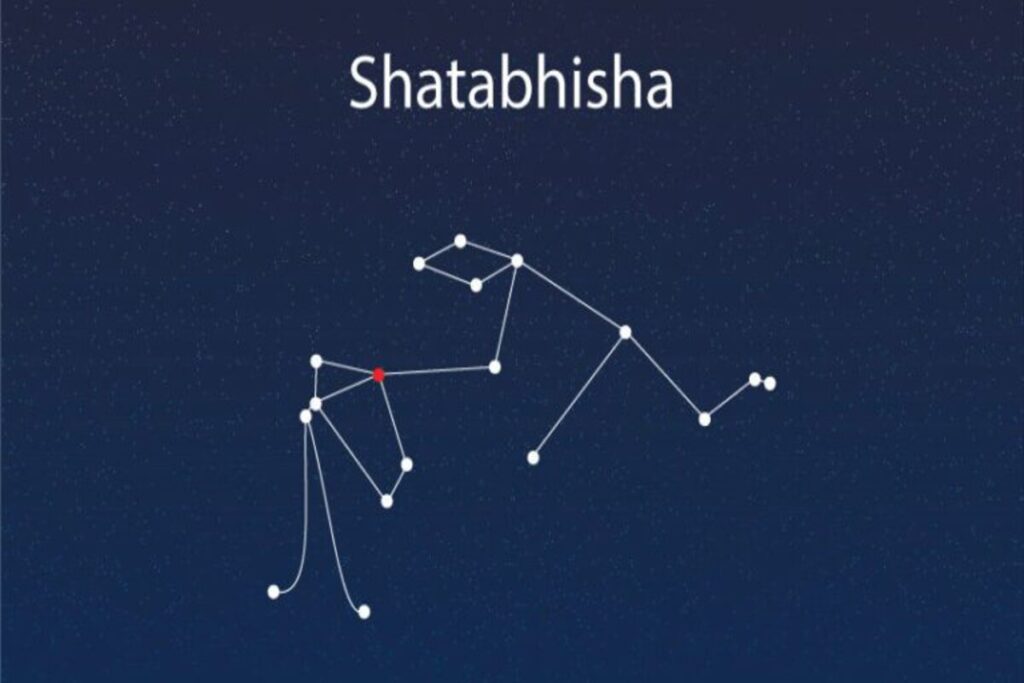
24. Shatabhisha
Ruling Deity: Varuna (god of cosmic order)
Planetary Association: Rahu
Unique Traits: Shatabhisha natives are known for their healing abilities and spiritual depth. They often serve as protectors and guides for others.
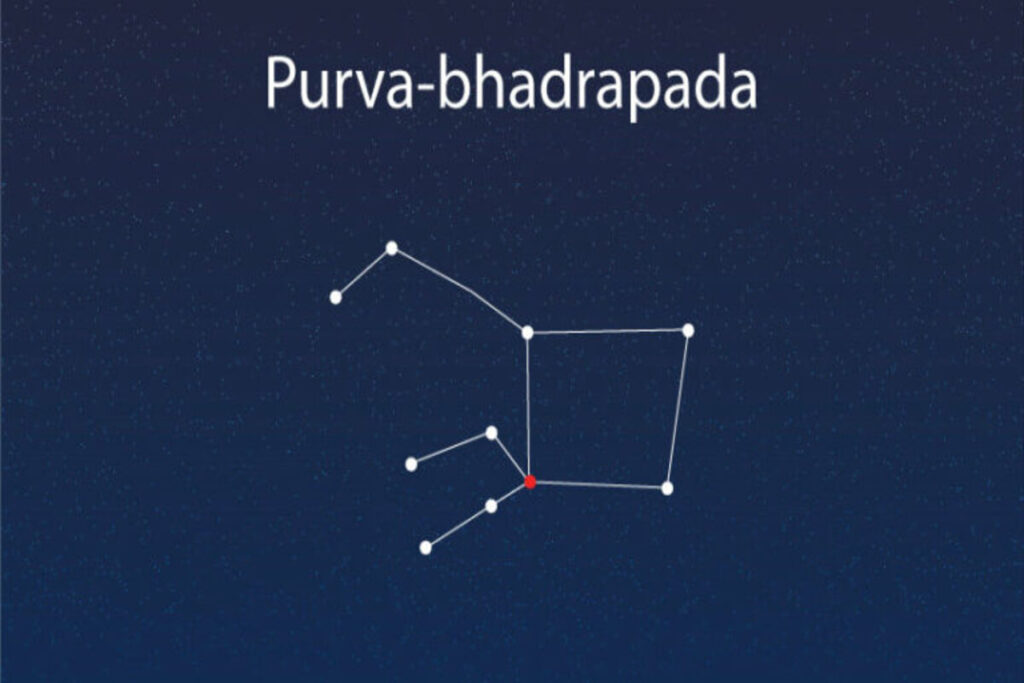
25. Purva Bhadrapada
Ruling Deity: Aja Ekapad (one-footed goat, a form of Rudra)
Planetary Association: Jupiter
Unique Traits: Purva Bhadrapada is associated with transformation and intense spiritual growth, often pushing individuals to embrace change.
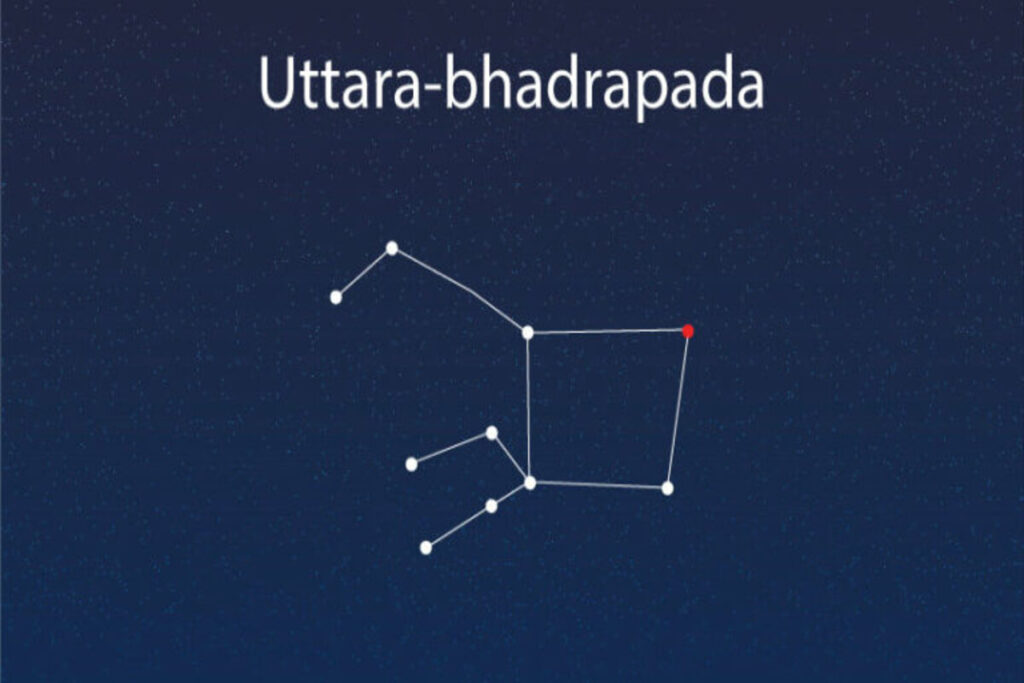
26. Uttara Bhadrapada
Ruling Deity: Ahir Budhnya (serpent deity)
Planetary Association: Saturn
Unique Traits: Individuals born under Uttara Bhadrapada are known for their wisdom, patience, and ability to endure hardships.
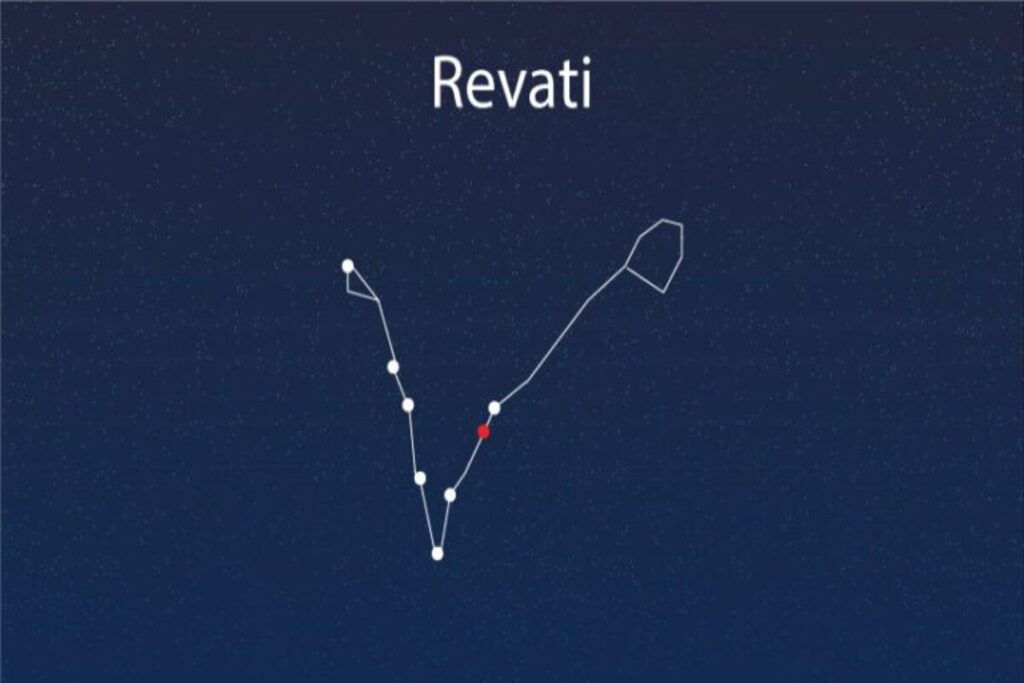
27. Revati
Ruling Deity: Pushan (god of nourishment)
Planetary Association: Mercury
Unique Traits: Revati is associated with compassion, nourishment, and spiritual guidance. Natives are often nurturing and supportive, helping others grow.
Unique Significance of Dhanishta and Shatabhisha Nakshatras
Some 27 nakshatras stand out due to their popularity and profound significance in Vedic astrology and personal growth. Dhanishta and Shatabhisha are often highlighted for their distinct qualities. Find their unique characteristics below:
Dhanishta
Special Focus: Dhanishta is mainly known for its connection to wealth, rhythm, and music. Its natives are often blessed with prosperity and a natural sense of timing and harmony.
Shatabhisha
Special Focus: Shatabhisha is deeply linked to physical and spiritual healing. Those born under this nakshatra are often involved in professions like medicine or spiritual guidance.
27 Nakshatras List and Their Symbols
Nakshatra
Symbol
Ashwini
Horse head
Bharani
Yoni (female reproductive organ)
Krittika
Razor or flame
Rohini
Chariot or ox cart
Mrigashira
Deer’s head
Ardra
Teardrop
Punarvasu
Bow and quiver
Pushya
Cow’s udder
Ashlesha
Coiled snake
Magha
Royal throne
Purva Phalguni
Swinging hammock
Uttara Phalguni
Bed or cot
Hasta
Palm of a hand
Chitra
Jewel or pearl
Swati
Coral or a sword
Vishakha
Archway or potter’s wheel
Anuradha
Lotus flower
Jyeshtha
Earring or umbrella
Moola
Bunch of roots
Purva Ashadha
Elephant tusk or fan
Uttara Ashadha
Planks of a bed
Shravana
Ear
Dhanishta
Drum or flute
Shatabhisha
100 flowers or an empty circle
Purva Bhadrapada
Sword or a single front leg of a bed
Uttara Bhadrapada
Twin front legs of a bed
Revati
Fish or a pair of fish
Key Characteristics of Nakshatras
Nakshatras (lunar constellations) hold deep symbolic meanings in Vedic astrology. Each Nakshatra is associated with planets, gods, life purposes, energy types (gunas), temperament, animals, and more. These factors help astrologers better understand a person’s nature and destiny.
1. Gender of Nakshatras
Nakshatras are categorized as male or female, which influences their energy.
Male Nakshatras: Ashwini, Jyeshta, Bharani, Pushya, Uttara Phalguni, Uttarashadha, Ashlesha, Magha, Swati, Mula, Shravana, Purvashadha, and Purva Bhadrapada.
Nakshatras are divided into three temperament types:
Deva (Divine) – Soft and kind: Ashwini, Anuradha, Mrigashirsha, Hasta, Punarvasu, Swati, Pushya, and Revati.
Manushya (Human) – Balanced and practical: Bharani, Shravana, Rohini, Ardra, and the Purva & Uttara Nakshatras.
Rakshasa (Demonic) – Strong-willed and intense: Krittika, Magha, Ashlesha, Jyestha, Chitra, Vishakha, Dhanistha, Mula, and Shatabhishak.
Those with more Deva Nakshatras tend to be gentle, while Rakshasa Nakshatras can make a person more assertive or aggressive.
3. Nakshatras and Animals
Each Nakshatra is associated with a specific animal symbol.
These totem animals help understand personality traits and behaviors.
One’s ascendant Nakshatra determines their spiritual connection with a particular animal.
4. Three Types of Gunas (Energy)
Nakshatras are linked to three types of energy levels (gunas), shaping a person’s approach to life:
Rajas (Action & Creation)
Represents energy, ambition, and drive.
Found in Aries, Taurus, Gemini, Cancer, and nine Nakshatras.
Tamas (Materialism & Stability)
Linked to practicality and physical existence.
Found in Leo, Libra, Virgo, Scorpio, and nine Nakshatras.
Sattva (Spiritual Growth & Enlightenment)
Associated with wisdom and transcending materialism.
Found in Capricorn, Sagittarius, Aquarius, Pisces, and nine Nakshatras.
Understanding these Nakshatra traits helps in self-discovery, decision-making, and aligning with one’s true nature in astrology.
Importance of Nakshatras in Modern Life
Nakshatras add depth to astrology by refining how we interpret planetary influences. Astrologers can understand how your Nakshatra interacts with the planets at the time of your birth and then offer more accurate predictions.
Practical Uses in Personal Growth and Decision-Making: Understanding your nakshatra can also guide you in making better decisions and growing personally. For example, if your nakshatra has a strong connection to leadership, you may feel drawn to roles where you can lead. This matches your natural strengths. You might find peace in more reflective activities if your nakshatra leans toward introspection.
Rituals and Spiritual Practices: In Hinduism, nakshatras guide the timing and effectiveness of rituals and festivals. Each nakshatra carries its energy, influencing different deities and aspects of life. To tap into celestial energies, you should perform rituals that align with the right nakshatra.
Maximizing Benefits by Aligning Spiritual Activities with Nakshatras: Aligning your spiritual practices with your nakshatra can make them more effective. Start planning your spiritual activities around the nakshatras. By aligning your personal goals with the cosmic forces at play, you make each action more meaningful and effective for your growth and healing.
Charting Life Through the Stars
In this guide, we’ve looked closer at Nakshatras, central to Vedic astrology. We’ve explored the list of Nakshatras, each with its traits, deities, and ruling planets. Start by learning about these, and you can better align your actions with cosmic energies, creating more harmony in your life.
Nakshatras have an impact much more than astrology. They shape cultural traditions, rituals, and even the timing of important events. Now that you’ve gained this knowledge, you can approach life with a deeper understanding of your cosmic identity. Whether you’re looking for guidance on personal growth or want to explore the spiritual meaning of the stars, Nakshatras can help you understand your path in the universe.
In Vedic astrology, Nakshatras are lunar constellations that play a key role in shaping your birth chart. Unlike zodiac signs, which are based on the Sun’s position, Nakshatras focus on the Moon’s position at the time of your birth. Each Nakshatra has unique characteristics, energies, and qualities that affect your personality, behaviour, and life journey.
How are nakshatras different from zodiac signs?
Nakshatras and zodiac signs are central to astrology but differ in significant ways. Zodiac signs are based on the Sun’s path through the sky and focus on broad personality traits. Nakshatras, however, are tied to the Moon’s movement, making them more connected to your emotional and psychological nature. There are 27 Nakshatras, each with its own qualities and ruling deities. This gives a more detailed look into your potential, fate, and karmic lessons.
Who is the king of nakshatra?
In Vedic astrology, Pushya Nakshatra is revered as the “King of Nakshatras.” It is regarded as the most auspicious and favorable of the 27, symbolizing nourishment, prosperity, and success.
Who is the queen of all Nakshatras?
Rohini (रोहिणी), regarded as the goddess of stars in Hinduism, is the beloved consort of Chandra, the moon god. She is also one of the 27 daughters of Prajapati Daksha and his wife Asikni.
Are there 27 or 28 nakshatras?
A nakshatra is one of 27 (occasionally 28) divisions along the ecliptic, each named after a significant star or group of stars in or near that segment. In Western astronomical terms, a nakshatra can be thought of as a constellation.
How does Shatabhisha Nakshatra influence personality?
Shatabhisha Nakshatra, the 24th Nakshatra, is ruled by Rahu. It is linked to healing, secrecy, and a deep connection to intellectual and spiritual pursuits. People born under this Nakshatra are often analytical and curious, constantly seeking knowledge. They are drawn to fields like mysticism, medicine, or science. Shatabhisha natives can appear mysterious or introverted as they hide their feelings.
Who is the father of nakshatras?
The father of nakshatras is Daksha, who is believed to have created the 27 lunar constellations.
What are the 5 main nakshatra?
The five main nakshatras are: Rohini, Pushya, Magha, Uttara Phalguni, and Revati.
Authored by, Muskan Gupta Content Curator
Muskan believes learning should feel like an adventure, not a chore. With years of experience in content creation and strategy, she specializes in educational topics, online earning opportunities, and general knowledge. She enjoys sharing her insights through blogs and articles that inform and inspire her readers. When she’s not writing, you’ll likely find her hopping between bookstores and bakeries, always in search of her next favorite read or treat.