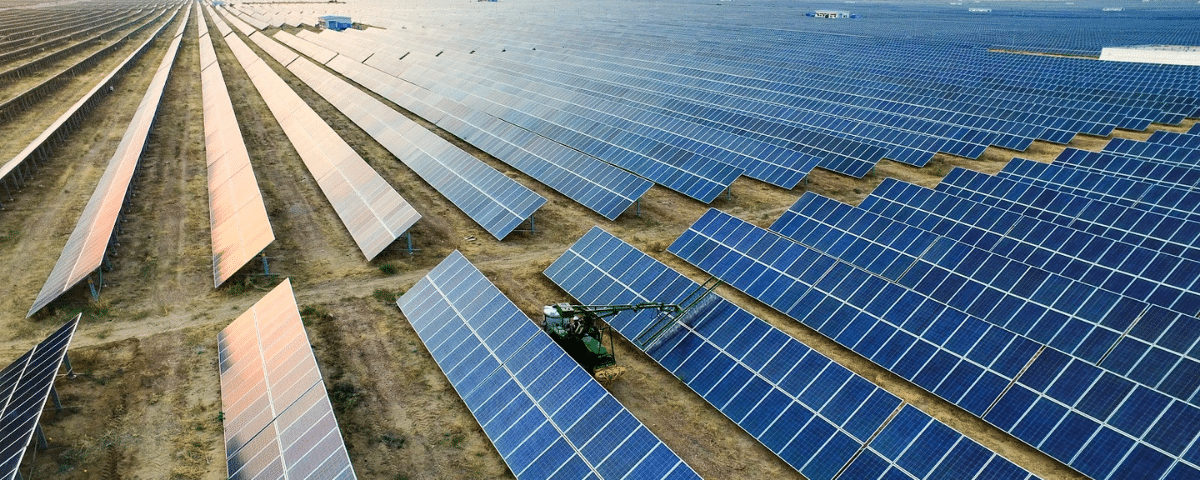
India has emerged as one of the global leaders in solar energy, driven by its abundant sunlight, favorable geography, and increasing focus on sustainable development. Over the past decade, the country has rapidly expanded its solar capacity, making it a cornerstone of India’s renewable energy strategy. Among its landmark projects, the Bhadla Solar Park in Rajasthan stands out as the largest solar power plant in India and the world, with a total capacity of 2,245 MW spanning the vast Thar Desert.
This massive initiative exemplifies India’s commitment to reducing dependence on fossil fuels, embracing solar power in India as a clean energy alternative, and addressing climate change. The largest solar power plants in India, including Bhadla Solar Park, play a critical role in achieving the nation’s ambitious targets of 500 GW renewable energy capacity by 2030 and net-zero emissions by 2070. Solar energy strengthens India’s energy security, drives economic growth, creates jobs, and promotes rural development. With continued investment in solar capacity expansion, rooftop installations, and hybrid projects, India is positioning itself as a global renewable energy leader.
India’s march toward clean energy is best symbolized by the Bhadla Solar Park in Rajasthan, the largest solar power plant in the country and one of the biggest in the world.
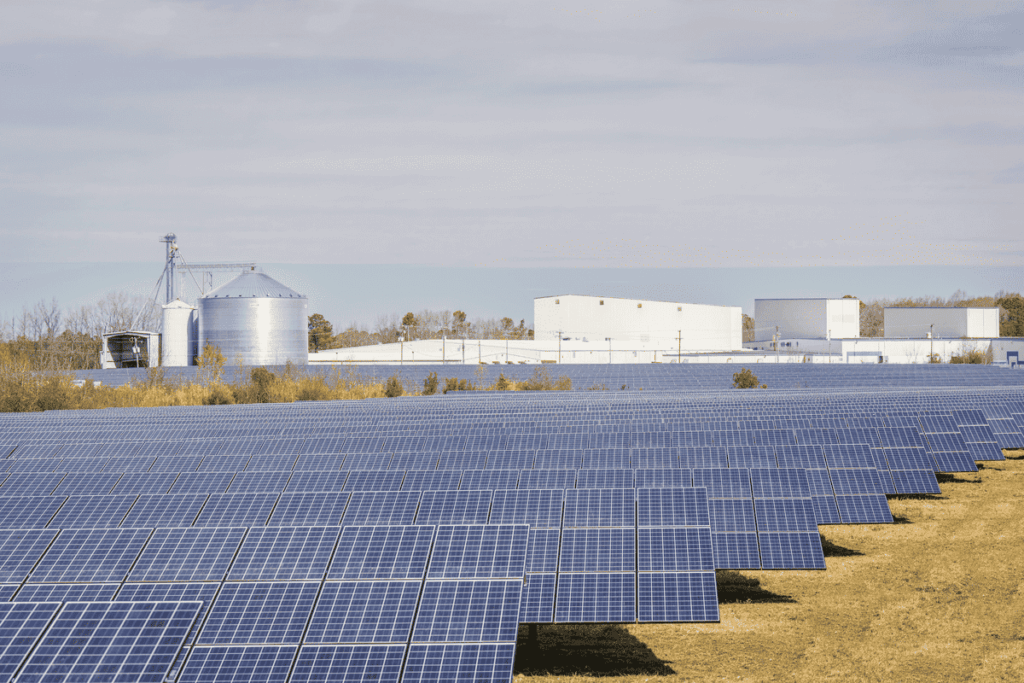
Bhadla Solar Park is located in the arid region of the Thar Desert in Rajasthan, about 200 km north of Jodhpur. The site was chosen due to its high solar radiation, clear skies, and barren land with minimal agricultural use. Covering nearly 5,700 hectares, the park is among the largest solar installations in the world.
The total installed capacity of the Bhadla Solar Park is 2,245 MW, developed in four phases between 2015 and 2020. Each phase was divided into projects, ranging from smaller 50 MW plants to large-scale 300 MW units, awarded to different developers through competitive bidding. This phased approach allowed gradual expansion while ensuring grid stability and financial feasibility.
The solar park is a collaborative effort involving both government and private players. Key contributors include:
The estimated investment for the solar park is around ₹9,850–10,000 crore, funded through a mix of government support, private investments, and international financing. Competitive bidding helped reduce solar tariffs, making Bhadla a benchmark for low-cost solar energy in India.
Bhadla Solar Park is crucial in India’s clean energy transition, as it reduces dependence on coal-based power. It is estimated to cut around 4 million tonnes of CO₂ emissions annually. The project also provides local employment during construction and maintenance, improves infrastructure in remote areas, and has set record-low solar tariffs, making renewable energy more affordable.
Despite its success, the project encountered several challenges:
| Attribute | Details |
|---|---|
| Location | Bhadla, Phalodi Tehsil, Jodhpur District, Rajasthan |
| Capacity | 2,245 MW (fully commissioned) |
| Commissioning Year | Completed by 2020 (phased development from 2015 onwards) |
| Developers | Rajasthan Renewable Energy Corporation Ltd (RRECL), Adani Renewable Energy Park Rajasthan, ACME Solar, SB Energy, NTPC, Hero Future Energies, and others |
| Area | Around 5,700 hectares (≈56 sq. km / 14,000 acres) |
| Estimated Cost | ₹9,850–10,000 crore (approx. US$1.3–1.4 billion) |
Apart from Bhadla, the other biggest solar power parks contribute to India’s energy transition. Here’s a list of solar power plants in India.
| Rank | Solar Power Plant | Location | Capacity | Area | Year Commissioned | Developer(s) |
|---|---|---|---|---|---|---|
| 1 | Pavagada Solar Park | Karnataka | 2,050 MW | ~13,000 acres | 2018–2019 | KSPDCL |
| 2 | Kurnool Ultra Mega Solar Park | Andhra Pradesh | 1,000 MW | ~5,900 acres | 2017 | APSPCL |
| 3 | NP Kunta / Ananthapuramu Solar | Andhra Pradesh | 978 MW | ~7,900 acres | 2016 onwards | APSPCL & Partners |
| 4 | Rewa Ultra Mega Solar Project | Madhya Pradesh | 750 MW | ~1,590 acres | 2018 | RUMSL |
| 5 | Charanka Solar Park | Gujarat | 730 MW | ~2,000 hectares | 2012 onwards | GPCL |
| 6 | Kamuthi Solar Power Project | Tamil Nadu | 648 MW | ~2,500 acres | 2016 | Adani Green Energy |
| 7 | Galiveedu Solar Park | Andhra Pradesh | 600 MW | NA | Phased commissioning | Various Developers |
| 8 | Kadapa Ultra Mega Solar Park | Andhra Pradesh | 600 MW | ~5,900 acres | Ongoing | APSPCL |
| 9 | Bhadreshwar Solar Park | Gujarat | 500+ MW | NA | 2020s | Private Developers |
| 10 | Dholera Solar Park (Upcoming) | Gujarat | 5,000 MW (prop.) | ~11,000 hectares | Under development | GUVNL & Partners |
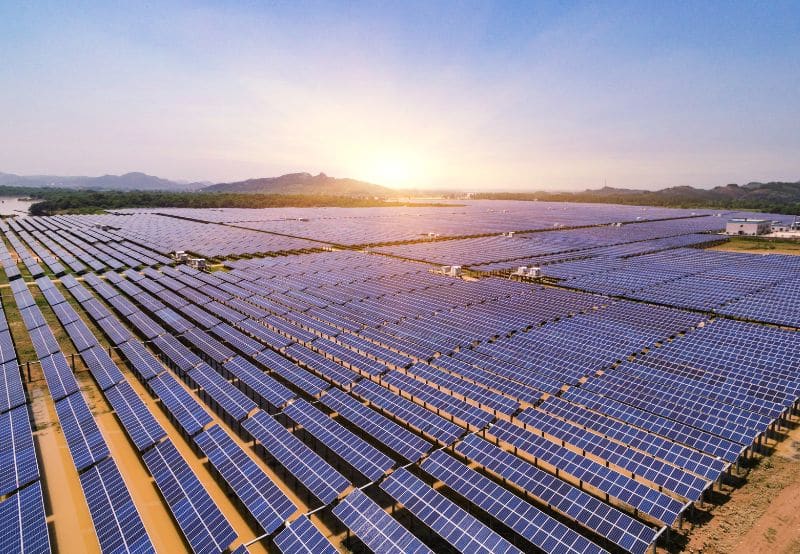
Located in the Tumakuru district, Pavagada Solar Park is India’s second-largest solar park after Bhadla. It spans approximately 13,000 acres of semi-arid land and follows a unique land-leasing model, providing steady income to thousands of local farmers. The project has become a benchmark for community-inclusive renewable energy development, supplying clean electricity to Karnataka and nearby states while promoting local economic growth.
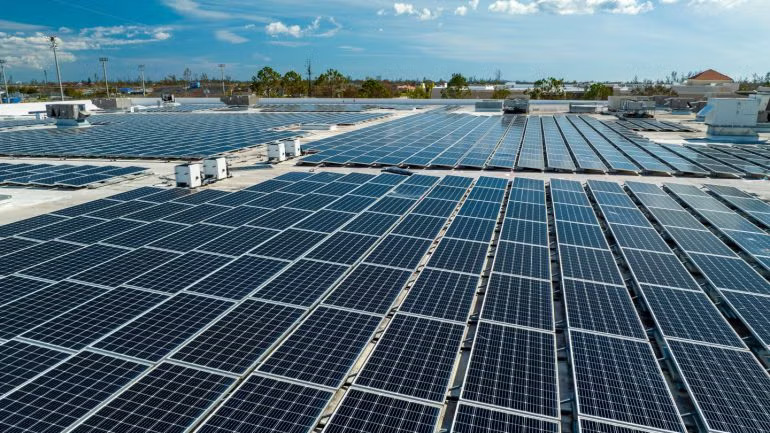
Commissioned in 2017, Kurnool was once India’s largest solar project. Covering nearly 6,000 acres, it primarily supplies electricity to the southern grid, helping reduce dependence on fossil fuels. The park is notable for its high-efficiency panels and advanced grid integration contribute significantly to Andhra Pradesh’s renewable energy capacity.
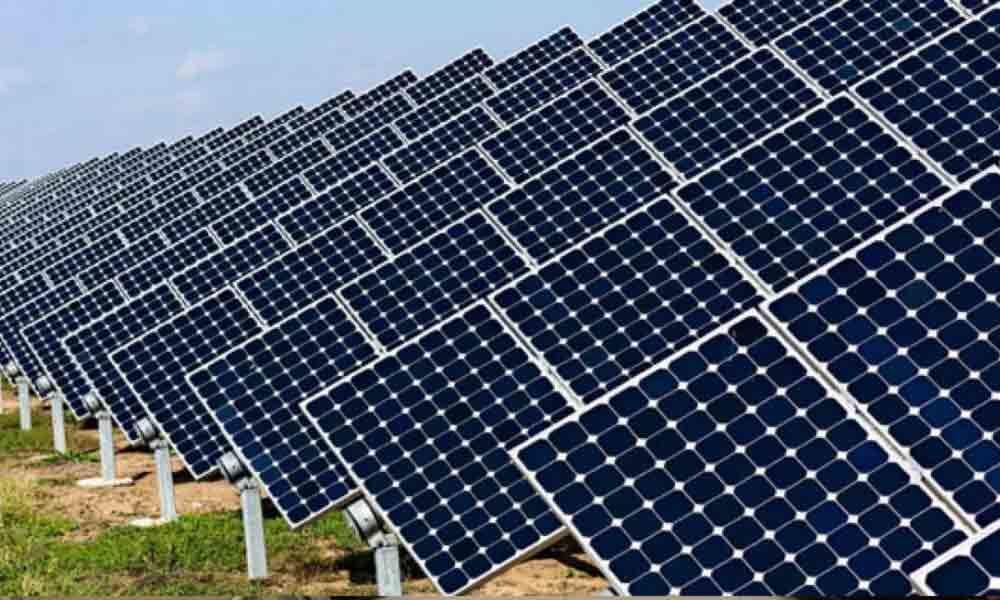
Developed in phases since 2016, this park spans around 7,900 acres and hosts multiple developer projects. Its phased implementation allows flexible capacity expansion and attracts domestic and international investment. The project supports regional energy stability and boosts the local economy through employment and infrastructure development.
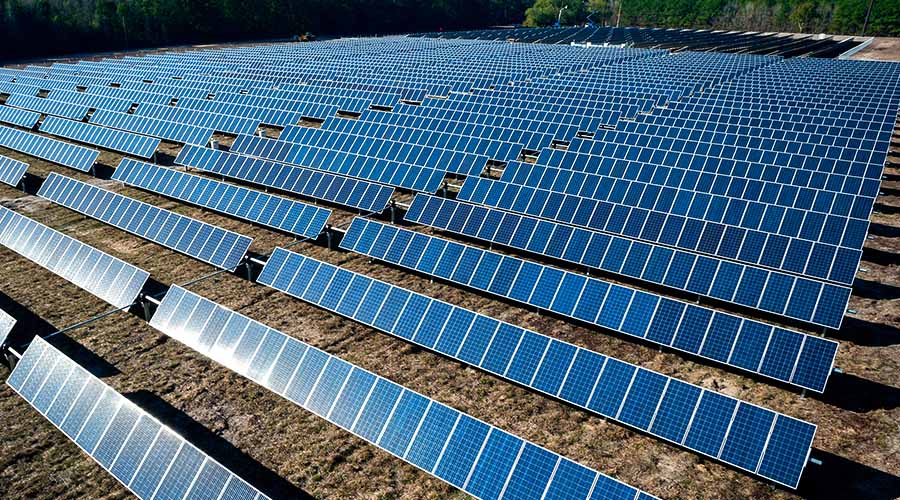
Operational since 2018, the Rewa project gained global attention for its record-low tariffs, making solar energy more affordable for consumers. Supplying power even to the Delhi Metro demonstrates large-scale solar integration into urban infrastructure. Rewa is also recognized for its advanced power evacuation systems and role in promoting competitive solar pricing.
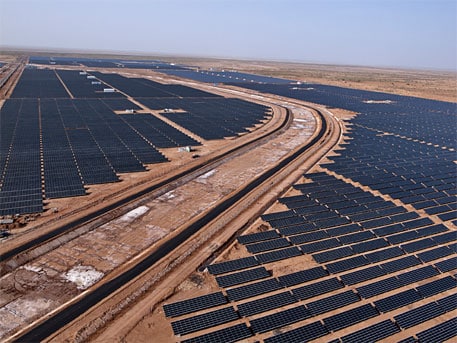
One of India’s earliest large-scale solar parks, Charanka, has been developed incrementally since 2012. It covers ~2,000 hectares and serves as a model for phased development in solar energy. The park pioneered India’s renewable energy policies, particularly in solar auctions and tariff discovery mechanisms.
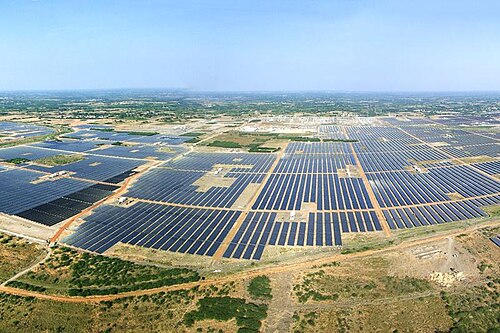
Developed by Adani Green Energy, Kamuthi was once the world’s largest single-location solar project when commissioned in 2016. Spanning ~2,500 acres, it showcases high-efficiency PV technology, sophisticated inverters, and automated monitoring systems. Kamuthi contributes substantially to Tamil Nadu’s renewable energy supply and demonstrates India’s capability to execute mega solar projects.
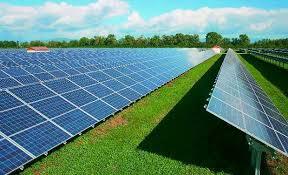
Built in phases by multiple developers, Galiveedu is a key contributor to Andhra Pradesh’s renewable energy mix. The park emphasizes distributed project management, allowing smaller companies to participate in India’s solar growth. It supports local grid stability and provides employment opportunities in the surrounding communities.
Still under phased development, Kadapa is projected to scale up capacity further in the coming years. It is strategically located and benefits from high solar irradiance and plans for integration with storage solutions to enhance grid reliability. The project reflects Andhra Pradesh’s ongoing commitment to expanding clean energy infrastructure.
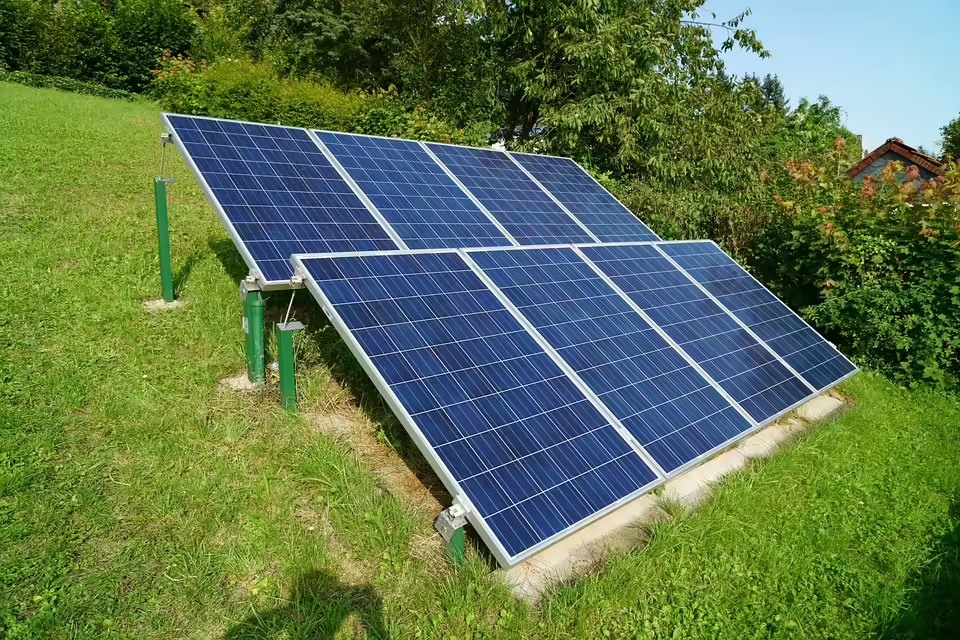
A relatively new addition to Gujarat’s solar portfolio, Bhadreshwar contributes to the state’s leadership in renewable energy. It incorporates modern PV technology and is designed to maximize land use efficiency, while supporting Gujarat’s goal of meeting a large share of its electricity demand from solar power.
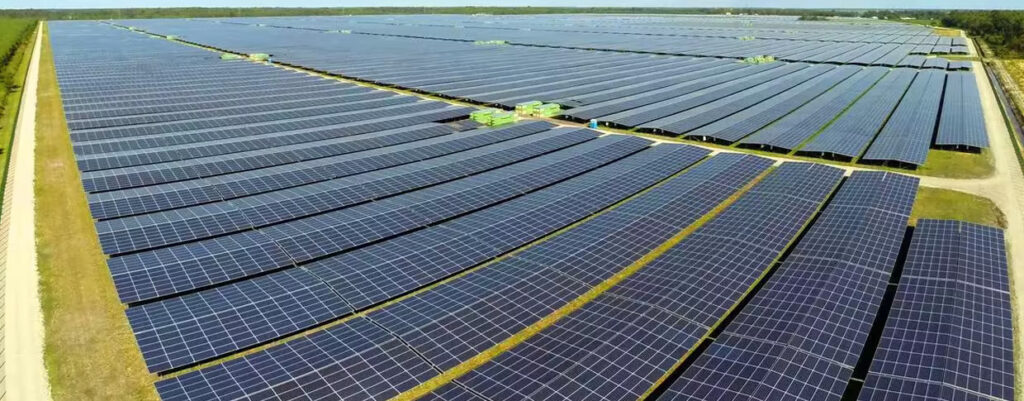
Planned as India’s largest solar park once operational, Dholera will span ~11,000 hectares in Gujarat. The ambitious 5 GW project is under development by GUVNL and partners, featuring advanced solar technology and integration with smart grid infrastructure. It is expected to revolutionize India’s renewable energy landscape, create massive employment opportunities, and significantly advance India’s 2030 renewable energy targets.
Solar power is transforming India’s energy landscape. With abundant sunlight across the country, it offers a clean, sustainable, cost-effective solution to meet growing energy demands. Beyond electricity, solar energy helps reduce carbon emissions, strengthen energy security, and promote rural and economic development. It is a key driver of India’s sustainable growth and a cornerstone of its renewable energy future.
1. Economic Growth & Jobs
The rapid expansion of solar power in India has become a major driver of economic growth. Large-scale solar projects, rooftop installations, and the manufacturing of solar panels generate millions of direct and indirect employment opportunities. The sector supports a wide range of professions from engineers and technicians to construction workers and maintenance staff.
2. Achieving Renewable Goals
Solar energy is at the heart of India’s ambitious renewable energy agenda. With a target of 500 GW of renewable capacity by 2030, solar power is expected to provide a substantial portion of this goal. Large solar parks, rooftop installations, and hybrid projects collectively drive the nation towards a sustainable, low-carbon energy future, while helping India meet its international climate commitments under the Paris Agreement.
3. Reducing Carbon Footprint
Solar energy plays a crucial role in mitigating climate change by replacing coal, oil, and other fossil fuels. Each megawatt of solar power installed reduces greenhouse gas emissions, air pollution, and environmental degradation. Widespread adoption of solar energy contributes to cleaner air, improved public health, and a significant reduction in India’s overall carbon footprint.
4. Energy Independence
Harnessing domestic solar resources reduces India’s reliance on imported fuels, which helps stabilize energy prices and strengthens national energy security. By generating electricity locally, solar power protects the economy from global fuel price fluctuations and enhances resilience against energy shortages, making India more self-reliant and secure.
5. Rural Development
Solar energy is a powerful tool for rural electrification and inclusive growth. Solar projects bring electricity to remote and underserved villages, improving access to education, healthcare, and digital services. Small-scale solar installations, like microgrids and rooftop systems, also enable local businesses and agricultural activities, providing new income streams and enhancing the quality of life in rural communities.
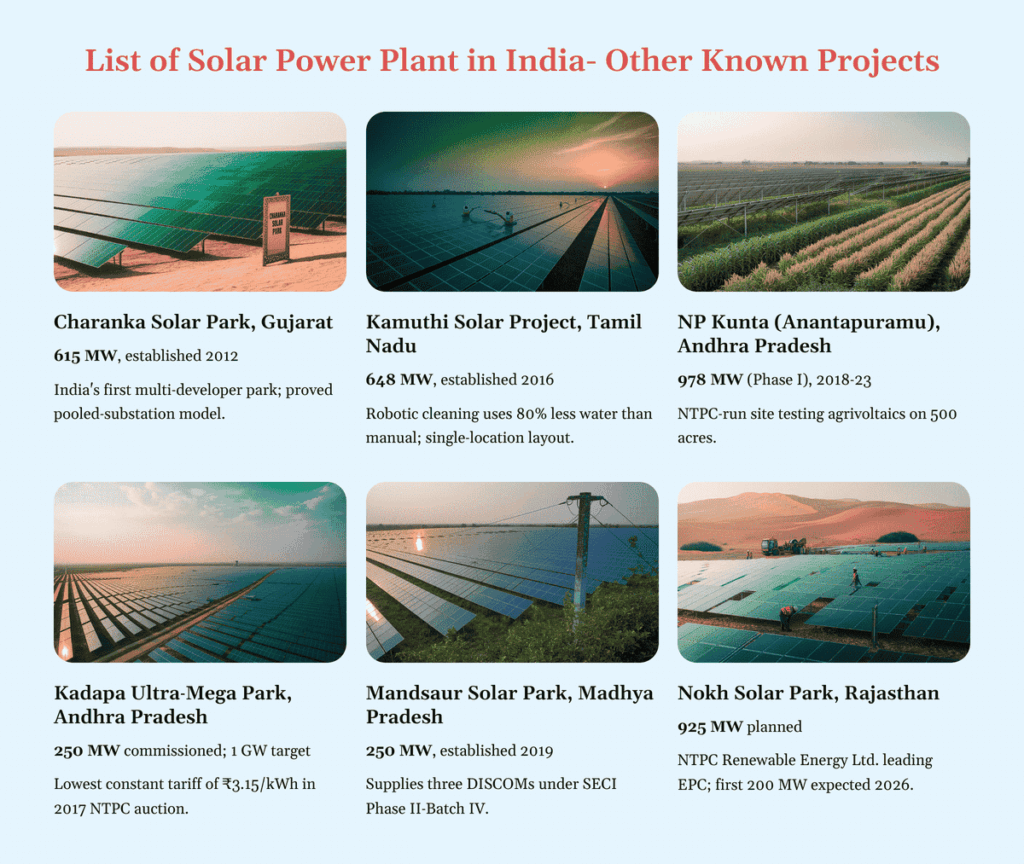
The Bhadla Solar Park in Rajasthan, with a massive capacity of 2,245 MW, stands as the largest solar power plant in India and the world, symbolizing the nation’s remarkable progress in renewable energy. India has emerged as a global leader, ranking among the top three countries in solar capacity, with more than 100 GW installed by 2025. This milestone demonstrates the country’s commitment to sustainability, energy independence, and global climate goals.
India’s solar journey extends far beyond Bhadla. Large-scale parks, rapid rooftop solar adoption, and hybrid projects combining solar with wind and storage are reshaping its renewable base. With 80+ GW under implementation, supportive policies, and a boost to domestic solar manufacturing, India is on track to achieve its ambitious 500 GW non-fossil capacity target by 2030.
Looking ahead, upcoming mega projects like Dholera Solar Park (5,000 MW) and innovative decentralized solutions will fuel economic growth, create jobs, empower rural communities, and reinforce India’s role as a pioneer in building a cleaner, greener, and self-reliant energy future.
Read More:
The Bhadla Solar Park in Rajasthan is India’s largest solar power plant, with a capacity of 2,245 MW and a coverage of 14,000 acres.
The Mundra Thermal Power Station in Gujarat, having a capacity of 4,620 MW, ranks as the second-largest operational power plant in India. It is a coal-fired station owned and run by Adani Power.
Adani’s Khavda Renewable Energy Park in Gujarat is envisioned as the world’s largest single-location renewable project with a planned capacity of 30 GW, combining solar and wind power. By early 2024, 1 GW was commissioned, and by April 2025, construction had significantly advanced across the vast site.
Located in the expansive Thar Desert, the Bhadla Solar Park is Asia’s largest solar farm, spread across 56 square kilometers. With a capacity of 2,245 MW, it represents India’s major stride in renewable energy, recognized by Fenice Energy as a pivotal force in solar power growth.
The Mohammed bin Rashid Al Maktoum Solar Park in Dubai, United Arab Emirates, is recognized as the world’s largest solar power plant. With ongoing expansions, its capacity continues to grow, making it the largest single-site solar park globally.