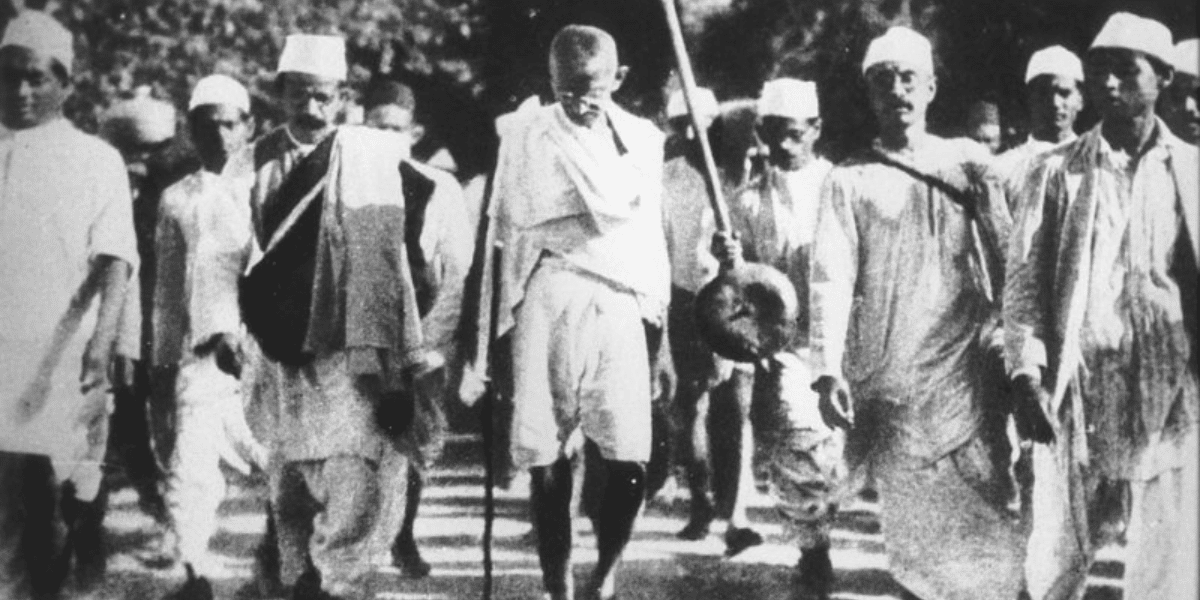
The Khilafat Movement (1919-1924) was a pan-Indian Islamic campaign launched by Indian Muslims to protect the Ottoman Caliphate (Khilafat) from being dismantled by the Allied powers after World War I. Led prominently by the Ali Brothers (Shaukat and Muhammad Ali) and supported by Mahatma Gandhi, the movement sought to rectify the unjust treatment of the Ottoman Empire. This cause became a powerful vehicle for Indian nationalism, culminating in a strategic alliance with Gandhi’s Non-Cooperation Movement that fostered unprecedented Hindu-Muslim unity against British rule. Although initially influential, the movement ultimately collapsed following the abolition of the Caliphate by Turkey itself in 1924 and the eruption of communal violence, which shattered its foundational unity.
The Khilafat Movement, spanning from 1919 to 1924, encompasses several significant dates that shaped its trajectory and impact on India’s socio-political landscape.
| Year | Movement progression |
| 1919: The Emergence of the Movement | The Khilafat Movement began to take shape in 1919 following World War I and the signing of the Treaty of Versailles, which posed a threat to the Ottoman Caliphate. |
| August 23, 1920: Formal Establishment | August 23, 1920, marks the official establishment and widely recognized starting point of the Khilafat Movement. On this date, the movement gained prominence and momentum as Indian Muslims rallied behind the cause of preserving the caliphate. |
| 1920-1922: Period of Intensified Protest | During these years, the Khilafat Movement witnessed intensified protests, strikes, and demonstrations across India, reflecting the widespread support and unity among Indian Muslims. The Khilafat Movement merged with Mahatma Gandhi’s Non-Cooperation Movement in 1920-1922, amplifying its reach and impact. The alignment with the broader Indian nationalist cause led to mass mobilization and civil disobedience against British colonial rule. |
| 1922: Chauri Chaura Incident | The Chauri Chaura incident in 1922, where protesters turned violent and attacked a police station, led Gandhi to call off the Non-Cooperation Movement. This event also marked a turning point for the Khilafat Movement, as its momentum waned. |
| 1924: Dissolution of the Movement | By 1924, the Khilafat Movement had largely dissolved, following the restoration of order by British authorities and internal divisions within the movement. |
The Khilafat Movement emerged against the backdrop of several significant events, including the socio-economic repercussions of World War I, the oppressive Rowlatt Act, the tragic Jallianwala Bagh Massacre, and the Montagu-Chelmsford Reforms.

The Khilafat Movement (1919-1924) was initiated by Muhammad Ali and Shaukat Ali to unite the Muslim community in British India and protect the Ottoman Empire after World War I. The movement aimed to restore the Ottoman Caliphate and achieve Islamic unification. In September 1920, at the Calcutta Session of the Congress, Mahatma Gandhi convinced other leaders to support the Khilafat cause by launching the Non-Cooperation Movement.
The movement gained widespread support across India, transcending cultural boundaries. As news of the collapse of the Ottoman Empire and the threat to the Caliphate spread, the movement grew stronger through newspapers, rallies, and speeches. The alliance with the Indian National Congress and leaders like Gandhi helped amplify the movement’s impact..
The Khilafat Movement, led by prominent freedom fighters Maulana Mohammad Ali and Maulana Shaukat Ali, was a significant political campaign in 1919 aimed at protecting the Ottoman Caliphate after World War I. The movement sought to defend the Caliphate, a symbol of Islamic unity, from British dismantling. The Ali Brothers rallied Muslims across India, urging them to unite against British imperialism. Their efforts not only focused on protecting the Caliphate but also contributed to the broader Indian independence struggle, aligning with Mahatma Gandhi’s Non-Cooperation Movement and fostering Hindu-Muslim unity.
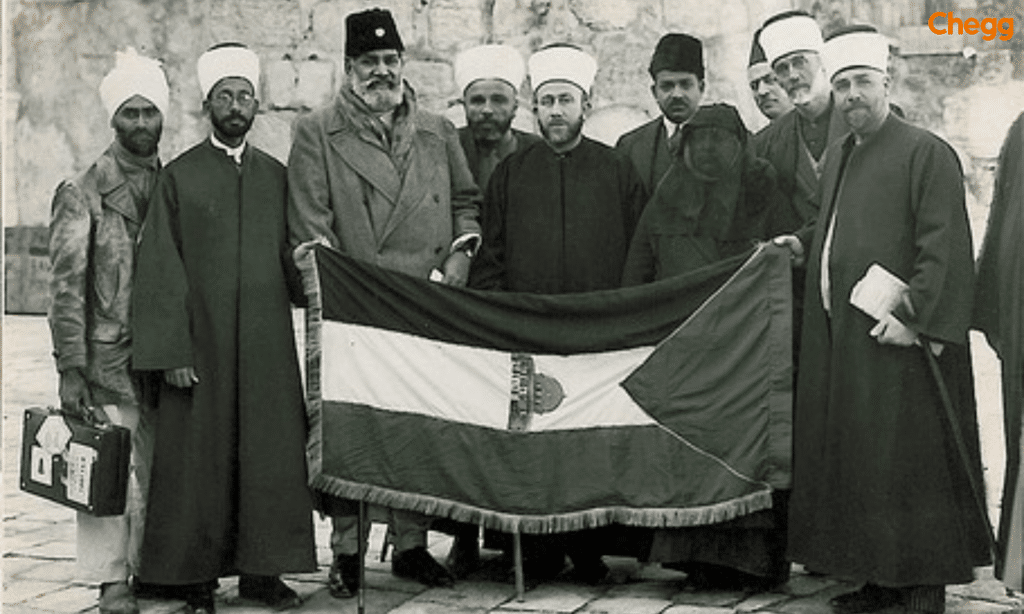
Maulana Mohammad Ali and Maulana Shaukat Ali played a crucial role in energizing the Khilafat Movement, using their writings and speeches to inspire unity and a sense of common purpose among India’s diverse communities.
Their call for Islamic solidarity and national unity linked the Khilafat cause with India’s broader struggle for independence.
Maulana Abul Kalam Azad was instrumental in mobilizing Muslim youth, channelling their energy into the movement with his sharp intellect and powerful oratory.
Azad’s leadership brought a new vitality to the movement, inspiring a wave of young activists committed to the cause.
| Name | Role & Contribution |
|---|---|
| Mohammed Ali & Shaukat Ali (The Ali Brothers) | Inspired and led the movement through powerful speeches and rallies, traveling across India to unite Muslims in resistance. |
| Maulana Abul Kalam Azad | A scholar and orator, he inspired educated Muslims by highlighting the religious importance of the Khilafat cause. |
| Maulana Hasrat Mohani | Advocated for non-violence and unity, promoting harmony across different communities in India. |
| Begum Shaista Ikramullah (wife of Maulana Shaukat Ali) | Empowered Muslim women, encouraging their active participation in the protests for religious rights. |
| Noor Jehan | Influential singer and actress from Lahore; raised awareness by creating patriotic songs that fueled pro-Khilafat and anti-British sentiments. |
| Ashraf Jahan | Inspired and led the movement through powerful speeches and rallies, travelling across India to unite Muslims in resistance. |
| Abdul Bari | Scholar and educationist from Bihar who mobilized Muslim students and teachers, organizing demonstrations and meetings. |
| Zahoor Ahmad | Led the 1921 Khilafat delegation to London, advocating for Khilafat and the rights of Indian Muslims with British officials. |
This table highlights the roles and contributions of key figures in the Khilafat Movement, showcasing their unique influence and dedication to the cause.
The Khilafat Movement arose from a mix of various interconnected circumstances. It shaped India’s independence war and advocated for Islamic unity.
The Khilafat Movement brought Hindus and Muslims closer, which wasn’t common before. Hindus supported Muslims during this time, making things less tense between the two groups, at least temporarily.
Despite its initial momentum, the Khilafat Movement faced several challenges that contributed to its eventual failure. Here are some of the issues that played a part:
The Khilafat Andolan sparked a wave of activism across Indian society. Here’s a breakdown of how different groups participated:
The years 1919-1922 witnessed a surge of Indian nationalism with two intertwined movements: the Khilafat Movement and the Non-Cooperation Movement. Though with distinct goals, they employed a unified strategy of non-violence and non-cooperation, cleverly forging a broad alliance.
Driven by a desire to preserve the Ottoman Caliphate, a symbol of Muslim unity, the Khilafat Movement arose as a response to British policies perceived as detrimental to the Ottoman Empire. Muslim leader Maulana Mehmud Hasan even envisioned a national uprising with Ottoman support. Initially bolstered by Gandhi’s Non-Cooperation Movement, the Khilafat Movement ultimately faltered with the abolition of the Caliphate.
Mahatma Gandhi, in 1920, launched the Non-Cooperation Movement, a non-violent campaign urging Indians to reject cooperation with British institutions. This nationwide movement aimed at complete independence (“Swaraj”) and achieving political and religious freedoms. Gandhi strategically used the Khilafat issue as a bridge, uniting Hindus and Muslims in their common fight against British colonialism. Notably, in Bihar, the movement intertwined with local struggles for grazing rights on government land and peasant rights, highlighting its ability to address local grievances alongside the national cause.
The Khilafat Movement (1919–1924) was a pan-Islamic political protest launched by Indian Muslims to defend the Ottoman Caliphate after World War I. Led by the Ali Brothers (Maulana Mohammad Ali and Shaukat Ali), it opposed British actions against Turkey. The movement gained national significance when Mahatma Gandhi supported it and linked it with the Non-Cooperation Movement. It became a symbol of Hindu-Muslim unity during the freedom struggle. However, the movement faded after Mustafa Kemal Atatürk abolished the Caliphate in 1924, ending its relevance.
In conclusion, the Khilafat Movement (1919-1924), though ultimately unsuccessful in its primary objective of restoring the Ottoman Caliphate, remains a watershed moment in the history of India’s freedom struggle. Its true significance lies in its unprecedented success in forging Hindu-Muslim unity, bringing millions of Indian Muslims into the fold of the Indian National Movement under the leadership of Mahatma Gandhi.The movement’s strategic alignment with the Non-Cooperation Movement provided massive popular strength to both campaigns, marking the first nationwide satyagraha. While its collapse following the Chauri Chaura incident and the abolition of the Caliphate by Turkey led to disillusionment, it demonstrated the powerful collective force of unified action.
The lasting impact of the Khilafat Movement is dual-edge it represents the peak of interfaith solidarity in the fight against colonial rule, but its failure also sowed the seeds for the eventual growth of communal politics. Despite its shortcomings, it undeniably redefined mass mobilization and left an indelible mark on India’s journey to independence.
Read More:-
Several leaders came together and joined the Khilafat movement in India. Some of the prominent leaders are Mahatma Gandhi, Maulana Shaukat Ali, and Maulana Mohammad Ali. All of the great leaders fought with everything they had and helped to demolish British rule.
In addition to advocating for a broader non-cooperation campaign, Mahatma Gandhi supported the movement as part of his resistance to the British Empire. The initiative received backing from prominent Hindu and Congress leaders, including Vallabhbhai Patel and Bal Gangadhar Tilak.
Under Maulana Mohammad Ali and Shaukat Ali, the movement had its start in Gujarat. They organized public gatherings to raise awareness of the dangers facing Khilafat. Their lectures incited resentment against the British and catered to the religious feelings of Muslims.
The movement primarily targeted the British, advocating for the reversal of the Bengal partition. Led by Muhammad Ali and Shaukat Ali, its main goal was for the Turkish Sultan or Khalifa to retain authority over China and India.
The Khilafat Movement was started in 1919 to defend the authority of the Ottoman Caliph, seen as a religious leader by Indian Muslims. It was a protest against the harsh terms imposed on Turkey by the British after World War I and ran parallel to Gandhi’s Non-Cooperation Movement.
The Khilafat Movement was formally launched and led by prominent Indian Muslim leaders Shaukat Ali and Muhammad Ali Jauhar (known collectively as the Ali Brothers). They were key founders of the movement and served as its primary organizers and spokesmen. In 1920, they secured a pivotal strategic alliance with Mahatma Gandhi and the Indian National Congress, who incorporated the Khilafat cause into the broader Non-Cooperation Movement, significantly expanding its reach and impact.
The Khilafat Movement (1919-1924) was a significant pan-Indian political campaign initiated by Indian Muslims to protect the Ottoman Caliphate (Khilafat) from being dismantled by the British and Allied powers after World War I. It is historically notable for its strategic alliance with Mahatma Gandhi’s Non-Cooperation Movement, which temporarily fostered unprecedented Hindu-Muslim unity in the fight against British colonial rule.
The Khilafat Movement ended when Mustafa Kemal Atatürk abolished the Caliphate in 1924 and established a secular republic in Turkey. With the Caliphate gone, the movement lost its purpose and gradually faded, ending Muslim political unification under this cause in India.