Hinduism is deeply rooted in worshiping Lord Shiva, one of the principal deities of the Trimurti, representing the cycle of creation, preservation, and destruction. Among the most sacred manifestations of Shiva are the Jyotirlingas, revered shrines where he is believed to have appeared in the form of a fiery column of light. The word “Jyotirlinga” itself means “radiant sign of Shiva,” symbolizing his boundless power and eternal presence.
There are traditionally 12 Jyotirlingas in India, each with immense spiritual significance and a rich history that attracts millions of devotees yearly. These shrines, spread across different states, are pilgrimage centers and symbols of cultural unity and timeless faith. For Shiva devotees, visiting the Jyotirlinga list in India is considered a path toward liberation, divine blessings, and inner peace.
Exploring the 12 Jyotirlinga names and their stories offers profound insight into the philosophy of Shaivism and the enduring devotion that continues to shape India’s spiritual heritage.
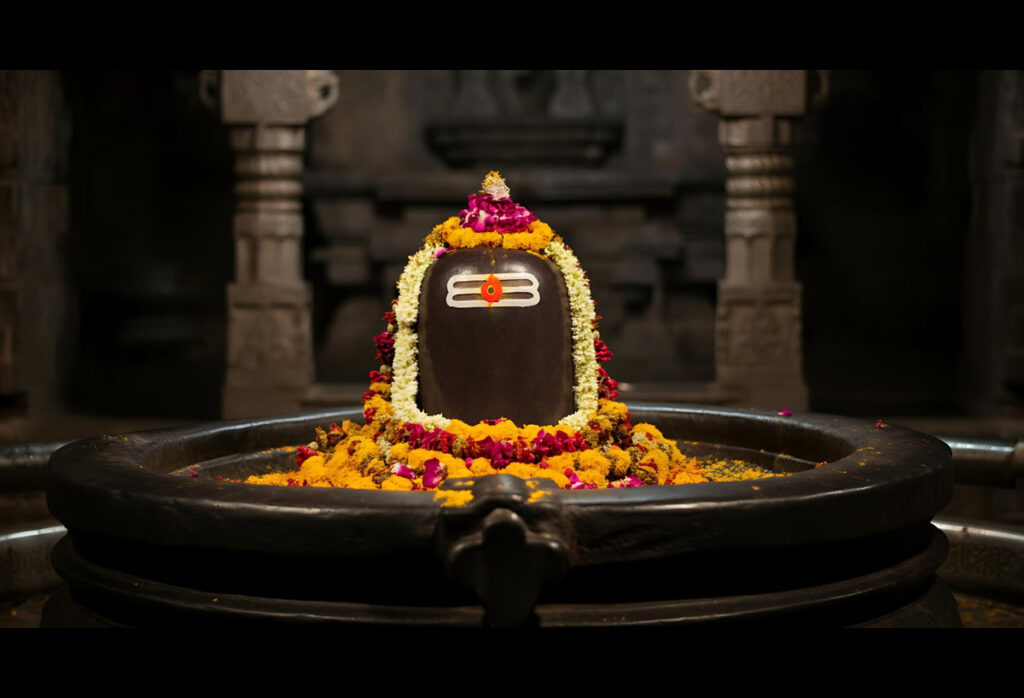
A Jyotirlinga, meaning “pillar of light,” is one of the most sacred symbols of Lord Shiva. It represents his infinite energy, divine presence, and eternal cosmic power. Across India, there are 12 revered Jyotirlingas, each holding immense spiritual and religious significance for devotees. Unlike traditional idols, these shrines are believed to manifest Shiva’s radiant, boundless light, symbolizing his role as the creator, preserver, and destroyer of the universe.
Each Jyotirlinga is linked to unique legends, stories, and spiritual teachings, making it an important pilgrimage destination. Devotees visit these shrines seeking blessings, spiritual growth, and a deeper connection with Shiva’s divine energy, following traditions preserved for centuries.

The following table provides a concise overview of the 12 Jyotirlinga names, their locations, and a brief note on their significance. This serves as a quick reference for devotees and travelers alike.
| Jyotirlinga Name | Location (State/City) | Significance |
|---|---|---|
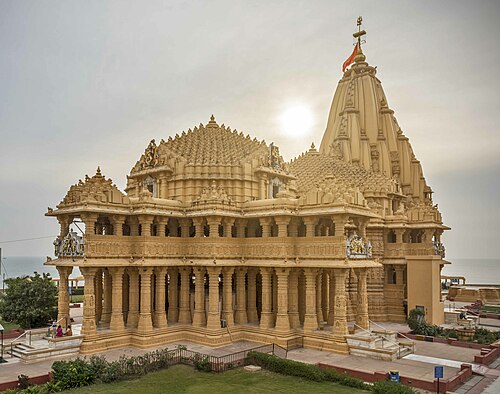
| Somnath | Prabhas Patan, Gujarat | Believed to be the first Jyotirlinga; represents the eternal cycle of creation and dissolution. |
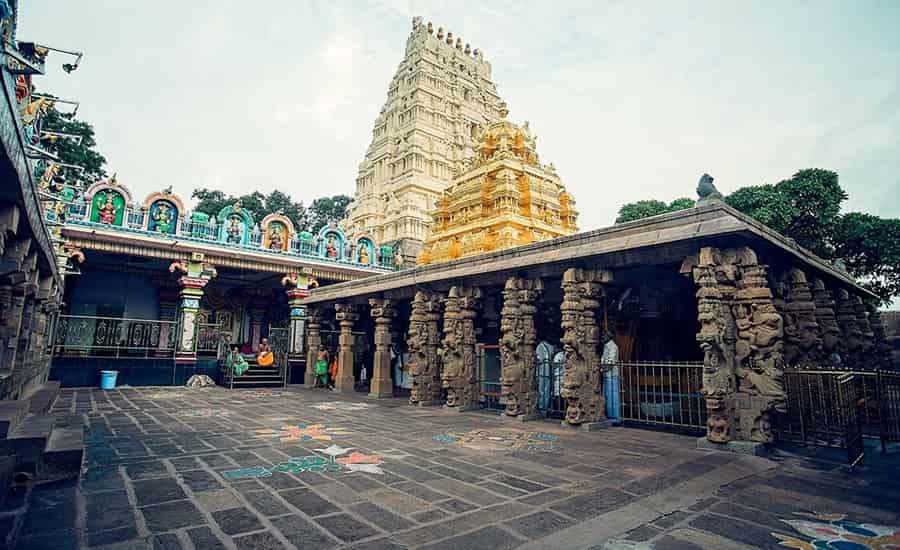
| Mallikarjuna | Srisailam, Andhra Pradesh | Symbolizes Shiva’s union with Parvati; revered for granting spiritual liberation. |
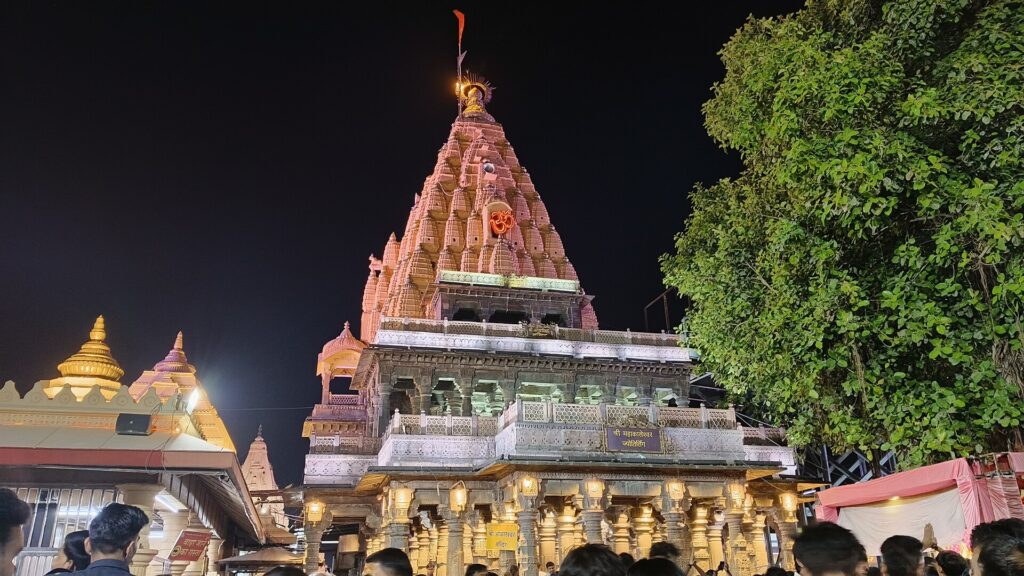
| Mahakaleshwar | Ujjain, Madhya Pradesh | Known for the fierce, “Mahakala” form of Shiva; protects devotees from negative influences. |
| Omkareshwar | Khandwa, Madhya Pradesh | Situated on an island shaped like Om; embodies cosmic consciousness. |
| Kedarnath | Kedarnath, Uttarakhand | Sacred Himalayan shrine; associated with penance and salvation. |
| Bhimashankar | Pune, Maharashtra | Believed to purify sins; nestled in the Sahyadri hills. |
| Kashi Vishwanath | Varanasi, Uttar Pradesh | One of the holiest pilgrimage sites; grants moksha to devotees. |
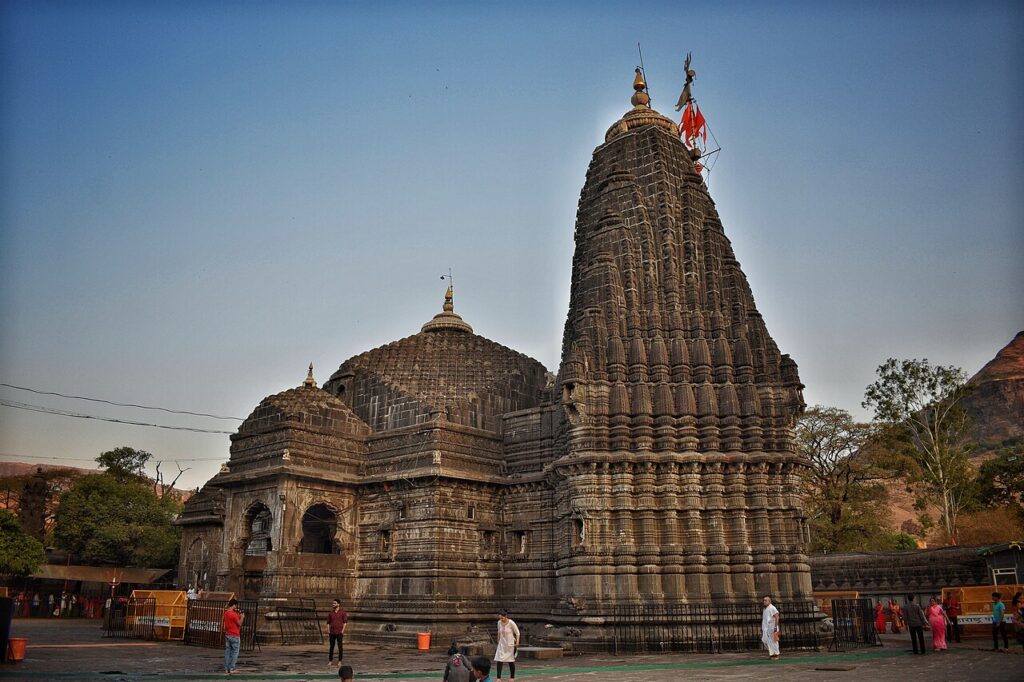
| Trimbakeshwar | Nashik, Maharashtra | Linked to the origin of the Godavari River; symbolizes unity of divine energies. |
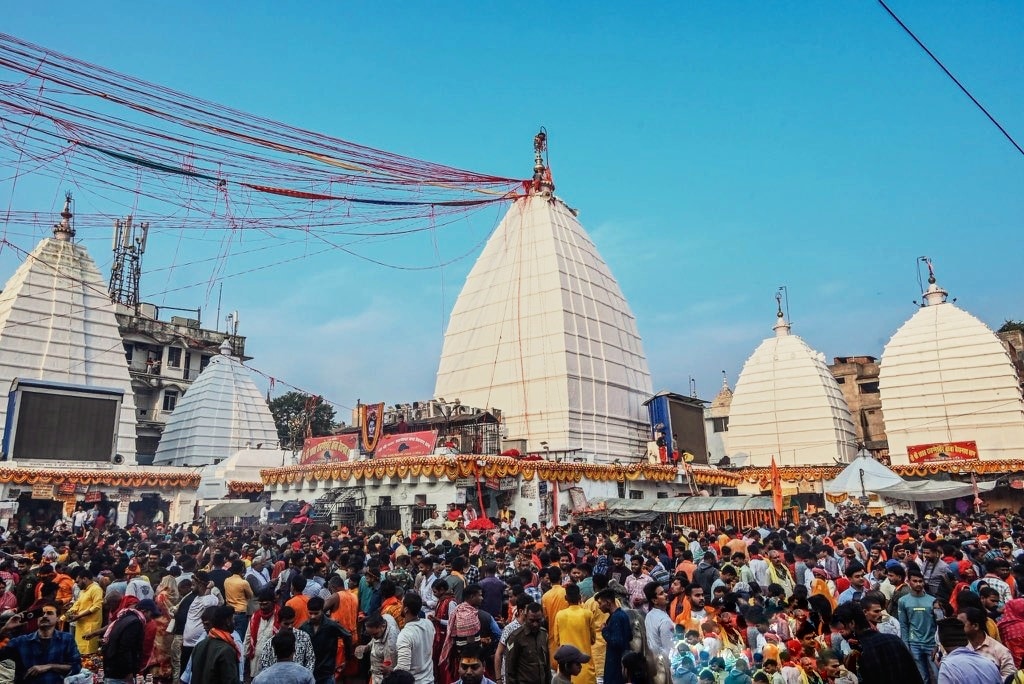
| Vaidyanath | Deoghar, Jharkhand | Known as the “God of Healing”; devotees seek health and spiritual blessings. |
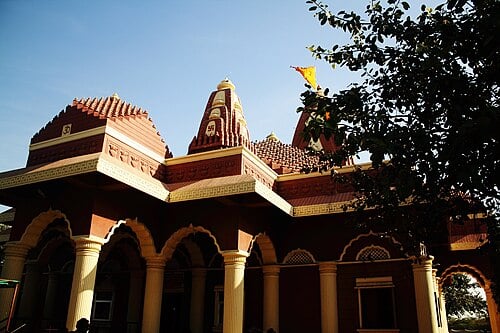
| Nageshwar | Dwarka, Gujarat | Protects from all poisons and negative energies; symbolizes divine power. |
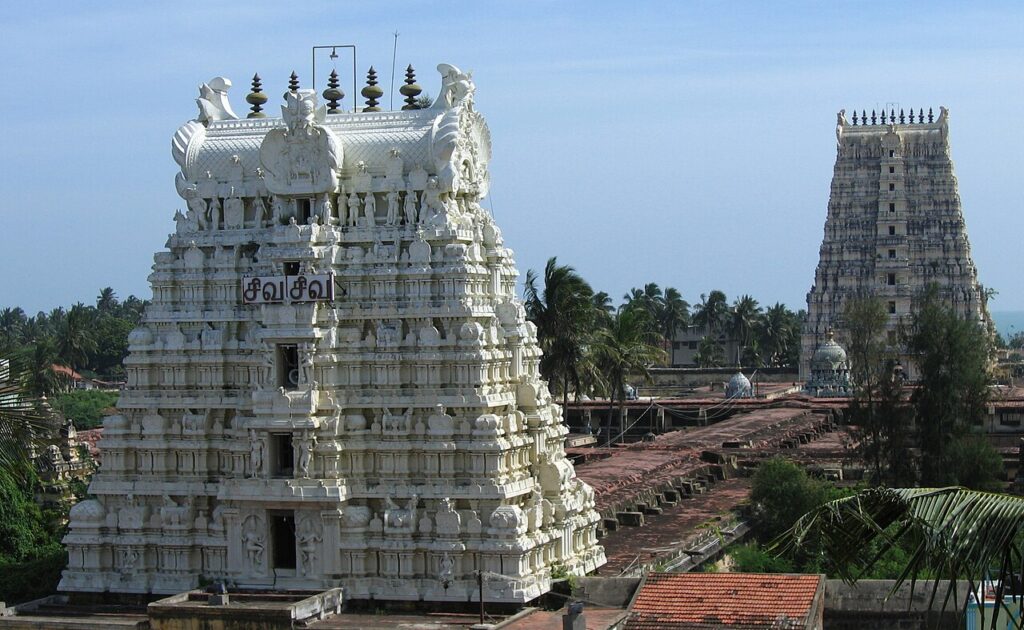
| Rameshwar | Rameswaram, Tamil Nadu | Associated with Lord Rama’s worship of Shiva; represents devotion and fulfillment of vows. |
| Grishneshwar | Ellora, Maharashtra | Smallest Jyotirlinga; signifies eternal devotion and cosmic balance. |
The concept of Jyotirlinga has roots in the ancient Shiva Purana, which narrates the divine manifestations of Lord Mahadev across India. According to the Purana, the gods and sages once sought to determine the supreme deity among the Trimurti. To resolve this, Lord Shiva appeared as an infinite column of light, the Jyotirlinga, which could neither be measured nor comprehended. This luminous form symbolized Shiva’s omnipresence and boundless power, establishing the tradition of worship at twelve sacred sites across the country.
The term “Jyotirlinga” is derived from Jyoti, meaning light, and Linga, meaning symbol of Shiva. Together, they signify the “radiant sign of Shiva,” representing his eternal energy and divine illumination. Each Jyotirlinga is believed to carry a unique spiritual essence, resonating with different aspects of cosmic power and human life, including protection, prosperity, knowledge, and liberation.
Visiting all 12 Jyotirlingas in India is a profound spiritual journey for devotees. This pilgrimage with devotion is believed to purify the soul, remove karmic obstacles, and bring one closer to moksha (liberation). The practice of visiting these sacred shrines not only reinforces faith in Lord Shiva but also connects pilgrims with India’s rich spiritual and cultural heritage. Over centuries, these Jyotirlinga temples have become centers of learning, devotion, and festivals, attracting millions seeking spiritual enlightenment and a deeper understanding of Shiva’s timeless significance.
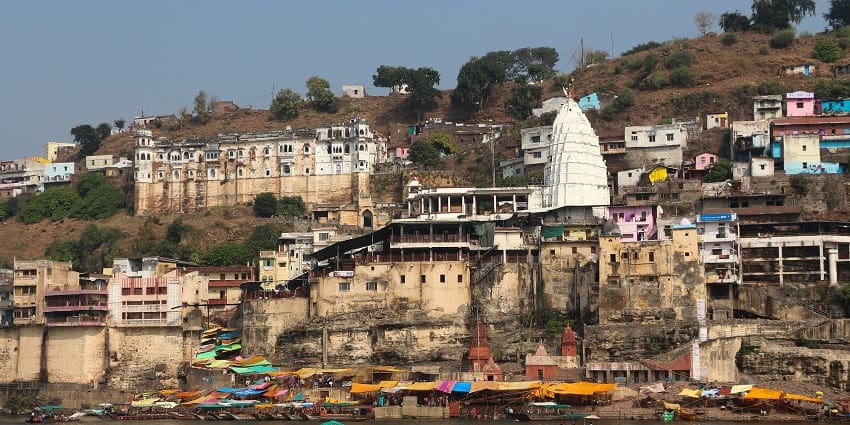
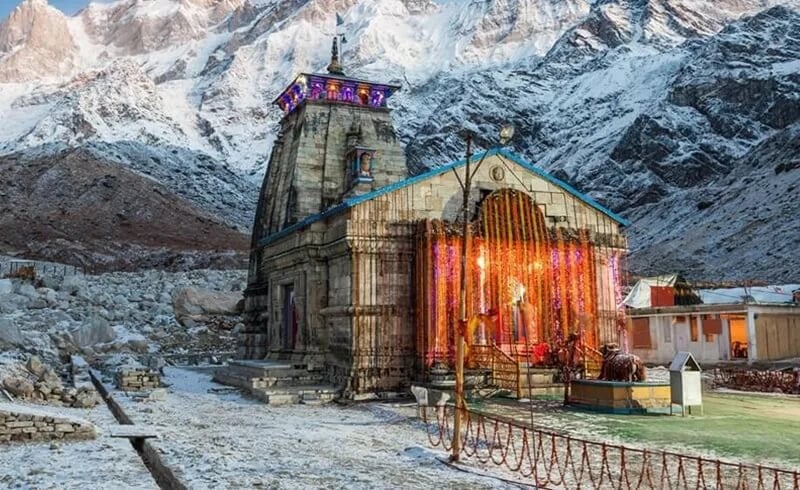
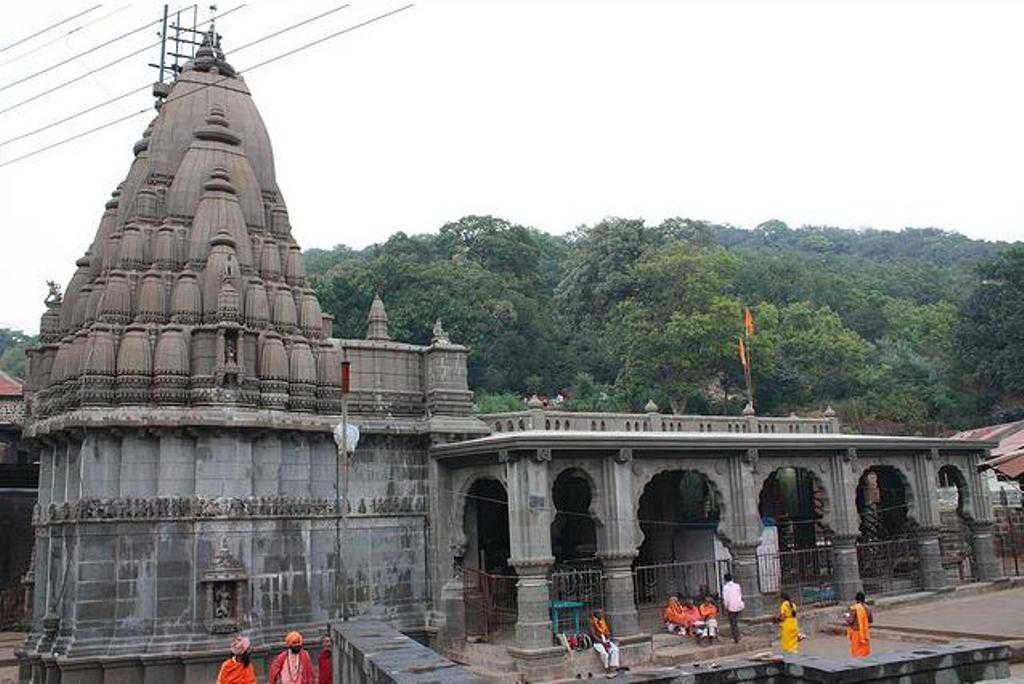
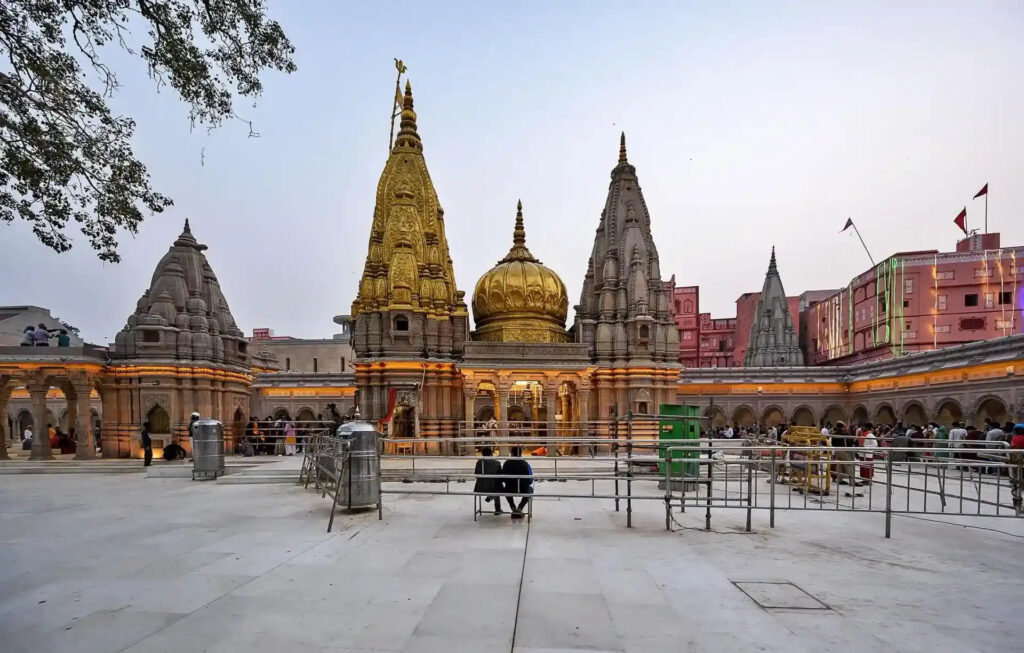
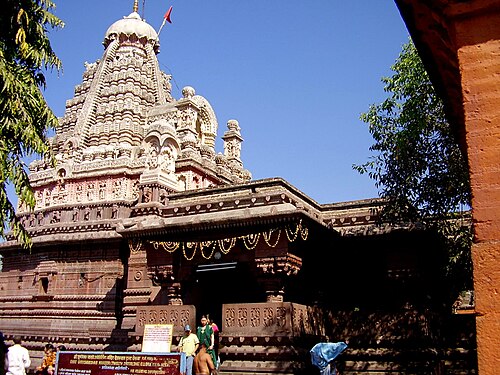
Visiting the 12 Jyotirlingas in India holds profound spiritual importance for devotees of Lord Shiva. Performing darshan at these sacred shrines is believed to purify the mind and soul, alleviate past karmic debts, and bring divine blessings of health, prosperity, and inner peace. Each Jyotirlinga embodies a unique aspect of Shiva’s cosmic energy, inspiring pilgrims to seek guidance, protection, and spiritual elevation. The physical act of visiting these temples, combined with sincere devotion, helps devotees cultivate inner calm, humility, and a sense of purpose.
The Dwadash Jyotirlinga Yatra, or pilgrimage to all twelve Jyotirlingas, is one of Hinduism’s most sacred spiritual journeys. Devotees believe that completing this yatra can grant moksha, or liberation from the cycle of birth and death. Beyond spiritual benefits, the yatra fosters cultural understanding, as pilgrims traverse multiple states and experience India’s diverse traditions, languages, and temple architectures.
The significance of this pilgrimage is amplified during Maha Shivratri and the Shravan month, when devotion to Shiva reaches its peak. Temples host grand celebrations, special rituals, and elaborate aartis, offering pilgrims a deeply immersive spiritual experience. Visiting Jyotirlingas during these auspicious times is considered exceptionally meritorious, as the combination of sincere devotion and auspicious timing is believed to enhance blessings.
Undertaking the Jyotirlinga pilgrimage strengthens one’s spiritual connection with Shiva and nurtures a deeper understanding of faith, tradition, and the timeless wisdom enshrined in these sacred centers of devotion.
The 12 Jyotirlingas of India are spread across various regions, making it easier for devotees to plan pilgrimages according to geography. Each area offers a unique spiritual experience, reflecting these sacred shrines’ cultural diversity and historical significance. Understanding the regional distribution of Jyotirlingas not only helps in planning the journey but also gives devotees a sense of the vast spiritual landscape of India.
In the northern region, Kedarnath in Uttarakhand and Kashi Vishwanath in Uttar Pradesh are the most prominent Jyotirlingas. Kedarnath is nestled high in the Himalayas, surrounded by snow-clad peaks and serene valleys, offering devotees an experience of spiritual isolation and peace. Kashi Vishwanath, located in the holy city of Varanasi on the banks of the Ganges, is one of the most revered temples in India. It holds immense cultural and spiritual significance, attracting millions of pilgrims annually, especially during festivals like Maha Shivratri.
The southern Jyotirlingas include Rameshwaram in Tamil Nadu and Mallikarjuna in Andhra Pradesh. Rameshwaram, part of the sacred Char Dham pilgrimage, is on an island surrounded by the waters of the Bay of Bengal. It is considered one of the holiest sites for Shiva worship. Mallikarjuna, located on the Srisailam hill amidst lush forests, combines natural beauty with spiritual reverence. The temple’s architecture and legends make it an essential destination for devotees seeking blessings and spiritual fulfillment.
Western India is home to Somnath and Nageshwar in Gujarat, Trimbakeshwar, and Grishneshwar in Maharashtra. Somnath, famous for its rich history and its position by the Arabian Sea, has been a symbol of devotion and resilience through centuries of invasions and reconstructions. Trimbakeshwar, near Nashik, is known for its sacred rivers and its link to the origin of the Godavari River. Grishneshwar, situated close to the Ellora caves, offers spiritual and cultural experiences. Nageshwar, another important Jyotirlinga in Gujarat, is revered for its unique legends and rituals.
Vaidyanath in Jharkhand represents the eastern Jyotirlinga. The temple is considered one of the most sacred sites in Hinduism and draws thousands of devotees annually, especially during the Shravana month. The spiritual aura and religious activities here reflect the deep-rooted faith in the region.
This regional grouping helps devotees plan their pilgrimages efficiently and highlights the cultural, historical, and spiritual diversity of the Jyotirlingas across India. By understanding the locations and significance of each shrine, devotees can experience a journey that combines devotion, heritage, and scenic beauty.
The 12 Jyotirlingas in India are far more than sacred temples; they are living symbols of devotion, spirituality, and India’s rich cultural heritage. Each Jyotirlinga represents a unique manifestation of Lord Shiva, offering devotees an opportunity to experience divine energy, seek blessings, and embark on a journey of self-purification. Visiting these shrines through the Dwadash Jyotirlinga Yatra connects pilgrims with spiritual wisdom and centuries of history, architecture, and tradition that continue to shape India’s religious landscape.
These temples serve as reminders of the timeless values of faith, humility, and reverence. The festivals, rituals, and sacred legends associated with each Jyotirlinga reflect a harmonious blend of devotion and cultural preservation.
As pilgrims and admirers, exploring, preserving, and respecting these sacred centers is essential. By visiting responsibly, supporting temple upkeep, and learning about their historical and spiritual significance, we can ensure that the Jyotirlingas continue to inspire generations. Embracing this journey is a path to spiritual enrichment and a celebration of India’s enduring devotion to Lord Shiva.
Read More:
The 12 Shivlings, or Jyotirlingas, are sacred temples of Lord Shiva spread across India in states like Maharashtra, Gujarat, Tamil Nadu, and Uttarakhand, each holding deep spiritual significance.
The 12 original Jyotirlingas are sacred shrines of Lord Shiva across India, each believed to be a manifestation of Shiva’s infinite energy, granting liberation, spiritual strength, and divine blessings to devotees.
Nageshwar Jyotirlinga is located near Dwarka in Gujarat, on the western coast of India. It lies between Dwarka city and Beyt Dwarka Island and is easily accessible by road. The temple is famous for its massive seated Shiva statue, spiritual significance, and tranquil atmosphere.
You can visit 2 Jyotirlingas in Gujarat Somnath and Nageshwar by planning a trip from Dwarka to Veraval. They’re well-connected by road and rail, making the journey convenient and spiritual.
Trimbakeshwar Jyotirlinga is located in Trimbak, a town near Nashik in the state of Maharashtra, India. It is situated at the source of the sacred Godavari River and is one of the most revered Jyotirlingas, known for its unique three-faced lingam representing Brahma, Vishnu, and Shiva.