Sports are crucial to living a healthy, fulfilling life. They promote physical and mental well-being, build essential life skills, and foster social bonds. Sports contribute to a more active and well-rounded lifestyle, whether played casually or competitively. The importance of sports lies in fitness, personal development, and community building.
From a physical health perspective, sports enhance cardiovascular function, regulate blood pressure, improve blood circulation, and increase lung capacity. They strengthen bones and muscles, help with weight management, and reduce the risk of chronic diseases like type 2 diabetes, heart disease, and osteoporosis. Sports also sharpen motor skills, balance, and coordination, making daily tasks easier and safer.

Mentally, sports reduce stress, improve self-esteem, boost cognitive function, and increase resilience. Participating in sports teaches valuable social and life skills such as teamwork, discipline, sportsmanship, and time management. Individuals learn to solve problems, make decisions quickly, and confidently lead.
This article explores the importance of sports in life, covering everything from its impact on health and academics to national pride and education. It also reflects on the importance of games and sports as fundamental to human growth. In today’s digital world, where sedentary behavior is common, understanding why sports are important is more essential than ever.
The importance of sports lies in promoting physical health, boosting mental well-being, building life skills like teamwork and discipline, and fostering social and national unity. Sports contribute to a healthier, more confident, and well-rounded lifestyle for individuals of all ages.
The importance of sports goes far beyond physical entertainment. Sports are a foundation for character-building, emotional strength, and lifelong friendships. They foster determination, fair play, and perseverance. Whether played casually in a schoolyard or professionally in a stadium, sports instill values that last a lifetime.
Historically, sports have been central to human civilization. Ancient Greece introduced the Olympic Games to celebrate physical excellence and unity. Games like kabaddi and wrestling were traditional ways to develop strength and skill in India. In modern times, sports are a global movement that inspires youth, breaks societal barriers, and promotes health worldwide.
Why are sports important? They teach us how to win humbly, lose gracefully, and rise stronger after every fall. They mirror life’s challenges and victories and shape not just bodies but minds and characters. Understanding the importance of sports helps societies build more capable, confident, and collaborative individuals.
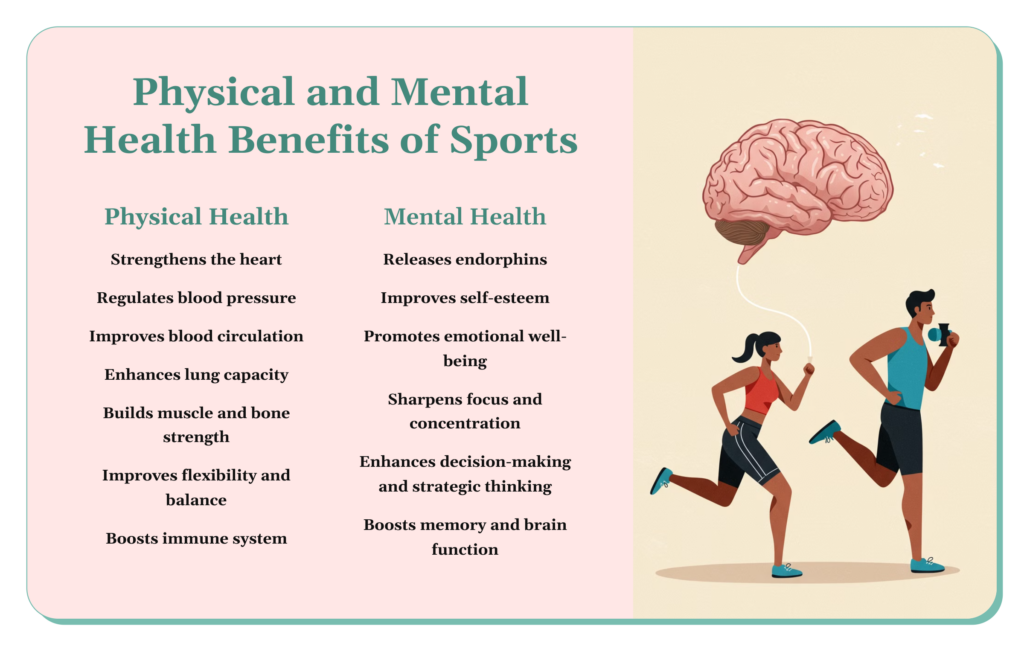
According to educational research, students active in sports tend to excel academically and socially, proving that sports are integral to physical and mental development. Sports are also beneficial for mental health. Physical activity releases endorphins, which are the body’s natural mood enhancers. These hormones relieve stress, reduce anxiety, and promote feelings of happiness. Sports offer an excellent outlet for managing daily tension and negative emotions.
On the cognitive front, sports improve decision-making, concentration, strategic thinking, and time management. Athletes perform better academically due to enhanced brain function and improved memory retention. According to educational research (including studies referenced by Vedantu), students involved in sports often outperform their peers in both academic and social settings.
Sports are a powerful medium for personality development. They build physical strength and shape a person’s character, mindset, and interpersonal skills. Whether played individually or in teams, sports teach fundamental life values that extend into all areas of life.
One key way sports influence personality is by nurturing leadership skills. In team-based sports, players often take initiative, solve problems, and guide others toward a common goal. This fosters a sense of responsibility and teaches how to lead by example. It also enhances communication, trust, and collaboration, which are vital for personal and professional success.
The importance of sports goes beyond physical fitness it also lies in building discipline and goal-setting abilities. Athletes must follow structured routines, practice consistently, and work toward long-term objectives. These habits often carry over into academics and careers, helping individuals stay focused, organized, and driven. Another importance of sports is how it strengthens emotional intelligence. Experiencing both victories and defeats teaches resilience, patience, and grace under pressure qualities that are crucial for navigating real-life challenges.
Additionally, the importance of sports is evident in how it develops strategic thinking. Every game requires planning, adapting, and quick decision-making, which sharpens critical thinking and situational awareness. These mental skills are highly valuable in leadership, education, and professional growth.Ultimately, the importance of sports lies in its ability to shape well-rounded, capable individuals prepared for both personal and professional success.
Importantly, sports foster a growth mindset, the belief that effort leads to improvement. This mindset encourages continuous learning, risk-taking, and the ability to bounce back from failure. Whether in schools, workplaces, or communities, the lessons learned through sports lead to stronger, more confident, and empathetic individuals. The importance of games and sports lies in their unmatched ability to mold people into better, more capable humans.
Sports significantly influence students’ academic, physical, and social growth. Here’s a detailed breakdown of how:
Overall, including sports in student life supports holistic development enhancing academic success and shaping well-rounded, confident individuals ready to face life’s challenges.
Sports serve as a unifying force and a source of immense national pride. Their influence goes beyond competition, contributing to a country’s identity, morale, and global presence. Here’s how:
Through sports, India builds champions and creates lasting national narratives of courage, unity, and global recognition.
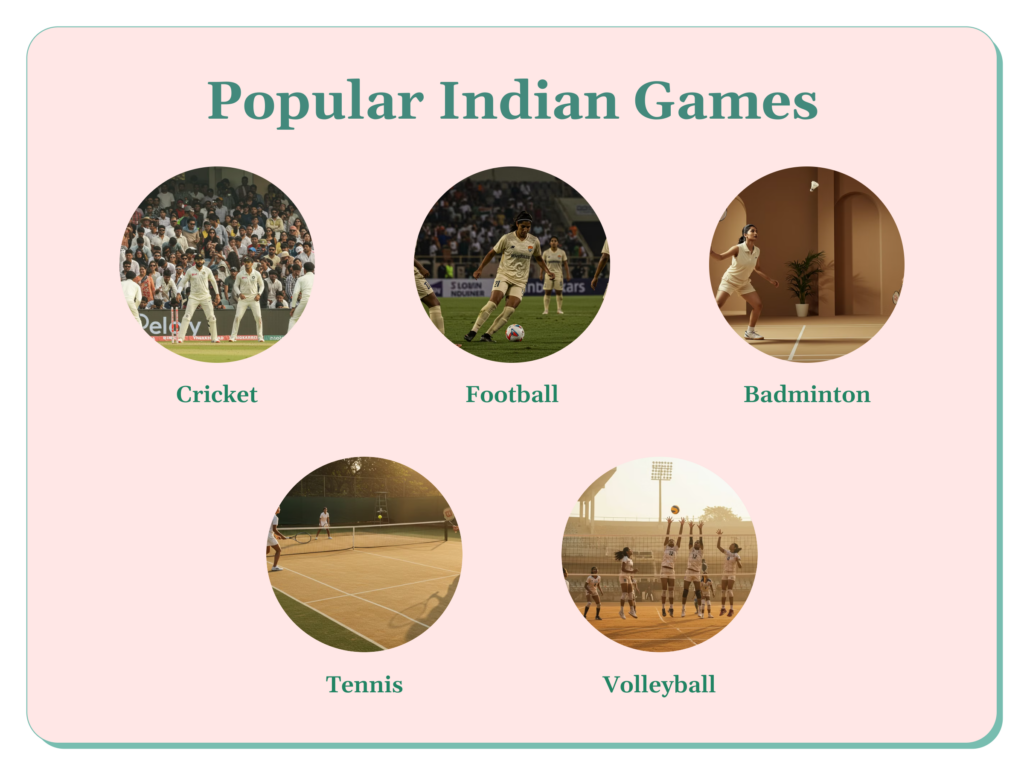
India’s rich sporting culture reflects the country’s diversity and passion for physical activity. From bustling city stadiums to village playgrounds, sports are an essential part of daily life for many Indians. Here’s a closer look at some of the most widely played sports in the country:
Each of these sports not only contributes to fitness and recreation but also promotes unity, discipline, and national identity. They illustrate the importance of games and sports in building healthier communities and encouraging social interaction across all age groups.
Involving children in sports from an early age fosters well-rounded growth physically, mentally, and socially. Here’s how:
Countries like Finland and Australia, where sports are integrated early into education, report better student satisfaction and balanced growth. This proves the significant importance of sports in education and the benefits of early sports training. Sports should be viewed as an essential subject, not an extracurricular one, for shaping confident and capable individuals.
Sports play a vital role in our lives, promoting physical fitness, mental well-being, and social interaction. The importance of sports lies in their ability to maintain a healthy and balanced lifestyle. Regular participation improves stamina, strength, and flexibility, making the body more resilient to health issues like obesity, heart disease, and diabetes.
The importance of sports also extends to mental health they help reduce stress, enhance focus, and boost self-confidence. Team sports like football and cricket build essential life skills such as teamwork, leadership, and communication, while individual sports like tennis or swimming cultivate discipline, perseverance, and self-motivation.
For students, the importance of sports is undeniable. Sports instill responsibility, improve concentration, and support overall personality development. That’s why many educational institutions integrate sports into their curriculum, recognizing how it shapes young minds and promotes a healthy, active lifestyle.
Beyond individual development, the importance of sports is seen in how they unite communities and nations. Major events like the Olympics and World Cups foster global harmony and cultural exchange, showcasing the spirit of sportsmanship across borders.
In today’s technology-driven world, where sedentary lifestyles are common, embracing sports is more important than ever. Whether it’s indoor games like chess or outdoor activities like basketball, the importance of sports in ensuring physical and mental wellness makes them an indispensable part of life.
The importance of sports lies in their ability to shape individuals and strengthen society. They provide physical benefits like improved health, enhanced fitness, and greater stamina, while also supporting mental well-being by reducing stress, improving mood, and sharpening focus. Recognizing the importance of sports also means acknowledging their role in developing key life skills such as teamwork, leadership, discipline, and time management. Beyond personal development, the importance of sports is evident in how they build social unity, foster community spirit, and instill values like resilience and respect. In today’s sedentary world, understanding the importance of sports is crucial embracing them is essential for a healthier, more balanced future.
Also Read-
Sports play a vital role in improving fitness, reducing stress, and boosting focus while teaching teamwork, leadership, and discipline. They also foster social unity, build character, and promote a healthy, active lifestyle.
India does not officially have a declared National Sport. However, field hockey is widely regarded as the national sport due to its historic success and cultural legacy, especially with India’s dominance in Olympic hockey during the 20th century.
India’s most common sports include cricket, football, badminton, tennis, and volleyball. These games are widely played across cities and villages, promoting fitness, unity, and passion while reflecting the country’s rich and diverse sporting culture.
Sports like football, basketball, badminton, swimming, and athletics are excellent for students. They enhance stamina, coordination, and teamwork while keeping students physically active, mentally alert, and socially engaged through fun, structured movement and healthy competition.
Students can manage studies and sports by creating a balanced schedule, prioritizing tasks, setting clear goals, and maintaining discipline. Time-blocking, staying organized, and focusing on quality over quantity helps ensure success in both academics and athletics.
Home exercises like jumping jacks, squats, lunges, planks, push-ups, yoga, and burpees are highly effective. They improve strength, endurance, flexibility, and cardiovascular health requiring little to no equipment and offering results similar to gym workouts when done consistently.
10 lines on the importance of sports offer a concise and impactful way to highlight key benefits like physical fitness, mental strength, teamwork, discipline, leadership, and stress relief. These short summaries are especially helpful for students and learners to quickly grasp how sports contribute to personal growth, academic success, and a healthier lifestyle, making them ideal for exams, speeches, or quick learning.
Sports Day in India is celebrated in schools and colleges to honor sportsmanship and fitness. It usually begins with a march-past and flag hoisting. Students take part in races, games, and athletic events. The day highlights the value of discipline and teamwork. It inspires children to stay active and healthy. Teachers and parents also join to encourage participation. Prizes and medals are awarded to winners. The event creates unity and enthusiasm among students. It pays tribute to great Indian sportspersons.