Wondering how many IIT in India there are? As of 2025, the country has 23 Indian Institutes of Technology (IITs), among the world’s most prestigious engineering and research institutions. Known for their academic excellence, innovation, and contributions to science and technology, IITs were established to nurture the brightest engineers, technologists, and innovators. Over the years, they have become synonymous with high-quality education, cutting-edge research, and global recognition.
These 23 IITs are spread across different states and offer advanced programs in engineering, technology, management, and research. Each institute plays a vital role in shaping India’s technological and research landscape, from the pioneering IIT Kharagpur to newer campuses like IIT Jammu and IIT Dharwad.
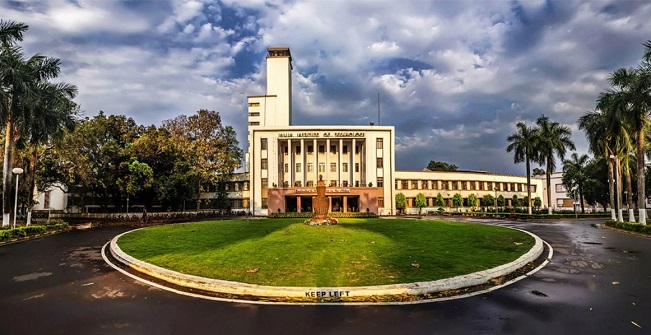
In this article, we will explore how many IIT in India their locations, year of establishment, NIRF rankings, and key highlights providing a complete guide to these centers of excellence and innovation.
The Indian Institutes of Technology (IITs) are autonomous, premier public technical universities in India, established by the Institutes of Technology Act, 1961, passed by the Parliament. This Act declared them as “Institutions of National Importance,” giving them the authority to award their degrees and maintain academic autonomy. The journey began with establishing IIT Kharagpur in 1951, followed by others across the country, forming a network of elite institutions dedicated to advancing technical education, research, and innovation.
IITs are vital in India’s higher education system, supporting engineering and technological progress. They are known for their rigorous academic curriculum, distinguished faculty, and state-of-the-art research facilities. Admission to IITs, through the Joint Entrance Examination (JEE Advanced), is one of the most competitive in the world, ensuring that only the brightest minds gain entry.
IITs enjoy an outstanding reputation for excellence, with many alumni holding influential positions in academia, industry, entrepreneurship, and government worldwide. Their contributions to innovation, research, and startup culture have significantly impacted the IT, space technology, renewable energy, and artificial intelligence sectors.
In essence, IITs symbolize India’s commitment to world-class technical education and continue to drive the nation’s growth through cutting-edge discoveries and visionary leadership.
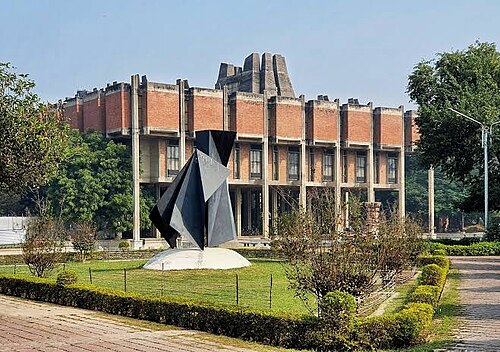
As of 2025, India has 23 Indian Institutes of Technology (IITs). What began as a single institution in the early years of independent India has grown into a nationwide network of excellence, shaping the country’s technological and industrial landscape.
The journey of IITs started with IIT Kharagpur, established in 1951 in West Bengal, following the recommendations of the Sarkar Committee (1946), which envisioned world-class technical institutes to drive India’s post-independence development. Over the decades, the government continued to expand the IIT system to different parts of the nation, ensuring regional balance and accessibility to high-quality education.
In the 1950s and 1960s, institutes like IIT Bombay (1958), IIT Madras (1959), IIT Kanpur (1959), and IIT Delhi (1961) were established with international collaborations, marking the foundation of India’s engineering education revolution. The next phase came in the 1990s and early 2000s, with the addition of IIT Guwahati (1994) and IIT Roorkee (2001), the latter being upgraded from the University of Roorkee.
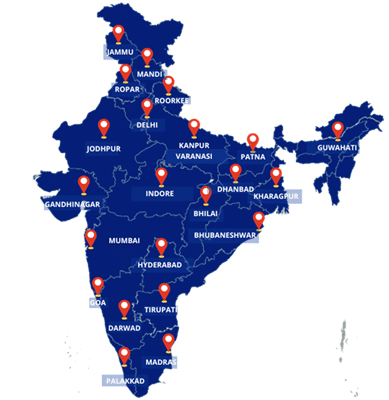
The real expansion occurred in the post-2008 period, when the government launched several new IITs to promote inclusive growth in education. Institutes like IIT Bhubaneswar, IIT Gandhinagar, IIT Hyderabad, IIT Jodhpur, IIT Patna, IIT Ropar, and IIT Indore were all established in 2008. The expansion continued with IIT (ISM) Dhanbad being upgraded in 2016, and new institutes such as IIT Bhilai, IIT Goa, IIT Jammu, and IIT Dharwad joined the network the same year.
This steady growth has ensured that IITs now cover almost every major region of India, from the Himalayan north to the coastal south, and from the western deserts to the eastern plains. Collectively, they offer diverse programs in engineering, technology, sciences, humanities, and management supported by strong research ecosystems and global partnerships.
| S.No. | IIT Name | Location (State/UT) | Year of Establishment |
|---|---|---|---|
| 1 | IIT Kharagpur | West Bengal | 1951 |
| 2 | IIT Bombay | Maharashtra | 1958 |
| 3 | IIT Madras | Tamil Nadu | 1959 |
| 4 | IIT Kanpur | Uttar Pradesh | 1959 |
| 5 | IIT Delhi | Delhi | 1961 |
| 6 | IIT Guwahati | Assam | 1994 |
| 7 | IIT Roorkee | Uttarakhand | 2001 (upgraded) |
| 8 | IIT Bhubaneswar | Odisha | 2008 |
| 9 | IIT Gandhinagar | Gujarat | 2008 |
| 10 | IIT Hyderabad | Telangana | 2008 |
| 11 | IIT Jodhpur | Rajasthan | 2008 |
| 12 | IIT Patna | Bihar | 2008 |
| 13 | IIT Ropar | Punjab | 2008 |
| 14 | IIT Indore | Madhya Pradesh | 2009 |
| 15 | IIT (ISM) Dhanbad | Jharkhand | 2016 (upgraded) |
| 16 | IIT Varanasi (BHU) | Uttar Pradesh | 2012 (upgraded) |
| 17 | IIT Tirupati | Andhra Pradesh | 2015 |
| 18 | IIT Palakkad | Kerala | 2015 |
| 19 | IIT Bhilai | Chhattisgarh | 2016 |
| 20 | IIT Goa | Goa | 2016 |
| 21 | IIT Jammu | Jammu & Kashmir | 2016 |
| 22 | IIT Dharwad | Karnataka | 2016 |
| 23 | IIT Mandi | Himachal Pradesh | 2009 |
Today, with 23 IITs across 23 locations, this expansive network is a testament to India’s vision of equitable access to world-class technical education. The IITs collectively form the backbone of India’s innovation and research ecosystem, nurturing global leaders, scientists, entrepreneurs, and changemakers.
India’s Indian Institutes of Technology (IITs) consistently rank among the best engineering institutes in the country. Based on the NIRF 2025 Engineering Rankings, the top five IITs are IIT Madras, IIT Delhi, IIT Bombay, IIT Kanpur, and IIT Kharagpur. Here’s a brief overview of each:
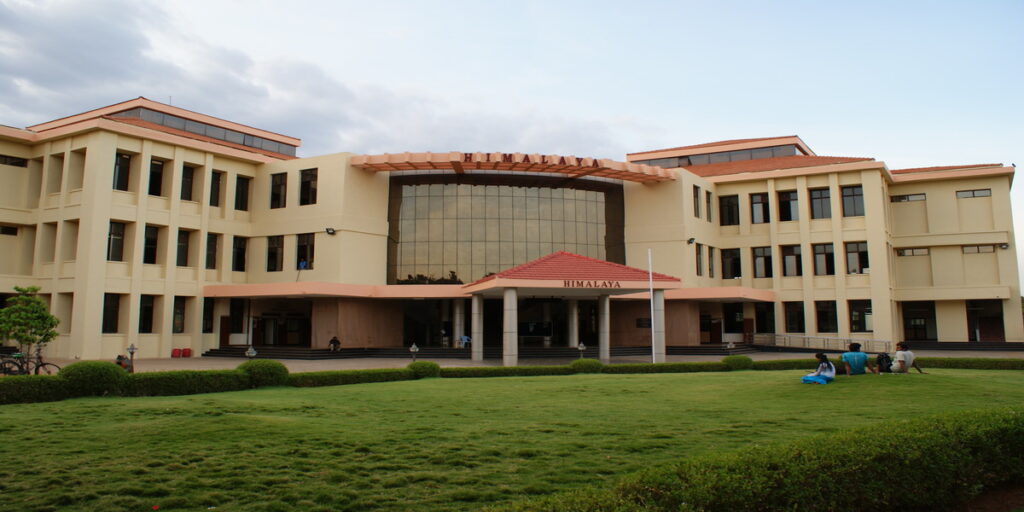
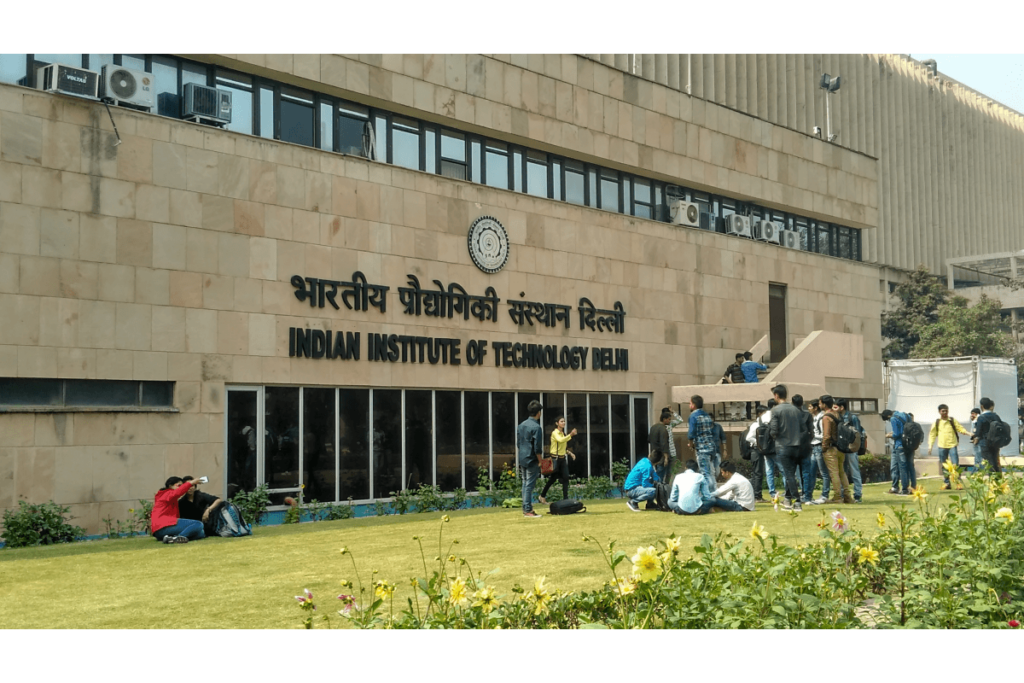

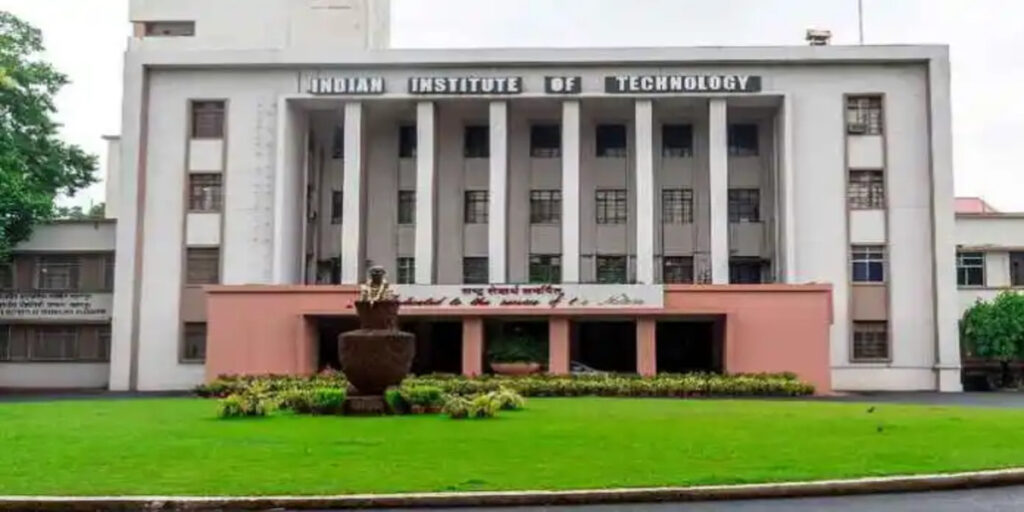
These top 5 IITs lead in academics and research and set benchmarks for innovation, entrepreneurship, and global recognition. They produce engineers and innovators who shape India’s and the world’s technological future.
The Indian Institutes of Technology (IITs) provide diverse programs designed to nurture technical expertise, research skills, and interdisciplinary knowledge. Their courses can be broadly categorized as follows:
Key Highlight: IITs provide an interdisciplinary, research-driven environment, equipping students with technical expertise, innovative thinking, and practical problem-solving skills to excel globally.
Admission to the Indian Institutes of Technology (IITs) is highly competitive and based on a two-stage annual examination process conducted by the National Testing Agency (NTA) and IITs.
Candidates must have completed Class 12 (or equivalent) with Physics, Chemistry, and Mathematics. The authorities also set an age limit and attempt criteria. Only top performers in JEE Mains are eligible to appear for JEE Advanced.
JEE Mains is the first level of examination, assessing candidates in Physics, Chemistry, and Mathematics. Performance in JEE Mains determines eligibility for JEE Advanced and serves as an entrance test for several other engineering institutes in India.
JEE Advanced is the gateway to IITs and is known for its high difficulty level, testing analytical, conceptual, and problem-solving skills. Only the top 2,50,000 candidates (approx.) from JEE Mains qualify to take JEE Advanced.
After announcing JEE Advanced results, the Joint Seat Allocation Authority (JoSAA) conducts online counseling for seat allocation across all IITs. Candidates can fill their preferred choices, and seats are allotted based on rank, category, and availability.
Tip for Aspirants: Keep track of previous years’ cut-offs for different IITs and branches. Focus on conceptual clarity, regular practice, and mock tests to improve speed and accuracy.
This structured approach ensures that only the brightest minds secure a place in India’s premier technical institutions, maintaining the IITs’ reputation for excellence and innovation.
| Aspect | Old IITs (Delhi, Bombay, Kanpur, etc.) | New IITs (Goa, Jammu, Bhilai, etc.) |
|---|---|---|
| Infrastructure | Well-established campuses, advanced labs, extensive research centers, and state-of-the-art facilities | Modern campuses but smaller, still developing labs and student amenities |
| Faculty | Experienced and globally recognized faculty with strong research credentials | Growing faculty base; recruitment ongoing; often collaborate with older IITs for mentorship |
| Placements | Excellent placement records; top multinational companies and startups recruit regularly | Placements improving; limited but gradually increasing industry tie-ups |
| Reputation | High national and international reputation; longstanding legacy | Emerging reputation; recognized for innovation and potential |
| Research & Programs | Wide range of research programs, Ph.D. opportunities, and interdisciplinary projects | Focused research in select areas; expanding labs and programs with government support |
| Government Support | Long-standing funding and established alumni network | Significant government initiatives to improve infrastructure, faculty, and industry collaborations |
With continued government investment, faculty recruitment, and industry collaborations, newer IITs are steadily bridging the gap with older IITs and are poised to become centers of innovation and excellence in the coming years.
The Indian Institutes of Technology (IITs) have produced a remarkable list of alumni who have made significant contributions in technology, business, literature, and global leadership.
These alumni highlight the global impact of IIT graduates in diverse fields, from leading multinational corporations to shaping public thought and culture. Beyond these names, IITians have excelled in research, startups, and innovation, reinforcing the institutes’ reputation as centers of excellence and creativity.
The Indian Institutes of Technology (IITs) enjoy immense prestige due to their global recognition, rigorous academics, and research excellence. Admission is highly competitive, with less than 1% of applicants securing a seat through the two-stage JEE Mains and JEE Advanced exams, ensuring that only the brightest minds are selected.
IITs are renowned for their cutting-edge research, innovation-driven programs, and interdisciplinary learning, consistently producing breakthroughs in engineering, technology, and sciences. Their collaborations with top international universities and research institutions provide students and faculty with exposure to global best practices and advanced research opportunities.
A strong and influential alumni network, including leaders in technology, business, and public service worldwide, further enhances IIT’s prestige. Together, these factors make IITs not just premier educational institutes in India, but globally recognized hubs of innovation, leadership, and technological advancement.
India’s 23 IITs are more than just educational institutions they are the backbone of the nation’s technological and scientific advancement. From the pioneering IIT Kharagpur to newer campuses like IIT Goa, IIT Jammu, and IIT Bhilai, each IIT contributes to a rich legacy of academic excellence, research innovation, and global recognition. Collectively, they represent a network of institutions that consistently produce world-class engineers, scientists, entrepreneurs, and thought leaders who have significantly impacted both in India and abroad.
The prestige of IITs stems from their rigorous selection process, interdisciplinary programs, cutting-edge research, and collaborations with leading global universities. Alumni from these institutes have led major technology companies, pioneered startups, contributed to space missions, and driven innovations across sectors. Moreover, IITs foster a culture of critical thinking, problem-solving, and creativity, equipping students to tackle real-world challenges effectively.
For aspirants, joining an IIT provides high-quality education and research exposure and access to a strong alumni network, mentorship, and unparalleled career opportunities in India. Whether one aims to excel in engineering, technology, management, or research, IITs offer a platform to achieve global success and personal growth.
.Read More:
According to the Ranking provided by NIRF, IIT Madras is ranked No. 1 among the IITs present in India.
As of 2025, India has 23 Indian Institutes of Technology (IITs), located in different states and union territories. These premier institutions offer a wide range of programs, including undergraduate, postgraduate, and doctoral courses in engineering, technology, and science.
IIT (BHU) Varanasi is the second-largest IIT campus in India, covering around 1,370 acres. Known for its historic significance and lush green surroundings, it ranks just behind IIT Kharagpur, which boasts the largest campus at 2,100 acres.
The largest IIT in India is IIT Kharagpur, which has a 2,100-acre campus. Making it India’s largest campus with a mini-township equipped with facilities and residents.
The person behind IIT was Pandit Jawaharlal Nehru, who created the first IIT post-independence to instill technical knowledge within the new generation.
As of 2025, Uttar Pradesh is the only state with two IITs: IIT Kanpur and IIT (BHU) Varanasi, both prestigious institutions contributing significantly to engineering, technology, and research in India.