
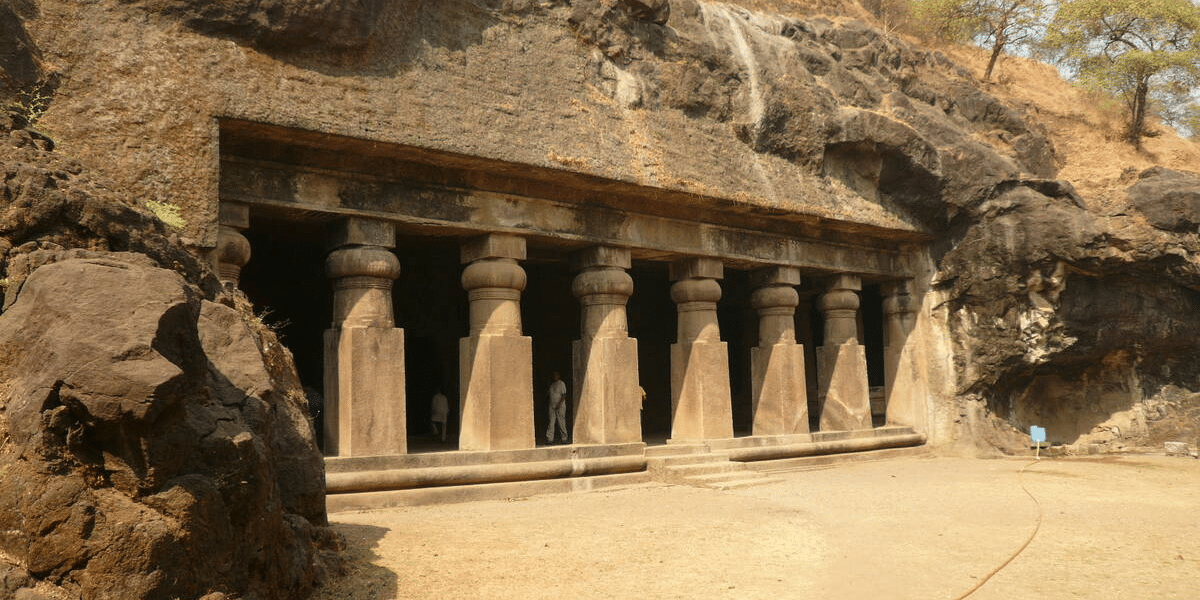
Nestled in the azure waters of the Arabian Sea, a short ferry ride from the relentless energy of Mumbai, lies a sanctuary of profound ancient artistry and spiritual tranquility. The Elephanta Caves are far more than a collection of archaeological remains; they are a vibrant, stone-carved narrative of India’s rich cultural and religious history. Designated a UNESCO World Heritage Site, this complex of intricately sculpted temples beckons historians, pilgrims, art lovers, and travelers to step away from the modern world and journey back over fifteen centuries. This comprehensive guide delves deep into the enigmatic history, breathtaking architecture, and captivating allure of the Elephanta Caves, providing everything you need to know to plan an unforgettable visit.
A primary question for any visitor is where is Elephanta Caves situated? The caves are located on Elephanta Island, also known by its ancient name, Gharapuri (meaning “City of Caves”), in Mumbai Harbour. For those confirming the Elephanta cases located in which state query, it is unequivocally in the state of Maharashtra. The island itself is a geographical marvel, covering approximately 7 km in circumference and featuring two distinct hillocks separated by a narrow, verdant valley.
The name “Elephanta” itself is a relic of colonial history, bestowed by 16th-century Portuguese explorers who were struck by a massive, monolithic stone elephant statue guarding the island’s entrance. This statue, which gave the island its modern identity, was later relocated to Mumbai’s Jijamata Udyan (Victoria Gardens) in 1864 to protect it from further weathering, where it can be seen today. The original name, Gharapuri, however, speaks directly to the island’s true purpose and grandeur.

The Elephanta Caves history is as compelling as the art, primarily because it is shrouded in mystery. The absence of definitive inscriptions has led to centuries of scholarly debate, centering on one fundamental question: who built the Elephanta Caves?
Most art historians and archaeologists agree that the primary cave complex was sculpted in the mid-5th to 6th centuries CE. The prevailing theory attributes patronage to the Kalachuri dynasty, whose rulers were great champions of Shaivism. The robust and dramatic sculptural style, characterized by its high relief and emotional depth, supports this theory. Other historians, however, see the hand of the mighty Gupta Empire, drawing parallels to the classical grace of Gupta art found at sites like Ajanta. It is also widely believed that Elephanta Island had an earlier Buddhist phase, evidenced by the stupa remains on the eastern hill, suggesting a long history of sanctity.
The island’s modern history was turbulent in 1534 when it was ceded to the Portuguese. They, seeing the magnificent sculptures as pagan idols, used them for target practice, severely damaging many of the most important panels. This period of neglect and vandalism continued until the British era. It wasn’t until the late 1970s that the Archaeological Survey of India (ASI) initiated major conservation efforts. The global significance of the caves was finally recognized in 1987 when they were inscribed as a UNESCO World Heritage Site, ensuring their protection and preservation for future generations.
The Elephanta Caves represent the pinnacle of Indian rock-cut architecture, which involves excavating solid natural rock to create elaborate structures, rather than building with quarried stone. The entire complex, spanning approximately 5,600 square meters, is a marvel of engineering and artistic vision, carved from a single, solid basalt outcrop.
The main cave (Cave 1) is the largest and most impressive. Its design uniquely synthesizes early Buddhist architectural forms and Hindu devotional themes. The cave follows a mandala-like symmetrical plan, measuring 39 meters in length, 27 meters in width, and reaching a height of 6 meters. The layout includes a large central hall (mandapa), a separate sanctum sanctorum (garbha-griha) housing a Shiva linga, and smaller subsidiary shrines.
The main hall is divided into a series of aisles and bays by rows of massive, fluted pillars. These pillars are not merely structural; they are integral to the aesthetic and spiritual experience, creating a rhythm that guides the visitor’s journey and supports the immense weight of the mountain above. The capital of each pillar is intricately carved with motifs and figures, showcasing the artisans’ attention to detail.
The architecture seamlessly blends elements from the Nagara (Northern) and Dravidian (Southern) Hindu temple traditions, suggesting the site was a cultural melting pot. However, the true genius of Elephanta lies not in its structural form but in the breathtaking narrative sculptures that adorn its walls.
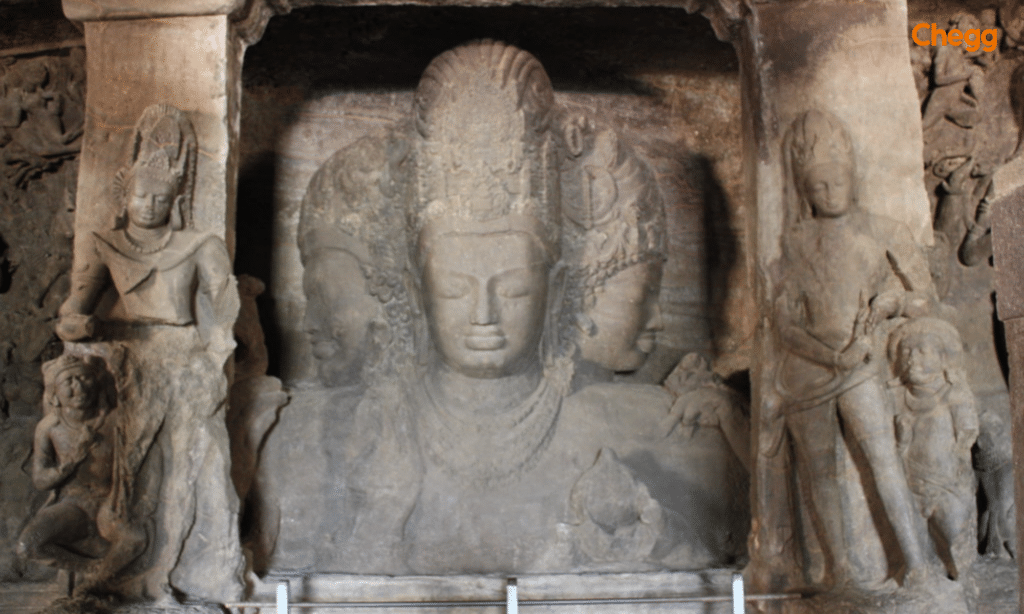
The island’s cave complex is divided into two distinct groups: the western group of five Hindu caves and the eastern Stupa Hill with two Buddhist caves. The Hindu caves are dedicated primarily to Lord Shiva, with the sculptures illustrating various episodes from Shaiva mythology and Puranic texts.
This is the undisputed highlight and the reason for the site’s global fame. Visitors ascend 120 steps from the jetty, passing through a vibrant market, to reach the northern entrance. The cave’s grand portico leads into the vast, dimly lit hall, where the sculptures emerge from the shadows with dramatic power.
Key Sculptural Panels in Cave 1:

These caves, situated southeast of the main cave, are significantly smaller and mostly ruined or incomplete. They appear to have been monastic cells (viharas) or smaller shrines. Their unfinished nature offers a fascinating glimpse into the rock-cutting process, showing the initial stages of excavation and layout.
Located on the eastern hill across a narrow ravine, this area provides evidence of the island’s earlier religious history. Cave 6, often called Sitabai’s Temple, is a finished monastery with a pillared verandah and a central shrine. Interestingly, the Portuguese later converted this cave into a Christian chapel. Cave 7 is a smaller, unfinished excavation. The remains of a Buddhist stupa and several water tanks indicate that this was likely a small monastic settlement before the grand Shaivite project began on the western hill.
A trip to the Elephanta Caves is a rewarding experience; a little planning ensures it is smooth and enjoyable.
The only way to reach the island is a one-hour ferry ride from the Gateway of India. The Mumbai to Elephanta Caves sea distance is approximately 10 km, offering stunning views of the Mumbai skyline and the harbor.
The Elephanta Caves face significant and ongoing threats to their preservation. The primary challenges include:
The Archaeological Survey of India (ASI) continuously engages in preservation efforts, including structural reinforcement, chemical treatment to prevent weathering, and routine monitoring.
A major future development is the proposed Mumbai-Elephanta ropeway project. This ambitious plan aims to connect the city directly to the island via an 8-km-long sea ropeway, drastically reducing travel time from over an hour by ferry to just 14-15 minutes. While this could significantly boost tourism, it must be implemented with extreme caution and rigorous environmental and heritage impact assessments to protect the fragile ecosystem and the ancient monuments from increased visitor numbers and construction-related vibrations.
| Category | Details |
|---|---|
| Boat Timing (Gateway of India to Elephanta) | First boat at 9:00 AM |
| Return Boat Timing (Elephanta to Gateway of India) | First return at 12:00 PM; last return at 5:30 PM |
| Cave Timings | Open 6 days a week; closed on Mondays |
| Entrance Fee | – Rs 35 (Citizens of India and neighboring countries) – Rs 550 (Other foreign nationals) |
| Village Entry Fee | Rs 10 for all visitors |
| Children (under 15) | Free entry |
| Additional Charges | – Photography: Free – Videography: Rs 25 – Toy Train (optional): Rs 10 |
| Boat Ticket Cost | Rs 200–250 (round trip; type-dependent) Concessional rates available for children |
| Best Time to Visit | Open year-round; ideal months are November to February. Avoid June to August due to potential monsoon disruptions. |
| Elephanta Festival | Annual two-day dance and music event held in February. |
The Elephanta Caves are more than a mere tourist destination; they are a living museum, a place of worship, and a powerful testament to human creativity and spiritual quest. Standing in the cool, dim silence of the main hall, gazing upon the serene yet powerful visage of the Trimurti, one can almost feel the presence of the master sculptors who, over 1,500 years ago, transformed a barren rock into a universe of divine narrative.
A journey to this enigmatic Elephanta Island is a journey into the soul of Indian art and philosophy. This experience resonates deeply long after you have returned to the modern world. It is an essential pilgrimage for anyone seeking to understand the depth and grandeur of India’s ancient heritage.
Read More:-
The ferry from the Gateway of India to Elephanta Caves costs ₹260 for a standard round-trip ticket and ₹300 for a deluxe class ticket. These tickets cover both the onward and return journeys. Ferries run every 30 minutes between 9:00 AM and 2:00 PM, with the last return ferry at 5:30 PM. The trip takes about one hour each way.
The Elephanta Caves are renowned for their ancient rock-cut sculptures dedicated to Lord Shiva, especially the iconic Trimurti-a three-faced statue symbolizing Shiva as Creator, Preserver, and Destroyer. Located near Mumbai, the caves reflect the artistic and spiritual heritage of ancient India.
The Elephanta Caves are famous for their impressive rock-cut architecture and sculptures depicting Hindu mythology. The main cave features a giant Shiva statue, Maheshamurti.
Indian citizens, as well as visitors from SAARC and BIMSTEC countries, pay an entry fee of INR 40, while foreign tourists are charged INR 600.
The Rashtrakuta monarchs constructed the Ellora Elephanta caves. They were constructed by sawing through steep, towering basalt rock walls. In the Maharashtra state’s Aurangabad district, there are roughly 34 caverns that are about 30 km from the district and have been recognized by UNESCO as World Heritage Sites.
A tourist or pilgrim must ride the tourist toy train or hike up 120 steep steps from the beach to reach the main cave. Four pillars support the main entry, which also features three open porticoes and an aisle in the back.
The Elephanta Caves are located on Elephanta Island in Maharashtra, near Mumbai. These UNESCO World Heritage-listed caves are famous for their ancient rock-cut sculptures and Hindu temple carvings.
To visit Elephanta Caves, take a ferry from the Gateway of India in Mumbai (around 1 hour), and then continue by toy train or a short walk from the island jetty to the caves.