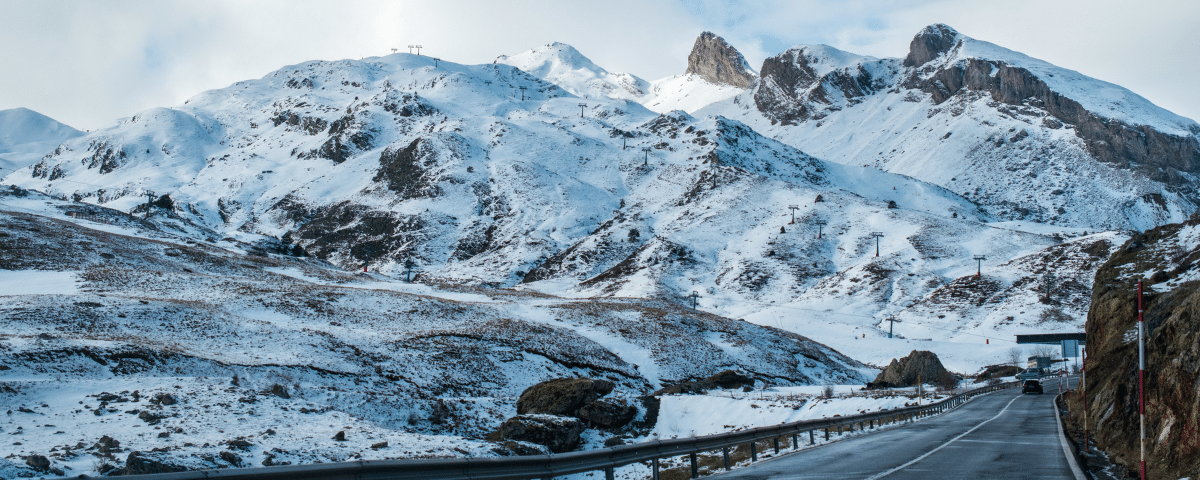
India, famous for its vibrant culture and varied landscapes, is not just about warm beaches and sunny plains; it also hosts some of the coldest places in India. From the icy peaks of the Himalayas to the high-altitude deserts of Ladakh, these extreme cold regions showcase sub-zero temperatures, heavy snowfall, and breathtaking frozen landscapes.
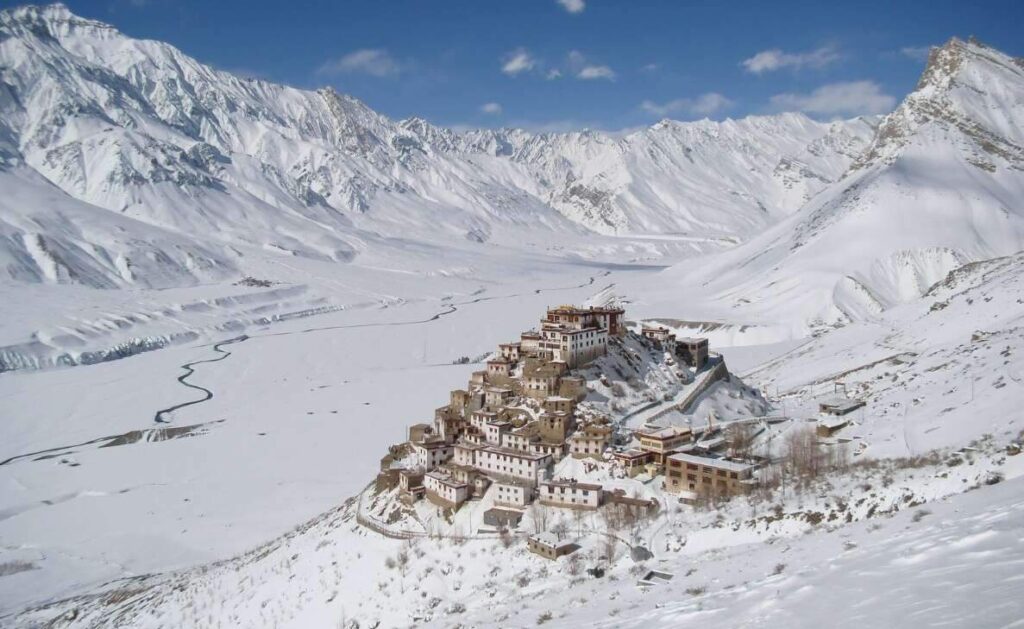
The coldest place in India isn’t just a point on the map; it’s a window into unique ecosystems and challenging climates. Knowing about these regions is crucial for travelers seeking adventure, students studying geography and climate patterns, and enthusiasts eager to explore India’s climatic extremes. Visiting or studying the coldest places in India offers a rare glimpse of nature’s resilience and the country’s incredible environmental diversity.
The designation of the coldest place in India depends on a combination of temperature patterns, climate zones, and geographical factors. Most of India’s extreme cold regions are located in the northern and north-eastern Himalayas, where high altitudes lead to sub-zero temperatures even in summer. The country spans several climate zones from tropical in the south to alpine in the far north, and the coldest place in India typically falls within the alpine or high-altitude desert zones.
Several key factors influence why certain areas become so cold. Altitude is the primary determinant: the higher a location, the thinner the air and the lower the temperature. Latitude also plays a role, as northern regions closer to the poles receive less sunlight in winter. Geography, such as mountain ranges that block warm air and wind patterns that bring cold air from glacial or polar regions, further contributes to extreme temperatures.
When compared globally, the coldest place in India is mild relative to Antarctica or Siberia. Still, within the Indian context, it represents a harsh and unique climate that shapes local ecosystems and human life. Understanding these factors provides insight into why regions like Leh, Drass, and Siachen consistently record some of the lowest temperatures in the country.
India is home to extreme cold regions, ranging from snowbound valleys to high-altitude deserts. These areas, often called the coldest places in India, are defined by sub-zero temperatures, heavy snowfall, and unique geographic conditions. They are a magnet for travelers, adventure enthusiasts, and students studying climate patterns and geography. Below is a detailed look at India’s top 10 coldest regions, climate, cultural significance, and travel opportunities.

Dras, famously called the “Gateway to Kargil,” is one of the coldest places in India, with temperatures plunging to -45°C during peak winter. Its unique location in the western Himalayas leads to frequent snowstorms and strong winds, making it a high-altitude cold desert. Tourists can explore snow-covered landscapes, visit memorials from the Kargil War, and enjoy winter trekking. The best time to visit is between May and September when the weather is slightly milder. Dras showcases the harsh yet beautiful life in India’s extreme cold regions, combining natural allure with historical significance.

Leh, the capital of Ladakh, experiences extreme winters, with temperatures often below -20°C. Situated at 3,500 meters, its altitude contributes to intense cold, while snowfall and frozen rivers dominate winter. Leh is rich in cultural heritage, with Buddhist monasteries and local festivals attracting tourists. Adventure enthusiasts enjoy trekking, river rafting, and exploring frozen lakes. The designation of the coldest place in India often applies here due to its frigid climate. The best visiting period is between June and September when temperatures are relatively moderate, offering stunning landscapes without extreme frost.
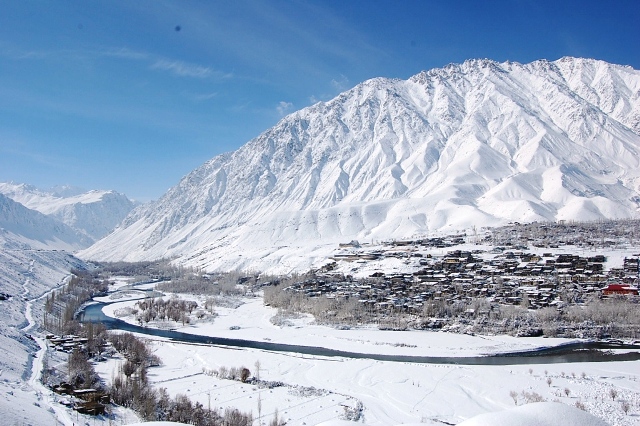
Kargil, a historical town in Ladakh, experiences severe cold winters, with temperatures dropping to -25°C. Its mountainous terrain and high altitude make it one of the coldest places in India, featuring heavy snowfall from December to February. Kargil holds historical importance due to the 1999 Kargil War, and the area is dotted with memorials and shrines. Visitors can explore rugged landscapes, frozen rivers, and trekking trails. The best time for travel is from May to September, when the snow melts and the roads are accessible. Kargil provides insight into how geography and altitude combine to create extreme cold conditions in India.
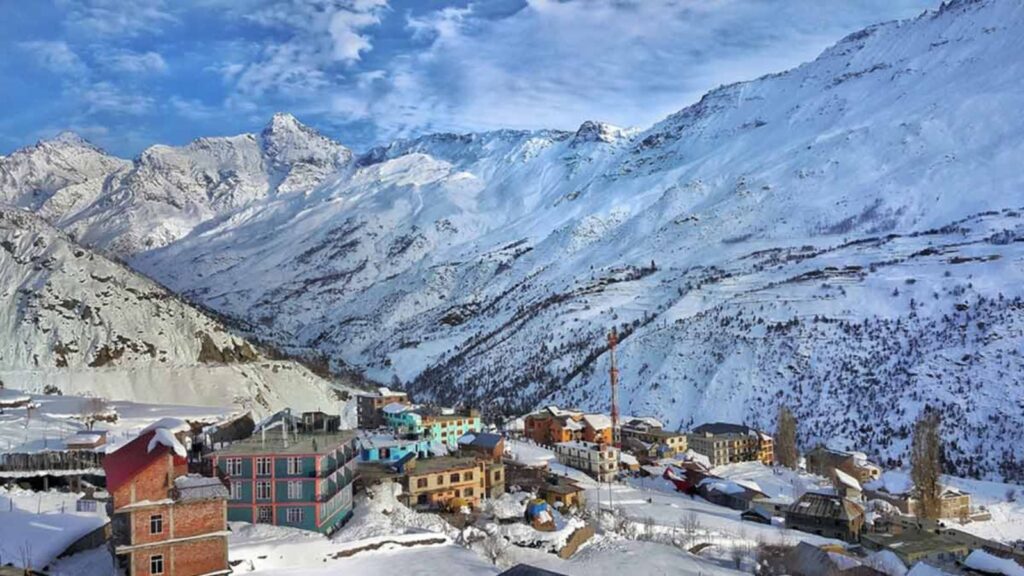
Keylong, the administrative center of Lahaul Valley, sits at 3,120 meters and endures harsh winters with temperatures reaching -25°C. Its location amidst the Himalayas contributes to its classification as one of the coldest places in India. Adventure seekers visit Keylong for trekking, mountaineering, and exploring nearby glaciers. The valley is accessible mainly from May to September, as roads often close during heavy snowfall. Keylong’s natural beauty, traditional Himachali culture, and extreme climate make it a unique experience for travelers and geography students studying India’s alpine regions.

Spiti Valley, a high-altitude desert over 4,000 meters, records some of the coldest temperatures in India, often dipping below -30°C. Known for its Buddhist monasteries, cultural richness, and unique wildlife, Spiti attracts travelers seeking adventure and remote landscapes. Snowbound winters make most areas inaccessible, so the ideal visiting months are June to September. The valley’s icy rivers, rugged mountains, and cold desert climate illustrate how altitude, latitude, and geography define India’s extreme cold zones. Spiti Valley remains a must-visit for nature lovers and students studying cold desert ecosystems.

Auli, famous for skiing and winter sports, experiences extreme cold, often below -10°C. Situated at around 2,800 meters, it receives heavy snowfall from December to February. The town is accessible via cable cars and roads from Joshimath, making it a popular tourist destination. Adventure enthusiasts flock here for skiing, snow trekking, and panoramic Himalayan views. Auli is one of the coldest places in India, where tourism blends with extreme climate experiences. The best visiting months are November to March, offering pristine snow landscapes and winter sports opportunities.
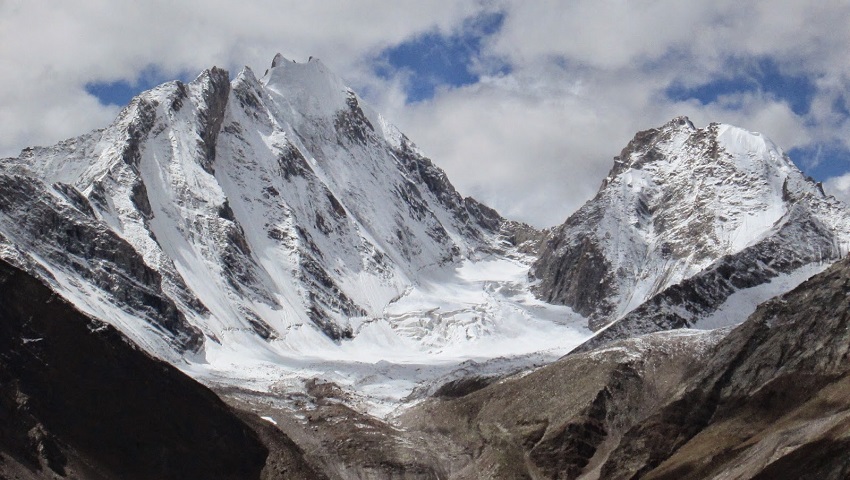
Pangi Valley is one of India’s most isolated and extreme cold regions, with temperatures falling below -25°C. Located in the north-western Himalayas, it is often snowbound for several months. The valley is renowned for its natural beauty, including rivers, dense forests, and remote villages. Adventure travelers and trekkers are drawn to Pangi’s untouched landscapes, but access is difficult in winter. Being one of the coldest places in India, it offers a unique insight into life in high-altitude Himalayan regions, where culture and survival coexist amidst extreme cold conditions.

Zanskar Valley, a remote high-altitude region in Ladakh, is one of the coldest places in India, with winter temperatures plummeting to -30°C. Rivers freeze during winter, creating frozen pathways like the famous Chadar Trek. The valley is home to Buddhist monasteries, traditional villages, and unique wildlife. Adventure tourism thrives here, especially trekking and river expeditions. The valley’s isolation and frigid climate make it an exceptional destination for travelers and students studying extreme cold zones, showcasing human adaptation and natural resilience in India’s harshest environments.
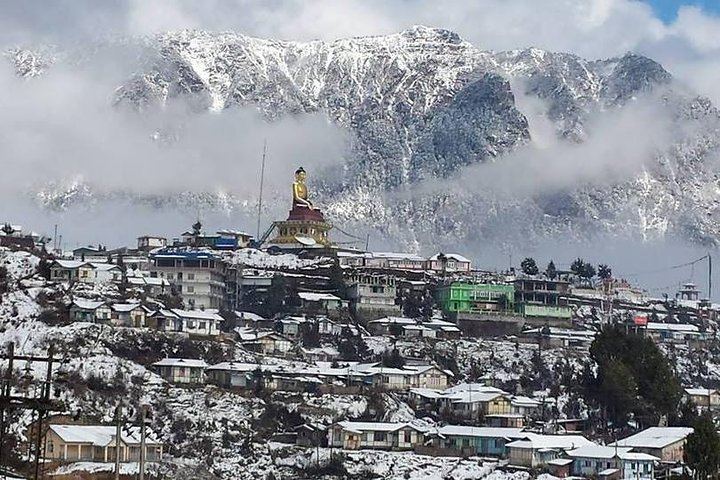
Tawang, located in Arunachal Pradesh at 3,048 meters, is one of the coldest places in India in the eastern Himalayas. Winters bring heavy snowfall, with temperatures dropping below -10°C. The region is famous for Tawang Monastery, vibrant festivals, and stunning landscapes. Adventure tourists and cultural enthusiasts visit Tawang to experience its icy valleys, high-altitude climate, and unique local traditions. The best time to visit is from April to October, when the snow is manageable. Tawang highlights how northeastern India also hosts extreme cold zones, complementing the frigid northern and western Himalayas.
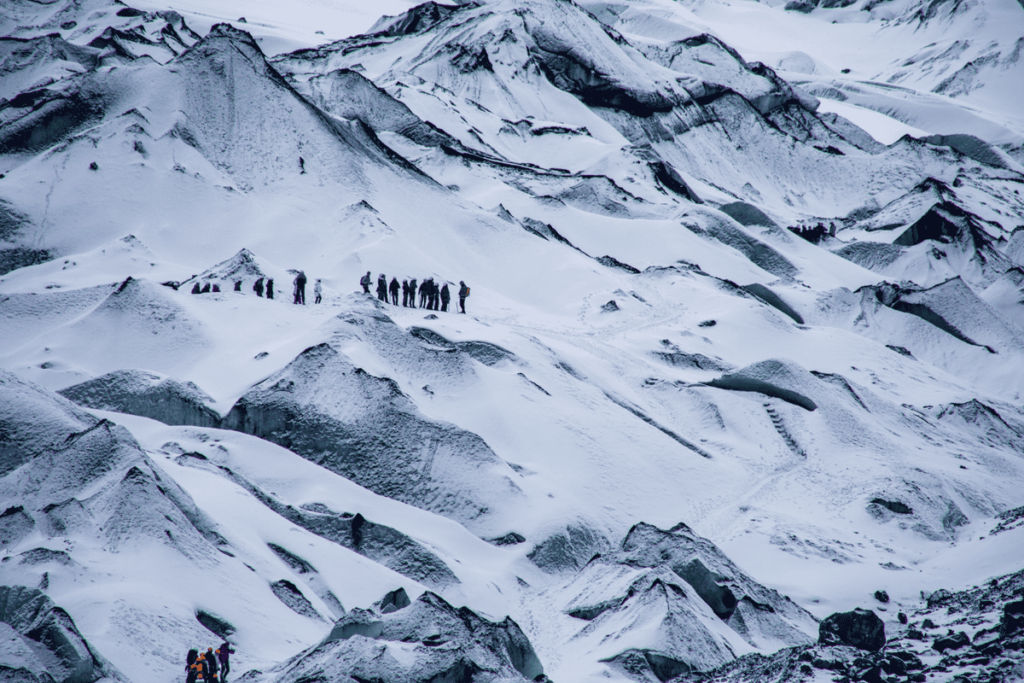
Siachen Glacier is widely recognized as the coldest place in India and one of the highest battlegrounds on Earth. Temperatures can drop below -60°C, with strong winds and heavy snowfall year-round. Its extreme climate makes habitation nearly impossible, with only military personnel stationed there. Adventure tourism is restricted, but geography and climate students study Siachen for its glacial dynamics and extreme cold environment. The glacier represents the harshest conditions in India, demonstrating the combined effect of altitude, latitude, and wind patterns on temperature extremes in the country.
| Place | State/Region | Altitude (m) | Record Low Temperature | Best Time to Visit | Key Highlights |
|---|---|---|---|---|---|
| Dras | Jammu & Kashmir | 3,280 | -45°C | May–Sep | “Gateway to Kargil”, snow trekking, Kargil War memorials |
| Leh | Ladakh | 3,500 | -20°C | June–Sep | Buddhist monasteries, adventure tourism, frozen rivers |
| Kargil | Jammu & Kashmir | 2,676 | -25°C | May–Sep | Historical significance, winter landscapes, trekking |
| Keylong | Himachal Pradesh | 3,120 | -25°C | May–Sep | Alpine valley, trekking, high-altitude scenery |
| Spiti Valley | Himachal Pradesh | 4,000+ | -30°C | June–Sep | Cold desert, monasteries, remote trekking |
| Auli | Uttarakhand | 2,800 | -10°C | Nov–Mar | Skiing destination, snow sports, panoramic Himalayas |
| Pangi Valley | Himachal Pradesh | 2,700+ | -25°C | May–Sep | Isolated valley, trekking, natural beauty |
| Zanskar Valley | Ladakh | 3,500+ | -30°C | June–Sep | Frozen rivers (Chadar Trek), monasteries, adventure |
| Tawang | Arunachal Pradesh | 3,048 | -10°C | Apr–Oct | Monasteries, cultural attractions, snowfall |
| Siachen Glacier | Ladakh | 5,400+ | -60°C | Restricted | Coldest point in India, military significance |
India’s extreme cold regions are primarily concentrated in the northern and northeastern parts of the country, mainly due to the towering Himalayas. These mountains act as both a barrier and a climatic regulator, blocking warm air from the south and exposing the northern slopes to icy winds. Most of the coldest places in India, such as Dras, Leh, and Siachen Glacier, owe their frigid conditions to this unique geography.
Altitude is a major factor: higher elevations have thinner air, which holds less heat, causing temperatures to plummet, especially in winter. Latitude also plays a role, as regions closer to the poles receive less sunlight during the colder months. Additionally, the combination of mountain ranges and valleys creates microclimates where cold air can settle, intensifying frost and snow accumulation.
Seasonal patterns further contribute to India’s extreme cold. Winters bring heavy snowfall, icy winds, and sub-zero temperatures in high-altitude deserts and Himalayan valleys. These seasonal variations define the regions’ life, culture, and ecosystem, making them unique among India’s diverse climatic zones. Understanding these factors helps explain why some areas consistently rank as the coldest places in India, offering insights into both natural processes and human adaptation in harsh environments.
India’s extreme cold regions, from the frozen valleys of Ladakh to the high-altitude deserts of Himachal Pradesh, offer breathtaking landscapes and adventure opportunities. Visiting these areas, including some of India’s coldest places, can be thrilling, but proper preparation is essential for safety, comfort, and enjoyment. Travelers should focus on clothing, gear, health precautions, and timing to maximize their journey.
Layered clothing is crucial for surviving sub-zero temperatures. Insulated jackets, thermal innerwear, gloves, woolen socks, and hats protect against frostbite. Sunglasses and sunscreen are recommended, as sunlight reflecting off snow can cause sunburn. Sturdy boots with good grip are necessary for icy terrain. Carrying trekking poles or snow gear can enhance safety during hikes in remote areas.
Acclimatization is vital to avoid altitude sickness, especially in regions like Leh, Spiti Valley, and Siachen Glacier. Stay hydrated, eat light meals, and avoid sudden strenuous activity. Carry a first-aid kit and necessary medications. Snow chains or proper footwear are recommended for traveling on icy roads, and keeping emergency contacts handy is essential.
Most of India’s cold places are best visited between May and September when roads are accessible and the weather is relatively mild. Winter trips are possible for experienced travelers with advanced planning. Book accommodations in advance, check local weather forecasts, and plan transportation carefully to ensure a safe and enjoyable journey.
Following these tips, travelers can safely experience India’s extreme cold regions while enjoying their stunning natural beauty and unique cultural experiences.

Did you know that some of the coldest places in India are colder than many parts of Europe in winter? Dras in Jammu and Kashmir, famously nicknamed the “Gateway to Kargil,” has plunged to a staggering -45°C! Meanwhile, Siachen Glacier isn’t just a glacier; it’s one of the coldest battlegrounds on Earth, where frostbite is a constant companion.
Life in these icy realms is fascinating. Locals in Leh, Spiti Valley, and Tawang have developed unique survival ways, from cozy traditional houses to festivals celebrated in the snow. Even the food warms you from the inside out!
The wildlife here is equally extraordinary. Snow leopards silently patrol the mountains, Himalayan ibex cling to cliffs, and tiny rodents burrow beneath the frozen ground to survive the harsh winters. Rivers freeze into natural slides, and landscapes sparkle like a winter wonderland.
Visiting India’s cold places isn’t just about braving the cold; it’s an adventure filled with surprising records, resilient wildlife, and vibrant culture. These regions prove that extreme temperatures can coexist with extraordinary beauty and life!
India’s extreme cold regions, from Dras and Leh to the remote Siachen Glacier, showcase some of the coldest places in India, offering breathtaking landscapes, unique wildlife, and rich cultural traditions. These areas are defined by sub-zero temperatures, high altitudes, and snow-covered terrains, making them both challenging and fascinating for travelers, students, and geography enthusiasts.
What makes these regions remarkable is their frigid climate, local communities’ resilience, wildlife adaptation, and the stunning natural beauty shaped by extreme cold. Exploring these frozen landscapes provides unforgettable experiences, from trekking on frozen rivers to witnessing Himalayan wildlife in its natural habitat.
With proper preparation, clothing, and safety measures, visiting the coldest places in India can be an adventurous, educational, and life-enriching journey. These icy wonders remind us of India’s extraordinary climatic diversity and how life thrives in extreme conditions.
Read more:
The coldest place in India is Siachen Glacier in Ladakh, located over 5,400 meters above sea level. Temperatures here can drop below -60 °C, making it one of the harshest and most extreme environments in the country. Due to its extreme climate, it is primarily inhabited by military personnel.
Dras in Jammu & Kashmir is the coldest city in India, often called the “Gateway to Kargil.” Situated at 3,280 meters, winter temperatures can drop to -45°C. Known for heavy snowfall and icy winds, Dras is one of the coldest inhabited places in India, attracting travelers seeking extreme cold experiences.
In India, regions like Leh, Dras, Keylong, Spiti Valley, and Auli often experience temperatures around 0°C, especially during early winter and late autumn. High-altitude areas in Jammu & Kashmir, Himachal Pradesh, and Uttarakhand regularly reach freezing conditions, making them some of the coldest places in India with sub-zero and near-zero temperatures.
Siachen Glacier in Ladakh experiences snow throughout the year, making it the only region in India with permanent snow cover for 12 months. Its extreme altitude and glacial environment maintain sub-zero temperatures and icy conditions year-round.
Leh is the coldest city in India, in the union territory of Ladakh. At around 3,500 meters, Leh experiences harsh winters, often dropping below -20°C. Its freezing climate, snow-covered landscapes, and clear skies make it the coldest inhabited city in the country.